Corrective Exercises: Improving Movement, Posture, and Long-Term Physical Health
Modern lifestyles often involve long hours of sitting, repetitive movements, and limited physical activity. Over time, these habits can contribute to poor posture, muscle imbalances, joint stiffness, and reduced mobility. Fortunately, corrective exercises provide a safe and effective way to restore healthy movement patterns, reduce pain, and improve overall physical function. Unlike general fitness programs, corrective exercises are specifically designed to identify and address movement dysfunctions that contribute to discomfort or increase the risk of injury. As a result, they help improve flexibility, strength, balance, coordination, and posture while supporting long-term musculoskeletal health. Whether you are recovering from an injury, managing chronic pain, or looking to improve athletic performance, corrective exercises can play an important role in your rehabilitation and wellness journey.
What Are Corrective Exercises?
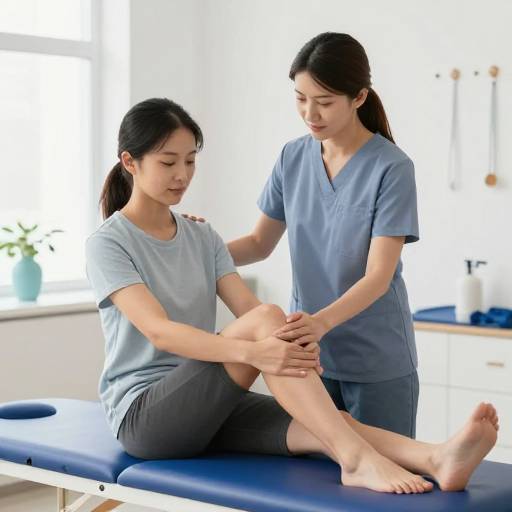
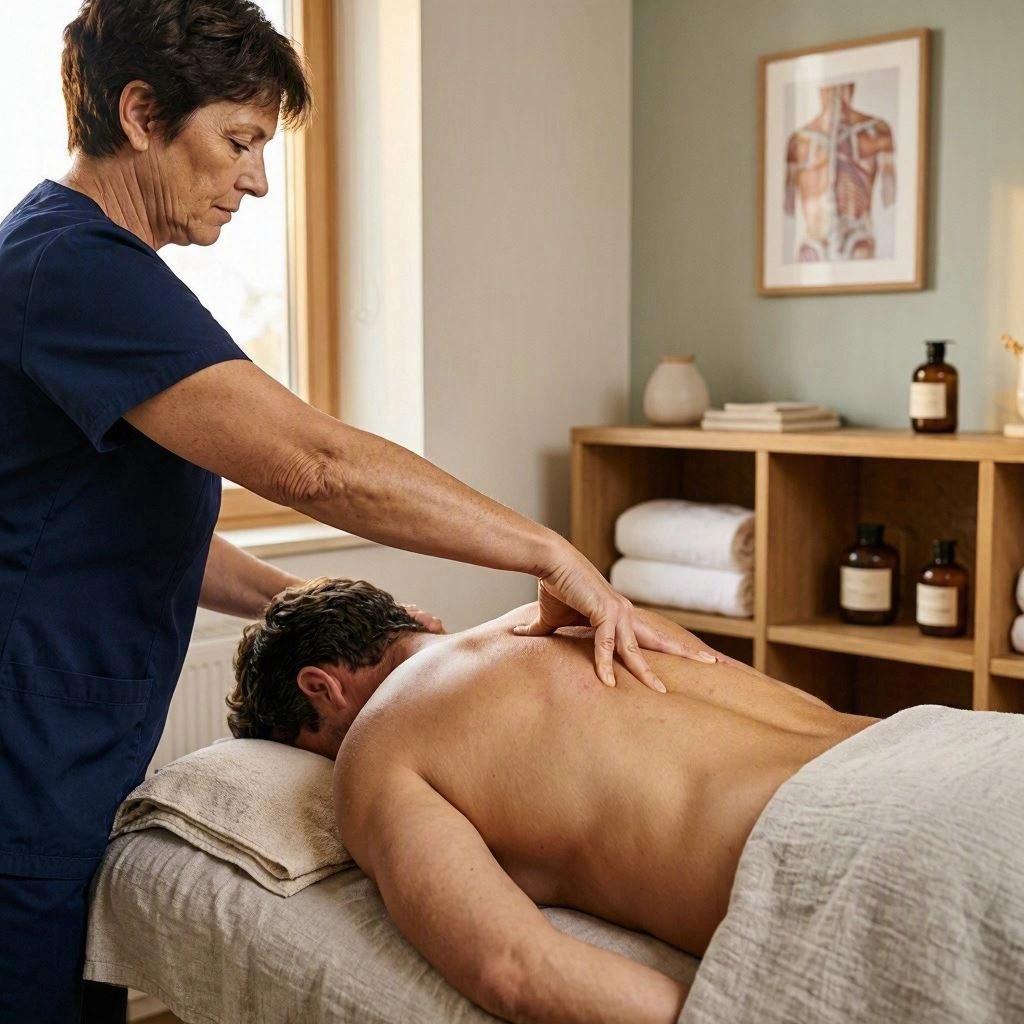
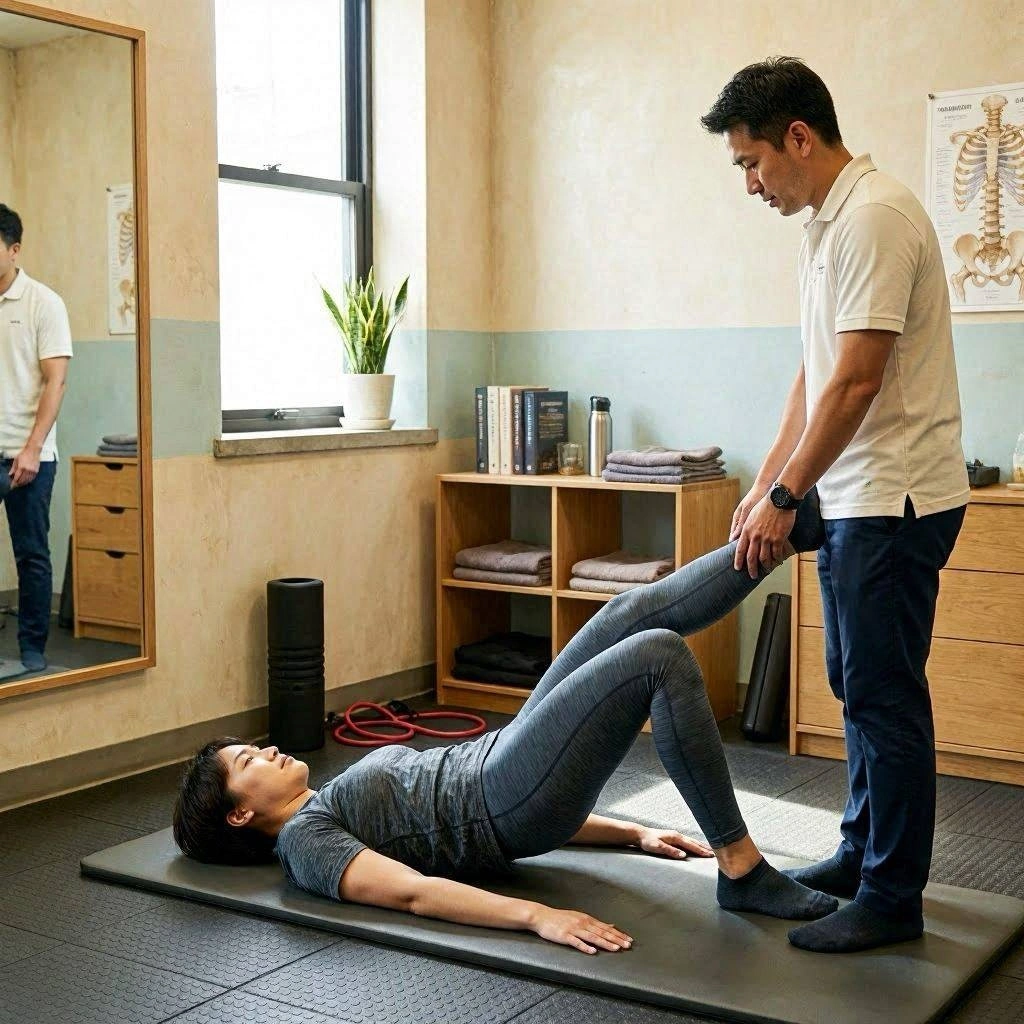
Corrective exercises are targeted movements prescribed to improve posture, restore joint mobility, strengthen weak muscles, and correct movement imbalances. Healthcare professionals such as chiropractors, physiotherapists, and rehabilitation specialists commonly recommend these exercises after completing a comprehensive physical assessment.
During the evaluation, factors such as posture, flexibility, muscle strength, joint mobility, balance, walking pattern, and functional movement are carefully examined. Based on these findings, a personalized exercise program is created to address each individual’s needs and goals.
Corrective exercise programs may include:
-
Stretching exercises
-
Strengthening exercises
-
Core stability training
-
Balance exercises
-
Mobility drills
-
Postural correction
-
Functional movement training
-
Flexibility exercises
-
Coordination activities
-
Breathing exercises
Ultimately, the goal is to improve movement efficiency, reduce pain, restore function, and prevent future injuries.
Why Are Corrective Exercises Important?
Poor movement patterns often develop gradually. For example, prolonged sitting, repetitive work, previous injuries, and muscle weakness can change the way the body moves. Consequently, unnecessary stress is placed on joints, muscles, tendons, and ligaments.
Corrective exercises help restore proper movement by addressing these imbalances before they lead to more serious problems. In addition, they encourage healthier posture and improve overall physical performance.
Benefits of Corrective Exercises
Improved Posture
Poor posture places continuous stress on the spine, shoulders, hips, and knees. Therefore, corrective exercises strengthen postural muscles while improving body alignment. As posture improves, many individuals notice reduced muscle fatigue and greater comfort throughout the day.
Better Mobility
Joint stiffness and muscle tightness often limit movement. Through stretching and mobility drills, corrective exercises increase flexibility and restore a healthy range of motion. Consequently, everyday activities become easier and more comfortable.
Reduced Pain
Many musculoskeletal conditions are related to muscle imbalances and poor movement mechanics. By correcting these problems, exercises can reduce pain affecting the neck, back, shoulders, hips, and knees.
Increased Strength and Stability
Weak supporting muscles contribute to poor movement quality. For this reason, strengthening exercises target important muscle groups that stabilize the spine and joints. As a result, balance and coordination also improve.
Injury Prevention
Correct movement patterns reduce excessive stress on the body. Therefore, corrective exercises help lower the risk of sports injuries, workplace injuries, and overuse conditions.
Enhanced Athletic Performance
Athletes benefit from improved flexibility, strength, balance, and coordination. Furthermore, efficient movement patterns may improve overall performance while reducing injury risk.
Who Can Benefit from Corrective Exercises?
Corrective exercises are suitable for individuals of various ages and activity levels.
They may benefit people who have:
-
Chronic back pain
-
Neck pain
-
Shoulder pain
-
Hip discomfort
-
Knee pain
-
Arthritis
-
Sports injuries
-
Poor posture
-
Muscle imbalances
-
Limited flexibility
-
Balance problems
-
Workplace-related pain
Additionally, individuals recovering from surgery often use corrective exercises to regain strength and mobility safely.
Common Types of Corrective Exercises
Stretching Exercises
Stretching improves flexibility while reducing muscle tightness. Tight muscles frequently contribute to poor posture and restricted movement. Therefore, regular stretching supports healthier body mechanics.
Strengthening Exercises
Targeted strengthening improves the function of weak muscles that stabilize joints. Consequently, the body becomes more resilient during everyday activities.
Core Stability Training
The core muscles support the spine and pelvis. Strengthening these muscles improves balance, posture, and overall movement efficiency.
Mobility Drills
Mobility exercises restore movement in stiff joints. As flexibility improves, individuals often notice better performance during walking, lifting, and exercise.
Balance and Coordination Training
Balance exercises improve body awareness and reduce the risk of falls. In addition, better coordination supports smoother, more efficient movement.
Functional Movement Training
Functional exercises mimic everyday activities such as bending, reaching, lifting, squatting, and climbing stairs. Therefore, patients develop movement skills that directly improve daily life.
Corrective Exercises for Common Conditions
Back Pain
Exercise programs strengthen the muscles supporting the spine while improving posture and flexibility.
Neck Pain
Stretching and strengthening exercises reduce muscle tension and restore healthy neck movement.
Shoulder Problems
Corrective exercises improve shoulder stability while increasing range of motion.
Knee Pain
Strengthening the hips, thighs, and core improves knee alignment and reduces joint stress.
Hip Pain
Mobility exercises combined with strengthening help restore normal hip function and reduce discomfort.
Sports Rehabilitation
Athletes use corrective exercises to recover from injuries while improving performance and preventing recurrence.
Supporting Your Recovery at Home
Professional guidance is important, but home exercise programs play an equally valuable role. Completing exercises consistently helps reinforce healthy movement patterns between appointments.
To maximize results:
-
Follow your prescribed exercise program.
-
Stretch regularly.
-
Stay physically active.
-
Maintain good posture.
-
Warm up before physical activity.
-
Use proper lifting techniques.
-
Stay hydrated.
-
Get enough sleep.
-
Listen to your body’s signals.
-
Attend follow-up appointments.
Most importantly, perform each exercise with proper technique rather than rushing through repetitions.
When Should You Start Corrective Exercises?
Many people wait until pain becomes severe before seeking treatment. However, addressing movement problems early often leads to faster recovery and better long-term outcomes.
You should consider professional assessment if you experience:
-
Frequent muscle tightness
-
Poor posture
-
Limited flexibility
-
Recurring injuries
-
Joint stiffness
-
Difficulty performing daily activities
-
Balance problems
-
Ongoing back or neck pain
Early intervention helps prevent minor issues from becoming chronic conditions.
Why Choose Professional Guidance?
Although many exercises are available online, individualized programs provide better results because they are based on your specific needs. Healthcare professionals evaluate movement patterns before selecting appropriate exercises. Consequently, treatment focuses on correcting the underlying cause rather than simply treating symptoms.
Furthermore, supervised rehabilitation ensures exercises are performed safely and effectively. Regular progress evaluations also allow your program to be adjusted as your strength and mobility improve.
Building Healthy Movement Habits (Corrective Exercises)
Corrective exercises work best when combined with healthy daily habits. For example, taking regular movement breaks during work reduces stiffness caused by prolonged sitting. Likewise, maintaining an ergonomic workstation helps support healthy posture throughout the day.
Balanced nutrition, adequate hydration, quality sleep, and stress management also contribute to improved recovery and physical performance. When these habits are combined with a personalized exercise program, long-term improvements become much more achievable.
Conclusion (Corrective Exercises)
Corrective exercises provide a personalized and evidence-based approach to improving posture, restoring mobility, reducing pain, and preventing injuries. By addressing muscle imbalances, joint restrictions, and faulty movement patterns, these exercises help individuals move more efficiently and confidently.
Whether you are recovering from an injury, managing chronic pain, improving athletic performance, or simply seeking better overall health, corrective exercises can make a meaningful difference. With guidance from a qualified healthcare professional and consistent participation in your exercise program, you can improve strength, flexibility, balance, and long-term physical function while enjoying a healthier and more active lifestyle.