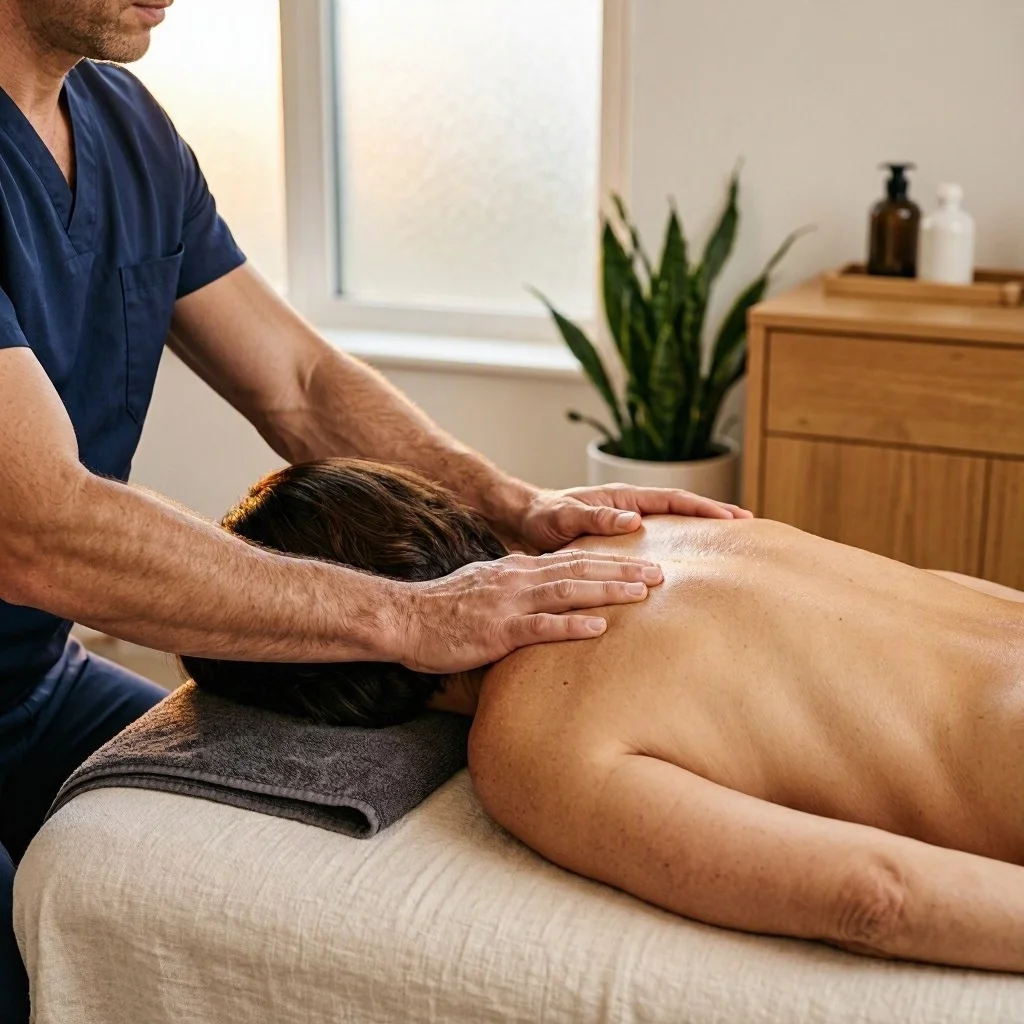
Massage Therapy for Upper Back Tension: Causes, Benefits, Techniques, and Relief
Upper back tension is a common problem that can affect people who spend long hours working at a desk, using digital devices, driving, exercising, or performing repetitive tasks. The discomfort often develops around the shoulder blades, upper thoracic spine, and muscles connecting the neck and shoulders. Some people describe it as tightness or stiffness, while others experience aching, tenderness, or a persistent feeling of pressure between the shoulder blades. Massage therapy for upper back tension may help reduce muscular discomfort, encourage relaxation, and make everyday movement feel more comfortable. However, its effects vary from person to person, and research suggests that massage-related pain relief is often short-term. Massage should therefore be considered one possible part of a broader approach that may also include physical activity, ergonomic changes, strengthening exercises, and professional assessment when necessary. Research from the National Center for Complementary and Integrative Health discusses both the potential benefits and limitations of massage for musculoskeletal pain.
This guide explains what causes upper back tension, how massage may help, which techniques practitioners commonly use, and what you can do to support longer-lasting relief.
What Is Upper Back Tension?
The upper back, also called the thoracic region, extends from the base of the neck to the lower portion of the rib cage. Several muscles in this area help control the shoulder blades, support the upper body, and coordinate movements of the neck, shoulders, and arms.
Common muscles associated with upper back tension include:
- Trapezius: A large muscle extending across the neck, shoulders, and upper back.
- Rhomboids: Muscles between the shoulder blades that help control their movement.
- Levator scapulae: A muscle connecting the upper neck to the shoulder blade.
- Thoracic paraspinal muscles: Muscles running alongside the thoracic spine that help support and move the back.
- Posterior shoulder muscles: Muscles that contribute to shoulder stability and movement.
When these muscles experience repeated loading, prolonged positioning, stress, or insufficient recovery, they may become uncomfortable or tender. Nevertheless, not every sensation of tightness means a muscle is physically shortened or damaged. Pain can involve several interacting factors, including sensitivity of the nervous system, sleep quality, stress, activity levels, and previous injuries.
Understanding the possible cause of upper back tension helps determine whether massage is appropriate and which other strategies may be useful.
Common Causes of Upper Back Tension
Upper back tension rarely has just one cause. In many cases, several everyday habits and physical demands contribute to symptoms.
1. Prolonged Desk Work
Sitting at a computer for long periods can increase discomfort around the shoulders and shoulder blades, particularly when a person remains in one position without regular movement breaks.
A screen positioned too low, a keyboard placed too far away, or a chair that does not suit the user’s body may encourage sustained neck and shoulder positioning. Over time, this can make the upper back feel fatigued or stiff.
The solution is not necessarily to maintain one supposedly perfect posture all day. Instead, changing positions regularly, adjusting the workstation, and taking short movement breaks can reduce prolonged loading.
2. Smartphone and Tablet Use
Looking down at a phone for extended periods may increase the time the neck and upper back spend in a sustained position. Holding a device in one hand can also create repetitive demands on the shoulder and upper trapezius muscles.
Bringing the device closer to eye level when practical, alternating hands, and taking breaks may help reduce these demands.
3. Stress and Muscle Guarding
Stress can influence breathing patterns, sleep, and the way people hold their shoulders. Some individuals notice that they raise their shoulders or clench their jaw during demanding situations.
This pattern may contribute to a feeling of tightness around the neck and upper back. Relaxation-focused massage may help some people feel less tense, although it does not remove every source of stress or guarantee lasting pain relief.
4. Repetitive Work and Physical Activity
Jobs involving lifting, reaching, carrying, or repetitive arm movements may place repeated demands on the upper back. Exercise can also cause temporary soreness when training intensity increases quickly or recovery is inadequate.
A sudden increase in weightlifting volume, unfamiliar exercises, or prolonged overhead activity may contribute to muscle discomfort.
When symptoms follow exercise, consider whether your training load, technique, recovery time, or equipment needs adjustment rather than relying on massage alone.
5. Limited Movement and Reduced Strength
A lack of regular movement may reduce tolerance for certain physical tasks. If the muscles that support the shoulder blades and upper back are not accustomed to repeated activity, everyday work may become uncomfortable more quickly.
Gentle movement and progressive strengthening can help build tolerance over time. Massage may complement these strategies by temporarily making movement more comfortable.
6. Previous Injury
A previous shoulder, neck, rib, or back injury may influence movement patterns. People sometimes protect a painful area by changing how they reach, lift, or turn.
Persistent symptoms following an injury deserve appropriate assessment, especially if pain is worsening, movement is significantly restricted, or symptoms include numbness or weakness.
7. Sleep Position and Recovery
An uncomfortable pillow, prolonged sleep position, poor sleep quality, or inadequate recovery after demanding activity may contribute to morning stiffness or muscle discomfort.
Changing pillows is not automatically necessary. Consider whether your sleeping arrangement allows you to rest comfortably and whether symptoms improve after moving around.
How Can Massage Therapy Help Upper Back Tension?
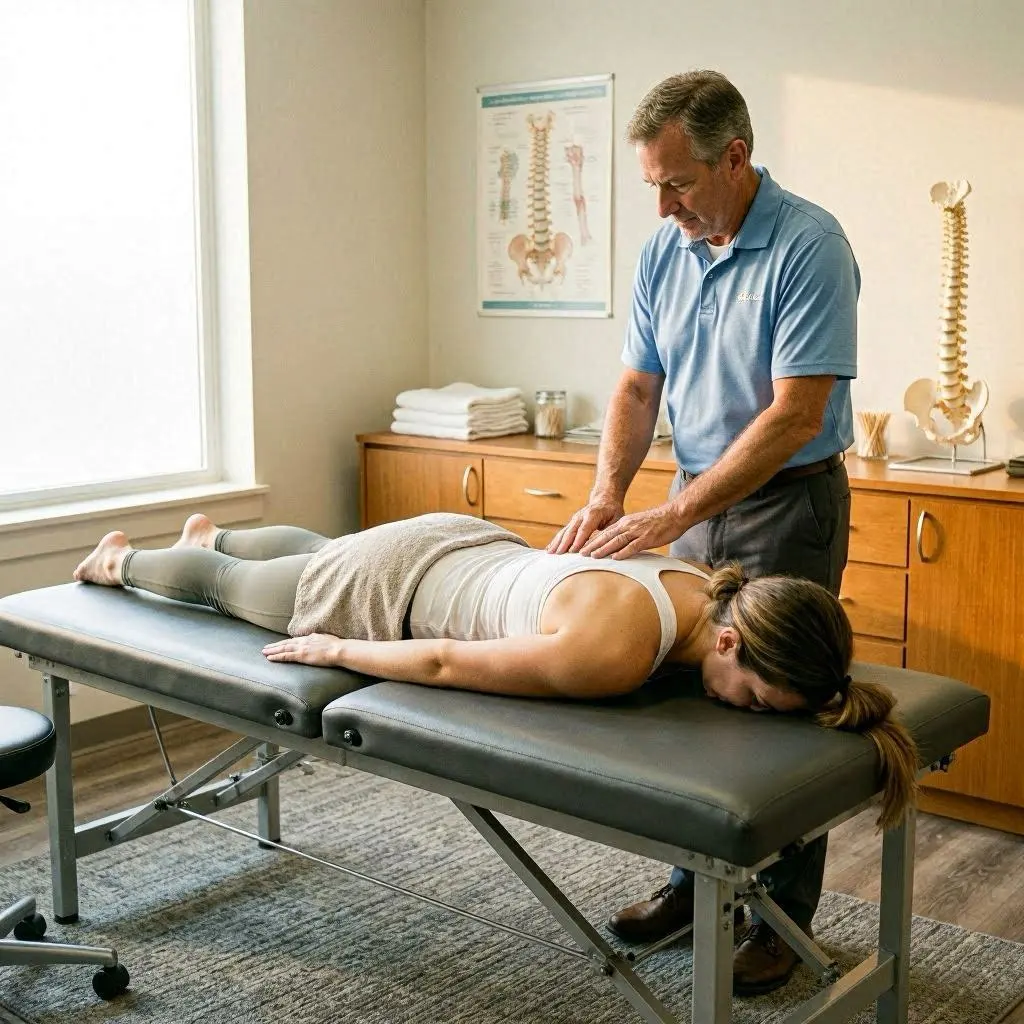
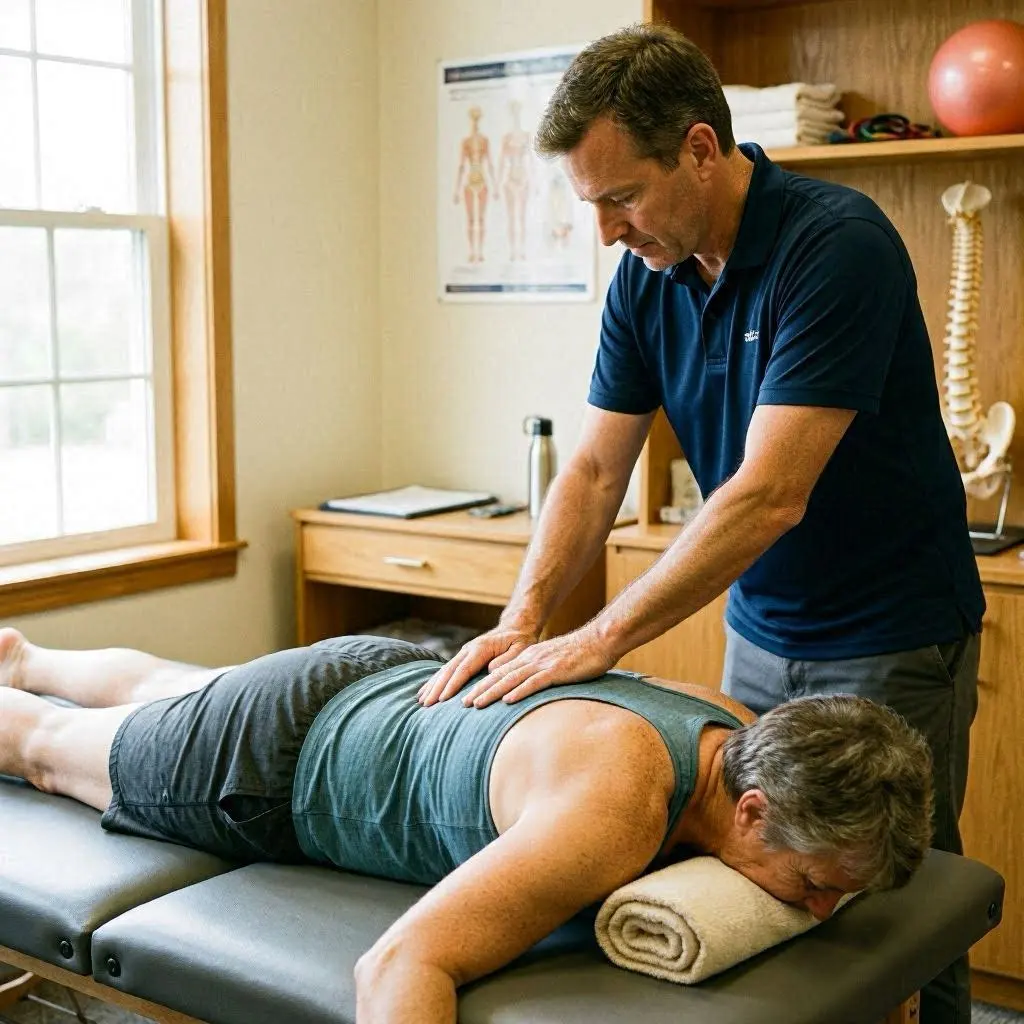
Massage therapy involves applying manual techniques to soft tissues, including muscles and connective tissue. Depending on the person’s needs, a session may use gentle pressure, gliding strokes, kneading, or more focused work on tender areas.
Massage may help upper back tension in several ways.
Temporary Relief From Muscle Discomfort (Massage Therapy for Upper Back Tension)
Some people experience reduced tenderness or discomfort after a massage session. This may make activities such as turning the head, reaching overhead, or sitting at a desk feel easier.
However, a temporary improvement does not necessarily mean that the underlying cause has been resolved. If prolonged work, repetitive loading, or reduced strength contributes to symptoms, those factors may still need attention.
Relaxation and Reduced Perceived Tension
A comfortable massage environment and appropriate touch may help some people relax. Relaxation can be useful when stress and muscle guarding accompany upper back discomfort.
The pressure should remain tolerable. A treatment does not need to be painful to be useful, and intense pressure should not be used simply because an area feels tight.
Improved Comfort During Movement
When discomfort decreases, some people find it easier to move their shoulders, turn their neck, or perform gentle exercises. This may create an opportunity to gradually resume activities that have become uncomfortable.
Massage does not mechanically realign the spine or permanently correct posture. Any improvement in movement should be assessed through how comfortably and effectively a person can perform relevant activities.
Support for an Active Recovery Plan
Massage may be one component of a plan that also includes education, movement, exercise, and changes to aggravating activities.
For example, a person experiencing upper back tension from long periods at a computer might combine occasional massage with workstation adjustments, brief movement breaks, and progressive upper-back strengthening.
This combined approach addresses both symptom management and the factors that may be contributing to recurring discomfort.
What Does the Research Say?
Research on massage therapy has examined several types of musculoskeletal pain, including neck and shoulder discomfort. Some studies suggest short-term benefits, but findings vary according to the condition, treatment approach, study quality, and comparison treatment.
The National Center for Complementary and Integrative Health notes that massage may help neck or shoulder pain, although benefits may be short-lived. A 2024 systematic review published in JAMA Network Open also found that the number of massage-related conclusions supported by moderate-certainty evidence remained limited. Read the review.
These findings are important when considering massage for upper back tension. Research on general neck or shoulder pain does not prove that massage will work for every person with thoracic discomfort. The most realistic expectation is that massage may offer symptom relief for some people, while lasting improvement often requires attention to movement, activity, and the underlying cause.
Massage Techniques Commonly Used for Upper Back Tension
A qualified massage therapist may adapt several techniques to the person’s symptoms, comfort, medical history, and treatment goals.
1. Swedish Massage
Swedish massage commonly uses smooth, gliding strokes, gentle kneading, and varying levels of pressure.
For upper back tension, a therapist may apply these techniques across the upper trapezius, muscles around the shoulder blades, and other comfortable areas of the back.
This approach may be appropriate for someone who prefers a relaxing session or is new to massage. Pressure can be adjusted throughout treatment.
2. Therapeutic Soft-Tissue Massage
Therapeutic soft-tissue massage focuses on areas associated with tenderness or muscular discomfort. A therapist may work around the shoulder blades, upper back, and the transition between the neck and shoulders.
The goal is to improve comfort and help the person tolerate movement, not to force tissue into a new position.
The therapist should avoid excessive pressure directly over the spine, prominent bones, irritated skin, or any area where a medical condition makes massage unsuitable.
3. Focused Pressure on Tender Areas
Some people have small areas that feel particularly sensitive when touched. A therapist may apply controlled, sustained pressure around these areas if it is safe and comfortable.
The pressure should be adjusted according to the person’s response. Sharp pain, burning, tingling, or increasing discomfort is a reason to stop or change the technique.
Tenderness alone does not establish a specific diagnosis, and not every painful spot needs intensive treatment.
4. Myofascial Techniques (Massage Therapy for Upper Back Tension)
Myofascial techniques use sustained, gentle pressure or slow movement over soft tissues. Some therapists use them to address the sensation of restricted movement or tension.
Evidence for particular massage techniques varies, and no single method has been established as universally superior for upper back tension. The choice should depend on individual needs, tolerance, and the therapist’s assessment.
5. Massage Around the Shoulder Blades
Muscles surrounding the shoulder blades help control shoulder movement and support the upper body. A therapist may work around these muscles when discomfort is associated with reaching, computer work, or repetitive arm activity.
The shoulder blade area can be sensitive, so pressure should remain controlled. Massage should not involve forceful pressure over the ribs or attempts to push the shoulder blades into a different position.
6. Gentle Neck and Shoulder Massage
Upper back tension often occurs alongside neck or shoulder discomfort. A therapist may therefore include gentle work around the upper trapezius and other nearby soft tissues.
The front and side of the neck contain sensitive structures and should not receive aggressive pressure. Any symptoms such as dizziness, unusual headaches, numbness, or radiating pain should be discussed before treatment.
Which Technique Is Best?
There is no single best massage technique for everyone. A person who feels generally tense may prefer a gentle, relaxation-focused session, while someone with a specific muscular complaint may benefit from more focused soft-tissue work.
A suitable approach should be based on comfort, medical history, the likely source of symptoms, and the person’s goals. Stronger pressure does not automatically produce better results.
What Happens During a Massage Therapy Session? (Massage Therapy for Upper Back Tension)
Knowing what to expect can make it easier to decide whether massage is appropriate for your upper back tension.
Step 1: Discuss Your Symptoms
The therapist should ask where the tension occurs, when it began, what activities aggravate it, and whether anything improves it.
You should also mention any previous injuries, medical conditions, recent surgery, medications that increase bleeding risk, or symptoms such as tingling and weakness.
Step 2: Identify Relevant Activities
Your therapist may ask about your work setup, exercise routine, daily movements, and sleep habits. This information helps identify possible contributing factors without assuming that posture or muscle tightness is the only explanation.
Step 3: Agree on Treatment and Pressure
Before treatment begins, discuss your goals and preferred pressure. You should feel able to request a lighter touch, change position, or stop the session at any time.
If your symptoms suggest that massage may be inappropriate, the therapist should recommend medical assessment rather than proceed automatically.
Step 4: Receive Individualised Treatment
The session may involve gentle or moderate massage over the upper back, shoulders, and nearby soft tissues. The exact techniques and duration will depend on your needs and the practitioner’s assessment.
You do not need to tolerate significant pain for the treatment to be effective.
Step 5: Review Your Response
After treatment, consider whether your discomfort, movement, or ability to perform daily activities has changed. Some people feel temporarily better, while others experience little improvement or mild soreness.
If symptoms consistently worsen after massage, discuss this with your therapist and consider another treatment approach.
How Often Should You Get a Massage for Upper Back Tension?
There is no universal schedule that suits every person. The appropriate frequency depends on symptom severity, the cause of discomfort, personal preferences, cost, and the response to previous sessions.
For mild, occasional tension, one session may help you determine whether massage provides useful short-term relief. For recurring symptoms, a practitioner may discuss a short trial of treatment alongside exercise and changes to aggravating activities.
Consider the following principles:
- Start with a clear goal: For example, reducing discomfort while working or making shoulder movement easier.
- Review the results: Track whether improvements last and whether everyday function changes.
- Avoid unnecessary intensity: Frequent or very deep massage is not automatically more effective.
- Address contributing factors: Consider work habits, training load, movement breaks, and strength.
- Reassess persistent symptoms: Ongoing or worsening pain should not simply lead to increasingly frequent massages.
If massage repeatedly provides only brief relief, a physiotherapist or other appropriate healthcare professional can help assess whether a different treatment plan is needed.
Exercises to Complement Massage Therapy (Massage Therapy for Upper Back Tension)
Massage may help some people feel more comfortable, but movement and strengthening are important parts of managing recurring upper back tension. Choose exercises that suit your current ability and stop if they cause sharp pain, dizziness, numbness, or worsening symptoms.
1. Shoulder Rolls
Shoulder rolls gently move the shoulder girdle through a comfortable range of motion.
How to do them:
- Sit or stand with your arms relaxed.
- Slowly raise your shoulders toward your ears.
- Move them backward and down in a comfortable circular motion.
- Repeat five to ten times, then change direction if comfortable.
Keep the movement smooth rather than forcing the shoulders into a large range.
2. Shoulder Blade Squeezes
This exercise encourages controlled movement of the shoulder blades.
How to do them:
- Sit or stand comfortably with your arms by your sides.
- Gently draw your shoulder blades toward each other.
- Avoid shrugging or arching your lower back.
- Hold for approximately three to five seconds.
- Relax and repeat eight to twelve times, as tolerated.
The movement should feel controlled rather than forceful.
3. Thoracic Extension Over a Chair
Gentle thoracic extension moves the upper back backward within a comfortable range.
How to do it:
- Sit on a stable chair with a supportive backrest.
- Place your hands across your chest.
- Keep your lower back relatively comfortable and supported.
- Gently lean your upper back over the chair’s backrest.
- Return to the starting position and repeat several times.
Do not force the movement or continue if it causes pain around the ribs or chest.
4. Doorway Chest Stretch (Massage Therapy for Upper Back Tension)
A gentle chest stretch may be useful for people who feel tight across the front of the shoulders.
How to do it:
- Stand in a doorway and place your forearm against the frame at a comfortable height.
- Step forward slightly until you feel a mild stretch across the chest.
- Hold for about 15 to 20 seconds while breathing normally.
- Repeat on the other side if comfortable.
Avoid forcing the shoulder backward or stretching into pain.
5. Resistance-Band Rows
Resistance-band rows strengthen muscles involved in controlling the shoulder blades and upper back.
How to do them:
- Secure an appropriate resistance band safely.
- Hold the band with both hands and keep your shoulders relaxed.
- Pull your elbows backward while bringing your shoulder blades gently toward each other.
- Return slowly to the starting position.
- Begin with one or two sets of eight to twelve repetitions, using resistance you can control.
Increase resistance gradually as your strength and tolerance improve. If you are recovering from an injury, seek professional advice about suitable exercises.
6. Walking and Regular Movement Breaks
Walking and changing position throughout the day can reduce the amount of time spent in one posture. If you work at a computer, try standing up, walking briefly, or moving your shoulders every 30 to 60 minutes.
The exact interval is less important than finding a routine that interrupts prolonged inactivity and fits your workday.
For persistent symptoms, a physiotherapist can help select exercises based on your strength, mobility, medical history, and functional goals. Learn more about physiotherapy at Ritz Clinic.
Ergonomic Changes That May Reduce Upper Back Tension
Small changes to your workspace and daily routine may help reduce repeated strain.
Adjust Your Monitor
Position the screen so that you can view it comfortably without repeatedly leaning forward or looking down. The appropriate height depends on the monitor, chair, and your individual needs.
Keep Frequently Used Items Within Reach
A keyboard, mouse, or frequently used tool placed too far away may encourage repeated reaching. Arrange your workspace so that routine tasks can be performed without unnecessary stretching.
Support Your Arms (Massage Therapy for Upper Back Tension)
Where possible, position your arms so that your shoulders do not need to remain raised while typing. Adjust your chair, desk, or armrests to a comfortable height.
Change Positions Regularly
Avoid treating posture as a fixed position that must be maintained all day. Alternating between sitting, standing, and brief periods of movement may be more practical than trying to hold a single posture perfectly.
Manage Exercise Load
If tension appears after a new workout, reduce the load or volume temporarily and build back gradually. Check that your exercises match your current ability and allow sufficient recovery.
These changes do not guarantee that tension will disappear, but they may help reduce repeated aggravation and support the effects of other treatments.
Massage Therapy vs. Physiotherapy for Upper Back Tension
Massage therapy and physiotherapy may have different roles, depending on the cause of the symptoms and the person’s goals.
| Feature | Massage therapy | Physiotherapy |
|---|---|---|
| Main focus | Soft-tissue treatment and symptom relief | Assessment, movement, function, and rehabilitation |
| Typical methods | Manual pressure, gliding strokes, kneading | Exercise, education, movement assessment, and sometimes manual therapy |
| Potential benefit | May provide temporary relief or relaxation | Can address movement limitations and build strength and activity tolerance |
| Best role | A possible component of symptom management | Particularly useful when symptoms affect function or keep recurring |
| Limitations | May not address the underlying cause by itself | Requires an individualised plan and active participation |
These services are not necessarily alternatives. Some people may benefit from massage for short-term comfort while following an exercise-based rehabilitation plan.
The most appropriate option depends on the symptoms, medical history, and findings from an assessment. If the cause is uncertain or the discomfort keeps returning, a healthcare professional can help guide the next step.
Is Massage Therapy Safe for Upper Back Tension?
Massage is generally well tolerated by many healthy adults when performed appropriately. However, temporary soreness can occur, and serious complications have rarely been reported, particularly with vigorous techniques or in people at increased risk of injury.
According to the National Center for Complementary and Integrative Health, people should discuss relevant medical conditions and choose a suitably qualified practitioner before treatment.
Tell your therapist if you have any of the following:
- A recent fracture, significant injury, or surgery.
- Osteoporosis or another condition that increases fracture risk.
- A bleeding disorder or medication that increases bleeding risk.
- A history of blood clots or a condition affecting circulation.
- Active skin infection, open wounds, or significant bruising in the treatment area.
- Cancer or another condition requiring specific treatment precautions.
- Unexplained or severe pain that has not been assessed.
These circumstances do not all automatically prohibit massage, but they may require medical guidance, a modified approach, or avoidance of certain techniques.
When Should You Avoid Massage and Seek Medical Care?
Upper back discomfort is often related to muscles or everyday activity, but pain in this region can sometimes indicate a more serious problem.
Seek urgent medical care if upper back pain occurs with chest pressure, difficulty breathing, fainting, or sudden severe pain. Do not assume these symptoms are muscular.
Arrange prompt medical assessment for upper back pain that is severe, rapidly worsening, associated with fever or feeling generally unwell, follows significant trauma, or occurs alongside new weakness, numbness, or other neurological symptoms.
You should also seek medical advice for persistent pain that is unexplained, regularly wakes you at night, or does not improve as expected. The NHS back pain guidance identifies upper back pain between the shoulders as a reason to seek assessment in appropriate circumstances.
Massage should never delay evaluation of potentially serious symptoms.
How Long Does It Take to Feel Better?
The response to massage varies. Some people notice a difference during or soon after a session, while others experience little change. If symptoms improve, the relief may be temporary.
The timeline depends on factors such as:
- The underlying cause of the discomfort.
- How long symptoms have been present.
- Whether work or daily activities continue to aggravate the area.
- Sleep, stress, and recovery.
- Whether exercise and other recommended strategies are followed.
- Individual differences in sensitivity and response to treatment.
It is more useful to track functional changes than to judge success by how much pressure was applied. For example, you might monitor whether you can turn your head more comfortably, work for longer without discomfort, or complete daily activities with less restriction.
If symptoms are not improving, are becoming more severe, or repeatedly return, reassessment is more appropriate than assuming that more massage is always necessary.

Who May Benefit From Massage Therapy for Upper Back Tension?
Massage may be worth considering for people who experience mild to moderate muscular discomfort associated with everyday activities, provided no warning signs or contraindications are present.
It may be particularly appealing to people who:
- Experience tension after prolonged desk work.
- Notice muscular discomfort after repetitive tasks.
- Prefer hands-on treatment as part of a broader recovery plan.
- Find relaxation helpful when stress accompanies physical tension.
- Want to explore whether short-term symptom relief makes movement more comfortable.
Massage may not be the right first step for unexplained, severe, traumatic, or progressively worsening pain. People with significant medical conditions should discuss their circumstances with an appropriate healthcare professional.
Frequently Asked Questions
1. Does massage therapy help upper back tension?
Massage may provide short-term relief for some people with muscular upper back discomfort. However, the evidence varies, and results are not guaranteed. Recurring symptoms may also require exercise, activity modification, or clinical assessment.
2. What type of massage is best for upper back tension?
There is no universally best technique. Swedish massage, therapeutic soft-tissue massage, and gentle focused pressure are common options. The appropriate approach depends on your symptoms, comfort, medical history, and treatment goals.
3. Can massage release tight muscles between the shoulder blades?
Massage may reduce the sensation of tightness or tenderness for some people. However, discomfort between the shoulder blades can have several causes, so persistent or unexplained symptoms should not automatically be attributed to muscle tension.
4. How long should a massage session last?
Session length depends on the treatment plan, the area being treated, your tolerance, and the practitioner’s recommendations. A longer session is not necessarily more effective. Discuss an appropriate duration with your therapist.
5. Is deep-tissue massage better for upper back tension?
Not necessarily. Deep pressure may be uncomfortable and is not suitable for everyone. Gentle or moderate pressure may be sufficient, and treatment should not cause sharp pain, tingling, or worsening symptoms.
6. Can I get a massage if I work at a desk all day?
Many people who work at desks can consider massage if their symptoms are appropriate for treatment. However, massage is unlikely to address every contributing factor. Regular movement, workstation adjustments, and strengthening may also be useful.
7. Why does my upper back feel tight even after massage?
Symptoms may persist because the original contributing factors remain, such as repetitive activity, prolonged positioning, reduced strength, stress, or an unrecognised medical condition. If the problem continues, consider a professional assessment.
8. Should I exercise after massage?
Gentle movement is often reasonable if you feel comfortable. Avoid strenuous activity if you experience significant soreness or if your therapist advises against it. If you are recovering from an injury, follow an appropriate rehabilitation plan.
9. Can massage help with neck and shoulder tension too?
Massage may help some people with neck and shoulder discomfort, although relief can be short-term. Symptoms involving numbness, weakness, severe headaches, or unexplained pain require appropriate assessment rather than massage alone.
10. Is upper back tension always caused by poor posture?
No. Upper back discomfort may be associated with prolonged positioning, but it can also relate to physical workload, stress, injury, sleep, or other health conditions. There is no single posture that is ideal for every person throughout the day.
11. When should I see a physiotherapist?
Consider physiotherapy if symptoms keep returning, interfere with work or exercise, limit shoulder or back movement, or do not improve with reasonable self-care. A physiotherapist can assess movement and help develop an appropriate exercise and rehabilitation plan.
12. When should I see a doctor instead of getting a massage?
Seek medical care for severe or unexplained pain, symptoms following significant trauma, fever or feeling unwell, new neurological symptoms, or pain accompanied by chest discomfort or breathing difficulty. Chest symptoms or sudden severe pain may require emergency care.
Conclusion: A Practical Approach to Upper Back Tension
Massage therapy for upper back tension may offer temporary relief from muscular discomfort, promote relaxation, and make movement feel more comfortable for some people. Its effectiveness varies, and current research does not support promising a permanent solution for everyone.
For better long-term management, consider combining appropriate massage with regular movement, gradual strengthening, workstation adjustments, adequate recovery, and professional advice when symptoms persist. The goal is not simply to make the muscles feel looser immediately after treatment, but to improve comfort and help you return to your usual activities.
If upper back tension is recurring or interfering with daily life, an individualised assessment can help identify suitable treatment options. For more information about movement-based care, visit Ritz Clinic Massage therapy.
Medical disclaimer: This article is for general educational purposes only and does not replace individual medical advice, diagnosis, or treatment. Seek appropriate medical care for severe, unexplained, worsening, or potentially urgent symptoms.
National Center for Complementary and Integrative Health — Massage Therapy: What You Need to Know