Physiotherapy for Carpal Tunnel Syndrome: Treatment, Exercises, and Recovery
Carpal tunnel syndrome is a common condition that affects the hand and wrist, causing tingling, numbness, pain, and sometimes weakness. These symptoms can interfere with typing, driving, sleeping, gripping objects, and completing everyday tasks. Although mild symptoms may initially appear only at night, untreated nerve compression can sometimes lead to persistent sensory changes and muscle weakness.
Physiotherapy for Carpal Tunnel Syndrome can help people manage symptoms, improve hand function, modify activities that aggravate the condition, and understand when additional medical treatment may be necessary. Depending on the severity of nerve compression, treatment may include education, wrist splinting, carefully selected exercises, ergonomic adjustments, and manual therapy.
The right approach depends on the individual’s symptoms, physical examination, medical history, and functional needs. Physiotherapy may be suitable for mild to moderate cases, but it should not delay medical or surgical assessment when signs of significant nerve damage are present.
What Is Carpal Tunnel Syndrome?
Carpal tunnel syndrome occurs when the median nerve is compressed as it passes through the carpal tunnel, a narrow passage in the wrist.
The carpal tunnel contains the median nerve and several flexor tendons that help bend the fingers. Because the space is limited, changes in pressure within the tunnel can irritate or compress the nerve.
The median nerve provides sensation to the thumb, index finger, middle finger, and part of the ring finger. It also supplies some of the muscles responsible for thumb movement.
When pressure affects the nerve, a person may experience numbness, tingling, burning sensations, pain, or weakness in the hand.
Physiotherapy for Carpal Tunnel Syndrome focuses on managing symptoms and improving function while addressing modifiable factors that may contribute to irritation. It cannot guarantee that the nerve compression will resolve, particularly when the condition is advanced.
Common Symptoms of Carpal Tunnel Syndrome
Recognising the symptoms early can help people seek appropriate treatment before the condition significantly affects hand function.
1. Tingling and Numbness
Tingling or numbness in the thumb, index finger, middle finger, and part of the ring finger is characteristic of carpal tunnel syndrome.
Symptoms may occur intermittently at first, especially during the night or after activities that involve sustained wrist positions. Some people wake up and shake their hands to obtain temporary relief.
Persistent numbness deserves particular attention because it may indicate more substantial nerve involvement.
2. Wrist and Hand Pain
Pain may occur in the wrist, palm, or fingers. Some people also experience discomfort that travels into the forearm.
Pain patterns vary, and wrist pain alone does not confirm carpal tunnel syndrome. Other conditions affecting the tendons, joints, neck, or nerves may produce similar symptoms.
3. Weakness and Reduced Grip
As the condition progresses, some individuals notice difficulty gripping objects, opening jars, holding tools, or carrying shopping bags.
Weakness may be related to discomfort, reduced sensation, or changes in the muscles supplied by the median nerve.
A physiotherapist can assess grip function and determine whether weakness appears to be related to nerve compression or another condition.
4. Difficulty With Fine Motor Tasks
Tasks such as fastening buttons, handling coins, writing, or picking up small objects may become difficult when sensation or thumb control is affected.
Physiotherapy for Carpal Tunnel Syndrome can include practical strategies to make these activities more comfortable while the underlying condition is being assessed and managed.
5. Symptoms That Interrupt Sleep
Night-time symptoms are common. Wrist position during sleep may contribute to increased pressure within the carpal tunnel, causing tingling, pain, or numbness.
A wrist splint that maintains a comfortable, near-neutral position may help some people with mild to moderate symptoms. The fit and position matter, and the splint should not be so tight that it increases discomfort or numbness.
What Causes Carpal Tunnel Syndrome?
Carpal tunnel syndrome often develops through a combination of factors rather than a single cause.
Repetitive or Sustained Hand Activities
Activities involving repeated wrist movement, forceful gripping, or prolonged awkward wrist positions may aggravate symptoms in some people.
Computer work, manual tasks, tool use, and repetitive production work can involve these exposures. However, typing alone does not explain every case, and not everyone who performs repetitive work develops carpal tunnel syndrome.
Wrist Position
Keeping the wrist bent for extended periods may increase pressure within the carpal tunnel. Sleeping with the wrist flexed or maintaining an awkward position during work may aggravate symptoms in susceptible individuals.
A key part of physiotherapy is identifying positions and activities that consistently worsen symptoms and finding practical alternatives.
Medical Conditions
Certain health conditions are associated with a higher likelihood of carpal tunnel syndrome. These may include diabetes, thyroid disorders, inflammatory arthritis, and conditions associated with fluid retention.
Pregnancy can also increase the likelihood of symptoms because hormonal changes and fluid retention may affect pressure within the carpal tunnel.
A healthcare professional can consider these factors when assessing symptoms and selecting treatment.
Previous Wrist Injury
A fracture, sprain, or other wrist injury may alter the structures surrounding the carpal tunnel. Depending on the injury, this can contribute to nerve compression.
New numbness or weakness following significant wrist trauma should be assessed promptly.
Individual Anatomical Factors
The size and shape of the carpal tunnel vary between individuals. Anatomical differences and changes in the tissues surrounding the nerve may influence susceptibility to compression.
In some cases, no single contributing factor can be identified.
How Is Carpal Tunnel Syndrome Diagnosed?
A correct diagnosis is important because several conditions can produce similar symptoms. These include cervical nerve problems, peripheral neuropathy, tendon disorders, and other nerve entrapments.
Medical History
The clinician may ask which fingers are affected, when symptoms occur, whether they interrupt sleep, and whether the person has noticed weakness or difficulty with daily activities.
Questions about work tasks, hobbies, pregnancy, diabetes, thyroid conditions, and previous wrist injuries may also help clarify possible contributing factors.
Physical Examination
The examination may include:
- Testing sensation in the fingers.
- Assessing thumb strength and hand function.
- Checking wrist and finger movement.
- Examining the neck and upper limb when indicated.
- Performing specific clinical tests for median nerve irritation.
- Assessing how symptoms respond to certain wrist positions.
No single physical test should automatically be treated as definitive. The results need to be interpreted alongside the history and other findings.
Nerve Conduction Studies and Other Tests
Nerve conduction studies or electromyography may be considered when the diagnosis is uncertain, symptoms are severe, nerve damage is suspected, or the results could influence treatment decisions.
These tests can help assess how the median nerve is functioning. Imaging is not necessary in every case, but ultrasound or other investigations may be useful in selected circumstances.

How Physiotherapy for Carpal Tunnel Syndrome Can Help
The main goal of Physiotherapy for Carpal Tunnel Syndrome is to improve comfort and function while reducing avoidable aggravation of the median nerve.
The treatment plan should be individualised. A person with occasional night-time tingling may need a different approach from someone with constant numbness, reduced thumb strength, or symptoms that affect their occupation.
1. Patient Education and Activity Modification
Understanding which positions and activities aggravate symptoms is an important part of conservative care.
A physiotherapist can help identify tasks that involve prolonged wrist bending, forceful gripping, or repeated exposure to uncomfortable positions. The aim is not necessarily to stop using the hand, but to make activities more manageable.
Practical strategies may include changing the way a tool is held, adjusting work height, alternating tasks, reducing unnecessary gripping force, or taking short movement breaks.
2. Wrist Splinting
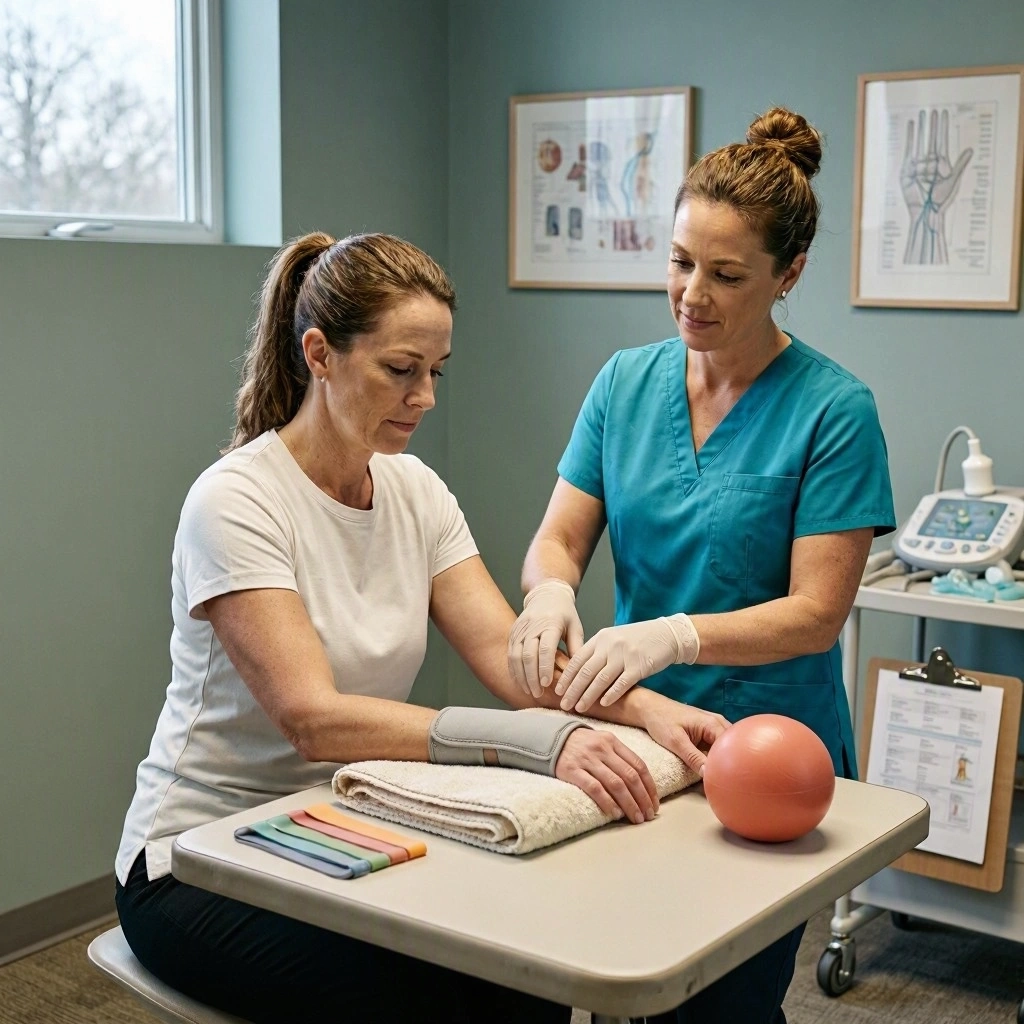
A wrist orthosis or splint can hold the wrist near a neutral position, helping avoid positions that may increase pressure within the carpal tunnel.
Clinical practice guidance supports night-time wrist immobilisation for short- or medium-term symptom and functional improvement in many people with mild to moderate carpal tunnel syndrome.
A suitable splint should fit comfortably and maintain the intended wrist position. If wearing it causes increased numbness, skin irritation, swelling, or pain, its fit and use should be reviewed.
Splinting can help control symptoms, but it does not guarantee that the underlying nerve compression will disappear.
3. Carefully Selected Therapeutic Exercises
Some people may benefit from a supervised programme that includes gentle stretching or nerve and tendon movement exercises.
However, exercises are not appropriate for every presentation, and evidence for individual nerve-gliding techniques is mixed. Aggressive stretching or repeated movements that reproduce tingling should be avoided.
A physiotherapist can determine whether exercises are suitable and monitor how the symptoms respond.
4. Manual Therapy
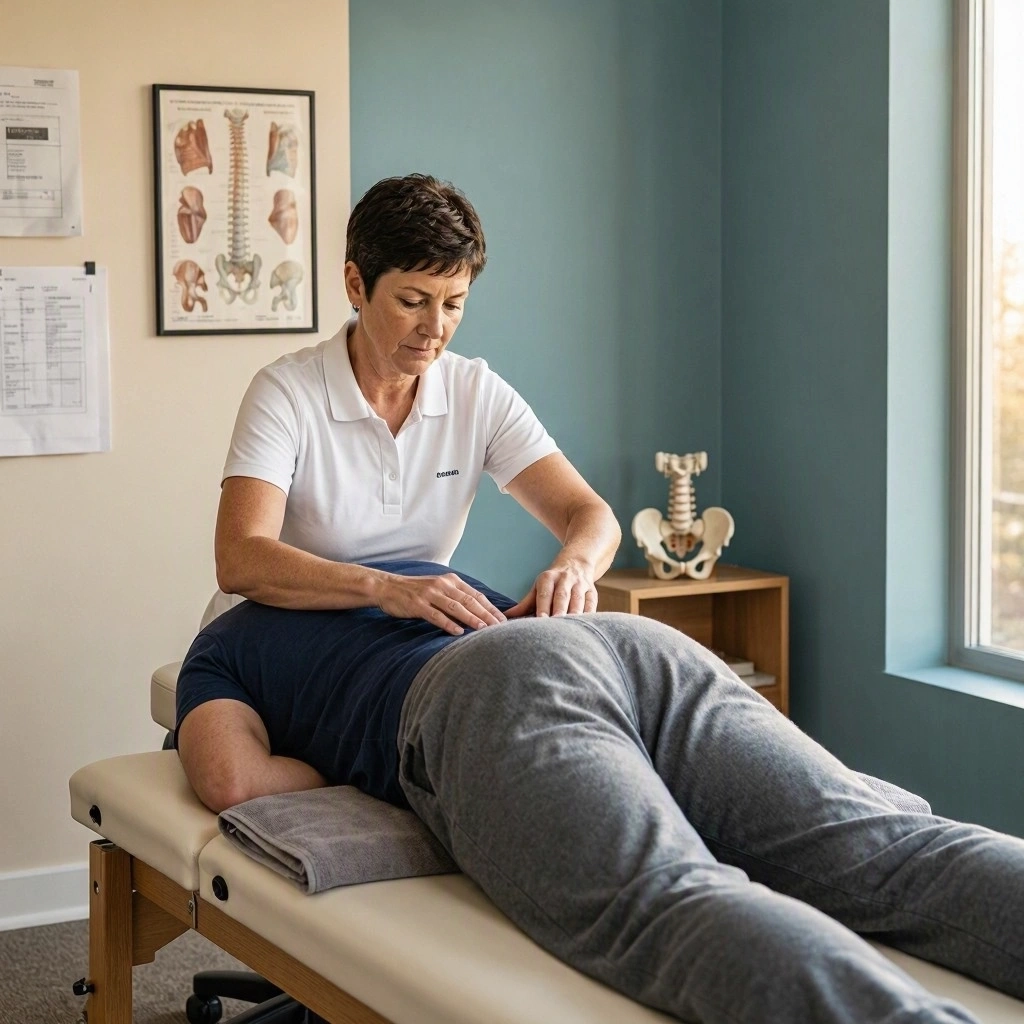
A physiotherapist may use selected manual techniques involving the wrist or other parts of the upper limb when the examination identifies relevant movement restrictions or contributing impairments.
Some clinical guidance supports manual therapy as an option for short-term symptom and functional improvement in selected people with mild to moderate carpal tunnel syndrome.
Manual therapy should be viewed as one possible component of a broader plan, not a guaranteed way to remove nerve compression.
5. Workstation and Ergonomic Advice
For people whose symptoms are aggravated by work tasks, adjustments to equipment and working habits may help reduce uncomfortable wrist positions.
A physiotherapist can assess how the person uses a keyboard, mouse, hand tools, or other equipment and suggest practical changes based on the specific task.
6. Monitoring Progress
Physiotherapy should include regular review of symptoms and function. Useful measures may include night-time waking, frequency of tingling, grip-related tasks, sensation, and thumb strength.
If symptoms remain significant or weakness progresses despite appropriate conservative management, further medical assessment may be needed.
Physiotherapy Exercises for Carpal Tunnel Syndrome
Exercise should be selected according to symptom severity and clinical findings. The following examples are not a universal treatment programme. Before starting, seek advice if you have persistent numbness, noticeable weakness, significant pain, or a recent wrist injury.
Stop an exercise if it causes increasing tingling, numbness, pain, or symptoms that remain worse afterward.
1. Gentle Wrist Range of Motion
This exercise maintains comfortable wrist movement without forcing the joint into an extreme position.
How to perform it:
- Sit comfortably with your forearm supported.
- Keep your fingers relaxed.
- Slowly bend your wrist forward within a comfortable range.
- Return to a neutral position.
- Gently move the wrist backward only as far as is comfortable.
- Repeat a few times without forcing the movement.
The aim is controlled, comfortable motion rather than a strong stretch.
2. Gentle Finger Opening and Closing
This movement encourages comfortable finger motion and may help maintain mobility during daily activities.
How to perform it:
- Rest your forearm on a table or your lap.
- Slowly open your hand and straighten your fingers comfortably.
- Gently curl your fingers toward your palm without squeezing tightly.
- Return to the starting position.
- Repeat at a relaxed pace.
Avoid forceful gripping if it increases symptoms.
3. Thumb Movement
Carpal tunnel syndrome can affect the muscles involved in thumb function. Gentle thumb movement may help maintain mobility, although it does not directly remove pressure from the median nerve.
How to perform it:
- Keep your hand relaxed with the palm facing upward or inward.
- Slowly move your thumb away from the palm.
- Return it to a comfortable resting position.
- If comfortable, bring the thumb toward the tip of each finger.
- Avoid forcing any movement that produces tingling or pain.
If thumb weakness is developing, exercise alone is not a substitute for medical assessment.
4. Median Nerve Gliding
Median nerve gliding exercises aim to encourage movement of the nerve relative to surrounding tissues. They are sometimes included in Physiotherapy for Carpal Tunnel Syndrome, but the evidence is not consistent enough to assume that everyone will benefit.
How to approach the exercise safely:
- Begin with the arm in a comfortable position close to your body.
- Keep your shoulder relaxed.
- Under professional guidance, move the wrist, fingers, and elbow through a small, coordinated range.
- Return to the starting position without holding a forceful stretch.
- Stop if tingling, numbness, or pain increases.
The exact sequence matters. Different nerve-gliding methods place different amounts of strain on the nerve, so it is best to learn the appropriate technique from a qualified clinician.
5. Tendon Gliding
Tendon-gliding exercises move the fingers through selected positions to encourage movement of the flexor tendons inside the carpal tunnel. They may be included in some rehabilitation programmes.
How to perform a gentle version when advised:
- Start with your fingers comfortably straight.
- Slowly move into a relaxed hook position if this is comfortable.
- Return to the starting position.
- Move into another prescribed finger position only if it does not aggravate symptoms.
- Keep the movements controlled and avoid forceful gripping.
The appropriate sequence and range should be selected for your symptoms. Some positions may increase pressure or nerve strain, so more movement is not always better.
How Often Should You Do These Exercises?
There is no single frequency that is suitable for everyone with carpal tunnel syndrome. The clinician should consider symptom severity, response to activity, and the type of exercise.
Start with the prescribed amount rather than repeatedly performing exercises throughout the day. If symptoms become more frequent or intense, stop the provoking movement and seek advice about modifying the programme.
Ergonomic Tips for Managing Carpal Tunnel Syndrome
Changes to daily activities can complement Physiotherapy for Carpal Tunnel Syndrome, particularly when specific tasks repeatedly aggravate symptoms.
Keep the Wrist Comfortable
When typing or using a mouse, try to keep the wrist in a comfortable, relatively neutral position rather than holding it bent for long periods.
Avoid pressing the wrist against a hard desk edge, particularly if this produces discomfort.
Adjust Your Workstation
Position your keyboard and mouse so that you do not need to reach excessively or hold the wrist in an awkward position. Equipment adjustments should suit your body and the task rather than following one rigid setup for everyone.
Reduce Unnecessary Gripping Force
When using tools, carrying objects, or performing household tasks, consider whether you can reduce the force needed to hold the item.
Larger handles or suitable assistive equipment may help some people perform tasks with less gripping effort.
Change Tasks and Take Short Breaks
Alternating between different tasks can reduce prolonged exposure to a single uncomfortable position. Brief breaks may also provide an opportunity to relax the hand and adjust posture.
These changes may improve comfort, but they should not be presented as a guaranteed cure for carpal tunnel syndrome.
Consider Night-Time Wrist Position
If symptoms are worse during sleep, a properly fitted wrist splint may help maintain a comfortable neutral position. Avoid sleeping with the wrist tightly bent beneath your body or pillow if this reliably aggravates symptoms.
How Long Does Physiotherapy for Carpal Tunnel Syndrome Take?
Recovery varies according to the severity and duration of nerve compression, the person’s health, and the treatment approach.
Some people with mild symptoms notice improvement after making activity changes and using a night splint consistently. Others may require a longer period of monitoring and treatment.
Symptoms that have been present for months, persistent sensory loss, or muscle weakness may take longer to improve and may not respond fully to conservative treatment.
Rather than relying on a fixed number of sessions, progress should be assessed by changes in sleep, sensation, discomfort, grip-related activities, and hand function.
If symptoms are worsening or there is no meaningful improvement after an appropriate trial of treatment, a healthcare professional should reassess the diagnosis and discuss other options.
Can Physiotherapy Prevent Carpal Tunnel Surgery?
For some people with mild to moderate carpal tunnel syndrome, conservative management may provide enough symptom relief to avoid or postpone surgery. Treatment may include education, wrist splinting, ergonomic changes, and selected exercises or manual therapy.
However, physiotherapy cannot guarantee that surgery will not be needed. Persistent nerve compression can cause lasting damage, particularly when weakness or muscle wasting develops.
Surgery may be recommended when symptoms are severe, conservative care has not provided sufficient improvement, or there are signs of significant nerve impairment. Carpal tunnel release aims to reduce pressure on the median nerve by dividing the transverse carpal ligament.
A qualified clinician can help determine whether continued conservative treatment is appropriate or whether referral for surgical assessment is needed.
Carpal Tunnel Syndrome During Pregnancy
Carpal tunnel syndrome can develop during pregnancy, partly because fluid retention may increase pressure around the median nerve.
Symptoms may include night-time tingling, numbness, and difficulty using the hands comfortably. A clinician may recommend a properly fitted wrist splint, activity modification, and selected strategies to manage symptoms.
Some pregnancy-related symptoms improve after delivery, but this does not happen immediately or in every case.
Persistent numbness, significant weakness, or symptoms that interfere substantially with daily activities should be assessed. Treatment choices should take the pregnancy and the individual’s medical circumstances into account.
When Should You Seek Medical Attention?
Although Physiotherapy for Carpal Tunnel Syndrome may help manage mild to moderate symptoms, some signs require prompt medical evaluation.
Arrange a clinical assessment if you experience:
- Persistent numbness in the thumb or fingers.
- Increasing difficulty gripping or holding objects.
- Weakness when moving the thumb.
- Symptoms that regularly interrupt sleep.
- Pain or tingling that is progressively worsening.
- Symptoms that do not improve with appropriate conservative care.
Seek urgent medical attention if numbness or weakness begins suddenly, particularly if it affects one side of the body or occurs with facial drooping, speech difficulty, or other possible signs of a stroke. Sudden symptoms following significant trauma also require prompt assessment.
Visible wasting of the muscles at the base of the thumb can indicate more advanced nerve involvement and should be evaluated without delay.
Why Choose Physiotherapy at Ritz Clinic?
Managing carpal tunnel syndrome involves understanding the symptoms, identifying aggravating activities, and choosing an appropriate plan based on the individual’s needs.
At Ritz Clinic, a physiotherapy assessment can help evaluate hand and wrist function and determine whether conservative rehabilitation may be appropriate. Depending on the clinical findings, care may include:
- Assessment of symptoms and functional limitations.
- Guidance on activity modification and ergonomic strategies.
- Advice about appropriate wrist splinting.
- Carefully selected mobility or therapeutic exercises.
- Manual therapy when clinically appropriate.
- Monitoring of symptoms and functional progress.
- Referral for further medical assessment when symptoms suggest significant nerve compression.
The goal is to help patients make informed decisions and improve their ability to manage everyday activities safely. Treatment should be individualised, and suspected advanced nerve compression should not be managed with exercise alone.
Learn more about physiotherapy services at Ritz Clinic to explore options for musculoskeletal assessment and rehabilitation.

Frequently Asked Questions (Physiotherapy for Carpal Tunnel Syndrome)
1. What is the best physiotherapy treatment for carpal tunnel syndrome?
There is no single best treatment for everyone. A plan may include education, a neutral-position wrist splint worn at night, activity modification, and selected exercises or manual therapy. The approach depends on symptom severity and clinical findings.
2. Can physiotherapy cure carpal tunnel syndrome?
Physiotherapy may improve symptoms and function, especially in selected mild to moderate cases. However, it cannot guarantee a cure or reverse all forms of nerve damage. Persistent or worsening symptoms may require additional treatment.
3. Are nerve-gliding exercises effective for carpal tunnel syndrome?
Some people may benefit from carefully selected nerve-gliding exercises, but research findings are mixed. The technique should be appropriate for the individual, and exercises should not repeatedly increase tingling or numbness.
4. Should I wear a wrist brace at night?
A properly fitted wrist splint that keeps the wrist near neutral may help people with mild to moderate symptoms. If the brace increases numbness, pain, or swelling, its fit and use should be reviewed by a healthcare professional.
5. Can typing cause carpal tunnel syndrome?
Typing and other repetitive tasks may aggravate symptoms in some individuals, but typing alone does not explain every case. Wrist position, force, exposure patterns, medical conditions, and individual anatomy may also contribute.
6. How long does it take to improve?
Some people notice improvement over several weeks, while others require longer treatment or additional medical care. Persistent numbness or weakness should not be ignored while waiting for symptoms to improve.
7. Can carpal tunnel syndrome cause permanent damage?
Severe or prolonged compression of the median nerve can cause lasting sensory changes or weakness. Early assessment is particularly important when numbness becomes constant or thumb strength declines.
8. Is surgery always necessary?
No. Some people improve with conservative care. Surgery may be considered when symptoms remain significant, conservative treatment is unsuccessful, or examination findings suggest advanced nerve compression.
9. Can exercises make carpal tunnel syndrome worse?
Yes. Exercises that are too forceful or inappropriate for the condition can aggravate symptoms. Stop movements that increase tingling, numbness, or pain and seek advice about modifying the programme.
10. When should I see a physiotherapist?
Consider a physiotherapy assessment when hand symptoms interfere with sleep, work, or daily activities. If symptoms are persistent, worsening, or associated with weakness, seek medical evaluation as well to ensure that the diagnosis and treatment plan are appropriate.
Conclusion (Physiotherapy for Carpal Tunnel Syndrome)
Physiotherapy for Carpal Tunnel Syndrome can help many people manage hand and wrist symptoms, improve everyday function, and understand how to reduce aggravating activities. A well-planned programme may include education, wrist splinting, ergonomic changes, and carefully selected exercises or manual therapy.
The most appropriate treatment depends on the severity of nerve compression and the individual’s symptoms. While conservative care can be helpful for some people, persistent numbness, increasing weakness, or muscle wasting requires timely medical assessment.
If you are experiencing tingling, pain, or weakness in your hand, consider seeking professional guidance to identify the cause and choose an appropriate treatment plan. Early assessment can help ensure that significant nerve compression is not overlooked.
Medical Disclaimer
This article is for educational purposes only and does not replace professional medical advice, diagnosis, or treatment. Exercises and splinting may not be suitable for every individual. Seek medical assessment for persistent or worsening symptoms, and do not delay evaluation when weakness or constant numbness develops.
APTA/JOSPT — 2026 Clinical Practice Guideline for Carpal Tunnel Syndrome