Why Does My Knee Hurt When I Bend It Fully? Causes, Treatment, and Relief
Knee pain when bending the joint all the way can make everyday activities uncomfortable. You may notice pain when squatting, kneeling, sitting on your heels, getting up from a chair, or bringing your knee toward your chest. Sometimes the discomfort feels like pressure around the kneecap, while in other cases, it may feel sharp or deep inside the joint.
So, why does your knee hurt when you bend it fully? Several conditions can cause this symptom, including irritation around the kneecap, meniscus injuries, osteoarthritis, tendon problems, and swelling inside the joint. The exact cause depends on where the pain occurs, how it started, and whether you have other symptoms.
Understanding these possible causes can help you choose the right next step. This guide explains common reasons for knee pain during deep bending, ways to relieve discomfort, and when to seek professional care.
Why Does My Knee Hurt When I Bend It Fully?
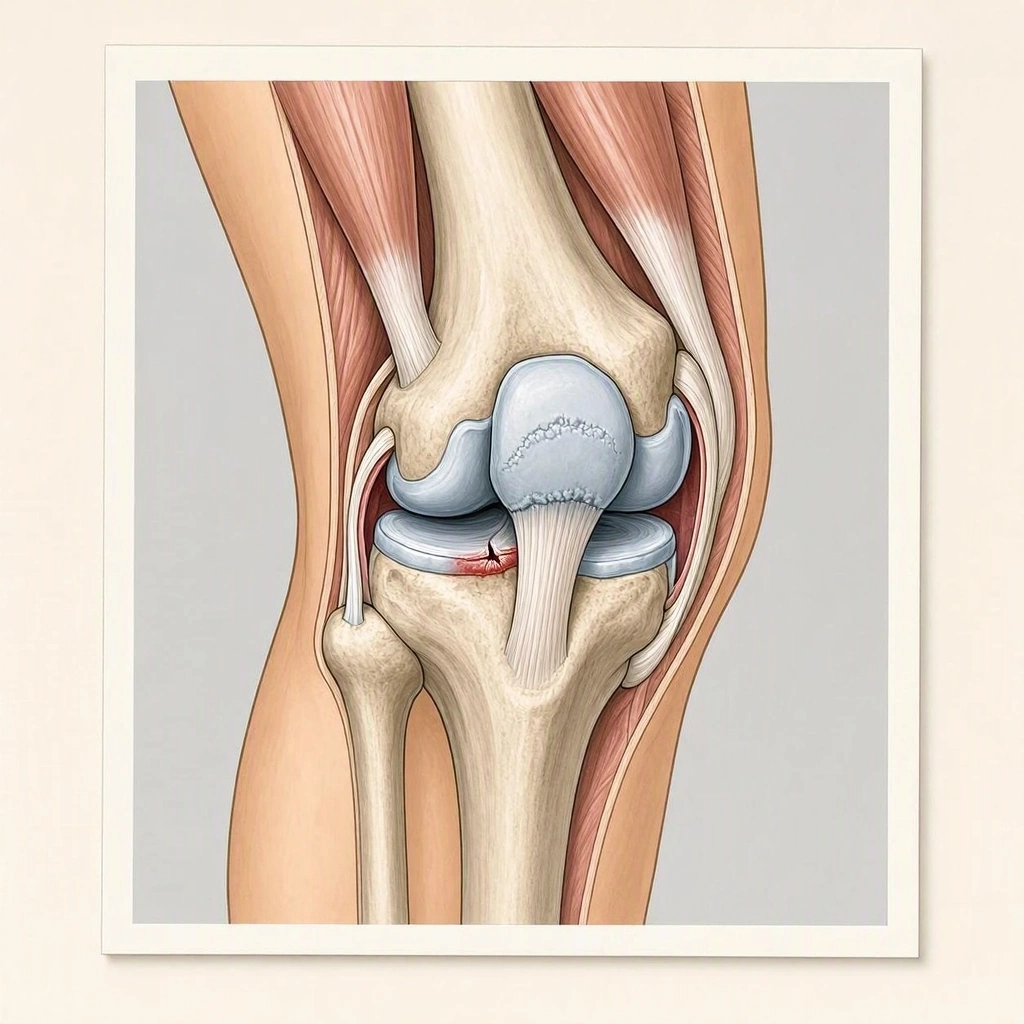
When you bend your knee deeply, the joint structures experience different forces and pressures. The kneecap moves along the thigh bone, the cartilage helps distribute load, and the muscles, tendons, ligaments, and meniscus support movement.
If any of these structures becomes irritated, injured, or swollen, full knee flexion may become painful.
Common causes include:
- Patellofemoral pain syndrome
- Meniscus irritation or a tear
- Knee osteoarthritis
- Tendon irritation
- Bursitis
- Muscle strains or ligament injuries
- Swelling inside the knee joint
Pain during deep bending does not automatically mean you have a serious injury. However, persistent pain, significant swelling, or a knee that feels blocked should not be ignored.
7 Common Causes of Knee Pain When Bending Fully
1. Patellofemoral Pain Syndrome
Patellofemoral pain syndrome causes discomfort around or behind the kneecap. It can develop when the knee is exposed to more activity than it can comfortably tolerate or when the muscles around the knee and hip are not providing adequate support.
The pain often becomes noticeable during activities that place greater demands on the knee, such as deep squats, stair climbing, running, and prolonged sitting with bent knees.
Common symptoms include:
- Aching around the front of the knee
- Pain during deep squats or lunges
- Discomfort when standing up after sitting
- Pain when walking up or down stairs
- Sometimes, clicking or grinding sensations
A physiotherapist can assess your knee movement, strength, flexibility, and activity levels to determine whether this condition may be contributing to your symptoms.
Learn more about physiotherapy services at Ritz Clinic if knee pain is affecting your daily activities.
2. Meniscus Injury or Tear
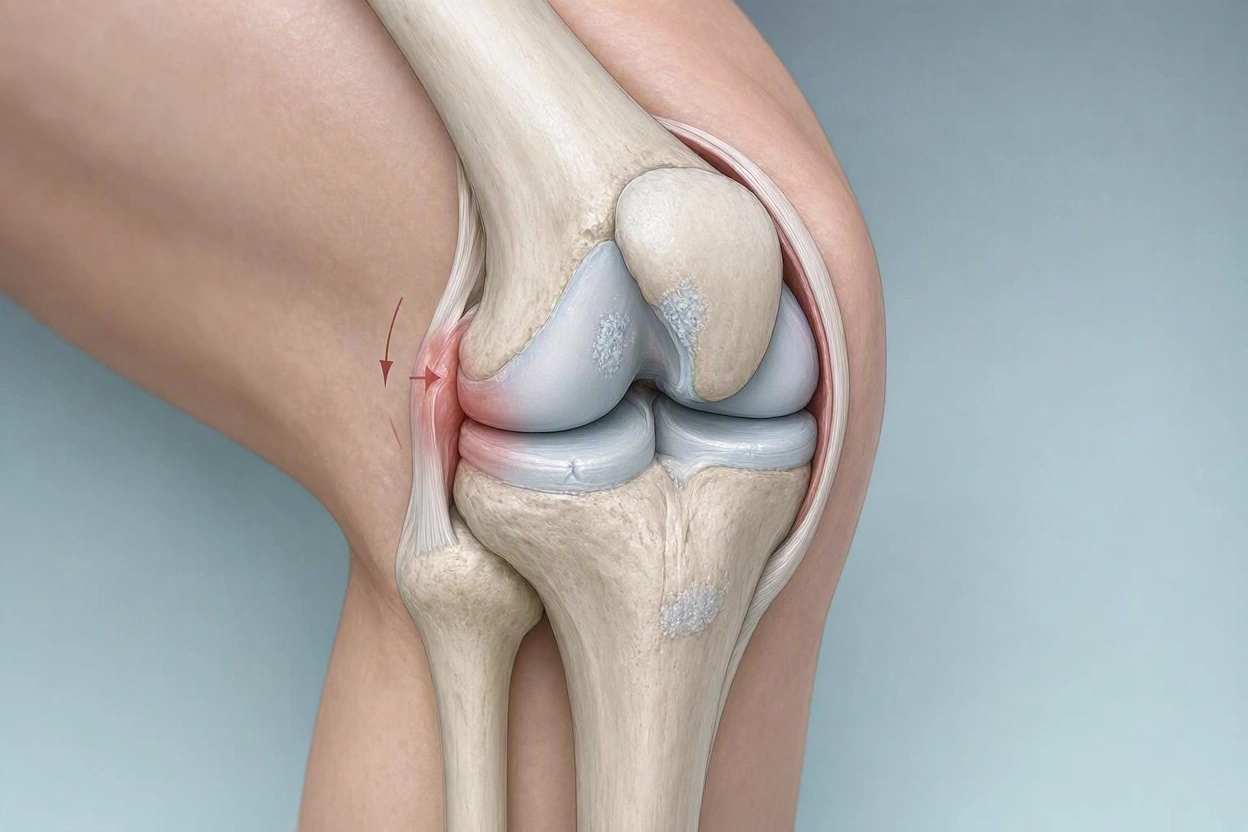
The meniscus is a piece of cartilage that helps cushion and stabilize the knee joint. Each knee has two menisci, which distribute pressure between the thigh bone and shin bone.
A meniscus can become injured when you twist your knee while your foot is planted, change direction suddenly during sports, or experience certain types of age-related changes.
Deep bending may increase discomfort because it places additional demands on the affected part of the joint.
Signs of a possible meniscus injury include:
- Pain deep inside the knee or along the joint line
- Swelling that develops after an injury
- Difficulty bending or straightening the knee
- Catching or locking sensations
- A feeling that the knee may give way
Not every meniscus injury requires surgery. Treatment depends on the severity of the injury, your symptoms, activity needs, and clinical assessment. If your knee becomes physically locked or you cannot move it normally, seek prompt medical evaluation.
For more information, see the NHS guide to meniscus tears.
3. Knee Osteoarthritis
Osteoarthritis is a joint condition involving changes to cartilage and other joint tissues. It becomes more common with age, although it can also occur in younger people, particularly after previous knee injuries.
When osteoarthritis affects the knee, bending fully may cause stiffness, aching, or discomfort. Some people notice that their symptoms are worse after activity or after sitting for a long time.
Possible symptoms include:
- Pain during deep bending
- Stiffness after resting
- Reduced range of motion
- Swelling around the joint
- Grinding or crackling sensations
The severity of pain does not always match the amount of structural change seen on imaging. A healthcare professional can assess your symptoms and function before recommending treatment.
Management may include appropriate exercise, strengthening, activity modification, weight management when relevant, and medication recommended by a healthcare professional.
4. Patellar Tendon or Quadriceps Tendon Irritation
Tendons connect muscles to bones. The patellar tendon connects the kneecap to the shin bone, while the quadriceps tendon connects the muscles at the front of the thigh to the kneecap.
Repeated jumping, running, squatting, or sudden increases in training can irritate these tissues.
Tendon-related pain is often felt around the kneecap, especially during activities that involve forceful knee movement. Deep bending may also aggravate the symptoms.
You may notice:
- Tenderness around the front of the knee
- Pain during squats, jumping, or running
- Discomfort when climbing stairs
- Pain after increasing exercise intensity
- Symptoms that worsen with repeated loading
Reducing aggravating activities temporarily and gradually returning to exercise may help. However, sudden severe pain after a forceful movement, especially with weakness or difficulty straightening the knee, requires prompt assessment.
5. Bursitis
Bursae are small fluid-filled sacs that reduce friction between tissues around joints. When a bursa becomes irritated, it can cause pain and swelling.
Knee bursitis may develop after repeated kneeling, direct pressure, an injury, or sometimes an infection.
Symptoms can include:
- Localized swelling
- Tenderness around the knee
- Pain when kneeling or bending
- Warmth around the affected area
The location of the swelling can provide clues about which bursa is involved. However, a hot, red, swollen knee, particularly with fever or feeling unwell, needs urgent medical assessment because an infection must be considered.
Avoid repeated pressure on the painful area and seek advice if swelling persists or worsens.
6. Ligament Injury or Knee Sprain
Ligaments help stabilize the knee. A sprain can occur when the knee twists, bends awkwardly, or experiences a sudden force during exercise or an accident.
Some ligament injuries cause pain mainly during movement, while more significant injuries may cause swelling and instability.
You might notice:
- Pain after twisting or landing awkwardly
- Swelling following an injury
- Difficulty bearing weight
- A feeling that the knee is unstable
- Reduced ability to bend or straighten the leg
If your knee pain began after a fall, collision, or sudden twisting movement, do not force the joint into a deep bend. Significant swelling, inability to bear weight, or loss of normal movement warrants prompt medical evaluation.
7. Swelling or Fluid Inside the Knee Joint
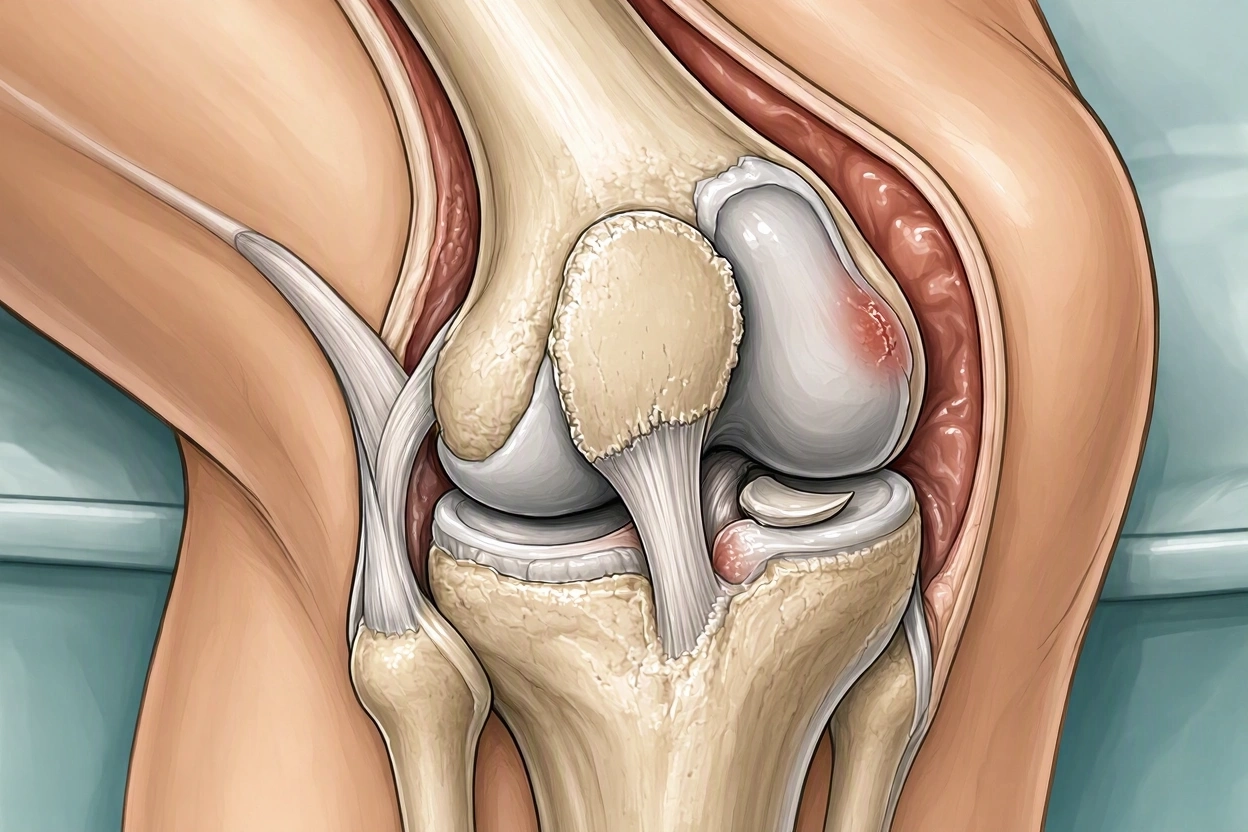
Swelling inside the knee, sometimes called a joint effusion, can make full bending difficult. As the knee bends, the available space for swollen tissues and fluid changes, which can create pressure or discomfort.
Swelling may result from an injury, osteoarthritis, inflammation, or another joint condition.
Common signs include:
- A swollen or puffy knee
- Tightness when bending
- Reduced range of motion
- A feeling of fullness around the joint
- Pain when attempting to bend the knee completely
The most appropriate treatment depends on the underlying cause. Sudden or substantial swelling, particularly after an injury, should be assessed rather than treated by forcing the knee to move.
What Does the Location of Your Knee Pain Mean?
The location of your discomfort can help narrow down possible causes, although it cannot establish a diagnosis on its own.
| Where you feel pain | Possible causes |
|---|---|
| Front of the knee or around the kneecap | Patellofemoral pain, tendon irritation, or osteoarthritis |
| Inner side of the knee | Meniscus injury, ligament sprain, or osteoarthritis |
| Outer side of the knee | Meniscus irritation or other soft-tissue problems |
| Deep inside the joint | Meniscus injury, joint irritation, or swelling |
| Back of the knee | Baker’s cyst, tendon problems, or other joint conditions |
| Around a visibly swollen area | Bursitis, injury, or joint inflammation |
If the pain is accompanied by locking, instability, marked swelling, or difficulty bearing weight, seek medical assessment regardless of its location.
How to Relieve Knee Pain When Bending Fully
The right approach depends on the cause and severity of your symptoms. If the pain is mild and there are no warning signs, a few conservative measures may help reduce irritation.
1. Temporarily Avoid Deep Bending
Reduce activities that consistently trigger pain, such as deep squats, kneeling, lunges, or sitting on your heels.
You do not necessarily need to stop all movement. Instead, stay within a comfortable range and avoid repeatedly testing how far you can bend the knee.
2. Apply Ice if the Knee Is Swollen
If the pain follows a recent injury or the knee is swollen, apply a cold pack wrapped in a towel for around 15–20 minutes at a time.
Never place ice directly on the skin. Stop if you experience excessive discomfort, skin changes, or numbness.
3. Keep the Knee Moving Gently
For mild symptoms without significant injury or swelling, comfortable movement may help prevent stiffness. Try gentle bending and straightening without forcing the joint toward the painful end of its range.
Stop if the movement causes sharp pain, catching, or increasing symptoms.
If your knee feels blocked or you cannot bend or straighten it normally, seek medical advice rather than trying to restore movement yourself.
4. Modify Your Daily Activities
Small changes can reduce pressure on a painful knee.
For example:
- Use a chair instead of sitting on the floor.
- Avoid deep squats until symptoms improve.
- Use a handrail when climbing stairs if needed.
- Take regular movement breaks after prolonged sitting.
- Return to exercise gradually rather than increasing intensity suddenly.
These adjustments may help you remain active without repeatedly aggravating the joint.
5. Consider Professional Guidance About Pain Relief
A pharmacist or healthcare professional can advise whether an over-the-counter pain reliever is appropriate for you. Some medications are unsuitable for people with certain medical conditions or those taking particular medicines, so check before using them.
Pain relief should not be used to push through activities that significantly aggravate the knee.
Can Exercises Help Knee Pain When Bending?
Exercise may help when the cause of knee pain involves muscle weakness, reduced movement tolerance, or certain overuse conditions. However, not every painful knee should be exercised in the same way.
Once serious injury has been ruled out and gentle movement is comfortable, a physiotherapist may recommend exercises such as the following.
Quadriceps Tightening
- Sit or lie down with your leg supported and comfortably straight.
- Gently tighten the muscles at the front of your thigh.
- Hold the contraction for a few seconds while breathing normally.
- Relax and repeat only if the movement remains comfortable.
This exercise activates the quadriceps without requiring a deep knee bend.
Straight Leg Raises
- Lie on your back with one knee bent and the other leg straight.
- Tighten the thigh muscle of the straight leg.
- Slowly lift the leg a short distance while keeping the knee straight.
- Lower it slowly and stop if pain increases.
This exercise can help strengthen the thigh muscles without repeated deep flexion.
Gentle Heel Slides
- Lie on your back with your legs relaxed.
- Slowly slide the heel of the affected leg toward your body.
- Stop before you reach the painful point.
- Slide the heel back to the starting position.
Only try heel slides if the knee is not locked and movement has been considered safe. Do not force the knee into full flexion.
If you have significant swelling, a recent injury, or sharp pain during movement, obtain professional advice before starting exercises. A physiotherapist can adapt a programme to your symptoms and goals.
How Physiotherapy Can Help
Physiotherapy can be useful for many causes of knee pain, particularly when stiffness, muscle weakness, movement difficulties, or activity-related symptoms affect everyday life.
A physiotherapy assessment may include reviewing your symptoms and injury history, examining knee movement, assessing strength and balance, and identifying activities that aggravate the pain.
Depending on the findings, your treatment plan may include:
- Individualized strengthening exercises
- Gradual restoration of comfortable knee movement
- Advice on modifying painful activities
- Balance and movement training
- A progressive return-to-sport or exercise plan
- Guidance on managing symptoms during recovery
Physiotherapy does not replace urgent medical assessment when a serious injury or infection is suspected. The treatment plan should reflect the underlying cause rather than focus on pain relief alone.
If knee discomfort is limiting your mobility, you can learn more about Ritz Clinic’s physiotherapy services and discuss an appropriate assessment with a qualified professional.
When Should You See a Doctor for Knee Pain?
Seek urgent medical care if:
- You cannot move your knee or bear weight on the affected leg.
- Your knee becomes severely swollen or changes shape.
- Your knee locks and you cannot bend or straighten it normally.
- You experience severe pain following a fall or significant injury.
- Your knee is hot and red, especially if you have a fever or feel unwell.
- You develop numbness or loss of sensation following an injury.
Arrange a medical assessment if the pain keeps returning, interferes with normal activities, worsens over time, or does not improve after a reasonable period of self-care.
A healthcare professional may recommend an examination and, depending on the suspected cause, imaging or other investigations. Not every case of knee pain requires an X-ray or MRI.
For general guidance, see the NHS information on knee pain.
How Can You Prevent Knee Pain During Deep Bending?
Although not all knee problems can be prevented, a few habits may help reduce unnecessary strain.
Increase Exercise Gradually
Avoid making sudden, large increases in running distance, training intensity, jumping, or squat depth. Give your body time to adapt to new activities.
Strengthen the Muscles Around Your Knee and Hip
Appropriate strengthening can improve your ability to tolerate daily activities and exercise. Choose exercises that match your current ability and do not aggravate your symptoms.
Warm Up Before Intense Activity
Begin with gentle movement before demanding exercise. Increase intensity gradually and pay attention to new pain or swelling.
Use Comfortable Movement Techniques
When lifting objects or exercising, avoid forcing a painful knee into an extreme position. Adjust the movement or seek guidance if the same activity repeatedly causes discomfort.
Respond to Symptoms Early
Persistent pain is a reason to review your activity and seek advice when needed. Continuing to push through significant pain may make it harder to identify and manage the underlying problem.
Frequently Asked Questions
Why does my knee hurt only when I bend it all the way?
Deep bending places additional pressure on several structures in the knee. Patellofemoral pain, meniscus problems, osteoarthritis, tendon irritation, and swelling can all contribute. The cause depends on your symptoms, examination findings, and medical history.
Is knee pain when bending a sign of a meniscus tear?
It can be, especially if the pain started after twisting the knee and is accompanied by swelling, catching, locking, or difficulty straightening the leg. However, several other conditions can cause similar symptoms, so an assessment may be necessary.
Why does my knee feel tight when I bend it?
Tightness may occur because of swelling, joint irritation, stiffness, or reduced movement. If the knee is visibly swollen, movement is significantly limited, or the symptoms started after an injury, seek medical advice.
Should I keep bending my knee if it hurts?
Do not force your knee into a painful position. For mild discomfort, gentle movement within a comfortable range may be appropriate. Stop and seek advice if you experience sharp pain, locking, substantial swelling, or difficulty bearing weight.
Can physiotherapy help knee pain when bending fully?
Yes, physiotherapy may help when the symptoms are related to muscle weakness, movement difficulties, or certain overuse conditions. A physiotherapist can assess your knee and recommend exercises and activity modifications suited to the underlying problem.
How long does knee pain from bending take to improve?
Recovery time varies depending on the cause, severity, and individual circumstances. Mild irritation may improve with activity modification, while some injuries or joint conditions need longer-term management. Seek assessment if the pain persists, worsens, or limits normal movement.
When should I get an MRI for knee pain?
An MRI is not necessary for every case of knee pain. A healthcare professional will consider your injury history, examination findings, symptoms, and response to initial treatment before deciding whether imaging is appropriate.
Conclusion
Knee pain when bending fully can result from several conditions, including patellofemoral pain syndrome, meniscus injuries, osteoarthritis, tendon irritation, bursitis, and joint swelling. The location of the pain and the presence of symptoms such as stiffness, swelling, or locking can provide useful clues, but they cannot confirm the cause on their own.
For mild symptoms, temporarily avoiding painful deep bends, using ice when appropriate, and maintaining comfortable movement may help. Persistent or worsening pain deserves professional assessment, while a locked knee, inability to bear weight, severe swelling, or a hot knee with fever requires urgent care.
With the right assessment and an individualized treatment plan, many people can improve knee comfort and return to their usual activities safely.