Here’s an SEO-friendly article about pain management physiotherapy:
Pain Management Physiotherapy: Natural Treatment for Long-Term Pain Relief
Pain management physiotherapy is one of the most effective and natural ways to reduce chronic pain, improve mobility, and restore physical function. Many people suffer from ongoing pain caused by injuries, poor posture, arthritis, muscle tension, or medical conditions that affect daily life and overall well-being. Physiotherapy provides a safe and non-surgical solution for managing pain and improving quality of life.
Unlike temporary pain relief methods that only mask symptoms, physiotherapy focuses on treating the root cause of pain. Through personalized treatment plans, strengthening exercises, stretching techniques, and manual therapy, physiotherapists help patients recover safely and prevent future discomfort.
What Is Pain Management Physiotherapy?
Pain management physiotherapy is a specialized treatment approach designed to reduce physical pain and improve movement. A physiotherapist carefully evaluates the patient’s condition, posture, muscle strength, flexibility, and movement patterns before creating a customized rehabilitation plan.
Treatment methods may include:
-
Stretching exercises
-
Strengthening exercises
-
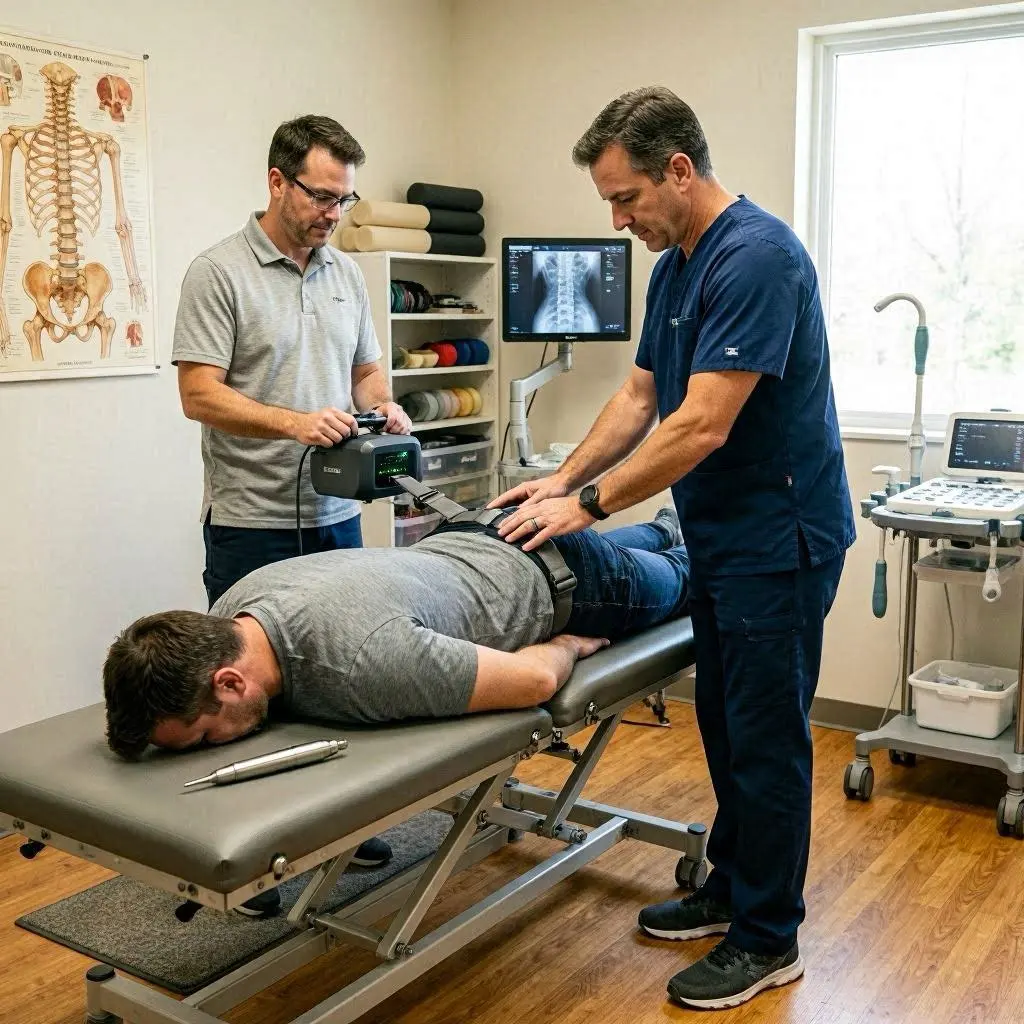
Manual therapy
-
Joint mobilization
-
Posture correction
-
Heat and cold therapy
-
Massage therapy
-
Balance and mobility training
The goal of physiotherapy is to improve physical function, reduce inflammation, and help patients return to their normal daily activities comfortably.
Common Conditions Treated with Pain Management Physiotherapy
Physiotherapy can help manage many different types of pain and physical conditions.
Back Pain and Lower Back Pain
Back pain is one of the most common reasons people seek physiotherapy treatment. Rehabilitation exercises and posture correction help reduce muscle tension and improve spinal support.
Neck Pain and Shoulder Pain
Poor posture, stress, and muscle strain can cause neck and shoulder discomfort. Physiotherapy improves flexibility and reduces stiffness in these areas.
Arthritis and Joint Pain
People with arthritis often experience joint stiffness and inflammation. Physiotherapy helps improve joint mobility and strengthen surrounding muscles.
Sports Injuries and Muscle Strain
Athletes and active individuals benefit from physiotherapy after sports injuries such as ligament tears, muscle strains, and tendon problems.
Chronic Pain Conditions
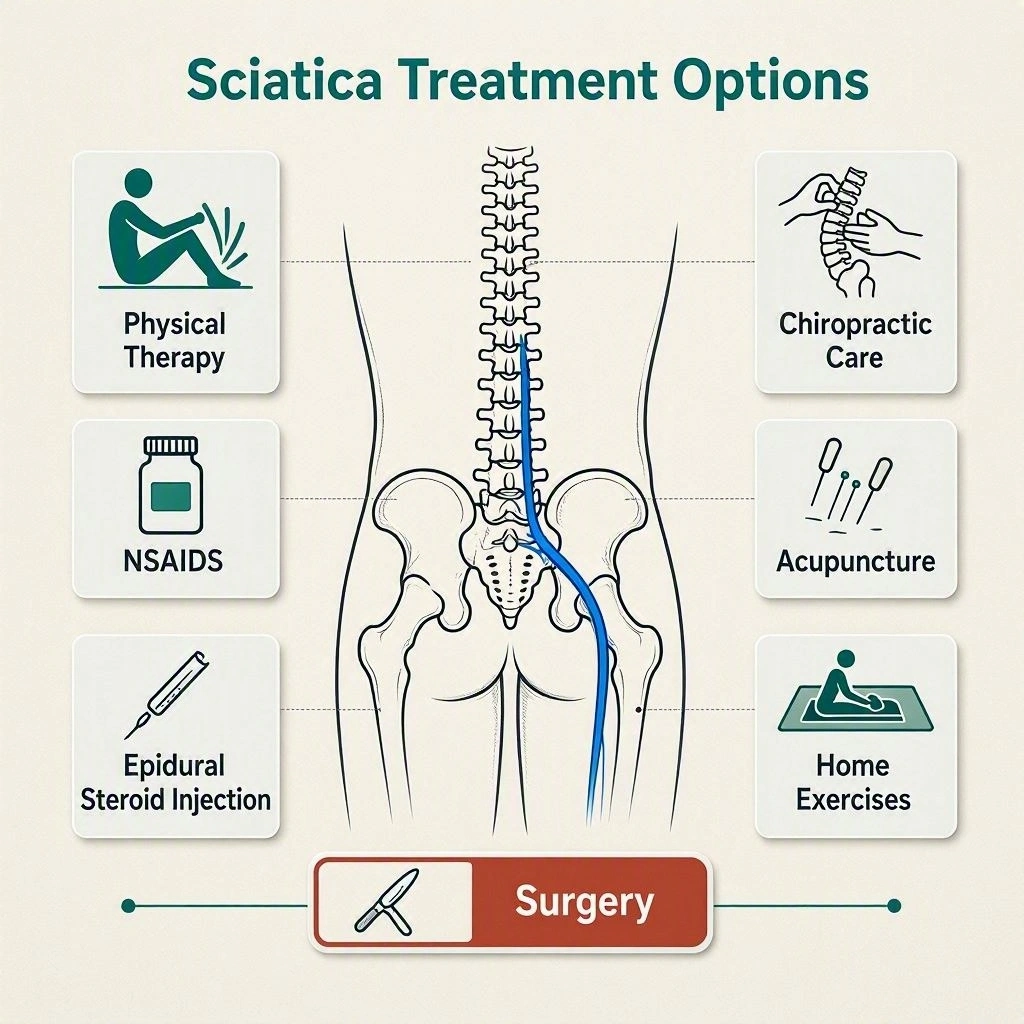
Physiotherapy is commonly used to manage chronic pain conditions such as sciatica, fibromyalgia, and repetitive strain injuries.
Benefits of Pain Management Physiotherapy
Natural Pain Relief Without Medication
One of the biggest advantages of physiotherapy is natural pain management. Treatment focuses on improving movement and healing without depending heavily on painkillers.
Improved Mobility and Flexibility
Pain and stiffness can limit movement and reduce independence. Physiotherapy exercises improve flexibility, balance, and coordination for better daily movement.
Strengthening Muscles and Joints
Weak muscles can increase pressure on joints and lead to more discomfort. Physiotherapy strengthens muscles to support the body properly and reduce strain.
Better Posture and Body Alignment
Poor posture is a major cause of chronic pain. Physiotherapists teach posture correction techniques to improve body alignment and reduce stress on muscles and joints.
Faster Recovery from Injury
Physiotherapy improves circulation and healing, helping patients recover faster after surgery, injuries, or physical trauma.
Best Physiotherapy Techniques for Pain Relief
Physiotherapists use various techniques depending on the patient’s condition and pain level.
Manual Therapy for Pain Management
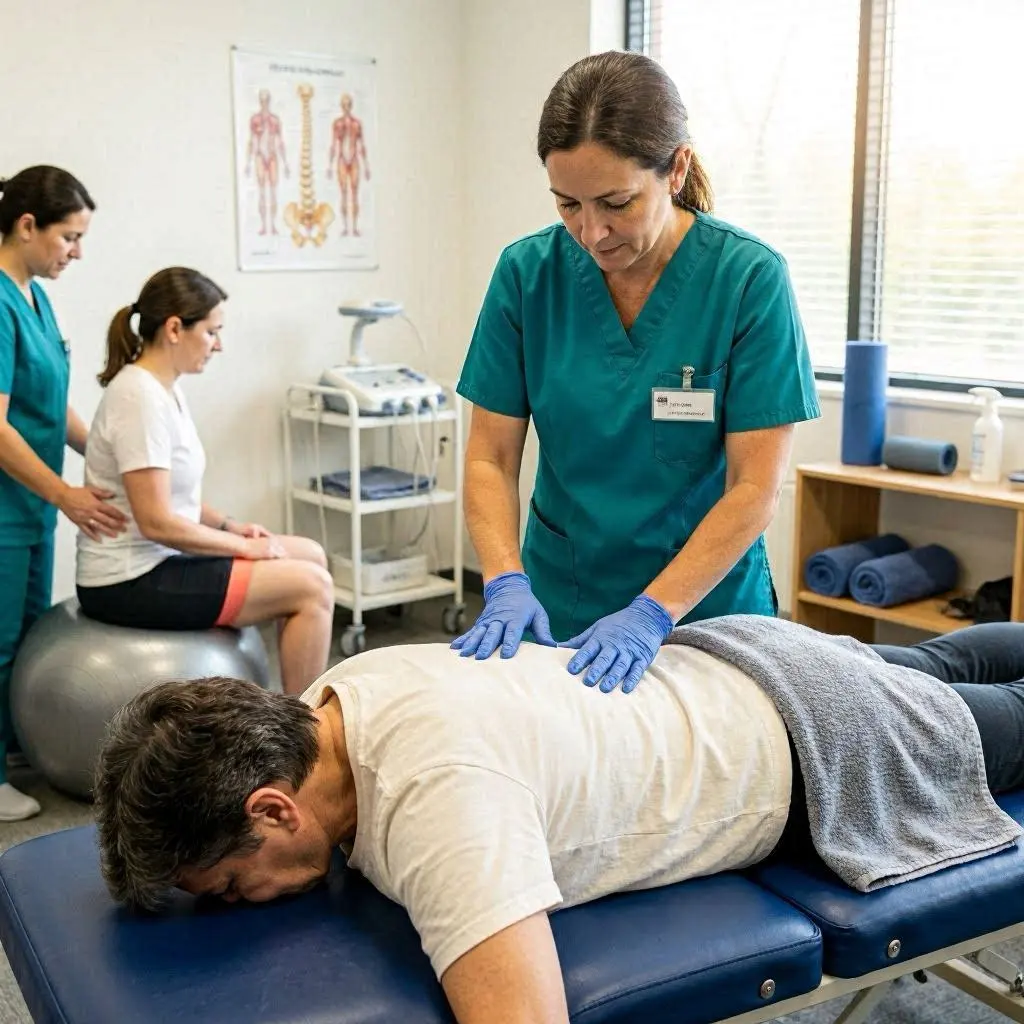
Manual therapy includes hands-on techniques that improve joint movement and reduce muscle tension.
Stretching Exercises for Muscle Flexibility
Stretching exercises help improve flexibility and reduce stiffness in tight muscles.
Strengthening Exercises for Physical Support
Strengthening exercises improve muscle stability and reduce pressure on painful joints and areas of the body.
Heat and Cold Therapy for Inflammation
Heat therapy relaxes muscles, while cold therapy helps reduce swelling and inflammation.
When Should You Visit a Physiotherapist?
You should consider pain management physiotherapy if you experience:
-
Chronic pain lasting several weeks
-
Muscle stiffness or tension
-
Limited movement or flexibility
-
Joint pain and inflammation
-
Pain after surgery or injury
-
Difficulty performing daily activities
Early treatment can help prevent pain from becoming more severe or long-term.
Can Physiotherapy Help Avoid Surgery?
In many cases, yes. Physiotherapy can significantly reduce pain and improve movement, helping patients avoid surgery for certain conditions. Muscle imbalances, posture-related pain, and mild joint problems often respond well to consistent physiotherapy treatment.
Even if surgery becomes necessary, physiotherapy before and after surgery improves recovery and long-term outcomes.
Tips for Managing Pain Naturally (pain management physiotherapy)
Along with physiotherapy treatment, healthy lifestyle habits can help reduce pain and improve physical health.
-
Maintain proper posture
-
Exercise regularly
-
Stretch daily
-
Stay physically active
-
Maintain a healthy body weight
-
Avoid sitting for long periods
-
Use proper lifting techniques
These habits help support muscle strength, flexibility, and overall body function.
Conclusion (pain management physiotherapy)
Pain management physiotherapy is a safe, effective, and natural solution for reducing chronic pain and improving mobility. From back pain and arthritis to sports injuries and muscle stiffness, physiotherapy helps patients regain movement, strength, and confidence in their daily lives.
Whether you are recovering from an injury or managing long-term discomfort, professional physiotherapy treatment can provide lasting pain relief and support a healthier, more active lifestyle.