Sciatica Treatment Options: Complete Guide to Pain Relief and Recovery
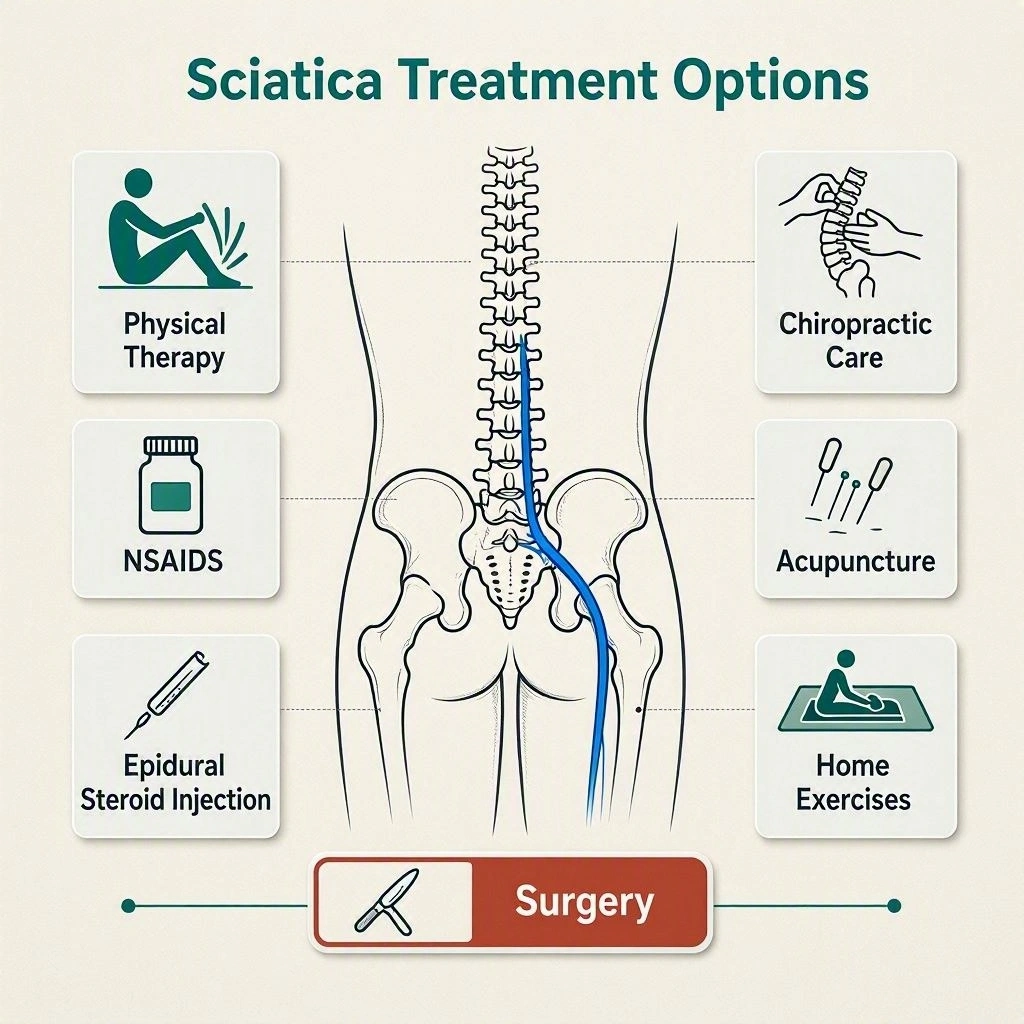
Sciatica can make everyday activities surprisingly difficult. Sitting at a desk, getting out of bed, walking, driving, exercising, or sleeping may become uncomfortable when pain travels from the lower back or buttock into the leg. For some people, symptoms remain mild and gradually improve. However, others experience persistent pain, tingling, numbness, or weakness that affects work, exercise, and daily life. Fortunately, people have several Sciatica Treatment Options to consider. These options include self-management, physical activity, physiotherapy, therapeutic exercise, medication, activity modification, injections, and, in selected cases, surgery. The right approach depends on the person’s symptoms, possible cause, severity, physical condition, and recovery goals.
Sciatica does not affect everyone in exactly the same way. For example, one person may feel worse after sitting, while another may experience more symptoms during walking or bending. Therefore, treatment should focus on the individual’s presentation instead of relying on a single treatment method.
In many cases, conservative care plays an important role. Exercise, appropriate activity, education, and gradual rehabilitation can help people improve their physical function and return to normal activities. NICE guidance supports exercise as part of management for low back pain and sciatica, although current evidence does not show that one specific type of exercise works best for everyone.
This guide explains the most common Sciatica Treatment Options, how they can fit into a recovery plan, and when professional assessment becomes important.
What Is Sciatica?
Sciatica describes symptoms that involve the sciatic nerve pathway. The sciatic nerve travels from the lower spine through the buttocks and into the leg.
When a nerve root in the lower back becomes irritated or compressed, symptoms can travel from the lower back or buttock into the leg.
Common symptoms include:
-
Sharp or shooting leg pain
-
Burning sensations
-
Tingling
-
Pins and needles
-
Numbness
-
Leg weakness
-
Buttock pain
-
Thigh pain
-
Calf or foot discomfort
-
Difficulty sitting
-
Difficulty walking
-
Symptoms that change with certain movements
Sciatica often affects one side of the body. However, symptoms can vary considerably between individuals.
A person may experience significant leg pain with little back pain. Another person may experience both lower-back and leg symptoms.
Therefore, healthcare professionals should assess the complete symptom pattern before recommending treatment.
What Causes Sciatica?
Several conditions can contribute to sciatica.
A disc problem in the lower spine represents one common cause. Spinal discs sit between the vertebrae and help absorb loads during movement. Changes in a disc can sometimes irritate a nearby nerve root.
Other possible causes include:
-
Lumbar disc herniation
-
Spinal stenosis
-
Spondylolisthesis
-
Degenerative spinal changes
-
Lower-back injuries
-
Nerve-root irritation
-
Certain structural changes around the spine
Nevertheless, not every case of pain that travels into the leg represents sciatica.
Other conditions can create similar symptoms. As a result, people should avoid assuming that every episode of leg pain has the same cause.
Why Does a Proper Assessment Matter?
Choosing the right treatment starts with understanding the symptoms.
A healthcare professional may ask questions about:
-
When symptoms started
-
How symptoms developed
-
Where the pain travels
-
Whether numbness occurs
-
Whether weakness occurs
-
Which positions increase symptoms
-
Which activities reduce symptoms
-
Previous episodes
-
Work requirements
-
Exercise habits
-
Sleep difficulties
A physical assessment may also examine movement, strength, sensation, walking ability, and functional capacity.
For example, a physiotherapist may observe how a person walks, bends, sits, stands, or performs specific movements.
This information helps create a treatment plan that matches the person’s needs.
Sciatica Treatment Options: Self-Management (Sciatica Treatment Options)
Self-management often forms an important part of sciatica recovery.
Although severe symptoms can make movement difficult, prolonged inactivity may reduce physical conditioning and make everyday activities harder.
Instead, many people benefit from maintaining appropriate levels of normal activity.
Self-management strategies may include:
-
Taking short walks
-
Changing positions regularly
-
Avoiding prolonged sitting
-
Continuing comfortable daily activities
-
Following an individualized exercise program
-
Managing sleep
-
Using heat when it provides comfort
-
Gradually returning to normal activities
However, staying active does not mean forcing painful movements.
The goal is to find a manageable level of activity and gradually increase it.
NICE guidance considers self-management and exercise important components of care for low back pain and sciatica.
Staying Active During a Sciatica Flare-Up (Sciatica Treatment Options)
A sudden flare-up can make people afraid to move.
They may worry that movement will damage the spine or increase nerve irritation. Consequently, they may spend much of the day in bed or on the sofa.
Instead, people can often modify their normal activities without stopping all movement.
For example, someone who normally walks for an hour may temporarily switch to several shorter walks.
Similarly, an office worker may reduce uninterrupted sitting time by taking frequent movement breaks.
As symptoms improve, the person can gradually increase activity again.
Walking for Sciatica
Walking offers a simple way to maintain movement and general fitness.
However, walking tolerance varies.
Some people feel more comfortable when they walk. Others notice that symptoms increase after a certain distance.
Therefore, the right walking program should match individual tolerance.
A gradual approach might look like this:
Start With Short Walks (Sciatica Treatment Options)
Begin with a comfortable distance that does not significantly aggravate symptoms.
Increase Gradually
Add a small amount of time or distance as tolerance improves.
Build Normal Activity
Eventually, increase walking duration, pace, hills, or other challenges according to personal goals.
The important point is progression rather than a specific distance.
Exercise as a Sciatica Treatment Option
Exercise represents one of the most important conservative Sciatica Treatment Options.
A well-designed exercise program can help improve:
-
Muscle strength
-
Physical endurance
-
Mobility
-
Movement control
-
General fitness
-
Confidence with movement
-
Functional capacity
Importantly, there is no single exercise that works for every person with sciatica.
NICE reviewed different forms of exercise and found insufficient evidence to recommend one particular exercise type as superior to all others.
Therefore, the best program should reflect the person’s symptoms, physical condition, preferences, and goals.
Gentle Mobility Exercises
Mobility exercises can help people who experience stiffness or difficulty moving.
Depending on the assessment, a rehabilitation program may include movements for the:
-
Lower back
-
Hips
-
Pelvis
-
Hamstrings
-
Legs
However, people should avoid forcing painful movements.
A movement that produces mild temporary discomfort may not necessarily indicate harm, but sharp, severe, or progressively worsening symptoms require more careful assessment.
For that reason, a physiotherapist can help determine which movements suit an individual’s condition.
Strength Training for Sciatica
Strength training can help rebuild physical capacity after a period of reduced activity.
Pain often causes people to move less. Consequently, muscles can lose strength and endurance.
A progressive strengthening program may target:
-
Gluteal muscles
-
Hip muscles
-
Abdominal muscles
-
Back muscles
-
Quadriceps
-
Hamstrings
-
Calf muscles
Initially, exercises may use body weight or low resistance.
Later, the program can progress toward heavier resistance, repeated movements, lifting, carrying, or sport-specific activities.
This gradual approach helps prepare the body for real-world demands.
Core Training and Sciatica
Core training often appears in discussions about back pain.
However, a strong core does not automatically eliminate sciatica.
Instead, core exercises can form one part of a broader rehabilitation program.
Early exercises may focus on controlled trunk movements.
Later, the person can progress toward more demanding exercises that challenge strength, endurance, and coordination.
Ultimately, the goal involves improving physical capacity rather than simply strengthening one group of muscles.
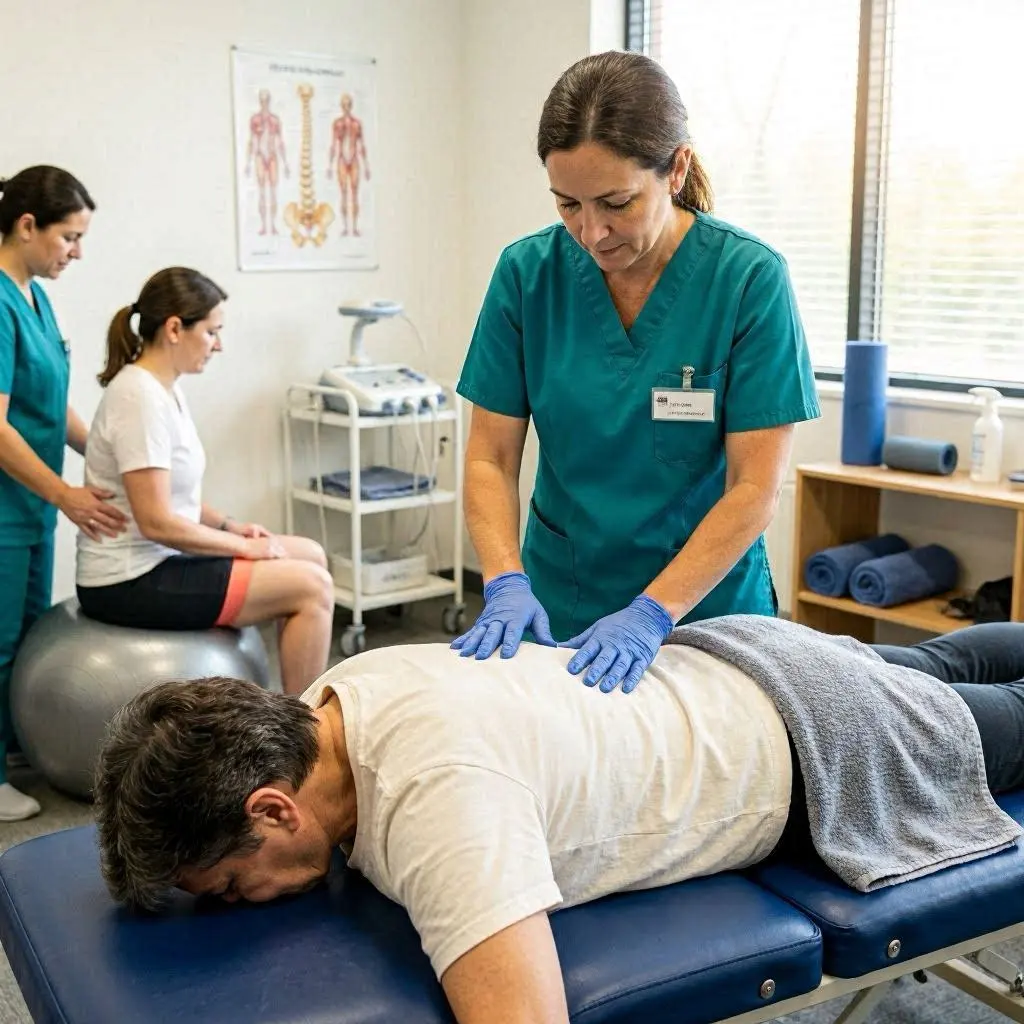
Physiotherapy for Sciatica (Sciatica Treatment Options)
Physiotherapy can provide an individualized approach to sciatica management.
During an assessment, a physiotherapist may evaluate:
-
Spinal movement
-
Hip mobility
-
Leg strength
-
Functional movement
-
Walking
-
Neurological symptoms
-
Activity tolerance
-
Work requirements
After the assessment, the physiotherapist can create a rehabilitation program based on the findings.
Treatment may include:
-
Therapeutic exercise
-
Strength training
-
Mobility exercises
-
Movement education
-
Manual therapy
-
Functional rehabilitation
-
Activity modification
-
Home exercise guidance
Furthermore, physiotherapy can help patients understand how to return to work, exercise, and daily activities gradually.
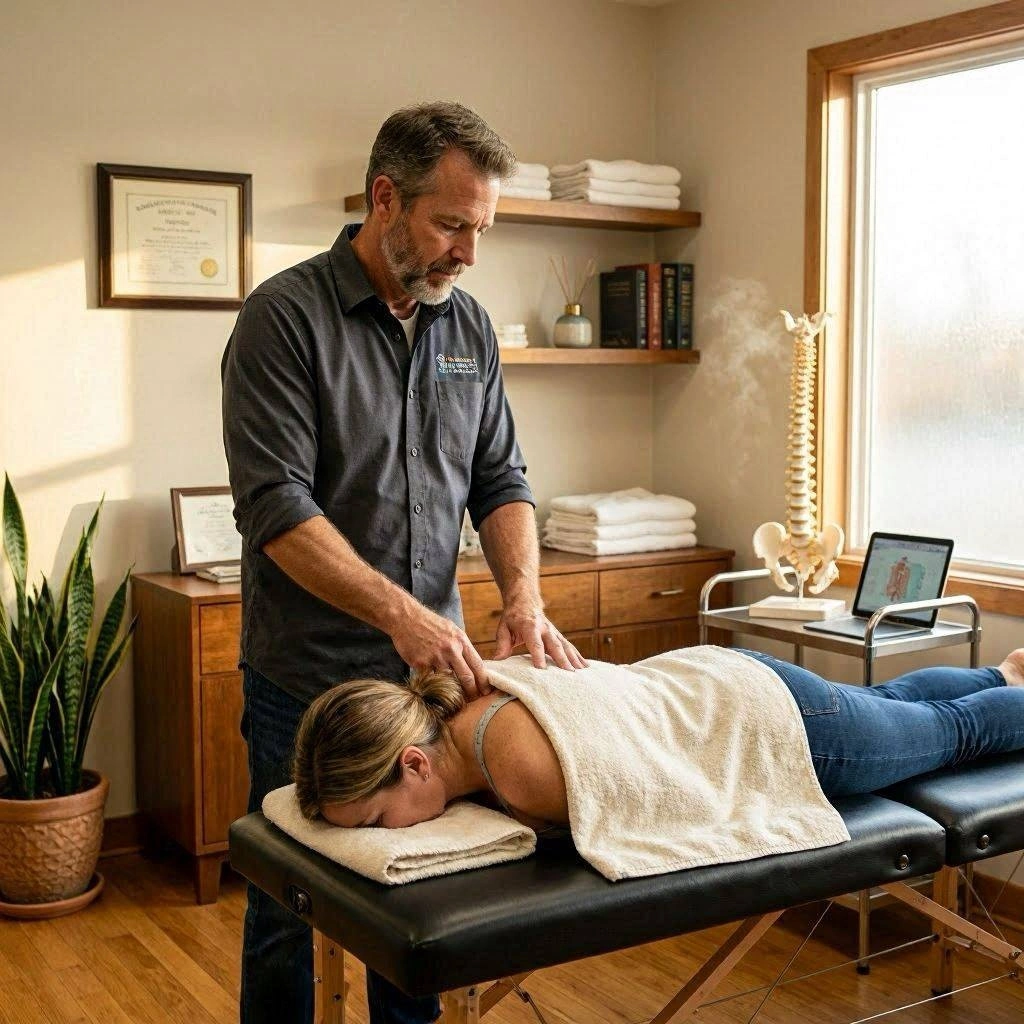
Manual Therapy for Sciatica
Manual therapy may complement an active rehabilitation program.
Depending on the assessment, a physiotherapist may use hands-on techniques around the lower back, hips, pelvis, or surrounding muscles.
These techniques may help some people manage stiffness or short-term discomfort.
However, manual therapy should not become the only component of treatment.
The long-term goal involves restoring movement, strength, confidence, and independence.
Therefore, many rehabilitation programs combine hands-on treatment with active exercise.
Massage Therapy for Sciatica
Massage may help some people manage muscle tension or discomfort around the lower back, buttocks, and hips.
For example, a person may experience tight muscles after spending several days moving differently because of pain.
Massage can sometimes provide temporary comfort.
However, massage does not address every possible cause of nerve irritation.
Therefore, people should not rely on massage alone when they experience significant numbness, progressive weakness, or persistent neurological symptoms.
Heat Therapy (Sciatica Treatment Options)
Heat can provide temporary comfort for some people with lower-back or buttock discomfort.
A warm pack may help relax tense muscles and make movement feel more comfortable.
However, heat does not necessarily correct the underlying cause of sciatica.
Therefore, people should view it as a supportive strategy rather than a complete treatment.
Heat can work alongside other approaches such as exercise, activity modification, and physiotherapy.
Medication for Sciatica (Sciatica Treatment Options)
Medication represents another possible Sciatica Treatment Option.
However, medication choices should depend on the person’s health and individual circumstances.
A physician or pharmacist may consider:
-
Age
-
Existing medical conditions
-
Other medications
-
Allergies
-
Pregnancy
-
Kidney problems
-
Stomach problems
-
Cardiovascular risks
Some people may use over-the-counter medication, while others may require prescription treatment.
Nevertheless, people should not assume that stronger medication always provides better treatment.
Medication may help control symptoms, but it does not necessarily address the underlying reason for nerve irritation.
Therefore, people with persistent or severe symptoms should discuss appropriate treatment with a healthcare professional.
Activity Modification
Activity modification does not mean avoiding all activities.
Instead, it means changing the amount, intensity, or frequency of activities that aggravate symptoms.
For example, an office worker might:
-
Take regular movement breaks
-
Alternate between sitting and standing
-
Reduce uninterrupted sitting
-
Adjust the workstation
-
Walk briefly throughout the workday
Meanwhile, a manual worker might temporarily reduce heavy lifting or repetitive bending.
As symptoms improve, the person can gradually reintroduce more demanding activities.
Ergonomics for Office Workers (Sciatica Treatment Options)
Long periods of sitting can challenge people with sciatica.
Although no single posture works perfectly for everyone, frequent movement can help reduce prolonged static loading.
An ergonomic review may consider:
-
Chair height
-
Desk height
-
Monitor position
-
Keyboard placement
-
Foot support
-
Sitting duration
-
Movement breaks
Rather than trying to maintain one perfect posture all day, focus on changing positions regularly.
For example, a person might alternate between sitting, standing, and short periods of walking.
Returning to Work With Sciatica
Work requirements can significantly influence rehabilitation.
An office worker may need to rebuild sitting tolerance.
A construction worker may need to rebuild lifting and carrying capacity.
A delivery driver may need to tolerate prolonged driving.
Therefore, rehabilitation should consider the actual demands of the person’s job.
A gradual return may involve:
-
Modified duties
-
Reduced lifting
-
More frequent breaks
-
Shorter work periods
-
Gradual increases in workload
As capacity improves, the person can progressively return to normal duties.
Sciatica Treatment Options for Athletes
Athletes often want to return to training quickly.
However, immediately returning to full training can place excessive demands on a recovering body.
Instead, athletes can use a gradual progression.
Phase One: Manage Symptoms
Reduce activities that strongly aggravate symptoms.
Phase Two: Maintain Fitness (Sciatica Treatment Options)
Use tolerated activities to maintain general conditioning.
Phase Three: Rebuild Strength
Introduce progressive resistance exercises.
Phase Four: Sport-Specific Training
Gradually reintroduce movements required for the sport.
Phase Five: Return to Full Training
Increase training volume and intensity until the athlete can tolerate normal sessions.
This progression should reflect the sport, symptoms, and physical condition.
Stretching and Sciatica (Sciatica Treatment Options)
Many online resources recommend stretching for sciatica.
However, stretching does not automatically help every person.
Some people benefit from selected mobility exercises, while others experience increased symptoms after aggressive stretching.
In particular, forcing a stretch that produces sharp, electrical, or significantly worsening leg pain may not be appropriate.
Therefore, exercise selection should depend on the individual’s presentation.
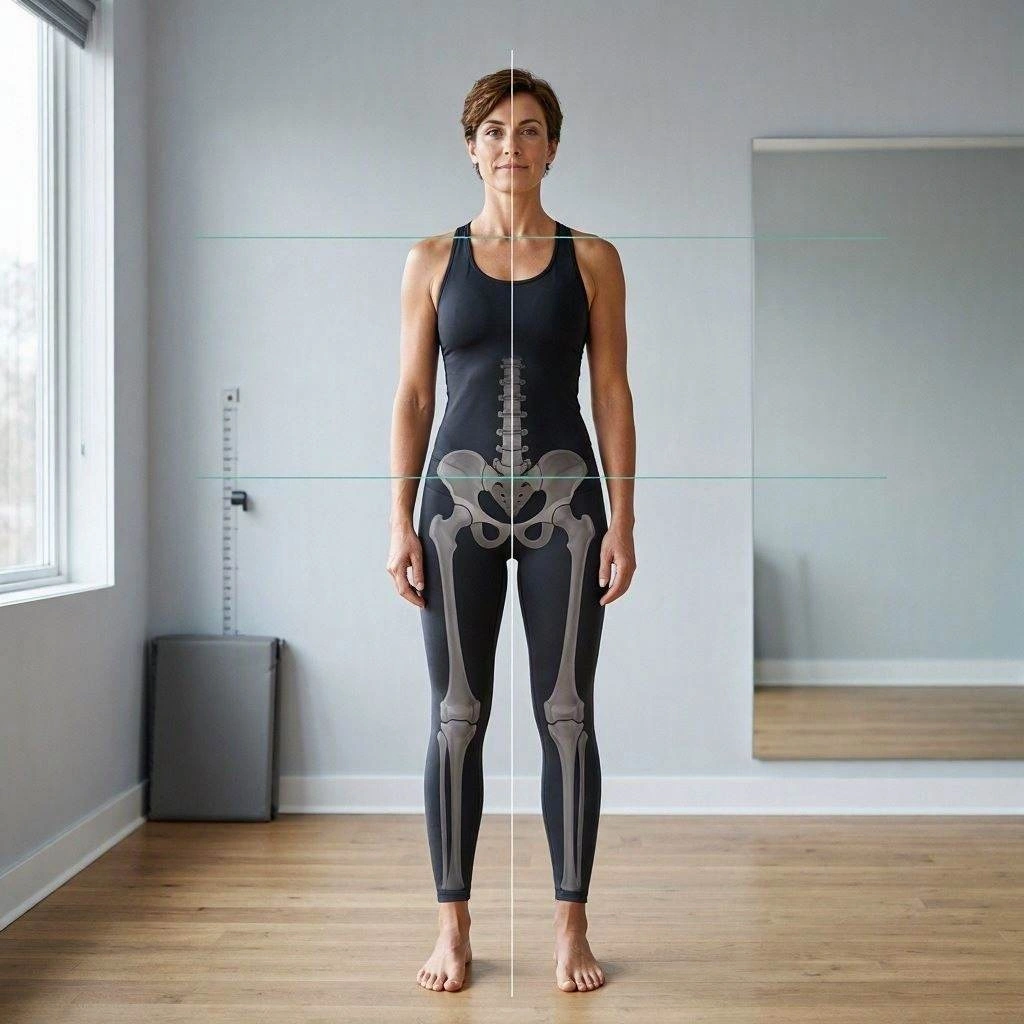
Posture and Sciatica
People often blame poor posture for sciatica.
However, the relationship between posture and pain is more complicated than simply labeling one position as good or bad.
Instead of trying to maintain a perfect posture throughout the day, focus on movement variety.
For example:
-
Change positions regularly
-
Take walking breaks
-
Adjust your workstation
-
Build physical strength
-
Improve general fitness
-
Gradually increase activity
As a result, people can develop greater tolerance for different positions instead of relying on one rigid posture.
Sleep and Sciatica
Sciatica can interfere with sleep.
Pain may make it difficult to find a comfortable position or turn in bed.
Several strategies may help:
-
Find a comfortable sleeping position
-
Use pillows for additional support if helpful
-
Avoid positions that clearly increase symptoms
-
Maintain regular daytime activity
-
Follow a consistent sleep schedule
Poor sleep can also make pain harder to manage.
Therefore, persistent sleep disruption deserves attention during rehabilitation.
If severe night symptoms continue or other concerning symptoms develop, seek appropriate medical assessment.
Managing Persistent Sciatica (Sciatica Treatment Options)
Some people continue to experience symptoms after the initial episode.
Persistent sciatica can affect:
-
Work
-
Exercise
-
Sleep
-
Walking
-
Social activities
-
Mood
-
Confidence
At this stage, treatment should focus on restoring function rather than waiting for every symptom to disappear before becoming active.
For example, a rehabilitation program may gradually increase:
-
Walking
-
Strength training
-
Work activities
-
Exercise
-
Daily movement
In addition, education and appropriate pain-management strategies can help people develop confidence with movement.
When Should You Consider an MRI?
An MRI does not automatically represent the next step for every person with sciatica.
Many people can receive an initial clinical assessment without immediate imaging.
However, healthcare professionals may consider imaging when:
-
Symptoms remain severe
-
Symptoms persist despite appropriate treatment
-
Significant neurological changes occur
-
A serious condition appears possible
-
An injection or surgery may become appropriate
Moreover, healthcare professionals should interpret imaging findings alongside symptoms and physical examination.
An MRI can show structural changes that may not directly explain a person’s symptoms.
Therefore, imaging should support clinical decision-making rather than replace it.
Epidural Injections (Sciatica Treatment Options)
Some people with severe sciatica may consider an epidural injection.
A specialist can inject medication near the affected spinal nerve structures.
The goal involves reducing pain and potentially making rehabilitation easier.
However, injections do not suit every patient.
A specialist should consider:
-
Severity
-
Duration
-
Neurological findings
-
Suspected cause
-
Previous treatments
-
Potential risks
Therefore, injections generally represent a selective treatment option rather than the first choice for everyone.
Nerve Root Injections
A targeted nerve root injection may help selected patients when symptoms strongly suggest irritation of a specific nerve root.
The treatment requires appropriate medical assessment.
A specialist can determine whether the expected benefits justify the potential risks.
Importantly, an injection should form part of an overall management plan rather than replace rehabilitation completely.
Surgery for Sciatica
Surgery represents one of the more invasive Sciatica Treatment Options.
Most people do not automatically need surgery simply because they have sciatica.
However, specialists may consider surgery when:
-
Symptoms remain severe
-
Conservative treatment has not provided enough improvement
-
Significant neurological weakness develops
-
A structural problem clearly affects a nerve
-
The symptoms and imaging findings match
One possible procedure involves decompression, which aims to relieve pressure on an affected nerve.
The decision requires specialist evaluation.
The surgeon should explain the expected benefits, possible risks, alternatives, and likely recovery process before treatment.
Common Sciatica Treatment Mistakes (Sciatica Treatment Options)
People sometimes make choices that can slow their recovery.
Staying in Bed for Too Long
Although short periods of rest may feel comfortable, prolonged inactivity can reduce strength and conditioning.
Avoiding All Movement
Complete avoidance of movement can make the return to normal activities more difficult.
Returning to Exercise Too Quickly
Suddenly increasing training intensity can trigger a symptom flare.
Stretching Too Aggressively (Sciatica Treatment Options)
Forcing painful nerve-related symptoms may increase discomfort.
Depending Only on Passive Treatment
Massage or manual therapy may help symptoms, but active rehabilitation remains important.
Ignoring New Weakness
New or worsening weakness requires appropriate medical assessment.
How to Build a Personalized Sciatica Recovery Plan
A practical rehabilitation plan can follow several stages.
Step 1: Understand the Symptoms
First, identify where the symptoms occur and what activities influence them.
Step 2: Screen for Concerning Symptoms
Next, identify neurological or other symptoms that require medical attention.
Step 3: Maintain Appropriate Activity
Then, continue tolerable daily movement rather than stopping everything.
Step 4: Introduce Exercise (Sciatica Treatment Options)
Add appropriate mobility and strengthening exercises.
Step 5: Increase Physical Capacity
Gradually increase exercise difficulty and functional demands.
Step 6: Return to Normal Activities
Reintroduce work, sports, gym training, and other meaningful activities.
Step 7: Maintain Fitness
Finally, continue regular physical activity and strength training after symptoms improve.
This step-by-step approach can make rehabilitation more manageable.
How Do You Know if Treatment Is Working?
Pain intensity provides only one measure of recovery.
Instead, look for improvements in function.
For example, you may notice that you can:
-
Walk farther
-
Sit longer
-
Sleep better
-
Work more comfortably
-
Exercise for longer
-
Lift more safely
-
Move with greater confidence
-
Perform daily tasks more easily
Furthermore, symptoms may fluctuate during recovery.
A temporary increase in discomfort does not automatically mean that treatment has failed.
However, persistent deterioration or new neurological symptoms require reassessment.
When Should You Seek Professional Help?
Professional assessment becomes particularly important when symptoms:
-
Remain severe
-
Continue to worsen
-
Interfere with normal activities
-
Persist despite self-management
-
Keep returning
-
Include numbness
-
Include weakness
-
Make walking difficult
A physiotherapist or physician can help determine whether conservative rehabilitation remains appropriate.
Emergency Symptoms of Sciatica (Sciatica Treatment Options)
Most cases of sciatica do not represent an emergency.
However, certain symptoms require immediate medical attention.
Seek urgent medical care if you develop:
-
New bladder-control problems
-
Difficulty passing urine
-
Loss of bowel control
-
Numbness around the genitals or anus
-
Severe or rapidly worsening weakness
-
Significant neurological symptoms affecting both legs
These symptoms can indicate serious nerve compression and require urgent evaluation.
Frequently Asked Questions About Sciatica Treatment Options
What are the main Sciatica Treatment Options?
The main options include self-management, appropriate physical activity, therapeutic exercise, physiotherapy, medication, activity modification, injections for selected cases, and surgery for specific situations.
Can sciatica improve without surgery?
Yes. Many people improve without surgery. Conservative management often focuses on staying active, exercise, symptom management, and gradual rehabilitation.
Is physiotherapy effective for sciatica?
Physiotherapy can help many people manage sciatica by providing assessment, individualized exercise, strengthening, mobility work, movement education, and functional rehabilitation.
What exercise is best for sciatica?
There is no single exercise that works best for everyone. NICE evidence does not support one specific exercise type as universally superior.
Should I rest with sciatica?
Short-term activity modification may help during a severe flare-up. However, prolonged inactivity can reduce physical conditioning. Therefore, people generally benefit from maintaining tolerable movement.
Can walking help sciatica?
Walking can help maintain physical activity and fitness. However, walking tolerance varies, so start with a manageable amount and gradually increase the duration.
Can stretching make sciatica worse?
Yes. Some stretches can aggravate symptoms, particularly when they reproduce significant nerve-related pain. Therefore, choose stretches according to individual tolerance.
Can massage help sciatica?
Massage may provide temporary relief from muscle tension or discomfort. However, it should generally complement active rehabilitation rather than replace it.
Do I need an MRI for sciatica?
Not necessarily. Healthcare professionals usually consider imaging based on symptoms, examination findings, duration, and whether imaging would change treatment decisions.
When should I consider surgery?
A specialist may consider surgery when severe symptoms persist despite appropriate conservative treatment or when significant neurological problems develop.
How long does sciatica take to improve?
Recovery varies considerably. Some people improve within weeks, while others experience symptoms for several months or longer. Therefore, monitor both symptoms and functional progress.
Final Thoughts (Sciatica Treatment Options)
There are many Sciatica Treatment Options, but successful recovery rarely depends on one magic exercise, medication, or procedure.
Instead, most people benefit from an approach that matches their symptoms, physical condition, lifestyle, and recovery goals.
For many individuals, self-management, appropriate activity, exercise, and physiotherapy provide important foundations for recovery. Furthermore, gradual strengthening can help rebuild the physical capacity required for work, exercise, walking, lifting, and everyday activities.
Medication may help some people manage pain. Likewise, selected patients may benefit from injections or specialist treatment. However, these options require individual assessment and should not automatically replace active rehabilitation.
Surgery can provide an important option for selected cases, particularly when severe symptoms persist or significant neurological problems develop. Nevertheless, most people with sciatica do not automatically require surgery.
Ultimately, the best treatment plan should evolve as symptoms and physical abilities change. Start with appropriate assessment, maintain tolerable activity, gradually build strength, and seek professional guidance when symptoms persist or worsen.
Finally, do not ignore serious neurological symptoms. New bladder or bowel problems, saddle-area numbness, or severe progressive weakness require urgent medical attention.
With the right combination of education, activity, exercise, and professional care when necessary, many people can gradually improve their function and return to the activities that matter most to them.