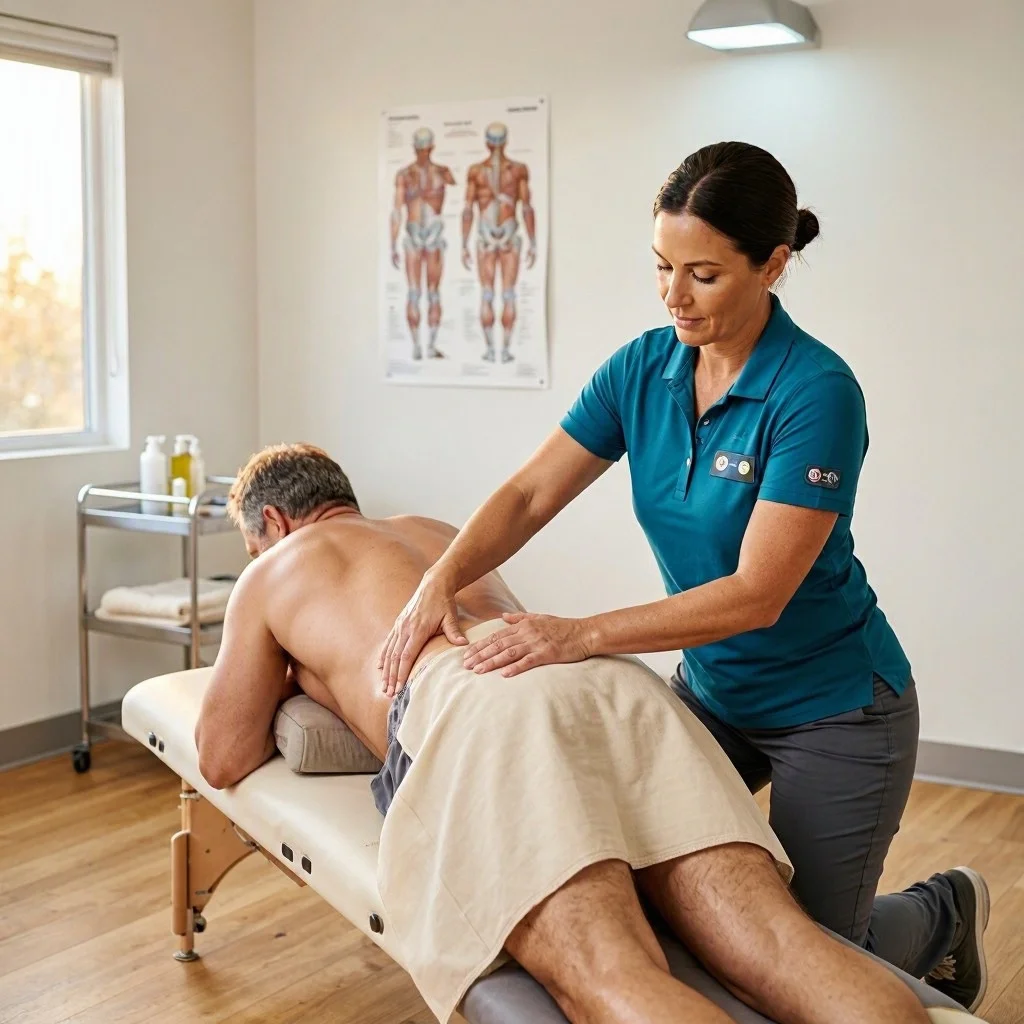
Massage Therapy for Hip Muscle Pain: Benefits, Techniques, and Recovery
Hip muscle pain can make everyday activities more difficult, from walking and climbing stairs to exercising, sitting for long periods, or getting out of bed. The discomfort may develop after a demanding workout, repetitive movements, prolonged sitting, or an unfamiliar physical activity. Some people experience tightness around the outside of the hip, while others notice aching in the buttocks, groin, or upper thigh. Massage therapy for hip muscle pain may help some people manage muscular tension, temporary discomfort, and movement restrictions. Depending on the cause of the symptoms, massage may be used alongside appropriate exercise, activity modification, and professional rehabilitation.
However, pain around the hip does not always originate in the muscles. Tendon problems, hip joint conditions, nerve irritation, fractures, and other medical issues can produce similar symptoms. Identifying the likely source of the pain is therefore an important first step before deciding whether massage is appropriate.
At Ritz Clinic, massage therapy may be considered as part of an individualized approach to musculoskeletal discomfort. The appropriate treatment depends on the person’s symptoms, medical history, physical assessment, and recovery goals.
What Is Hip Muscle Pain?
The hip region contains several groups of muscles that support the pelvis, control leg movement, and help stabilize the body during standing and walking.
Important muscle groups include:
- Gluteal muscles: Located around the buttocks, these muscles help extend, rotate, and stabilize the hip.
- Hip flexors: Located at the front of the hip, these muscles help lift the thigh toward the body.
- Adductors: Located along the inner thigh, these muscles help bring the legs toward the midline.
- Hamstrings: These muscles run along the back of the thigh and contribute to hip extension and knee movement.
- Quadriceps: Located at the front of the thigh, these muscles help straighten the knee and contribute to hip movement through the rectus femoris.
- Deep hip rotators: These muscles help control rotation and contribute to hip stability.
When one or more of these muscles becomes irritated, overloaded, or injured, discomfort may develop around the hip or nearby areas.
Muscle-related hip pain can feel like a dull ache, localized tenderness, tightness, or discomfort during particular movements. Symptoms may become more noticeable when climbing stairs, walking uphill, standing on one leg, running, or rising from a chair.
The location of the pain can provide clues, but it does not reliably identify the cause on its own. A proper assessment may be needed when symptoms are persistent, severe, or difficult to explain.
Common Causes of Hip Muscle Pain
Understanding the possible cause of hip discomfort helps determine whether massage therapy is suitable and which other treatments may be needed.
1. Muscle Strain
A muscle strain occurs when muscle fibres are injured during activity. It can happen after lifting a heavy object, sprinting, jumping, changing direction quickly, or performing an unfamiliar exercise.
Symptoms may include localized pain, tenderness, swelling, bruising, and discomfort when contracting or stretching the affected muscle.
Mild strains may improve with appropriate activity modification and gradual rehabilitation. More severe strains may require medical assessment and a longer recovery period.
Massage should not be applied aggressively to a recent injury, particularly when there is significant swelling, bruising, or a possibility of a substantial muscle tear.
2. Prolonged Sitting and Reduced Movement (Massage Therapy for Hip Muscle Pain)
Long periods of sitting can contribute to discomfort around the hips, particularly when movement is limited or a person is not accustomed to regular physical activity.
Some people notice tightness around the front of the hips after working at a desk, driving, or travelling for several hours.
Although massage may temporarily help some people feel less tense, prolonged sitting does not automatically mean that a muscle is shortened or damaged. Regular movement, appropriate strengthening, and changes to daily habits may be more useful for managing recurring symptoms.
3. Exercise-Related Overload (Massage Therapy for Hip Muscle Pain)
Hip muscles work during running, cycling, weight training, hiking, and many sports. Increasing training volume or intensity too quickly may exceed the body’s current capacity.
For example, suddenly adding hill sprints, heavy squats, or longer running sessions may contribute to muscular soreness or strain.
Massage may help with short-term comfort for some exercise-related complaints, but it does not replace adequate recovery or progressive training. Recurrent pain should prompt a review of exercise technique, training load, and possible underlying injuries.
4. Gluteal Muscle Discomfort
The gluteal muscles play an important role in pelvic control and hip movement. Discomfort around the buttocks may follow strenuous exercise, prolonged activity, or a sudden increase in physical demand.
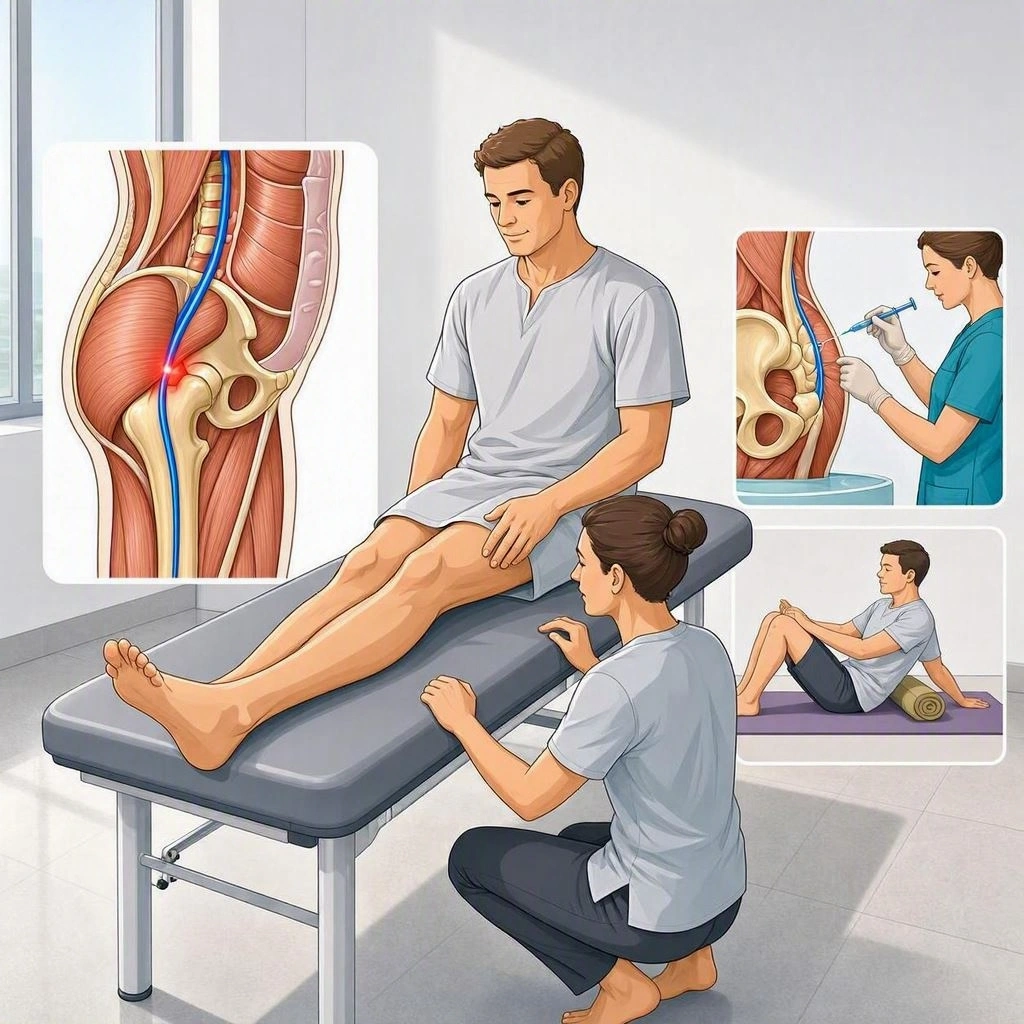
However, pain on the outside of the hip can also involve the gluteal tendons and surrounding structures. Greater trochanteric pain syndrome, for example, can cause tenderness over the outer hip and pain when lying on that side.
These conditions are not necessarily simple muscle tightness. Persistent lateral hip pain should be assessed so the treatment can address the likely cause rather than relying on massage alone.
5. Hip Flexor Discomfort
The hip flexors help lift the thigh and contribute to activities such as walking, running, and climbing stairs.
Discomfort at the front of the hip may develop after sprinting, kicking, repeated leg lifts, or unfamiliar exercise. It may also occur with prolonged sitting, although the relationship varies between individuals.
Massage around the hip flexor muscles may be considered in selected cases after assessment. Deep pressure near the front of the hip should be used cautiously because important nerves, blood vessels, and other structures pass through this region.
6. Adductor Muscle Strain
The adductor muscles along the inner thigh help control leg movement and stabilize the pelvis. These muscles are particularly important during sports involving rapid changes of direction, kicking, and lateral movements.
An adductor strain may cause pain in the groin or inner thigh, especially when squeezing the legs together or moving the hip sideways.
A recent or significant strain requires appropriate assessment. Massage should not be used as a way to push through sharp pain or accelerate healing beyond what the injury allows.
7. Stress and Muscle Tension
Stress, poor sleep, and fatigue may affect how the body experiences pain and responds to physical demands. Some people notice that muscle discomfort becomes more prominent during demanding periods.
Massage may offer relaxation and short-term symptom relief for some individuals. Nevertheless, persistent pain should not automatically be attributed to stress, and symptoms that interfere with daily life deserve proper evaluation.
How Can Massage Therapy Help With Hip Muscle Pain? (Massage Therapy for Hip Muscle Pain)
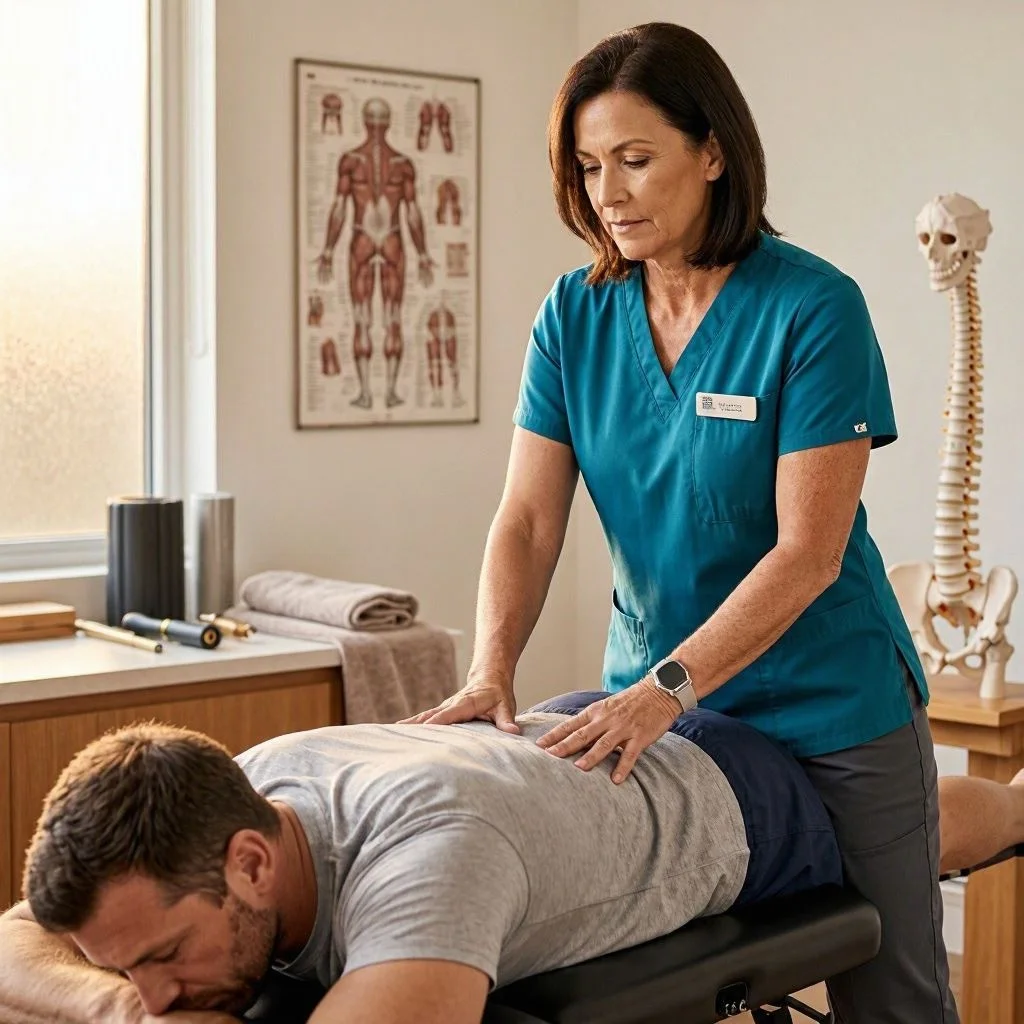
Massage therapy involves applying manual techniques to soft tissues such as muscles and surrounding connective tissues. The approach may include gentle stroking, kneading, compression, or other techniques selected according to the person’s symptoms and comfort.
Research suggests that massage may provide short-term benefits for some musculoskeletal pain conditions. However, evidence varies by condition, and research does not establish that massage is consistently superior to other active treatments for every type of pain. Direct evidence specifically for hip muscle pain is limited.
1. Temporary Relief From Muscle Discomfort
Some people experience a temporary reduction in muscular discomfort after massage. The effect may help them move more comfortably or participate in other parts of a rehabilitation programme.
The response varies, and massage should not be presented as a guaranteed solution. If symptoms repeatedly return, the underlying cause and daily activity demands may need further attention.
2. Relaxation and Reduced Perceived Tension
Massage can provide a relaxing experience and may help some people feel less tense around the hips and buttocks.
This may be useful when symptoms are associated with muscular discomfort or stress. However, feeling relaxed after treatment does not necessarily mean that an injured tendon, muscle, or joint has healed.
3. Support for Comfortable Movement
When discomfort makes movement feel difficult, a suitable massage session may temporarily improve comfort during certain activities.
For example, a person may find it easier to begin a prescribed exercise routine after symptoms settle. Any improvement should be assessed through meaningful functional changes rather than the sensation of looseness alone.
4. Complementary Support During Rehabilitation
Massage may be one component of a broader plan that includes strengthening, mobility work, gradual return to activity, and changes to aggravating movements.
For many recurring musculoskeletal problems, rehabilitation requires more than passive treatment. Exercise helps build the strength and capacity needed for everyday tasks and sport.
5. Individualized Treatment
Different people experience hip pain for different reasons. A suitable massage approach should account for the location of symptoms, injury history, sensitivity, medical conditions, and treatment preferences.
The therapist should explain the intended approach and adjust the pressure or technique if it causes discomfort.
Massage Techniques That May Be Used for Hip Muscle Pain
The appropriate technique depends on the assessment and the likely source of the symptoms. No single massage method is suitable for every hip condition.
1. Swedish Massage
Swedish massage commonly uses gentle to moderate pressure, including long strokes and kneading movements.
For someone with general muscular tension, a comfortable approach may support relaxation and temporary symptom relief.
The pressure should remain appropriate for the individual’s tolerance. Stronger pressure is not automatically more effective, and massage should not produce severe pain or significant bruising.
2. Therapeutic Soft Tissue Massage (Massage Therapy for Hip Muscle Pain)
Therapeutic massage may focus on selected muscles around the buttocks, outer hip, or thigh, depending on the suspected source of the symptoms.
The therapist may adjust the technique based on tenderness and movement limitations. When a condition involves a tendon, joint, nerve, or significant tissue injury, the treatment plan may need to prioritize other interventions.
3. Sports Massage
Sports massage is often used by physically active people to address exercise-related muscle discomfort and support recovery routines.
It may be considered when symptoms are related to training demands, but it does not guarantee faster tissue healing or prevent every sports injury.
Following a recent muscle strain, the intensity and timing of massage should be guided by the injury’s severity and stage of recovery.
4. Gentle Massage Around the Gluteal Muscles
The gluteal muscles are located around the buttocks and contribute to hip extension and stability.
Gentle soft tissue techniques may be considered when muscular discomfort is suspected. However, deep pressure directly over the outer hip can aggravate some conditions, including certain gluteal tendon problems.
If pain is particularly severe when lying on one side, walking, or standing on one leg, an assessment can help determine whether massage is appropriate.
5. Gentle Work Around the Hip Flexors
The hip flexors are situated toward the front of the hip and upper thigh. Techniques in this area require particular care because of the sensitive structures nearby.
Deep or forceful pressure should not be used without appropriate anatomical knowledge and clinical justification. If symptoms involve the groin, unexplained abdominal pain, or significant swelling, seek medical assessment rather than attempting self-massage.
What Happens During a Massage Therapy Appointment?
A professional appointment should begin with a conversation about the pain rather than immediately applying pressure to the affected area.
Step 1: Discuss Your Symptoms
The therapist may ask when the pain started, what movements aggravate it, whether it followed exercise or an injury, and how it affects daily activities.
You should also mention any medical conditions, previous surgery, medications, bruising, swelling, or unusual symptoms.
Step 2: Identify Areas Requiring Caution
The therapist should consider whether the symptoms are consistent with a condition suitable for massage or whether referral for medical assessment is necessary.
Massage should not be used to investigate or treat a suspected fracture, acute joint infection, blood clot, or other serious condition.
Step 3: Agree on a Treatment Approach
If massage is appropriate, the therapist should explain the planned techniques, expected goals, and any limitations.
You should be able to request lighter pressure, change position, or stop the session at any time.
Step 4: Apply Appropriate Techniques
Treatment may involve comfortable soft tissue techniques around the relevant muscles. The exact area and pressure should depend on the assessment.
Painful, forceful pressure is not required for a treatment to be useful.
Step 5: Review Your Response
After the session, consider whether movement or discomfort has changed and whether any symptoms have worsened.
A therapist may suggest appropriate activity modifications or recommend further assessment if the response is unusual. Repeated treatment should be reviewed in terms of meaningful improvement, not simply the number of sessions completed.
Exercises That May Complement Massage Therapy
Massage may help some people feel more comfortable, but exercise can be important for rebuilding strength and improving tolerance to everyday activities.
The following examples are intended for uncomplicated muscular discomfort. They are not suitable for every hip condition, and they should not replace a prescribed rehabilitation programme.
Stop any exercise that causes sharp pain, increasing symptoms, instability, or other unusual problems.
1. Gentle Hip Flexor Stretch
This stretch may be appropriate for some people who experience tightness at the front of the hip.
- Kneel on a padded surface with one knee down and the other foot in front.
- Keep your upper body comfortably upright.
- Gently move your pelvis forward without arching your lower back.
- Stop when you feel a mild stretch at the front of the hip.
- Hold for approximately 15–20 seconds if comfortable, then relax.
Repeat gently on the other side if appropriate. Avoid forcing the stretch or continuing if it causes pinching in the groin.
2. Gluteal Bridge
A bridge can help strengthen the gluteal muscles when the exercise is appropriate for the condition.
- Lie on your back with your knees bent and feet flat on the floor.
- Keep your arms relaxed beside your body.
- Gently tighten your abdominal and gluteal muscles.
- Lift your hips a comfortable distance without over-arching your back.
- Pause briefly and lower slowly.
Begin with a small number of repetitions and increase gradually if symptoms remain manageable. Stop if the movement causes significant hip or back pain.
3. Standing Hip Abduction (Massage Therapy for Hip Muscle Pain)
This exercise strengthens muscles that help control the hip and pelvis.
- Stand beside a stable chair or countertop for support.
- Keep your body upright and your standing knee relaxed.
- Slowly move one leg out to the side without leaning your trunk.
- Return to the starting position with control.
- Repeat a few times if comfortable, then switch sides.
Use a small range of movement initially. This exercise may not be appropriate for every cause of outer hip pain, especially when the gluteal tendons are highly irritable.
4. Gentle Walking
Walking may help maintain general movement for people whose condition allows it.
Start with a manageable duration on level ground. Increase the time gradually if symptoms remain stable during the activity and afterward.
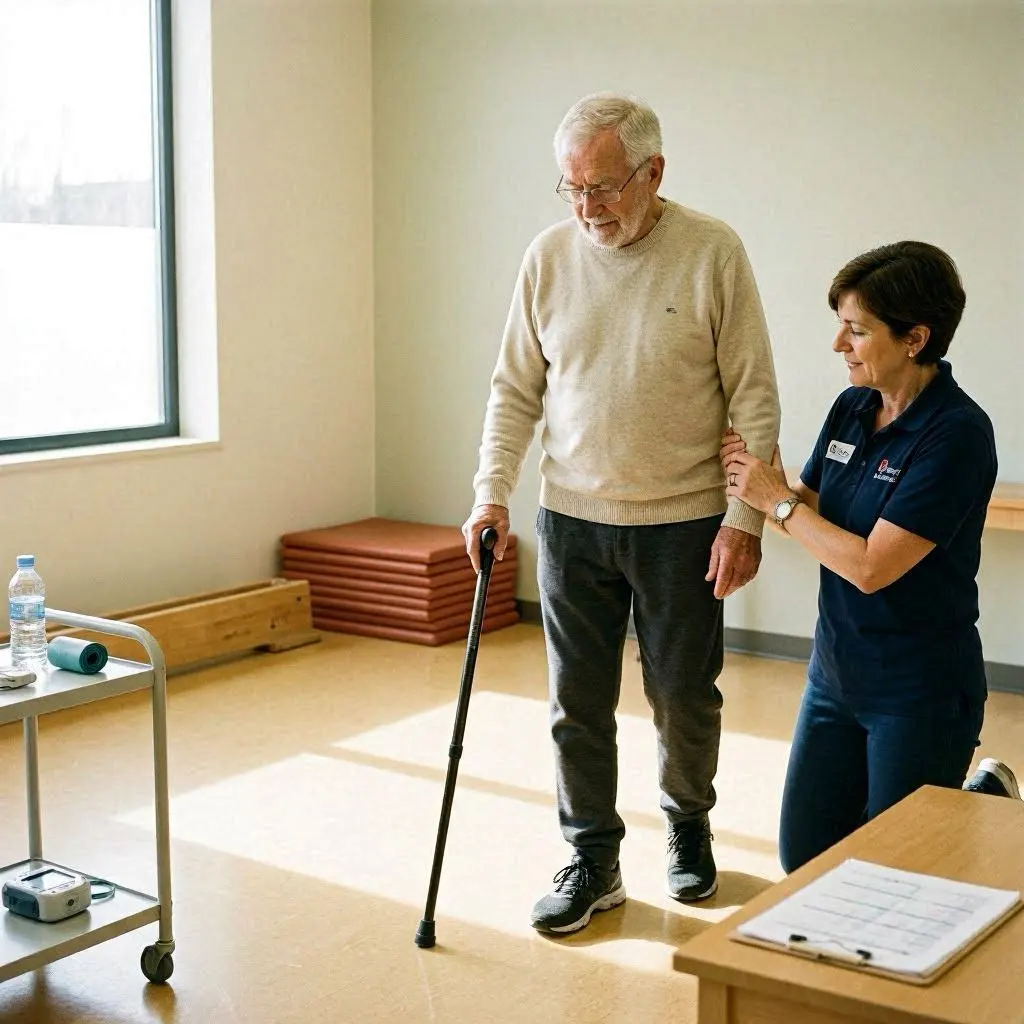
If walking becomes increasingly painful, causes a limp, or is difficult because of weight-bearing pain, stop and seek appropriate assessment.
5. Regular Movement Breaks
If prolonged sitting contributes to discomfort, try changing positions regularly and taking short movement breaks.
Stand up when practical, walk briefly, or move the hips through a comfortable range. The aim is to avoid remaining in one position for unnecessarily long periods rather than trying to maintain a rigid posture.
A physiotherapist can help determine which strengthening and mobility exercises are appropriate for your particular condition.
Is Massage Therapy Safe for Hip Muscle Pain? (Massage Therapy for Hip Muscle Pain)
Massage is generally well tolerated when performed appropriately, but it is not risk-free. Temporary soreness or tenderness may occur, and some techniques can aggravate sensitive tissues.
Massage should be postponed or avoided over areas where there is suspected fracture, acute significant injury, active infection, or unexplained swelling. A therapist should also consider relevant medical conditions and medication use.
Tell your therapist or healthcare professional if you have:
- A recent fall or traumatic injury.
- Significant bruising or swelling.
- Osteoporosis or a history of fractures.
- A bleeding disorder or use of blood-thinning medication.
- A history of blood clots.
- Recent surgery or a joint replacement.
- Active skin infection or open wounds.
- A known inflammatory condition affecting the hip.
- Unexplained pain that is worsening or interfering with walking.
A hot, swollen hip accompanied by fever or feeling generally unwell needs urgent medical assessment. Sudden severe pain or an inability to bear weight after an injury may indicate a serious problem and requires emergency care.
When Should You See a Doctor Instead of Getting a Massage?
Not every type of hip pain should be treated with massage.
Seek urgent medical assessment if you experience sudden, severe hip pain without a clear explanation, a hot or swollen hip, skin colour changes around the joint, or hip pain accompanied by fever or feeling seriously unwell.
Seek emergency care after a significant injury if you have severe pain, cannot walk or put weight on the affected leg, or develop numbness or loss of feeling following the injury.
Arrange a medical appointment if:
- Hip pain interferes with normal activities or sleep.
- Symptoms are worsening or keep returning.
- Pain has not improved after about two weeks of appropriate self-care.
- Morning stiffness lasts longer than usual.
- You have unexplained weight loss or persistent night pain.
- Pain travels from the back into the hip or leg and is accompanied by neurological symptoms.
- You suspect a tendon injury or stress fracture.
The NHS guide to hip pain provides additional guidance on common causes and when to seek medical care.
If the cause is unclear, a clinician can assess whether the symptoms are muscular or may involve the joint, tendons, nerves, bones, or another structure.
Massage Therapy Compared With Physiotherapy
Massage therapy and physiotherapy may overlap in some settings, but they have different roles depending on the practitioner, the condition, and the treatment goals.
Physiotherapy
Physiotherapy commonly involves assessment, exercise prescription, movement rehabilitation, education, and gradual increases in physical activity. Manual therapy may also be included when appropriate.
For recurring hip muscle pain, physiotherapy can be useful when the goal is to rebuild strength, improve function, and return to sport or everyday activity.
Massage Therapy
Massage focuses on manual soft tissue techniques. It may help some people manage muscular discomfort, relaxation, and short-term symptoms.
It is not a substitute for diagnosing the cause of hip pain or treating conditions that require medical care.
Combining Both Approaches
Some people may benefit from massage alongside an exercise-based rehabilitation programme. For example, massage may temporarily improve comfort while strengthening exercises gradually improve physical capacity.
The appropriate combination depends on the diagnosis and individual response. If symptoms are persistent or worsening, the treatment plan should be reviewed rather than continuing passive treatment without reassessment.
Learn more about physiotherapy services at Ritz Clinic.
How Many Massage Sessions Are Needed for Hip Muscle Pain?
There is no universal number of sessions that guarantees improvement.
The appropriate frequency depends on the cause of the pain, symptom severity, treatment response, daily activity demands, and whether other rehabilitation is needed.
Some people report short-term relief after a session, while others experience little change. Massage may be less useful when the main problem is a significant tendon injury, joint disease, fracture, or another condition requiring a different treatment approach.
Rather than booking a predetermined number of sessions without review, consider whether treatment is helping you achieve specific goals, such as walking more comfortably, returning to exercise, or managing everyday tasks.
If pain remains unchanged, repeatedly returns, or becomes more severe, seek further assessment.
How to Reduce the Risk of Recurrent Hip Muscle Pain (Massage Therapy for Hip Muscle Pain)
Although not every injury can be prevented, certain habits may help you manage physical demands and reduce avoidable overload.
Increase exercise gradually. Avoid sudden increases in running distance, lifting loads, or training frequency after a period of inactivity.
Maintain appropriate strength. Include exercises that build strength in the hips, legs, and trunk according to your needs.
Allow recovery time. Rest, sleep, and appropriate spacing between demanding sessions can support recovery.
Change positions regularly. If prolonged sitting contributes to discomfort, take movement breaks and vary your position throughout the day.
Use comfortable movement patterns. Avoid forcing painful movements. Gradually restore the activities you need for work, exercise, and daily life.
Pay attention to recurring symptoms. Pain that returns in the same area may indicate that training demands, movement habits, or an underlying condition need attention.
Choose an appropriate rehabilitation plan. Exercises should match your current capacity and the cause of the pain rather than relying on generic stretches alone.
Massage may support comfort for some people, but long-term progress often depends on addressing the factors that contribute to recurring symptoms.
Frequently Asked Questions About Massage Therapy for Hip Muscle Pain
1. Can massage therapy help with hip muscle pain?
Massage may provide short-term relief for some people with muscular discomfort and may help them feel more comfortable during movement. However, evidence specific to hip muscle pain is limited, and results vary. Massage is not a guaranteed treatment and may need to be combined with exercise or other care.
2. Is deep tissue massage good for hip pain?
Deep tissue massage is not automatically better than gentler techniques. Strong pressure may aggravate an acute strain, sensitive tendon, or other painful condition. The technique should be selected according to the assessment, and you should tell the therapist if pressure becomes uncomfortable.
3. Can massage help with tight hip flexors?
Massage may temporarily reduce the feeling of tension in some people, but hip flexor tightness is not always the main cause of front-of-hip pain. Appropriate movement, strengthening, and assessment may be needed, particularly when symptoms persist or involve the groin.
4. Should I get a massage after a hip muscle strain?
The answer depends on the severity and stage of the injury. Gentle treatment may be considered in selected circumstances, but aggressive massage over a recent injury with swelling, bruising, or significant pain may be inappropriate. A healthcare professional can help determine when massage is suitable.
5. Can massage treat pain on the outside of the hip?
Massage may help some people with muscular discomfort in the area, but outer hip pain can also involve the gluteal tendons or other structures. Persistent pain when lying on the affected side or standing on one leg should be assessed before relying on massage alone.
6. How long does relief from massage last?
The duration of relief varies. Some people experience temporary improvement, while others notice little change. Longer-term improvement depends on the cause of the pain and whether other factors, such as strength, activity load, or an underlying condition, are addressed.
7. Should I stretch after a massage?
Gentle movement may be comfortable for some people, but stretching is not essential after every massage session. Avoid aggressive stretching if the area is painful or recently injured. Follow any exercise recommendations provided for your specific condition.
8. Can I exercise after massage therapy?
Light activity may be comfortable for some people, but the appropriate level depends on the symptoms and treatment. If the area feels tender or the original injury remains sensitive, avoid demanding exercise until it is appropriate. Follow your rehabilitation plan rather than assuming massage makes the tissue ready for heavy loading.
9. When should I see a physiotherapist for hip muscle pain?
Consider physiotherapy if the pain keeps returning, affects walking or exercise, limits strength or movement, or does not improve as expected. A physiotherapist can assess function and develop an individualized rehabilitation plan. Severe, unexplained, or concerning symptoms may require medical assessment first.
10. When is hip pain an emergency?
Seek emergency care if you experience severe hip pain after a fall or injury, cannot bear weight, or develop numbness after trauma. A hot or swollen hip with fever, sudden severe unexplained pain, or significant illness also requires urgent medical evaluation.
11. Can massage prevent future hip injuries?
Massage cannot guarantee injury prevention. Appropriate strength training, gradual increases in exercise, sufficient recovery, and attention to recurring symptoms are important parts of managing physical demands. Massage may be a complementary option for comfort when suitable.
12. Is massage therapy enough for chronic hip muscle pain?
Not always. Persistent symptoms may require an assessment to identify whether the pain comes from muscles, tendons, the joint, nerves, or another source. A plan combining education, exercise, medical care when necessary, and selected manual therapy may be more appropriate than massage alone.
Conclusion: Choosing the Right Approach to Hip Muscle Pain
Hip muscle pain can develop after exercise, repetitive activity, prolonged sitting, or a muscular strain. Massage therapy may help some people manage muscular tension and short-term discomfort, particularly when the symptoms are consistent with a condition that is appropriate for manual soft tissue treatment.
However, hip pain has many possible causes, and massage cannot diagnose or resolve every underlying problem. Persistent outer hip pain, significant groin pain, symptoms following an injury, or discomfort that interferes with walking may require further assessment.
For recurring symptoms, consider a broader plan that includes appropriate exercise, gradual activity progression, and professional guidance. Massage can be one component of care when suitable, but it should not replace medical assessment when warning signs are present.
At Ritz Clinic, discussing your symptoms and goals with an appropriate healthcare professional can help you understand the available options and determine whether massage therapy or another form of care is suitable for your situation.
The goal is not simply to feel temporary relief after treatment. It is to improve comfort, support everyday movement, and make informed decisions about recovery.
Systematic Review – Massage Therapy for Musculoskeletal Disorders