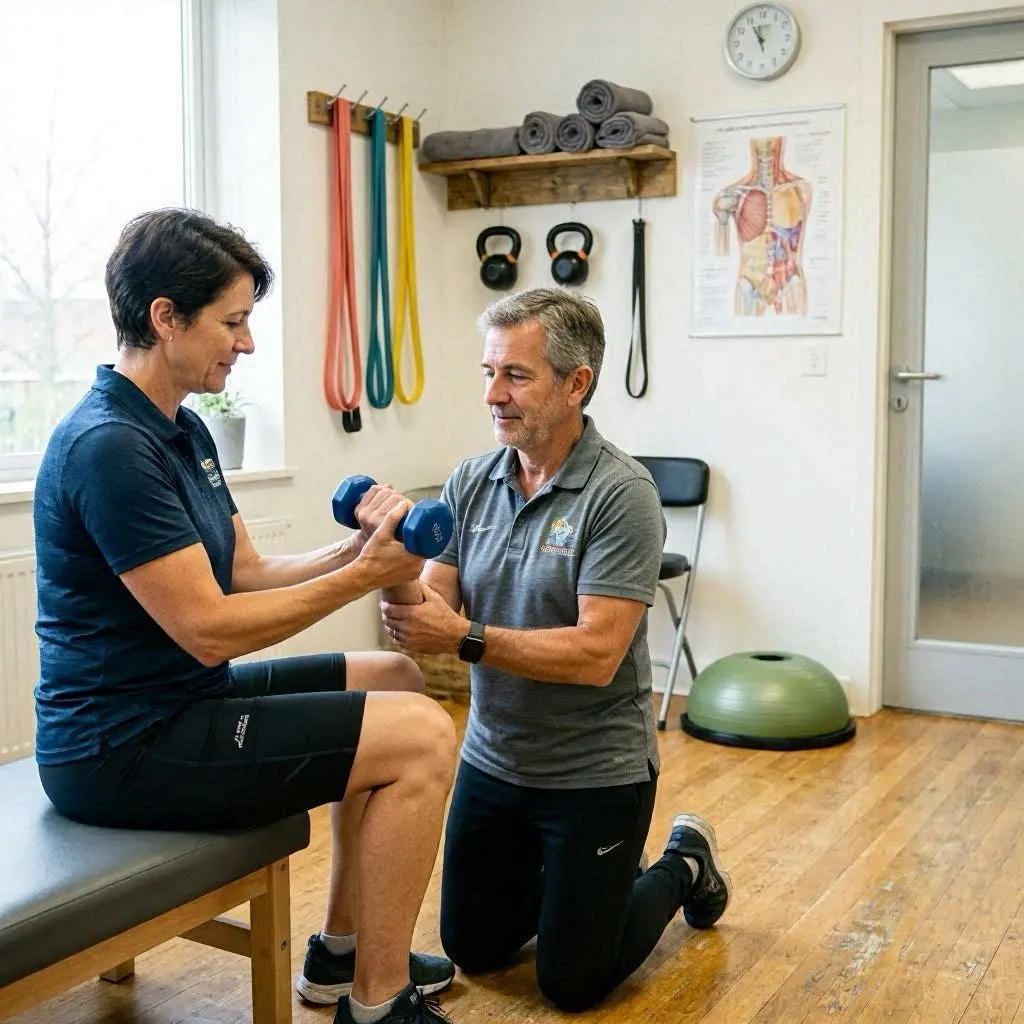
Physiotherapy Strength Training: Improving Strength, Mobility, and Physical Performance
Physiotherapy strength training is an effective approach to improving muscle strength, enhancing mobility, and supporting overall physical function. Whether recovering from an injury, managing a chronic condition, returning to sports, or simply aiming to improve fitness, strength-focused physiotherapy programs can help individuals achieve their health and movement goals safely.Moreover, strength training in physiotherapy is carefully tailored to each person’s abilities and recovery needs. As a result, patients can build strength gradually while reducing the risk of injury and improving long-term physical performance.
What Is Physiotherapy Strength Training?
Physiotherapy strength training involves structured exercise programs designed to increase muscle strength, improve joint stability, and enhance functional movement. First, a physiotherapist conducts a comprehensive assessment of strength, flexibility, posture, balance, and movement patterns. Then, a personalized training plan is developed to meet specific rehabilitation or fitness goals.
Training programs may include:
-
Resistance exercises
-
Bodyweight exercises
-
Functional movement training
-
Core strengthening
-
Balance and stability exercises
-
Mobility exercises
-
Progressive strength development
-
Rehabilitation exercises
Ultimately, the goal is to improve physical performance while supporting safe and effective movement.
Benefits of Physiotherapy Strength Training
Physiotherapy Strength Training for Muscle Development
Targeted exercises help increase muscle strength and endurance. Consequently, individuals can perform daily activities more efficiently and with less fatigue.
Strength Rehabilitation for Injury Recovery
Strength-focused rehabilitation helps restore muscle function following injury or surgery. Furthermore, stronger muscles support faster and more effective recovery.
Improved Joint Stability and Support
Building strength around joints helps improve stability and reduce unnecessary strain during movement.
Long-Term Health and Injury Prevention
Regular strength training helps lower the risk of future injuries while supporting overall physical wellness.
Who Can Benefit from Physiotherapy Strength Training?
Individuals Recovering from Injury
Strength rehabilitation is often recommended after fractures, ligament injuries, muscle strains, and joint problems.
Post-Surgical Rehabilitation Patients
Following surgery, structured strengthening programs help restore physical function and independence.
Athletes and Active Individuals
Sports participants benefit from targeted strength development that improves performance and reduces injury risk.
Older Adults Seeking Better Mobility
Strength training helps seniors maintain independence, improve balance, and support healthy aging.
Physiotherapy Techniques Used in Strength Training
Resistance Exercises for Muscle Strength
Resistance bands, weights, and bodyweight exercises help improve muscle performance and endurance.
Functional Fitness Training
Functional exercises focus on movements used during daily activities, work tasks, and recreational pursuits.
Core Strengthening for Better Stability
Core exercises improve posture, balance, and overall movement efficiency.
Progressive Strength Development Programs
Exercise intensity is gradually increased to ensure safe and sustainable improvements in strength.
Why Choose Physiotherapy Strength Training?
Personalized Exercise Programs
Every strength training plan is customized according to the individual’s condition, abilities, and goals.
Evidence-Based Rehabilitation Methods
Physiotherapists use proven exercise techniques supported by clinical research and rehabilitation principles.
Safe and Supervised Progression
Professional guidance helps ensure exercises are performed correctly and safely.
Better Physical Function and Quality of Life
Improved strength contributes to better mobility, greater independence, and enhanced overall well-being.
Tips for Maximizing Strength Training Results
To achieve the best outcomes:
-
Follow your exercise program consistently
-
Focus on proper exercise technique
-
Attend physiotherapy sessions regularly
-
Allow adequate recovery between workouts
-
Maintain a healthy lifestyle
-
Communicate with your physiotherapist about progress
Most importantly, gradual progression and consistency are essential for long-term success.
Conclusion (Physiotherapy Strength Training)
It provides a safe and effective way to improve muscle strength, joint stability, mobility, and overall physical performance. Through personalized exercise programs, functional training, and professional guidance, physiotherapy helps individuals achieve lasting improvements in health and movement.Ultimately, whether recovering from an injury, enhancing athletic performance, or maintaining physical independence, It offers valuable support for stronger muscles, better mobility, and a healthier, more active lifestyle.