
Flexibility Training: Improve Mobility, Prevent Injuries, and Support Long-Term Health
Flexibility is an essential component of physical fitness and overall well-being. It allows your muscles and joints to move through their full range of motion, making everyday activities easier and more comfortable. Whether you are reaching for an object, bending to tie your shoes, exercising, or playing sports, flexibility helps your body move efficiently and safely. Unfortunately, long hours of sitting, repetitive movements, aging, and physical inactivity can gradually reduce flexibility, leading to muscle tightness, joint stiffness, and an increased risk of injury.Fortunately, flexibility training provides a safe and effective way to improve mobility, reduce muscle tension, and enhance physical performance. Unlike occasional stretching, a structured flexibility program focuses on gradually increasing joint range of motion while improving muscle elasticity and movement quality. As a result, people often experience better posture, reduced discomfort, improved athletic performance, and greater confidence in daily activities.
What Is Flexibility Training?
Flexibility training is a structured exercise program designed to improve the ability of muscles, tendons, ligaments, and joints to move through their full and natural range of motion. It typically combines various stretching techniques and mobility exercises that are tailored to an individual’s age, activity level, and physical condition.
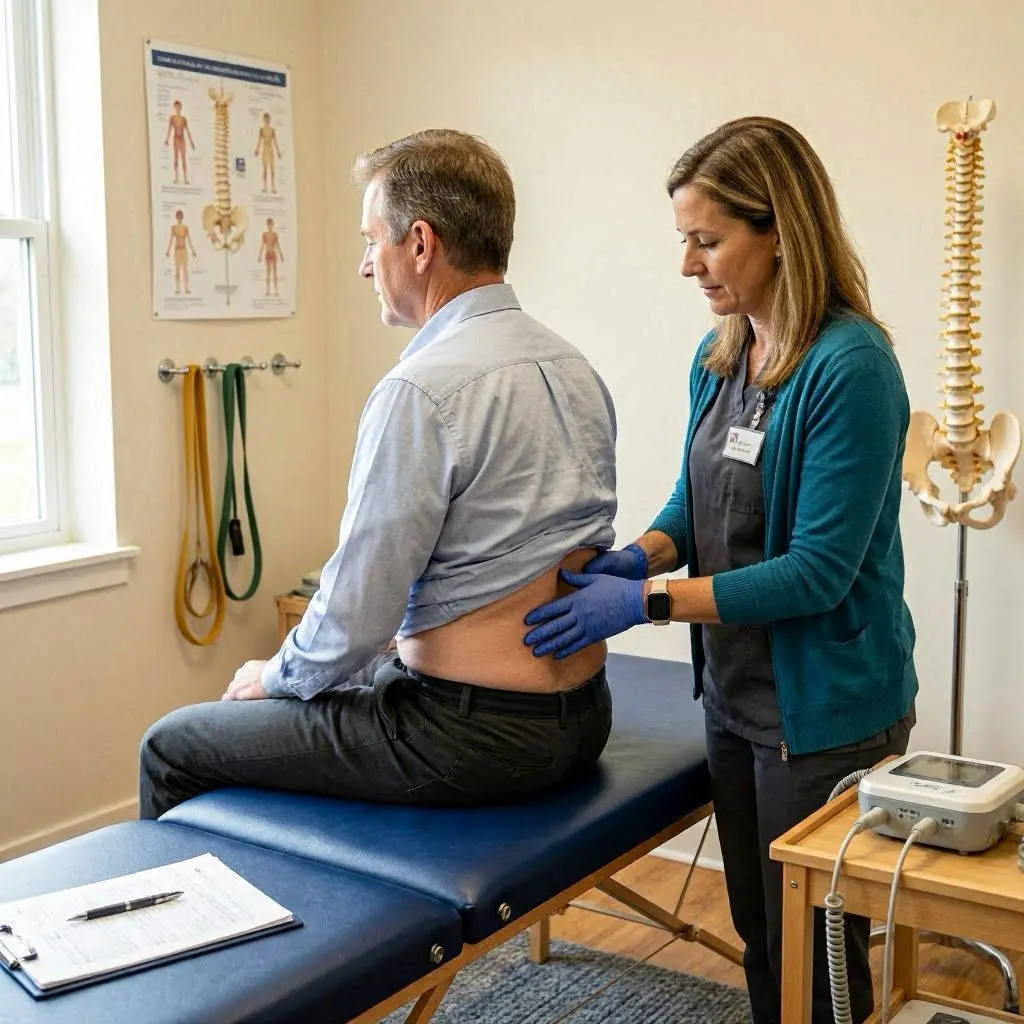
Before beginning a flexibility program, a healthcare professional, physiotherapist, chiropractor, or qualified fitness specialist may perform an assessment that evaluates:
-
Joint mobility
-
Muscle flexibility
-
Posture
-
Balance
-
Movement patterns
-
Muscle strength
-
Functional limitations
Based on the assessment findings, a personalized flexibility program is created to address specific areas of tightness and improve overall movement.
Why Is Flexibility Training Important?
Many people focus on strength or cardiovascular fitness while overlooking flexibility. However, healthy flexibility plays an equally important role in maintaining physical function. Tight muscles can limit joint movement, alter posture, and increase stress on surrounding tissues. Consequently, everyday activities may become more difficult, and the likelihood of injury can increase.
Regular flexibility training helps restore balanced movement patterns while allowing muscles and joints to function more efficiently. Furthermore, greater flexibility supports better posture, smoother movement, and improved physical performance.
Benefits of Flexibility Training
Improved Joint Mobility
One of the greatest benefits of flexibility training is increased joint mobility. As muscles become more flexible, joints are able to move more freely. Consequently, walking, bending, reaching, and lifting become easier and more comfortable.
Better Posture
Poor posture often develops because of muscle imbalances and prolonged sitting. Stretching tight muscles while improving flexibility helps support proper spinal alignment. As a result, many individuals notice less neck, shoulder, and back discomfort.
Reduced Muscle Tightness
Daily activities, exercise, and stress can cause muscles to become tight and fatigued. Regular stretching helps reduce muscle tension while improving circulation to the surrounding tissues.
Lower Risk of Injury
Flexible muscles are generally better able to tolerate movement and physical stress. Therefore, flexibility training may reduce the likelihood of muscle strains, ligament injuries, and overuse conditions.
Improved Athletic Performance
Athletes often include flexibility training as part of their conditioning programs because improved mobility allows more efficient movement. In addition, better flexibility may contribute to improved balance, coordination, and technique.
Enhanced Recovery
Following exercise or physical activity, gentle stretching can help reduce muscle stiffness and improve recovery. Consequently, individuals often feel less sore after training sessions.
Types of Flexibility Training
Several stretching techniques may be included in a comprehensive flexibility program.
Static Stretching
Static stretching involves holding a muscle in a comfortable stretched position for a specific period. This technique is commonly performed after exercise and helps improve long-term flexibility.
Dynamic Stretching (Flexibility Training)
Dynamic stretching uses controlled movements that prepare muscles and joints for activity. Therefore, it is often recommended before sports or exercise sessions.
Active Stretching
Active stretching involves using one group of muscles to stretch another without external assistance. This method also helps improve muscle control and stability.
Passive Stretching
Passive stretching uses an external force, such as a strap, wall, or therapist, to deepen the stretch while allowing the muscles to relax.
Mobility Exercises
Mobility exercises combine flexibility with controlled joint movement. As a result, they improve both flexibility and functional movement patterns.
Who Can Benefit from Flexibility Training?
Flexibility training is suitable for people of all ages and activity levels.
It may be particularly beneficial for individuals who:
-
Sit for long periods
-
Experience back or neck pain
-
Have poor posture
-
Participate in sports
-
Recover from injuries
-
Have arthritis
-
Experience muscle tightness
-
Have reduced joint mobility
-
Want to improve physical performance
-
Wish to maintain independence as they age
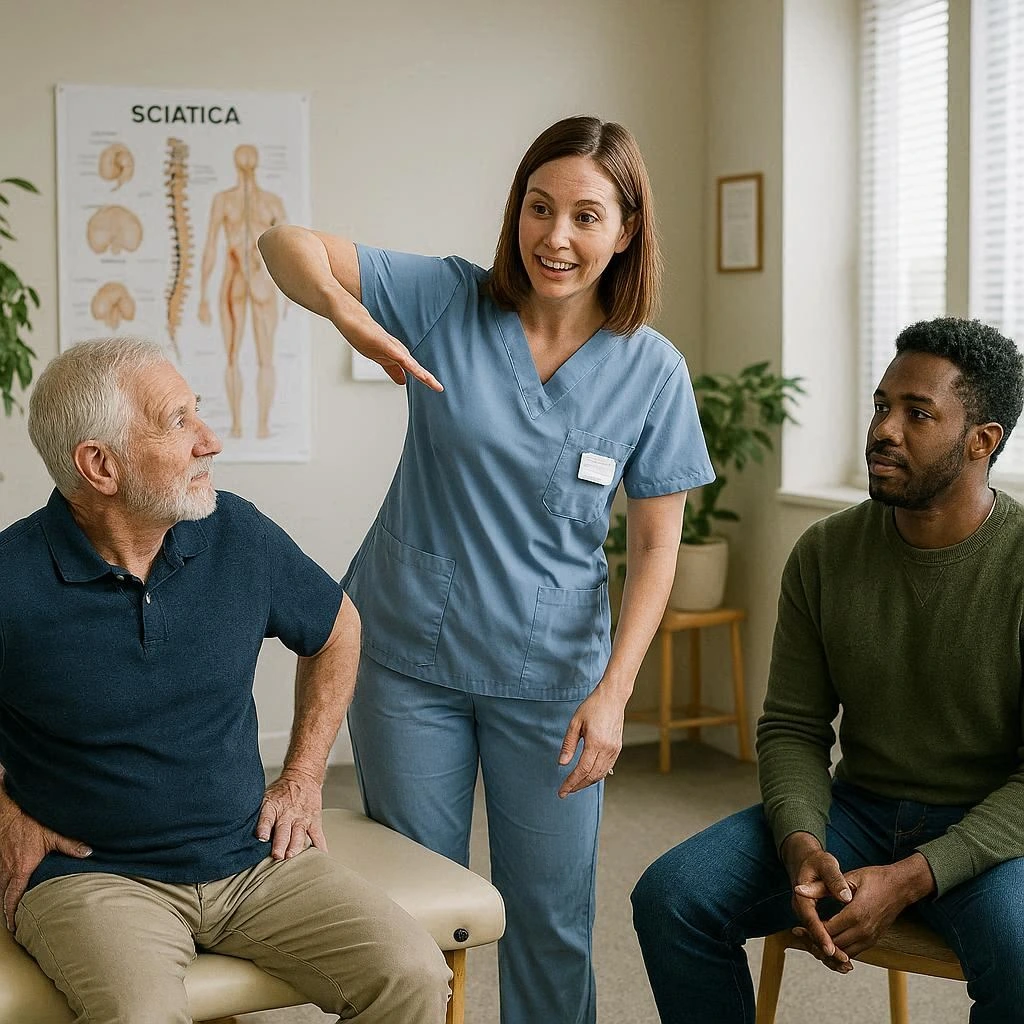
Because every individual has different needs, flexibility programs should be adapted accordingly.
Flexibility Training for Common Conditions
Back Pain
Stretching the hips, hamstrings, and lower back helps reduce tension while improving spinal mobility.
Neck and Shoulder Pain
Gentle flexibility exercises reduce muscle tightness and improve movement throughout the upper body.
Hip Tightness (Flexibility Training)
Hip mobility exercises improve walking, sitting, and athletic performance while reducing discomfort.
Knee Problems
Improving flexibility in the hips, thighs, and calves reduces unnecessary stress on the knees.
Arthritis
Although arthritis cannot be cured, regular flexibility exercises help maintain joint mobility while reducing stiffness.
Sports Rehabilitation
Athletes recovering from injuries often use flexibility training to restore normal movement before returning to competition.
Tips for Safe Flexibility Training
To achieve the best results, flexibility exercises should be performed correctly and consistently.
Consider the following recommendations:
-
Warm up before stretching.
-
Stretch slowly without bouncing.
-
Breathe normally during each stretch.
-
Hold stretches comfortably without forcing movement.
-
Perform exercises regularly.
-
Stretch both sides of the body equally.
-
Stop if you experience sharp pain.
-
Follow professional guidance if recovering from an injury.
Most importantly, progress gradually because improvements in flexibility occur over time.
Supporting Flexibility Beyond Exercise (Flexibility Training)
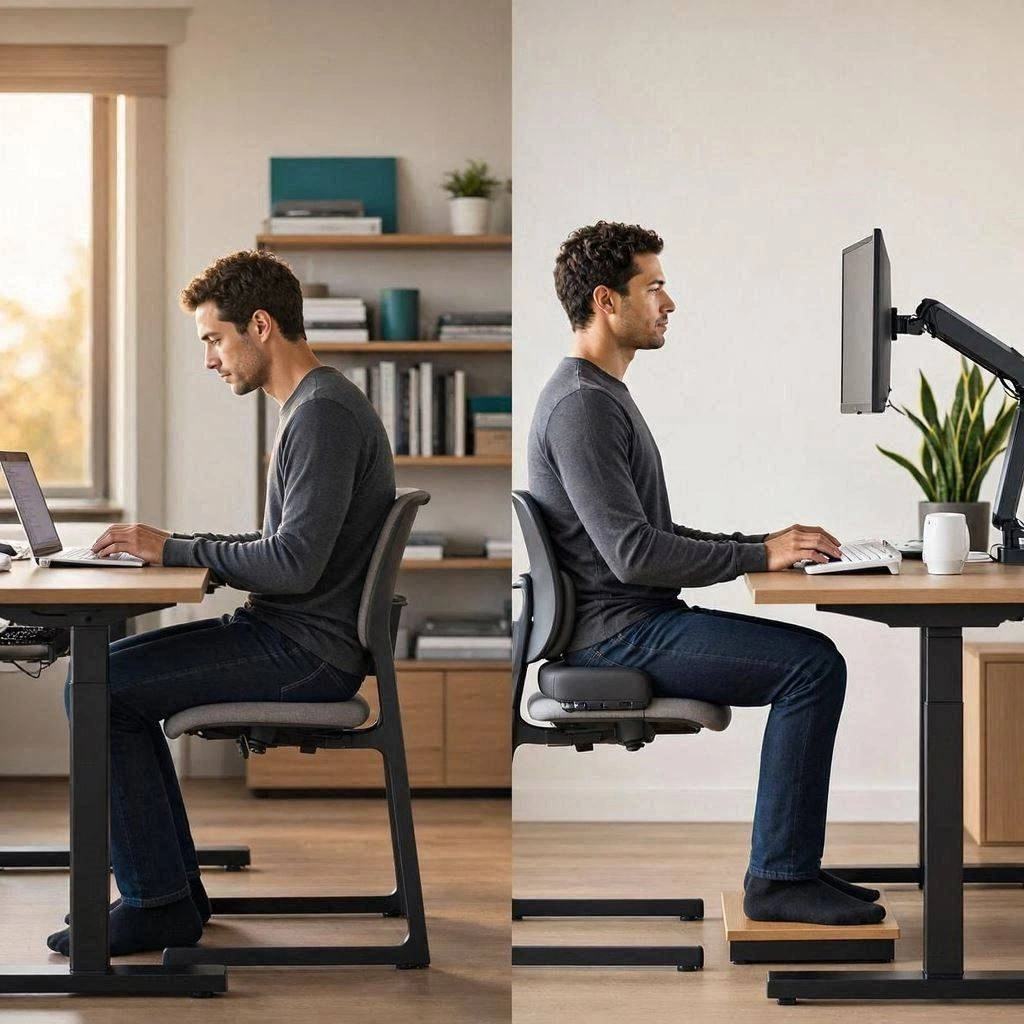
Daily habits play an important role in maintaining flexibility. For example, standing up and moving regularly during long periods of sitting helps reduce stiffness. Likewise, maintaining proper posture while working can prevent unnecessary muscle tightness.
In addition, staying hydrated supports healthy muscle function, while adequate sleep allows tissues to recover effectively. A balanced diet rich in nutrients also contributes to muscle and joint health.
By combining healthy lifestyle habits with a regular flexibility routine, individuals can maintain better movement throughout life.
When Should You Seek Professional Advice?
Although many flexibility exercises are safe to perform independently, professional assessment may be beneficial if you experience:
-
Persistent muscle tightness
-
Limited joint movement
-
Chronic back or neck pain
-
Frequent sports injuries
-
Balance problems
-
Pain during stretching
-
Reduced mobility affecting daily activities
A qualified healthcare provider can identify underlying movement restrictions and create a personalized program that addresses your specific needs safely.
Why Choose a Personalized Flexibility Program?
Every person has unique movement patterns, strengths, and limitations. Therefore, individualized flexibility programs often produce better results than generic routines. Healthcare professionals assess posture, mobility, strength, and functional movement before selecting the most appropriate exercises.
Furthermore, personalized programs can be adjusted as flexibility improves, helping individuals continue progressing while minimizing injury risk.
Conclusion (Flexibility Training)
Flexibility training is an essential part of a healthy and active lifestyle. By improving joint mobility, reducing muscle tightness, enhancing posture, and increasing overall movement quality, it supports better physical function at every stage of life. Whether your goal is to recover from an injury, improve sports performance, reduce chronic discomfort, or simply move more comfortably, a structured flexibility program can help you achieve lasting results.
When combined with regular physical activity, strength training, and healthy daily habits, flexibility training contributes to long-term musculoskeletal health and overall well-being. With consistency, proper technique, and professional guidance when needed, you can enjoy greater mobility, fewer injuries, and a more active, confident lifestyle.