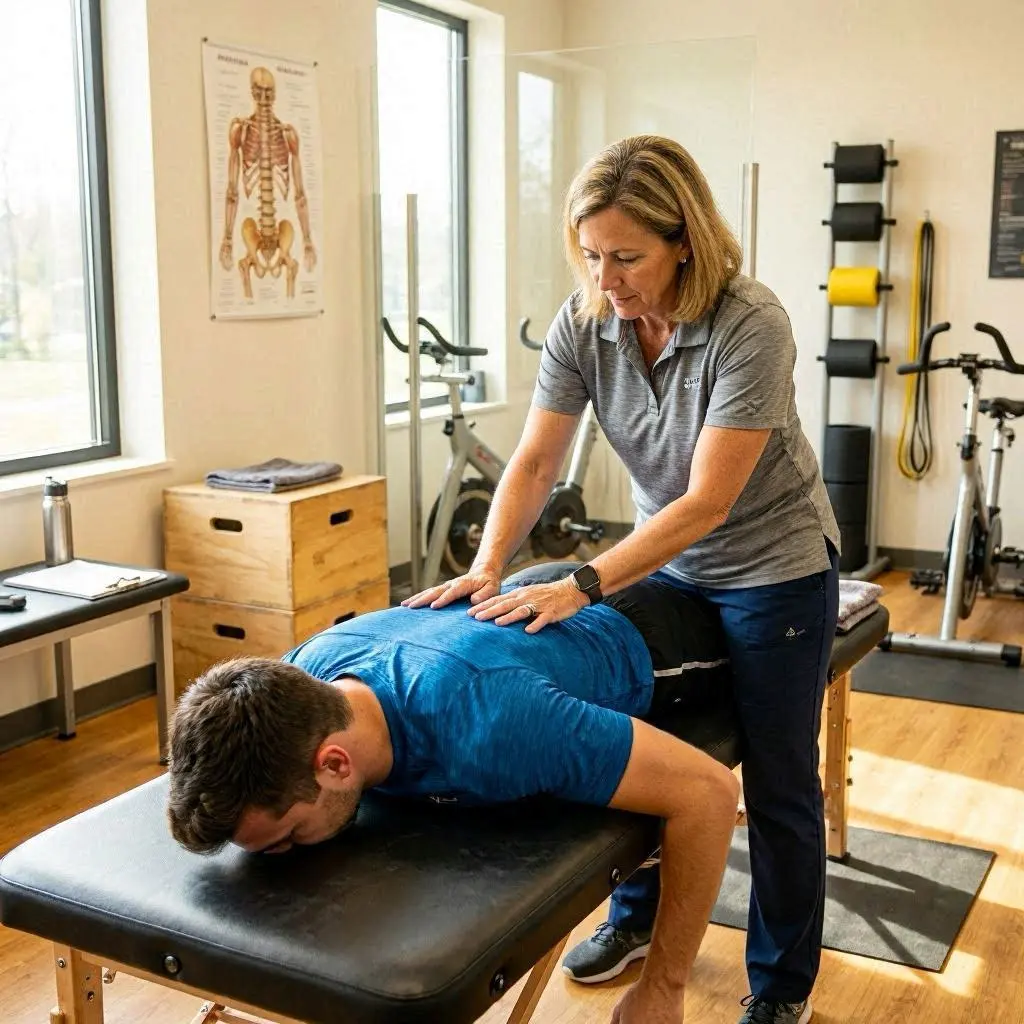

Whiplash Treatment: A Complete Guide to Recovery, Pain Relief, and Restoring Neck Function
Whiplash is one of the most common injuries following motor vehicle accidents, particularly rear-end collisions. However, it can also occur during sports, falls, or any event that causes the head and neck to move suddenly backward and forward. Although some people recover within a few weeks, others experience persistent pain, stiffness, headaches, and reduced mobility that interfere with work and everyday activities. Early whiplash treatment is important because prompt evaluation and appropriate care can help reduce symptoms, improve recovery, and lower the risk of long-term complications.
Whiplash treatment often involves a combination of chiropractic care, rehabilitation exercises, activity modification, posture correction, and healthy lifestyle habits. Rather than focusing only on pain relief, a comprehensive treatment plan aims to restore normal movement, strengthen supporting muscles, and help patients return safely to their usual activities.
What Is Whiplash?
Whiplash is a neck injury caused by a rapid acceleration-deceleration movement that forces the head to snap backward and then forward. This sudden motion may strain muscles, ligaments, tendons, joints, and other soft tissues surrounding the cervical spine.
While many people associate whiplash with car accidents, it can also result from:
-
Contact sports
-
Falls
-
Physical assaults
-
Roller coaster rides
-
Workplace accidents
-
Diving accidents
The severity of whiplash varies widely. Some individuals experience mild discomfort, while others develop symptoms that persist for months.
Common Symptoms of Whiplash
Symptoms do not always appear immediately after the injury. In some cases, discomfort develops several hours or even days later.
Common symptoms include:
-
Neck pain
-
Neck stiffness
-
Reduced range of motion
-
Headaches beginning at the base of the skull
-
Shoulder pain
-
Upper back discomfort
-
Muscle tightness
-
Dizziness
-
Fatigue
-
Difficulty concentrating
Some patients also report tingling or numbness in the arms if nerves become irritated.
How Whiplash Is Diagnosed (Whiplash Treatment)
Accurate diagnosis is essential because symptoms may resemble other neck injuries.
A healthcare provider may perform:
-
Medical history review
-
Physical examination
-
Posture assessment
-
Range-of-motion testing
-
Muscle strength evaluation
-
Neurological examination
-
Reflex testing
-
Sensation testing
If a fracture, dislocation, or more serious injury is suspected, imaging studies such as X-rays, CT scans, or MRI may be recommended.
Why Early Treatment Matters (Whiplash Treatment)
Ignoring whiplash symptoms can delay recovery. Early evaluation helps identify injuries before they become chronic.
Benefits of prompt treatment include:
-
Reduced pain
-
Faster recovery
-
Improved mobility
-
Lower risk of chronic stiffness
-
Better muscle function
-
Earlier return to daily activities
Starting treatment early also allows healthcare providers to monitor progress and adjust care when needed.
Chiropractic Care for Whiplash
Chiropractic care is commonly included in conservative treatment plans after serious injuries have been ruled out and when it is clinically appropriate.
A chiropractor performs a detailed examination before recommending treatment.
Possible treatment options include:
Gentle Joint Mobilization
Controlled movements help restore mobility while minimizing discomfort.
Soft Tissue Therapy
Manual therapy may reduce muscle tension and improve circulation in injured tissues.
Chiropractic Adjustments (Whiplash Treatment)
In carefully selected patients, spinal adjustments may improve joint movement after the acute stage of healing.
Posture Education
Patients learn techniques to reduce strain on the healing neck during daily activities.
Treatment is always tailored to the stage of recovery and the individual’s symptoms.
Rehabilitation Exercises
Exercise is an essential part of recovery.
As healing progresses, patients may begin:
Gentle Neck Range-of-Motion Exercises
Controlled movements help restore flexibility without overstressing healing tissues.
Stretching
Stretching reduces muscle tightness while improving mobility.
Strengthening Exercises (Whiplash Treatment)
Strengthening the neck, shoulders, and upper back improves stability.
Postural Exercises
Correcting posture helps reduce ongoing stress on injured structures.
Exercises should always be performed according to professional guidance.
Managing Pain During Recovery
Several conservative approaches may help reduce discomfort.
These include:
-
Applying ice during the early stages of injury
-
Using heat later if recommended
-
Gentle movement
-
Therapeutic exercise
-
Adequate rest
-
Good posture
-
Gradual return to normal activity
Remaining completely inactive for long periods is generally discouraged unless specifically recommended by a healthcare professional.
Lifestyle Habits That Support Healing (Whiplash Treatment)
Healthy daily habits promote recovery.
Helpful recommendations include:
-
Maintain good posture.
-
Avoid prolonged sitting.
-
Sleep on a supportive pillow.
-
Stay hydrated.
-
Eat a balanced diet.
-
Stretch regularly.
-
Follow your rehabilitation plan.
-
Avoid sudden neck movements.
-
Stay physically active within your provider’s recommendations.
-
Attend follow-up appointments.
Consistency often leads to better long-term results.
Returning to Daily Activities
Most patients recover gradually.
Returning to work, driving, sports, and exercise should occur according to your healthcare provider’s recommendations.
During recovery:
-
Increase activity gradually.
-
Stop activities that significantly worsen symptoms.
-
Continue prescribed exercises.
-
Maintain proper body mechanics.
-
Avoid lifting heavy objects too early.
A gradual return helps reduce the likelihood of reinjury.
Preventing Future Neck Injuries (Whiplash Treatment)
Although accidents cannot always be prevented, several habits reduce injury risk.
Helpful prevention strategies include:
-
Adjust vehicle headrests correctly.
-
Wear seat belts properly.
-
Strengthen neck and shoulder muscles.
-
Maintain healthy posture.
-
Warm up before sports.
-
Use proper athletic techniques.
-
Improve workplace ergonomics.
These measures support overall spinal health.
When Should You Seek Professional Care?
You should schedule an evaluation if you experience:
-
Neck pain after an accident
-
Persistent stiffness
-
Headaches following trauma
-
Reduced neck mobility
-
Shoulder pain
-
Tingling in the arms
-
Pain lasting longer than several days
-
Difficulty performing normal activities
Early evaluation often improves treatment outcomes.
Warning Signs That Require Emergency Medical Attention
Some symptoms may indicate a more serious injury.
Seek immediate medical care if you experience:
-
Loss of consciousness
-
Severe neck pain after major trauma
-
Progressive weakness in the arms or legs
-
Loss of bowel or bladder control
-
Difficulty breathing
-
Difficulty walking
-
Severe numbness
-
Confusion or changes in alertness
These symptoms require urgent medical evaluation.
Long-Term Recovery (Whiplash Treatment)
Most people recover well with appropriate conservative treatment. However, recovery time varies depending on the severity of the injury, age, overall health, and adherence to the treatment plan.
A long-term recovery strategy often includes:
-
Chiropractic care when appropriate
-
Therapeutic exercise
-
Strength training
-
Stretching
-
Posture correction
-
Healthy sleep habits
-
Stress management
-
Regular physical activity
Maintaining these habits supports long-term neck health and reduces the chance of recurring symptoms.
Conclusion (Whiplash Treatment)
Whiplash is a common neck injury that can significantly affect daily life if left untreated. Through early evaluation, chiropractic care, rehabilitation exercises, posture correction, and healthy lifestyle habits, many people recover successfully and regain normal movement.Whether your injury resulted from a car accident, sports activity, or another sudden impact, seeking prompt professional care can help reduce pain, improve mobility, and support a safe return to work, exercise, and everyday activities. A personalized treatment plan combined with consistent self-care offers the best opportunity for lasting recovery and improved spinal health.