
Integrative Chiropractic: A Complete Guide to Comprehensive Musculoskeletal Care and Long-Term Wellness
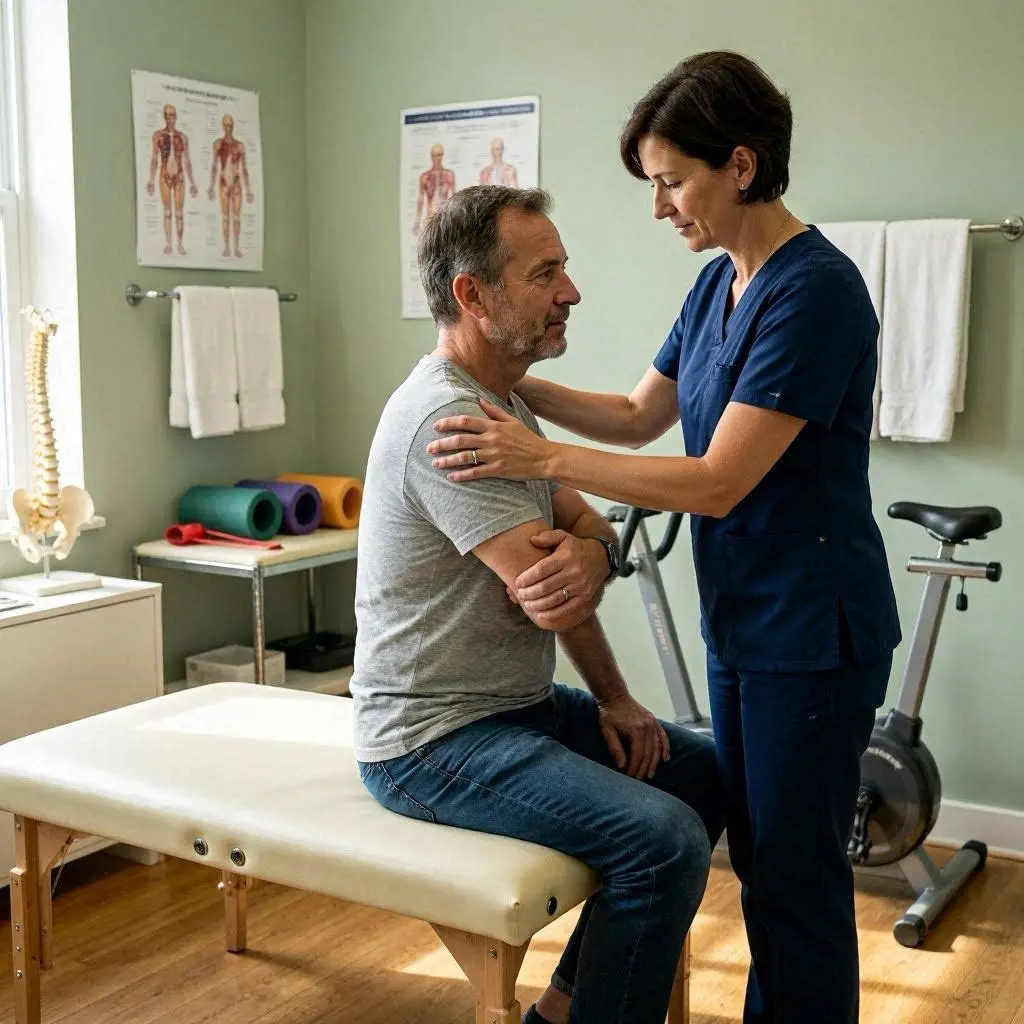
Musculoskeletal pain rarely has a single cause. Back pain, neck stiffness, headaches, and joint discomfort often result from a combination of poor posture, muscle imbalances, repetitive movements, stress, injuries, and lifestyle habits. Because every patient has unique health concerns and recovery goals, many chiropractic clinics now use an integrative chiropractic approach that combines multiple evidence-informed therapies instead of relying on a single treatment method.
Integrative chiropractic care focuses on improving overall function rather than simply addressing pain. It blends chiropractic adjustments with rehabilitation exercises, soft tissue therapy, posture education, movement training, ergonomic guidance, and healthy lifestyle recommendations. By considering the whole person, chiropractors can create individualized care plans that support recovery, improve mobility, and promote long-term musculoskeletal health.
What Is Integrative Chiropractic?
Integrative chiropractic is a patient-centered approach that combines traditional chiropractic techniques with complementary conservative therapies. Instead of concentrating only on spinal adjustments, this model evaluates how different systems of the body work together to influence movement, posture, strength, flexibility, and overall well-being.
The goal is to identify the underlying factors contributing to discomfort while helping patients build healthier movement habits that reduce future injury risk.
Treatment plans are individualized and adjusted as recovery progresses.
The Principles of Integrative Chiropractic Care
Integrative chiropractic is based on several important principles.
Individualized Treatment
Every patient receives a customized care plan based on their symptoms, medical history, lifestyle, and functional goals.
Whole-Body Assessment
Rather than focusing only on the painful area, chiropractors evaluate posture, joint mobility, muscle balance, movement patterns, and daily activities.
Conservative Care
Non-surgical treatment options are prioritized whenever appropriate.
Patient Education
Patients learn strategies that allow them to actively participate in their own recovery.
Long-Term Prevention
The emphasis extends beyond symptom relief to reducing the likelihood of future musculoskeletal problems.
Conditions Commonly Treated
Integrative chiropractic may help manage many mechanical musculoskeletal conditions.
Lower Back Pain
Back pain often responds well to a combination of spinal adjustments, strengthening exercises, and posture correction.
Neck Pain
Treatment may address joint mobility, muscle tightness, and workstation ergonomics.
Headaches
Some headaches associated with neck dysfunction or muscle tension may improve through conservative treatment.
Sports Injuries
Athletes frequently benefit from rehabilitation exercises combined with movement analysis and injury prevention strategies.
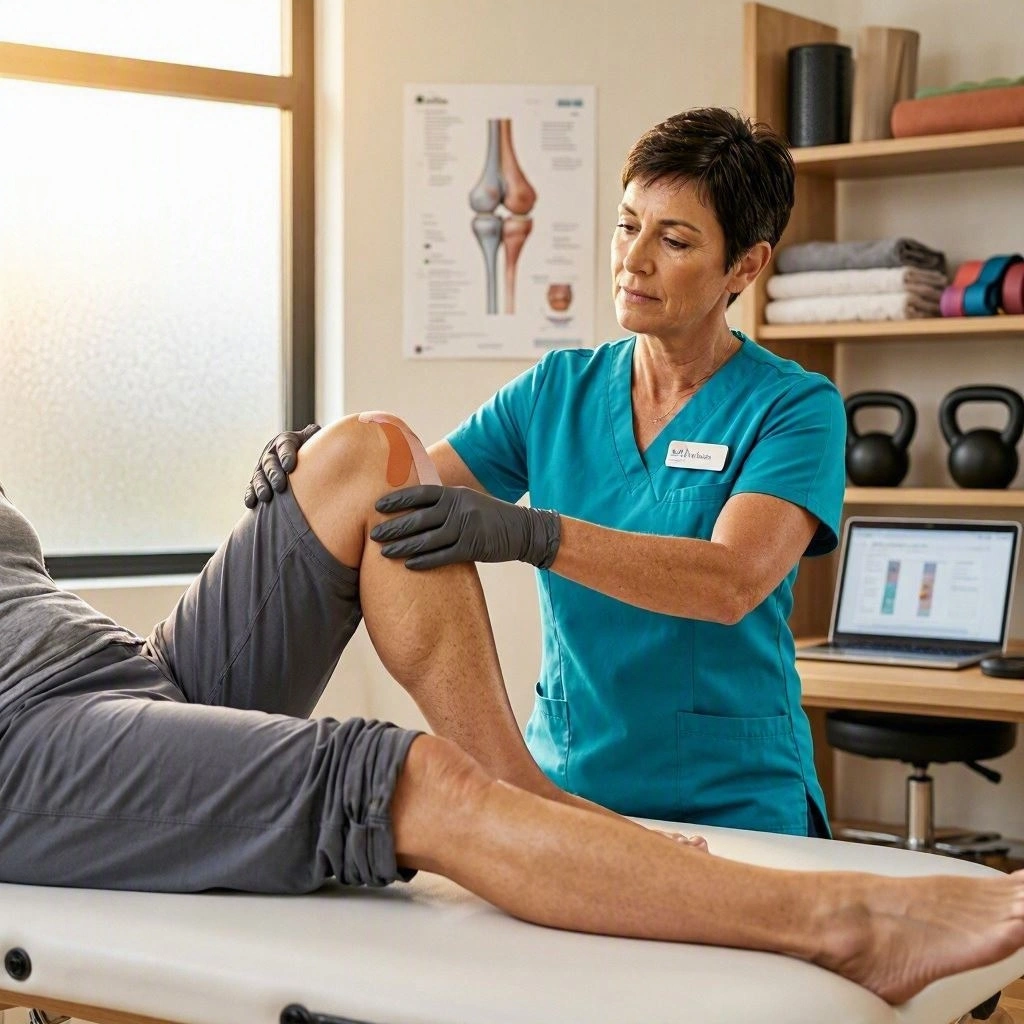
Joint Pain (Integrative Chiropractic)
Shoulder, hip, knee, and other joint problems may improve through comprehensive rehabilitation programs.
Postural Dysfunction
Poor posture is commonly addressed through corrective exercises and ergonomic education.
The Initial Evaluation
Before beginning treatment, the chiropractor performs a comprehensive assessment.
This evaluation may include:
-
Medical history review
-
Discussion of symptoms
-
Posture analysis
-
Joint mobility testing
-
Muscle strength assessment
-
Flexibility evaluation
-
Functional movement analysis
-
Neurological examination
-
Review of imaging studies when available
This information guides the development of an individualized treatment plan.
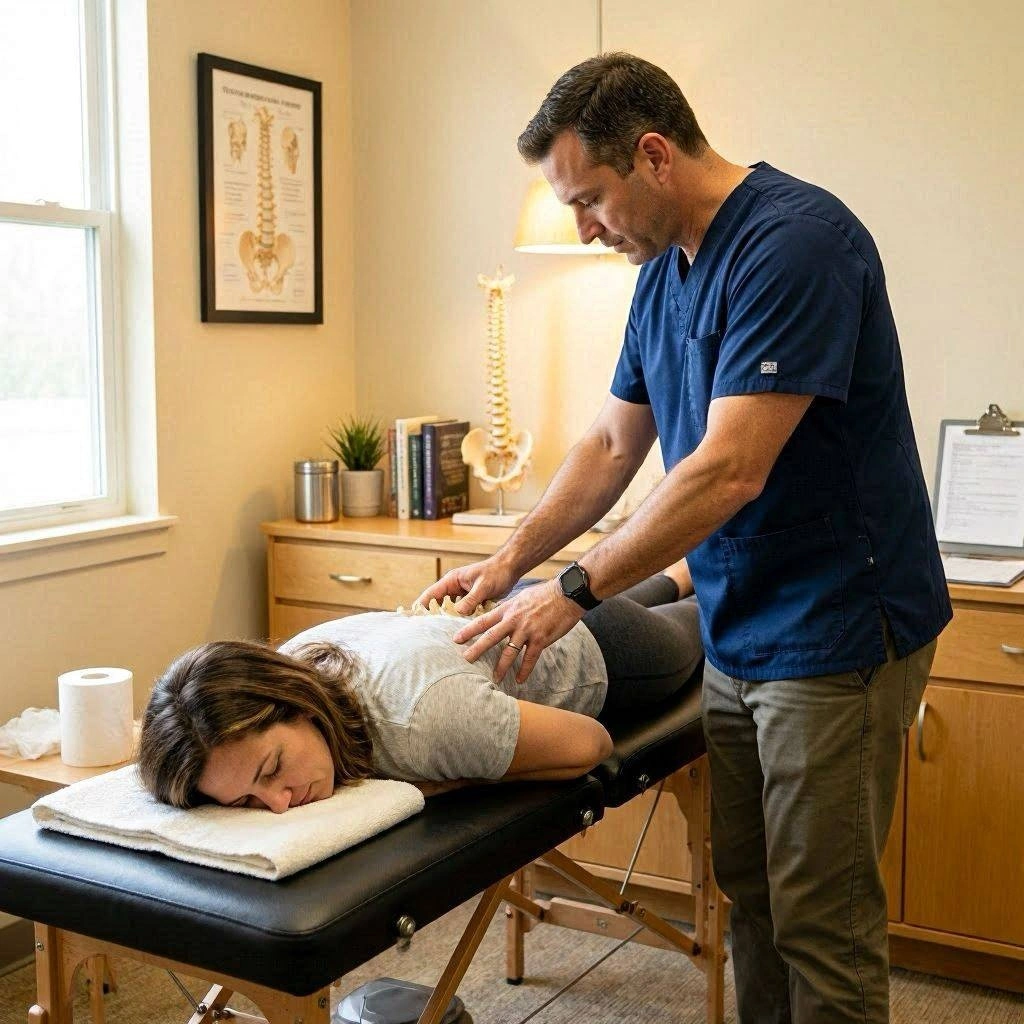
Chiropractic Adjustments
Spinal adjustments remain an important part of many integrative chiropractic programs.
These precise manual techniques aim to:
-
Improve joint mobility
-
Restore healthy spinal movement
-
Reduce mechanical stress
-
Improve body mechanics
-
Support comfortable movement
Adjustments are recommended only when appropriate based on the patient’s examination.
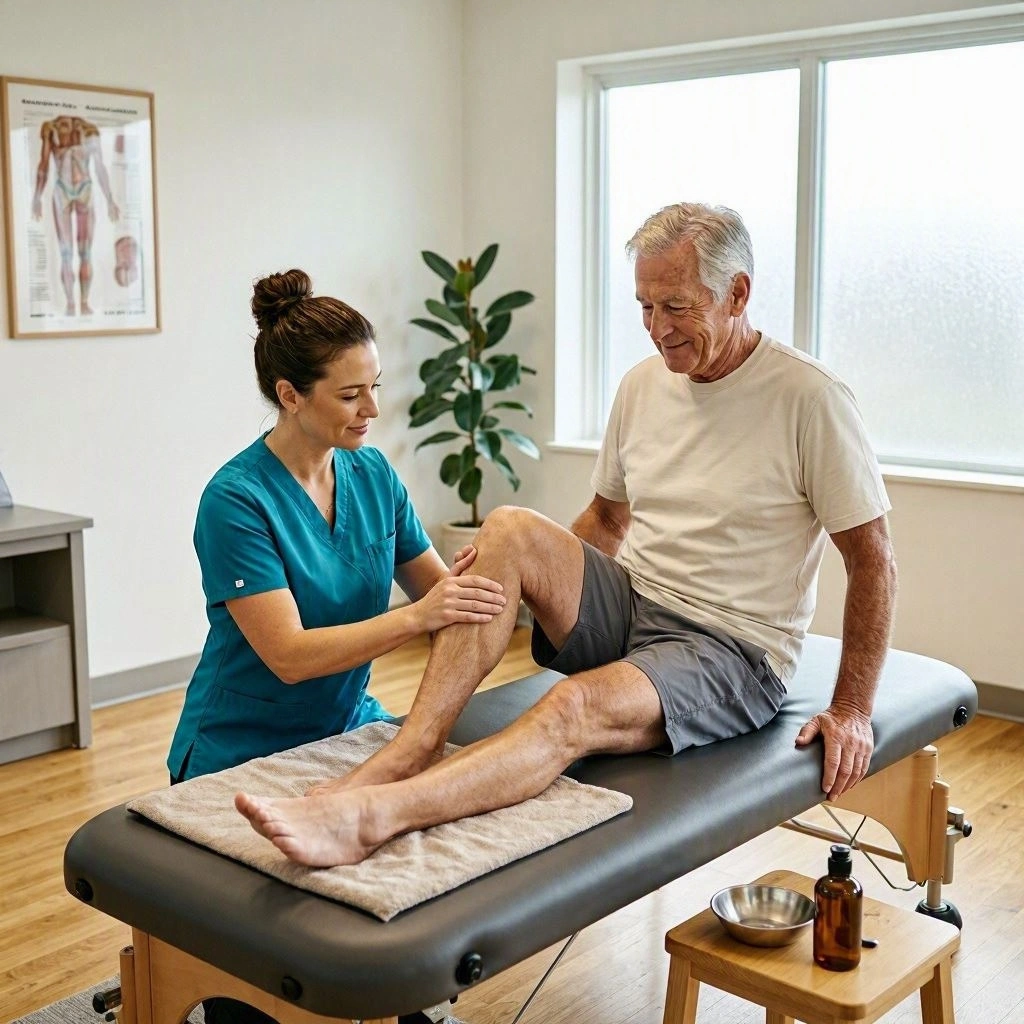
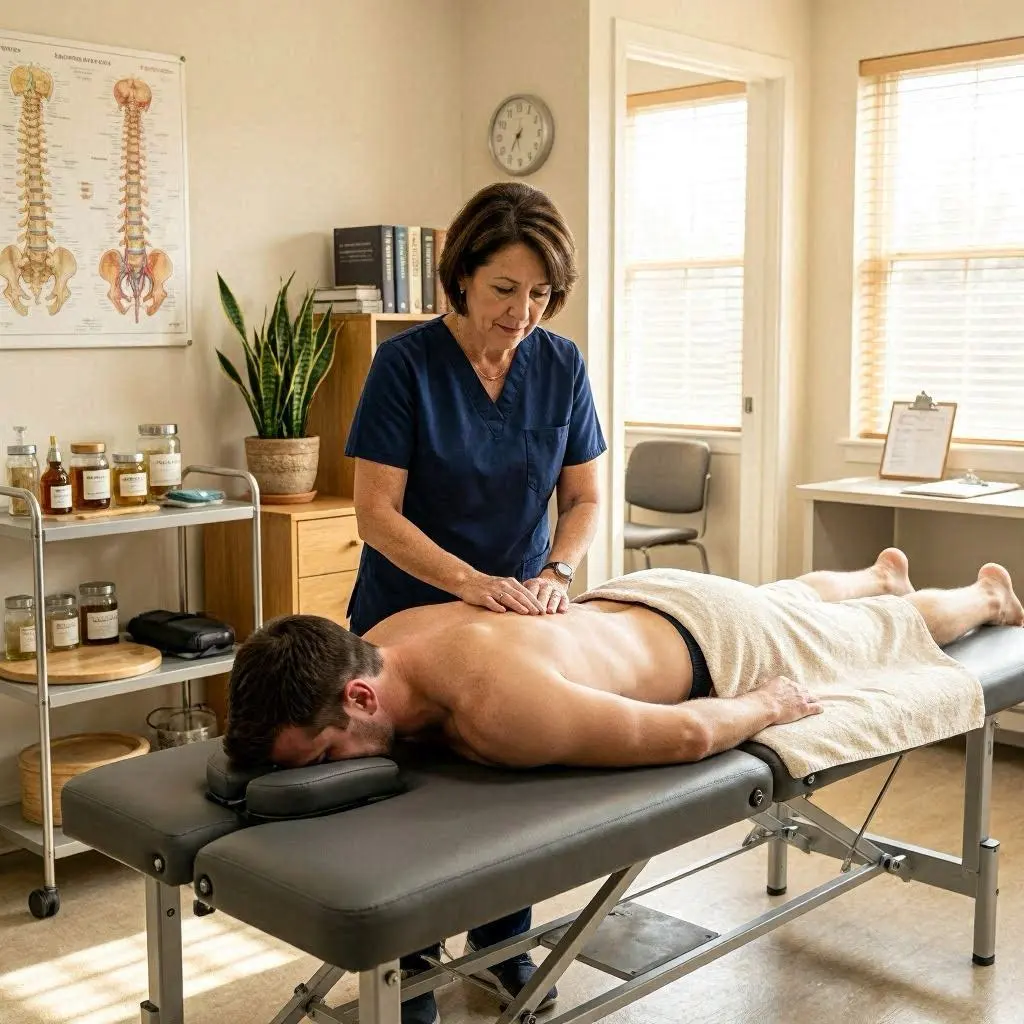
Soft Tissue Therapy
Muscle tension frequently contributes to pain and restricted movement.
Soft tissue treatment may include:
-
Manual muscle therapy
-
Trigger point therapy
-
Myofascial techniques
-
Assisted stretching
These therapies help improve circulation while reducing muscular tightness.
Therapeutic Exercise
Exercise plays a major role in long-term recovery.
Customized rehabilitation programs may include:
Core Strengthening
Strong core muscles improve spinal stability.
Flexibility Training
Stretching reduces stiffness while improving mobility.
Balance Exercises (Integrative Chiropractic)
Improved balance reduces fall risk and enhances coordination.
Functional Movement
Exercises that simulate daily activities prepare patients for real-life movement demands.
Programs are adjusted as strength and mobility improve.
Posture and Movement Education
Healthy movement habits support lasting recovery.
Patients may receive guidance regarding:
-
Sitting posture
-
Standing posture
-
Lifting techniques
-
Walking mechanics
-
Computer workstation setup
-
Sleeping positions
These recommendations reduce unnecessary stress on the spine and joints.
Lifestyle Recommendations (Integrative Chiropractic)
Recovery continues outside the clinic.
An integrative chiropractor may recommend:
-
Regular physical activity
-
Healthy nutrition
-
Weight management
-
Adequate hydration
-
Stress reduction
-
Sleep improvement
-
Daily stretching
-
Injury prevention strategies
Healthy lifestyle habits complement professional treatment.
The Role of Ergonomics (Integrative Chiropractic)
Many musculoskeletal conditions develop because of repetitive work or prolonged sitting.
Helpful ergonomic improvements include:
-
Adjustable office chairs
-
Proper monitor height
-
Comfortable keyboard positioning
-
Frequent standing breaks
-
Proper lifting mechanics
Small workplace changes often produce meaningful long-term benefits.
Stress and Physical Health
Stress influences muscle tension, posture, and movement.
Helpful stress-management techniques include:
-
Deep breathing
-
Meditation
-
Mindfulness
-
Walking
-
Gentle yoga
-
Relaxation exercises
Reducing stress supports both physical and emotional well-being.
Benefits of Integrative Chiropractic (Integrative Chiropractic)
Patients may experience numerous benefits, including:
-
Reduced pain
-
Better posture
-
Improved flexibility
-
Increased joint mobility
-
Greater muscle strength
-
Improved physical function
-
Enhanced balance
-
Better body awareness
-
Reduced injury risk
-
Improved quality of life
Results depend on the individual’s condition, treatment plan, and commitment to home care.
When Should You Consider Integrative Chiropractic?
Professional evaluation may be beneficial if you experience:
-
Persistent back pain
-
Neck stiffness
-
Frequent headaches
-
Joint discomfort
-
Muscle tightness
-
Sports injuries
-
Poor posture
-
Limited flexibility
-
Pain during daily activities
-
Recurring musculoskeletal problems
Early treatment often improves recovery and helps prevent chronic issues.
Warning Signs That Require Immediate Medical Attention
Some symptoms require urgent medical evaluation rather than chiropractic treatment.
Seek emergency medical care if you experience:
-
Loss of bowel or bladder control
-
Progressive weakness in the arms or legs
-
Numbness around the groin or saddle area
-
Severe pain after major trauma
-
Chest pain
-
Difficulty breathing
-
High fever with severe spinal pain
-
Loss of consciousness
These symptoms may indicate serious medical conditions that require immediate treatment.
Building a Long-Term Wellness Plan (Integrative Chiropractic)
Long-term musculoskeletal health depends on consistent healthy habits.
An effective wellness plan may include:
-
Regular exercise
-
Stretching
-
Strength training
-
Healthy posture
-
Balanced nutrition
-
Quality sleep
-
Stress management
-
Chiropractic evaluations when appropriate
-
Ergonomic improvements
-
Routine physical activity
These habits help maintain mobility while supporting lifelong spinal health.
Conclusion (Integrative Chiropractic)
Integrative chiropractic provides a comprehensive approach to musculoskeletal care by combining chiropractic adjustments with rehabilitation exercises, soft tissue therapy, posture correction, ergonomic guidance, and healthy lifestyle recommendations. Rather than focusing solely on pain, this patient-centered model aims to improve movement, restore function, and reduce the risk of future injuries.
Whether you are recovering from an injury, managing chronic discomfort, improving posture, or seeking preventive care, integrative chiropractic offers a personalized and conservative strategy for achieving better mobility, greater comfort, and long-term wellness. With professional guidance and consistent healthy habits, you can support your spine, joints, and muscles while enjoying a more active and healthier lifestyle.