
Tech Neck Treatment: A Complete Guide to Relieving Neck Pain and Restoring Healthy Posture
Technology has become an essential part of everyday life. Whether working on a computer, checking emails, attending virtual meetings, or scrolling through social media, most people spend several hours each day looking at digital devices. While technology improves productivity and communication, excessive screen time has also led to a growing musculoskeletal problem known as tech neck. This condition develops when prolonged forward head posture places excessive stress on the neck, shoulders, and upper back. (Tech Neck Treatment)
Tech neck can affect people of all ages, from students using tablets to office workers spending long hours at a computer. Left untreated, it may contribute to chronic neck pain, headaches, muscle stiffness, reduced mobility, and even shoulder discomfort. Fortunately, early tech neck treatment combined with chiropractic care, rehabilitation exercises, ergonomic improvements, and healthy daily habits can help relieve symptoms and prevent long-term complications.
What Is Tech Neck?
Tech neck is a repetitive strain condition caused by maintaining a forward head posture while using digital devices. Looking down at a smartphone, laptop, or tablet for extended periods increases the amount of force placed on the cervical spine.
The average adult head weighs approximately 10 to 12 pounds when properly aligned over the shoulders. However, as the head moves forward, the effective load on the neck muscles and joints increases dramatically. Over time, this additional stress may lead to muscle fatigue, joint irritation, and poor spinal alignment.
Common Causes of Tech Neck ()
Several everyday habits contribute to the development of tech neck.
Smartphone Use
Looking down at a phone for prolonged periods is one of the most common causes.
Computer Work
Improper monitor height and poor workstation setup encourage forward head posture.
Tablet Use
Holding tablets below eye level often increases neck flexion.
Poor Sitting Posture (Tech Neck Treatment)
Slouching while sitting places additional stress on the neck and upper back.
Long Study Sessions
Students frequently develop neck strain during prolonged reading or studying.
Lack of Movement
Remaining in one position for hours reduces circulation and increases muscle stiffness.
Symptoms of Tech Neck (Tech Neck Treatment)
Symptoms usually develop gradually and become more noticeable over time.
Common symptoms include:
-
Neck pain
-
Neck stiffness
-
Shoulder tension
-
Upper back pain
-
Frequent headaches
-
Reduced range of motion
-
Muscle fatigue
-
Burning sensation between the shoulder blades
-
Poor posture
-
Difficulty maintaining an upright head position
Some individuals may also experience tingling or numbness in the arms if nerve irritation develops.
How Tech Neck Is Diagnosed
A thorough evaluation helps identify posture-related problems and other contributing factors.
A healthcare provider or chiropractor may perform:
-
Medical history review
-
Posture assessment
-
Cervical spine examination
-
Joint mobility testing
-
Muscle strength evaluation
-
Flexibility assessment
-
Neurological examination
-
Functional movement analysis
If more serious conditions are suspected, imaging studies such as X-rays or MRI may be recommended.
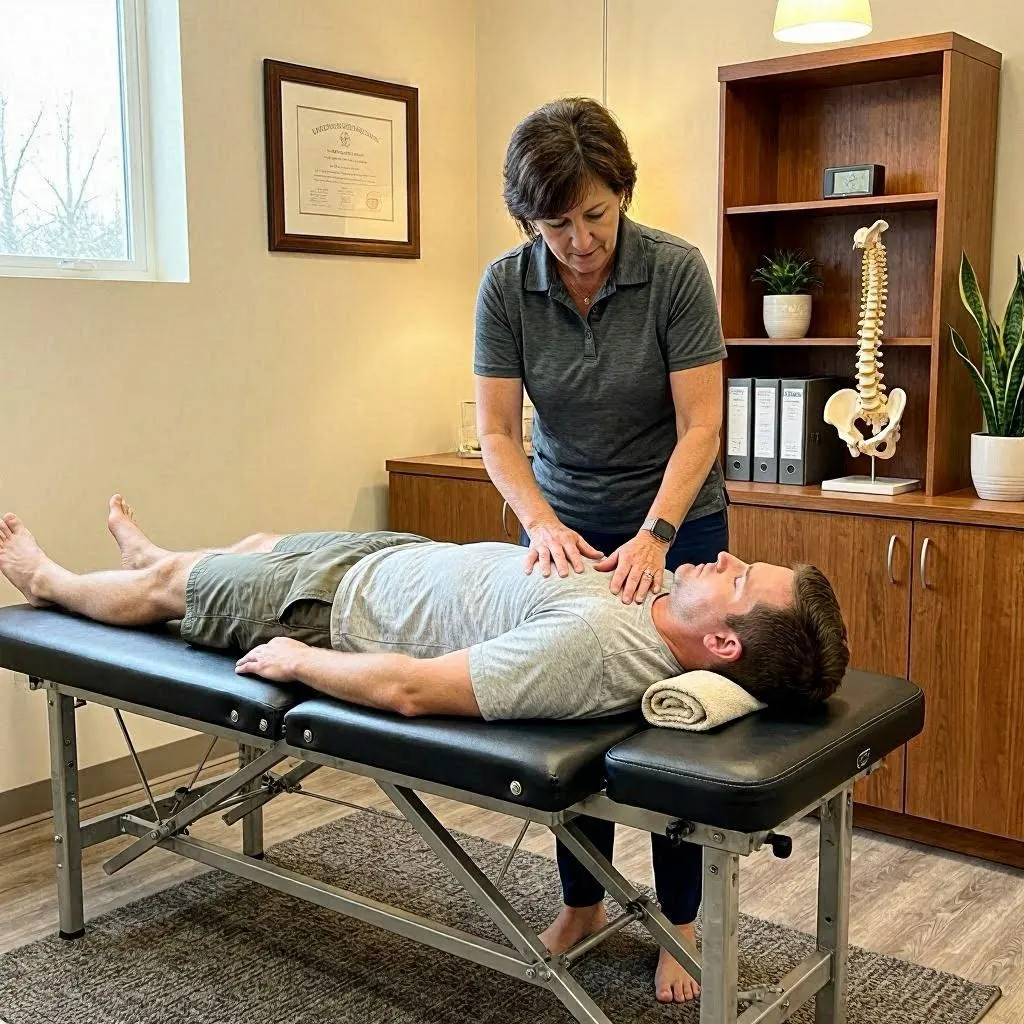
Chiropractic Care for Tech Neck
Chiropractic care is commonly used as part of a conservative treatment plan.
After a complete assessment, treatment may include:
Chiropractic Adjustments
Gentle spinal adjustments improve joint mobility and reduce mechanical stress on the cervical spine.
Joint Mobilization (Tech Neck Treatment)
Controlled movements help restore flexibility and improve neck movement.
Soft Tissue Therapy
Manual therapy reduces muscle tension while improving circulation to affected tissues.
Posture Education
Patients learn proper head, neck, and shoulder positioning during daily activities.
Treatment plans are always individualized according to each patient’s symptoms and physical condition.
Rehabilitation Exercises
Exercise plays an important role in correcting posture and improving long-term spinal health.
Chin Tucks
These exercises strengthen deep neck muscles while encouraging proper head alignment.
Shoulder Blade Retractions
Strengthening the upper back helps counteract rounded shoulders.
Chest Stretching (Tech Neck Treatment)
Stretching tight chest muscles improves posture and shoulder positioning.
Neck Mobility Exercises
Gentle range-of-motion exercises improve flexibility and reduce stiffness.
Core Strengthening
A stable core provides better support for the entire spine.
Exercise programs should be progressed gradually under professional guidance.
Ergonomic Improvements
Proper workstation design significantly reduces stress on the neck.
Helpful ergonomic recommendations include:
-
Position the monitor at eye level.
-
Sit with both feet flat on the floor.
-
Keep shoulders relaxed.
-
Support the lower back with a quality chair.
-
Position the keyboard close to the body.
-
Avoid leaning toward the screen.
Small adjustments often produce significant improvements in comfort.
Healthy Device Habits
Developing healthier technology habits can prevent recurring symptoms.
Helpful recommendations include:
-
Hold your phone closer to eye level.
-
Avoid looking down for extended periods.
-
Take movement breaks every 30 to 60 minutes.
-
Stretch throughout the day.
-
Alternate sitting and standing when possible.
-
Reduce unnecessary screen time.
-
Practice posture awareness during device use.
Consistency is essential for long-term improvement.
Lifestyle Habits That Support Recovery (Tech Neck Treatment)
Healthy daily routines complement professional treatment.
Helpful habits include:
-
Exercise regularly.
-
Stay hydrated.
-
Sleep on a supportive pillow.
-
Maintain a healthy body weight.
-
Manage stress effectively.
-
Perform home exercises consistently.
-
Walk frequently during the day.
-
Stretch after long work sessions.
These habits improve overall musculoskeletal health.
Preventing Tech Neck
Preventive care is easier than treating chronic neck pain.
Helpful prevention strategies include:
-
Improve workstation ergonomics.
-
Strengthen neck and upper back muscles.
-
Stretch daily.
-
Take frequent movement breaks.
-
Maintain proper posture while sitting.
-
Limit prolonged smartphone use.
-
Exercise consistently.
-
Address minor symptoms early.
These habits reduce cumulative stress on the cervical spine.
When Should You Seek Professional Care? (Tech Neck Treatment)
Professional evaluation is recommended if you experience:
-
Persistent neck pain
-
Frequent headaches
-
Reduced neck mobility
-
Pain radiating into the shoulders
-
Tingling or numbness in the arms
-
Symptoms lasting more than one week
-
Difficulty performing daily activities
Early treatment often improves recovery and helps prevent chronic problems.
Warning Signs That Require Immediate Medical Attention
Certain symptoms require urgent medical evaluation rather than conservative treatment.
Seek emergency medical care if you experience:
-
Sudden weakness in the arms or legs
-
Loss of bowel or bladder control
-
Numbness around the groin or saddle area
-
Severe neck pain following major trauma
-
Difficulty breathing
-
High fever with severe neck pain
-
Loss of consciousness
-
Severe headache accompanied by confusion or vision changes
These symptoms may indicate a serious medical condition requiring immediate attention.
Building a Long-Term Neck Health Plan
Long-term recovery depends on maintaining healthy movement habits.
A comprehensive wellness plan may include:
-
Daily posture exercises
-
Core strengthening
-
Stretching routines
-
Chiropractic care when appropriate
-
Ergonomic workstation improvements
-
Regular physical activity
-
Healthy nutrition
-
Quality sleep
-
Stress management
-
Routine movement breaks throughout the day
Maintaining these habits helps protect the cervical spine while reducing the risk of recurring pain.
Conclusion (Tech Neck Treatment)
Tech neck has become one of the most common posture-related conditions in today’s digital world. Fortunately, effective treatment is available through chiropractic care, rehabilitation exercises, posture correction, ergonomic improvements, and healthy lifestyle habits.
Whether your symptoms are caused by prolonged computer work, smartphone use, or poor daily posture, addressing the problem early can reduce pain, improve mobility, and prevent long-term complications. By combining professional care with consistent posture awareness and regular exercise, you can restore healthy spinal alignment and enjoy a more comfortable, active, and productive lifestyle.