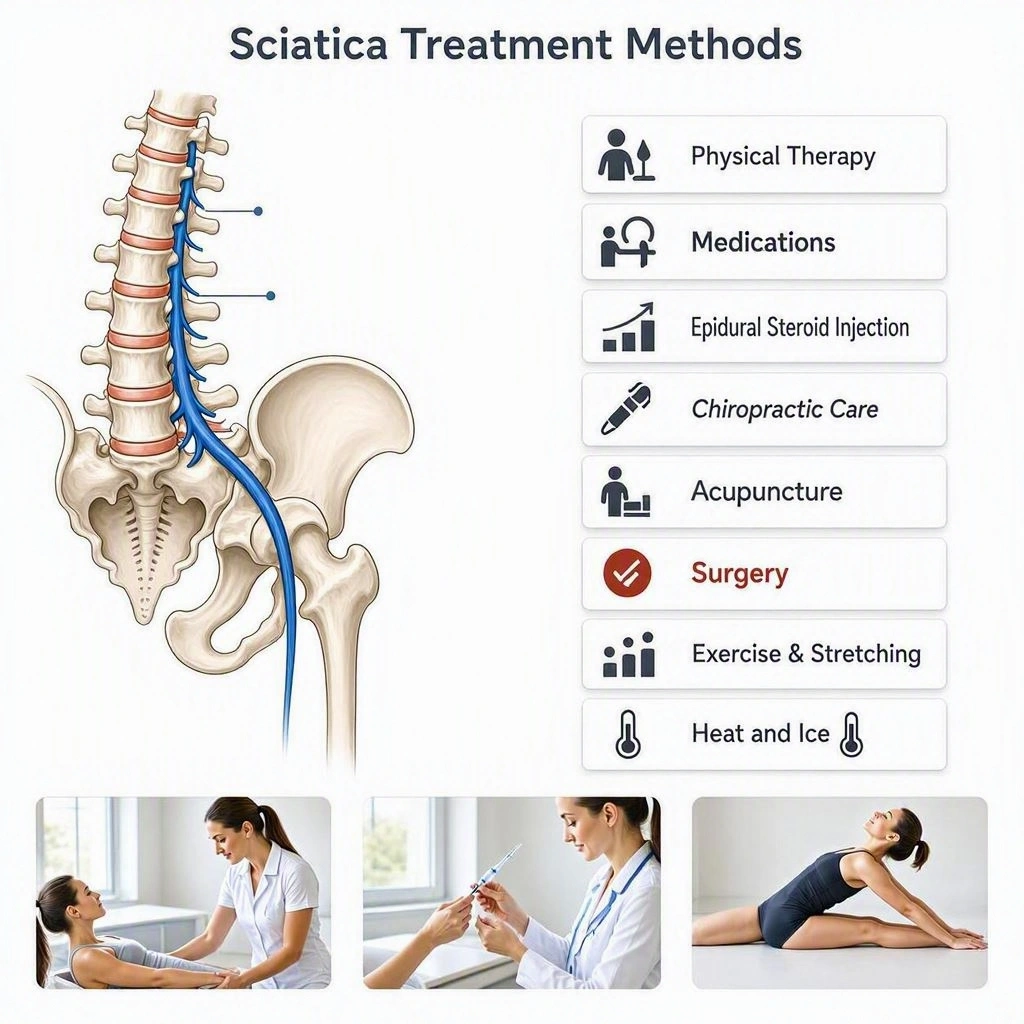

Preventive Chiropractic Care: A Complete Guide to Maintaining Spinal Health and Preventing Injuries
Maintaining good physical health is not only about treating problems after they occur. Preventive care focuses on identifying potential issues early and developing healthy habits that support long-term function. For the musculoskeletal system, preventive chiropractic care can be part of a broader wellness strategy designed to support spinal mobility, posture, joint function, and healthy movement.
Many people wait until they experience significant back pain, neck discomfort, or an injury before seeking professional care. However, everyday activities such as prolonged sitting, repetitive movements, poor posture, physical work, and intense exercise can gradually place stress on the body. Preventive strategies may help individuals recognize movement problems early and address contributing factors before they interfere with daily activities.
Preventive chiropractic care may include spinal assessments, appropriate chiropractic techniques, mobility exercises, strengthening programs, ergonomic recommendations, and lifestyle education. The specific approach should always be based on an individual’s health history, physical condition, and goals.
What Is Preventive Chiropractic Care?
Preventive chiropractic care is an approach focused on maintaining healthy movement and identifying musculoskeletal concerns before they become more disruptive.
Rather than waiting for pain to appear, preventive care may involve regular evaluations of:
Spinal mobility
Joint function
Posture
Muscle balance
Movement patterns
Flexibility
Balance
Functional strength
The goal is to support efficient movement and help individuals maintain an active lifestyle.
Preventive care is not a guarantee that injuries or pain will never occur. Instead, it provides an opportunity to address modifiable risk factors and encourage healthier movement habits.
Why Spinal Health Matters
The spine provides structural support while protecting the spinal cord and allowing the body to move in many directions. Healthy spinal movement contributes to everyday activities such as walking, bending, lifting, and exercising.
Poor movement habits can contribute to:
Muscle tension
Joint stiffness
Reduced mobility
Postural changes
Movement limitations
Repetitive strain
Maintaining appropriate mobility and strength can help the body handle everyday physical demands more efficiently.
Who Can Benefit From Preventive Chiropractic Care?
Preventive care may be appropriate for many adults, depending on individual circumstances.
It can be particularly useful for people who:
Spend long hours sitting
Work physically demanding jobs
Participate in sports
Exercise regularly
Experience recurring stiffness
Have demanding daily routines
Want to improve movement quality
Are interested in maintaining mobility as they age
Athletes and active individuals may use preventive strategies to monitor movement and manage training demands.
Common Factors That Affect Musculoskeletal Health
Several lifestyle factors can influence spinal and joint health.
Sedentary Behavior
Long periods of sitting may contribute to stiffness and reduced muscular activity.
Poor Posture
Repeatedly maintaining awkward positions can increase mechanical stress on certain tissues.
Repetitive Activities
Performing the same movement repeatedly may contribute to overuse problems.
Muscle Weakness
Insufficient strength can reduce stability during physical activities.
Limited Flexibility
Restricted mobility may cause the body to compensate during movement.
Training Errors
Sudden increases in exercise intensity or volume can increase injury risk.
Addressing these factors is an important part of preventive care.
What Happens During a Preventive Chiropractic Assessment?
A preventive visit may begin with a discussion about health history, physical activity, work demands, and personal goals.
The chiropractor may assess:
Posture
Spinal mobility
Joint movement
Muscle strength
Flexibility
Balance
Functional movement
Areas of recurring discomfort
Based on the findings, the chiropractor can recommend an individualized plan.
If symptoms suggest a condition that requires medical evaluation, referral to another healthcare professional may be appropriate.
Chiropractic Techniques and Preventive Care
Depending on the individual’s needs, chiropractic care may involve techniques intended to support joint mobility and normal movement.
These may include:
Chiropractic Adjustments
Appropriate adjustments can improve joint movement in selected patients.
Joint Mobilization
Gentle techniques can help improve mobility in restricted joints.
Soft Tissue Therapy
Manual techniques may help address muscle tension and soft tissue restrictions.
Movement Education
Patients can learn strategies for improving body mechanics during work, exercise, and daily activities.
Not every person requires the same treatment, so care should be individualized.
Exercise as Part of Prevention
Exercise is one of the most important components of long-term musculoskeletal health.
A preventive program may include:
Core Strengthening
Strong core muscles support the spine during movement.
Strength Training
Resistance exercises improve muscle capacity and joint stability.
Mobility Exercises
Mobility work helps maintain healthy ranges of motion.
Balance Training
Balance exercises support coordination and reduce fall risk.
Flexibility Training
Stretching can help maintain comfortable movement.
Exercise programs should be appropriate for an individual’s fitness level and physical condition.
Preventive Care for Athletes
Athletes place repeated demands on their bodies, making prevention particularly important.
Preventive chiropractic care may support athletes by addressing:
Joint mobility
Muscle imbalances
Movement mechanics
Flexibility
Recovery habits
Training-related stress
Regular movement assessments can help identify areas that may benefit from additional strength or mobility work.
Athletes should also work with qualified coaches, trainers, and healthcare professionals to create appropriate training programs.
Workplace Injury Prevention
Office workers and physically demanding workers face different musculoskeletal challenges.
For desk workers, preventive strategies may include:
Adjusting monitor height
Using a supportive chair
Taking regular movement breaks
Maintaining neutral wrist positions
Alternating between sitting and standing
For physically demanding jobs, proper lifting techniques, appropriate equipment, and adequate recovery are important.
Lifestyle Habits for Better Spinal Health (Preventive Chiropractic Care)
Preventive chiropractic care works best when combined with healthy daily habits.
Helpful strategies include:
Exercise regularly.
Maintain a healthy body weight.
Stay hydrated.
Get adequate sleep.
Take regular movement breaks.
Practice good posture.
Use proper lifting techniques.
Manage stress.
Follow individualized exercise recommendations.
Small habits performed consistently can have a meaningful effect on long-term physical health.
Preventive Chiropractic Care and Aging (Preventive Chiropractic Care)
Maintaining mobility becomes increasingly important with age. Reduced activity can contribute to muscle weakness, stiffness, and balance problems.
A preventive approach may emphasize:
Mobility exercises
Strength training
Balance exercises
Fall prevention
Posture awareness
Functional movement
The goal is to help individuals remain active and independent while adapting physical activity to their abilities.
When Should You Seek Professional Care?
Preventive evaluation may be helpful if you notice:
Recurring stiffness
Reduced mobility
Changes in posture
Repeated minor injuries
Muscle weakness
Balance difficulties
Pain during exercise
Difficulty performing normal activities
Persistent or worsening symptoms should be evaluated by an appropriate healthcare professional.
Warning Signs That Require Immediate Medical Attention
Some symptoms should not be managed solely through preventive chiropractic care.
Seek urgent medical evaluation if you experience:
Sudden weakness in the arms or legs
Loss of bowel or bladder control
Numbness around the groin or saddle area
Severe pain following major trauma
High fever with severe back pain
Chest pain
Difficulty breathing
Loss of consciousness
These symptoms can indicate serious medical conditions requiring immediate evaluation.
Creating a Long-Term Preventive Care Plan
A successful preventive strategy should be realistic and consistent.
A personalized plan may include:
Periodic musculoskeletal assessments
Chiropractic care when appropriate
Strength training
Mobility exercises
Flexibility training
Balance exercises
Ergonomic improvements
Healthy nutrition
Adequate sleep
Regular physical activity
The frequency and type of care should depend on individual needs rather than following a universal schedule.
Conclusion (Preventive Chiropractic Care)
Preventive chiropractic care offers a proactive approach to maintaining healthy movement, supporting spinal mobility, and addressing potential musculoskeletal concerns early. Through appropriate chiropractic techniques, exercise, posture education, ergonomic improvements, and healthy lifestyle habits, individuals can build a stronger foundation for long-term physical health.
Whether you are an athlete, an office worker, an active adult, or simply interested in maintaining mobility as you age, prevention can play an important role in your overall wellness strategy. The key is consistency: regular movement, proper recovery, healthy habits, and professional guidance when needed can help you stay active and support your body’s ability to move comfortably for years to come.