Sciatica Treatment Methods: Complete Guide to Pain Relief and Recovery
Sciatica can cause sharp pain, tingling, numbness, or weakness that travels from the lower back through the buttock and down the leg. Because symptoms can interfere with walking, sleeping, working, and everyday activities, finding the right Sciatica Treatment Methods can make a significant difference in recovery and quality of life.
The good news is that many cases of sciatica improve over several weeks to a few months. However, recovery can vary depending on the cause, severity, duration, and individual health factors. Treatment may range from activity modification and exercise to physiotherapy, medication, injections, and, in selected cases, surgery.
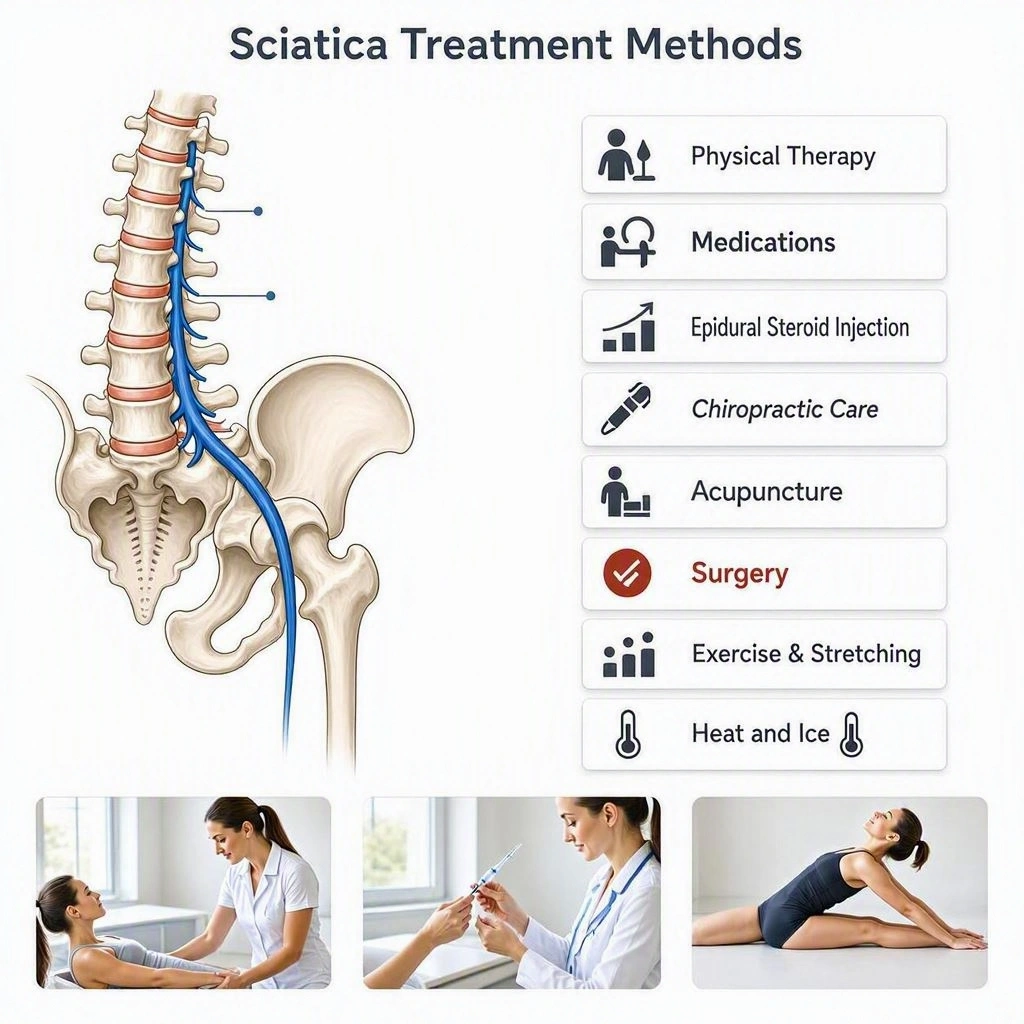
This guide explains the most common Sciatica Treatment Methods, how they work, when they may help, and when professional assessment becomes important.
What Is Sciatica?
Sciatica refers to symptoms caused by irritation or compression of the sciatic nerve or its nerve roots. The sciatic nerve travels from the lower back through the buttocks and into the legs.
Unlike ordinary lower back pain, sciatica often produces symptoms along the path of the nerve. You may experience:
-
Sharp or burning pain
-
Pain traveling down one leg
-
Tingling or pins and needles
-
Numbness
-
Muscle weakness
-
Increased discomfort with certain movements, coughing, or sneezing
A common cause involves a herniated or slipped disc. However, spinal stenosis, spondylolisthesis, and back injuries can also contribute to sciatic symptoms.
Because different conditions can produce similar symptoms, treatment should match the underlying problem rather than simply target pain.
Why Does Sciatica Treatment Need a Personalized Approach?
Not everyone experiences sciatica in the same way. One person may have mild symptoms that improve with walking and gentle exercise, while another may develop persistent pain and weakness that requires specialist assessment.
Therefore, the best treatment plan depends on factors such as:
-
The likely cause of the symptoms
-
Pain intensity
-
Duration of symptoms
-
Presence of numbness or weakness
-
Your activity level
-
Your occupation
-
Previous episodes of back or leg pain
-
General health
-
Response to previous treatments
A healthcare professional can assess these factors and help determine which treatment options make sense for your situation.
Staying Active as a Sciatica Treatment Method
One of the most important principles of sciatica recovery involves maintaining appropriate physical activity.
When pain becomes severe, many people naturally want to stay in bed or remain seated. However, prolonged inactivity can make it harder to return to normal movement.
The NHS recommends continuing normal activities as much as possible and avoiding long periods of sitting or lying down. Gentle movement can support recovery and help maintain strength and mobility.
That does not mean you should ignore severe pain or force yourself through every movement. Instead, choose manageable activities and increase them gradually.
For example, you may begin with short walks around your home. As symptoms improve, you can gradually increase walking duration and return to other daily activities.
Exercise for Sciatica (Sciatica Treatment Methods)
Exercise represents one of the most useful non-surgical Sciatica Treatment Methods for many people.
A suitable exercise program may help improve:
-
Strength
-
Mobility
-
Physical confidence
-
Functional ability
-
General fitness
-
Tolerance for daily activities
There is no single exercise that works for everyone. A physiotherapist can help select exercises based on your symptoms, movement patterns, strength, and recovery stage.
Gentle exercise may include walking, mobility exercises, stretching, strengthening, or other forms of controlled movement. The NHS also provides general exercises for people experiencing sciatica, while recommending professional advice when someone has health problems, injuries, or concerns about whether an exercise is appropriate.
Gentle Mobility Exercises
During an acute flare-up, aggressive stretching may not feel comfortable. Instead, gentle movements can help maintain mobility without placing excessive stress on irritated tissues.
Your program may include controlled movements of the lower back, hips, and legs.
The goal is not to force a painful range of motion. Instead, you should gradually develop comfortable movement as your symptoms allow.
Strengthening Exercises
Once symptoms become more manageable, strengthening can become an important part of rehabilitation.
Depending on your assessment, exercises may target:
-
Abdominal muscles
-
Hip muscles
-
Gluteal muscles
-
Lower back muscles
-
Leg muscles
Stronger supporting muscles can make everyday activities easier and improve your ability to tolerate physical demands.
However, exercise selection should remain individualized. If a particular movement significantly increases your leg pain, numbness, or weakness, stop and seek professional guidance.
Physiotherapy for Sciatica
Physiotherapy is another major Sciatica Treatment Method. A physiotherapist can assess your symptoms, movement, strength, and functional limitations before creating an individualized rehabilitation program.
A physiotherapy assessment may include questions about:
-
Where the pain begins
-
Where the pain travels
-
How long symptoms have lasted
-
Activities that increase or decrease symptoms
-
Previous injuries
-
Medical history
-
Strength and movement
Treatment can then include exercise, education, manual therapy, and advice about managing daily activities.
A physiotherapist may also give you a home exercise program. Consistency matters because rehabilitation usually works through gradual progression rather than one isolated treatment session.
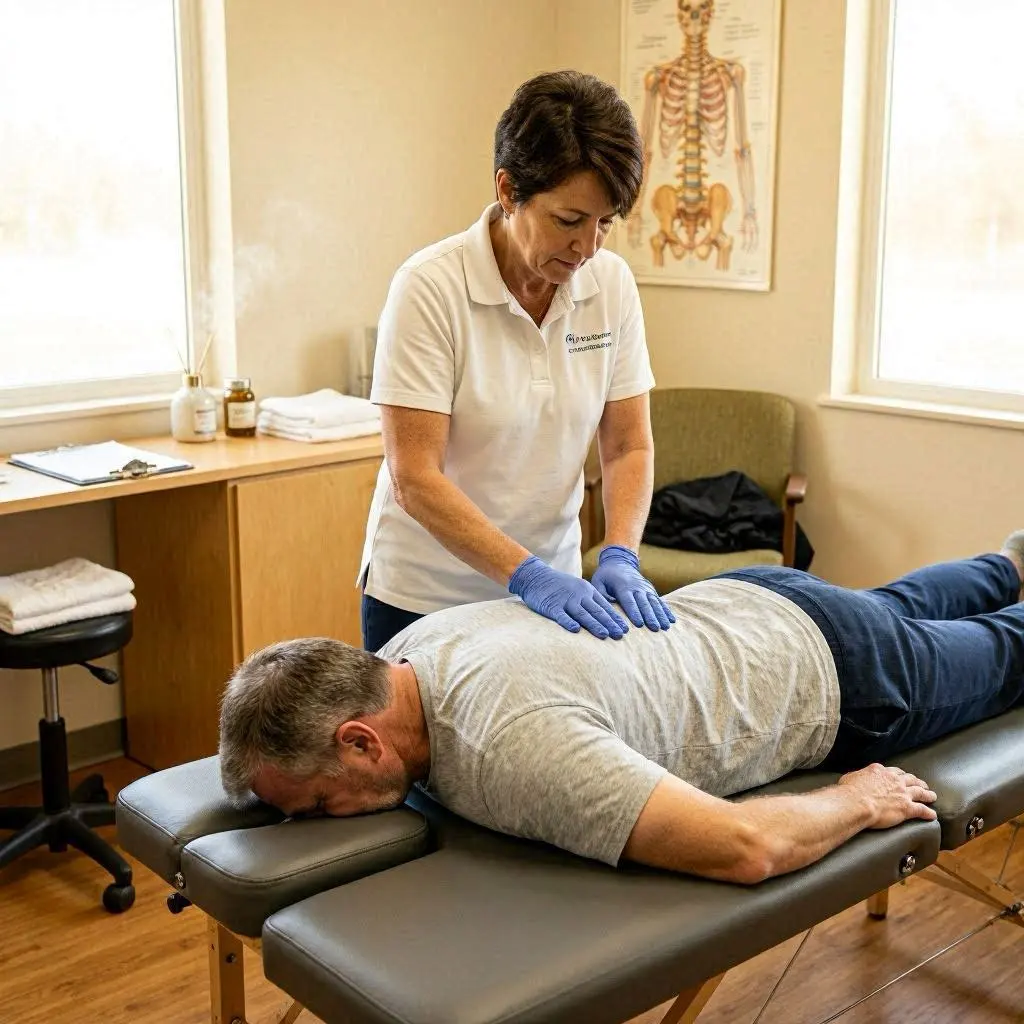
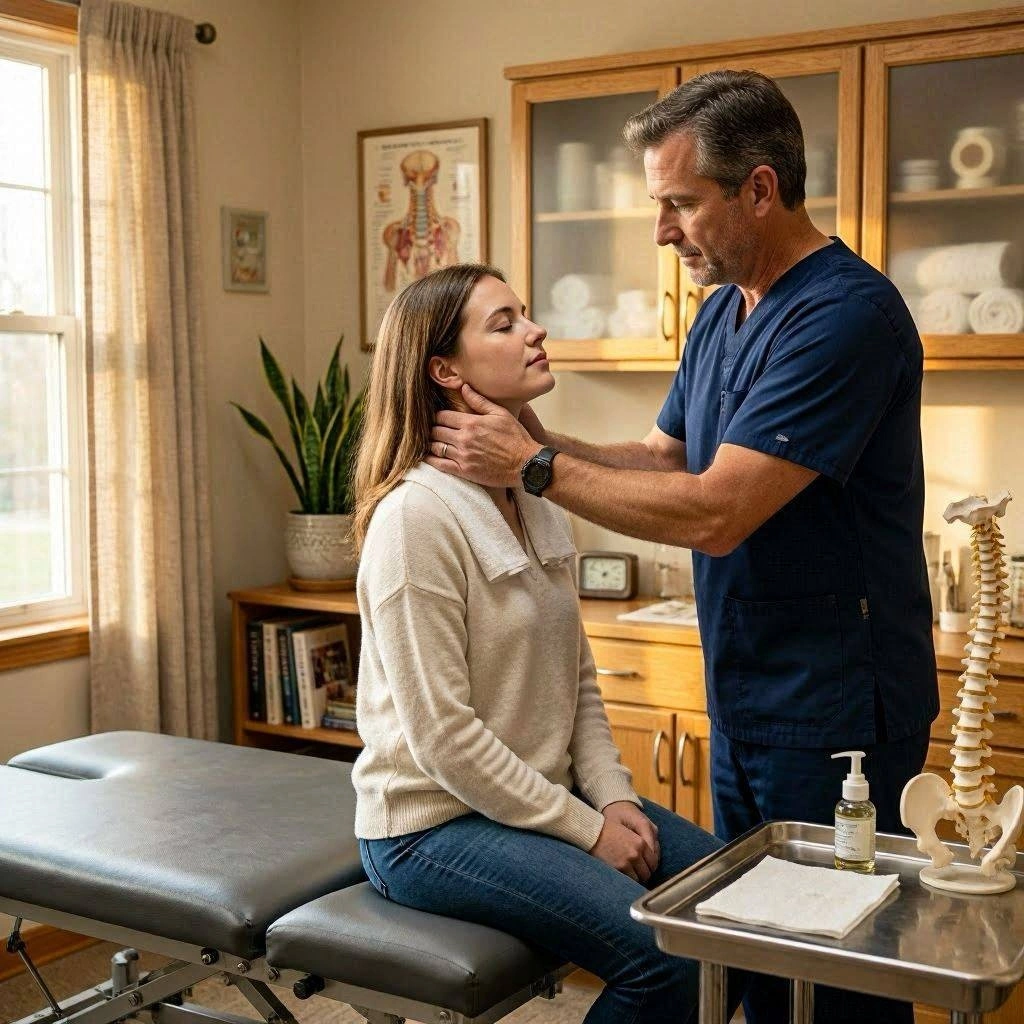
Manual Therapy for Sciatica (Sciatica Treatment Methods)
Manual therapy includes hands-on techniques designed to influence movement, muscle tension, and comfort.
Depending on the assessment, a physiotherapist may use techniques such as:
-
Soft-tissue techniques
-
Joint mobilization
-
Massage
-
Movement-based manual techniques
Manual therapy may help some people manage symptoms, particularly when combined with an active rehabilitation program.
Importantly, manual therapy should generally support exercise and functional recovery rather than replace active rehabilitation. NICE-related guidance describes manual therapy as part of a treatment package that includes exercise for low back pain with or without sciatica.
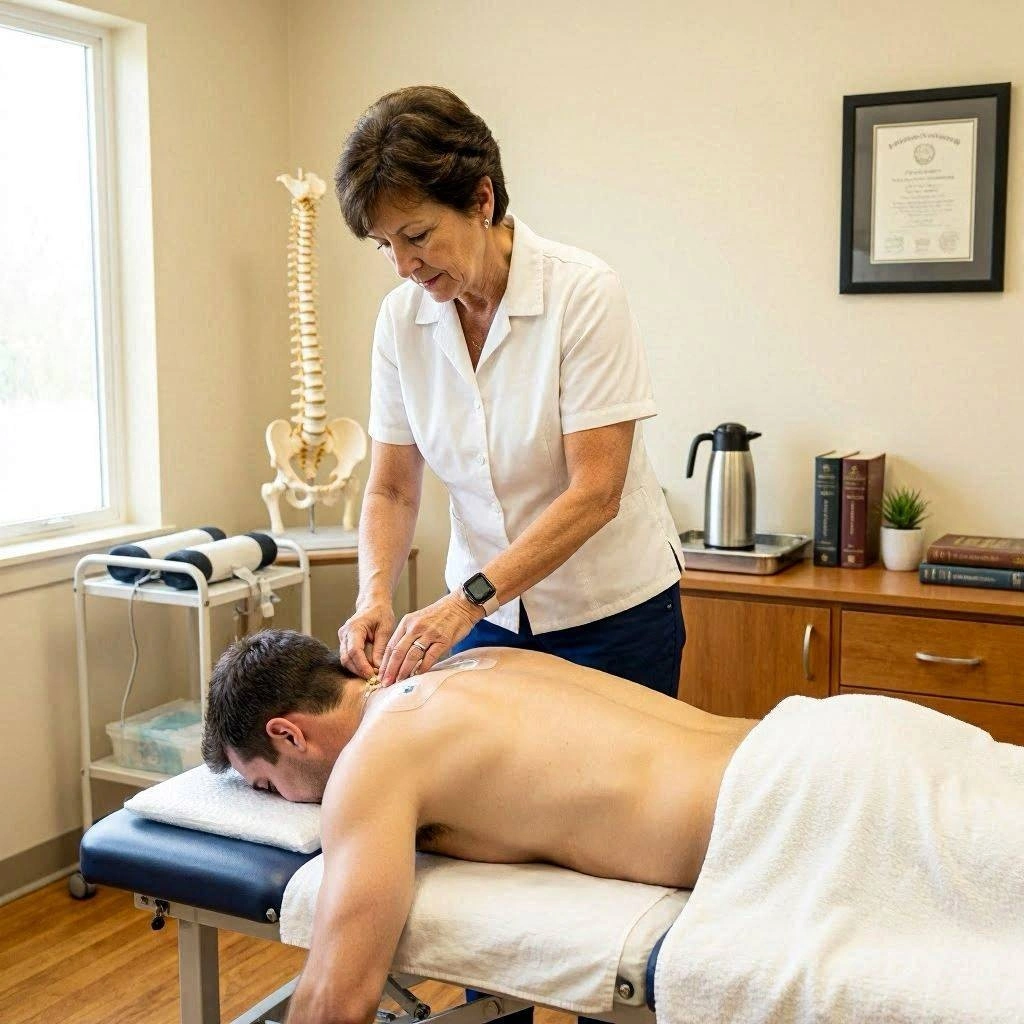
Massage Therapy for Sciatica
Massage may help reduce muscle tension and provide short-term symptom relief for some people.
For example, muscles around the lower back, hips, and buttocks may become tense when someone experiences pain. Appropriate soft-tissue treatment can sometimes make movement more comfortable.
However, massage does not necessarily address the underlying cause of nerve irritation. Therefore, it works best as one component of a broader rehabilitation strategy when appropriate.
A qualified professional should determine whether massage is suitable, particularly if symptoms include significant numbness or weakness.
Heat Therapy (Sciatica Treatment Methods)
Heat can provide temporary comfort during a painful episode.
A warm pack may help relax tense muscles and make movement more comfortable. Some people prefer heat before gentle activity, while others find it helpful when symptoms become uncomfortable after activity.
Always protect your skin from excessive heat and avoid sleeping directly on a heating device.
Heat should be considered a symptom-management tool rather than a complete treatment.
Pain Medication
Medication can sometimes help people manage sciatica symptoms while they continue normal activities and rehabilitation.
However, not every painkiller works equally well for nerve-related pain, and some medications may carry risks or interact with other conditions or medicines.
The NHS recommends discussing painkillers with a pharmacist or healthcare professional. It also notes that paracetamol is unlikely to help sciatica and that the benefit of NSAIDs remains uncertain.
For this reason, avoid automatically taking medication without considering your medical history. A healthcare professional can help determine whether a particular medication is appropriate.
Activity Modification
You do not necessarily need to stop all physical activity when sciatica develops. Instead, temporary activity modification can help you remain active while reducing unnecessary irritation.
For example, you may need to temporarily reduce:
-
Heavy lifting
-
Repetitive bending
-
High-impact exercise
-
Long periods of driving
-
Prolonged sitting
-
Activities that consistently worsen symptoms
As symptoms improve, you can gradually reintroduce these activities.
The goal is not permanent avoidance. Instead, treatment should help you regain your normal physical capacity.
Improving Sitting and Work Habits (Sciatica Treatment Methods)
Long periods of sitting can become difficult when you have sciatica.
If your work involves a desk, consider changing positions regularly rather than remaining seated for hours. You can stand, walk briefly, or perform gentle movement throughout the day.
A comfortable workstation may also help you maintain a more sustainable posture.
Useful adjustments may include:
-
Positioning your monitor at a comfortable height
-
Keeping your feet supported
-
Using an appropriate chair
-
Taking regular movement breaks
-
Avoiding prolonged static positions
There is no single perfect sitting position for everyone. Instead, regular movement and the ability to change positions can be valuable.
Sleep and Sciatica
Pain can make sleeping difficult, especially when symptoms travel down the leg.
Try to find a position that allows your back and hips to remain comfortable. You may experiment with side-lying or back-lying positions and use pillows for additional support if necessary.
Good sleep also supports general recovery. If pain repeatedly wakes you or prevents normal sleep, discuss the problem with a healthcare professional.
Lifestyle Changes
Lifestyle factors can influence your ability to recover and maintain physical function.
Regular physical activity can help maintain strength and mobility. Healthy nutrition, adequate sleep, stress management, and avoiding smoking can also support overall health.
The NHS recommends staying active, using safe lifting techniques, maintaining good posture, and avoiding smoking as part of reducing the risk of recurrent sciatica.
These habits do not guarantee that sciatica will never return. However, they can support long-term musculoskeletal health.
When Is Imaging Needed?
Many people with straightforward sciatica do not need immediate imaging.
An MRI may become useful when symptoms are severe, persistent, or when a specialist is considering an injection or surgery. Imaging can help identify structural problems that may correspond with the person’s symptoms.
For example, South Tees Hospitals notes that MRI may be considered when a nerve-root injection or surgical opinion is being considered for severe sciatica.
The important point is that imaging should support clinical decision-making. An abnormal scan does not automatically mean that surgery or another invasive treatment is necessary.
Epidural Injections
Epidural injections represent another possible treatment for selected cases of sciatica.
An epidural injection delivers medication into the epidural space around the spinal nerves. Depending on the clinical situation, the injection may contain a local anaesthetic and steroid.
NICE guidance allows consideration of epidural injections containing local anaesthetic and steroid for acute and severe sciatica.
However, injections are not appropriate for every person with sciatica. A specialist should assess the symptoms, diagnosis, risks, and expected benefits before recommending this approach.
Nerve Root Injections (Sciatica Treatment Methods)
A targeted nerve-root injection may be considered when severe sciatica fails to resolve.
This approach aims to deliver medication near a specific irritated nerve root. Specialist assessment and appropriate imaging may help determine whether this treatment makes sense.
South Tees Hospitals lists nerve-root block injections among management options for severe sciatica that is not resolving.
Surgery for Sciatica
Most people with sciatica do not require surgery. Nevertheless, surgery may become an option when symptoms remain severe despite appropriate non-surgical treatment and imaging identifies a problem that matches the symptoms.
One common procedure involves spinal decompression. The purpose is to relieve pressure on a nerve.
NICE recommends considering spinal decompression when non-surgical treatment has not improved pain or function and radiological findings are consistent with the symptoms.
Surgery requires careful consideration because every operation has potential risks. A specialist should discuss expected benefits, possible complications, recovery time, and alternative treatments.
How Long Does Sciatica Treatment Take?
Recovery time varies considerably.
Some people improve within several weeks, while others experience symptoms for several months. Persistent or recurrent symptoms may require a more structured rehabilitation plan.
Your recovery can depend on:
-
The underlying cause
-
Severity of nerve irritation
-
Duration of symptoms
-
Physical activity
-
General health
-
Response to treatment
-
Presence of neurological symptoms
Instead of focusing only on how quickly pain disappears, consider functional improvements as well.
For example, you may notice that you can walk farther, sleep better, sit more comfortably, or perform household activities with less difficulty.
These changes can indicate that your rehabilitation is moving in the right direction.
Common Mistakes During Sciatica Recovery (Sciatica Treatment Methods)
Some approaches can make recovery more difficult.
Staying in Bed Too Long
Extended bed rest can reduce physical activity and make it harder to rebuild strength.
Avoiding All Movement
Pain can create fear around movement. However, appropriate movement often forms an important part of recovery.
Returning to Heavy Exercise Too Quickly
The opposite problem can also occur. Increasing activity too rapidly may aggravate symptoms.
Depending Only on Passive Treatments
Massage, heat, or other passive treatments may provide comfort, but active rehabilitation often plays an important role in long-term recovery.
Ignoring Neurological Changes
New or worsening weakness, significant numbness, or bladder and bowel changes require medical attention rather than routine home treatment.
How to Choose the Right Sciatica Treatment Method
There is no universal treatment plan for every case.
A practical approach usually begins with an assessment. Once the likely cause and severity become clearer, treatment can progress from conservative options toward more specialized interventions when necessary.
A treatment plan may include:
-
Education about the condition
-
Appropriate activity
-
Gentle exercise
-
Progressive strengthening
-
Physiotherapy
-
Medication when appropriate
-
Manual therapy when appropriate
-
Specialist assessment for persistent severe symptoms
-
Injections for selected cases
-
Surgery for carefully selected patients
This step-by-step approach helps avoid unnecessary invasive treatment while still providing a pathway for people who do not improve with conservative care.
When Should You See a Healthcare Professional?
You should consider professional assessment if your sciatica:
-
Does not improve after several weeks
-
Continues to worsen
-
Prevents normal daily activities
-
Causes significant weakness
-
Causes persistent or worsening numbness
-
Repeatedly returns
-
Makes work or sleep difficult
A physiotherapist or medical professional can assess the symptoms and determine whether conservative treatment is appropriate.
The NHS advises seeking medical advice when sciatica does not improve after a few weeks, becomes worse, or interferes with normal activities.
Emergency Symptoms of Sciatica (Sciatica Treatment Methods)
Some symptoms require urgent medical attention.
Seek emergency care if you develop:
-
Sciatica affecting both legs
-
Severe or worsening weakness or numbness in both legs
-
Numbness around the genitals
-
Numbness around the anus or buttocks
-
Difficulty starting urination
-
Inability to urinate
-
Loss of bladder control
-
Loss of bowel control
These symptoms can indicate a serious spinal problem that requires urgent evaluation.
Do not attempt to manage these symptoms at home with exercise or massage.
Frequently Asked Questions About Sciatica Treatment Methods
What is the most common treatment for sciatica?
Conservative treatment often forms the first approach. This may include staying active, appropriate exercise, physiotherapy, symptom management, and medication when appropriate. Many cases improve without surgery.
Is physiotherapy effective for sciatica?
Physiotherapy can help people improve movement, strength, physical function, and symptom management. A physiotherapist can create an individualized exercise program and provide advice about returning to normal activities.
Should I rest when I have sciatica?
Short periods of reduced activity may feel necessary during a severe flare-up, but prolonged bed rest is generally not recommended. Appropriate movement can support recovery.
Can walking help sciatica?
Walking can be a useful low-impact activity for many people. Start with a comfortable duration and gradually increase activity as your symptoms allow.
Can massage treat sciatica?
Massage may provide temporary relief from muscle tension and discomfort for some people. However, it should not replace assessment and active rehabilitation when those treatments are needed.
Do I need an MRI for sciatica?
Not necessarily. Many cases do not require immediate imaging. MRI becomes more relevant when symptoms are severe or persistent and when the results could influence decisions about injections or surgery.
Are injections used to treat sciatica?
Yes. In selected cases of acute and severe sciatica, specialists may consider epidural injections containing local anaesthetic and steroid.
Is surgery always necessary for sciatica?
No. Most people do not need surgery. Surgery may become an option when non-surgical treatment has not improved pain or function and imaging shows a problem consistent with the symptoms.
How can I prevent sciatica from returning?
Regular physical activity, safe lifting techniques, appropriate posture, healthy lifestyle habits, and maintaining strength can help reduce the risk of future episodes. However, recurrence can still happen.
Final Thoughts (Sciatica Treatment Methods)
Choosing the right Sciatica Treatment Methods depends on the cause, severity, symptoms, and individual response to treatment.
For many people, recovery begins with conservative care. Staying appropriately active, performing suitable exercises, working with a physiotherapist, managing symptoms, and gradually returning to normal activities can provide a strong foundation for recovery.
However, persistent or severe symptoms may require additional assessment. In selected cases, specialists may consider imaging, injections, or surgery.
The most important goal is not simply to eliminate pain temporarily. Instead, effective treatment should help you restore movement, improve physical function, return to normal activities, and build confidence in your body again.
If you experience severe or worsening neurological symptoms, particularly changes involving bladder or bowel control or numbness around the genital or anal area, seek urgent medical attention rather than attempting self-treatment.