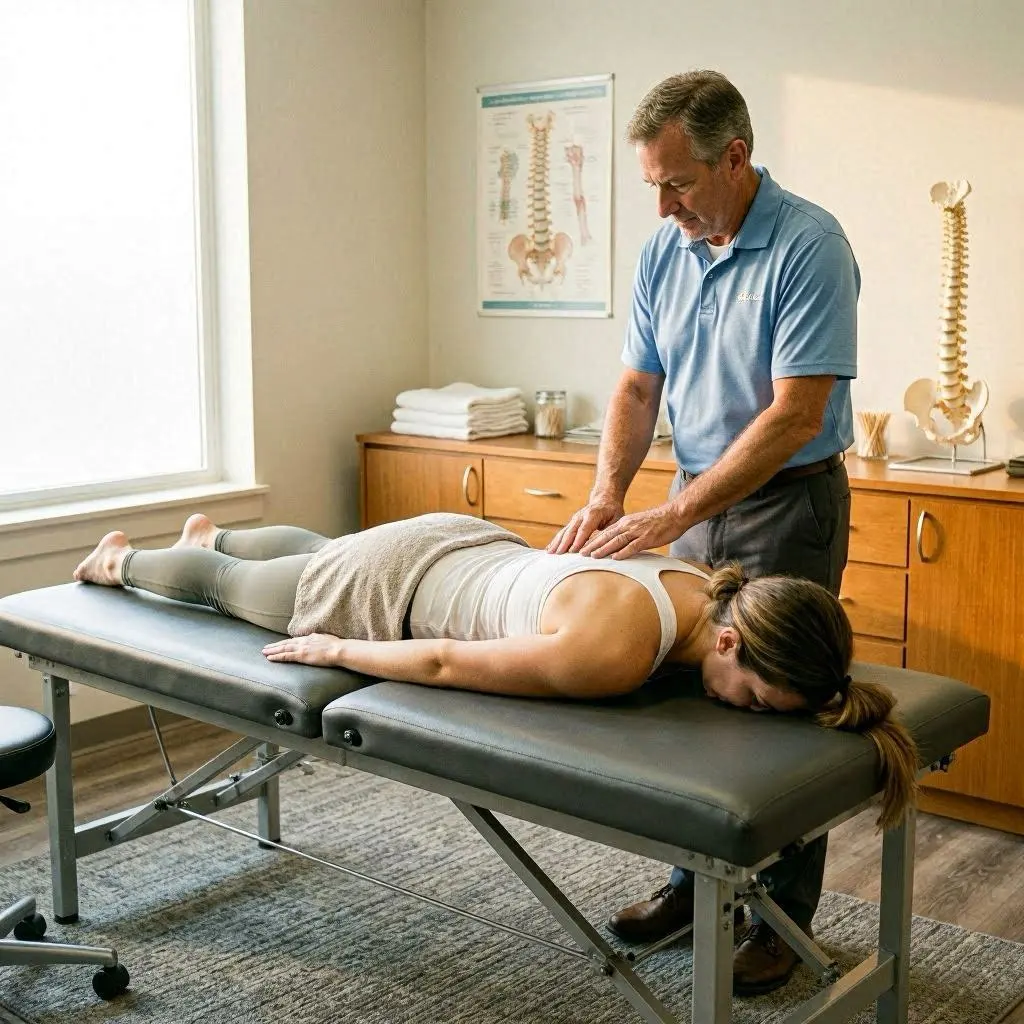

Physiotherapy Physical Assessment: A Complete Guide to Evaluation, Diagnosis, and Rehabilitation
A successful physiotherapy program begins with understanding how the body moves and functions. Before recommending exercises or rehabilitation techniques, a physiotherapist needs to identify the factors contributing to pain, weakness, stiffness, limited mobility, or reduced physical performance. A physiotherapy physical assessment provides a structured evaluation of the body’s movement, strength, flexibility, balance, posture, and functional abilities.
Physical assessment is an important part of physiotherapy because two people with similar symptoms may have completely different underlying movement problems. One person with knee pain may have reduced hip strength, while another may have limited ankle mobility or an altered walking pattern. A detailed assessment helps the physiotherapist understand these differences and develop a treatment plan that matches the patient’s individual needs.
Whether someone is recovering from an injury, preparing to return to sport, managing persistent pain, or trying to improve mobility, a comprehensive physical assessment can provide valuable information for rehabilitation.
What Is a Physiotherapy Physical Assessment?
A physiotherapy physical assessment is a clinical evaluation used to understand how the body is functioning. The physiotherapist reviews the patient’s symptoms and medical history before performing physical tests.
The assessment may examine:
Pain
Joint mobility
Muscle strength
Flexibility
Balance
Posture
Coordination
Movement patterns
Walking mechanics
Functional ability
The information gathered during the assessment helps the physiotherapist determine which areas may require treatment and which exercises may be appropriate.
Why Is a Physical Assessment Important?
Treating symptoms without understanding their cause can make rehabilitation less effective. A physical assessment provides a clearer picture of the patient’s condition.
Important benefits include:
Identifying movement limitations
Understanding pain patterns
Measuring strength deficits
Evaluating joint mobility
Identifying muscle imbalances
Assessing balance
Establishing a baseline
Creating personalized rehabilitation goals
Monitoring progress
The assessment also allows the physiotherapist to determine whether further medical investigation or referral may be necessary.
What Happens During a Physiotherapy Assessment?
A typical assessment begins with a conversation between the patient and physiotherapist.
The physiotherapist may ask about:
Current symptoms
When symptoms started
Previous injuries
Medical history
Medications
Daily activities
Exercise habits
Work requirements
Previous treatments
Personal goals
This information helps provide context for the physical examination.
The physical assessment then focuses on the areas relevant to the patient’s symptoms and functional limitations.
Pain Assessment
Understanding pain is an important part of physiotherapy.
The physiotherapist may ask about:
Pain location
Pain intensity
Pain duration
Activities that increase symptoms
Activities that reduce symptoms
Whether pain occurs at rest
Whether pain affects sleep
Whether symptoms travel to other areas
Pain is only one part of the assessment. A person can have significant movement dysfunction without severe pain, while another individual may experience considerable pain despite relatively normal movement.
Posture Assessment
Posture can provide useful information about how the body is positioned during standing and sitting.
A physiotherapist may examine:
Head position
Shoulder alignment
Spinal position
Pelvic position
Hip alignment
Knee position
Foot placement
Posture is dynamic rather than completely fixed. The goal is generally to understand how posture relates to movement and symptoms rather than expecting one perfect position.
Range of Motion Assessment
Joint mobility can influence how a person performs everyday activities.
The physiotherapist may measure the movement of:
Neck
Shoulders
Elbows
Wrists
Spine
Hips
Knees
Ankles
Reduced range of motion can affect walking, reaching, lifting, squatting, and other functional activities.
The physiotherapist may compare the affected side with the opposite side when appropriate.
Muscle Strength Testing (Physiotherapy Physical Assessment)
Muscle weakness can affect movement, balance, and joint stability.
Strength testing may involve manual resistance or functional exercises.
For example, the physiotherapist may evaluate:
Hip strength
Knee strength
Ankle strength
Core strength
Shoulder strength
Back muscle strength
Strength findings can help determine which muscles require targeted rehabilitation.
Flexibility Assessment
It refers to the ability of muscles and surrounding tissues to allow comfortable movement.
The physiotherapist may evaluate areas such as:
Hamstrings
Calves
Hip flexors
Chest muscles
Shoulders
Neck
Limited flexibility can contribute to compensatory movement patterns, although flexibility is only one component of overall physical function.
Balance Assessment
It is essential for walking, changing direction, climbing stairs, and performing many daily activities.
Balance testing may include:
Single-leg standing
Tandem stance
Weight shifting
Dynamic balance
Walking tasks
Functional reaching
Balance assessment is particularly important for older adults, individuals recovering from neurological conditions, and people with recurrent falls.
Functional Movement Assessment
It examines how the body performs practical activities.
The physiotherapist may ask the patient to:
Squat
Bend
Walk
Step
Reach
Stand from a chair
Climb stairs
Lift an object
These activities can reveal movement compensations that may not appear during isolated muscle testing.
Gait Assessment
Walking is one of the most important functional movements.
During a gait assessment, the physiotherapist may examine:
Step length
Walking speed
Foot placement
Arm swing
Hip movement
Knee movement
Ankle movement
Balance
Trunk position
Changes in gait may occur because of pain, weakness, joint restrictions, neurological conditions, previous injuries, or fear of movement.
Neurological Assessment (Physiotherapy Physical Assessment)
When symptoms suggest possible neurological involvement, a physiotherapist may perform additional tests.
These may evaluate:
Sensation
Reflexes
Muscle strength
Coordination
Balance
Nerve-related symptoms
Symptoms such as numbness, tingling, weakness, or changes in coordination may require additional evaluation.
Respiratory and Cardiovascular Considerations
Depending on the patient’s condition, physiotherapy assessment may also consider breathing and cardiovascular function.
This can be particularly relevant for people undergoing rehabilitation following:
Cardiopulmonary conditions
Surgery
Prolonged hospitalization
Reduced physical activity
The physiotherapist may monitor exercise tolerance, breathing patterns, heart rate, and other appropriate measures.
Physiotherapy Assessment for Sports Injuries (Physiotherapy Physical Assessment)
Athletes often require specialized assessments because their physical demands are different from those of the general population.
A sports-focused physical assessment may evaluate:
Strength
Mobility
Balance
Coordination
Running mechanics
Jumping
Landing technique
Sport-specific movements
The assessment can help guide rehabilitation and determine when an athlete may be ready to progress toward normal training.
Physical Assessment After an Injury
Following an injury, the body may develop compensatory movement patterns.
For example, a person recovering from a knee injury may avoid placing weight on one leg. Over time, this can affect the hips, lower back, or opposite leg.
A physiotherapy assessment can identify these changes and help develop a rehabilitation program.
Treatment may include:
Pain management strategies
Mobility exercises
Strength training
Balance training
Functional exercises
Movement retraining
Creating a Personalized Treatment Plan
One of the most important purposes of a physical assessment is developing an individualized rehabilitation plan.
Depending on the findings, treatment may include:
Therapeutic Exercise
Exercises are selected according to the patient’s strength, mobility, and functional goals.
Manual Therapy
Appropriate manual techniques may be used to address joint or soft tissue restrictions.
Mobility Training
Specific exercises can improve movement in restricted areas.
Strength Training
Progressive resistance exercises help rebuild physical capacity.
Balance Training
Balance exercises improve stability and coordination.
Education
Patients learn strategies for managing symptoms and improving movement outside the clinic.
Monitoring Progress (Physiotherapy Physical Assessment)
A physical assessment also provides a baseline for measuring improvement.
During follow-up appointments, the physiotherapist may compare:
Pain levels
Range of motion
Strength
Balance
Walking ability
Functional performance
Exercise tolerance
Tracking these changes helps determine whether treatment is working and whether the program should be modified.
Technology in Physiotherapy Assessment
Modern physiotherapy practices may use technology to improve assessment.
Depending on the clinic, this can include:
Digital posture analysis
Video movement analysis
Force plates
Pressure mapping
Wearable movement sensors
Exercise monitoring systems
Technology can provide additional measurements and visual feedback, but it works best when combined with professional clinical judgment.
When Should You Have a Physiotherapy Physical Assessment?
A physical assessment may be appropriate if you experience:
Persistent pain
Joint stiffness
Reduced mobility
Muscle weakness
Recurrent injuries
Balance problems
Difficulty walking
Reduced athletic performance
Difficulty returning to exercise
Problems performing daily activities
It can also be useful for individuals who want professional guidance when starting a new physical activity program.
Warning Signs Requiring Medical Attention (Physiotherapy Physical Assessment)
Physiotherapy is not appropriate as the sole response to every physical symptom. Some warning signs require urgent medical evaluation.
Seek immediate medical attention if you experience:
Sudden weakness
Sudden numbness
Difficulty speaking
Facial drooping
Loss of consciousness
Severe chest pain
Difficulty breathing
Severe pain following major trauma
Loss of bowel or bladder control
New severe neurological symptoms
These symptoms may indicate a medical emergency.
How to Prepare for a Physiotherapy Assessment
Patients can make their assessment more useful by preparing relevant information.
Consider bringing:
Previous medical reports
Imaging results
Medication information
Details about previous injuries
A list of current symptoms
Information about exercise routines
Wear comfortable clothing that allows the physiotherapist to observe and assess movement.
It is also helpful to explain your main goals clearly. For example, you may want to return to running, reduce back pain, improve walking ability, or perform daily activities more comfortably.
Conclusion (Physiotherapy Physical Assessment)
A physiotherapy physical assessment is an essential part of personalized rehabilitation. By evaluating pain, posture, mobility, flexibility, strength, balance, coordination, gait, and functional movement, physiotherapists can develop a clearer understanding of how the body is functioning.
The assessment is particularly valuable because treatment can be adapted to the individual’s specific needs rather than relying on a generic exercise program. Whether you are recovering from an injury, managing persistent discomfort, returning to sport, or trying to improve everyday mobility, a comprehensive physical assessment can provide an important starting point.
Combined with therapeutic exercise, mobility training, strength development, balance work, education, and appropriate manual techniques, physiotherapy can help patients work toward improved movement and physical function. Consistent participation in rehabilitation and healthy daily movement habits can further support long-term results and help individuals return to the activities that matter most to them.