Regenerative Physiotherapy: A Complete Guide to Recovery, Healing, and Movement
Recovery from an injury, surgery, chronic pain condition, or physical limitation often requires more than simply waiting for the body to heal. Appropriate movement, progressive exercise, rehabilitation, and professional guidance can help restore physical capacity and support a return to everyday activities. Regenerative physiotherapy is an approach that focuses on supporting the body’s natural recovery processes while improving strength, mobility, movement quality, and function.
The term regenerative physiotherapy can describe rehabilitation strategies designed to create an appropriate environment for recovery and tissue adaptation. It does not mean that physiotherapy can regenerate every damaged tissue or guarantee complete healing. Instead, it combines evidence-based rehabilitation principles with individualized treatment to help the body recover and adapt as effectively as possible.
A regenerative approach may be useful for people recovering from sports injuries, musculoskeletal problems, surgery, overuse injuries, or periods of reduced physical activity. The exact treatment depends on the individual’s condition, diagnosis, physical abilities, and recovery goals.
What Is Regenerative Physiotherapy?
Regenerative physiotherapy is a rehabilitation-focused approach that aims to support tissue recovery while restoring normal movement and physical function.
Physiotherapy may use:
Progressive therapeutic exercise
Strength training
Mobility exercises
Balance training
Functional rehabilitation
Movement retraining
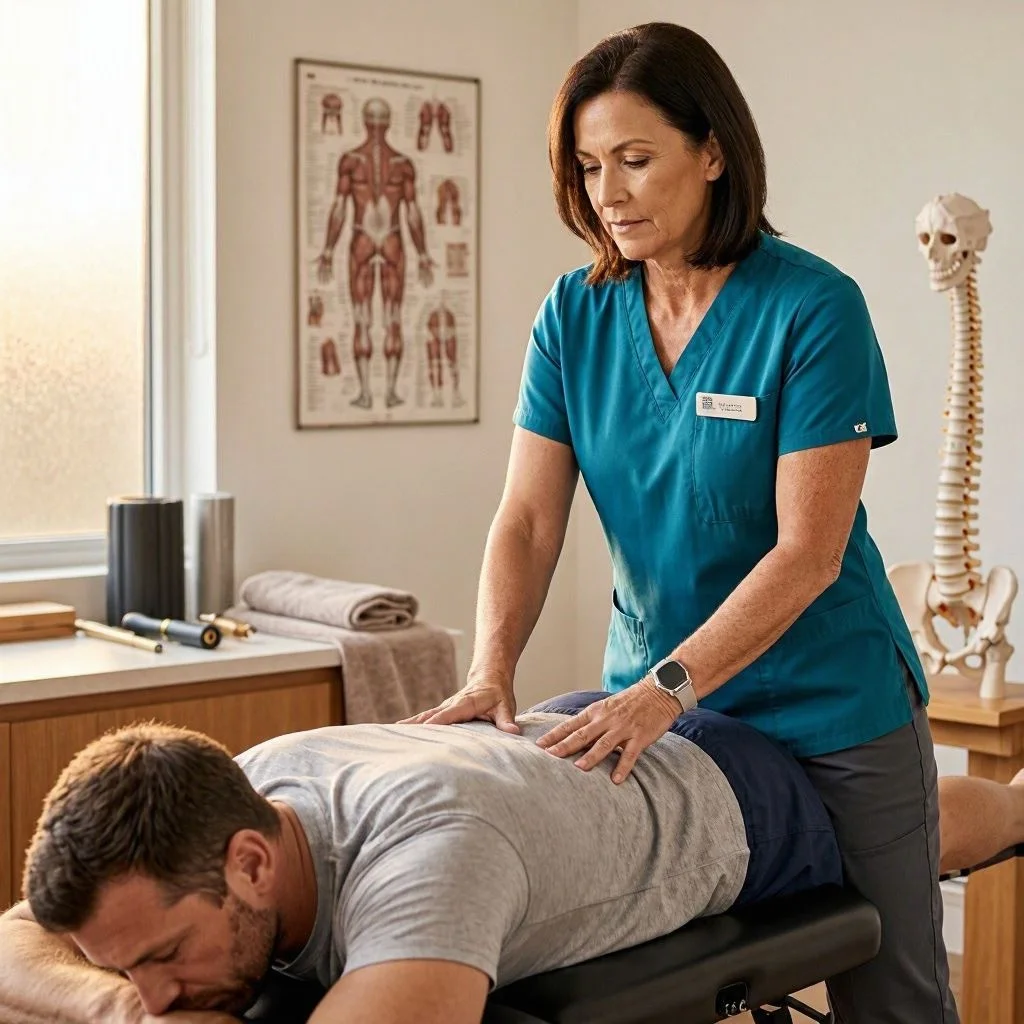
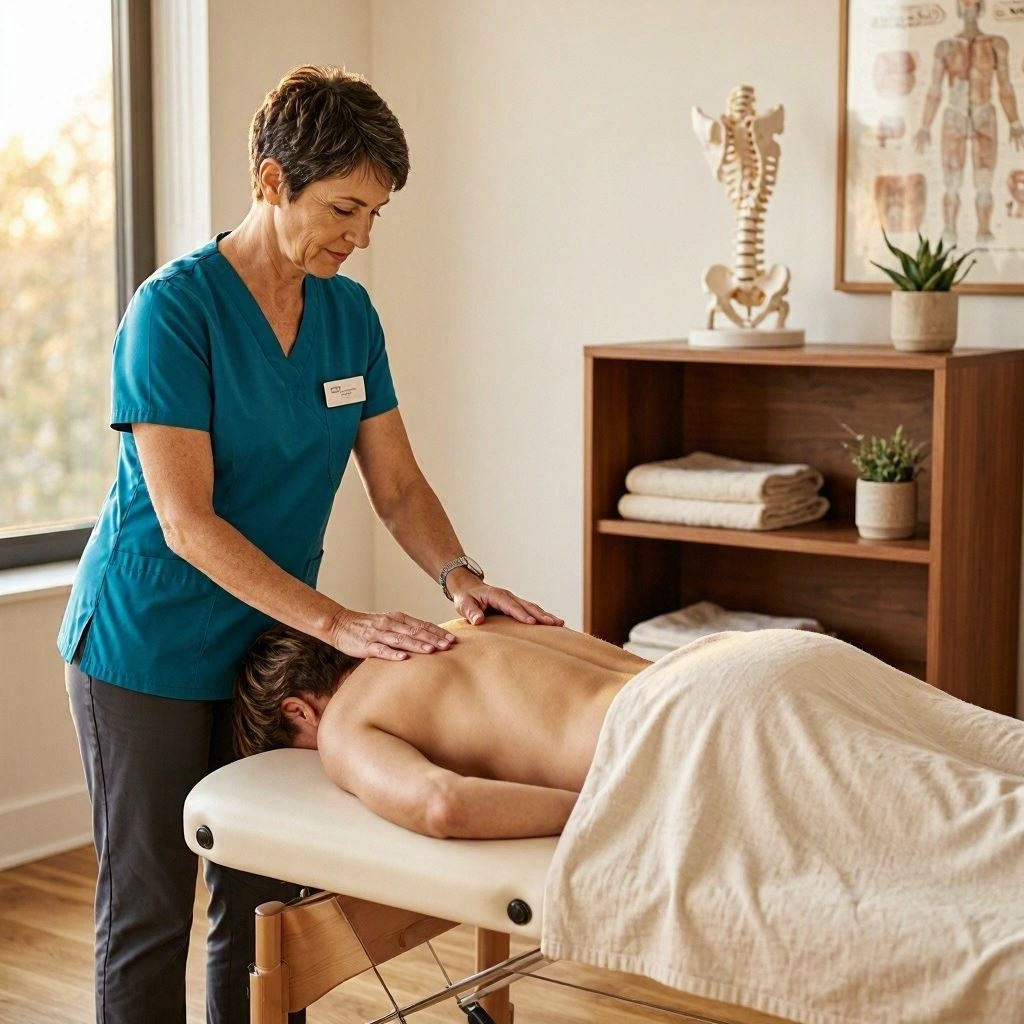
Manual therapy when appropriate
Education and activity management
The objective is to gradually expose the body to appropriate physical demands so that tissues and movement systems can adapt.
Rather than focusing only on symptoms, a comprehensive rehabilitation program considers the factors affecting recovery, including strength, mobility, workload, sleep, activity levels, and movement patterns.
What Does “Regenerative” Mean in Physiotherapy?
The word regenerative can sometimes be misunderstood.
In medical contexts, regeneration generally refers to the restoration or replacement of damaged cells or tissues. The human body’s ability to regenerate varies considerably between different tissues.
Physiotherapy does not directly create new tissue in the way that some regenerative medicine procedures aim to do. Instead, physiotherapy can support the recovery process by providing appropriate mechanical stimulation, maintaining mobility, progressively rebuilding strength, and helping patients return to normal activity.
This distinction is important because physiotherapy should not be presented as a guaranteed method for regenerating damaged tissue.
How the Body Recovers From Injury
The body responds to injury through complex biological processes.
Depending on the injury, recovery can involve:
An initial inflammatory response
Tissue repair
Remodeling and adaptation
Gradual restoration of physical capacity
Rehabilitation can complement these processes by introducing controlled movement and progressively increasing physical demands.
The amount and type of exercise should be appropriate for the stage of healing. Too little activity may contribute to weakness and deconditioning, while excessive loading may aggravate symptoms or interfere with recovery.
The Role of Progressive Exercise
Progressive exercise is one of the foundations of regenerative physiotherapy.
The body adapts to physical stress. When an exercise is appropriately challenging, the muscles, tendons, bones, and cardiovascular system can gradually become more capable of handling that demand.
Progression may involve:
Increasing resistance
Adding repetitions
Increasing exercise duration
Increasing movement range
Improving exercise complexity
Introducing faster movements
Adding functional activities
Progress should be based on the individual’s response rather than following a fixed schedule.
Regenerative Physiotherapy for Muscle Injuries
Muscle injuries can occur during sports, work, exercise, or everyday activities.
Rehabilitation may initially focus on protecting the injured area and maintaining appropriate movement. As recovery progresses, the program may introduce:
Gentle mobility
Isometric exercises
Progressive resistance
Functional strengthening
Sport-specific movements
The goal is to restore the muscle’s ability to tolerate the demands placed on it.
Athletes may eventually need higher-level exercises such as acceleration, jumping, or rapid changes of direction.
Regenerative Physiotherapy for Tendon Problems
Tendons respond to mechanical loading and can require progressive rehabilitation when affected by persistent pain or injury.
A physiotherapist may use:
Isometric exercises
Slow resistance training
Progressive loading
Functional exercises
Activity modification
Tendon rehabilitation often requires patience because adaptation can take time.
The appropriate exercise depends on the tendon involved, symptoms, physical capacity, and diagnosis.
Regenerative Physiotherapy for Joint Rehabilitation
Joint problems may involve pain, stiffness, weakness, or reduced movement.
Physiotherapy can address these issues through a combination of:
Mobility exercises
Strength training
Balance work
Functional movement
Activity progression
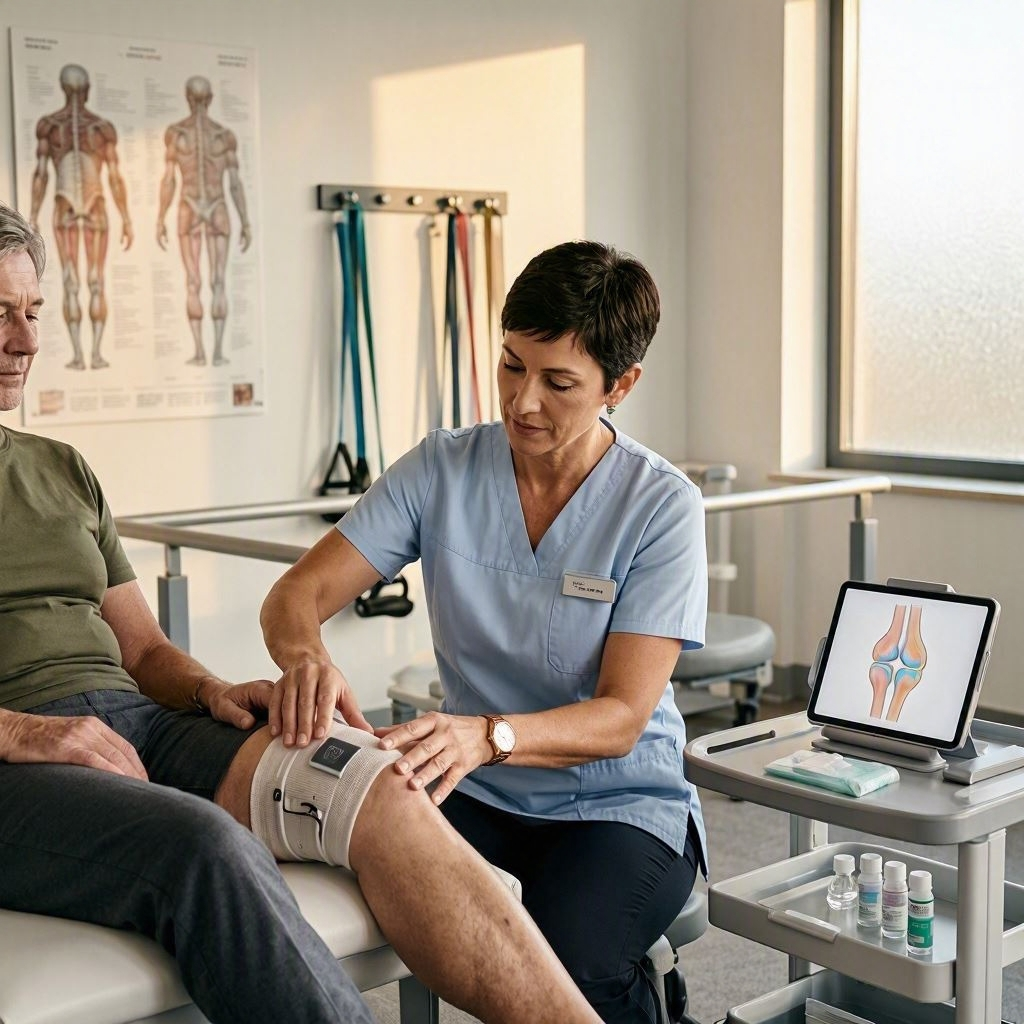
For example, rehabilitation following a knee injury may involve strengthening the quadriceps and hips while gradually restoring knee mobility and functional movement.
Supporting Bone Recovery
Bone healing is primarily a biological process, but rehabilitation can play an important role in restoring function after an injury.
Following medical clearance, physiotherapy may help restore:
Joint mobility
Muscle strength
Balance
Walking ability
Functional capacity
Weight-bearing and exercise progression must follow medical guidance, particularly after fractures or orthopedic surgery.
Regenerative Physiotherapy After Surgery
Surgical procedures often require carefully structured rehabilitation.
The rehabilitation program may progress through several stages:
Early Stage
The focus may be on protecting healing tissues, managing symptoms, and maintaining safe movement.
Intermediate Stage
The program may introduce progressive strengthening and mobility exercises.
Advanced Stage
More demanding functional and sport-specific activities may be introduced.
The exact progression depends on the surgical procedure and instructions from the medical team.
The Importance of Mobility
Mobility is essential during recovery.
When movement is restricted for long periods, joints can become stiff and muscles can lose strength.
Appropriate mobility exercises can help maintain or restore movement.
Common areas addressed during rehabilitation include:
Shoulders
Spine
Hips
Knees
Ankles
Mobility exercises should be performed within an appropriate range and should not unnecessarily stress healing tissues.
Strength Training and Tissue Adaptation
Strength training is particularly important during rehabilitation.
Muscles need sufficient strength to support joints and perform functional activities.
A progressive program may use:
Bodyweight exercises
Resistance bands
Free weights
Resistance machines
Isometric exercises
Functional resistance exercises
Strength should be increased gradually according to the individual’s tolerance.
Regenerative Physiotherapy for Sports Injuries
Athletes often require rehabilitation that goes beyond basic symptom improvement.
A sports rehabilitation program may address:
Strength
Flexibility
Balance
Coordination
Running mechanics
Jumping
Landing
Agility
Sport-specific skills
The final stages of rehabilitation should prepare the athlete for the physical demands of their sport.
Movement Retraining
Injury can change the way a person moves.
An athlete may protect an injured limb, while someone with persistent pain may develop compensatory movement patterns.
Movement retraining can help individuals practice:
Squatting
Lunging
Walking
Running
Lifting
Jumping
Landing
The objective is to improve control and gradually restore normal functional movement.
Regenerative Physiotherapy and Chronic Pain
Persistent pain can be influenced by multiple physical and psychological factors.
Physiotherapy may help individuals gradually increase physical capacity through:
Progressive exercise
Strength training
Mobility work
Functional movement
Education
Activity management
The goal is not necessarily to promise complete elimination of chronic pain. Instead, treatment can focus on improving function, confidence, physical capacity, and quality of life.
The Role of Manual Therapy
Manual therapy may be included as part of a broader rehabilitation plan.
Depending on the individual’s condition, techniques may be used to address:
Joint mobility
Muscle tension
Soft-tissue restrictions
Movement limitations
Manual therapy should generally complement active rehabilitation rather than replace exercise and functional training.
Balance and Proprioception
Proprioception refers to the body’s ability to sense its position and movement.
After injury, proprioception and balance may be affected.
Physiotherapy may include:
Single-leg balance
Weight shifting
Controlled stepping
Dynamic balance exercises
Sport-specific stability drills
These exercises can help prepare individuals for everyday activities and sports.
Nutrition and Recovery
Physiotherapy is only one component of physical recovery.
Adequate nutrition provides the energy and nutrients required for normal physiological processes.
General recovery habits may include:
Eating a balanced diet
Staying adequately hydrated
Getting sufficient sleep
Managing training load
Allowing appropriate recovery time
People with specific nutritional concerns should consult a qualified healthcare or nutrition professional.
Sleep and Tissue Recovery
Sleep is an important component of general recovery.
Poor sleep can affect energy, concentration, mood, exercise tolerance, and overall well-being.
A rehabilitation plan should therefore consider the individual’s recovery schedule rather than focusing exclusively on exercise.
Managing Rehabilitation Load
More exercise is not always better.
Tissues need appropriate amounts of stress and recovery.
A physiotherapist may monitor:
Pain response
Swelling
Fatigue
Exercise performance
Movement quality
Recovery between sessions
If symptoms consistently worsen after exercise, the rehabilitation program may need modification.
Regenerative Physiotherapy and Aging
The body’s ability to recover from physical stress can change with age.
Older adults may require more gradual progression and adequate recovery periods.
Physiotherapy can support healthy aging by focusing on:
Strength
Balance
Mobility
Functional movement
Walking
Independence
Maintaining physical activity is an important part of preserving functional capacity.
Regenerative Physiotherapy for Workplace Injuries
Work-related injuries can affect muscles, joints, tendons, and other tissues.
Rehabilitation may focus on restoring the physical capacity required for work tasks.
This can include:
Lifting practice
Strength training
Mobility exercises
Ergonomic education
Functional conditioning
Gradual return-to-work planning
The program should reflect the actual physical demands of the individual’s job.
Preventing Reinjury
A major goal of rehabilitation is preparing the body for future demands.
Injury-prevention strategies may include:
Maintaining strength
Improving mobility
Training balance
Managing workload
Practicing proper movement
Gradually increasing exercise intensity
Athletes may also benefit from continuing selected rehabilitation exercises after returning to sport.
How Long Does Regenerative Physiotherapy Take?
Recovery time varies significantly.
Factors include:
Type of injury
Severity
Tissue involved
Age
General health
Previous injuries
Physical conditioning
Treatment consistency
Work and sport demands
Some minor problems may improve relatively quickly, while more complex injuries can require months of rehabilitation.
A physiotherapist can monitor progress and adjust treatment as recovery develops.
When Should You See a Physiotherapist?
Professional assessment may be appropriate if you experience:
Persistent pain
Reduced mobility
Muscle weakness
Recurrent injuries
Difficulty exercising
Reduced athletic performance
Problems returning to work
Difficulty walking
Balance problems
An appropriate diagnosis is important before developing a rehabilitation program.
Warning Signs Requiring Medical Attention
Not every injury should be managed through physiotherapy alone.
Seek urgent medical attention for:
Severe pain following major trauma
Significant deformity
Sudden weakness
Progressive numbness
Loss of consciousness
Chest pain
Difficulty breathing
Loss of bowel or bladder control
Sudden major neurological changes
These symptoms may indicate a serious medical condition.
How a Personalized Program Is Developed
A physiotherapist may consider:
Diagnosis
Symptoms
Physical examination
Injury history
Current activity
Work requirements
Sports participation
Personal goals
The rehabilitation program can then be adjusted according to progress.
This individualized approach is important because two people with similar diagnoses may have very different physical abilities and recovery requirements.
Conclusion
Regenerative physiotherapy focuses on supporting the body’s recovery while progressively rebuilding physical capacity. It combines evidence-based rehabilitation principles such as therapeutic exercise, progressive loading, mobility training, strength development, balance work, functional movement, and education.
The term “regenerative” should not be interpreted as a guarantee that physiotherapy can regenerate damaged tissue. Instead, the approach emphasizes creating appropriate conditions for recovery and helping the body adapt to increasing physical demands.
Whether someone is recovering from a sports injury, surgery, tendon problem, muscle injury, joint condition, or period of inactivity, a personalized rehabilitation program can help restore movement and function.
Successful recovery requires appropriate loading, adequate recovery, realistic progression, and consistent participation. By combining professional assessment with progressive exercise and healthy recovery habits, physiotherapy can provide an important foundation for returning to everyday activities, work, exercise, and sport while supporting long-term physical function.