Restorative Physiotherapy: A Complete Guide to Recovery, Mobility, and Physical Function
Restorative physiotherapy is a rehabilitation approach focused on helping people recover physical function, improve movement, rebuild strength, and regain confidence after injury, illness, surgery, or periods of reduced activity. Rather than focusing only on temporary symptom relief, restorative physiotherapy aims to address the physical limitations that affect everyday movement and participation.
Movement can be affected by many different factors. An injury may cause pain and weakness, surgery can temporarily reduce mobility, and prolonged inactivity can decrease strength and endurance. Chronic conditions may also gradually affect balance, flexibility, coordination, and independence. A personalized physiotherapy program can help identify these limitations and provide structured strategies for improving physical capacity.
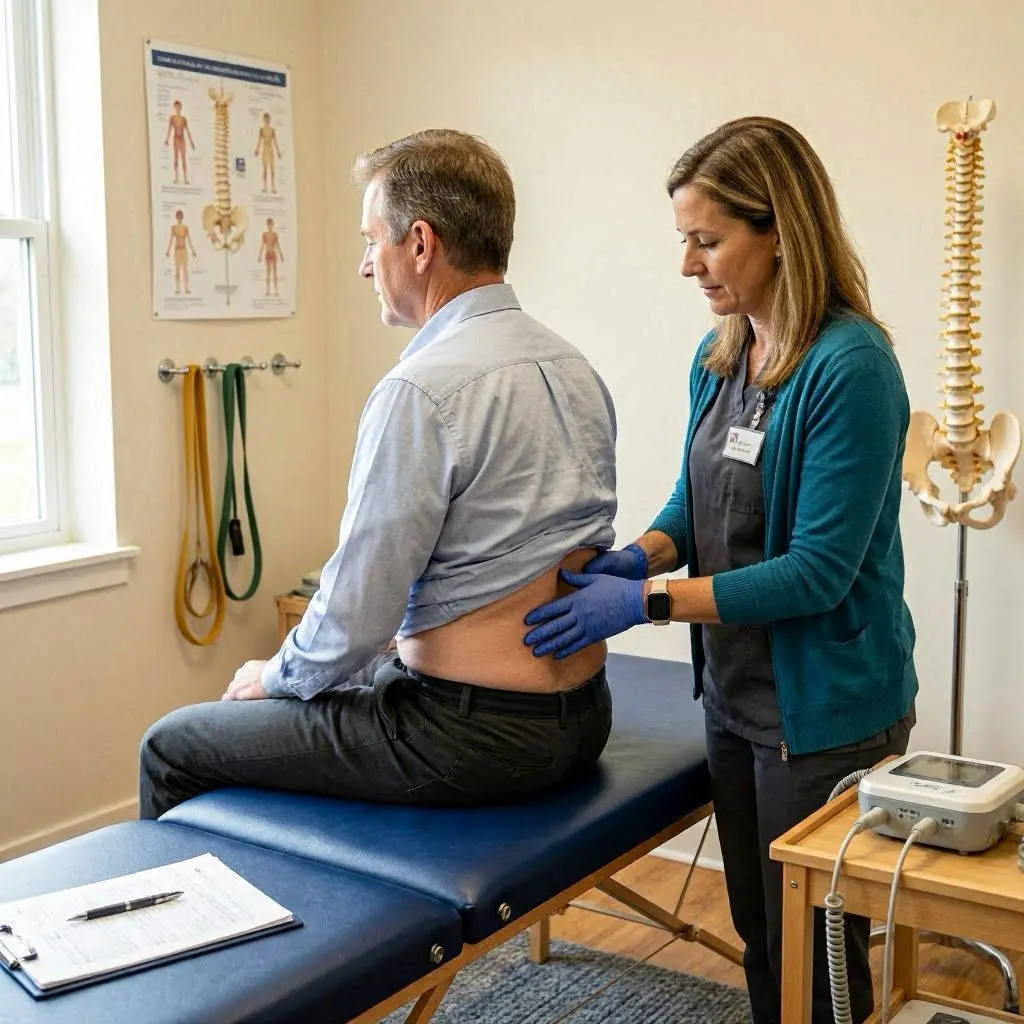
Restorative physiotherapy may include therapeutic exercise, mobility training, strengthening, balance exercises, functional rehabilitation, movement education, and manual therapy when clinically appropriate. The specific treatment depends on the individual’s condition, physical abilities, lifestyle, and recovery goals.
What Is Restorative Physiotherapy?
Restorative physiotherapy is designed to restore or improve physical abilities that have been affected by injury, illness, surgery, inactivity, or other physical limitations.
The word “restorative” emphasizes returning toward a person’s previous level of function or developing the highest practical level of independence possible.
Treatment may focus on:
Strength
Flexibility
Joint mobility
Balance
Coordination
Walking
Functional movement
Physical endurance
Movement confidence
The goal is not necessarily to return every person to exactly the same physical condition they had before an injury. Instead, physiotherapy aims to establish realistic and meaningful functional goals based on the individual’s circumstances.
Why Is Restorative Physiotherapy Important?
Physical function can decline when movement is restricted.
For example, someone who spends several weeks recovering from an injury may develop muscle weakness and joint stiffness. A person recovering from surgery may initially have difficulty walking or performing everyday tasks. Someone living with a chronic condition may gradually reduce their activity because movement becomes challenging.
Reduced activity can create a cycle:
Less movement → reduced strength → reduced confidence → less activity.
Restorative physiotherapy can help break this cycle through gradual and controlled rehabilitation.
Who Can Benefit From Restorative Physiotherapy?
Restorative physiotherapy may be appropriate for many different individuals, including people recovering from:
Sports injuries
Orthopedic surgery
Joint injuries
Muscle injuries
Tendon problems
Fractures
Back problems
Neurological conditions
Balance difficulties
Prolonged inactivity
It can also support older adults who want to maintain mobility and independence.
A physiotherapist can assess whether rehabilitation is appropriate and develop a treatment plan according to the person’s needs.
The Restorative Physiotherapy Assessment
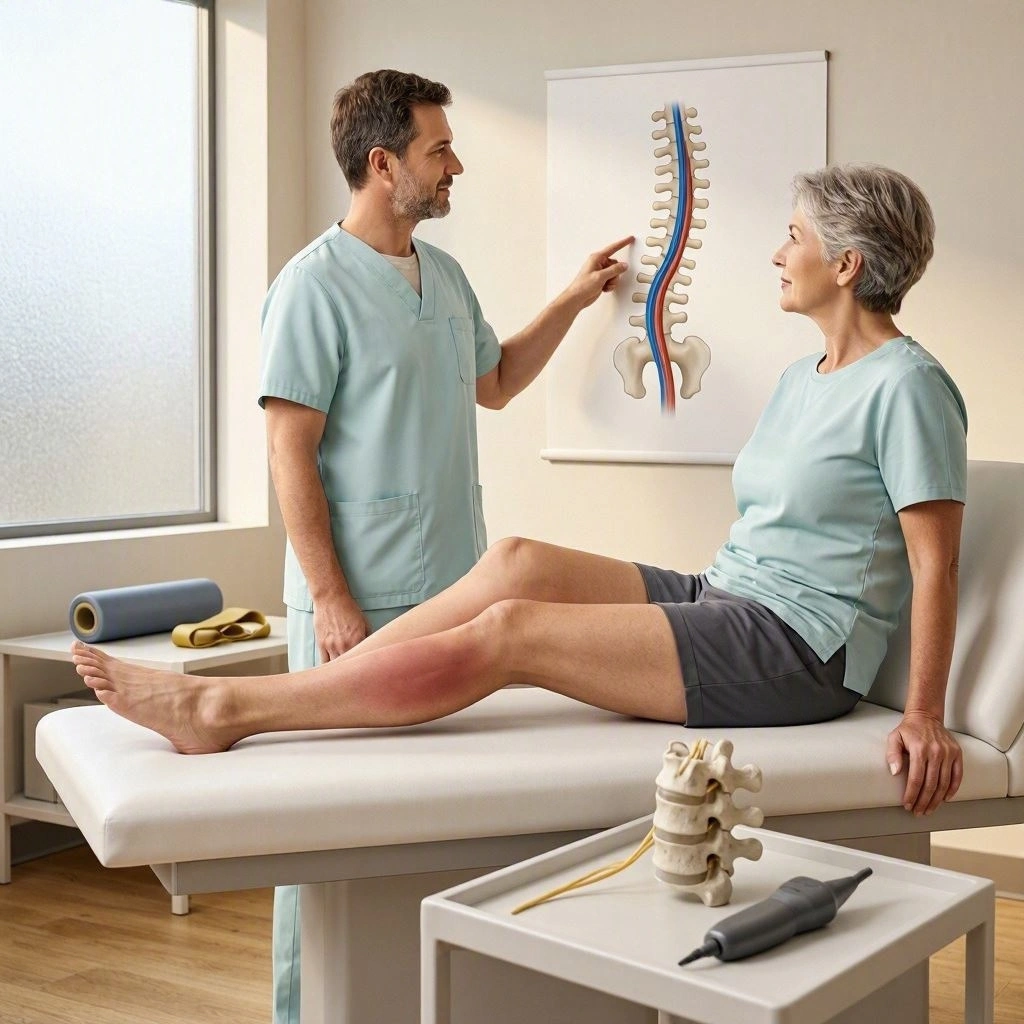
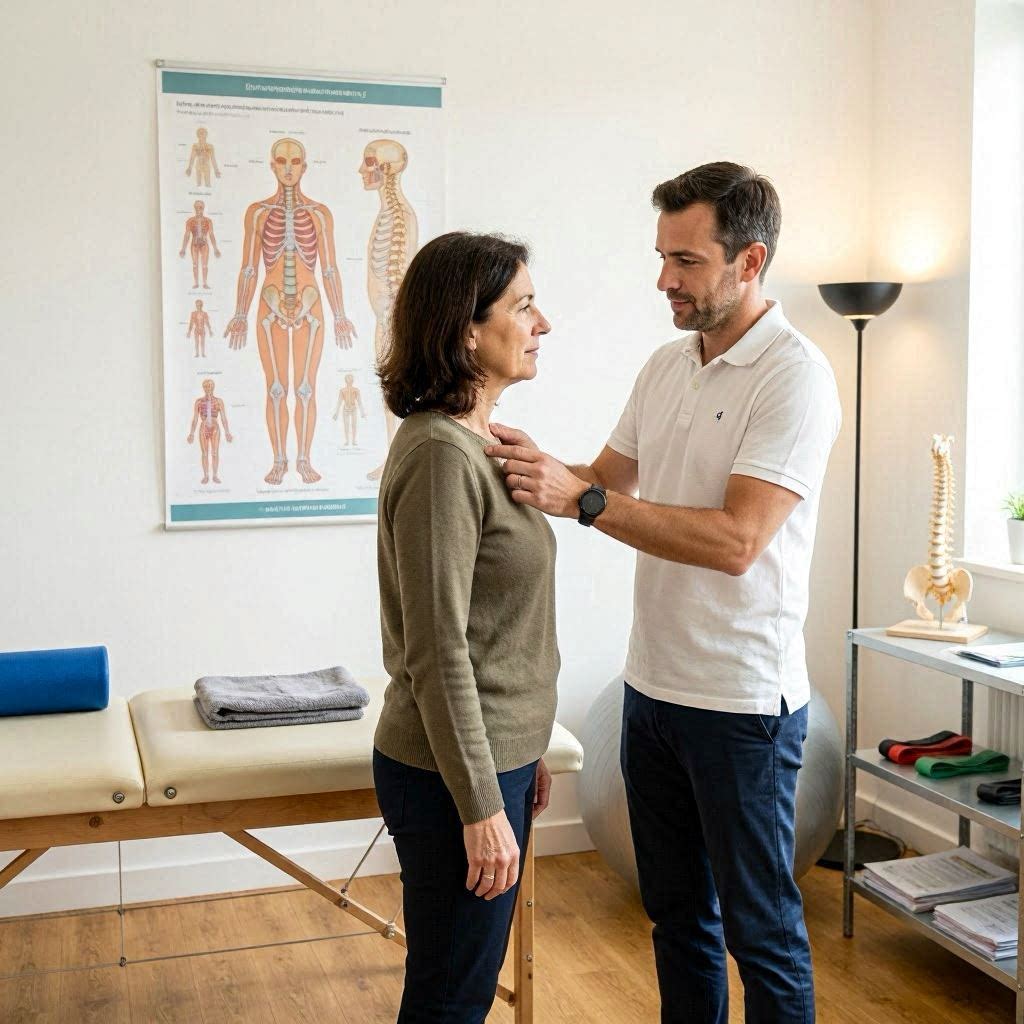
Effective rehabilitation usually begins with a detailed assessment.
A physiotherapist may evaluate:
Pain and symptoms
Joint range of motion
Muscle strength
Flexibility
Balance
Walking
Coordination
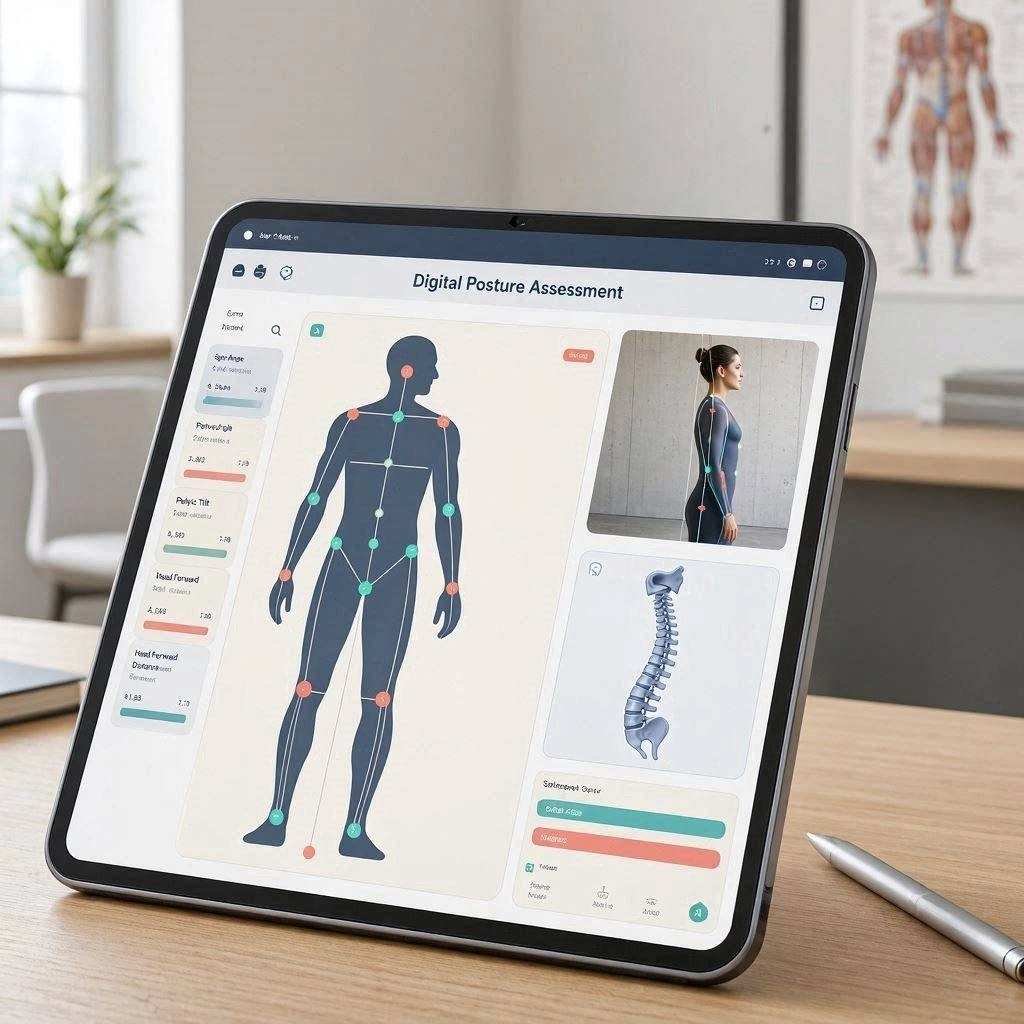
Posture
Functional movement
Physical endurance
The assessment helps establish a baseline.
For example, two people with knee discomfort may have completely different physical limitations. One may have reduced quadriceps strength, while another may have restricted mobility or balance problems. Their rehabilitation programs should therefore be different.
Setting Rehabilitation Goals
Restorative physiotherapy works best when goals are specific and meaningful.
Goals may include:
Walking without assistance
Returning to work
Climbing stairs
Returning to sport
Improving balance
Increasing strength
Performing household activities
Returning to exercise
Goals can be short-term and long-term.
Short-term goals might focus on reducing movement limitations and improving basic strength, while long-term goals may involve returning to recreational activities or demanding physical work.
Restoring Mobility
Mobility is one of the most important components of rehabilitation.
Joint stiffness can make everyday activities difficult. Depending on the condition, physiotherapy may include controlled mobility exercises for the:
Neck
Shoulders
Spine
Hips
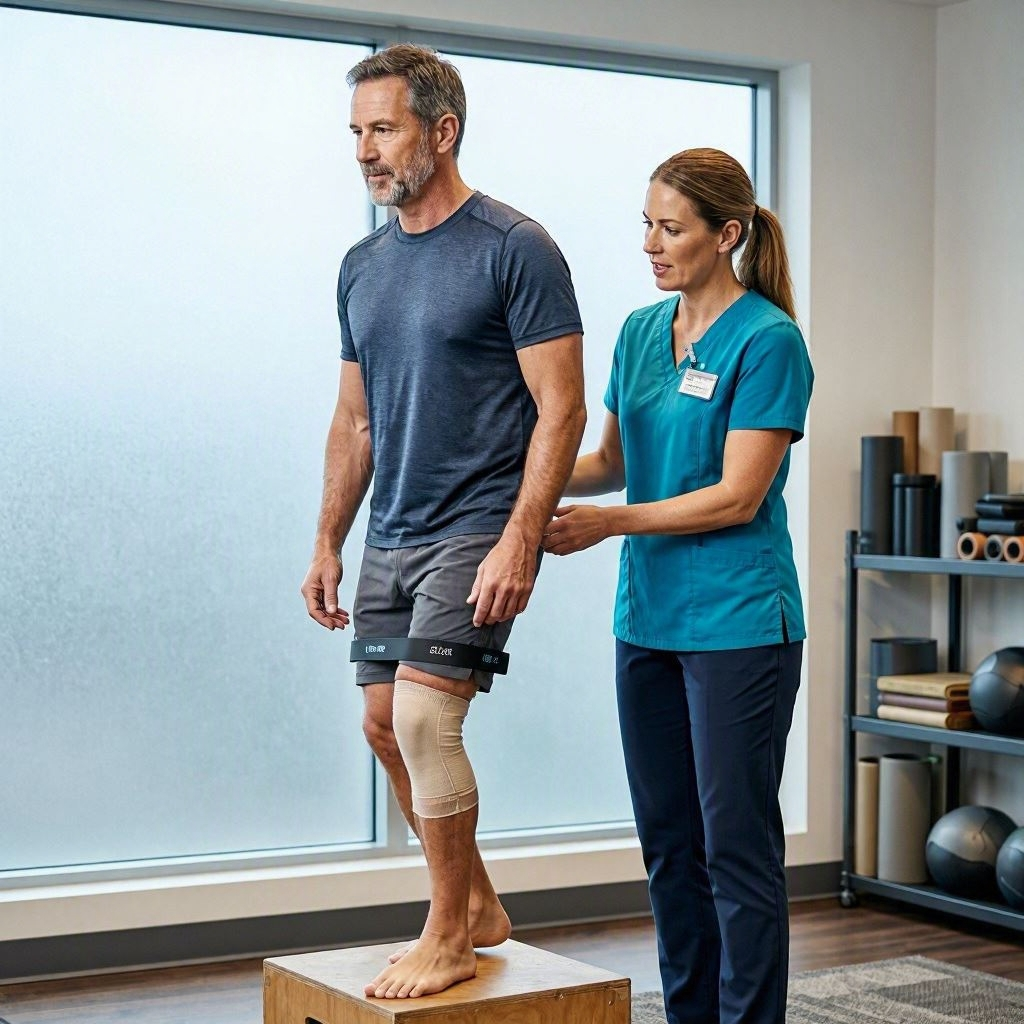
Knees
Ankles
Mobility exercises should be performed within an appropriate range and should match the person’s stage of recovery.
Restoring mobility does not mean forcing a joint into extreme positions. Controlled, comfortable movement is generally more appropriate.
Rebuilding Muscle Strength
Muscle weakness is common after injury, surgery, illness, or inactivity.
Strengthening exercises help rebuild the physical capacity required for daily activities.
Exercises may include:
Squats
Step-ups
Bridges
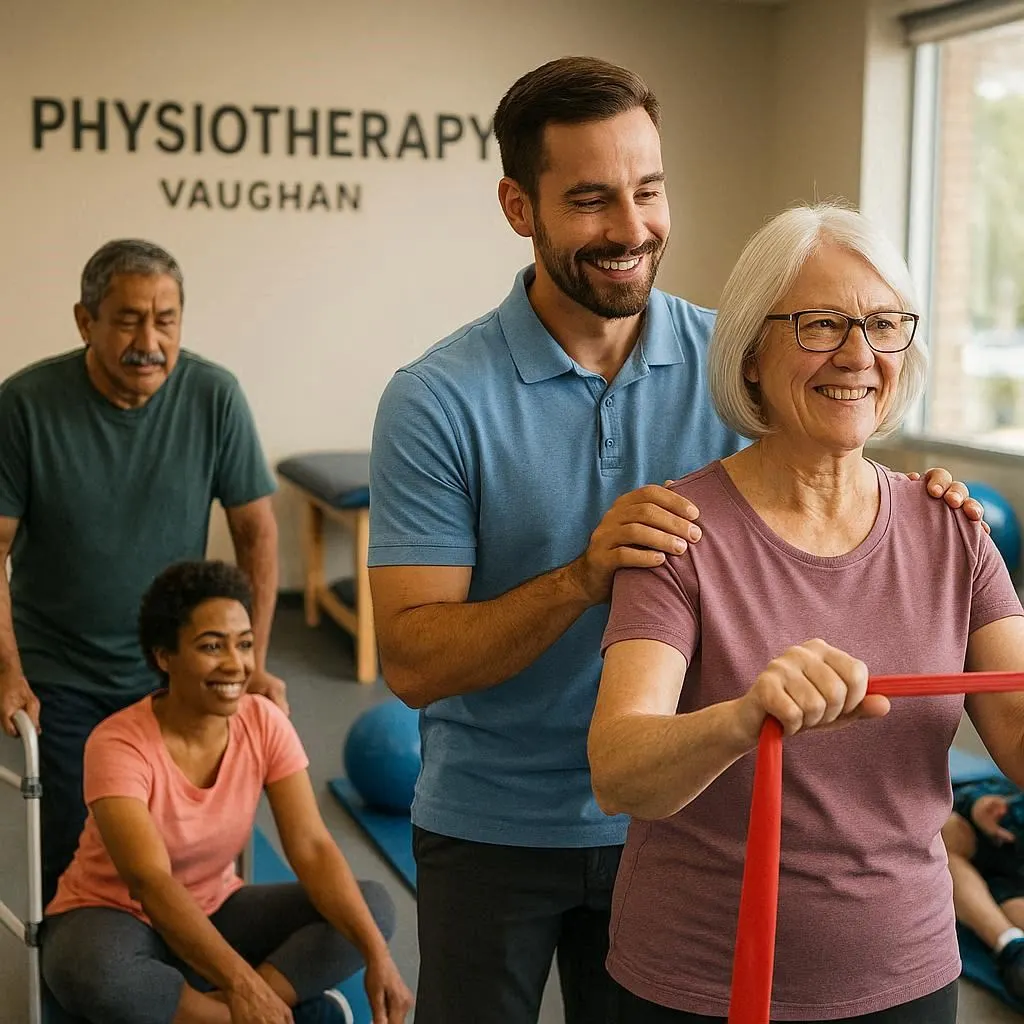
Resistance-band exercises
Leg presses
Calf raises
Upper-body strengthening
Functional resistance exercises
The appropriate exercise depends on the individual’s condition.
Resistance should be introduced progressively rather than increased too quickly.
Progressive Rehabilitation
One of the central principles of restorative physiotherapy is progression.
A patient may begin with simple movements and gradually progress toward more demanding activities.
Progression may involve:
Basic movement
Muscle activation
Low-load strengthening
Functional strengthening
Dynamic movement
Work- or sport-specific activity
This gradual approach allows the body to adapt to increasing physical demands.
Restorative Physiotherapy and Balance
Balance is essential for safe mobility.
Balance can be affected by:
Muscle weakness
Joint problems
Neurological conditions
Reduced activity
Previous injuries
Changes associated with aging
Physiotherapy may include balance exercises such as:
Weight shifting
Single-leg standing
Controlled stepping
Heel-to-toe walking
Reaching exercises
Dynamic balance drills
Exercises can be progressed as the person’s control improves.
Gait and Walking Rehabilitation
Walking is a fundamental functional skill.
Following injury, surgery, or illness, walking patterns may change.
A physiotherapist may assess:
Walking speed
Step length
Foot placement
Balance
Trunk movement
Turning
Use of assistive equipment
Gait training can help individuals gradually regain more efficient and confident walking.
Functional Rehabilitation
Restoration should eventually transfer into everyday activities.
Functional physiotherapy may include practicing:
Getting out of a chair
Climbing stairs
Getting in and out of bed
Lifting objects
Carrying items
Reaching
Walking outdoors
Getting into a vehicle
These movements are important because rehabilitation is ultimately about improving real-life function.
Restorative Physiotherapy After Surgery
Surgery can temporarily affect mobility and strength.
Rehabilitation following surgery should follow the recommendations of the medical team.
Depending on the procedure, physiotherapy may progress through:
Early Rehabilitation
The focus may be on safe movement, symptom management, and maintaining appropriate mobility.
Intermediate Rehabilitation
Strengthening and functional exercises may become more important.
Advanced Rehabilitation
More challenging exercises may prepare the patient for work, sport, or normal daily activities.
The exact timeline varies according to the surgery and individual recovery.
Restorative Physiotherapy for Sports Injuries
Athletes often require higher levels of physical rehabilitation.
Returning to sport may require restoration of:
Strength
Speed
Agility
Balance
Coordination
Flexibility
Power
Sport-specific movement
A player recovering from a lower-limb injury, for example, may need to progress from basic strengthening to running, jumping, landing, and directional-change exercises.
Simply having less pain does not always mean that an athlete is ready to return to full competition.
Restorative Physiotherapy for Older Adults
Maintaining physical independence is particularly important as people age.
Physiotherapy can focus on:
Walking
Balance
Leg strength
Joint mobility
Functional movement
Fall prevention
Exercises can be adapted to different fitness levels.
Some individuals may begin with seated or supported exercises before progressing toward standing and dynamic activities.
Restorative Physiotherapy for Chronic Conditions
Long-term health conditions can affect physical function in different ways.
A physiotherapist may help individuals manage physical limitations through:
Appropriate exercise
Mobility training
Strengthening
Balance exercises
Functional activities
Activity pacing
The goal may be to maintain or improve function rather than eliminate every symptom.
A long-term rehabilitation program can also help individuals remain physically active within their capabilities.
Pain and Restorative Physiotherapy
Pain can make movement difficult and may cause people to avoid activity.
However, prolonged inactivity can contribute to weakness and reduced physical capacity.
Physiotherapy can introduce movement gradually and help individuals understand how to manage physical activity.
Treatment may include:
Therapeutic exercise
Mobility work
Strength training
Functional movement
Education
Activity modification
Pain should be evaluated within the context of the individual’s condition rather than treated as an isolated symptom.
The Role of Manual Therapy
Manual therapy may be included when appropriate.
Techniques can sometimes be used to address:
Joint mobility
Soft-tissue restrictions
Muscle tension
Temporary movement limitations
Manual therapy is generally most useful when combined with active rehabilitation.
Exercise and functional training help individuals develop physical capacity that can support longer-term results.
Restorative Physiotherapy and Core Strength
The trunk provides an important foundation for many movements.
Core rehabilitation may include:
Bridges
Bird dogs
Dead bugs
Planks
Trunk stabilization
Functional lifting exercises
Core exercises can be combined with hip and lower-limb strengthening to improve overall movement control.
Flexibility and Movement Restoration
Flexibility can contribute to functional movement.
Reduced flexibility may affect:
Walking
Squatting
Reaching
Bending
Exercise performance
Physiotherapy may use stretching and mobility exercises to address appropriate restrictions.
Flexibility should be developed gradually rather than through aggressive stretching.
Restoring Physical Endurance
Strength alone does not determine functional ability.
Some people may have adequate muscle strength but become fatigued quickly during walking or physical tasks.
A physiotherapist may gradually introduce cardiovascular activities such as:
Walking
Cycling
Low-impact aerobic exercise
Functional circuits
Exercise intensity should be appropriate for the person’s health and physical condition.
Restorative Physiotherapy and Neurological Rehabilitation
Neurological conditions can affect:
Balance
Coordination
Muscle control
Walking
Strength
Functional independence
Physiotherapy may use repetitive, task-specific practice to help individuals work toward meaningful movement goals.
Treatment should be individualized according to the person’s neurological condition and functional abilities.
Building Confidence After Injury
Physical recovery is not only about muscles and joints.
After an injury, people may become afraid of moving because they are worried about reinjury.
This can result in reduced activity.
A progressive rehabilitation program provides opportunities to practice movements in a controlled environment.
As patients successfully complete increasingly challenging tasks, they may develop greater confidence in their physical abilities.
Home Exercise Programs
Restorative physiotherapy does not happen only during clinic appointments.
Patients may receive home exercises to continue their rehabilitation between sessions.
A home program may include:
Strength exercises
Mobility exercises
Balance activities
Walking
Stretching
Functional exercises
Consistency is important.
A physiotherapist can modify the program when exercises become too easy, too difficult, or no longer match the person’s goals.
Lifestyle and Long-Term Recovery
Physical rehabilitation is influenced by daily habits.
Useful lifestyle factors may include:
Regular physical activity
Adequate sleep
Appropriate nutrition
Recovery periods
Managing workload
Avoiding prolonged inactivity
Physiotherapy does not replace medical or nutritional care, but general lifestyle education can complement physical rehabilitation.
Preventing Future Physical Limitations
Once physical function improves, maintaining those improvements becomes important.
A maintenance program may include:
Regular strength training
Mobility exercises
Walking
Balance training
Sport-specific conditioning
Functional activities
The appropriate maintenance strategy depends on the person’s condition and goals.
When Should You See a Physiotherapist?
A physiotherapy assessment may be appropriate if you experience:
Persistent pain
Reduced mobility
Muscle weakness
Balance problems
Difficulty walking
Recurrent injuries
Reduced exercise capacity
Difficulty returning to work
Difficulty returning to sport
Loss of physical independence
Early professional assessment can help determine the most appropriate rehabilitation strategy.
Warning Signs Requiring Medical Attention
Some symptoms require urgent medical evaluation rather than routine physiotherapy.
Seek immediate medical attention for:
Sudden weakness
Sudden numbness
Severe pain following major trauma
Significant deformity
Loss of bowel or bladder control
Chest pain
Difficulty breathing
Sudden neurological changes
Loss of consciousness
These symptoms may indicate a serious medical problem.
How Long Does Restorative Physiotherapy Take?
Recovery time varies significantly.
Factors that influence rehabilitation include:
Type of condition
Severity of injury
Age
General health
Previous injuries
Physical conditioning
Treatment consistency
Work requirements
Sport demands
Some individuals may make noticeable improvements within several weeks, while complex injuries or chronic conditions may require longer-term management.
Progress should be measured through meaningful functional improvements rather than time alone.
Creating a Personalized Restorative Program
A personalized program may include different components depending on the person’s needs.
For example, one individual may require primarily strength training, while another may need balance, gait, and mobility rehabilitation.
The program may be adjusted based on:
Symptoms
Physical assessment
Exercise response
Functional progress
Personal goals
Regular reassessment helps ensure that rehabilitation continues to match the individual’s current abilities.
Conclusion
Restorative physiotherapy provides a structured approach to rebuilding physical function after injury, surgery, illness, inactivity, or other movement limitations. It focuses on more than temporary symptom management by addressing strength, mobility, balance, coordination, endurance, and functional movement.
Treatment may include therapeutic exercise, progressive strengthening, mobility training, gait rehabilitation, balance exercises, manual therapy, and movement education. The specific combination should be based on a professional assessment and the individual’s goals.
Successful rehabilitation is usually a gradual process. The body needs appropriate physical challenges, sufficient recovery, and consistent practice to rebuild capacity. Progressing exercises too quickly may increase symptoms, while avoiding movement completely can contribute to weakness and reduced function.
Whether the goal is to return to sport, recover after surgery, improve walking, maintain independence, or resume everyday activities, restorative physiotherapy can provide a personalized framework for rebuilding movement and confidence.
The long-term objective is not simply to complete a course of treatment. It is to help individuals develop the strength, mobility, knowledge, and confidence needed to participate in the activities that are important to them and maintain physical function over time.