Injury Mobility Assessment: Complete Guide to Movement Evaluation and Recovery
Introduction
Movement plays an important role in almost every aspect of physical health. Walking, running, lifting, reaching, climbing stairs, exercising, and participating in sports all require the body to move efficiently. When an injury occurs, normal movement can change. Pain, swelling, stiffness, weakness, reduced flexibility, or fear of movement may affect how a person uses the injured area. An Injury Mobility Assessment provides a structured way to evaluate these changes. It can help a qualified rehabilitation professional understand how an injury affects movement and identify physical limitations that may need attention during recovery.
Mobility is more than simply being able to move a joint through a large range of motion. Effective movement also requires strength, coordination, balance, stability, flexibility, and control. Therefore, a comprehensive assessment considers several factors rather than focusing on one movement alone.
An Injury Mobility Assessment may be useful for people recovering from sports injuries, workplace injuries, muscle strains, ligament sprains, joint problems, surgery, or other musculoskeletal conditions. The assessment can also provide useful information when someone has ongoing stiffness or difficulty returning to normal physical activities.
This guide explains what an Injury Mobility Assessment involves, why it matters, what professionals may evaluate, how assessments can support rehabilitation, and what patients can expect throughout the process.
What Is an Injury Mobility Assessment?
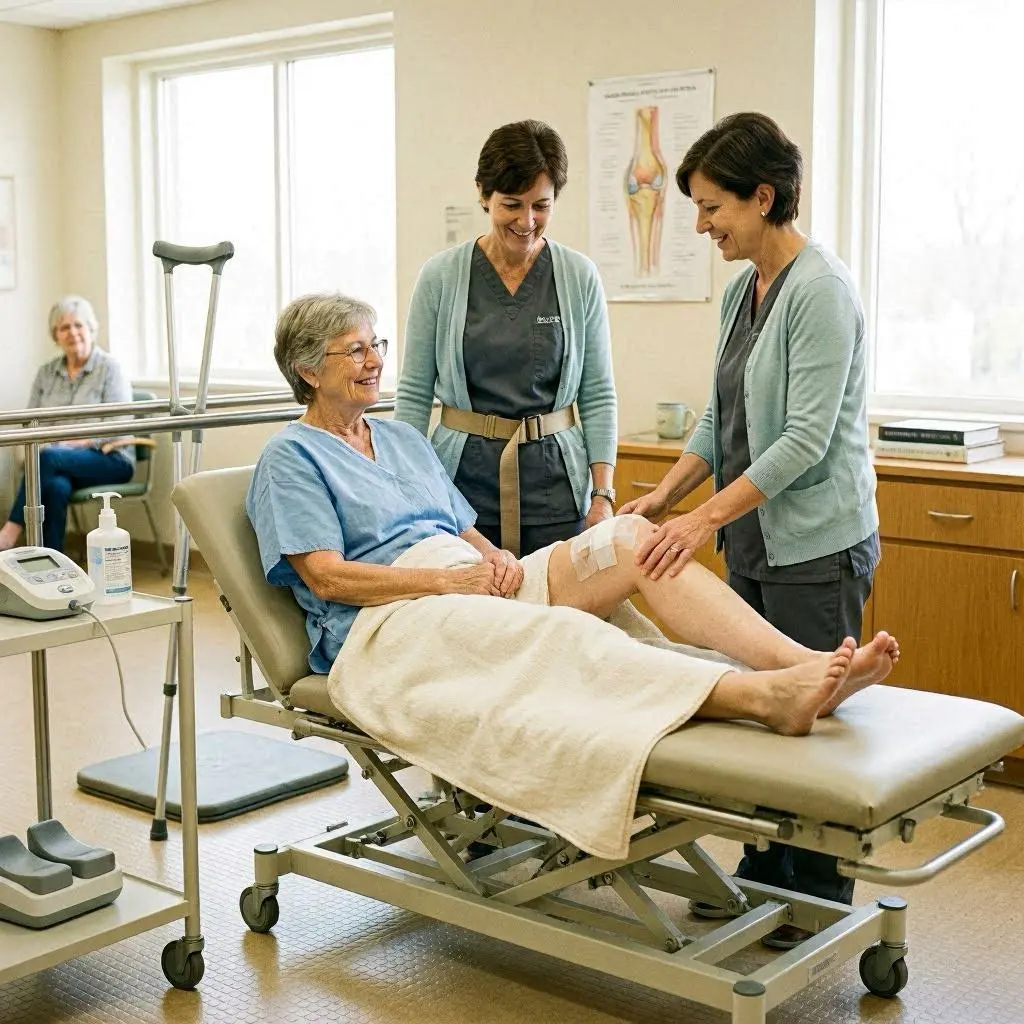
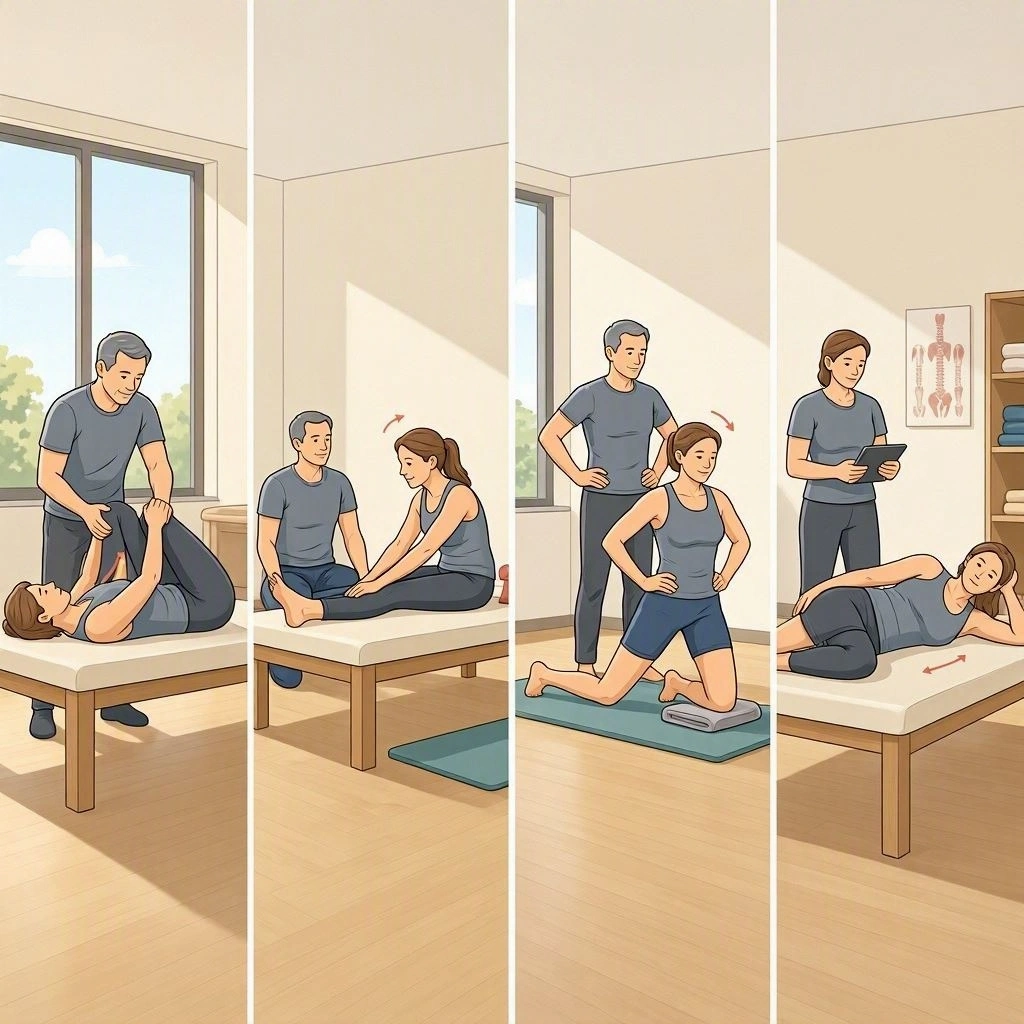
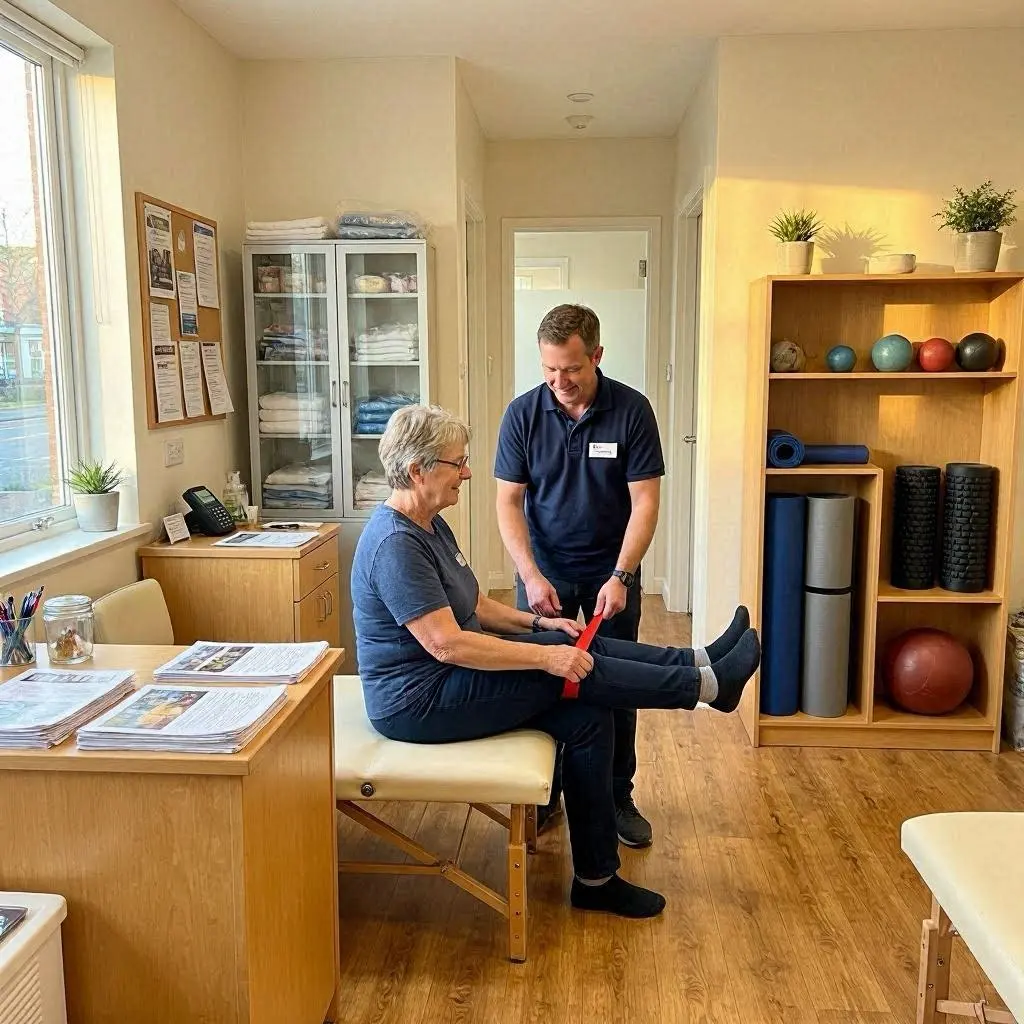
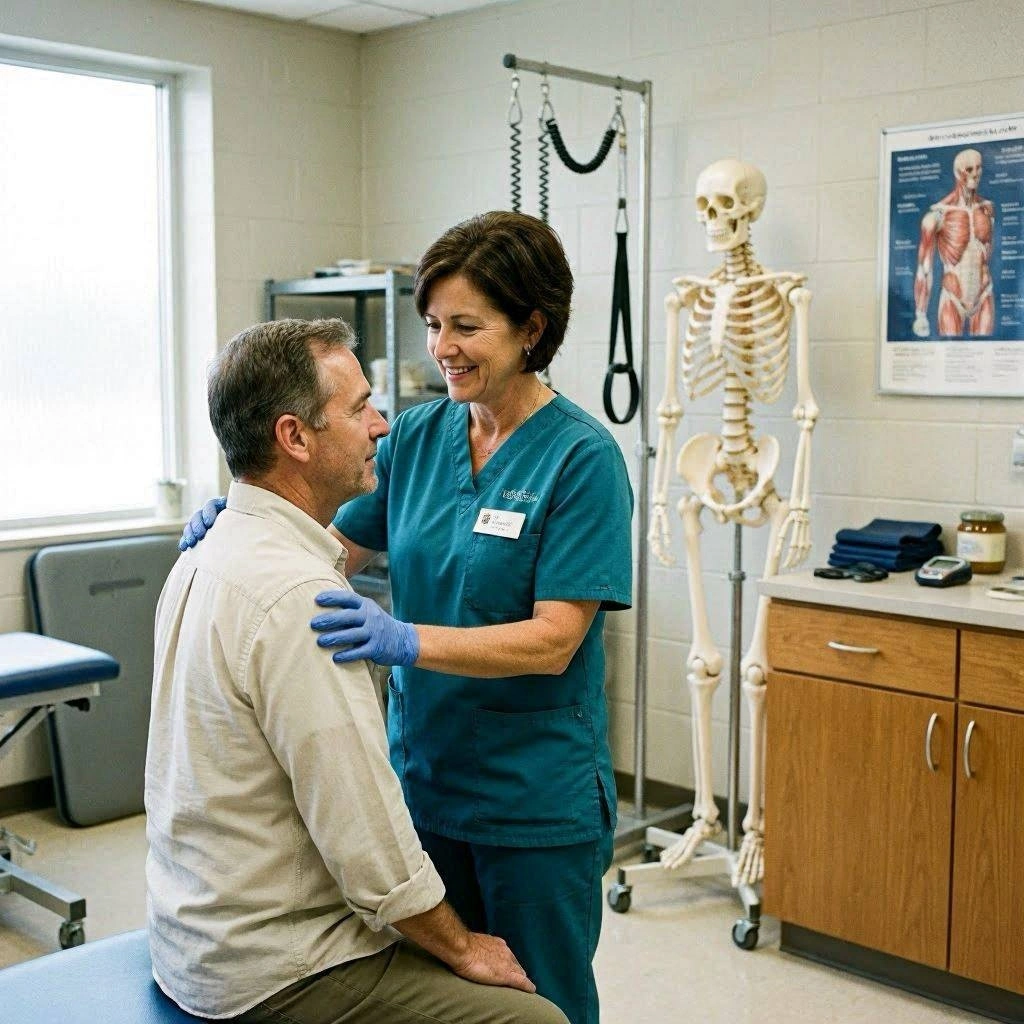
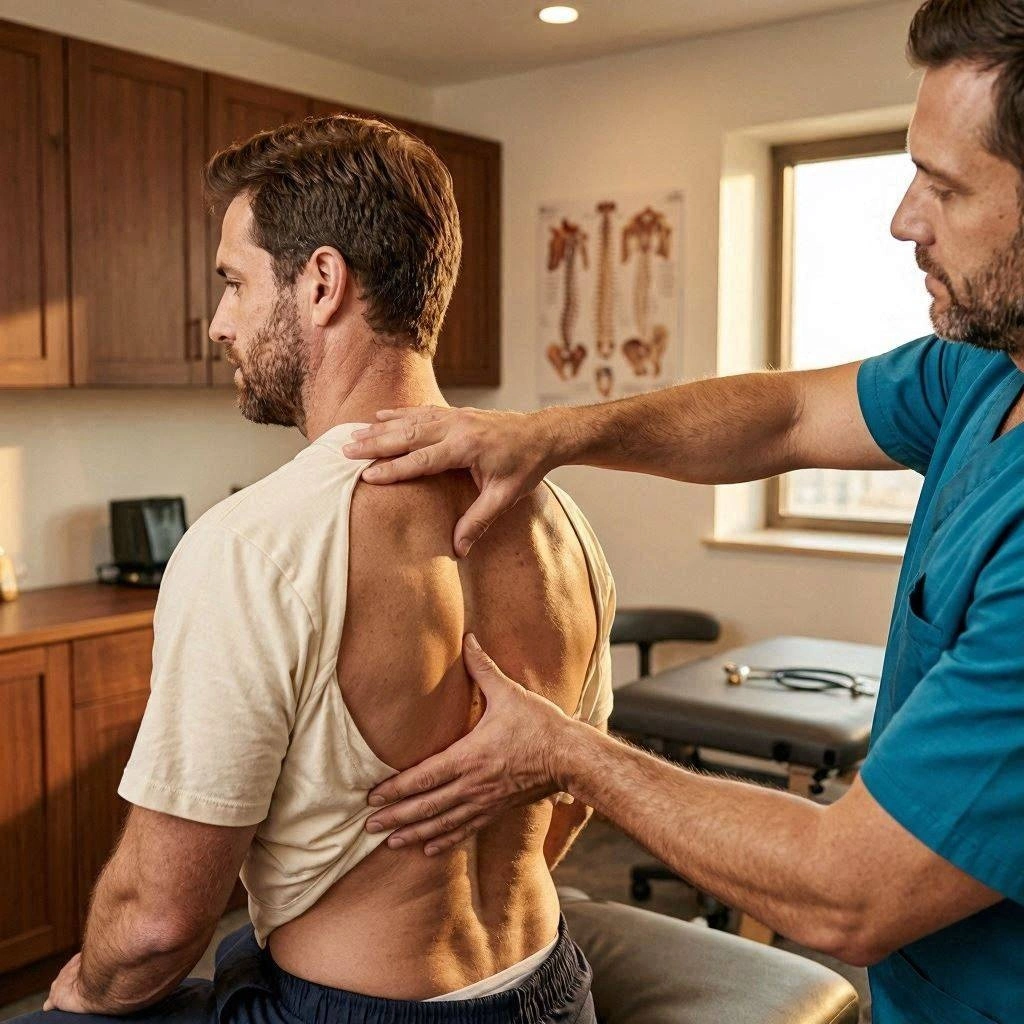
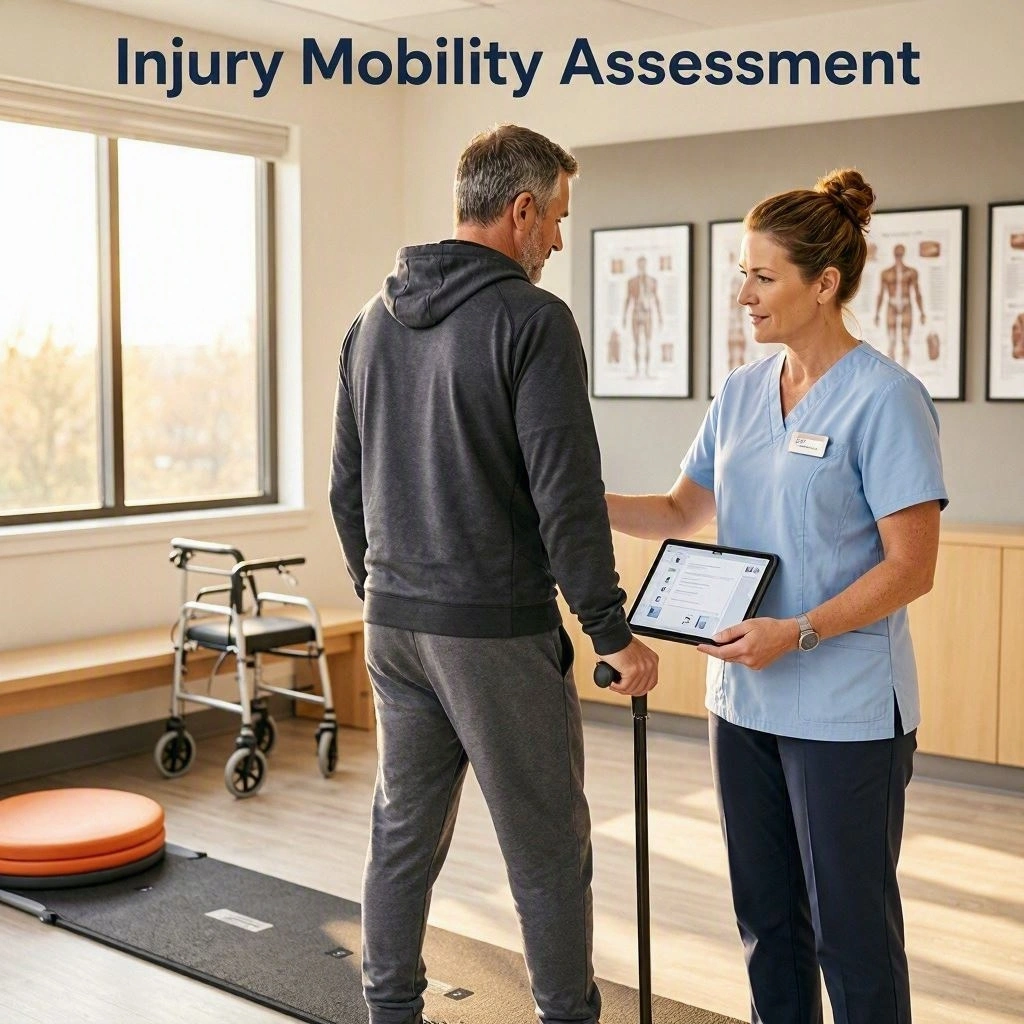
An Injury Mobility Assessment is a structured evaluation of movement following an injury or physical limitation. A qualified professional uses the assessment to examine how well a person can move specific joints and body regions and how the injury may have affected overall function.
The assessment may include several components, such as:
-
Joint range of motion
-
Flexibility
-
Muscle strength
-
Balance
-
Coordination
-
Stability
-
Movement patterns
-
Functional performance
-
Pain response
-
Muscle control
The exact assessment depends on the injury and the person’s goals.
For example, someone recovering from an ankle injury may need an evaluation of ankle mobility, calf flexibility, lower-limb strength, balance, and walking mechanics. In contrast, someone recovering from a shoulder injury may require an assessment of shoulder movement, strength, scapular control, and reaching ability.
The purpose is not simply to measure how far a joint can move. Instead, the goal is to understand how movement limitations affect function and how rehabilitation can address them.
Why Is Injury Mobility Assessment Important?
An injury can change the way the body moves. Sometimes the change is obvious. At other times, a person may feel that something is “not quite right” without understanding the underlying limitation.
A mobility assessment can provide more objective information.
It may help identify:
-
Restricted joint movement
-
Muscle tightness
-
Strength differences
-
Poor balance
-
Reduced stability
-
Compensatory movement
-
Reduced coordination
-
Difficulty performing functional tasks
This information can help guide rehabilitation.
For example, a patient may report difficulty walking after an ankle injury. An assessment could reveal limited ankle dorsiflexion, reduced calf strength, and poor single-leg balance. These findings can influence the rehabilitation plan.
Without an appropriate assessment, a person may focus on the most noticeable symptom while overlooking other factors that affect recovery.
Who Performs an Injury Mobility Assessment?
An Injury Mobility Assessment may be performed by a qualified healthcare or rehabilitation professional, depending on the setting and the individual’s needs.
Professionals who may perform movement and mobility assessments include:
-
Physical therapists
-
Physiotherapists
-
Sports rehabilitation professionals
-
Athletic trainers
-
Other appropriately qualified healthcare professionals
The professional’s scope of practice varies by location and qualification.
A comprehensive assessment should also recognize when a patient needs additional medical evaluation. Rehabilitation professionals may refer patients to physicians or other healthcare providers when symptoms suggest that further investigation is appropriate.
What Happens During an Injury Mobility Assessment?
The process generally begins with a conversation about the injury.
The professional may ask:
-
How did the injury occur?
-
When did symptoms begin?
-
Where do you feel discomfort?
-
Which activities make symptoms worse?
-
Which activities are difficult?
-
Have you received previous treatment?
-
Have you had similar injuries?
-
What activities do you want to return to?
This information provides context for the physical assessment.
The professional may then observe movement and perform specific tests based on the injury.
These tests may examine mobility, strength, balance, coordination, and functional performance.
Medical and Injury History
Understanding the injury history is an important first step.
A professional may want to know whether the injury occurred suddenly or developed gradually.
A sudden injury could result from:
-
A fall
-
A collision
-
A sudden change of direction
-
A lifting incident
-
A sports movement
-
A direct impact
Gradual problems may develop because of repetitive activity, training changes, prolonged physical stress, or other factors.
Previous injuries are also relevant. A person with a history of ankle sprains, for example, may have persistent balance or movement limitations that influence their current condition.
Assessing Joint Range of Motion
Joint range of motion is one of the most common components of an Injury Mobility Assessment.
Range of motion describes how far a joint can move in different directions.
Depending on the body region, a professional may assess:
-
Flexion
-
Extension
-
Rotation
-
Abduction
-
Adduction
-
Internal rotation
-
External rotation
Measurements may be taken actively or passively.
Active Range of Motion
Active range of motion describes how far the person can move a joint using their own muscles.
This can provide information about mobility as well as muscle control, pain, and confidence.
Passive Range of Motion
Passive range of motion occurs when an examiner moves the joint while the patient relaxes.
Comparing active and passive movement can sometimes provide useful information about the source of a movement limitation.
The interpretation depends on the specific injury and assessment findings.
Evaluating Flexibility
Flexibility and mobility are related but not identical.
Flexibility generally refers to the ability of muscles and surrounding tissues to lengthen, while mobility describes the ability to move a joint or body region effectively.
Reduced flexibility can contribute to movement restrictions in some situations.
For example, reduced calf flexibility may affect ankle movement. Tightness around the hip may influence certain lower-body movements.
However, not every mobility limitation is caused by muscle tightness. Joint structure, pain, swelling, weakness, and movement control can also affect mobility.
Therefore, flexibility should be considered alongside other assessment findings.
Muscle Strength Assessment
Strength is an important part of functional movement.
After an injury, people may reduce their use of the affected body part. Pain and inactivity can contribute to reduced muscle capacity.
An Injury Mobility Assessment may therefore include strength testing.
Depending on the injury, the professional may assess:
-
Individual muscle groups
-
Joint-specific strength
-
Single-leg strength
-
Functional strength
-
Endurance
-
Power
For example, after a knee injury, the professional may examine quadriceps and hamstring strength and compare performance between sides.
Strength differences do not automatically indicate a problem, but they can provide useful information when combined with symptoms and functional testing.
Balance and Stability Assessment
Balance is particularly important after lower-limb injuries.
An injured ankle, knee, or hip can affect the body’s ability to maintain stable movement.
Balance assessment may involve:
-
Standing on one leg
-
Maintaining balance with different foot positions
-
Reaching while standing
-
Stepping exercises
-
Controlled changes in direction
-
Dynamic balance tasks
The level of difficulty should match the individual’s condition.
As recovery progresses, balance exercises can become more challenging.
Proprioception and Movement Awareness
Proprioception refers to the body’s ability to sense the position and movement of its joints.
It contributes to coordination and stability.
After certain injuries, proprioceptive control may be affected. This is particularly relevant after some ankle and knee injuries.
A rehabilitation professional may include balance and movement tasks to evaluate how effectively the body responds to changes in position.
This information can help determine whether additional coordination and stability exercises are appropriate.
Assessing Movement Quality
Mobility is not only about how far a person can move.
Movement quality also matters.
A person may have adequate range of motion but still move inefficiently because of weakness, poor coordination, pain, or compensation.
A professional may observe:
-
Walking
-
Squatting
-
Lunging
-
Stepping
-
Reaching
-
Bending
-
Lifting
-
Running
The selected movements depend on the injury and the individual’s goals.
For an athlete, the assessment may eventually include sport-specific movements.
Identifying Compensatory Movement
When one area is painful or restricted, the body may compensate by changing movement elsewhere.
For example, someone with limited ankle mobility may change their squat pattern. Someone with shoulder pain may change how they lift an arm.
Compensation is not necessarily harmful in every situation. The body naturally adapts to physical limitations.
However, persistent compensation can become relevant when it affects function, increases physical demands on another region, or prevents normal movement from returning.
An Injury Mobility Assessment can help identify these patterns.
Pain Assessment During Mobility Testing
Pain is an important part of a mobility assessment.
The professional may ask:
-
Where do you feel pain?
-
What movement causes it?
-
When does it begin?
-
Does it stop when the movement stops?
-
Does the discomfort change with repetition?
Pain should always be interpreted in context.
A particular movement may feel uncomfortable because of stiffness, tissue sensitivity, weakness, or other factors.
The goal of assessment is to understand the relationship between symptoms and movement rather than assuming that every painful movement represents structural damage.
Swelling and Its Effect on Mobility
Swelling can restrict movement after some injuries.
For example, swelling around an injured ankle or knee may make bending the joint more difficult.
A rehabilitation professional may consider swelling when interpreting range-of-motion results.
As swelling decreases and movement improves, mobility measurements may change.
Persistent or unusual swelling should be discussed with an appropriate healthcare professional, particularly when the cause is uncertain.
Functional Mobility Assessment
Functional mobility refers to the ability to perform movements required for everyday life.
A person may have reasonable joint mobility during an isolated test but struggle with real-world tasks.
Functional testing may therefore include:
-
Getting up from a chair
-
Walking
-
Climbing stairs
-
Squatting
-
Stepping over obstacles
-
Carrying objects
-
Reaching
-
Changing direction
The tests should reflect the patient’s goals and physical requirements.
For example, someone whose job requires frequent lifting may need functional lifting assessment. An athlete may need sport-specific testing.
Injury Mobility Assessment for Athletes
Athletes often require more detailed mobility and movement evaluation because sports involve high physical demands.
A recreational runner and a professional basketball player may both have knee injuries, but their rehabilitation requirements can be very different.
An athletic mobility assessment may examine:
-
Joint mobility
-
Strength
-
Balance
-
Running mechanics
-
Jumping
-
Landing
-
Acceleration
-
Deceleration
-
Change of direction
-
Sport-specific movement
As rehabilitation progresses, assessments can help determine whether the athlete is ready to increase training demands.
Injury Mobility Assessment for Workplace Injuries
Work-related injuries can affect a person’s ability to perform specific physical tasks.
For example, a warehouse worker may need to lift, carry, bend, push, and pull.
An office worker may experience limitations related to prolonged sitting, reaching, or repetitive upper-body movement.
A mobility assessment can help identify functional limitations and guide rehabilitation toward the activities required for work.
Returning to work should be based on the individual’s condition and appropriate professional guidance.
Post-Surgical Mobility Assessment
Surgery can temporarily affect mobility, strength, and function.
The rehabilitation process following surgery should respect medical restrictions and tissue healing.
An assessment may track:
-
Joint range of motion
-
Strength
-
Swelling
-
Functional movement
-
Balance
-
Walking ability
-
Activity tolerance
The timing and type of assessment depend on the surgical procedure.
Patients should follow the instructions provided by their surgeon and rehabilitation team.
Mobility Assessment for Older Adults
Mobility is particularly important for maintaining independence as people age.
An Injury Mobility Assessment for an older adult may consider:
-
Walking ability
-
Balance
-
Strength
-
Joint movement
-
Transfers
-
Stair climbing
-
Functional endurance
The assessment can help identify limitations that affect everyday independence.
Safety should always be considered during mobility testing.
How Mobility Assessment Supports Rehabilitation Planning
One of the primary purposes of assessment is to guide treatment.
Suppose an assessment identifies:
-
Limited joint mobility
-
Reduced muscle strength
-
Poor balance
-
Difficulty with a functional task
The rehabilitation program can address each limitation progressively.
The program may include:
-
Mobility exercises
-
Strength training
-
Balance exercises
-
Functional movement
-
Conditioning
-
Education
As the patient improves, the assessment findings can be reassessed.
Creating an Individualized Rehabilitation Plan
There is no universal exercise program for every injury.
An individualized plan considers:
-
Injury type
-
Injury severity
-
Current symptoms
-
Mobility limitations
-
Strength
-
Physical activity
-
Work requirements
-
Sports demands
-
Personal goals
For example, a person recovering from a mild ankle sprain may need a different program from someone recovering from a complex knee injury.
Individualization also allows exercise difficulty to change as recovery progresses.
Mobility Exercises After Injury
Mobility exercises can help address movement restrictions when they are appropriate for the condition.
Examples may include:
-
Controlled joint movements
-
Active range-of-motion exercises
-
Gentle stretching
-
Dynamic mobility
-
Functional movement drills
Exercises should be selected according to the assessment.
A movement that is appropriate for one injury may not be suitable for another.
Strengthening and Mobility
Mobility and strength often work together.
A person may have enough passive range of motion but lack the strength or control needed to use that range effectively.
For this reason, rehabilitation may combine mobility exercises with strengthening.
For example, a patient recovering from an ankle injury may work on ankle mobility while also strengthening the calf and lower-leg muscles.
This approach can help connect isolated mobility with functional movement.
Progressive Rehabilitation
Rehabilitation should usually progress gradually.
Early exercises may focus on controlled movement and basic strength.
Later exercises can become more demanding.
Progression may involve:
-
Greater resistance
-
More repetitions
-
Larger ranges of motion
-
Increased speed
-
More complex movements
-
Greater balance demands
-
Sport-specific activity
The correct progression depends on the individual’s response.
Reassessment During Recovery
An Injury Mobility Assessment can be repeated during rehabilitation.
Reassessment allows the professional to compare current performance with earlier findings.
Changes may include:
-
Increased range of motion
-
Improved strength
-
Better balance
-
Reduced movement limitations
-
Improved functional performance
-
Greater exercise tolerance
Objective reassessment can help demonstrate progress that may not be obvious from day to day.
Mobility Assessment and Return to Sport
Returning to sport should involve more than simply asking whether pain has improved.
Athletes may need sufficient:
-
Strength
-
Mobility
-
Stability
-
Balance
-
Endurance
-
Power
-
Coordination
-
Sport-specific capacity
A mobility assessment can contribute to this decision-making process.
However, return-to-sport decisions should be individualized and based on the complete clinical picture.
Mobility Assessment and Injury Prevention
Mobility assessment may also identify factors that could contribute to future problems.
For example, an assessment may reveal:
-
Significant strength differences
-
Poor movement control
-
Reduced mobility
-
Poor balance
-
Limited physical conditioning
These findings do not guarantee that an injury will occur.
However, addressing modifiable limitations can support better physical preparation.
Common Mobility Assessment Mistakes
Focusing Only on Flexibility
Mobility is more than flexibility.
Strength, joint function, coordination, and stability also matter.
Testing Without Considering the Injury
Assessment should be appropriate for the individual’s condition.
Aggressive testing can be inappropriate during certain stages of recovery.
Comparing Everyone With the Same Standard
People have different bodies, activities, and physical requirements.
The goal should be meaningful function rather than an arbitrary measurement.
Ignoring Functional Movement
A person may perform well during an isolated test but struggle with daily or athletic activities.
Functional assessment provides additional information.
Progressing Too Quickly
Improved mobility does not automatically mean that the body is ready for high-intensity activity.
Physical capacity should increase progressively.
How to Prepare for an Injury Mobility Assessment
Preparation is generally simple.
Wear comfortable clothing that allows the professional to observe movement.
It can also help to bring relevant medical information, including details about:
-
Previous treatment
-
Imaging
-
Surgery
-
Medications
-
Previous injuries
Be prepared to explain which activities cause symptoms and which activities you want to return to.
Honest communication helps the professional create a more accurate picture of your condition.
Questions to Ask During Your Assessment
Patients may benefit from asking questions such as:
-
What movement limitations did you identify?
-
Is my strength reduced?
-
Are there differences between sides?
-
Which exercises should I perform?
-
Which activities should I temporarily modify?
-
How will we measure progress?
-
When can I increase activity?
-
What signs should make me seek further medical care?
Understanding the assessment results can make rehabilitation easier to follow.
How Often Should Mobility Be Assessed?
There is no single schedule that applies to everyone.
The frequency depends on:
-
Injury type
-
Recovery stage
-
Treatment plan
-
Functional goals
-
Progress
-
Changes in symptoms
Some patients may benefit from reassessment at key stages of recovery, while others may need more frequent monitoring.
The rehabilitation professional can determine an appropriate schedule.
Benefits of an Injury Mobility Assessment
A comprehensive assessment may provide several benefits.
Better Understanding of the Injury
It can help identify how the injury affects movement and function.
Individualized Treatment
Assessment findings can guide exercise selection and progression.
Objective Progress Tracking
Measurements can provide evidence of physical changes over time.
Improved Functional Recovery
The assessment can help connect rehabilitation exercises with real-life activities.
Safer Return to Activity
A structured evaluation can help determine whether physical capacity is improving before activity demands increase.
When Should You Seek Professional Assessment?
Consider professional evaluation when an injury affects your ability to move normally or perform everyday activities.
Assessment may be particularly useful when:
-
Pain persists
-
Mobility remains restricted
-
Strength has decreased
-
You have repeated injuries
-
You are unsure how to return to exercise
-
You are recovering from surgery
-
You need to return to sports
-
Your normal activities remain difficult
Persistent or worsening symptoms deserve appropriate professional attention.
When Urgent Medical Evaluation May Be Necessary
An Injury Mobility Assessment is not a replacement for emergency medical care.
Urgent evaluation may be necessary after major trauma or when symptoms include severe pain, significant deformity, uncontrolled bleeding, loss of consciousness, sudden neurological symptoms, or an inability to use a limb following significant injury.
When the cause of severe symptoms is uncertain, medical evaluation should take priority.
Frequently Asked Questions
What is an Injury Mobility Assessment?
An Injury Mobility Assessment is a structured evaluation of movement and physical function after an injury. It may examine range of motion, flexibility, strength, balance, coordination, stability, and functional movement.
Why is mobility assessment important after an injury?
An assessment can identify movement limitations and physical deficits that may affect recovery. The findings can help guide an individualized rehabilitation program.
Is a mobility assessment painful?
Some movements may reproduce mild or temporary discomfort, depending on the injury. A qualified professional should adjust testing appropriately and avoid unnecessarily aggravating the condition.
What does a mobility assessment measure?
It may measure joint range of motion, flexibility, strength, balance, stability, coordination, movement quality, and functional performance.
Can a mobility assessment help prevent reinjury?
It may help identify modifiable physical limitations such as weakness, poor balance, or movement-control problems. Addressing these factors may support safer return to activity.
Do athletes need mobility assessments?
Athletes may benefit from detailed assessments because sports often require high levels of mobility, strength, balance, coordination, and sport-specific physical capacity.
Can mobility assessment be performed after surgery?
Yes, rehabilitation professionals may assess mobility after surgery when medically appropriate. The timing and type of assessment should follow surgical precautions and rehabilitation guidelines.
How long does an Injury Mobility Assessment take?
The duration varies according to the injury and the number of areas being evaluated. A comprehensive assessment may include an interview, physical testing, movement observation, and functional evaluation.
Can I perform a mobility assessment at home?
Basic movement observations can be useful, but a professional assessment is more appropriate when you have an injury, persistent symptoms, or significant functional limitations.
What happens after a mobility assessment?
The professional may explain the findings and develop a rehabilitation plan that can include mobility exercises, strengthening, balance training, functional movement, and gradual return to activity.
Final Thoughts
An Injury Mobility Assessment can be an important part of a structured recovery process. Injuries can affect more than the area where pain is felt. They may also influence joint mobility, muscle strength, balance, coordination, stability, and everyday movement.
A comprehensive assessment helps identify these changes and provides useful information for developing an individualized rehabilitation strategy.
The assessment may include range-of-motion testing, flexibility evaluation, strength testing, balance exercises, movement observation, and functional activities. For athletes and physically demanding occupations, the evaluation may eventually include more specific movements that reflect real-world requirements.
Recovery should progress gradually. Improving mobility is valuable, but the body also needs adequate strength, control, endurance, and confidence before returning to demanding activities.
If an injury continues to limit movement, causes persistent symptoms, or makes it difficult to return to normal activities, working with a qualified rehabilitation professional can provide useful guidance. With appropriate assessment, progressive exercise, and individualized care, patients can work toward restoring physical function and returning to the activities that matter most to them.