Sciatic Nerve Pain Treatment: Complete Guide to Relief and Recovery
Sciatic nerve pain can make everyday activities surprisingly difficult. Walking, sitting, sleeping, working, exercising, and even getting out of bed may become uncomfortable when pain travels from the lower back or buttock into the leg. Some people describe the sensation as sharp, burning, shooting, or electric. Others experience tingling, numbness, or weakness along the affected leg. Finding the right Sciatic Nerve Pain Treatment depends on the underlying cause, severity of symptoms, duration of the problem, and the way your body responds to movement and rehabilitation. Fortunately, many people improve with conservative treatment and gradual activity. In many cases, treatment focuses on managing symptoms while allowing the irritated nerve to settle and restoring normal movement.
This comprehensive guide explains what causes sciatic nerve pain, how healthcare professionals assess it, which treatments can help, what exercises may support recovery, and when medical attention becomes necessary.
What Is Sciatic Nerve Pain?
Sciatic nerve pain describes symptoms associated with irritation or compression of the sciatic nerve or one of the nerve roots that contribute to it.
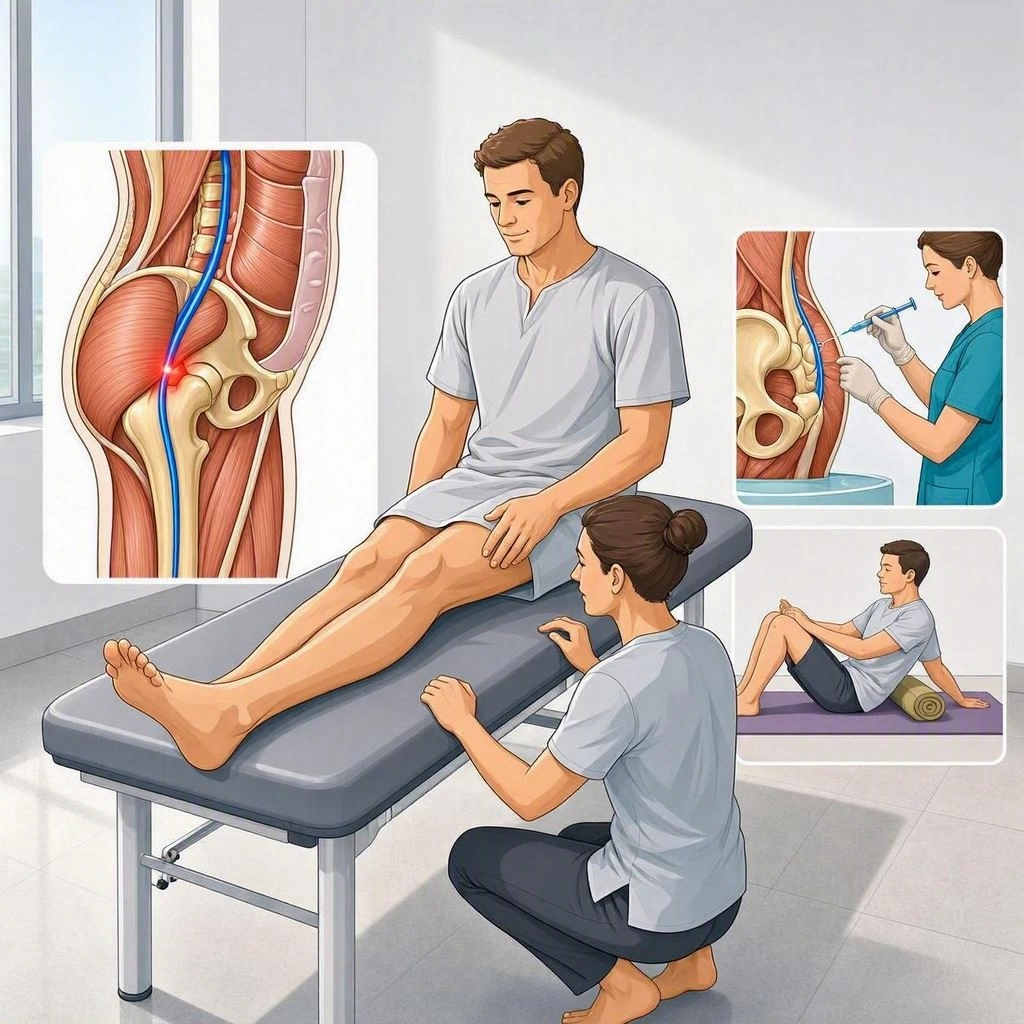
The sciatic nerve is one of the largest nerves in the human body. It begins from nerve roots in the lower spine and travels through the buttocks and down the leg. Because of its size and pathway, irritation near the lower spine can produce symptoms far away from the original source.
For example, a person may have a problem involving a disc in the lower back but feel most of the discomfort in the buttock, thigh, calf, foot, or toes.
Typical symptoms can include:
-
Sharp or shooting pain
-
Burning pain
-
Pain traveling down the leg
-
Tingling or pins and needles
-
Numbness
-
Muscle weakness
-
Increased symptoms during certain movements
-
Difficulty sitting comfortably
-
Difficulty walking or standing for long periods
Sciatic symptoms commonly affect one side. However, symptoms affecting both legs, particularly when combined with significant weakness or changes in bladder or bowel function, require urgent medical assessment.
What Causes Sciatic Nerve Pain?
Several conditions can irritate or compress the structures around the spinal nerves.
Herniated Disc
A herniated or slipped disc represents one of the most common causes of sciatica.
Between the bones of the spine sit discs that provide cushioning and allow movement. If the outer portion of a disc develops a tear or weakness, some of the inner material can push outward.
When that disc material irritates a nearby nerve root, symptoms can travel along the nerve pathway into the leg.
A herniated disc does not always cause symptoms. In fact, some people have disc changes without experiencing pain. Therefore, healthcare professionals consider the combination of symptoms, examination findings, and medical history rather than relying on an imaging result alone.
Spinal Stenosis
Spinal stenosis occurs when the spaces available for nerves become narrower.
Age-related changes in the spine can contribute to this narrowing. Some people develop leg pain, numbness, or weakness, particularly when standing or walking.
The exact symptoms depend on which nerves become affected and how much pressure or irritation occurs.
Spondylolisthesis
Spondylolisthesis occurs when one vertebra shifts in relation to another.
In some cases, this movement can reduce the available space around a nerve and contribute to sciatic symptoms.
Back Injury
A significant injury can affect muscles, joints, discs, or other structures around the spine. In some situations, an injury can also irritate a spinal nerve.
Sciatic symptoms following major trauma deserve medical evaluation, particularly when weakness, numbness, or difficulty walking develops.
Age-Related Changes
The spine naturally changes as people age. Discs can lose some of their height and flexibility, while joints and other structures may also change.
These changes do not automatically cause pain. However, they can contribute to conditions that irritate spinal nerves.
Sciatic Nerve Pain Symptoms
Recognizing the pattern of symptoms can help healthcare professionals determine whether the pain may involve the sciatic nerve.
Common symptoms include pain that travels from the lower back or buttock into the back or side of the leg. The pain may continue toward the calf, ankle, foot, or toes.
You may also experience:
Burning or Electric Pain
Nerve-related pain can feel different from ordinary muscle soreness. Some people describe it as burning, electric, stabbing, or shooting.
Tingling
Tingling may feel like pins and needles. It can occur in the buttock, leg, foot, or toes.
Numbness
Nerve irritation can reduce sensation in part of the leg or foot.
Weakness
Some people experience reduced strength in the leg or foot. Weakness deserves particular attention because it can indicate significant nerve involvement.
Movement-Related Symptoms
Symptoms may increase during certain movements. Coughing, sneezing, bending, sitting, or other activities can sometimes aggravate sciatic pain.
However, symptom patterns vary. Therefore, you should not attempt to diagnose the underlying condition based on one symptom alone.
How Is Sciatic Nerve Pain Diagnosed?
A healthcare professional usually begins with a detailed history and physical examination.
During the assessment, they may ask:
-
When did the symptoms begin?
-
Where does the pain travel?
-
Is one leg affected or both?
-
Do you have numbness?
-
Do you have tingling?
-
Have you noticed weakness?
-
What movements increase your symptoms?
-
Can you walk normally?
-
Can you perform your usual activities?
-
Have you experienced an injury?
-
Have you noticed bladder or bowel changes?
The clinician may then assess your:
-
Muscle strength
-
Reflexes
-
Sensation
-
Walking pattern
-
Spinal movement
-
Leg movement
-
Functional abilities
Imaging does not always become necessary.
In many cases, a healthcare professional can assess sciatica using symptoms and physical examination. An MRI or other imaging test may become appropriate when symptoms persist, neurological problems appear, a serious condition needs investigation, or a specialist needs more information before considering an intervention.
Sciatic Nerve Pain Treatment at Home
Many people can begin with conservative self-management.
The goal is not simply to eliminate pain immediately. Instead, effective self-care aims to control symptoms, maintain movement, prevent unnecessary deconditioning, and gradually return to normal activities.
Stay Active
One of the most important principles of Sciatic Nerve Pain Treatment involves staying appropriately active.
When pain becomes intense, you may naturally want to remain in bed or sit in one position. However, prolonged inactivity can make it harder to return to normal movement.
Instead, try to maintain comfortable activity throughout the day.
You might:
-
Take short walks
-
Change positions regularly
-
Perform gentle movements
-
Continue light household activities
-
Take movement breaks during work
-
Gradually increase activity
You do not need to ignore severe pain. Rather, use a gradual approach that respects your symptoms while avoiding unnecessary inactivity.
Avoid Long Periods of Sitting
Sitting for hours can aggravate symptoms in some people.
If your job requires prolonged sitting, stand up and move regularly.
You can also alternate between sitting and standing when practical.
Rather than searching for a perfect posture that you must maintain all day, focus on changing positions frequently and avoiding prolonged static positions.
Try Heat
A heat pack may help reduce discomfort or muscle stiffness.
Apply comfortable warmth to the painful area and protect your skin. If numbness affects the area, take extra care because reduced sensation can make it difficult to recognize excessive heat.
Pace Your Activities
Pacing means balancing activity and recovery.
For example, if cleaning your home for 30 minutes causes a significant flare-up, divide the task into shorter periods.
Likewise, if walking for 20 minutes causes substantial symptoms, begin with a shorter duration and gradually build your tolerance.
Pacing can help you remain active without repeatedly overloading your current capacity.
Exercise for Sciatic Nerve Pain Treatment
Exercise often plays an important role in recovery.
NICE recommends considering exercise programs for people with low back pain with or without sciatica. The specific exercise approach should take individual needs, preferences, and capabilities into account.
There is no single exercise that works for everyone.
Instead, the best program usually matches your symptoms, current fitness, movement tolerance, and recovery stage.
Walking
Walking provides a simple starting point for many people.
Begin with a comfortable distance. You can then gradually increase your walking time as your symptoms allow.
Short walks throughout the day may feel more manageable than one long walk.
Gentle Mobility
Gentle mobility exercises can help you maintain movement while your symptoms settle.
Depending on your presentation, a physiotherapist may recommend movements involving:
-
The lower back
-
Hips
-
Pelvis
-
Legs
-
Ankles
Avoid forcing a movement into severe pain.
Core Strengthening
Once your symptoms allow, strengthening the trunk can help improve overall movement capacity.
A rehabilitation program might include exercises such as:
-
Modified abdominal exercises
-
Bird-dog exercises
-
Glute bridges
-
Controlled sit-to-stand movements
-
Modified squats
-
Pelvic control exercises
Start with an appropriate level and progress gradually.
Hip Strengthening
Strong hip muscles can support efficient lower-body movement.
Exercises may include:
-
Glute bridges
-
Side-lying leg exercises
-
Resistance-band exercises
-
Step-ups
-
Controlled squats
Your physiotherapist can adjust the exercise selection according to your symptoms.
Stretching
Some people find gentle stretching comfortable. However, aggressive stretching can aggravate nerve-related symptoms.
For that reason, avoid forcing a stretch.
If a movement causes increasing leg pain, numbness, tingling, or weakness, stop and discuss it with a healthcare professional.
Physiotherapy for Sciatic Nerve Pain
Physiotherapy can provide valuable support when sciatic nerve pain interferes with movement or daily life.
A physiotherapist can assess your symptoms and create a personalized rehabilitation plan.
Treatment may involve:
-
Exercise therapy
-
Strength training
-
Mobility exercises
-
Movement education
-
Activity modification
-
Manual therapy
-
Functional rehabilitation
-
Advice about work and daily activities
The emphasis often changes throughout recovery.
During an acute flare, treatment may focus on symptom management and comfortable movement. Later, the focus can shift toward strength, endurance, mobility, work capacity, and return to sport.
Why Individualized Treatment Matters
Two people can have similar pain but very different physical limitations.
One person may struggle mainly with sitting. Another may have difficulty walking. Someone else may experience weakness during specific movements.
Therefore, a personalized treatment plan can address the problems that actually limit your daily life.
Manual Therapy and Massage
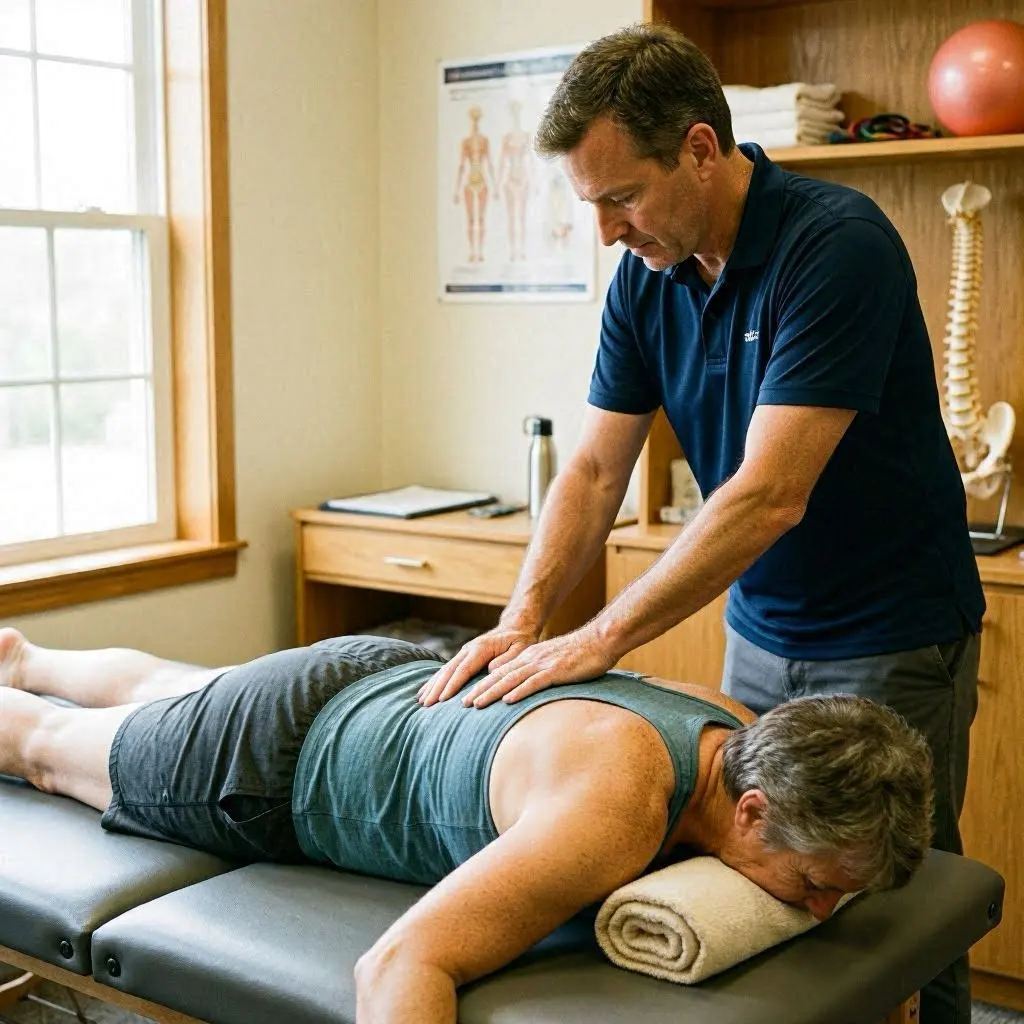
Manual therapy may include mobilization, soft-tissue techniques, or massage.
Some people experience temporary symptom relief after hands-on treatment. However, manual therapy should not become the only part of rehabilitation.
NICE recommends manual therapy for low back pain with or without sciatica only as part of a broader treatment package that includes exercise.
Therefore, hands-on treatment can support an active rehabilitation program rather than replace it.
Massage may also help some people feel more comfortable when muscle tension contributes to their symptoms. Nevertheless, massage cannot correct every possible cause of nerve irritation.
Medication for Sciatic Nerve Pain
Medication may help some people manage pain while they continue appropriate activity.
However, medication choices depend on your medical history, other medications, age, allergies, kidney or liver health, stomach problems, cardiovascular risks, and other factors.
For that reason, speak with a pharmacist or doctor before starting medication, particularly if you take other medicines.
Anti-Inflammatory Medication
Healthcare professionals may consider non-steroidal anti-inflammatory drugs, or NSAIDs, in selected situations.
However, NICE highlights the need to consider potential gastrointestinal, liver, cardiovascular, and kidney-related risks. When NSAIDs are appropriate for low back pain, the guideline recommends using the lowest effective dose for the shortest appropriate period.
Do not assume that an over-the-counter medicine is automatically safe for you.
Other Medications
Some medications may be considered depending on the type and severity of pain.
However, certain medications can produce significant side effects or dependence risks. Therefore, medication decisions should involve an appropriate healthcare professional.
Heat and Cold for Sciatic Nerve Pain
Heat and cold can both provide temporary comfort for some people.
Heat may help reduce muscle stiffness and make movement feel easier.
Cold may provide temporary relief after certain activities.
Neither approach directly fixes every underlying cause of sciatic nerve irritation.
Therefore, consider heat or cold as symptom-management tools rather than complete treatments.
Sleeping With Sciatic Nerve Pain
Sciatic pain can interfere with sleep, especially during an acute flare.
Try different positions and identify the arrangement that allows you to sleep comfortably.
Some people prefer side sleeping with support between the knees. Others prefer sleeping on their back with support under the knees.
You do not need to force yourself into one specific sleeping position.
Instead, focus on comfort, adequate sleep, and avoiding positions that consistently increase symptoms.
Sciatic Nerve Pain Treatment at Work
Your work environment can influence your symptoms.
If you sit at a desk, take regular movement breaks. Adjust your workstation so that you can work comfortably without remaining in one position for prolonged periods.
If your job involves physical labor, discuss temporary modifications if necessary.
Potential adjustments may include:
-
Reduced lifting
-
Modified duties
-
More frequent breaks
-
Reduced repetitive bending
-
Temporary changes to working hours
-
A gradual return to full duties
The right approach depends on your occupation and symptoms.
A physiotherapist or occupational health professional can help you plan practical modifications.
Sciatic Nerve Pain Treatment for Athletes
Athletes often want to return to training quickly.
However, returning too aggressively can increase symptoms and make rehabilitation more difficult.
A gradual progression usually works better.
Your rehabilitation may move through stages such as:
-
Comfortable daily movement
-
Walking or low-impact cardiovascular exercise
-
Basic strengthening
-
Sport-specific movement
-
Higher-intensity training
-
Full sports participation
You should progress according to symptoms, strength, movement control, and functional tolerance rather than simply following a calendar.
What Exercises Should You Avoid?
There is no universal list of exercises that every person with sciatic nerve pain must avoid.
Instead, pay attention to your individual response.
Be cautious with activities that repeatedly increase:
-
Leg pain
-
Tingling
-
Numbness
-
Weakness
-
Symptoms that continue to worsen after exercise
Potentially aggravating activities can include heavy lifting, sudden twisting, aggressive stretching, or high-impact activity during a significant flare.
However, an activity that aggravates one person may feel comfortable for another.
That is why individualized assessment remains valuable.
Can Sciatic Nerve Pain Improve Without Surgery?
Yes.
Many people recover without surgery.
Conservative treatment can include:
-
Maintaining appropriate activity
-
Exercise
-
Physiotherapy
-
Pain-management strategies
-
Lifestyle adjustments
-
Gradual return to normal activities
The NHS notes that sciatica often improves over several weeks to several months, although symptoms can sometimes last longer.
Therefore, the presence of sciatic pain does not automatically mean that you need an operation.
When Should You Get Professional Help?
You should arrange a medical or physiotherapy assessment when:
-
Symptoms persist for several weeks
-
Pain continues to worsen
-
Symptoms significantly affect daily activities
-
Numbness persists
-
Weakness develops
-
You cannot exercise or walk normally
-
Home management does not provide improvement
-
You are unsure about the cause
Professional assessment can help determine whether you need physiotherapy, medication advice, imaging, specialist evaluation, or another form of treatment.
When Are Injections Used?
Doctors may consider injections for selected people with severe sciatica that has not improved adequately with conservative treatment.
An epidural injection may provide temporary pain relief in some situations and can potentially make rehabilitation easier.
However, injections do not suit everyone.
A specialist should consider the diagnosis, severity, duration of symptoms, neurological findings, and previous treatment before recommending an injection.
When Is Surgery Considered?
Surgery does not represent the first treatment for most people with sciatica.
However, a specialist may consider surgery when severe symptoms persist despite appropriate non-surgical management and a treatable structural problem has been identified.
Decompression surgery aims to relieve pressure on a spinal nerve.
Doctors may consider factors such as:
-
Persistent severe leg pain
-
Significant neurological problems
-
A confirmed structural cause
-
Failure of appropriate conservative treatment
-
Functional limitations
-
Overall health
The decision should involve a discussion of potential benefits, risks, and alternatives.
How Long Does Sciatic Nerve Pain Last?
Recovery time varies considerably.
Some people improve within several weeks. Others experience symptoms for several months.
Factors that may influence recovery include:
-
Cause of nerve irritation
-
Severity of symptoms
-
Presence of weakness
-
Extent of nerve irritation
-
Activity level
-
General health
-
Work demands
-
Previous episodes
-
Response to treatment
Instead of measuring recovery only by pain intensity, look for functional improvements.
For example, you may notice that:
-
You can walk farther
-
You can sit longer
-
You sleep better
-
You can return to work
-
You can exercise more comfortably
-
You need fewer breaks
-
Your leg feels stronger
These improvements can indicate meaningful progress even if some pain remains.
How to Prevent Future Sciatic Nerve Pain
You cannot guarantee that sciatica will never return. However, several habits may support long-term spinal and physical health.
Stay Active
Regular physical activity helps maintain strength and general fitness.
Choose activities that you enjoy because consistency matters.
Walking, swimming, cycling, resistance training, and other suitable activities can contribute to an active lifestyle.
Strengthen Your Muscles
A balanced strengthening program can improve your physical capacity.
You can gradually strengthen the:
-
Core
-
Hips
-
Legs
-
Back
-
Shoulders
The goal is not to create a perfect body position. Instead, build a body that can tolerate everyday demands.
Learn Safe Lifting Techniques
When lifting heavy objects, avoid unnecessary twisting and sudden movements.
Keep the load close to your body when practical, and ask for assistance when the object is too heavy or awkward.
Break Up Long Sitting Periods
If you work at a computer, do not remain seated for hours without moving.
Stand up, walk briefly, stretch gently, or change positions throughout the day.
Maintain a Healthy Lifestyle
Sleep, physical activity, nutrition, stress management, and smoking habits can all influence general health.
A healthy lifestyle cannot guarantee that sciatica will never return, but it can support your overall physical capacity and recovery.
Sciatic Nerve Pain and Stress
Persistent pain can affect more than your physical body.
People with ongoing pain may become frustrated, worried about movement, or afraid that exercise will cause additional damage.
These concerns can sometimes lead to avoidance of normal activities.
A balanced rehabilitation program can help you gradually rebuild confidence in movement.
For persistent pain, healthcare professionals may also consider psychological approaches as part of a broader treatment program, particularly when psychological or social barriers interfere with recovery.
This does not mean that the pain is imaginary.
Instead, pain involves the interaction of the nervous system, physical condition, emotions, sleep, stress, and environment.
Addressing these factors can support a more complete recovery strategy.
Common Mistakes During Sciatic Nerve Recovery
Several habits can make recovery more difficult.
Staying in Bed for Too Long
Rest may feel attractive during severe pain, but prolonged inactivity can reduce strength and mobility.
Instead, use comfortable movement whenever possible.
Returning to Exercise Too Quickly
You may feel better one day and decide to return immediately to your previous training level.
However, your tissues and nervous system may not yet tolerate that workload.
Progress gradually.
Avoiding All Movement
Fear of movement can create a cycle of inactivity and reduced physical capacity.
Instead, work with a professional if you are unsure which movements are appropriate.
Relying Only on Massage
Massage may provide temporary comfort, but it does not replace active rehabilitation.
Combine symptom management with exercise and gradual activity when appropriate.
Ignoring Weakness
Pain can feel overwhelming, but weakness deserves particular attention.
If you notice new or worsening weakness, seek professional assessment.
When Sciatic Nerve Pain Becomes an Emergency
Most cases of sciatica are not emergencies. However, certain symptoms can indicate serious nerve compression.
Seek urgent medical attention if you experience:
-
Sciatica affecting both legs
-
Severe or worsening weakness in both legs
-
Significant numbness in both legs
-
Numbness around the genitals
-
Numbness around the anus or buttocks
-
Difficulty starting urination
-
Inability to urinate
-
Loss of bladder control
-
Loss of bowel control
These symptoms can indicate a serious spinal problem that requires urgent assessment.
Do not wait for these symptoms to disappear on their own.
Frequently Asked Questions About Sciatic Nerve Pain Treatment
What is the best Sciatic Nerve Pain Treatment?
There is no single treatment that works for everyone. A combination of appropriate activity, exercise, education, symptom management, and professional guidance often provides the foundation for recovery.
Is walking good for sciatic nerve pain?
Walking can help many people remain active during recovery. Start with a comfortable amount and gradually increase your walking distance or duration as your symptoms allow.
Can physiotherapy treat sciatic nerve pain?
Physiotherapy can help manage sciatic nerve pain through exercise, strengthening, mobility work, activity modification, education, and selected manual therapy techniques.
Should I rest with sciatic nerve pain?
Short periods of rest may feel helpful during a severe flare. However, prolonged bed rest or inactivity generally does not support recovery. Try to maintain comfortable movement as much as possible.
Can stretching make sciatica worse?
Yes. Aggressive stretching can aggravate symptoms in some people. Gentle movement may work better. If stretching increases leg pain, numbness, tingling, or weakness, stop and seek professional advice.
Can massage help sciatic nerve pain?
Massage may temporarily reduce muscle tension and discomfort for some people. However, it should generally support an active rehabilitation program rather than replace exercise.
Do I need an MRI for sciatica?
Not necessarily. Healthcare professionals can often assess sciatica through symptoms and physical examination. Imaging becomes more useful when symptoms persist, neurological problems develop, a serious condition is suspected, or a specialist is considering an intervention.
Can sciatic nerve pain disappear on its own?
Yes. Many cases improve with time, appropriate activity, and conservative management. However, persistent or worsening symptoms deserve professional assessment.
How long does sciatic nerve pain take to heal?
Recovery varies. Some people improve within weeks, while others experience symptoms for several months. The underlying cause, severity, neurological symptoms, general health, and response to treatment can all influence recovery.
Is heat good for sciatic nerve pain?
Heat can provide temporary comfort and may help reduce muscle stiffness. However, it does not treat every underlying cause of sciatic nerve irritation.
Should I exercise with sciatic nerve pain?
Appropriate exercise often forms an important part of recovery. Start gradually and choose activities that match your symptoms and current physical ability.
What should I avoid with sciatic nerve pain?
Avoid activities that consistently increase severe leg pain, numbness, tingling, or weakness. During a flare, heavy lifting, aggressive stretching, sudden twisting, and high-impact activity may require modification.
When should I see a doctor for sciatic nerve pain?
Seek medical advice when symptoms persist for several weeks, become worse, or interfere with normal activities. You should seek urgent medical attention if you develop significant or worsening weakness, symptoms in both legs, saddle-area numbness, or bladder or bowel changes.
Final Thoughts
Effective Sciatic Nerve Pain Treatment does not always involve complicated procedures. For many people, recovery begins with understanding the cause, managing symptoms, maintaining appropriate movement, and gradually rebuilding physical capacity.
Exercise, walking, physiotherapy, activity modification, sleep support, and appropriate pain-management strategies can all contribute to recovery.
At the same time, treatment should remain individualized. Sciatic nerve pain can develop for different reasons, and the same exercise or activity may affect two people differently.
Therefore, focus on gradual progress rather than searching for a single instant solution.
If symptoms improve, continue building your strength and activity level. If symptoms remain severe or interfere with daily life, seek professional assessment.
Most importantly, never ignore serious neurological warning signs. New or worsening weakness, significant symptoms affecting both legs, numbness around the genital or anal area, or changes in bladder or bowel control require urgent medical evaluation.
With appropriate assessment, gradual rehabilitation, and consistent self-management, many people with sciatic nerve pain can return to normal daily activities, exercise, work, and other parts of their lives.