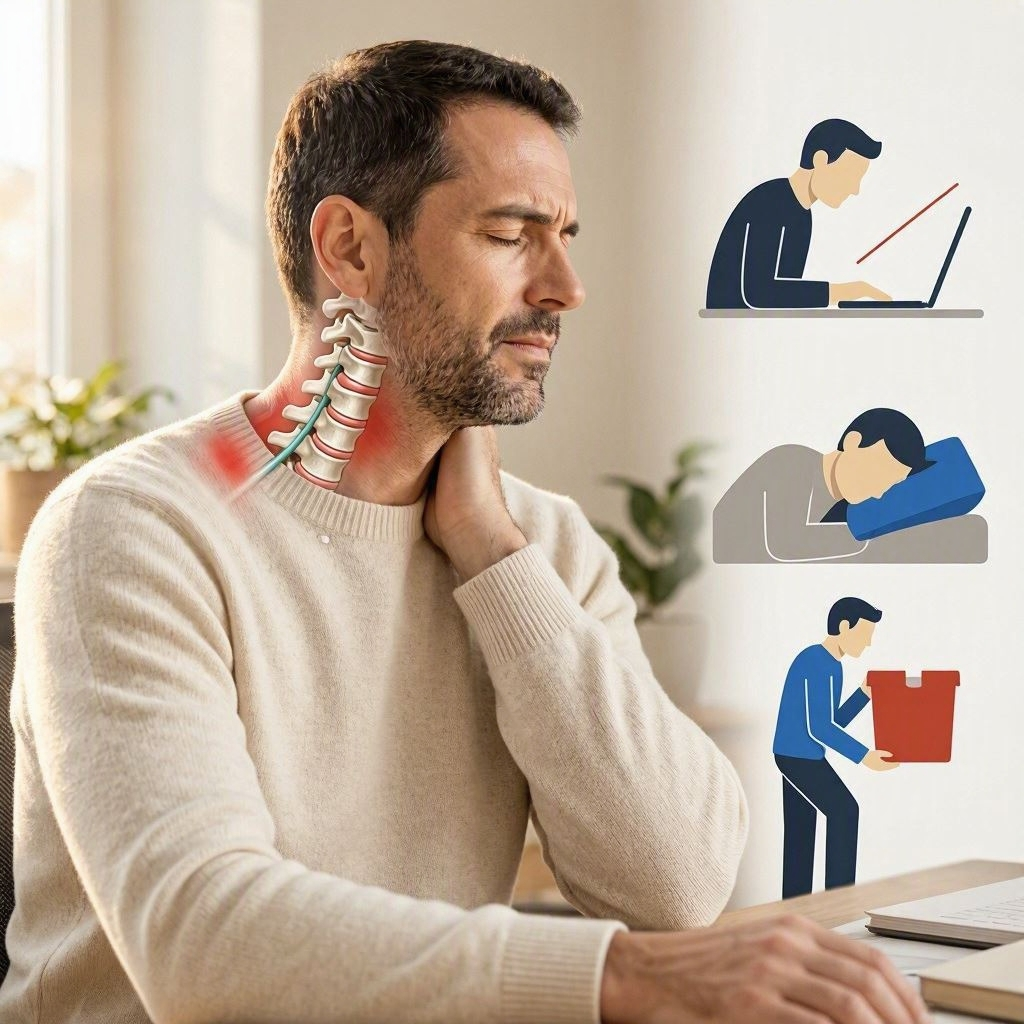

Chiropractor for Cervical Disc Problems: Treatment, Benefits, and Safety
Cervical disc problems can cause neck pain, stiffness, headaches, and discomfort that travels into the shoulders, arms, or hands. These symptoms may interfere with work, sleep, exercise, and everyday activities. For people experiencing these problems, conservative treatment may help reduce discomfort, improve mobility, and support a gradual return to normal activities. A chiropractor for cervical disc problems may offer conservative care focused on movement, muscle tension, posture, and spinal function. However, the right approach depends on the specific diagnosis, symptom severity, medical history, and whether nerves or the spinal cord are affected. Chiropractic treatment cannot guarantee that a damaged or herniated disc will heal, and some forms of neck manipulation may be inappropriate for certain patients.
Understanding the available treatment options can help you make an informed decision about managing cervical disc problems. This guide explains common symptoms, possible causes, chiropractic assessment methods, conservative treatment approaches, safety considerations, and situations that require medical evaluation.
What Are Cervical Disc Problems?
The cervical spine consists of seven vertebrae located in the neck. Between most of these bones are intervertebral discs that help absorb pressure, distribute loads, and allow the neck to move comfortably.
Each disc contains a soft inner region surrounded by a tougher outer layer. Over time, age-related changes, repetitive stress, injuries, and other factors can affect the structure and function of these discs.
Cervical disc problems may include:
- Disc degeneration: Gradual changes in the disc associated with aging and wear.
- Disc bulging: A disc extends beyond its usual boundary without necessarily having a tear in its outer layer.
- Herniated disc: Material from the inner portion of a disc moves through a weakened or damaged outer layer.
- Cervical radiculopathy: Irritation or compression of a nerve root in the neck, potentially causing pain, tingling, numbness, or weakness in an arm.
- Disc-related neck pain: Neck discomfort that may be associated with disc changes, although imaging findings do not always explain a person’s symptoms.
Not every person with a disc bulge or degeneration experiences pain. Many people have disc changes visible on imaging without significant symptoms. Therefore, treatment decisions should be based on a clinical assessment rather than an imaging report alone.
Common Symptoms of Cervical Disc Problems
Symptoms depend on the location and extent of the disc changes and whether nearby nerves are affected. Some people experience mild neck stiffness, while others develop pain that extends into an arm.
Common symptoms include:
- Neck pain or tenderness.
- Reduced neck mobility.
- Muscle tightness around the neck and shoulders.
- Pain that travels from the neck into the shoulder, arm, or hand.
- Tingling or numbness in the fingers.
- Weakness in the arm or hand.
- Discomfort that increases during certain movements or prolonged positions.
- Difficulty finding a comfortable sleeping position.
Headaches may occur alongside neck pain, but not every headache is caused by a cervical disc problem. A healthcare professional can help determine whether the symptoms are related to the neck or another condition.
When Cervical Disc Symptoms Need Urgent Medical Attention
Certain symptoms should not be managed through routine chiropractic care alone. Seek urgent medical assessment if you develop new or worsening arm or leg weakness, difficulty walking, loss of balance, reduced hand coordination, or symptoms affecting both arms or legs.
New loss of bladder or bowel control, especially alongside weakness or difficulty walking, requires emergency assessment.
Sudden, severe, unusual neck pain or headache, particularly with facial drooping, difficulty speaking, double vision, dizziness, or one-sided weakness, also requires emergency evaluation.
These warning signs may indicate a serious neurological or vascular condition. Do not attempt neck manipulation when such symptoms are present.
What Causes Cervical Disc Problems?
Cervical disc problems can develop for several reasons. Identifying possible contributing factors helps clinicians choose appropriate treatment and prevention strategies.
Age-Related Disc Changes
As people age, discs can gradually lose water content and flexibility. This may make them less effective at absorbing loads and more vulnerable to structural changes.
Age-related changes do not automatically mean that a person will develop pain. Many people remain active despite visible degeneration.
Repetitive Posture and Prolonged Sitting
Spending long periods looking down at a phone, working at a computer, or remaining in one position may aggravate neck discomfort. These activities do not necessarily cause a disc herniation, but sustained positions can increase symptoms in some individuals.
Regular movement breaks and adjustments to workstation setup may help reduce unnecessary strain.
Injuries and Sudden Movements
Falls, vehicle collisions, sports injuries, and other sudden forces can affect the cervical spine. If neck pain begins after a significant accident, medical evaluation is important before starting manual treatment.
Repetitive Physical Loading
Repeated lifting, awkward working positions, and activities that place substantial demands on the neck may contribute to discomfort. Safe lifting techniques, appropriate conditioning, and gradual increases in activity can help support spinal function.
Genetic and Individual Factors
Family history, general health, smoking, previous injuries, and other individual factors may influence disc health and recovery. In many cases, no single cause can be identified.

What Does a Chiropractor for Cervical Disc Problems Do?
A chiropractor for cervical disc problems typically begins by assessing symptoms, movement, relevant medical history, and possible neurological involvement. The aim should be to determine whether conservative care is appropriate and whether referral to another healthcare professional is necessary.
A responsible assessment may include:
- Reviewing when symptoms started and how they have changed.
- Asking whether pain travels into the arm or hand.
- Checking for numbness, tingling, or muscle weakness.
- Assessing neck and shoulder movement when safe.
- Reviewing previous injuries, surgeries, and medical conditions.
- Considering existing imaging or specialist reports.
- Identifying symptoms that require medical referral.
A clinician may also evaluate strength, sensation, reflexes, and other neurological signs when indicated.
Imaging is not necessary for every episode of neck pain. A healthcare professional may recommend an MRI or other investigation when symptoms, examination findings, trauma history, or suspected neurological problems make it appropriate.
The purpose of assessment is not simply to identify a disc abnormality. It is to understand whether the findings are relevant to the person’s symptoms and which treatment options are suitable.
Treatment Options From a Chiropractor for Cervical Disc Problems
Treatment should be individualized. A chiropractor for cervical disc problems may recommend conservative approaches that focus on symptom management, comfortable movement, muscle function, and daily activity.
The exact treatment plan depends on the diagnosis and the safety of each intervention.
1. Gentle Spinal Mobilization
Spinal mobilization involves controlled, relatively gentle movements applied to joints to help improve comfortable movement. Depending on the patient’s condition, a clinician may use techniques that do not involve forceful thrusts.
Mobilization may help some people with neck stiffness or movement-related discomfort. However, it does not physically push a herniated disc back into place.
The clinician should monitor symptoms and modify or stop treatment if pain, tingling, numbness, or other neurological symptoms worsen.
2. Soft Tissue Therapy
Muscle tension around the neck and shoulders may accompany cervical disc symptoms. Soft tissue techniques may include gentle massage or other hands-on approaches intended to reduce muscle discomfort and improve tolerance for movement.
These methods address muscular symptoms rather than directly repairing a damaged disc.
Treatment should be adapted to the person’s sensitivity, medical history, and diagnosis. Forceful pressure should be avoided when it is inappropriate for the condition.
3. Therapeutic Exercises
Exercise is often an important part of conservative rehabilitation. A clinician may recommend a tailored program to improve neck mobility, muscle endurance, shoulder strength, and control of movement.
Possible exercises include:
- Gentle neck range-of-motion exercises.
- Shoulder blade control exercises.
- Postural endurance exercises.
- Comfortable cervical isometric exercises.
- Gradual upper-back mobility exercises.
- Activities designed to restore everyday function.
Exercises should be selected according to the patient’s symptoms and capabilities. If an exercise causes increasing arm pain, new tingling, numbness, or weakness, stop and seek professional advice.
The goal is gradual improvement rather than forcing the neck through painful movements.
4. Posture and Ergonomic Guidance
Daily habits can affect how comfortable the neck feels during work and other activities. A practitioner may discuss workstation setup, screen height, chair support, phone use, and movement breaks.
Useful strategies may include:
- Positioning the screen near eye level.
- Keeping the shoulders relaxed while typing.
- Supporting the arms when practical.
- Changing position regularly.
- Taking short movement breaks during prolonged sitting.
- Avoiding sustained positions that consistently aggravate symptoms.
There is no single perfect posture for everyone. Comfortable variation and regular movement are generally more useful than trying to maintain a rigid position throughout the day.
5. Activity Modification
Complete inactivity is not usually necessary for uncomplicated neck pain. However, temporarily modifying activities that clearly aggravate symptoms may be helpful.
A rehabilitation plan may involve reducing heavy lifting, avoiding painful overhead tasks, or adjusting exercise intensity before gradually returning to normal activities.
The aim is to maintain safe movement while avoiding unnecessary symptom aggravation.
6. Cervical Traction
Cervical traction applies a controlled pulling force to the neck. In selected cases, it may temporarily reduce symptoms associated with nerve root irritation.
Evidence for traction varies, and it is not appropriate for every cervical disc condition. It should be considered only after suitable assessment, with attention to contraindications and symptom response.
Traction is not guaranteed to relieve nerve compression or repair a disc. A clinician should explain the expected benefits, limitations, and risks before recommending it.
Is a Chiropractor for Cervical Disc Problems Safe?
Safety is an essential consideration when choosing a chiropractor for cervical disc problems, especially when symptoms suggest a herniated disc or cervical radiculopathy.
Gentle mobilization, exercise, and selected soft tissue techniques may be appropriate for some patients. However, high-velocity cervical spinal manipulation requires particular caution because it involves a rapid, forceful movement of the neck.
Serious complications following cervical manipulation are considered uncommon, but potentially serious vascular and neurological events have been reported. The precise level of risk is difficult to quantify, and a causal relationship is not always established. The possibility of serious harm should still be discussed before treatment.
Before receiving manual therapy, ask the practitioner to explain:
- What technique is being proposed.
- Why it may be suitable for your specific diagnosis.
- What benefits are realistically expected.
- What risks and alternatives exist.
- Whether a gentler approach is available.
- What symptoms would mean that treatment should stop.
You should never feel pressured to accept neck manipulation. Informed consent means understanding the procedure and having the opportunity to decline it.
If you have worsening neurological symptoms, suspected spinal cord compression, recent significant trauma, or a condition that increases the risk of vascular or spinal injury, medical evaluation should come before routine neck manipulation.
For professional background on spinal conditions and treatment considerations, consult the North American Spine Society.
When to Consult a Chiropractor for Cervical Disc Problems
A chiropractor for cervical disc problems may be one part of a conservative care plan for some people with stable, uncomplicated neck pain. However, the appropriateness of chiropractic treatment depends on the diagnosis and the presence or absence of warning signs.
Consider medical evaluation before starting treatment if:
- Your neck pain began after a significant accident.
- Pain travels into your arm and is accompanied by numbness.
- You have new or unexplained muscle weakness.
- Your symptoms are severe, persistent, or worsening.
- You have a history of spinal surgery or a significant spinal condition.
- You have a medical condition that could affect the safety of manual treatment.
If symptoms are mild and stable, a qualified clinician may help you explore conservative options. A collaborative approach involving a primary care clinician, physical therapist, spine specialist, or other appropriate healthcare professional may be useful when the diagnosis is uncertain or symptoms persist.
Chiropractic Care Compared With Other Treatments
There is no single treatment that is best for every cervical disc problem. The choice depends on symptom severity, neurological findings, medical history, personal preferences, and response to previous treatment.
Chiropractic Care
Chiropractic care may involve movement assessment, education, selected manual techniques, and exercise recommendations. For suitable patients, these approaches may help manage some symptoms and improve movement.
It is important to distinguish gentle, symptom-focused care from forceful neck manipulation. The latter may not be appropriate for people with particular cervical disc or neurological conditions.
Physical Therapy
Physical therapy commonly focuses on exercise, movement, strengthening, functional rehabilitation, and education. A physical therapist can develop a progressive plan tailored to the patient’s symptoms and activity goals.
For many people with neck pain, active rehabilitation is an important component of conservative treatment.
Medication
Depending on the diagnosis and a person’s medical history, a clinician may recommend medication to help manage pain or inflammation. Medication choice should account for possible side effects, interactions, and existing health conditions.
Do not begin or change prescription medication without appropriate medical guidance.
Medical Assessment and Specialist Care
A medical clinician can investigate persistent symptoms, neurological deficits, or suspected serious conditions. Depending on the findings, the clinician may recommend further testing, specialist referral, or additional treatment.
Surgery may be considered in selected cases, particularly when significant nerve or spinal cord compression is present or symptoms do not improve with appropriate conservative care. The decision depends on the individual’s diagnosis and clinical findings.
The NHS guide to slipped discs provides additional general information about disc symptoms and treatment.
How Long Does Recovery From Cervical Disc Problems Take?
Recovery time varies significantly. Some people with uncomplicated neck pain improve over several days or weeks, while symptoms associated with nerve irritation or more complex conditions may take longer.
Factors that can influence recovery include:
- The underlying cause of symptoms.
- Whether a nerve root is irritated or compressed.
- The severity and duration of symptoms.
- General health and physical conditioning.
- Sleep quality and stress.
- The ability to modify aggravating activities.
- Consistency with an appropriate rehabilitation program.
- Whether the condition requires additional medical treatment.
A chiropractor for cervical disc problems should avoid promising a specific recovery date or guaranteeing that a disc will return to its original shape. Treatment should instead focus on measurable improvements, such as reduced pain, better movement, improved daily function, and increased tolerance for activity.
If symptoms worsen, new weakness develops, or progress is not occurring as expected, the treatment plan should be reassessed.
Exercises and Daily Habits That May Support Neck Health
Appropriate movement and daily habits may help people manage neck discomfort. However, exercises should be matched to the diagnosis and should not replace medical assessment when warning signs are present.
Take Regular Movement Breaks
If you work at a desk, try changing positions regularly rather than remaining still for long periods. Brief walks or gentle shoulder movements may help reduce stiffness.
Adjust Your Workstation
Position your screen so you can look forward comfortably. Keep frequently used items within easy reach and adjust the chair and desk to support a relaxed working position.
Build Strength Gradually
Exercises for the upper back, shoulders, and neck may support physical function. Begin with a manageable level of effort and increase gradually according to your symptoms and professional advice.
Prioritize Sleep and Recovery
A comfortable pillow and sleeping position may help reduce nighttime discomfort. There is no universally ideal pillow height, so choose one that supports a comfortable neck position without increasing symptoms.
Avoid Self-Manipulation
Forcefully twisting or cracking your neck may be unsafe, particularly when you have a known or suspected cervical disc problem. Do not attempt to reproduce high-velocity chiropractic techniques on yourself.
If an activity causes increasing pain, arm symptoms, dizziness, or neurological changes, stop and seek appropriate medical advice.
How to Choose a Chiropractor for Cervical Disc Problems
Selecting a qualified practitioner is important when you are considering conservative treatment for neck pain or a suspected disc condition.
Check Credentials and Experience
Confirm that the practitioner is licensed or registered according to the rules in your location. Ask about their experience assessing cervical disc problems and recognizing conditions that require medical referral.
Ask About the Assessment Process
A responsible clinician should take a medical history, review symptoms, perform an appropriate examination, and explain whether chiropractic care is suitable.
Be cautious if a practitioner recommends treatment without asking about neurological symptoms, previous injuries, or relevant medical conditions.
Discuss Treatment Alternatives
Ask whether treatment can focus on exercise, education, gentle mobilization, or other approaches rather than forceful neck manipulation.
A practitioner should explain the risks and benefits of proposed interventions and respect your decision if you decline a technique.
Look for Clear Communication
You should receive understandable information about your condition, the purpose of treatment, expected progress, and when another healthcare professional should become involved.
Avoid providers who promise guaranteed cures, claim that every disc problem requires the same treatment, or insist that imaging findings alone explain all symptoms.
Expect Progress to Be Reviewed
Your plan should be reassessed according to changes in pain, function, mobility, and neurological symptoms. If treatment is not helping or your condition worsens, the practitioner should discuss alternative options or referral.

Frequently Asked Questions (Chiropractor for Cervical Disc Problems)
Can a chiropractor fix a cervical herniated disc?
A chiropractor cannot guarantee that a herniated disc will return to its original structure. Conservative treatment may help some people manage pain and improve function, depending on the diagnosis. The best approach may include education, exercise, selected manual techniques, and medical care when needed.
Is chiropractic treatment good for a bulging disc in the neck?
It depends on the symptoms, examination findings, and overall health of the individual. Some people may benefit from conservative care, but forceful neck manipulation may be inappropriate in certain cases. A proper assessment should determine which options are safe.
Can cervical disc problems cause arm pain?
Yes. A cervical disc problem may irritate or compress a nerve root, causing pain that travels into the shoulder, arm, or hand. Numbness, tingling, or weakness can also occur. New or progressive weakness requires prompt medical assessment.
Should I get an MRI before seeing a chiropractor?
An MRI is not required for every episode of neck pain. Whether imaging is appropriate depends on the history, examination, severity of symptoms, trauma, and possible neurological involvement. A qualified healthcare professional can help determine whether imaging or specialist evaluation is necessary.
Is neck cracking safe if I have a cervical disc problem?
Forcefully cracking your own neck is not recommended as a way to treat a suspected or diagnosed disc problem. High-velocity cervical manipulation also requires careful consideration of risks, alternatives, and individual contraindications. Ask a qualified healthcare professional about safer options for your specific condition.
Can exercise make a cervical disc problem worse?
Some exercises may aggravate symptoms if they are unsuitable for the diagnosis or performed too aggressively. A tailored program should begin at a tolerable level and progress gradually. Stop exercises that cause worsening arm pain, new numbness, or weakness, and seek medical advice.
How can I tell whether my cervical disc problem is serious?
Severe or worsening pain, new muscle weakness, difficulty walking, loss of balance, changes in hand coordination, or symptoms affecting multiple limbs may indicate a more serious problem. Sudden unusual neck pain or headache with stroke-like symptoms requires emergency care.
Is chiropractic care enough for cervical radiculopathy?
Not always. Some people improve with conservative treatment, while others require further medical evaluation, medication, physical therapy, or specialist care. Persistent or progressive neurological symptoms should not be managed through chiropractic treatment alone.
Can posture cause a cervical disc herniation?
Poorly tolerated or prolonged positions can aggravate neck discomfort, but posture alone does not necessarily cause a herniated disc. Disc problems usually involve multiple factors, including age-related changes, individual susceptibility, and sometimes injury. Regular movement and ergonomic adjustments may help manage symptoms.
When should I stop chiropractic treatment?
Stop treatment and seek medical assessment if symptoms become significantly worse or you develop new weakness, increasing numbness, difficulty walking, loss of coordination, or other concerning neurological changes. Emergency symptoms require immediate medical attention.
Conclusion (Chiropractor for Cervical Disc Problems)
Cervical disc problems can affect neck movement, comfort, sleep, and daily activities. Depending on the diagnosis, conservative care may help some people manage symptoms and improve function.
A chiropractor for cervical disc problems may provide assessment, education, gentle movement-based treatment, and guidance on appropriate exercises. However, chiropractic treatment is not a guaranteed cure for disc degeneration or herniation, and forceful cervical manipulation may not be suitable for every patient.
The safest approach is to understand the cause of your symptoms, recognize warning signs, and choose treatment based on an appropriate clinical assessment. When needed, collaboration between a chiropractor, primary care clinician, physical therapist, or spine specialist can help ensure that care remains appropriate and focused on your individual needs.
Medical disclaimer: This article is for educational purposes only and does not replace professional medical advice, diagnosis, or treatment. Seek medical evaluation for persistent or worsening symptoms and urgent care for new or progressive neurological symptoms.