What Causes Neck Pain? A Complete Guide to Common Causes, Symptoms, Treatment, and Prevention
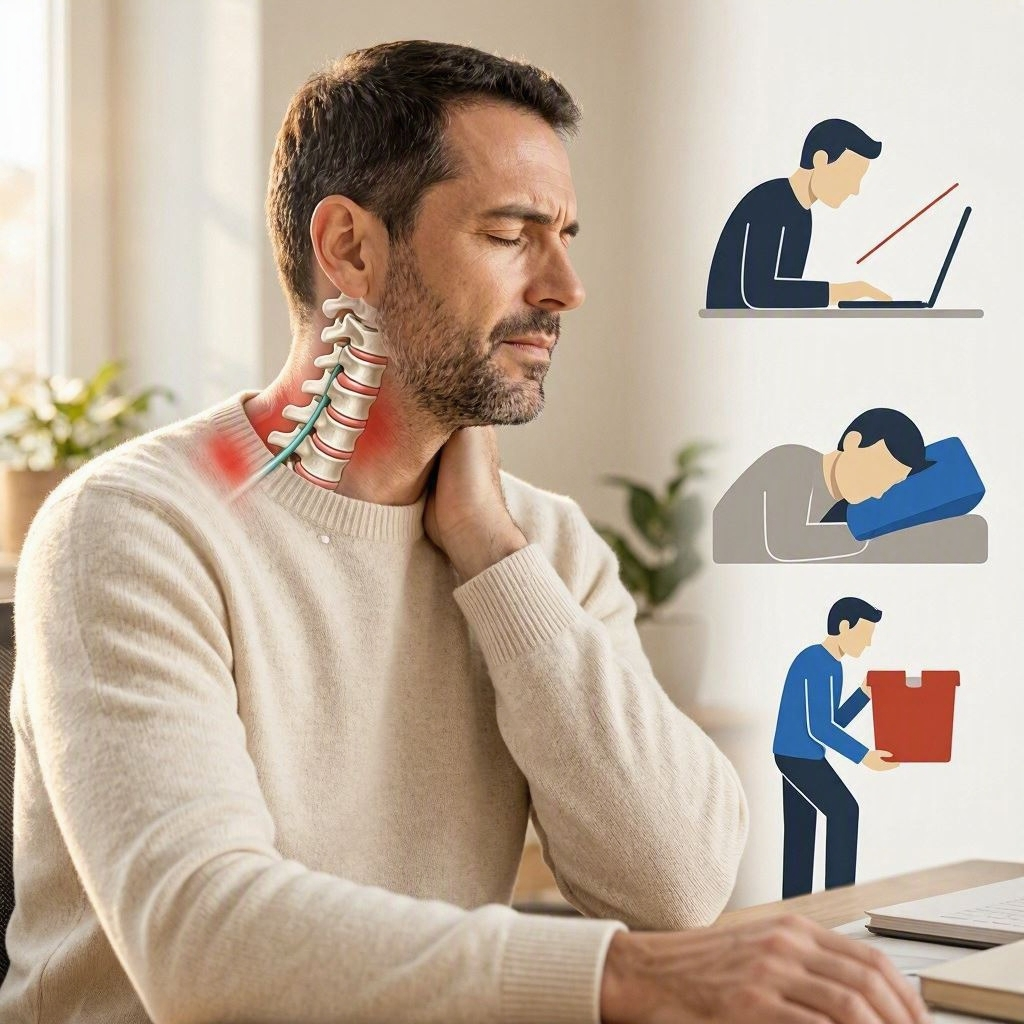
What causes neck pain? This is a common question for people who experience stiffness, aching, muscle tension, or discomfort around the cervical spine. Neck pain can affect people of almost any age and may develop suddenly after an injury or gradually as a result of daily activities, prolonged computer use, repetitive movements, physical work, or changes associated with aging.
In many cases, neck pain is related to muscles, joints, ligaments, or other musculoskeletal structures. However, neck symptoms can also be associated with nerve irritation, injuries, degenerative changes, or less common medical conditions.
Understanding the potential causes of neck pain is important because treatment should be based on the individual’s symptoms and underlying factors rather than simply treating the location of the pain.
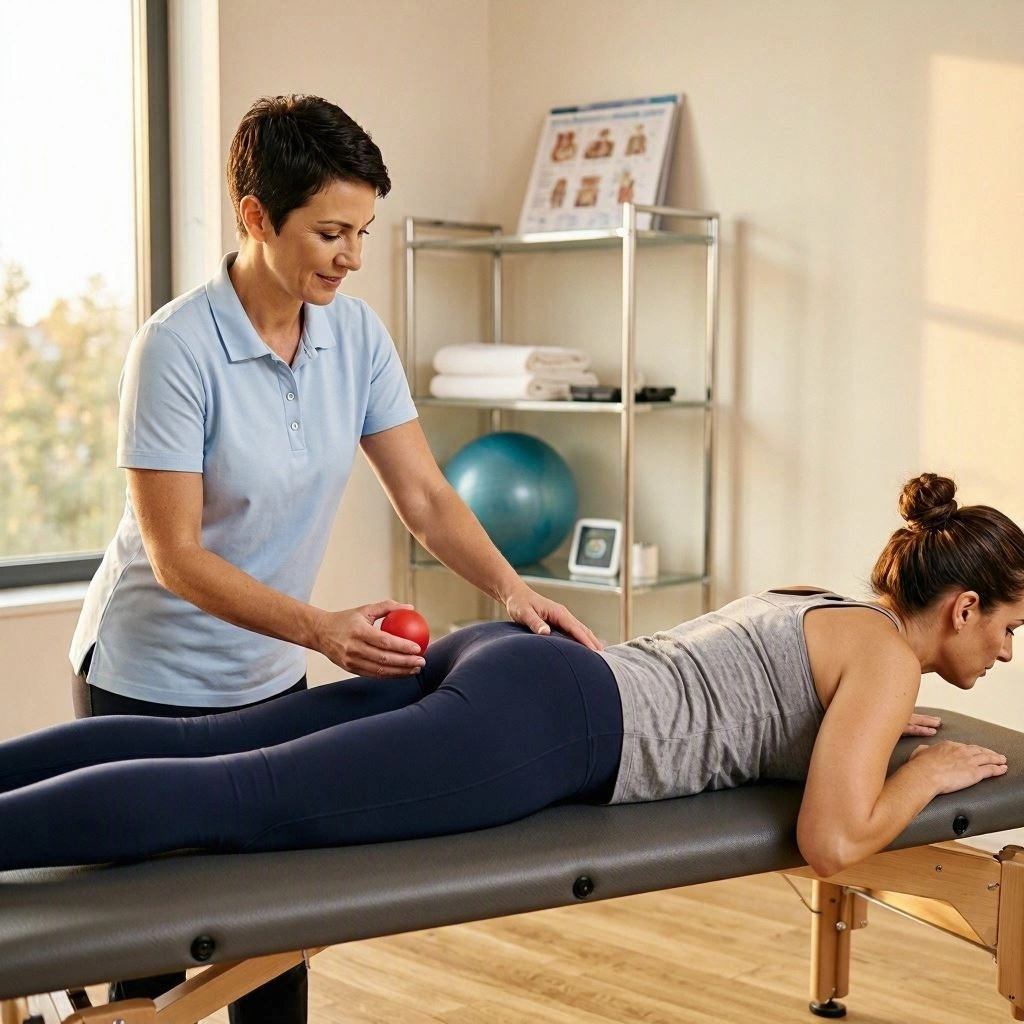
Physiotherapy can be useful for evaluating neck movement, strength, mobility, posture, functional limitations, and contributing lifestyle or occupational factors. Treatment may include therapeutic exercise, mobility training, strengthening, education, ergonomic advice, and gradual return to normal activities.
This guide explains the most common causes of neck pain, associated symptoms, risk factors, treatment options, prevention strategies, and warning signs that may require medical attention.
What Is Neck Pain?
Neck pain refers to discomfort affecting the cervical region between the base of the skull and the upper shoulders.
It can feel like:
- Aching
- Stiffness
- Tightness
- Burning
- Pressure
- Sharp discomfort
- Muscle soreness
Some people experience pain only in the neck, while others notice symptoms extending toward the shoulders, upper back, arms, or head.
The duration can also vary. Neck pain may be short-lived, recurrent, or persistent.
What Causes Neck Pain?
There is no single cause of neck pain.
Common causes include:
- Muscle strain
- Prolonged computer use
- Poorly adjusted workstations
- Repetitive movements
- Sleeping in an uncomfortable position
- Sports injuries
- Whiplash
- Joint irritation
- Nerve irritation
- Age-related changes
- Stress and muscle tension
In some cases, several factors contribute at the same time.
For example, someone who works at a computer for eight hours a day may have reduced physical activity, prolonged static positioning, work-related stress, and insufficient exercise. These factors can interact and contribute to neck discomfort.
Muscle Strain
Muscle strain is one of the common causes of neck pain.
The muscles surrounding the cervical spine can become irritated or fatigued after activities such as:
- Heavy lifting
- Repetitive work
- Sudden movements
- Unfamiliar exercise
- Long periods of static positioning
Muscle-related neck pain may feel sore or tight and can sometimes improve with gradual movement and appropriate activity.
Prolonged Computer Use
Modern computer use is another common contributor to neck discomfort.
People may spend hours:
- Typing
- Using a mouse
- Reading screens
- Participating in virtual meetings
- Working on laptops
The issue is not necessarily that computers are harmful. Instead, spending long periods in one position with limited movement may contribute to muscle fatigue and discomfort.
Regular movement breaks and a comfortable workstation can help.
Tech Neck
“Tech neck” is a commonly used term for neck discomfort associated with prolonged use of digital devices.
It may involve:
- Computers
- Laptops
- Smartphones
- Tablets
People may hold their head in relatively fixed positions while focusing on a screen.
Tech neck is not a specific medical diagnosis. It is better understood as a description of symptoms associated with prolonged device use and related movement habits.
Poor Posture
Posture is often blamed for neck pain.
However, the relationship between posture and pain is more complicated than simply identifying one “bad” position.
The body can tolerate many different positions.
Problems may develop when someone remains in one position for an extended period without enough movement or physical conditioning.
Instead of trying to maintain one perfect posture all day, it is often more useful to:
- Change positions
- Move regularly
- Improve strength
- Develop endurance
- Adjust the workstation
Forward Head Position
Some people naturally move their head forward when looking at a screen.
This can occur when:
- The monitor is too far away
- Text is difficult to read
- The person is concentrating
- The workstation is poorly adjusted
- The individual is fatigued
A forward head position is not automatically harmful, but holding any position for a prolonged time can contribute to fatigue.
Stress and Neck Pain
Stress can influence muscle tension and pain perception.
During stressful periods, people may unconsciously:
- Raise their shoulders
- Tighten their neck muscles
- Clench their jaw
- Reduce physical activity
- Spend longer periods at a desk
These behaviors may contribute to physical discomfort.
Managing stress does not mean that neck pain is psychological or imaginary. Pain is a real experience influenced by physical, emotional, and environmental factors.
Sleeping Position
Another common question is what causes neck pain after sleeping.
Morning neck pain can sometimes be associated with prolonged positioning during sleep.
Factors may include:
- Pillow height
- Sleeping position
- Mattress characteristics
- Sleep duration
- Existing neck problems
However, there is no universally perfect sleeping position or pillow.
If morning neck pain occurs regularly, professional assessment may help identify contributing factors.
Neck Pain From Exercise
Exercise is generally beneficial, but unfamiliar or excessive activity can temporarily irritate muscles and joints.
Neck pain may occur after:
- Weightlifting
- Contact sports
- Overhead exercises
- New workouts
- High-volume training
Gradually increasing training volume and using appropriate technique can help reduce unnecessary overload.
Sports Injuries
Athletes can develop neck pain through:
- Falls
- Collisions
- Sudden movements
- Repetitive activities
- Direct impact
Sports involving contact or rapid changes in movement may place additional demands on the neck.
Significant injuries should receive appropriate assessment before returning to sports.
Whiplash
Whiplash commonly occurs after rapid acceleration and deceleration of the head and neck.
It can happen during:
- Motor vehicle collisions
- Contact sports
- Falls
- Other sudden impacts
Symptoms may include:
- Neck pain
- Stiffness
- Headache
- Shoulder discomfort
- Reduced neck movement
Recovery varies between individuals.
Physiotherapy may form part of rehabilitation following appropriate medical evaluation.
Pinched Nerve
Nerve irritation or compression in the cervical region can cause symptoms beyond simple neck pain.
Possible symptoms include:
- Pain extending into the arm
- Tingling
- Numbness
- Weakness
A pinched nerve can have several possible causes.
Because neurological symptoms can be important, persistent numbness or weakness should be professionally assessed.
Cervical Disc Problems (What Causes Neck Pain)
The discs between the cervical vertebrae help provide cushioning and allow movement.
Changes involving these discs can sometimes contribute to neck pain.
In some cases, disc-related problems may also affect nearby nerves.
Symptoms vary considerably, so diagnosis should be based on clinical assessment rather than symptoms alone.
Age-Related Changes
As people age, changes can occur in the joints, discs, and other structures of the cervical spine.
These changes may include:
- Reduced disc height
- Joint changes
- Reduced mobility
- Bone changes
Importantly, imaging findings do not always directly correspond to pain.
Some people have significant age-related changes without symptoms, while others experience considerable discomfort with relatively minor findings.
Cervical Arthritis
Arthritis can affect the joints of the neck.
Possible symptoms include:
- Stiffness
- Reduced range of motion
- Aching
- Pain during certain movements
Symptoms can vary over time.
Treatment may include exercise, physical activity, mobility work, and other strategies recommended by a healthcare professional.
Muscle Weakness and Neck Pain
Weakness or poor endurance can influence how well the body tolerates prolonged activities.
Neck function depends not only on cervical muscles but also on:
- Shoulders
- Upper back
- Trunk
A rehabilitation program may therefore include strengthening exercises for several areas.
Upper-Back Problems
The thoracic spine and shoulders work closely with the neck.
Reduced upper-back mobility or poor shoulder strength may influence movement patterns during daily activities.
For this reason, physiotherapy for neck pain may include:
- Upper-back exercises
- Shoulder strengthening
- Thoracic mobility
- Scapular control
Shoulder Problems
Sometimes neck and shoulder symptoms overlap.
Shoulder problems can cause discomfort around the upper shoulder and shoulder blade, while cervical problems can sometimes produce symptoms around the shoulder.
A detailed assessment can help determine which structures may be contributing.
Headaches and Neck Pain
Some headaches may occur alongside neck discomfort.
Musculoskeletal factors involving the neck may contribute to certain headache patterns.
However, not every headache originates from the neck.
New, severe, sudden, or unusual headaches should receive appropriate medical evaluation rather than automatically being attributed to neck tension.
Repetitive Movements
Repetitive work can place repeated demands on muscles and joints.
Examples include:
- Assembly work
- Typing
- Reaching
- Tool use
- Repeated lifting
- Prolonged driving
Changing tasks, taking breaks, and developing appropriate physical conditioning can help improve tolerance.
Driving and Neck Pain
Long periods of driving can contribute to neck discomfort because drivers may remain in a relatively fixed position.
Factors can include:
- Seat positioning
- Steering wheel position
- Headrest setup
- Driving duration
- Limited movement
Long-distance drivers may benefit from regular breaks and movement.
Neck Pain From Poor Workstation Setup
A workstation that does not fit the user may contribute to discomfort.
Potential issues include:
- Monitor positioned too low
- Screen too far away
- Keyboard too far forward
- Poor chair adjustment
- Limited leg support
An ergonomic assessment can help identify practical modifications.
Dehydration and Neck Pain
Dehydration is sometimes blamed for muscle discomfort, but it should not be considered a primary explanation for persistent neck pain.
Maintaining adequate fluid intake is part of general health, but persistent neck symptoms require consideration of more relevant physical and medical factors.
Lack of Physical Activity
Sedentary behavior may contribute to reduced overall strength and physical conditioning.
People who spend most of the day sitting may have fewer opportunities to develop the strength and endurance needed for daily physical demands.
Regular physical activity can help improve general conditioning.
Stressful Work Environments
Workplace stress can interact with physical symptoms.
A stressful environment may lead to:
- Increased muscle tension
- Less movement
- Longer working hours
- Poor sleep
- Reduced exercise
A comprehensive approach to neck pain may therefore include both physical rehabilitation and practical lifestyle changes.
Chronic Neck Pain
Neck pain that continues for an extended period may become persistent or recurrent.
Chronic neck pain can be influenced by:
- Physical factors
- Previous injuries
- Work demands
- Sleep
- Stress
- Activity levels
- Pain sensitivity
Treatment often focuses on improving function and physical capacity rather than relying exclusively on passive treatments.
Symptoms That May Accompany Neck Pain
Neck pain can occur with:
- Stiffness
- Reduced movement
- Muscle tension
- Headache
- Shoulder pain
- Upper-back discomfort
More concerning symptoms can include:
- Numbness
- Tingling
- Significant weakness
- Coordination problems
These symptoms may require medical evaluation.
How Is the Cause of Neck Pain Diagnosed?
Diagnosis usually begins with a detailed history and physical examination.
A healthcare professional may ask about:
- When symptoms started
- How symptoms developed
- Activities that increase symptoms
- Previous injuries
- Work requirements
- Exercise
- Sleep
- Associated symptoms
Physical assessment may include:
- Neck movement
- Strength
- Reflexes
- Sensation
- Shoulder function
- Upper-back movement
Imaging is not always necessary for uncomplicated neck pain.
Does Neck Pain Always Require an MRI?
No.
Many cases of uncomplicated neck pain can initially be assessed through clinical history and physical examination.
Imaging may be considered when:
- Symptoms are severe
- There is significant trauma
- Neurological symptoms are present
- Symptoms persist despite appropriate management
- A serious underlying condition is suspected
The decision should be made by an appropriate healthcare professional.
Physiotherapy for Neck Pain
Physiotherapy can be useful for many musculoskeletal causes of neck pain.
A physiotherapist may assess:
- Neck mobility
- Strength
- Muscle endurance
- Shoulder function
- Upper-back mobility
- Work activities
- Functional limitations
Treatment may include:
- Therapeutic exercise
- Mobility exercises
- Strengthening
- Manual therapy
- Education
- Ergonomic advice
- Gradual activity progression
Neck Mobility Exercises
Gentle mobility exercises can help maintain movement.
Common movements include:
- Rotation
- Side bending
- Flexion
- Extension
Exercises should be performed slowly and within a comfortable range.
Forcing the neck into extreme positions is unnecessary.
Neck Strengthening Exercises
Strengthening exercises can improve muscle capacity and endurance.
Examples include:
- Chin tucks
- Isometric neck exercises
- Deep neck flexor exercises
- Shoulder strengthening
- Resistance-band rows
Exercise selection should be based on the person’s symptoms and physical condition.
Stretching
Gentle stretching may provide temporary relief for some individuals.
Areas that may be addressed include:
- Upper trapezius
- Neck muscles
- Chest muscles
- Upper back
Stretching should not be aggressive.
Manual Therapy
Manual therapy may sometimes be included in physiotherapy.
It can target:
- Joints
- Muscles
- Soft tissues
It may provide short-term changes in pain or mobility.
However, active exercise and education are important for long-term rehabilitation.
Heat and Cold
Heat may provide temporary comfort for some people with muscle stiffness.
Cold can sometimes be used following certain acute injuries.
These strategies are generally intended for symptom management rather than treating the underlying cause.
How Can Neck Pain Be Prevented?
Prevention strategies can include:
- Regular physical activity
- Strength training
- Mobility exercises
- Movement breaks
- Ergonomic adjustments
- Gradual exercise progression
- Adequate sleep
- Workload management
Prevention is not about maintaining perfect posture at all times.
Exercise for Neck Health
A balanced exercise program can include:
- Cardiovascular activity
- Resistance training
- Neck exercises
- Shoulder strengthening
- Upper-back exercises
- Core training
Regular exercise helps develop overall physical capacity.
Movement Breaks
People who work at computers should avoid remaining in the same position for excessively long periods.
Movement breaks can involve:
- Standing
- Walking
- Shoulder movements
- Neck mobility
- Stretching
The exact frequency depends on the individual and work environment.
Ergonomics (What Causes Neck Pain)
A comfortable workstation may include:
- Appropriate monitor placement
- Comfortable chair height
- Accessible keyboard
- Proper mouse positioning
- Adequate desk space
The goal is to make movement easier rather than forcing the body into one rigid position.
When Should You See a Physiotherapist?
Consider physiotherapy if neck pain:
- Persists for several weeks
- Keeps returning
- Limits movement
- Affects exercise
- Interferes with work
- Disturbs sleep
- Makes daily activities difficult
A physiotherapist can help determine whether a musculoskeletal rehabilitation program is appropriate.
When Should You See a Doctor?
Medical evaluation may be necessary if neck pain is associated with:
- Significant weakness
- Persistent numbness
- Major trauma
- Severe unexplained pain
- Loss of coordination
- Other neurological symptoms
These symptoms may indicate a condition requiring more specialized evaluation.
Neck Pain Red Flags
Some symptoms require urgent medical attention.
These can include:
- Severe neck pain following major trauma
- Sudden weakness
- Significant loss of sensation
- Difficulty walking
- Loss of coordination
- Loss of bladder or bowel control
- Severe headache with neurological symptoms
- Difficulty speaking
- Sudden vision changes
- Loss of consciousness
These symptoms should not be assumed to be caused by muscle tension.
Neck Pain Treatment at Home
For uncomplicated mild neck discomfort, some people may benefit from:
- Gentle movement
- Maintaining normal daily activity
- Short periods of heat
- Light exercise
- Avoiding prolonged static positions
Complete bed rest is generally not necessary for ordinary musculoskeletal neck pain.
If symptoms worsen or fail to improve, professional assessment may be appropriate.
Can Massage Help Neck Pain? (What Causes Neck Pain)
Massage may temporarily reduce feelings of muscle tension for some people.
However, massage does not necessarily address:
- Weakness
- Reduced mobility
- Workload
- Physical conditioning
- Movement habits
Combining passive symptom relief with active rehabilitation may provide a more comprehensive approach.
Can Chiropractic Treatment Help?
Some people seek chiropractic care for neck pain.
Manual treatments may provide short-term symptom relief for certain individuals, but treatment should be based on an appropriate assessment.
People with neurological symptoms, major trauma, or other warning signs should receive appropriate medical evaluation.
How Long Does Neck Pain Last?
The recovery time depends on the cause.
Mild muscle-related discomfort may improve over days or weeks.
More complex injuries or persistent conditions may take longer.
Factors that can influence recovery include:
- Severity
- Duration
- Previous injury
- Activity level
- Sleep
- Stress
- Physical conditioning
- Work demands
There is no single recovery timeline that applies to everyone.
Why Does Neck Pain Keep Coming Back?
Recurrent neck pain can have several contributing factors.
Possible influences include:
- Repeated workload
- Inadequate physical conditioning
- Prolonged sitting
- Insufficient exercise
- Previous injury
- Stress
- Poor recovery
- Repetitive activities
A comprehensive assessment can help identify modifiable factors.
Building Long-Term Neck Health
Long-term neck health involves maintaining physical capacity rather than avoiding all neck movement.
Helpful habits include:
- Regular exercise
- Strength training
- Mobility work
- Movement throughout the day
- Comfortable workstation setup
- Adequate recovery
- Healthy sleep habits
The goal is to develop a neck and upper body capable of handling normal daily demands.
Frequently Asked Questions
What causes neck pain most commonly?
Common causes include muscle strain, prolonged static positioning, repetitive activities, computer use, sports injuries, stress-related muscle tension, and age-related changes.
Can poor posture cause neck pain?
Posture can contribute to symptoms, especially when a person remains in one position for a long time. However, neck pain usually has multiple potential contributing factors.
Can computer use cause neck pain?
Yes. Prolonged computer use can contribute to neck discomfort through sustained positioning, reduced movement, visual demands, and muscle fatigue.
What exercises are good for neck pain?
Depending on the individual, exercises may include gentle neck mobility, chin tucks, isometric strengthening, shoulder strengthening, and upper-back exercises.
Should I stretch my neck if it hurts?
Gentle movement may be appropriate for some types of neck pain, but aggressive stretching should be avoided. Persistent or severe symptoms should be professionally assessed.
Can neck pain cause headaches?
Certain neck-related conditions can be associated with headaches, but headaches have many possible causes.
When is neck pain serious?
Neck pain following major trauma or accompanied by significant weakness, numbness, coordination problems, severe headache, or other neurological symptoms requires appropriate medical attention.
Final Thoughts
So, what causes neck pain? The answer is often more complicated than one specific posture or activity. Neck pain can result from muscle strain, prolonged computer use, repetitive movements, sports injuries, whiplash, nerve irritation, age-related changes, stress, reduced physical activity, and many other factors.
The most appropriate treatment depends on the underlying presentation. For many musculoskeletal problems, physiotherapy can provide a structured approach involving assessment, therapeutic exercise, strengthening, mobility training, education, and functional rehabilitation.
Preventing neck pain is also about more than maintaining perfect posture. Regular movement, physical activity, strength training, adequate recovery, comfortable ergonomics, and sensible workload management can all contribute to long-term neck health.
If symptoms persist, recur frequently, interfere with daily activities, or are accompanied by neurological symptoms, professional assessment is important. Identifying the factors contributing to the problem can help create a more appropriate and sustainable treatment plan.