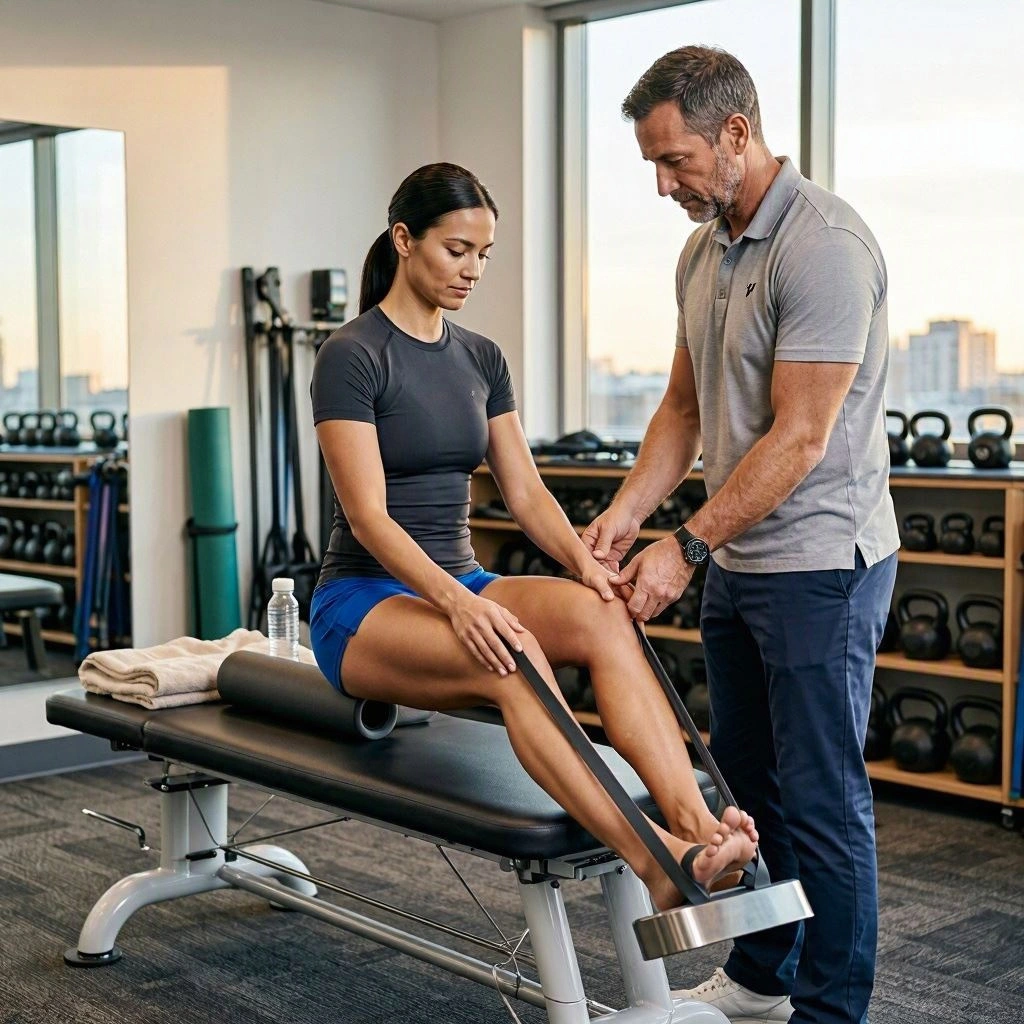
Sports Injury Recovery: Complete Guide to Recovery, Rehabilitation, and Return to Sport
Sports injury recovery is a gradual process that helps athletes and active individuals regain movement, strength, flexibility, confidence, and physical performance after an injury. Whether the injury happens during running, soccer, basketball, weightlifting, cycling, tennis, swimming, or another physical activity, recovery should focus on more than simply waiting for pain to disappear.
A proper recovery plan considers the type and severity of the injury, the affected tissue, the athlete’s physical condition, previous injuries, daily activities, training demands, and personal goals. Depending on the injury, rehabilitation may include activity modification, mobility exercises, strengthening, balance training, manual therapy, progressive loading, and sport-specific exercises.
For athletes looking for professional support, sports injury physiotherapy can provide a structured approach to rehabilitation and help address mobility, strength, flexibility, and functional limitations.
What Is Sports Injury Recovery?
Sports injury recovery refers to the process of helping the body and the athlete return to normal activity after an injury.
The recovery process can vary significantly. A mild muscle strain may improve relatively quickly, while a significant ligament injury, tendon injury, fracture, or post-surgical condition can require a much longer rehabilitation program.
Recovery usually involves several goals:
- Managing pain and swelling
- Protecting the injured area when necessary
- Restoring normal movement
- Rebuilding strength
- Improving balance and coordination
- Restoring flexibility
- Developing physical capacity
- Rebuilding confidence
- Returning to sport gradually
- Reducing the risk of future injury
The exact order of these goals depends on the injury.
For example, an athlete recovering from an ankle sprain may initially focus on controlling symptoms and restoring comfortable movement. Later, the program may progress toward strength, balance, jumping, running, and sport-specific direction changes.
Common Sports Injuries
Athletes can experience many different injuries depending on their sport, training volume, technique, equipment, and physical condition.
Common sports injuries include:
Muscle Strains
A muscle strain occurs when muscle fibers are overstretched or damaged. Hamstring, calf, groin, and quadriceps strains are common among athletes who run, sprint, jump, or change direction quickly.
Recovery usually involves gradually restoring movement and strength before returning to high-intensity activity.
Ligament Sprains
Ligaments connect bones and help stabilize joints. Sprains can occur when a ligament stretches beyond its normal range or tears.
Ankle sprains are particularly common in running and field sports. Knee and wrist sprains can also occur in different activities.
Tendon Injuries
Tendons connect muscles to bones. Repetitive loading can sometimes contribute to tendon pain and reduced function.
Achilles tendon problems, patellar tendon pain, and tennis elbow are examples of tendon-related conditions that can affect active individuals.
Knee Injuries
Knee injuries can occur through sudden movements, contact, twisting, jumping, or repetitive loading.
Depending on the condition, rehabilitation may focus on strength, mobility, balance, movement control, and progressive return to activity.
Shoulder Injuries
Throwing, swimming, weightlifting, tennis, and other overhead activities place significant demands on the shoulder.
Shoulder rehabilitation may include mobility exercises, strengthening, movement retraining, and gradual exposure to sport-specific activities.
The First Stage of Sports Injury Recovery
The first stage of recovery depends on the injury.
Immediately after an injury, protecting the affected area from additional stress can be important. However, complete inactivity for long periods is not always appropriate.
The NHS explains that sprains and strains often improve with self-care, while physiotherapy may help when an injury takes longer than expected to recover.
For some acute injuries, early management may involve temporary protection, appropriate rest, and gradual movement as symptoms allow. Cambridge University Hospitals also advises gradually reducing support as healing progresses and beginning gentle movement when appropriate.
Because injuries differ, athletes should avoid assuming that one recovery strategy applies to every condition.
Why Rest Alone May Not Be Enough
Rest can be useful during the early stage of some injuries. However, recovery usually requires more than simply avoiding activity.
If an athlete stops moving completely for too long, strength, mobility, coordination, and cardiovascular fitness can decline.
As symptoms improve, appropriate movement can help the athlete gradually rebuild physical capacity.
This does not mean exercising through severe pain or ignoring symptoms. Instead, rehabilitation should introduce activity at an appropriate level and progress it gradually.
The objective is to find the right balance between protecting the injured tissue and providing enough movement and loading to support recovery.
The Role of Physiotherapy in Sports Injury Recovery
Physiotherapy can play an important role in sports injury rehabilitation.
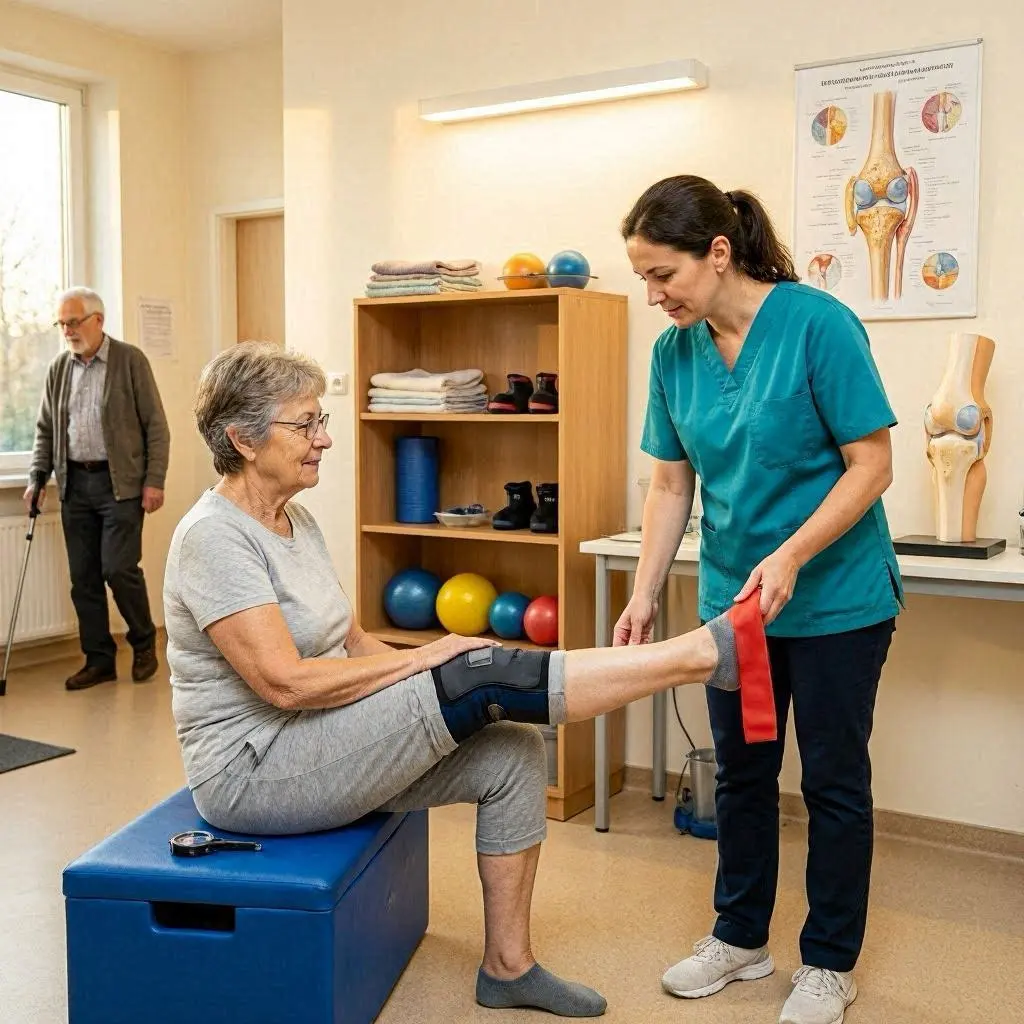
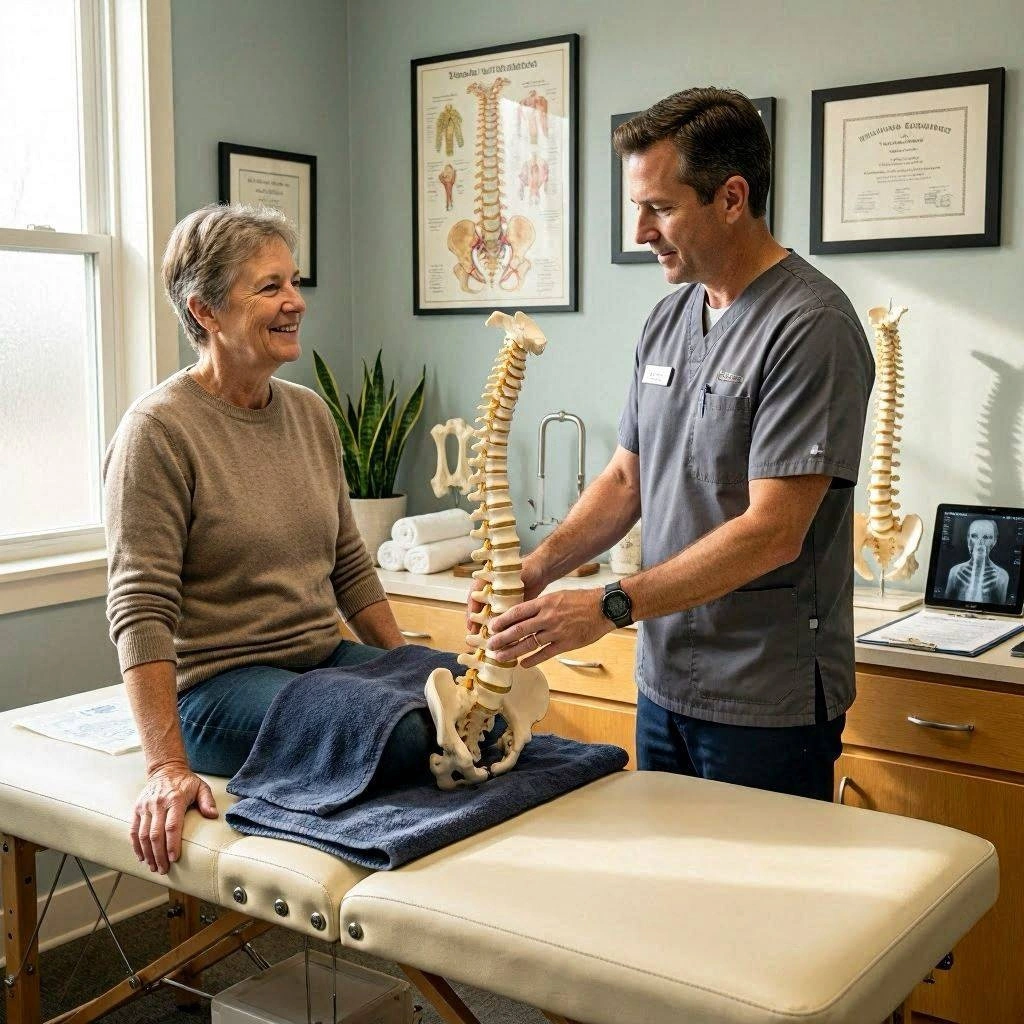
A physiotherapist can assess movement, strength, flexibility, balance, coordination, and functional limitations. Based on the assessment, the therapist can create a rehabilitation program that progresses as the athlete improves.
At Ritz Clinic, injury rehabilitation services include assessment, therapeutic exercise, manual techniques, movement training, and progressive rehabilitation designed around individual recovery goals.
Sports rehabilitation may include:
- Mobility exercises
- Strength training
- Balance exercises
- Coordination training
- Functional movement
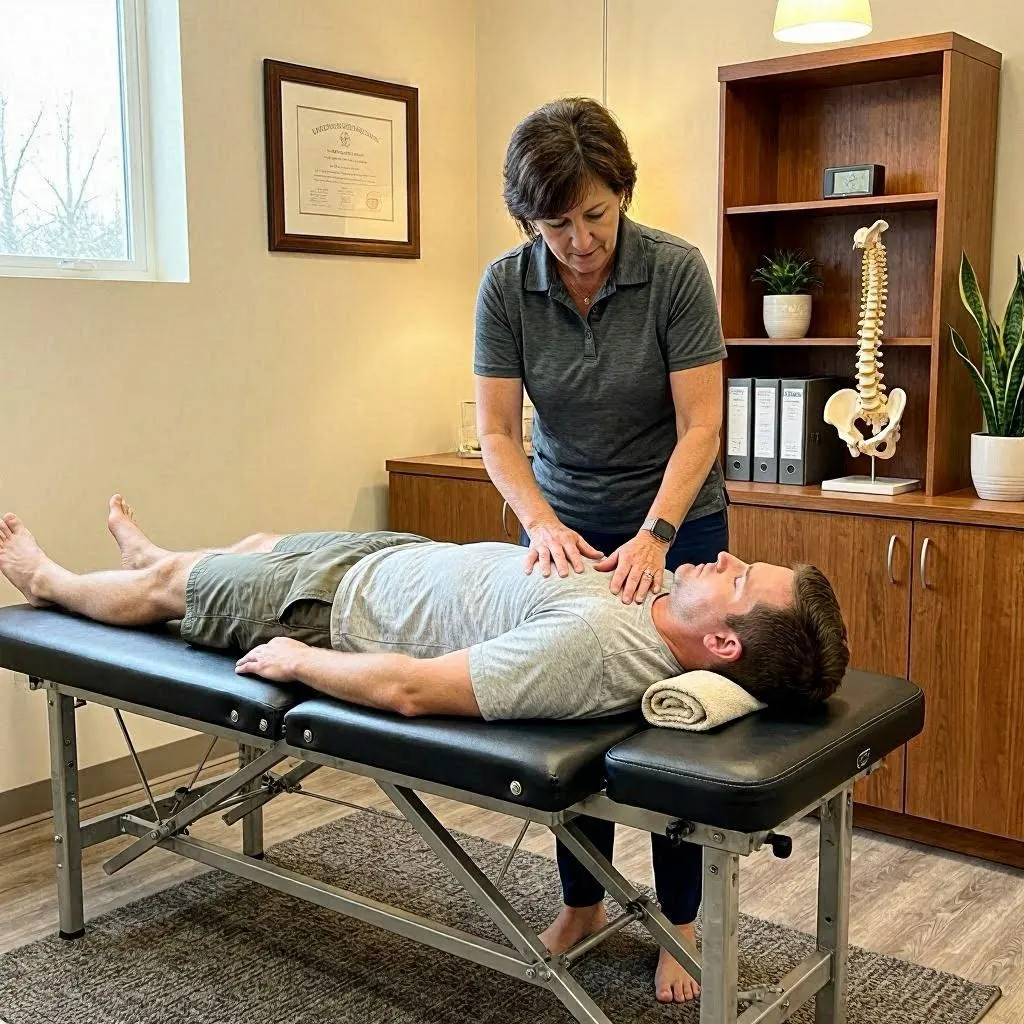
- Manual therapy
- Progressive loading
- Sport-specific rehabilitation
- Return-to-sport testing
The specific combination depends on the injury and the athlete’s goals.
Strength Training During Sports Injury Recovery
Strength is one of the most important components of returning to sport.
After an injury, muscles around the affected area may become weaker because the athlete reduces activity. This weakness can affect joint stability, movement control, and performance.
A progressive strengthening program helps rebuild physical capacity.
For example, an athlete recovering from a knee injury may gradually progress from basic muscle activation to resistance exercises, single-leg movements, jumping, landing, and sport-specific drills.
The progression should match the individual’s current ability.
Starting with exercises that are too difficult can overload the injured area. On the other hand, exercises that remain too easy for too long may not provide enough stimulus to rebuild athletic capacity.
Mobility and Flexibility
Mobility is another important part of sports injury recovery.
An injury can cause stiffness, reduced joint movement, or changes in normal movement patterns.
Depending on the condition, rehabilitation may include:
- Joint mobility exercises
- Dynamic stretching
- Controlled range-of-motion exercises
- Active flexibility exercises
- Movement drills
The goal is not necessarily to achieve maximum flexibility.
Instead, the objective is to restore the movement required for everyday activities and the athlete’s specific sport.
For example, a soccer player may need sufficient ankle, hip, and knee mobility for running, cutting, and kicking. A swimmer may have different mobility requirements because of repeated shoulder movement.
Balance and Coordination Training
Balance and coordination can become impaired after certain injuries, particularly ankle and lower-limb injuries.
For example, an athlete recovering from an ankle sprain may regain the ability to walk before fully recovering balance and dynamic stability.
Rehabilitation can gradually introduce:
- Single-leg balance
- Controlled weight shifting
- Dynamic balance
- Coordination exercises
- Landing drills
- Direction changes
These exercises can prepare the athlete for the demands of sport.
Balance training also helps the athlete regain confidence when using the previously injured area.
Progressive Loading
Progressive loading is an important concept in sports injury recovery.
Instead of moving directly from rest to full-intensity training, rehabilitation gradually increases the physical demands placed on the body.
For example, a runner might progress through:
- Walking
- Brisk walking
- Light jogging
- Continuous running
- Faster running
- Intervals
- Sport-specific running
- Full training
The exact progression depends on the injury.
A similar concept can apply to strength training. An athlete may begin with bodyweight exercises and gradually introduce resistance, heavier loads, faster movements, and more complex exercises.
Progression should respond to symptoms and functional performance.
Returning to Sport After an Injury
Returning to sport is one of the most important stages of sports injury recovery.
Being able to perform everyday activities does not necessarily mean an athlete is ready for competition.
Sport often requires higher levels of strength, speed, endurance, coordination, reaction time, and confidence.
Therefore, return-to-sport rehabilitation should gradually recreate the demands of the athlete’s activity.
A basketball player may need to demonstrate safe jumping, landing, sprinting, cutting, and rapid changes of direction.
A tennis player may need to tolerate repeated acceleration, deceleration, rotation, and overhead movement.
A weightlifter may need to gradually rebuild tolerance to heavier resistance.
How Do You Know When You Are Ready to Return to Sport?
There is no universal return-to-sport test that applies to every athlete.
Instead, readiness may consider several factors.
These can include:
- Minimal or manageable symptoms
- Restored range of motion
- Adequate strength
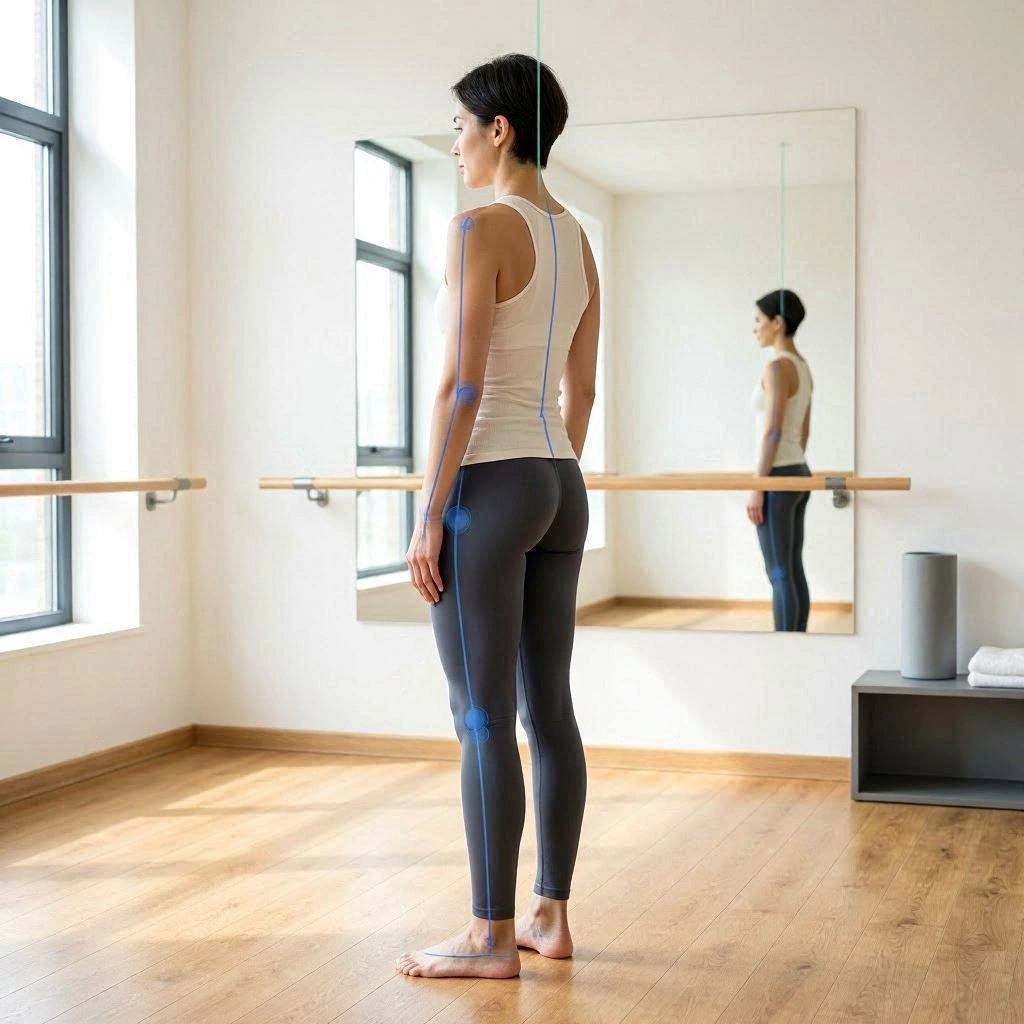
- Good movement control
- Appropriate balance
- Sport-specific capacity
- Ability to complete training drills
- Confidence in the injured area
- Ability to tolerate increasing training loads
A healthcare professional can help determine whether the athlete is ready for the next stage.
Returning too quickly can increase the chance of aggravating the injury or developing another problem.
Preventing Future Sports Injuries
Sports injury recovery should also consider future injury prevention.
Once an athlete returns to activity, maintaining strength, mobility, coordination, and conditioning can help support long-term performance.
Injury prevention strategies may include:
Proper Warm-Up
A suitable warm-up prepares the body for physical activity by gradually increasing movement and intensity.
Strength Training
Strength training helps athletes develop the physical capacity required by their sport.
Gradual Training Progression
Suddenly increasing training volume or intensity can place excessive stress on tissues.
Gradual progression allows the body time to adapt.
Recovery Between Training Sessions
Sleep, nutrition, rest, and appropriate training variation all contribute to recovery.
Movement Technique
Improving movement mechanics can help athletes perform demanding activities more efficiently.
Previous Injury Rehabilitation
Athletes should not ignore old injuries simply because they can return to sport.
Persistent weakness, stiffness, instability, or reduced confidence may require additional rehabilitation.
Sports Injury Recovery for Different Athletes
Recovery can look different depending on the athlete.
Runners
Runners often need gradual progression from walking to jogging and eventually normal running volume.
Rehabilitation may focus on lower-limb strength, hip control, calf capacity, balance, and running mechanics.
Soccer Players
Soccer requires sprinting, jumping, kicking, acceleration, deceleration, and frequent changes of direction.
Return-to-sport rehabilitation should therefore include progressively higher-speed and sport-specific movements.
Basketball Players
Basketball places significant demands on the knees, ankles, hips, and lower body.
Rehabilitation may include jumping, landing, cutting, balance, and repeated acceleration.
Weightlifters
Weightlifting requires strength, coordination, mobility, and load tolerance.
Returning after an injury should involve gradual increases in resistance and careful attention to movement technique.
Tennis Players
Tennis requires repeated rotation, acceleration, deceleration, and upper-limb movement.
Depending on the injury, rehabilitation may focus on shoulder strength, trunk control, lower-body movement, and sport-specific drills.
The Importance of Following a Rehabilitation Plan
Consistency matters during sports injury recovery.
An athlete may feel better before the injured area has fully regained strength and capacity. Returning to intense training simply because pain has decreased can sometimes create problems.
Following a structured program allows the athlete to progress through different stages rather than making large jumps in activity.
A rehabilitation plan may be adjusted when:
- Symptoms improve
- Strength increases
- Mobility improves
- Training tolerance increases
- New symptoms appear
- Progress slows
- Sport-specific demands change
At Ritz Clinic, rehabilitation programs can be adjusted as the patient’s strength, mobility, and confidence improve.
When Should You See a Physiotherapist?
Professional assessment may be useful when a sports injury:
- Prevents you from participating in your sport
- Causes persistent pain
- Produces significant swelling
- Reduces movement
- Causes weakness
- Creates instability
- Continues to return
- Does not improve as expected
You can also seek professional advice when you are unsure whether you should continue training.
Early assessment can help identify functional limitations and establish a suitable rehabilitation strategy.
When Is Urgent Medical Assessment Necessary?
Not every sports injury should be treated as a routine rehabilitation problem.
Urgent medical evaluation may be necessary after major trauma or when symptoms suggest a fracture, serious tissue injury, or neurological problem.
The NHS advises seeking urgent care when an injured body part changes shape, becomes numb or tingles, turns blue or grey, becomes cold, or when a crack is heard during the injury.
Athletes should also seek appropriate medical attention for severe or rapidly worsening symptoms, loss of consciousness, significant neurological symptoms, or other concerning signs.
How Long Does Sports Injury Recovery Take?
Recovery time varies widely.
A mild injury may improve relatively quickly. However, more significant injuries can require weeks or months of rehabilitation.
Recovery depends on:
- Type of injury
- Injury severity
- Tissue involved
- Whether surgery was required
- Previous injuries
- Age
- Physical condition
- Training history
- Rehabilitation consistency
- Sport demands
Instead of focusing only on a specific number of days, athletes should focus on measurable progress.
Improved movement, strength, balance, function, and sport-specific ability can provide better information about readiness.
Nutrition and Recovery
Nutrition also supports the overall recovery process.
Athletes need adequate energy and nutrients to support normal body functions, training, and tissue repair.
A balanced diet can include appropriate amounts of:
- Protein
- Carbohydrates
- Healthy fats
- Fruits
- Vegetables
- Whole grains
- Fluids
Athletes with significant injuries or specific dietary requirements may benefit from discussing nutrition with a qualified healthcare professional or registered dietitian.
Sleep and Sports Injury Recovery
Sleep is another important part of recovery.
Poor sleep can affect energy, concentration, mood, training quality, and the ability to perform rehabilitation exercises consistently.
Athletes should therefore treat sleep as part of their recovery routine.
A consistent sleep schedule and appropriate recovery time can help support the broader rehabilitation process.
Mental Recovery After a Sports Injury
Physical recovery is only one part of returning to sport.
Athletes may also experience frustration, anxiety, fear of reinjury, or loss of confidence.
These feelings can become especially noticeable when an athlete returns to the field but hesitates to use the previously injured body part.
Gradual exposure to sport-specific movements can help rebuild confidence.
Communication with a physiotherapist, coach, physician, or other qualified professional can also help an athlete manage the psychological challenges associated with returning to sport.
Frequently Asked Questions
What is the fastest way to recover from a sports injury?
There is no single fastest recovery method for every injury. Appropriate assessment, activity modification, progressive rehabilitation, adequate recovery, and gradual return to sport can support recovery while reducing the risk of doing too much too soon.
Can I exercise while recovering from a sports injury?
In many cases, some form of appropriately modified exercise can be part of rehabilitation. However, the exercises should match the injury and recovery stage. Severe pain or worsening symptoms should not be ignored.
Should I completely rest after a sports injury?
Complete rest is not always necessary. Some injuries require temporary protection and reduced activity, followed by gradual movement and loading as symptoms allow. The appropriate approach depends on the specific injury.
How long does sports injury recovery take?
Recovery time depends on the injury, severity, tissue involved, treatment, physical condition, and rehabilitation program. Some injuries recover within weeks, while more serious injuries may require several months.
When can I return to sports after an injury?
Return to sport should depend on functional recovery rather than a fixed date. Strength, mobility, balance, movement control, sport-specific ability, and symptom response should all be considered.
Can physiotherapy help with sports injury recovery?
Yes. Physiotherapy can support sports injury rehabilitation through assessment, therapeutic exercise, strength training, mobility work, balance training, movement retraining, and progressive return-to-sport programs.
Can sports injuries be prevented?
Not every sports injury can be prevented. However, appropriate conditioning, gradual training progression, strength development, adequate recovery, movement training, and rehabilitation of previous injuries can help reduce certain risk factors.
What should I do if my sports injury keeps coming back?
Recurring injuries deserve assessment. A physiotherapist or appropriate healthcare professional can evaluate strength, mobility, movement patterns, training load, and other factors that may contribute to repeated symptoms.
Final Thoughts
Sports injury recovery is a progressive process that requires patience, consistency, and an appropriate rehabilitation strategy.
The goal should not simply be to eliminate pain. Instead, successful recovery should help restore movement, strength, flexibility, balance, coordination, physical capacity, and confidence.
A structured rehabilitation program can gradually increase the demands placed on the injured area. Over time, the athlete can progress from basic movement to strengthening, functional exercises, sport-specific drills, and eventually full participation when appropriate.
Professional support can be particularly useful when an injury causes persistent symptoms, weakness, instability, reduced mobility, or difficulty returning to normal activity.
If you are recovering from a sports injury, sports injury physiotherapy at Ritz Clinic provides information about rehabilitation approaches designed for athletes and active individuals.
For broader rehabilitation needs, you can also explore Injury Rehabilitation to learn more about personalized recovery programs.
Most importantly, return to sport should be gradual and based on your physical recovery rather than a fixed deadline. Giving the body enough time to rebuild capacity can help create a stronger foundation for a safe and confident return to the activities you enjoy.