Chiropractor for Sacral Pain: Causes, Treatment Options, and Recovery
Sacral pain can make everyday activities such as walking, sitting, standing, bending, and getting out of bed uncomfortable. The pain may develop gradually after prolonged sitting or repetitive movement, or it may begin suddenly following an injury. Because several conditions can cause discomfort around the base of the spine, identifying the source of the symptoms is an important first step toward appropriate treatment. A chiropractor for sacral pain may help some people manage musculoskeletal discomfort through an individualized assessment, manual therapy, movement advice, and therapeutic exercises. However, the most suitable treatment depends on the underlying cause. Pain around the sacrum does not always originate in the sacroiliac joints, and chiropractic treatment is not appropriate for every condition.
At Ritz Clinic, understanding the possible causes of sacral pain can help patients make informed decisions about assessment and conservative care. This guide explains sacral anatomy, common symptoms, potential treatment approaches, recovery considerations, and warning signs that require medical attention.
What Is Sacral Pain?
Sacral pain refers to discomfort in the region of the sacrum, a triangular bone at the bottom of the spine. The sacrum sits between the lumbar spine and the coccyx, or tailbone, and connects with the pelvic bones through the sacroiliac joints.
People often describe sacral pain as an ache near the lower back, just above the buttocks, or on one side of the pelvis. Some experience a dull, persistent sensation, while others notice sharper discomfort during certain movements.
The term sacral pain describes the location of the symptoms rather than a specific diagnosis. Pain in this area may originate from the sacroiliac joints, surrounding ligaments, muscles, lumbar spine, hips, or other structures.
A chiropractor for sacral pain may assess whether the symptoms are consistent with a musculoskeletal problem that could respond to conservative care. If the presentation suggests a fracture, infection, inflammatory condition, nerve compression, or another medical problem, further investigation or referral may be necessary.
Understanding the Sacrum and Sacroiliac Joints
The sacrum consists of five vertebrae that usually fuse during development. It forms the back portion of the pelvic ring and helps transfer forces between the upper body and the lower limbs.
The sacroiliac joints, commonly called SI joints, connect the sacrum to the right and left ilium, which are the large bones forming much of the pelvis. These joints allow limited movement while helping transfer loads during standing, walking, lifting, and other everyday activities.
Several structures contribute to stability in this region, including:
- Ligaments that connect the sacrum and pelvic bones.
- Muscles surrounding the lower back, abdomen, hips, and pelvis.
- The lumbar spine, which transfers movement and load to the pelvis.
- The hip joints, which influence lower-limb movement and pelvic mechanics.
Because these structures work together, pain felt near the sacrum does not automatically indicate a problem within the SI joint itself.
For example, lumbar disc problems can refer pain toward the buttocks, while hip conditions may cause discomfort around the pelvis. A fall can also injure the sacrum or nearby structures.
A thorough assessment helps determine which explanations are plausible and whether chiropractic care is suitable.
Common Causes of Sacral Pain
There is no single cause of sacral pain. Understanding the possible source can help guide treatment and prevent unnecessary interventions.
1. Sacroiliac Joint-Related Pain
The sacroiliac joints can contribute to pain around the lower back and buttocks. Symptoms may be more noticeable when climbing stairs, standing on one leg, turning in bed, or moving from sitting to standing.
SI joint-related pain can be associated with trauma, pregnancy-related changes, altered loading, inflammatory conditions, or other factors. However, pain location alone cannot confirm that the SI joint is responsible.
A clinician may use a combination of history, physical examination, and, when indicated, additional investigations to assess the possibility of SI joint-related pain.
2. Lumbar Spine Problems
The lower lumbar spine is close to the sacrum and can produce symptoms that feel as though they originate in the pelvis.
Potential causes include muscle strain, degenerative changes, disc-related pain, and irritation of spinal nerves. Some conditions cause pain that spreads into the buttocks or legs.
Numbness, tingling, weakness, or pain traveling below the knee may suggest nerve involvement and should be assessed appropriately.
3. Muscle Strain and Ligament Irritation
Muscles and ligaments around the lower back and pelvis can become irritated following unfamiliar exercise, heavy lifting, repetitive bending, or prolonged awkward positioning.
This may produce tenderness and discomfort during movement. Symptoms can sometimes improve with appropriate activity modification, gradual movement, and a tailored rehabilitation program.
4. Prolonged Sitting and Reduced Movement
Spending long periods sitting may aggravate symptoms in some people, especially when they remain in one position for extended periods.
However, sitting is not necessarily the underlying cause. It may simply increase sensitivity in an already irritated area.
Regular movement breaks, comfortable positioning, and gradual increases in physical activity may help reduce discomfort.
5. Pregnancy and Postpartum Changes
Pregnancy changes the way forces are distributed through the pelvis. Changes in body mechanics, activity, and ligament function may contribute to pelvic girdle or SI-region pain in some individuals.
Symptoms can continue after childbirth, particularly when lifting, carrying, or caring for a baby increases physical demands.
Treatment during pregnancy or postpartum recovery should be adapted to the person’s circumstances. A qualified healthcare professional should consider pregnancy-related factors before recommending manual therapy or exercise.
6. Hip and Pelvic Conditions
Hip joint disorders and surrounding tendon or muscle problems can sometimes cause pain near the buttocks or pelvis. The lumbar spine and hip can also contribute to one another’s symptoms.
Assessing hip movement, strength, walking mechanics, and symptom patterns may help distinguish between possible sources.
7. Trauma and Fractures
A fall, vehicle collision, or direct impact may injure the sacrum or pelvis. Sacral stress fractures can also occur in some circumstances, including certain forms of repetitive loading or reduced bone strength.
New pain after significant trauma, severe pain with weight-bearing, or symptoms in someone with osteoporosis require medical assessment before chiropractic manipulation or other hands-on treatment is considered.
8. Inflammatory or Other Medical Conditions
Less commonly, sacral-region pain may be associated with inflammatory arthritis, infection, tumors, or other medical conditions.
Persistent night pain, fever, unexplained weight loss, a history of cancer, or feeling generally unwell alongside back or pelvic pain warrants prompt clinical assessment.

Common Symptoms Associated With Sacral Pain
Symptoms vary depending on the underlying condition. People seeking a chiropractor for sacral pain may report one or more of the following:
- Aching at the base of the spine.
- Pain on one side of the lower back or near the buttock.
- Discomfort when standing after sitting.
- Stiffness after rest or in the morning.
- Pain during bending, twisting, or climbing stairs.
- Tenderness around the lower back or pelvic region.
- Discomfort while walking or standing for extended periods.
- Pain that increases during certain activities and settles with others.
Some people experience symptoms primarily in the back or buttock, while others have pain that spreads toward the hip or thigh.
These symptoms are not specific to one diagnosis. Their duration, severity, triggers, and associated features all matter when deciding what assessment or treatment is appropriate.
How Is Sacral Pain Diagnosed?
Before starting treatment, a healthcare professional should consider the possible causes of the symptoms and identify any signs that require further investigation.
Medical and Activity History
The assessment usually begins with questions about when the pain started, where it is located, and how it affects everyday activities.
A clinician may ask about recent injuries, exercise changes, work demands, previous episodes, pregnancy, existing medical conditions, and whether the pain travels into the legs.
Questions about fever, unexplained weight loss, neurological symptoms, and changes in bowel or bladder function are also important.
Physical Examination
Depending on the clinical setting and the person’s symptoms, an examination may include:
- Observation of posture and movement.
- Assessment of walking and functional activities.
- Lumbar spine and hip movement testing.
- Strength and flexibility assessment.
- Neurological screening when indicated.
- Selected tests that reproduce or relieve familiar symptoms.
For suspected SI joint-related pain, clinicians may use a group of provocation tests rather than relying on a single test. Even then, the results must be interpreted alongside the history and other findings.
A physical examination cannot always identify one precise structure as the source of pain.
When Is Imaging Necessary?
Imaging is not routinely required for every episode of sacral or lower-back pain. A clinician may recommend X-rays, MRI, CT, or other investigations when the history and examination suggest a fracture, significant injury, infection, inflammatory disease, tumor, or another condition requiring further evaluation.
The appropriate investigation depends on the suspected diagnosis.
A chiropractor for sacral pain should not assume that every painful area requires imaging, nor should imaging be used as a substitute for a careful clinical assessment.
How Can a Chiropractor for Sacral Pain Help?
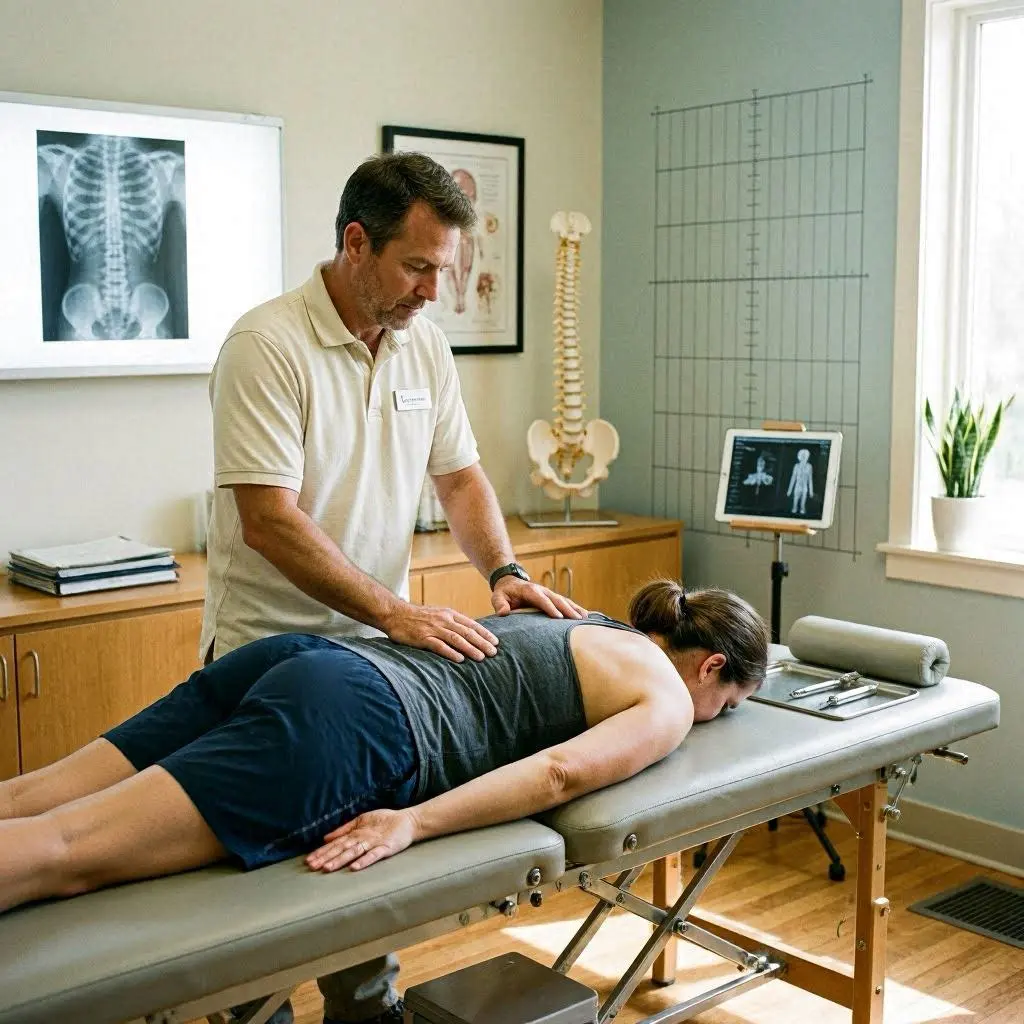
Chiropractic care may be considered when the symptoms appear consistent with a musculoskeletal problem and serious underlying conditions have been appropriately considered.
The main goals of conservative care are generally to reduce symptom aggravation, improve comfortable movement, support daily function, and help the patient return to suitable activities.
Treatment should be individualized rather than based on the assumption that the sacrum is out of alignment and must be permanently repositioned.
1. Individualized Assessment and Care Planning
A chiropractor may assess the patient’s movement, symptom triggers, functional limitations, and relevant medical history.
The findings can help determine whether conservative chiropractic care is reasonable or whether referral to another healthcare professional is more appropriate.
A treatment plan should include realistic goals and a way to review progress. If symptoms worsen or fail to improve as expected, the diagnosis and management plan may need to be reconsidered.
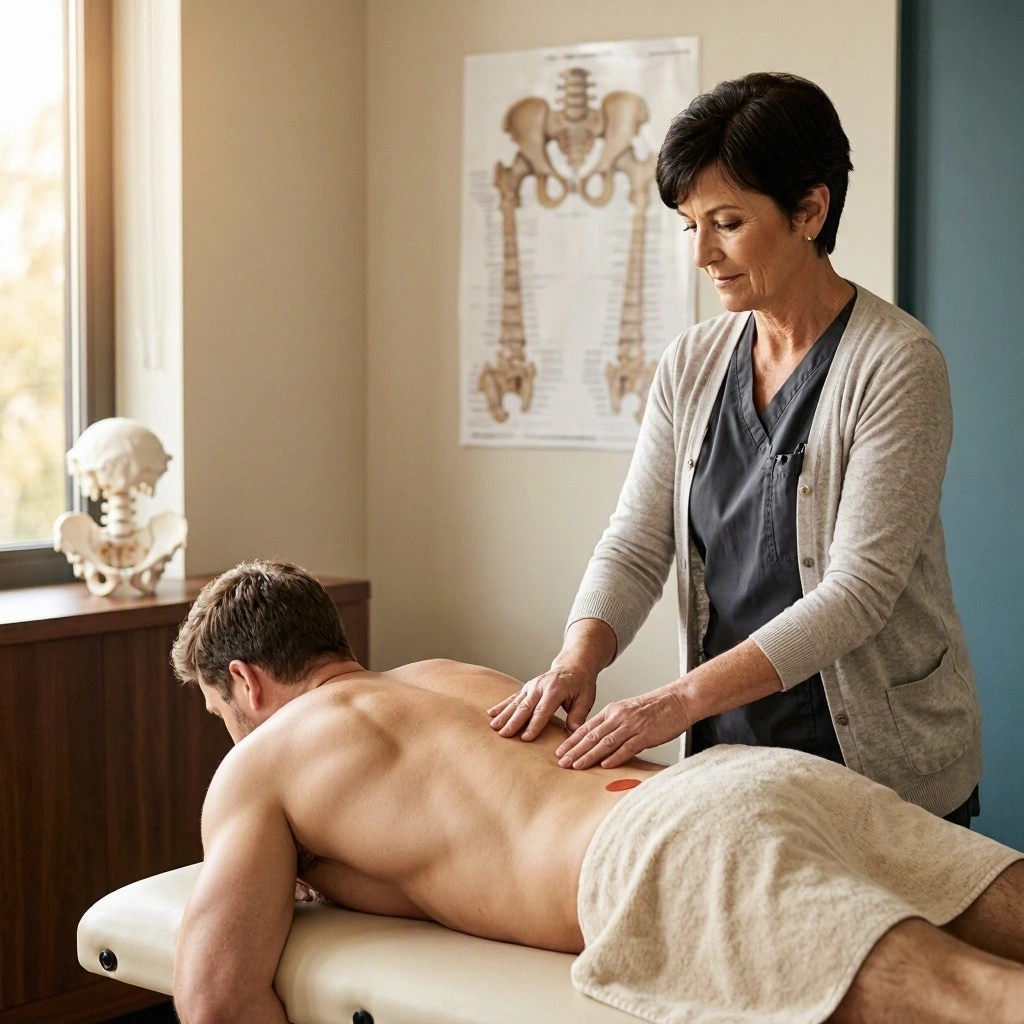
2. Manual Therapy and Joint Mobilization
Depending on the assessment, a chiropractor may use gentle manual techniques or joint mobilization to help some patients move more comfortably.
These techniques are intended to influence symptoms and movement tolerance. They should not be presented as a guaranteed way to correct a permanently displaced sacrum.
The choice of technique depends on the person’s condition, preferences, medical history, and risk factors. Manual treatment should be avoided when a suspected fracture, infection, significant instability, or another contraindication has not been resolved.
3. Spinal Manipulation When Appropriate
Spinal manipulation involves a clinician applying a controlled force to a joint. It may be considered for selected people with certain types of musculoskeletal back pain.
Research on spinal manipulation for general low-back pain suggests that some people may experience modest symptom improvement. However, this evidence cannot automatically be applied to every cause of sacral pain or to confirmed SI joint complex pain.
The 2025 international consensus guidelines on SI joint complex pain report insufficient evidence to recommend chiropractic treatment specifically for this condition. This means the evidence is limited, not that every manual technique is necessarily ineffective.
A chiropractor should explain the expected benefits, limitations, possible risks, and available alternatives before treatment. A patient should never feel pressured to undergo spinal manipulation.
4. Soft Tissue Techniques
When muscle tension or local tenderness appears to contribute to symptoms, a clinician may consider soft tissue techniques as part of a broader care plan.
These approaches may temporarily reduce discomfort or make movement easier for some people. Their value depends on the condition and the individual response.
Soft tissue treatment should not replace appropriate assessment of persistent pain or symptoms suggesting a more serious condition.
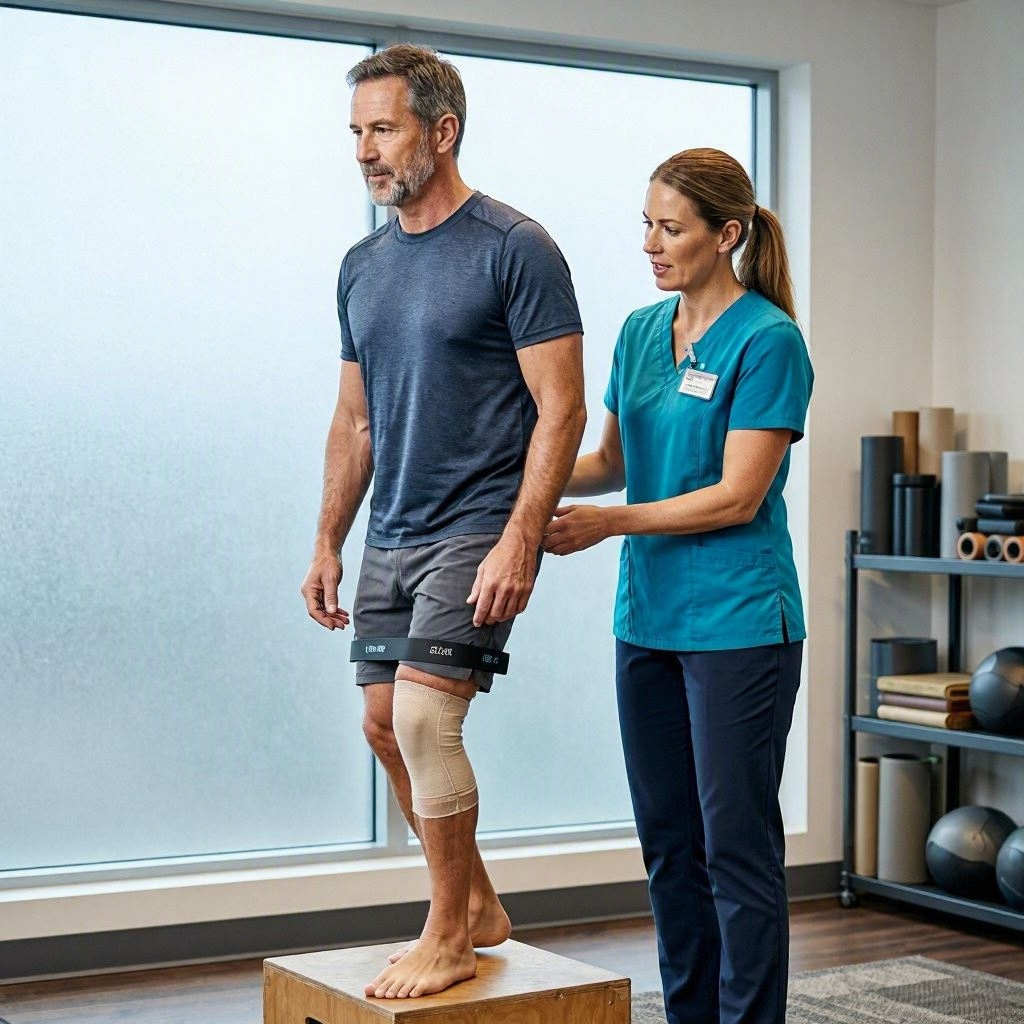
5. Therapeutic Exercise
Exercise is an important part of many conservative rehabilitation plans. A chiropractor may recommend suitable exercises or coordinate care with a physiotherapist, depending on the clinic’s services and the patient’s needs.
The program may focus on:
- Gradual trunk and pelvic muscle strengthening.
- Hip mobility and strength.
- Comfortable lumbar and pelvic movement.
- Balance and movement control.
- Gradual return to walking and other activities.
- Building tolerance for work, exercise, and daily tasks.
Exercises should be selected according to the person’s symptoms and abilities. There is no single exercise routine that is appropriate for everyone with sacral pain.
If an exercise causes sharp, increasing, or spreading pain, it should be stopped and reviewed with a qualified professional.
6. Education and Activity Modification
Understanding how to manage symptoms between appointments can be an important part of care.
A clinician may suggest alternating positions, taking movement breaks, adjusting lifting techniques, and temporarily modifying activities that repeatedly aggravate symptoms.
The aim is not to avoid all movement. For many uncomplicated musculoskeletal conditions, gradually returning to normal activity is more useful than prolonged rest.

What Does the Research Say About Chiropractic Treatment for Sacral Pain?
It is important to distinguish evidence for general low-back pain from evidence specifically related to sacral or SI joint complex pain.
The National Center for Complementary and Integrative Health (NCCIH) explains that spinal manipulation may provide some improvement in pain and function for certain people with low-back pain, although study quality and findings vary.
The 2025 consensus practice guidelines on sacroiliac joint complex pain identify limitations in the evidence for specific interventions. The guidelines describe insufficient evidence for chiropractic treatment specifically for SI joint complex pain.
The NICE guideline on low-back pain and sciatica advises considering manual therapy only as part of a treatment package that includes exercise, rather than treating manual therapy as a stand-alone solution.
Taken together, these sources support a balanced approach: chiropractic treatment may be an option for selected musculoskeletal presentations, but its effectiveness for a particular person’s sacral pain cannot be guaranteed.
An appropriate plan should be based on the likely cause, the person’s goals, safety considerations, and measurable improvement in daily function.
Who May Benefit From Seeing a Chiropractor for Sacral Pain?
A chiropractic assessment may be reasonable for someone who has discomfort around the lower back or pelvis that appears musculoskeletal, particularly when symptoms are linked to movement or activity.
People who may wish to discuss conservative care include those experiencing:
- Mild to moderate lower-back or pelvic discomfort after increased activity.
- Movement-related stiffness without warning signs.
- Recurrent musculoskeletal symptoms that affect everyday tasks.
- Difficulty returning to normal activity after a non-serious strain.
- Symptoms that may benefit from a combined approach involving movement advice and rehabilitation.
These examples do not establish a diagnosis or guarantee that chiropractic treatment is appropriate.
A clinician should assess the person’s medical history, symptom pattern, and risk factors before recommending treatment. Patients with persistent, unexplained, severe, or worsening pain may need medical evaluation before starting conservative care.
Chiropractor vs. Physiotherapist for Sacral Pain
Both chiropractors and physiotherapists may work with people experiencing musculoskeletal pain, but their training, treatment approaches, and individual practices can differ.
| Area of care | Chiropractor | Physiotherapist |
|---|---|---|
| Assessment | May assess spinal and musculoskeletal movement, symptoms, and function | May assess movement, strength, mobility, function, and rehabilitation needs |
| Manual treatment | May offer joint mobilization, manipulation, or soft tissue techniques when appropriate | May offer mobilization, soft tissue treatment, or other manual techniques when appropriate |
| Exercise | May provide exercises and movement advice | Commonly emphasizes progressive exercise and functional rehabilitation |
| Main focus | Depends on the practitioner and the patient’s needs | Depends on the practitioner and the patient’s needs |
| Referral | Should refer when findings suggest a condition outside the scope of care | Should refer when medical assessment or additional investigation is needed |
Neither profession is automatically the best option for every case. The appropriate choice depends on the suspected cause of the pain, the treatment proposed, the practitioner’s qualifications, and the patient’s preferences.
At Ritz Clinic, you can explore the clinic’s chiropractic services and physiotherapy services to learn more about the available care options.
Exercises and Home Care for Sacral Pain
Home care may support recovery when symptoms are caused by an uncomplicated musculoskeletal condition. It is not a substitute for assessment when pain is severe, persistent, unexplained, or associated with warning signs.
Walking and Gentle Movement
Short, comfortable walks may help maintain general mobility. Start with a manageable duration and gradually increase activity if symptoms remain stable or improve.
There is no need to force movement through significant pain. Adjust the duration and intensity according to your response.
Gentle Pelvic and Hip Movement
Some people tolerate gentle hip movement or controlled pelvic movements better than prolonged rest. Start slowly and remain within a comfortable range.
If movement produces sharp pain, new numbness, or symptoms spreading down the leg, stop and seek appropriate advice.
Gradual Strengthening
Depending on the diagnosis, a rehabilitation program may include trunk, hip, and pelvic muscle strengthening. The exercises should match the person’s current capacity and progress gradually.
A professional can help determine whether strengthening, mobility work, or a different intervention is most appropriate.
Adjusting Sitting and Work Habits
If sitting aggravates symptoms, try changing positions regularly, taking brief movement breaks, and adjusting the chair or desk to support a comfortable working posture.
No single sitting posture is ideal for everyone. The priority is finding positions that are comfortable and avoiding long periods in one position when they aggravate symptoms.
Heat or Cold
Some people find a wrapped heat pack or cold pack temporarily helpful. Avoid direct contact with the skin and do not use temperatures that may cause burns or cold injury. (Chiropractor for Sacral Pain)
People with reduced skin sensation or circulation problems should seek professional advice before using these methods.
How Long Does Sacral Pain Recovery Take?
Recovery depends on the cause, severity, duration, overall health, and the person’s ability to resume suitable activity.
A mild muscle strain may improve over days or weeks, while persistent pain associated with a more complex condition may require a longer period of assessment and rehabilitation.
There is no universal recovery timeline for sacral pain. Improvement should be evaluated through practical changes, such as walking more comfortably, tolerating sitting for longer, sleeping better, or returning to everyday activities.
If treatment is not helping, symptoms are getting worse, or new symptoms appear, the diagnosis and treatment plan should be reviewed. Continuing the same intervention indefinitely without meaningful improvement is not appropriate.
Is Chiropractic Treatment Safe for Sacral Pain?
Safety depends on the underlying condition, the treatment technique, and the person’s health history.
Temporary soreness, stiffness, or discomfort can occur after spinal manipulation. Serious complications are considered rare, but the risk is not zero. Certain conditions may make manipulation inappropriate or require additional medical evaluation.
Before treatment, tell the practitioner about relevant medical conditions, recent injuries, osteoporosis, pregnancy, medications that may affect bleeding, previous spinal surgery, and any neurological symptoms.
The NCCIH guidance on spinal manipulation discusses potential side effects and the importance of considering individual risks.
A practitioner should explain the proposed technique, obtain informed consent, and offer alternatives. You can decline any technique or ask to stop treatment at any time.
When Should You Seek Urgent Medical Attention?
Not all sacral pain is caused by a routine musculoskeletal problem. Some symptoms require urgent or emergency evaluation rather than chiropractic treatment. (Chiropractor for Sacral Pain)
Seek emergency medical care if you develop:
- New loss of bladder or bowel control.
- Difficulty passing urine that is new and unexplained.
- Numbness around the groin, inner thighs, or saddle area.
- New or rapidly progressive weakness in one or both legs.
- Severe back or sacral pain after significant trauma.
- Inability to bear weight following an injury, especially with severe pain.
These symptoms may indicate a serious condition that needs urgent investigation.
Seek prompt medical assessment if you have fever, chills, unexplained weight loss, persistent night pain, a history of cancer, significant immune suppression, or pain that is progressively worsening without a clear explanation.
People with osteoporosis, a possible stress fracture, or other conditions that increase fracture risk should also be assessed before undergoing manual treatment.
When in doubt, medical evaluation should take priority over attempting to treat the symptoms at home.
Frequently Asked Questions About Chiropractors for Sacral Pain
1. Can a chiropractor help with sacral pain?
A chiropractor may help some people whose symptoms are related to an appropriate musculoskeletal condition. Care may involve assessment, selected manual techniques, movement advice, and exercise. Results vary, and chiropractic treatment is not suitable for every cause of sacral pain.
2. Is sacral pain the same as SI joint pain?
No. Sacral pain describes discomfort in a particular region, while SI joint pain refers to pain attributed to the sacroiliac joint complex. Problems involving the lumbar spine, hip, muscles, ligaments, or sacrum itself can cause similar symptoms.
3. Can a chiropractor realign the sacrum?
It is misleading to describe treatment as permanently realigning a displaced sacrum in routine cases of musculoskeletal pain. Manual therapy may affect symptoms and movement, but improvement does not prove that a bone was out of position or has been permanently corrected.
4. Is spinal manipulation necessary for sacral pain?
No. Spinal manipulation is only one possible intervention and may not be appropriate for every patient. Depending on the diagnosis, treatment may focus on education, exercise, movement modification, mobilization, or referral for further assessment.
5. Should I see a chiropractor or physiotherapist first?
Either may be appropriate for some uncomplicated musculoskeletal presentations. Consider the nature of your symptoms, the clinician’s qualifications, the proposed treatment, and whether you need a structured rehabilitation program. Severe or unexplained symptoms should be medically assessed first.
6. Can sitting cause sacral pain?
Prolonged sitting may aggravate symptoms in some people, but it is not always the underlying cause. Changing positions, taking movement breaks, and gradually increasing activity may help. Persistent pain should be assessed rather than automatically attributed to posture.
7. Can exercise make sacral pain worse?
Some exercises may aggravate symptoms if they are too intense or unsuitable for the underlying condition. Begin with comfortable movement and progress gradually. Stop an activity that causes sharp or increasing pain, new neurological symptoms, or significant deterioration.
8. How many chiropractic appointments will I need?
There is no standard number of appointments for sacral pain. The appropriate frequency and duration depend on the diagnosis, severity, progress, and treatment goals. Care should be reviewed regularly, and the plan should change if meaningful improvement does not occur.
9. Can sacral pain go away on its own?
Some episodes of uncomplicated musculoskeletal pain improve with time, appropriate activity, and self-management. Other causes require targeted treatment or medical investigation. The likely course depends on the underlying condition, so persistent or worsening symptoms should not be ignored.
10. What should I tell my chiropractor before treatment?
Explain when the pain started, what makes it better or worse, whether it spreads into your legs, and whether you have numbness, weakness, fever, or other symptoms. Mention recent trauma, pregnancy, osteoporosis, previous surgery, relevant medical conditions, and medications that may affect treatment safety.
Chiropractic Care for Sacral Pain at Ritz Clinic
Living with sacral pain can interfere with work, sleep, exercise, and daily activities. Finding the right approach starts with understanding the symptoms and considering the structures that may be contributing to them.
A chiropractor for sacral pain may be one option for selected musculoskeletal conditions. Depending on the assessment, conservative care may include movement advice, appropriate manual therapy, and exercises designed to improve function. However, no treatment can guarantee a specific result, and the available evidence for chiropractic treatment specifically for SI joint complex pain remains limited.
At Ritz Clinic, patients can explore available chiropractic services and physiotherapy services to learn about conservative care options. The most suitable approach should reflect the patient’s symptoms, medical history, goals, and clinical findings.
If your pain is severe, unexplained, worsening, or accompanied by warning signs, seek medical assessment before beginning treatment.
Medical disclaimer: This article is for general educational purposes and is not a substitute for an individual medical assessment, diagnosis, or treatment plan. Always seek advice from a qualified healthcare professional about persistent or concerning symptoms.
2025 Consensus Practice Guidelines on Sacroiliac Joint Complex Pain — evidence and recommendations concerning SI joint complex pain.