Custom Orthotics for Foot Fatigue: Benefits, Causes, and Treatment Options
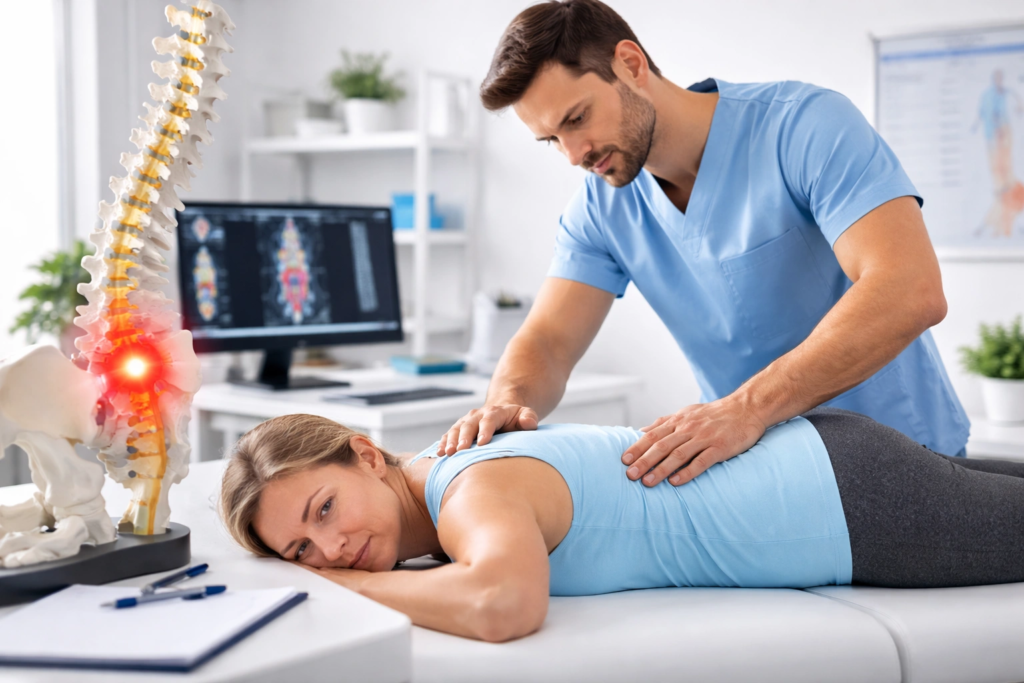
Foot fatigue is a common problem for people who spend long hours standing, walk extensively, work on hard surfaces, or participate in physically demanding activities. It may feel like aching, heaviness, soreness, or tiredness in the feet, particularly toward the end of the day. Although occasional foot fatigue can be a normal response to increased activity, persistent symptoms may indicate that the feet need better support, a change in activity levels, or a more detailed assessment. Custom Orthotics for Foot Fatigue may help some individuals improve comfort during standing and walking by providing personalised support and influencing pressure distribution across the feet. These devices are designed to fit inside shoes and can be tailored to an individual’s foot structure, movement patterns, symptoms, footwear, and daily activities.
However, custom orthotics are not necessary for everyone who experiences tired feet. Their effectiveness depends on the underlying cause of the symptoms, and research does not establish that custom-made orthotics are superior to prefabricated insoles for every foot condition. A personalised assessment can help determine whether orthotics are appropriate and whether they should be combined with physiotherapy, footwear changes, or other treatments.
At Ritz Clinic, custom orthotics may be considered as part of an individualised approach to foot comfort, movement, and functional support.
What Is Foot Fatigue?
Foot fatigue describes a sensation of tiredness, discomfort, aching, or reduced tolerance for standing and walking. It is a symptom rather than a specific medical diagnosis.
The feet contain bones, joints, muscles, tendons, ligaments, nerves, and connective tissues that work together to support body weight and absorb forces during movement. These structures repeatedly respond to the demands of walking, running, standing, and maintaining balance.
When the demands placed on the feet exceed what the tissues can comfortably tolerate, fatigue may develop. The symptoms may improve with rest but return when the person resumes the same activity.
Common signs of foot fatigue include:
- Aching across the arches of the feet.
- A heavy or tired sensation after prolonged standing.
- Discomfort in the heels or forefoot.
- Increased soreness after walking or exercising.
- Reduced comfort when wearing particular shoes.
- A feeling that the feet need frequent rest.
- Difficulty completing long shifts or extended walks comfortably.
Some people experience fatigue in both feet, while others notice symptoms mainly on one side. The location, timing, severity, and associated symptoms can help a healthcare professional identify possible causes.
Custom Orthotics for Foot Fatigue may be considered when an assessment suggests that additional support or a change in pressure distribution could improve comfort. Persistent symptoms should not automatically be attributed to foot mechanics, however, because medical conditions, nerve problems, and injuries can also cause discomfort.
What Causes Foot Fatigue?
Understanding the potential causes of tired feet is an important first step in choosing an appropriate treatment.
1. Prolonged Standing
People who work in healthcare, retail, hospitality, construction, education, and manufacturing may spend many hours standing throughout the day.
Prolonged standing increases the duration of loading on the feet and may contribute to discomfort, particularly when workers have limited opportunities to sit, walk, or change positions.
Standing on concrete or other hard surfaces may also make the experience less comfortable for some individuals.
Supportive footwear, regular movement breaks, appropriate work surfaces, and personalised foot support may help manage symptoms. Custom orthotics may be useful for selected individuals, but they should not be treated as a substitute for reasonable rest and workplace adjustments.
2. Excessive Walking (Custom Orthotics for Foot Fatigue)
Long walks, sightseeing, hiking, and physically demanding daily routines can increase the workload placed on the feet.
Foot fatigue may develop when someone suddenly increases their walking distance or begins a new exercise routine without allowing enough time for adaptation.
Gradually increasing activity, selecting suitable footwear, and allowing recovery between demanding sessions can help improve tolerance.
3. Foot Arch Differences
People have different foot shapes and arch heights. Some have relatively low arches, while others have high arches.
These variations are not necessarily problems and do not automatically require orthotics. However, when a person’s foot structure is associated with discomfort or difficulty tolerating particular activities, additional support may be considered.
Custom orthotics can be designed to accommodate individual foot characteristics and provide targeted support where appropriate.
4. Unsuitable Footwear
Shoes that are worn out, too narrow, too loose, poorly cushioned, or unsuitable for a particular activity may contribute to discomfort.
For example, someone who stands for an entire work shift may need different footwear features from someone who participates in distance running.
A shoe assessment can help identify whether the footwear provides adequate room, stability, cushioning, and support for the person’s needs.
5. Sudden Increases in Exercise (Custom Orthotics for Foot Fatigue)
Increasing running mileage, walking distance, sports training, or time spent standing can place new demands on the feet.
If activity increases too quickly, the muscles and other tissues may struggle to adapt. Fatigue may develop before more persistent pain appears.
A gradual training plan, appropriate recovery, and strength exercises can help improve physical capacity.
6. Plantar Fasciitis and Other Foot Conditions
Foot fatigue may coexist with plantar fasciitis, tendon irritation, metatarsalgia, arthritis, or other musculoskeletal conditions.
Plantar fasciitis commonly causes pain around the heel, particularly with the first steps after waking or resting. Metatarsalgia generally refers to pain around the ball of the foot.
These conditions require more specific assessment than general tiredness. Orthotics may be considered as one part of treatment for selected conditions, but the design and expected benefits depend on the diagnosis.
7. Muscle Weakness and Reduced Endurance
The muscles of the feet, ankles, and lower legs help control movement and support the body during activity.
When muscle endurance is limited, prolonged standing or walking may become uncomfortable. A person may benefit from strengthening exercises, activity modification, or a physiotherapy programme.
Custom orthotics can provide external support, but they do not replace the benefits of improving strength and endurance when these are relevant to the problem.
What Are Custom Orthotics?
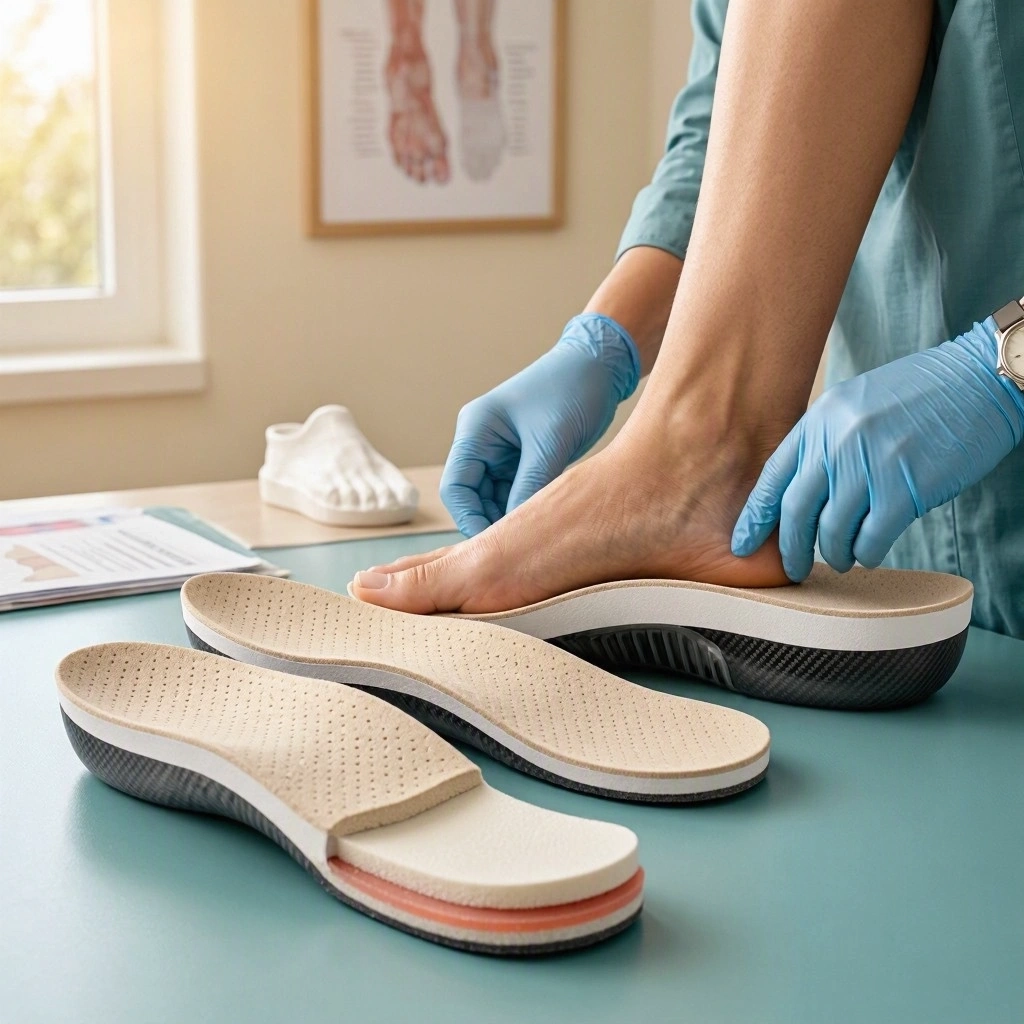
Custom orthotics are individually designed devices placed inside shoes to provide support and influence how pressure is distributed across the feet during standing and movement.
Unlike standard insoles manufactured in general sizes, custom orthotics are developed according to an individual’s assessed needs. Depending on the service and device, the process may involve measurements, a foot impression, a digital scan, or another method of capturing foot shape.
The final design may vary in material, thickness, flexibility, contour, cushioning, and support features.
Custom orthotics may be recommended for people with specific foot conditions, recurring discomfort, particular biomechanical needs, or difficulties related to prolonged standing and physical activity.
However, a custom-made device is not automatically better than a well-chosen prefabricated insole. The decision should be based on clinical need, comfort, goals, and the available evidence.
How Custom Orthotics for Foot Fatigue May Help
The potential benefits of Custom Orthotics for Foot Fatigue depend on why the feet become tired and whether the device addresses the relevant problem.
1. Supporting the Foot Arches
The arches help distribute forces and adapt to different surfaces during movement. Some individuals may benefit from additional support when their current footwear does not provide the comfort or stability they need.
Custom orthotics can be shaped to accommodate the individual’s feet and provide targeted arch support.
The goal is not to force every foot into the same position. Instead, the device should provide comfortable support that matches the person’s needs.
2. Distributing Pressure
Standing and walking place pressure on different areas of the foot. When pressure is concentrated in a sensitive region, discomfort may develop.
A suitably designed orthotic may change how pressure is distributed across the foot. Depending on the person’s condition, this may help reduce discomfort in specific areas.
Pressure redistribution is not the same as eliminating all forces from the foot. The aim is to improve comfort and function rather than remove the normal loading needed for movement.
3. Improving Comfort During Prolonged Standing (Custom Orthotics for Foot Fatigue)
People who work long shifts may experience increasing discomfort as the day progresses.
For selected individuals, Custom Orthotics for Foot Fatigue may provide a more comfortable interface between the foot and the shoe, particularly when the design addresses a specific support or pressure-distribution need.
The results will depend on factors such as footwear, work surfaces, activity levels, the cause of the fatigue, and the individual’s response to the device.
Orthotics should be considered alongside practical measures such as movement breaks, appropriate shoes, and changes to prolonged static standing.
4. Supporting Walking and Daily Activities
Foot discomfort can make walking, shopping, commuting, or completing household tasks more difficult.
When the device is appropriate for the person’s needs, orthotics may help improve comfort during these activities.
A successful outcome should be judged by functional improvements, such as being able to complete a usual walk with less discomfort, rather than simply by how the orthotic looks or feels while standing still.
5. Accommodating Individual Foot Shapes (Custom Orthotics for Foot Fatigue)
A personalised device can be designed around a person’s particular foot contours and footwear requirements.
This may be useful when a standard insole does not fit comfortably or does not provide the support required for a specific clinical problem.
However, customisation should have a clear purpose. A more complicated or expensive device is not necessarily more effective if a simpler option meets the person’s needs.
6. Complementing Physiotherapy
Some cases of foot fatigue involve reduced muscle endurance, limited ankle movement, changes in balance, or difficulty tolerating increased activity.
In these situations, orthotics may be combined with physiotherapy, which can address strength, flexibility, movement control, and gradual increases in activity.
Using both approaches may provide a broader treatment strategy when each intervention addresses a relevant part of the problem.
Who May Benefit From Custom Orthotics for Foot Fatigue?
Custom orthotics may be worth considering for people whose foot fatigue is persistent, affects daily activities, or is associated with an identified foot condition.
Potential candidates include:
- Workers who stand for prolonged periods and experience recurring foot discomfort.
- People who walk long distances and develop symptoms related to a specific pressure or support problem.
- Individuals with painful high arches or other foot-shape-related difficulties.
- People with selected musculoskeletal foot conditions.
- Individuals who have difficulty finding comfortable support in standard footwear.
- Active people whose symptoms interfere with walking, training, or other physical activities.
An assessment is important because tired feet do not always indicate a need for orthotics.
For example, a person whose symptoms are caused mainly by a sudden increase in exercise may improve by adjusting their activity and building endurance gradually. Someone with nerve symptoms, an injury, or an inflammatory condition may need a different approach.
The most suitable treatment is the one that addresses the actual cause of the problem.
Custom Orthotics vs. Prefabricated Insoles (Custom Orthotics for Foot Fatigue)
One common question is whether custom orthotics are better than ordinary insoles.
Prefabricated insoles are produced in standard sizes and designs. They are generally easier to obtain and may provide adequate comfort or support for many people.
Custom orthotics are designed for individual needs and may be appropriate when a specific condition, foot shape, or functional requirement calls for a more personalised solution.
| Feature | Custom orthotics | Prefabricated insoles |
|---|---|---|
| Design | Individually prescribed or manufactured | Produced in standard sizes and shapes |
| Fit | Tailored to assessed needs | Depends on the available size and design |
| Cost | Often higher | Usually more affordable |
| Availability | May require assessment and production time | Commonly available in stores |
| Best use | Selected conditions or individual support requirements | General comfort and support needs |
| Adjustment | May allow individualised modifications | Options vary by product |
Research suggests that custom orthotics do not consistently outperform prefabricated devices for every foot condition. For example, a Cochrane review of custom-made foot orthoses found different results depending on the condition being treated.
The choice should therefore be guided by symptoms, diagnosis, comfort, cost, and response to treatment rather than the assumption that custom devices are always superior.
How Are Custom Orthotics Assessed and Made?
The process generally begins with an assessment to understand the person’s symptoms and determine whether an orthotic device is appropriate.
Step 1: Discuss Symptoms and Goals (Custom Orthotics for Foot Fatigue)
The clinician may ask when the fatigue begins, where it is felt, how long the person stands or walks, and which activities make the symptoms better or worse.
They may also ask about previous injuries, current footwear, work requirements, exercise habits, and any relevant medical conditions.
Understanding the person’s goals helps determine what the device should aim to achieve.
Step 2: Assess Foot Structure and Movement
The assessment may include observing the feet while standing, examining foot and ankle movement, checking tenderness, and reviewing walking patterns.
The clinician may also assess balance, lower-limb strength, footwear, and the relationship between symptoms and specific activities.
Not every person requires the same tests. The assessment should be appropriate to the symptoms and suspected cause.
Step 3: Capture Foot Measurements
If custom orthotics are recommended, the practitioner may collect foot measurements or use an impression or digital scanning method.
These measurements help inform the design, but they are only one part of the process. The final device should also reflect the person’s symptoms, activities, footwear, and clinical requirements.
Step 4: Design the Orthotics
The design may consider the amount and location of support, material properties, cushioning, shoe space, and the activities the device will be used for.
A device intended for formal work shoes may need different dimensions from one designed for athletic footwear.
The purpose is to create a device that fits appropriately and provides useful support without introducing unnecessary pressure.
Step 5: Fit and Review
After receiving the orthotics, the person should check that they fit properly inside the intended shoes and do not cause new discomfort.
A follow-up review can help determine whether the device is improving the intended symptoms or needs adjustment.
How to Get Used to Custom Orthotics (Custom Orthotics for Foot Fatigue)
New orthotics may feel different from the insoles a person has used previously. Some people adapt quickly, while others need a gradual introduction.
Follow the fitting professional’s instructions, especially if the orthotics were prescribed for a specific medical condition.
A general adaptation approach may include:
- Begin with a short period of wear if gradual adaptation has been recommended.
- Check your feet for redness, rubbing, or new pressure points.
- Increase wear time progressively when the devices remain comfortable.
- Use footwear that accommodates the orthotics without squeezing the toes.
- Arrange a review if discomfort persists or the fit feels incorrect.
Do not force yourself to continue wearing orthotics that cause significant pain, numbness, skin damage, or worsening symptoms.
People with diabetes, reduced foot sensation, circulation problems, or a history of foot ulcers should be particularly careful and follow individual professional advice about fit and skin checks.
Exercises That May Help Reduce Foot Fatigue
Custom Orthotics for Foot Fatigue may be one part of a management plan, but some individuals also benefit from exercises that improve foot and ankle strength or endurance.
Exercise selection depends on the cause of the fatigue. The following are general examples and may not be appropriate for every condition.
1. Calf Stretch
Tight calf muscles may limit ankle movement and affect walking mechanics in some individuals.
To perform a gentle calf stretch:
- Stand facing a wall and place both hands against it.
- Step one foot backward.
- Keep the back heel on the floor and bend the front knee.
- Lean forward until you feel a gentle stretch in the back calf.
- Hold briefly without bouncing, then relax.
Repeat on the other side if comfortable. Stop if the stretch produces sharp pain or aggravates your symptoms.
2. Towel Scrunches (Custom Orthotics for Foot Fatigue)
This exercise activates the small muscles in the foot.
- Sit in a chair and place a small towel on the floor.
- Rest your foot on the towel.
- Use your toes to gently draw the towel toward you.
- Relax and repeat a few times.
Avoid excessive gripping if it causes cramping or pain. This exercise is not essential for everyone with foot fatigue.
3. Supported Calf Raises
Calf raises strengthen muscles that contribute to walking and standing.
- Stand near a sturdy counter.
- Hold the counter for balance.
- Slowly rise onto your toes.
- Pause briefly.
- Lower your heels in a controlled manner.
Begin with a comfortable number of repetitions. Increase the difficulty gradually if the exercise does not aggravate your symptoms.
4. Gradual Walking Progression
If foot fatigue develops because activity has increased too quickly, adjusting walking duration may be more useful than adding difficult exercises immediately.
Begin with a duration you can tolerate comfortably and increase it gradually as your symptoms allow.
If walking produces persistent pain, swelling, limping, or worsening symptoms, seek professional advice rather than repeatedly pushing through discomfort.
Choosing the Right Shoes for Custom Orthotics (Custom Orthotics for Foot Fatigue)
Footwear plays an important role in how orthotics fit and function.
Even a well-designed orthotic may be uncomfortable when placed inside a shoe that is too narrow, too shallow, worn out, or unsuitable for the intended activity.
When choosing shoes, consider the following factors.
Adequate Toe Space
The toes should have enough room to move comfortably. Shoes that compress the forefoot may create pressure points or aggravate existing symptoms.
Appropriate Stability
The shoe should feel secure during walking and should accommodate the orthotic without causing the foot to slide excessively.
Suitable Cushioning (Custom Orthotics for Foot Fatigue)
Some people prefer softer cushioning, while others find firmer footwear more comfortable. The appropriate option depends on the individual, the activity, and the underlying problem.
Enough Internal Space
Custom orthotics can take up space inside a shoe. A removable original insole may need to be taken out if the orthotic is designed to replace it, but follow the fitting professional’s instructions.
The shoe should not become tight or push the foot upward against its upper.
Activity-Specific Design
Walking shoes, work shoes, and athletic footwear serve different purposes. Select footwear that suits the demands of the activity and is compatible with the orthotics.
What Does the Research Say About Custom Orthotics?
The evidence for foot orthoses varies according to the condition being treated. It is important to distinguish research on diagnosed foot pain from research specifically investigating general foot fatigue.
A Cochrane review found that custom orthotics may help certain groups, including people with painful high arches, while evidence for other conditions was less consistent. It also found that non-custom devices may perform similarly in some situations.
For plantar heel pain, a clinical practice guideline published in the Journal of Orthopaedic & Sports Physical Therapy advises against using orthoses as an isolated short-term treatment. They may be considered as part of a broader plan that includes other appropriate interventions. See the 2023 plantar heel pain clinical practice guideline.
These findings highlight an important point: Custom Orthotics for Foot Fatigue should be recommended according to the individual’s needs, not simply because the feet feel tired.
A clinician should consider the underlying cause, alternative treatments, expected benefits, cost, and the person’s response after the device is introduced.
How Long Does It Take to Notice Improvement?
There is no universal timeline for improvement with custom orthotics.
Some people notice greater comfort relatively quickly, while others need time to adapt or require adjustments to the device. Others may experience little benefit because orthotics do not address the main cause of their symptoms.
Progress can be assessed by asking practical questions:
- Can you stand longer before discomfort begins?
- Is walking more comfortable?
- Are symptoms less severe at the end of the day?
- Can you complete work or exercise with fewer interruptions?
- Are the orthotics comfortable inside your usual footwear?
If the device causes persistent discomfort or the original symptoms do not improve, arrange a review. Adjustments or a different treatment approach may be needed.
The goal is better function and comfort, not simply wearing orthotics for a predetermined number of hours.
When Should You Seek Medical Advice for Foot Fatigue?
Occasional tiredness after prolonged activity often improves with rest, appropriate footwear, and changes to activity levels. Persistent or unusual symptoms, however, deserve attention.
Seek medical assessment if you experience:
- Foot pain that persists or repeatedly returns.
- Swelling that does not settle.
- Pain that limits normal walking.
- Symptoms that are worsening despite rest or changes in footwear.
- Burning, tingling, numbness, or changes in sensation.
- Recurrent discomfort in one specific area of the foot.
Seek urgent medical attention if you cannot bear weight after an injury, develop severe pain or substantial swelling, or notice a hot, red foot accompanied by fever or feeling unwell.
People with diabetes, poor circulation, reduced sensation, or a history of foot ulcers should seek prompt advice about new foot problems. A new wound, colour change, or signs of infection should not be managed by simply adding an orthotic.
Foot fatigue can have multiple causes, and an appropriate diagnosis helps ensure that treatment addresses the underlying problem.
Why Consider Custom Orthotics at Ritz Clinic?
Choosing foot support begins with understanding how the feet function and what causes the symptoms.
At Ritz Clinic, the custom orthotics approach considers individual foot structure, posture, movement patterns, symptoms, activity levels, and footwear needs. The aim is to determine whether a personalised device may be appropriate rather than automatically recommending the same solution for everyone.
Depending on the assessment, a care plan may focus on:
- Evaluating foot structure and movement.
- Identifying activities associated with discomfort.
- Considering footwear and support requirements.
- Determining whether custom orthotics may be useful.
- Reviewing comfort and function after fitting.
- Considering physiotherapy or other interventions when appropriate.
Custom orthotics may be especially worth discussing when recurring discomfort interferes with prolonged standing, walking, work, or exercise.
Learn more about Custom Orthotics at Ritz Clinic to understand the clinic’s approach to personalised foot support.
Frequently Asked Questions (Custom Orthotics for Foot Fatigue)
1. Can custom orthotics help with foot fatigue?
Custom orthotics may help selected individuals when their symptoms are related to a support or pressure-distribution issue. Benefits vary, and general foot fatigue does not automatically mean that custom orthotics are needed.
2. Are custom orthotics better than regular insoles?
Not always. Custom orthotics can be useful when individualised support is required, but prefabricated insoles may provide similar benefits for some conditions. The best option depends on the diagnosis, comfort, activity needs, and response to treatment.
3. Can custom orthotics help people who stand all day?
They may improve comfort for some people who spend long periods standing, particularly when the device addresses an identified foot-support need. Supportive footwear, movement breaks, and appropriate work surfaces remain important.
4. Do custom orthotics help with flat feet?
Some people with flat feet benefit from additional support, especially when they experience associated pain or functional difficulties. However, flat feet are common and do not always require treatment. The decision should be based on symptoms and clinical findings.
5. How long should I wear new custom orthotics each day?
Follow the instructions provided by the fitting professional. Some people can use their devices comfortably from the beginning, while others may need a gradual adaptation period. Persistent pain, numbness, or skin irritation should be reviewed.
6. Can I use custom orthotics in every pair of shoes?
Not necessarily. Orthotics need sufficient space and the correct fit. Some shoes may be too narrow or shallow, so you may need footwear specifically suited to the device.
7. Do custom orthotics strengthen the feet?
Orthotics provide external support; they do not directly replace muscle strengthening. If reduced strength or endurance contributes to fatigue, exercises and gradual activity progression may be useful additions to treatment.
8. How long do custom orthotics last?
Their lifespan depends on the materials, design, frequency of use, activity levels, and changes in the person’s needs. Regularly check for wear, damage, and changes in comfort, and ask the provider when reassessment is appropriate.
9. Can custom orthotics eliminate foot fatigue permanently?
There is no guarantee. Orthotics may help manage symptoms when they address a relevant cause, but fatigue can also result from prolonged standing, unsuitable footwear, muscle endurance, medical conditions, or changes in activity.
10. When should I have my feet assessed?
Consider an assessment if foot fatigue is persistent, repeatedly returns, interferes with daily activities, or occurs alongside pain, swelling, numbness, or difficulty walking. Seek urgent care for severe symptoms or significant injury.
Conclusion (Custom Orthotics for Foot Fatigue)
Custom Orthotics for Foot Fatigue may offer additional support and improve comfort for some people who experience tired feet during prolonged standing, walking, work, or exercise. By accommodating individual foot characteristics and influencing pressure distribution, a well-fitted device may help certain individuals tolerate everyday activities more comfortably.
However, orthotics are not a universal solution. Their effectiveness depends on the cause of the fatigue, and custom devices do not consistently outperform prefabricated insoles for every condition. Footwear changes, activity management, strengthening exercises, and appropriate medical assessment may also be important.
If tired feet are affecting your work, exercise, or daily routine, consider an individual assessment to identify the cause and determine which treatment options are suitable. At Ritz Clinic, custom orthotics can be considered as part of a personalised approach to foot support and movement.
Medical Disclaimer
This article is intended for general educational purposes and does not replace medical advice, diagnosis, or individual treatment. Custom orthotics may not be appropriate for every person with foot fatigue. Seek professional assessment for persistent or worsening symptoms, and obtain prompt medical care for severe pain, significant swelling, inability to bear weight, new sensory changes, or signs of infection.
Cochrane — Custom-Made Foot Orthoses for the Treatment of Foot Pain