Injury Rehabilitation Specialist: Complete Guide to Injury Recovery and Rehabilitation
Introduction
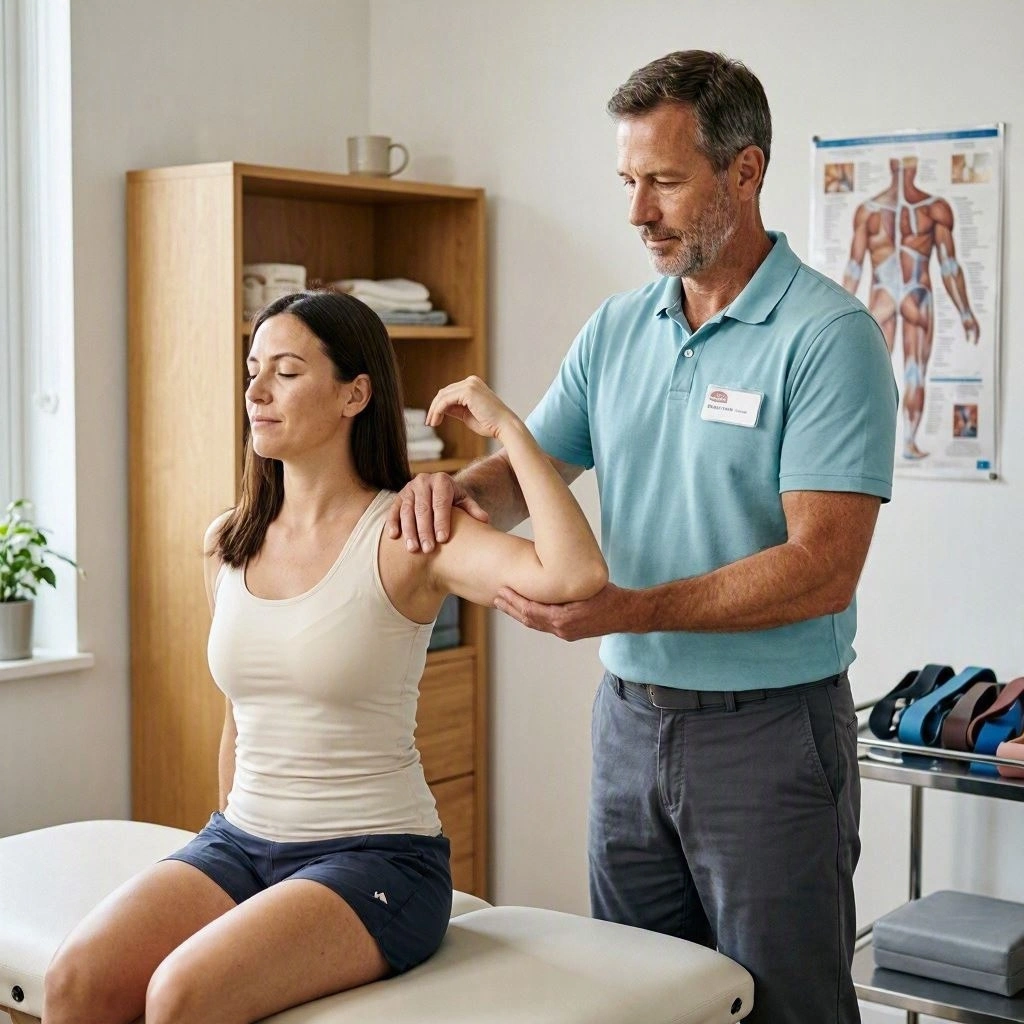
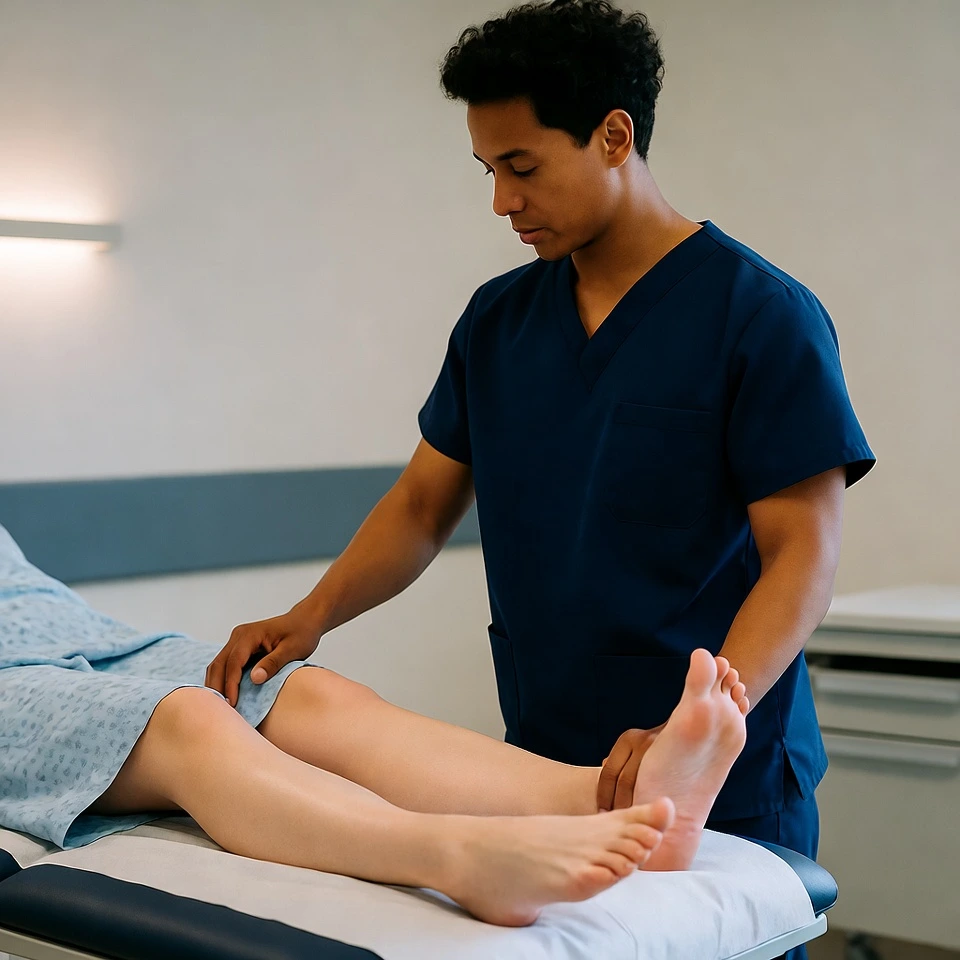
An injury can affect much more than your ability to exercise. Pain, stiffness, weakness, reduced mobility, and fear of reinjury can interfere with work, sleep, sports, and everyday activities. Whether an injury develops suddenly during exercise or gradually because of repetitive stress, proper rehabilitation can help restore physical function and improve confidence during recovery.An injury rehabilitation specialist focuses on helping people recover after physical injuries. Depending on their professional training, they may use therapeutic exercises, movement assessment, manual techniques, education, mobility work, progressive strengthening, and functional training to support recovery.
Rehabilitation is rarely about simply waiting for pain to disappear. Instead, it involves gradually restoring the body’s ability to move, tolerate physical stress, and perform normal activities. A structured rehabilitation program can also address factors that contributed to the original injury and help reduce the risk of future problems.
This guide explains what an injury rehabilitation specialist does, which injuries they commonly treat, how rehabilitation works, what you can expect during treatment, and how a structured recovery plan can help you return to normal activities.
What Is an Injury Rehabilitation Specialist?
An injury rehabilitation specialist is a healthcare or rehabilitation professional who works with people recovering from musculoskeletal injuries and physical limitations. Their role is to evaluate movement and function, identify rehabilitation needs, and develop an appropriate recovery strategy.
Depending on the setting and professional qualifications, an injury rehabilitation specialist may be a physical therapist, physiotherapist, sports rehabilitation professional, athletic trainer, or another appropriately trained rehabilitation practitioner.
The specific services offered vary by professional and location. However, rehabilitation commonly focuses on restoring:
-
Strength
-
Flexibility
-
Joint mobility
-
Balance
-
Coordination
-
Stability
-
Movement control
-
Physical endurance
-
Functional performance
The overall goal is to help a person regain safe and effective movement while gradually returning to the activities that matter to them.
Why Injury Rehabilitation Is Important
Many injuries improve with time, but recovery does not always happen optimally without appropriate guidance. Rest may reduce symptoms temporarily, yet prolonged inactivity can also lead to weakness, stiffness, reduced confidence, and lower physical capacity.
An injury rehabilitation specialist can help determine what level of activity is appropriate at different stages of recovery.
A well-designed rehabilitation program may help patients:
-
Restore movement
-
Improve strength
-
Increase physical capacity
-
Manage symptoms
-
Improve balance and coordination
-
Rebuild confidence
-
Return to work or sports
-
Develop safer movement habits
-
Reduce unnecessary fear of movement
-
Lower the risk of future injury
Importantly, rehabilitation should be individualized. Two people with the same diagnosis may have different symptoms, activity levels, physical demands, and recovery goals.
Common Injuries Treated by an Injury Rehabilitation Specialist
Injury rehabilitation specialists may work with many different musculoskeletal conditions. Treatment depends on the diagnosis, severity of the injury, stage of healing, and individual needs.
Muscle Strains
Muscle strains occur when muscle fibers are overstretched or damaged. They commonly affect the hamstrings, quadriceps, calves, shoulders, and lower back.
Rehabilitation may begin with appropriate symptom management and gradually progress toward mobility, strengthening, and functional exercises.
The final stage often involves exercises that reproduce the physical demands of work, exercise, or sport.
Ligament Sprains
Ligament sprains occur when a ligament is stretched or injured. Ankle sprains are particularly common, although the knee, wrist, and other joints can also be affected.
Rehabilitation may include:
-
Mobility exercises
-
Strength training
-
Balance exercises
-
Proprioception training
-
Functional movement
-
Gradual return to activity
More severe ligament injuries may require medical evaluation or surgery before rehabilitation progresses.
Tendon Injuries
Tendon problems can develop through sudden overload or repeated stress. Common examples include Achilles tendon problems, patellar tendon injuries, and certain shoulder tendon conditions.
Tendon rehabilitation often emphasizes carefully controlled loading. Rather than avoiding movement indefinitely, the rehabilitation program usually progresses physical stress gradually according to symptoms and functional capacity.
Joint Injuries
Joint injuries can involve structures such as cartilage, ligaments, muscles, or the joint capsule. They may result from trauma, sports activities, falls, or repetitive stress.
Rehabilitation can focus on restoring joint movement, improving surrounding muscle strength, and developing better movement control.
Fractures
Fractures require appropriate medical management. Once the injury is medically cleared for rehabilitation, an injury rehabilitation specialist may help restore movement, strength, balance, and functional capacity.
Recovery following a fracture can take considerable time, and rehabilitation should respect the healing process.
Sports Injuries
Athletes frequently require rehabilitation after injuries because returning to sport involves more than simply becoming pain-free.
A rehabilitation program may need to restore:
-
Strength
-
Speed
-
Agility
-
Balance
-
Coordination
-
Power
-
Reaction ability
-
Sport-specific movement
The final stages can involve drills that closely reproduce the physical demands of competition.
What Does an Injury Rehabilitation Specialist Do?
The rehabilitation process usually begins with an assessment. The specialist gathers information about the injury, symptoms, medical history, physical activity, daily demands, and recovery goals.
They may assess:
-
Range of motion
-
Muscle strength
-
Balance
-
Joint movement
-
Movement patterns
-
Functional ability
-
Coordination
-
Pain response
-
Physical limitations
The results help establish a rehabilitation plan.
Treatment can then be adjusted as the patient improves. Instead of following exactly the same program throughout recovery, exercises and activity levels are usually modified according to progress.
The Injury Rehabilitation Assessment (Injury Rehabilitation Specialist)
A thorough assessment is an important part of effective rehabilitation.
During the first appointment, the specialist may ask questions such as:
-
How did the injury happen?
-
When did symptoms begin?
-
What activities increase symptoms?
-
What activities feel comfortable?
-
Have you received medical treatment?
-
Have you had previous injuries?
-
What activities do you want to return to?
-
What are your work or sports requirements?
The physical assessment provides additional information.
For example, someone recovering from an ankle injury may have reduced ankle mobility, weakness, poor balance, and difficulty controlling the leg during movement.
Identifying these limitations allows rehabilitation to become more specific.
Setting Rehabilitation Goals
Good rehabilitation involves clear goals.
Some patients want to walk comfortably. Others want to return to work, lift objects safely, run, play football, return to the gym, or compete in sports.
Goals should be realistic and measurable.
Short-term goals may include:
-
Reducing movement limitations
-
Improving joint mobility
-
Increasing basic strength
-
Performing daily activities more comfortably
Long-term goals may include:
-
Returning to work
-
Returning to exercise
-
Restoring sport-specific performance
-
Improving physical capacity
-
Reducing reinjury risk
Goal setting also helps patients understand why particular exercises are included in their program.
Stages of Injury Rehabilitation (Injury Rehabilitation Specialist)
Recovery often progresses through several overlapping stages. These stages are not identical for every injury, and progression depends on the type and severity of the problem.
Stage One: Initial Protection and Symptom Management
Immediately after an injury, the primary objective is to protect the affected area and avoid unnecessary aggravation.
Depending on the injury, the rehabilitation professional may recommend modifying activity while maintaining appropriate movement.
The focus is not always complete rest. Instead, the goal is to find an appropriate level of activity that supports recovery without exceeding the body’s current tolerance.
Stage Two: Restoring Movement
As symptoms allow, rehabilitation may focus on restoring range of motion.
Stiffness can develop after injury, immobilization, or reduced activity. Controlled mobility exercises can help restore normal movement patterns.
The exercises should be appropriate for the injury and healing stage.
Stage Three: Strength Development
Muscle weakness is common after injury.
Reduced activity can decrease muscle capacity, while pain may prevent normal muscle activation. Strengthening exercises can gradually rebuild capacity.
Exercises may begin with simple movements and progress toward resistance training.
Stage Four: Functional Training
Functional rehabilitation connects basic exercise with real-life movement.
For example, someone returning to work may need lifting and carrying exercises. A runner may need progressive running drills. An athlete may require jumping, cutting, acceleration, and deceleration exercises.
Functional training helps prepare the body for specific demands.
Stage Five: Return to Activity
The final stage involves a gradual return to normal activity.
Being able to perform basic movements does not necessarily mean the body is ready for high-intensity exercise.
Instead, physical demands should usually increase progressively.
The Role of Physical Therapy in Injury Rehabilitation
Physical therapy and physiotherapy are important components of injury rehabilitation.
A physical therapist may use a combination of:
-
Therapeutic exercises
-
Strength training
-
Mobility exercises
-
Balance training
-
Manual therapy
-
Movement education
-
Functional training
-
Activity modification
The exact combination depends on the injury and individual assessment.
Exercise is often particularly important because it helps the body adapt to physical demands rather than simply managing symptoms temporarily.
Therapeutic Exercise for Injury Recovery
Therapeutic exercise is one of the most common rehabilitation tools.
Exercises may target specific limitations.
For example:
Mobility exercises can address stiffness.
Strength exercises can improve muscle capacity.
Balance exercises can improve stability.
Coordination exercises can improve movement control.
Endurance exercises can improve cardiovascular and muscular capacity.
Exercise intensity should progress gradually. Performing too little may not provide enough stimulus for improvement, while progressing too quickly can aggravate symptoms.
Progressive Loading (Injury Rehabilitation Specialist)
Progressive loading is an important principle in rehabilitation.
The body adapts when it receives an appropriate physical stimulus. After an injury, however, the body’s tolerance may be temporarily reduced.
Therefore, rehabilitation often begins with manageable loads and gradually increases them.
Progression may involve increasing:
-
Resistance
-
Repetitions
-
Duration
-
Speed
-
Range of motion
-
Complexity
-
Training frequency
The appropriate progression depends on the injury and individual response.
Manual Therapy During Rehabilitation
Some rehabilitation professionals use manual therapy as part of treatment.
Manual techniques may include soft-tissue techniques, joint mobilization, or other hands-on approaches.
Manual therapy can sometimes help improve movement or reduce discomfort, but it is generally most useful when combined with active rehabilitation.
Exercises and progressive physical activity help patients develop the capacity needed for daily activities and sports.
Injury Rehabilitation for Athletes
Athletes often have specific rehabilitation requirements.
Returning to sport too quickly can increase the risk of recurrence, particularly when strength, coordination, or sport-specific capacity has not been restored.
An injury rehabilitation specialist may therefore create a progression that moves from basic exercises to sport-specific training.
For example, a lower-body rehabilitation program may progress from:
-
Basic mobility
-
Controlled strengthening
-
Single-leg exercises
-
Balance training
-
Running
-
Acceleration and deceleration
-
Jumping
-
Direction changes
-
Sport-specific drills
-
Full training
The exact progression depends on the injury and sport.
Injury Rehabilitation After Surgery
Some injuries require surgical treatment.
Rehabilitation after surgery must follow medical guidance and surgical precautions.
A rehabilitation specialist may help restore:
-
Mobility
-
Strength
-
Balance
-
Functional movement
-
Confidence
-
Physical endurance
The timeline depends heavily on the procedure and individual healing.
Patients should not assume that an exercise appropriate for one postoperative condition is safe for another.
Pain Management During Rehabilitation
Pain can be an important part of the rehabilitation experience.
The goal is not necessarily to eliminate every sensation immediately. Instead, rehabilitation professionals often monitor symptoms and adjust activity appropriately.
Pain that becomes significantly worse, persists unexpectedly, or is accompanied by concerning symptoms should be discussed with an appropriate healthcare professional.
Pain can also influence movement patterns. People may change how they walk, lift, run, or use an injured body part to avoid discomfort.
Correcting these compensations may become an important part of rehabilitation.
Improving Flexibility and Mobility
Mobility limitations can develop after injury.
For example, an ankle injury may reduce ankle movement, while a shoulder injury may limit reaching.
Mobility exercises can help restore movement when they are appropriate for the condition.
However, stretching is not automatically the solution for every injury. The type, intensity, and timing of mobility work should match the individual’s needs.
Balance and Proprioception Training
Balance is especially important after injuries involving the ankle, knee, hip, or lower limb.
Proprioception refers to the body’s ability to sense position and movement.
Rehabilitation may include exercises such as:
-
Single-leg standing
-
Controlled weight shifting
-
Balance reaching
-
Step exercises
-
Dynamic stability drills
These exercises can become progressively more challenging.
For athletes, balance training may eventually be combined with jumping, landing, and directional movement.
Injury Rehabilitation and Reinjury Prevention
Recovering from the current injury is only one part of rehabilitation.
Preventing another injury may require identifying contributing factors.
These factors can include:
-
Sudden increases in training
-
Poor movement control
-
Muscle weakness
-
Reduced mobility
-
Inadequate recovery
-
Previous injury
-
Poor workload management
-
Insufficient conditioning
An injury rehabilitation specialist can help identify modifiable factors and develop strategies for gradually increasing physical capacity.
The Importance of Patient Education
Education is an important part of rehabilitation.
Patients need to understand what they are doing and why.
A specialist may explain:
-
What the injury means
-
Which activities should be modified
-
How exercises support recovery
-
How to monitor symptoms
-
When to progress exercises
-
When to seek additional medical assessment
Understanding the rehabilitation process can improve confidence and encourage patients to participate actively in recovery.
Home Exercise Programs
Rehabilitation does not usually end when the appointment is over.
A home exercise program can help patients continue working toward their goals between appointments.
A program may include a combination of:
-
Mobility exercises
-
Strength exercises
-
Balance training
-
Stretching
-
Functional movements
-
Conditioning
Consistency is important, but patients should also follow the specific instructions provided by their rehabilitation professional.
More exercise is not automatically better. Appropriate dosage and recovery are important.
How Long Does Injury Rehabilitation Take?
There is no universal rehabilitation timeline.
Recovery depends on factors such as:
-
Type of injury
-
Severity
-
Location
-
Age
-
Previous injuries
-
General physical condition
-
Treatment approach
-
Sleep
-
Training demands
-
Work requirements
-
Adherence to rehabilitation
A minor injury may improve relatively quickly, while severe injuries can require months of rehabilitation.
It is important to focus on functional progress rather than comparing recovery with another person’s timeline.
Signs That Rehabilitation Is Progressing
Progress can appear in several ways.
You may notice:
-
Less discomfort
-
Improved range of motion
-
Greater strength
-
Better balance
-
Improved movement quality
-
Increased exercise tolerance
-
Better confidence
-
Improved daily function
Progress is not always linear. Some days may feel better than others.
A temporary increase in symptoms does not automatically mean that rehabilitation has failed. However, significant or persistent worsening should be evaluated appropriately.
Common Rehabilitation Mistakes
Several mistakes can interfere with recovery.
Returning to Activity Too Quickly
Feeling better does not always mean the body is fully prepared for high physical demands.
A gradual progression is often safer.
Avoiding Activity for Too Long
Excessive rest can contribute to weakness and reduced physical capacity.
Appropriate movement is often an important part of recovery.
Ignoring Strength Deficits
Pain may improve before strength returns completely.
Returning to demanding activities without adequate strength can create additional challenges.
Doing Exercises Without Proper Technique
Exercise quality matters.
Poor technique can place unnecessary stress on joints and tissues.
Changing the Program Too Frequently
Rehabilitation requires enough time for the body to adapt.
Constantly changing exercises without a clear reason can make progress difficult to evaluate.
When Should You See an Injury Rehabilitation Specialist?
Consider professional rehabilitation support when an injury affects your ability to move, work, exercise, or perform normal activities.
Professional assessment may be particularly useful when:
-
Pain persists
-
Movement remains restricted
-
Strength has decreased
-
An injury repeatedly returns
-
You are unsure how to restart exercise
-
You need to return to sport
-
You are recovering after surgery
-
Daily activities remain difficult
Some injuries require medical diagnosis before rehabilitation begins.
When to Seek Urgent Medical Care
Rehabilitation is not a substitute for emergency medical care.
Seek urgent evaluation when an injury involves serious symptoms such as major trauma, significant deformity, uncontrolled bleeding, loss of consciousness, severe breathing difficulty, sudden neurological changes, or inability to use a limb after major trauma.
If symptoms are severe, rapidly worsening, or unexplained, appropriate medical evaluation should take priority.
Choosing the Right Injury Rehabilitation Specialist
When selecting a rehabilitation professional, consider their qualifications, experience, and area of expertise.
Important questions may include:
-
What professional qualifications do you have?
-
Do you regularly treat this type of injury?
-
What assessment will you perform?
-
How will the rehabilitation plan be developed?
-
How will progress be measured?
-
What will the home program involve?
-
How will you determine when activity can increase?
For athletes, it can be useful to work with someone familiar with sport-specific rehabilitation.
Benefits of Individualized Rehabilitation (Injury Rehabilitation Specialist)
Individualized rehabilitation can be more appropriate than a generic exercise program because injuries and people are different.
A rehabilitation specialist can adjust exercises according to:
-
Symptoms
-
Strength
-
Mobility
-
Fitness
-
Work demands
-
Sports requirements
-
Previous injuries
-
Personal goals
For example, an office worker and a competitive athlete may have the same knee diagnosis but completely different rehabilitation goals.
The office worker may need to tolerate prolonged sitting, walking, and stairs. The athlete may need to tolerate sprinting, jumping, cutting, and competition.
The Psychological Side of Injury Recovery
Physical recovery is only part of the process.
Injured people may experience frustration, anxiety, fear of movement, or concern about returning to previous activities.
Athletes can be particularly worried about reinjury.
A gradual rehabilitation process can help rebuild confidence by allowing patients to experience successful movement at progressively higher levels of difficulty.
Communication with healthcare and rehabilitation professionals is important when fear or anxiety significantly affects recovery.
Nutrition and Recovery
Nutrition supports the body’s normal recovery processes.
A balanced diet can provide energy, protein, vitamins, minerals, and other nutrients needed for general health.
Rather than relying on a single supplement or food, focus on an overall balanced eating pattern.
Individuals with significant nutritional concerns, restrictive diets, or complex medical needs should seek advice from an appropriately qualified healthcare professional.
Sleep and Injury Recovery
Sleep is another important part of recovery.
Poor sleep can affect energy, mood, concentration, exercise performance, and overall wellbeing.
Maintaining a regular sleep schedule and creating a comfortable sleep environment can support recovery.
Patients recovering from injury should also consider whether pain or discomfort is interfering with sleep and discuss persistent problems with their healthcare provider.
Returning to Exercise After an Injury (Injury Rehabilitation Specialist)
Returning to exercise should generally be gradual.
Instead of immediately returning to the previous workout routine, reduce the intensity and volume and build back progressively.
For example, a person returning to resistance training may begin with lighter loads and fewer sets.
A runner may begin with walking or easy running before gradually increasing duration and intensity.
The appropriate progression depends on the injury and rehabilitation plan.
How an Injury Rehabilitation Specialist Supports Long-Term Recovery
An injury rehabilitation specialist can provide structure throughout recovery.
Their role may involve assessment, exercise prescription, education, progress monitoring, and functional training.
The specialist can also help patients understand the difference between temporary discomfort and signs that an activity may need to be modified.
Over time, the goal is to help patients become more independent and confident in managing their physical health.
Frequently Asked Questions
What is an injury rehabilitation specialist?
An injury rehabilitation specialist is a qualified rehabilitation professional who helps people recover from injuries by addressing movement, strength, mobility, balance, function, and physical capacity.
What injuries can rehabilitation specialists treat?
They may work with muscle strains, ligament sprains, tendon injuries, joint problems, sports injuries, and recovery following fractures or surgery, depending on their professional qualifications and scope of practice.
How long does injury rehabilitation take?
Recovery time varies according to the injury, severity, individual health, treatment approach, and physical demands. Some injuries recover in weeks, while more complex conditions can require several months.
Is rehabilitation painful?
Some rehabilitation exercises may produce mild or temporary discomfort, but severe or worsening pain should not be ignored. Exercise intensity should be appropriate for the person’s condition.
Can rehabilitation prevent future injuries?
Rehabilitation can address strength deficits, mobility restrictions, movement control, conditioning, and other modifiable factors that may contribute to injury risk.
Can athletes return to sports after rehabilitation?
Many athletes can return to sports after appropriate rehabilitation. The return should be gradual and should consider strength, movement quality, physical capacity, and sport-specific demands.
Do I need rehabilitation after surgery?
Many surgical procedures require rehabilitation, although the specific program depends on the operation and medical instructions. Always follow postoperative guidance from your surgical and rehabilitation team.
Can I do rehabilitation exercises at home?
Many rehabilitation programs include home exercises. However, exercises should be appropriate for the injury and performed according to professional guidance when an assessment is needed.
When should I stop an exercise?
Stop or modify an exercise if it causes significant pain, unusual symptoms, or a concerning change in your condition. Discuss persistent or worsening symptoms with an appropriate healthcare professional.
Final Thoughts (Injury Rehabilitation Specialist)
Working with an injury rehabilitation specialist can provide valuable structure during the recovery process. Effective rehabilitation goes beyond reducing pain. It aims to restore movement, strength, balance, physical capacity, and confidence while helping the individual return safely to meaningful activities.
A successful rehabilitation program is usually progressive and individualized. It may begin with symptom management and basic movement before progressing toward strengthening, functional training, conditioning, and sport-specific activity.
The right approach depends on the injury, the individual’s health, goals, and physical demands. Professional assessment can help determine what activities are appropriate and when progression is suitable.
Whether the goal is returning to work, exercising comfortably, or competing in sport, rehabilitation can provide a structured pathway toward improved function and long-term physical confidence.