
Neck and Shoulder Pain: Causes, Symptoms, Treatment, and Relief
Neck and shoulder pain is a common problem that can affect people of all ages and activity levels. The neck and shoulders work closely together, so discomfort in one area can sometimes influence the other. Symptoms may develop gradually from prolonged computer use, repetitive movements, physical work, or reduced activity. They can also appear suddenly following an injury, fall, sports activity, or unexpected movement.
For some people, symptoms are temporary and improve with appropriate movement and activity. Others may experience persistent pain, stiffness, weakness, or restricted movement that interferes with work, exercise, sleep, and everyday activities.
Understanding the potential causes of neck and shoulder pain can help people make informed decisions about treatment. Physiotherapy may be useful for assessing movement, strength, mobility, and functional limitations while developing an individualized rehabilitation program.
This guide explores common causes of neck and shoulder pain, symptoms, risk factors, treatment options, exercises, ergonomic strategies, prevention, and situations where professional assessment may be necessary.
What Is Neck and Shoulder Pain?
Neck and shoulder pain describes discomfort affecting the cervical region and one or both shoulders.
The symptoms may be felt:
- At the back of the neck
- Along the side of the neck
- Around the shoulder blade
- Across the top of the shoulder
- Around the shoulder joint
- Between the neck and upper back
Pain may be localized or spread across several areas.
Some people experience stiffness, while others describe aching, burning, tightness, or discomfort during movement.
The cause is not always obvious. Several factors can contribute to symptoms simultaneously.
Common Causes of Neck and Shoulder Pain
There are many possible causes of neck and shoulder discomfort.
Common contributors include:
- Muscle strain
- Repetitive movements
- Prolonged computer use
- Poorly adjusted workstations
- Reduced physical activity
- Sports injuries
- Falls
- Lifting injuries
- Joint irritation
- Previous injuries
- Muscle weakness
- Stress and tension
A thorough assessment can help identify the most relevant factors.
Neck and Shoulder Muscle Strain
Muscle strain can occur when tissues are exposed to more physical demand than they can comfortably tolerate.
This may happen after:
- Heavy lifting
- Repeated reaching
- Sudden movements
- Unfamiliar exercise
- Long periods of static positioning
Symptoms may include localized soreness, stiffness, and discomfort with movement.
Most minor muscle strains improve with appropriate activity and gradual rehabilitation.
Computer-Related Neck and Shoulder Pain
Computer use is a common contributor to neck and shoulder discomfort.
People may spend several hours:
- Typing
- Using a mouse
- Looking at a monitor
- Attending virtual meetings
- Working on laptops
The main issue is not necessarily one specific posture. Instead, prolonged periods with little movement can contribute to muscle fatigue and discomfort.
Changing positions and taking regular movement breaks can help reduce prolonged static activity.
Smartphone Use and Neck Pain
Smartphone use can involve prolonged downward viewing.
People may spend considerable time:
- Messaging
- Reading
- Watching videos
- Browsing social media
Frequent changes in position and regular breaks can help reduce prolonged static positioning.
Stress and Muscle Tension
Stress can affect how people hold and move their bodies.
During stressful periods, some people unconsciously:
- Raise their shoulders
- Tighten their neck muscles
- Clench their jaw
- Reduce physical movement
This can contribute to a feeling of tension around the neck and shoulders.
Stress does not mean that the pain is imaginary. Physical and psychological factors can interact and influence symptoms.
Poor Sleep and Neck and Shoulder Pain
Sleep quality can influence recovery and pain sensitivity.
An uncomfortable sleeping position or pillow may sometimes contribute to morning stiffness.
There is no single sleeping position that works perfectly for everyone.
If pain consistently disrupts sleep or becomes worse at night, professional assessment may be appropriate.
Sports-Related Neck and Shoulder Pain
Athletes may experience neck and shoulder symptoms because of repetitive training, contact, falls, or sudden movements.
Sports that place significant demands on the upper body include:
- Swimming
- Tennis
- Volleyball
- Rugby
- Football
- Weightlifting
- Martial arts
Rehabilitation should reflect the individual’s sport and physical requirements.
Lifting Injuries
Lifting heavy objects can place considerable demand on the neck, shoulders, upper back, and arms.
Symptoms can occur after:
- Lifting from the floor
- Carrying heavy objects
- Reaching while holding weight
- Repetitive lifting
- Sudden twisting
Recovery may involve gradually restoring strength and functional capacity.
Shoulder Blade Pain
Pain around the shoulder blade can sometimes occur alongside neck symptoms.
Possible contributors include:
- Muscle fatigue
- Repetitive work
- Shoulder dysfunction
- Upper-back stiffness
- Neck-related symptoms
Because shoulder blade pain has many possible causes, assessment is useful when symptoms persist.
Symptoms of Neck and Shoulder Pain
Symptoms vary between individuals.
Common symptoms include:
- Aching
- Stiffness
- Muscle tightness
- Reduced range of motion
- Shoulder discomfort
- Upper-back pain
- Headaches
- Muscle fatigue
- Difficulty lifting the arm
Some people may also experience symptoms extending into the arm.
Numbness, significant weakness, or changes in coordination require appropriate medical evaluation.
Neck Pain That Spreads to the Shoulder
The neck and shoulder regions share muscles, joints, and nerve-related structures.
As a result, neck problems can sometimes be associated with discomfort around the shoulder.
For example, irritation of structures in the cervical region may produce symptoms extending toward the shoulder or arm.
The pattern and associated symptoms are important when determining the appropriate treatment.
Neck and Shoulder Pain From Posture
Posture is frequently blamed for neck and shoulder pain, but the relationship is more complex.
There is no single perfect posture that everyone must maintain.
Instead, discomfort may be influenced by:
- How long someone stays in one position
- Muscle endurance
- Physical activity
- Workload
- Stress
- Sleep
- Previous injury
Rather than constantly trying to maintain a rigid posture, it may be more useful to develop movement variety and physical capacity.
How Physiotherapy Helps
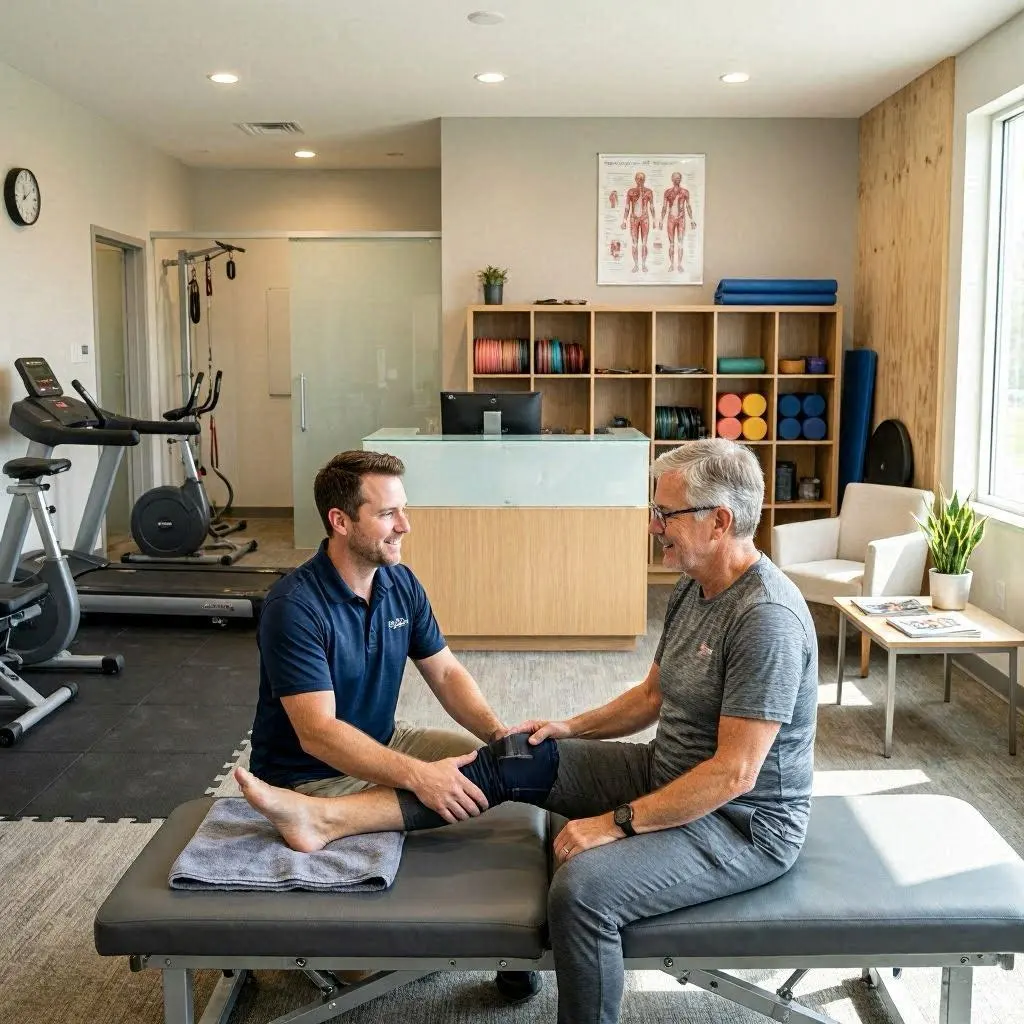
Physiotherapy can help people understand the physical factors contributing to neck and shoulder symptoms.
A physiotherapist may assess:
- Neck mobility
- Shoulder mobility
- Muscle strength
- Upper-back movement
- Posture and movement habits
- Functional limitations
- Work activities
Treatment can then be tailored to the individual’s needs.
Physiotherapy Assessment
A detailed assessment may begin with questions about:
- When symptoms started
- What activities increase symptoms
- What reduces symptoms
- Previous injuries
- Work demands
- Exercise
- Sleep
- Daily activities
The physiotherapist may then perform physical tests to evaluate movement and strength.
Neck Mobility Exercises
Gentle neck movement can help maintain mobility.
Examples include:
- Neck rotation
- Side bending
- Controlled flexion
- Controlled extension
These movements should be performed gradually without forcing the neck.
If symptoms become significantly worse, the exercise should be stopped and reassessed.
Shoulder Mobility Exercises
Shoulder mobility exercises may include:
- Arm circles
- Wall slides
- Controlled reaching
- Shoulder elevation
The appropriate range depends on the individual’s condition.
Chin Tuck Exercises
Chin tucks are commonly used during neck rehabilitation.
A basic version involves gently drawing the chin backward while keeping the head relatively level.
The movement should be controlled rather than forceful.
Chin-tuck exercises may help develop awareness and control of neck positioning.
Neck Isometric Exercises
Isometric exercises create muscle tension without significant movement.
They can target:
- Neck flexion
- Extension
- Side bending
- Rotation
A person can gently press their head against their hand while preventing actual movement.
The resistance should remain light and controlled.
Shoulder Strengthening
Strengthening the shoulder and upper-back muscles may improve overall upper-body capacity.
Common exercises include:
- Resistance-band rows
- External rotation
- Scapular exercises
- Wall exercises
Resistance should be increased gradually.
Upper-Back Strengthening
The upper back works closely with the neck and shoulders.
Exercises such as rows can help develop upper-body strength.
Other options may include:
- Reverse fly exercises
- Resistance-band pulling
- Thoracic extension
- Controlled scapular movements
Core Strengthening
Core training can support general physical conditioning.
Exercises may include:
- Bridges
- Bird dogs
- Dead bugs
- Planks
Core exercises should be considered part of a broader program rather than a universal treatment for neck and shoulder pain.
Stretching for Neck and Shoulder Pain
Gentle stretching may provide temporary relief for some people.
Common areas include:
- Upper trapezius
- Pectoral muscles
- Upper back
- Neck muscles
Stretching should be comfortable and controlled.
Aggressive stretching is not necessary and may aggravate symptoms.
Manual Therapy
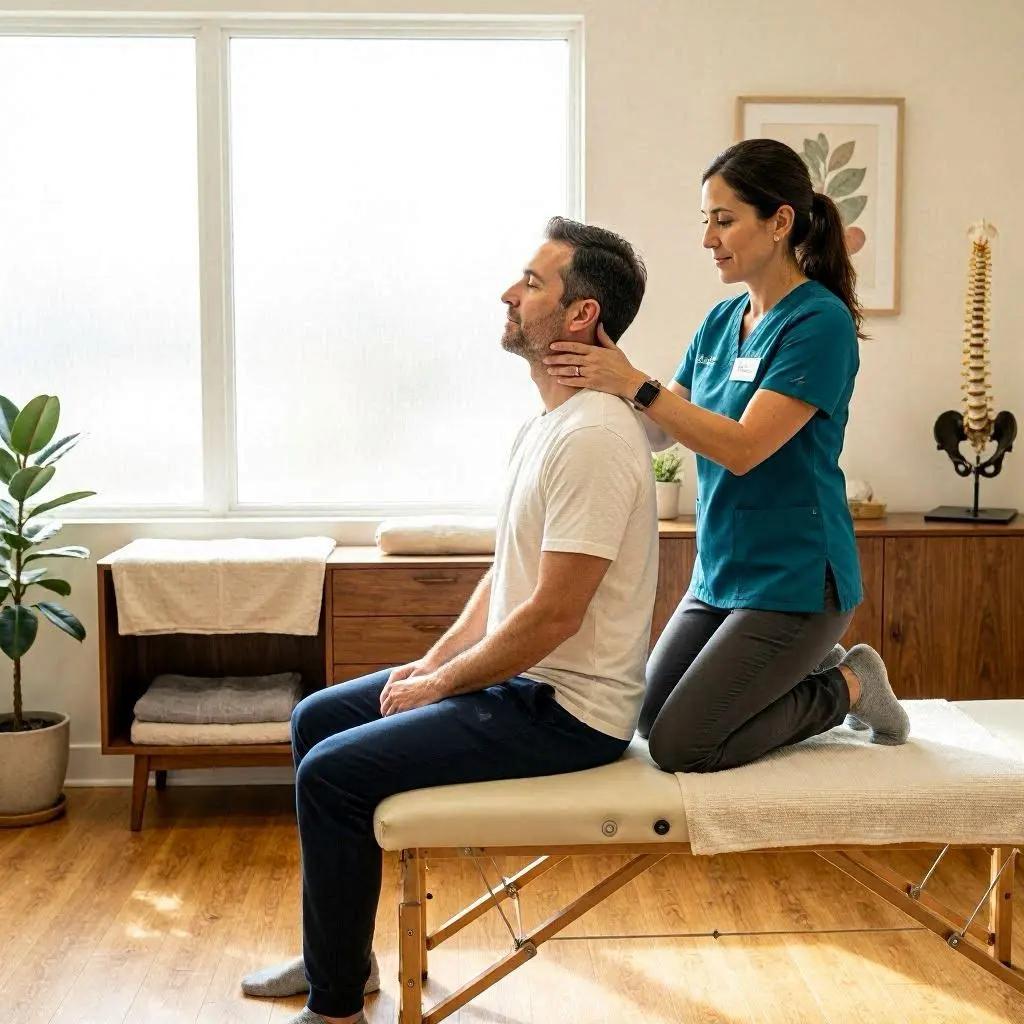
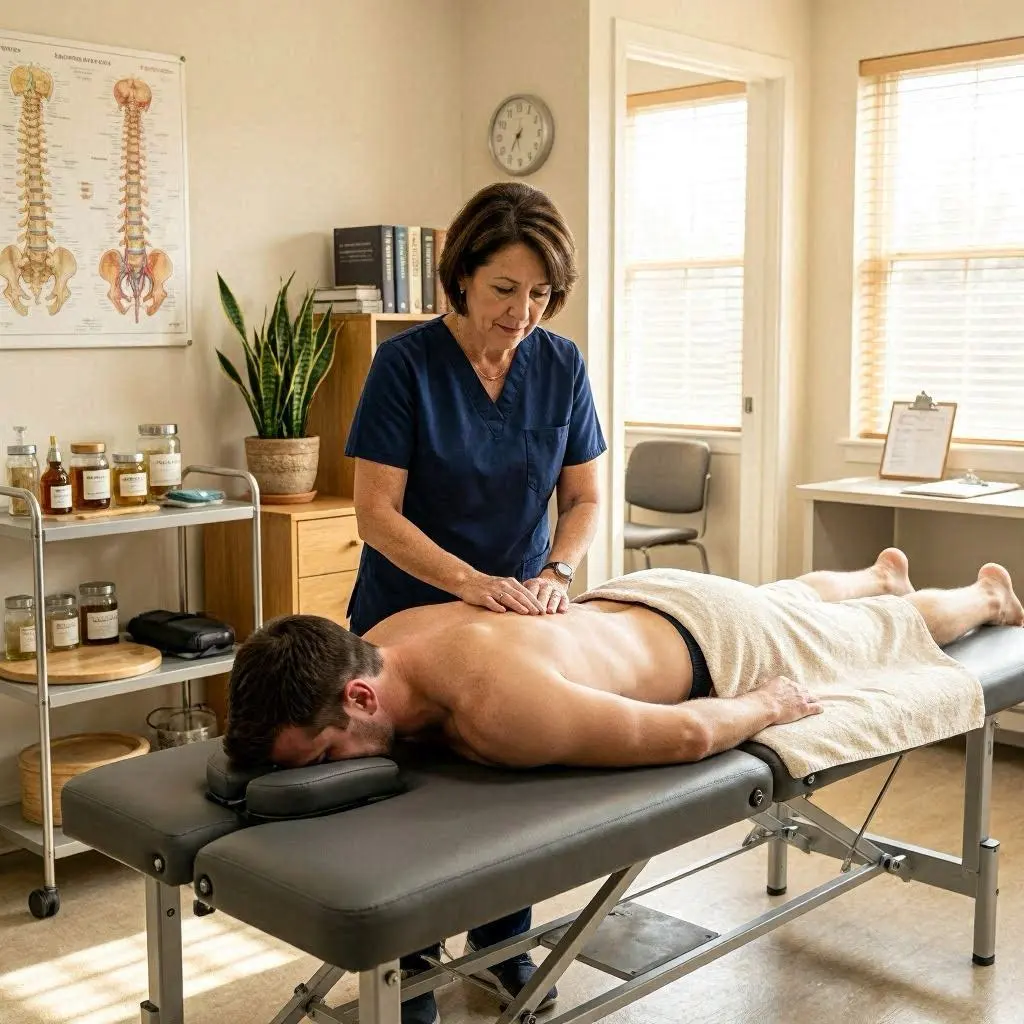
Physiotherapists may use manual therapy as part of treatment when appropriate.
It may include techniques directed toward:
- Muscles
- Joints
- Soft tissues
Manual therapy can sometimes provide short-term changes in pain or mobility.
Active exercise and education remain important components of rehabilitation.
Heat for Muscle Tension
Some people find heat comfortable when experiencing muscular stiffness or tension.
A warm shower or heating pad may provide temporary symptom relief.
Heat does not address every cause of neck and shoulder pain, so persistent symptoms may require further assessment.
Ergonomic Assessment
Workstation ergonomics can be important for people who experience symptoms during computer-based activities.
A physiotherapist may review:
- Chair position
- Monitor placement
- Keyboard
- Mouse
- Desk height
- Laptop setup
The goal is to create a comfortable environment that supports movement.
Ergonomics for Office Workers
Office workers may benefit from:
- Changing position regularly
- Standing during selected tasks
- Taking walking breaks
- Adjusting the monitor
- Keeping frequently used objects within comfortable reach
No workstation eliminates the need for movement.
Neck and Shoulder Pain in Remote Workers
Remote workers may spend long periods in less structured environments.
A laptop at a kitchen table or couch may encourage prolonged awkward positioning.
Creating a dedicated workspace can make it easier to establish healthy work habits.
Regular movement should remain part of the workday.
Neck and Shoulder Pain in Manual Workers
Manual workers may face different challenges.
Work can involve:
- Lifting
- Carrying
- Pushing
- Pulling
- Reaching
- Repetitive movements
Treatment should reflect the physical demands of the occupation.
Functional rehabilitation may gradually reproduce work-related movements.
Return to Work After Injury
Returning to work after an injury may require gradual progression.
Depending on the situation, an individual may initially need:
- Reduced physical demands
- Modified tasks
- Additional breaks
- Temporary workload adjustments
As strength and tolerance improve, work demands can gradually increase.
Exercise Progression
Rehabilitation should not remain at the same difficulty level indefinitely.
Progression may involve:
- More repetitions
- Longer exercise duration
- Increased resistance
- More complex movements
- Work-specific activities
The appropriate progression depends on the individual’s symptoms and physical capacity.
Preventing Neck and Shoulder Pain
Prevention involves maintaining physical capacity and avoiding prolonged periods of inactivity.
Helpful strategies may include:
- Regular exercise
- Strength training
- Mobility exercises
- Movement breaks
- Workstation adjustments
- Adequate recovery
- Healthy sleep habits
Prevention cannot guarantee that pain will never occur, but these strategies can support overall physical health.
Strength Training for Prevention
Resistance training can improve the body’s ability to tolerate physical demands.
A balanced program can include:
- Upper-body strengthening
- Upper-back exercises
- Shoulder strengthening
- Core exercises
- Lower-body training
Training should progress gradually.
Cardiovascular Exercise
Walking, cycling, swimming, and other cardiovascular activities can support general health.
People who spend much of the day sitting may benefit from incorporating regular movement outside working hours.
Movement Breaks
Short movement breaks can interrupt prolonged static activity.
A break may involve:
- Standing
- Walking
- Shoulder movements
- Gentle neck mobility
- Stretching
The specific frequency can vary according to the individual’s work schedule.
How Long Does Neck and Shoulder Pain Last?
Recovery varies significantly.
Some minor episodes improve within days or weeks.
Persistent or recurrent symptoms may require a structured rehabilitation program.
Recovery can be influenced by:
- Injury severity
- Duration of symptoms
- Physical activity
- Strength
- Sleep
- Stress
- Previous injuries
- Workload
There is no universal recovery timeline.
When Should You See a Physiotherapist?
A physiotherapy assessment may be useful when symptoms:
- Persist for several weeks
- Keep returning
- Limit movement
- Affect work
- Interfere with exercise
- Affect sleep
- Make lifting difficult
- Are associated with weakness
Early assessment can help identify appropriate rehabilitation strategies.
When Should You See a Doctor?
Not every neck and shoulder problem is suitable for self-management.
Medical assessment may be important when symptoms involve:
- Significant weakness
- Persistent numbness
- Major trauma
- Severe unexplained pain
- Loss of coordination
- Other concerning neurological symptoms
A healthcare professional can determine whether additional investigations are appropriate.
Warning Signs
Seek urgent medical care if neck or shoulder pain is associated with symptoms such as:
- Severe chest pain
- Difficulty breathing
- Sudden weakness
- Significant neurological changes
- Loss of coordination
- Severe headache with neurological symptoms
- Major trauma
- Loss of consciousness
These symptoms should not automatically be attributed to a muscular problem.
Neck and Shoulder Pain During Exercise
Exercise can sometimes temporarily increase symptoms, particularly when introducing a new activity.
However, significant or progressively worsening pain should not simply be ignored.
Exercise intensity can often be modified by changing:
- Resistance
- Repetitions
- Range of motion
- Exercise selection
- Frequency
A physiotherapist can help determine appropriate modifications.
Can Massage Help?
Massage may provide temporary relief for some people experiencing muscular tension.
However, massage alone may not address contributing factors such as:
- Weakness
- Reduced mobility
- Workload
- Physical conditioning
- Movement habits
Combining symptom-management strategies with active rehabilitation may provide a more comprehensive approach.
Can Better Posture Fix Neck and Shoulder Pain?
Improving workstation habits can be helpful, but posture is only one part of the picture.
Rather than attempting to hold a rigid posture all day, focus on:
- Moving regularly
- Changing positions
- Developing strength
- Improving endurance
- Maintaining mobility
A strong and adaptable body can tolerate a wider variety of positions.
Neck and Shoulder Pain From Sleeping
Morning neck and shoulder pain may sometimes be related to sleep position or prolonged positioning.
Consider whether symptoms change depending on:
- Sleeping position
- Pillow height
- Mattress
- Sleep duration
Persistent symptoms should not automatically be blamed on a pillow.
Building a Long-Term Recovery Plan
A successful rehabilitation plan should address both current symptoms and future physical demands.
It may include:
- Symptom management
- Mobility restoration
- Strength development
- Functional training
- Ergonomic changes
- Gradual return to activity
- Long-term exercise
The exact sequence depends on the individual.
Why Individualized Treatment Matters
Two people can have similar neck and shoulder pain but require completely different treatment.
For example, one person may have symptoms after prolonged desk work, while another may develop pain after lifting heavy equipment.
Their rehabilitation needs may therefore be different.
Individualized assessment helps ensure that treatment reflects the person’s specific symptoms, activities, and goals.
Conclusion
Neck and shoulder pain can develop for many different reasons, including prolonged computer use, repetitive movements, muscle strain, sports activities, lifting, reduced physical activity, stress, and previous injuries. Because the neck, shoulders, and upper back work closely together, symptoms can sometimes involve several areas at once.
Effective treatment begins with understanding the factors contributing to the symptoms. Physiotherapy can assess neck and shoulder mobility, strength, upper-back movement, functional limitations, and work or sports demands. Depending on the findings, treatment may include therapeutic exercises, mobility training, strengthening, manual therapy, ergonomic education, and gradual functional rehabilitation.
Neck and shoulder exercises can be particularly useful when they are selected according to the individual’s needs. Gentle mobility exercises can help maintain movement, while strengthening exercises can improve endurance and physical capacity. Shoulder and upper-back strengthening may also support overall upper-body function.
For people who spend long periods at computers, regular movement is especially important. A comfortable workstation can help, but there is no single perfect posture that needs to be maintained throughout the day. Alternating positions, taking movement breaks, walking, and exercising outside work can all contribute to better physical capacity.
People with persistent or recurrent symptoms should consider professional assessment. This is particularly important when pain interferes with work, exercise, sleep, or daily activities.
Neck and shoulder health is ultimately about more than eliminating pain. Building strength, maintaining mobility, staying physically active, managing workload, and developing adaptable movement habits can help the body tolerate everyday demands more effectively.
With an appropriate rehabilitation program and consistent healthy movement habits, many people can work toward improved neck and shoulder function and a more comfortable return to their normal activities.