Osteopathy Benefits: Complete Guide to Pain Relief, Mobility, and Recovery
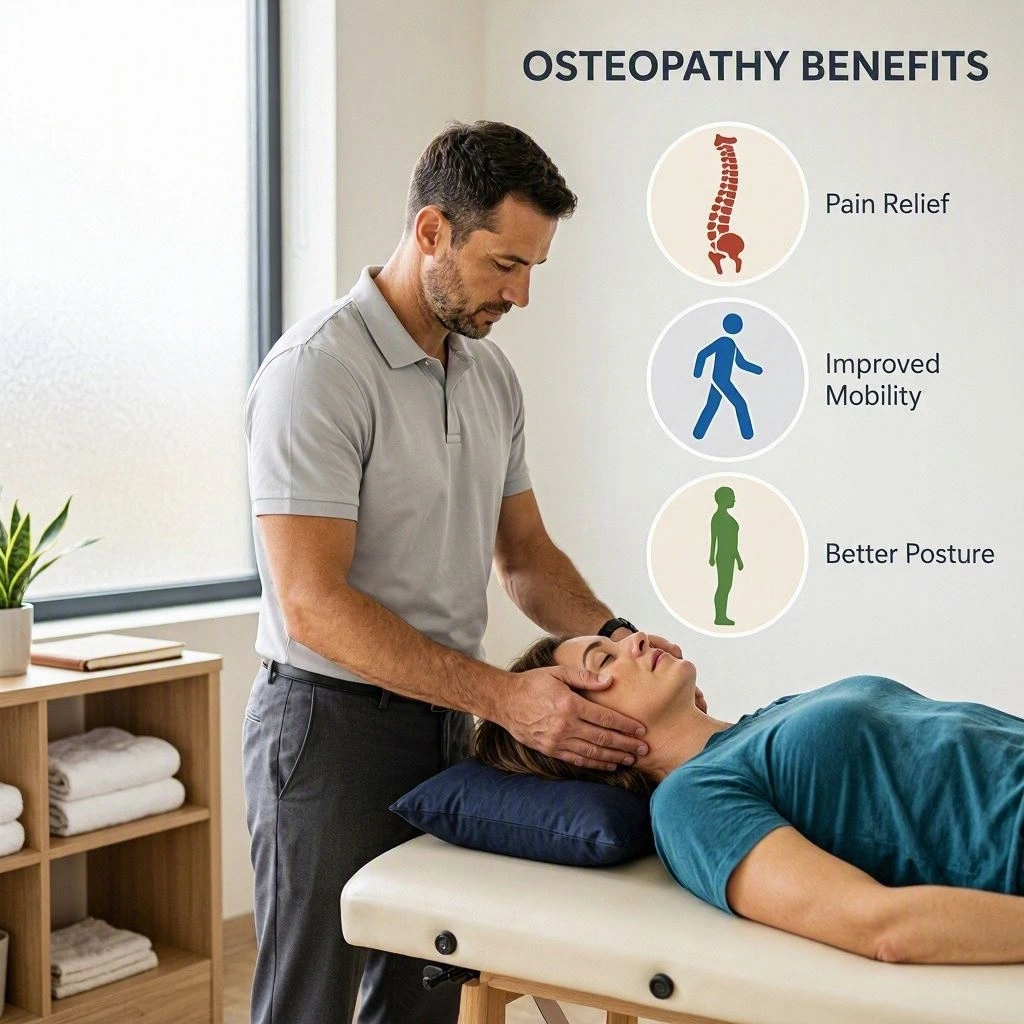
Osteopathy Benefits are often discussed in relation to pain relief, improved mobility, reduced stiffness, physical function, and recovery from musculoskeletal problems. It uses hands-on assessment and treatment to address problems involving muscles, joints, connective tissues, and movement. Depending on the individual, treatment may include soft-tissue techniques, joint mobilization, stretching, massage, movement advice, and exercise.
Many people consider osteopathy when they experience back pain, neck pain, shoulder discomfort, joint stiffness, sports injuries, or recurring muscle tension. However, the benefits of osteopathy depend on the person’s condition, the treatment approach, and the overall rehabilitation plan.
Research on manual and osteopathic approaches shows that some people with musculoskeletal pain may experience improvements in pain and function. For example, evidence suggests that spinal manipulation and mobilization can provide small improvements for some people with acute or chronic low back pain. At the same time, research quality varies, and osteopathy should not be presented as a cure for every medical condition.
The most useful approach usually combines appropriate hands-on care with active rehabilitation, exercise, education, and healthy movement habits.
What Is Osteopathy?
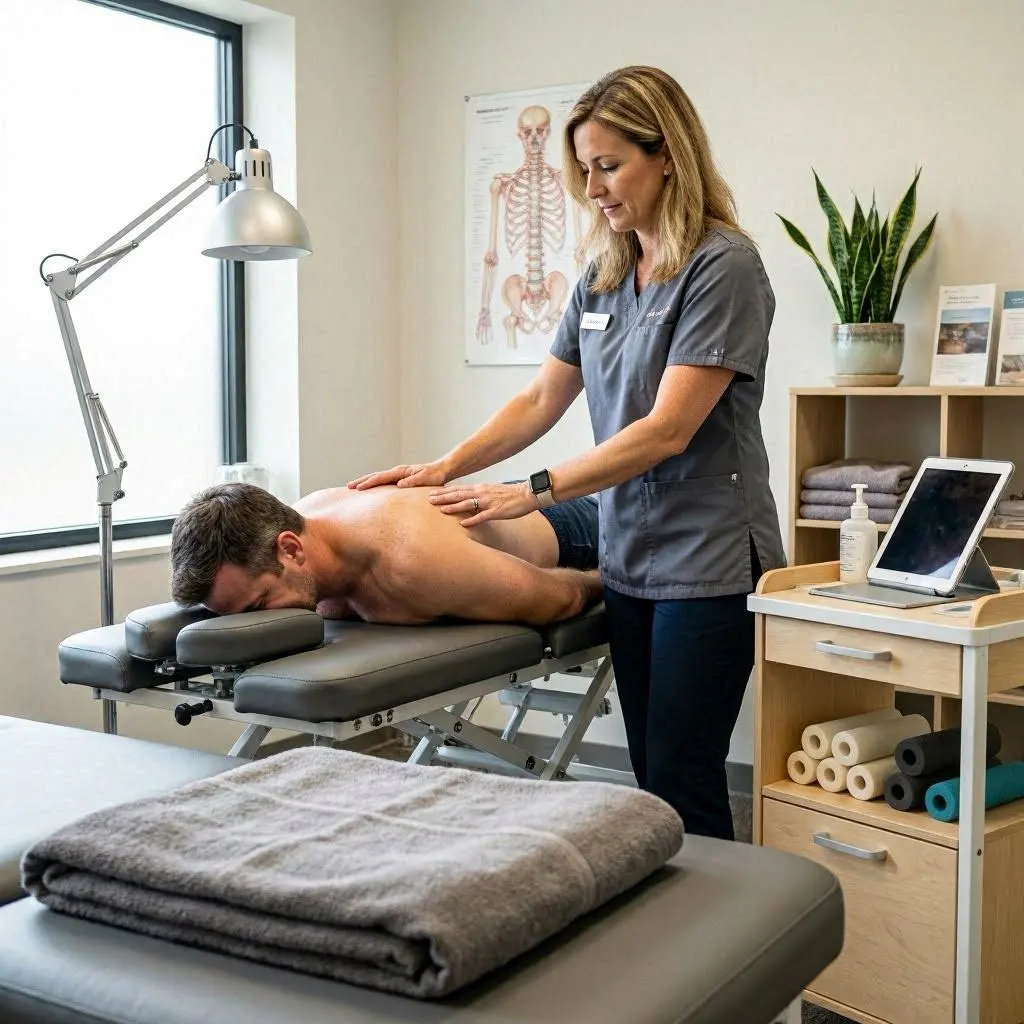
Osteopathy is a form of hands-on healthcare that focuses primarily on the musculoskeletal system. An osteopath may assess how different parts of the body move and interact, including muscles, joints, connective tissues, and surrounding structures.
Instead of looking only at the location of pain, an osteopath may consider the person’s overall movement and physical function.
For example, someone experiencing lower back pain may also have limited hip mobility, reduced strength, muscle tension, or changes in activity levels. Similarly, someone with shoulder discomfort may have restrictions involving the upper back or shoulder blade.
The assessment helps the practitioner determine which techniques may be appropriate.
Osteopathy can involve:
- Soft-tissue techniques
- Massage
- Joint mobilization
- Stretching
- Movement assessment
- Exercise advice
- Postural and activity advice
- Rehabilitation guidance
The exact treatment depends on the individual’s symptoms and goals.
What Are the Main Osteopathy Benefits?
The potential benefits of osteopathy can differ from one person to another. People commonly seek treatment because they want help managing pain, improving movement, or returning to activities they have stopped because of discomfort.
Potential Osteopathy Benefits include:
- Reduced musculoskeletal pain
- Improved joint mobility
- Reduced feelings of stiffness
- Better movement quality
- Improved physical function
- Temporary reduction in muscle tension
- Support during injury rehabilitation
- Improved confidence with movement
- Guidance for managing recurring symptoms
- Support for returning to exercise
- Better understanding of movement-related problems
However, these benefits are not guaranteed.
Osteopathy works differently for different people. Some individuals may notice improvement quickly, while others may need a longer rehabilitation program. Some may receive little benefit from manual treatment and require another form of care.
For that reason, the best way to evaluate Osteopathy Benefits is to consider measurable changes in pain, movement, activity, and daily function rather than assuming that treatment will produce the same result for everyone.
Osteopathy Benefits for Back Pain
Back pain represents one of the most common reasons people seek manual therapy.
Osteopathy may help some people manage back pain by combining hands-on treatment with movement advice and rehabilitation.
During an assessment, an osteopath may examine:
- Spinal movement
- Hip mobility
- Muscle tension
- Lower-limb movement
- Previous injuries
- Work activities
- Exercise habits
- Daily movement patterns
Treatment may then include soft-tissue techniques, joint mobilization, stretching, or other appropriate manual approaches.
Research on spinal manipulation and mobilization provides some evidence for modest improvements in pain and function among people with low back pain. NCCIH reports moderate-quality evidence that spinal manipulation can produce modest improvements in acute low back pain, while chronic low back pain research also shows small benefits for pain and function.
However, this does not mean that every person with back pain needs manipulation.
Exercise and physical activity remain important components of back-pain management. Therefore, osteopathy can be more useful when hands-on treatment supports an active rehabilitation plan.
Osteopathy Benefits for Neck Pain
Neck pain can interfere with work, sleep, driving, exercise, and everyday movement.
An osteopathic assessment may examine the neck, upper back, shoulders, and surrounding muscles. The practitioner may look for movement restrictions and factors that contribute to discomfort.
Potential benefits may include:
- Reduced neck discomfort
- Improved range of motion
- Reduced muscle tension
- Improved movement confidence
- Better tolerance for daily activities
Research on spinal manipulation and mobilization suggests that these approaches may help some people with acute and chronic neck pain, although the quality and consistency of evidence varies.
Importantly, neck pain does not always have a simple musculoskeletal cause.
People with significant trauma, progressive weakness, substantial numbness, coordination problems, severe unexplained symptoms, or other concerning signs should receive appropriate medical assessment.
Osteopathy Benefits for Shoulder Pain
Shoulder pain can make reaching, lifting, dressing, exercising, and sleeping more difficult.
An osteopath may assess the shoulder together with the shoulder blade, upper back, neck, and surrounding muscles.
This broader assessment can help identify movement restrictions and physical factors that may contribute to symptoms.
Potential Osteopathy Benefits for shoulder problems include:
- Improved comfortable shoulder movement
- Reduced muscular tension
- Improved mobility
- Better movement confidence
- Support during rehabilitation
However, shoulder rehabilitation often requires strengthening.
For example, a person may need progressive exercises for the rotator cuff, shoulder blade, upper back, and arm. Manual therapy may make movement more comfortable, but strengthening helps the body tolerate physical demands.
Therefore, an active rehabilitation plan can complement hands-on treatment.
Osteopathy Benefits for Joint Stiffness
Joint stiffness can develop after injury, inactivity, osteoarthritis, or other musculoskeletal conditions.
Osteopathy may use gentle manual techniques to improve comfortable movement around a stiff joint.
People may notice:
- Easier movement
- Less perceived stiffness
- Improved range of motion
- Better tolerance for everyday activities
However, maintaining movement between appointments remains important.
If someone receives manual treatment but remains inactive for most of the week, the improvement may not translate into better long-term physical function.
Regular movement and appropriate exercise can help maintain mobility.
Therefore, one of the most useful Osteopathy Benefits may come from combining hands-on treatment with an active movement program.
Osteopathy Benefits for Sports Injuries
Athletes may seek osteopathy after muscle strains, joint injuries, overuse problems, or other musculoskeletal conditions.
Treatment can form part of a rehabilitation process that gradually restores:
- Comfortable movement
- Strength
- Endurance
- Coordination
- Balance
- Sport-specific capacity
- Confidence
An osteopath may use manual techniques to address stiffness or muscular discomfort during rehabilitation.
However, athletes should not rely on osteopathy alone after significant injuries.
A suspected fracture, dislocation, major ligament injury, or severe muscle injury requires appropriate evaluation.
Once a diagnosis has been established, rehabilitation can progress gradually.
For example, a runner recovering from a lower-limb injury may progress from walking to jogging and eventually return to normal training.
The treatment should focus on restoring the capacity required for the sport rather than simply reducing pain during treatment.
Osteopathy Benefits for Muscle Tension
Muscle tension can develop after repetitive activity, prolonged sitting, physical training, stress, or changes in normal movement.
Soft-tissue treatment and massage techniques may temporarily reduce the sensation of tightness.
People may notice that the affected area feels more comfortable or easier to move after treatment.
However, muscle tension does not always mean that a muscle has become permanently shortened or damaged.
Factors such as stress, fatigue, physical workload, sleep, and nervous-system sensitivity can influence how tension feels.
Therefore, treatment may work best when it also addresses the factors that contribute to recurring tension.
For example, an office worker with recurring upper-back tension may benefit from:
- Regular movement breaks
- Strength training
- General exercise
- Better work habits
- Sleep improvements
- Stress management
- Appropriate manual therapy
Osteopathy Benefits for Mobility
Mobility describes how comfortably and effectively a person can move.
Restricted mobility can affect everyday activities such as:
- Squatting
- Walking
- Reaching
- Bending
- Climbing stairs
- Getting out of a chair
- Turning the head
- Lifting objects
Osteopathic assessment can identify areas where movement feels restricted.
Manual techniques may sometimes make movement feel easier.
However, lasting improvements usually require repeated movement and physical adaptation.
For this reason, mobility exercises can complement hands-on treatment.
A person with restricted hip movement, for example, may benefit from a combination of manual treatment, stretching, strengthening, walking, and functional movement.
Osteopathy Benefits for Physical Function
Pain is only one part of a musculoskeletal problem.
A person may experience moderate pain but still function normally. Another person may experience relatively mild pain but struggle to work, sleep, exercise, or perform household activities.
Therefore, physical function provides an important way to measure treatment progress.
Potential functional Osteopathy Benefits include:
- Walking farther
- Standing longer
- Returning to work
- Sleeping more comfortably
- Exercising again
- Lifting more confidently
- Completing household activities
- Returning to sport
- Moving with less hesitation
These changes can matter more than a temporary reduction in pain.
A successful treatment plan should therefore include functional goals.
Osteopathy Benefits for People With Sedentary Jobs
Modern office work often requires people to sit for long periods.
Long periods without movement can contribute to stiffness and discomfort, particularly when combined with low physical activity.
Osteopathy may provide an opportunity to assess movement habits and develop strategies for managing desk-related discomfort.
A treatment plan may include:
- Movement breaks
- Mobility exercises
- Strength training
- Desk adjustments
- Walking
- Shoulder exercises
- Upper-back strengthening
- Activity planning
One important goal is to avoid treating posture as a single fixed position.
Instead, people can learn to change positions regularly and develop the physical capacity needed for their daily work.
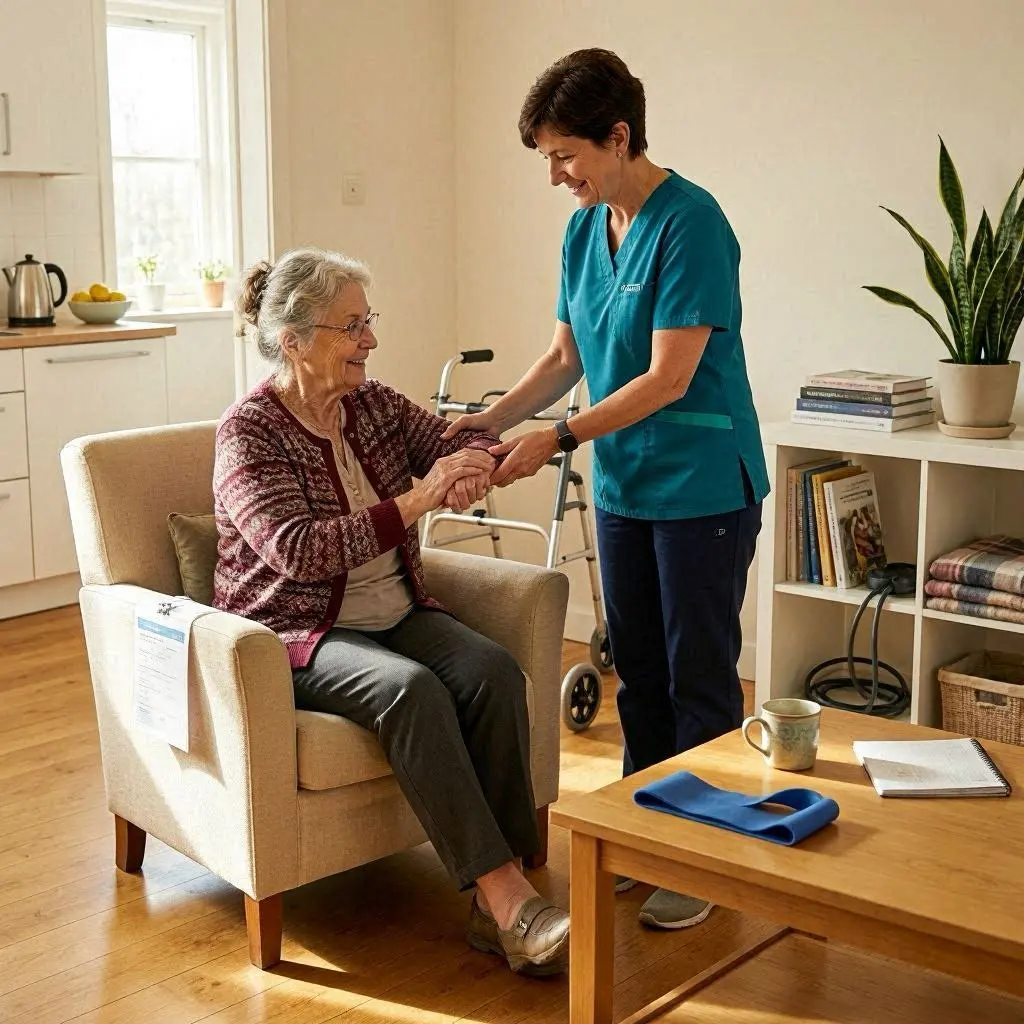
Osteopathy Benefits for Older Adults
Older adults may experience reduced strength, joint stiffness, osteoarthritis, balance problems, and reduced mobility.
Osteopathy may provide musculoskeletal support for some people, but treatment should take age-related changes and medical conditions into account.
For example, someone with osteoporosis may require additional precautions.
Exercise remains particularly important for older adults.
Strength and balance exercises can help maintain independence and support everyday function.
Therefore, an osteopathic treatment plan should ideally focus on practical goals such as:
- Walking
- Standing from a chair
- Climbing stairs
- Maintaining balance
- Reaching
- Carrying everyday objects
- Staying physically active
Osteopathy Benefits During Injury Recovery
Recovery from injury rarely happens in a single step.
Most rehabilitation involves several stages.
Initially, the person may need to reduce activities that aggravate symptoms. Then, they can gradually restore movement and strength.
Osteopathy may support some stages of this process through hands-on treatment and movement guidance.
For example:
Stage 1: Managing Symptoms
The goal involves controlling discomfort and protecting the injured area appropriately.
Stage 2: Restoring Movement
Gentle mobility work can help the person regain comfortable movement.
Stage 3: Rebuilding Strength
Progressive resistance exercises increase physical capacity.
Stage 4: Restoring Function
The person gradually performs activities that resemble work, sport, or daily life.
Stage 5: Returning to Normal Activity
The final stage focuses on safely returning to normal physical demands.
Manual treatment can complement these stages, but it should not replace active rehabilitation.
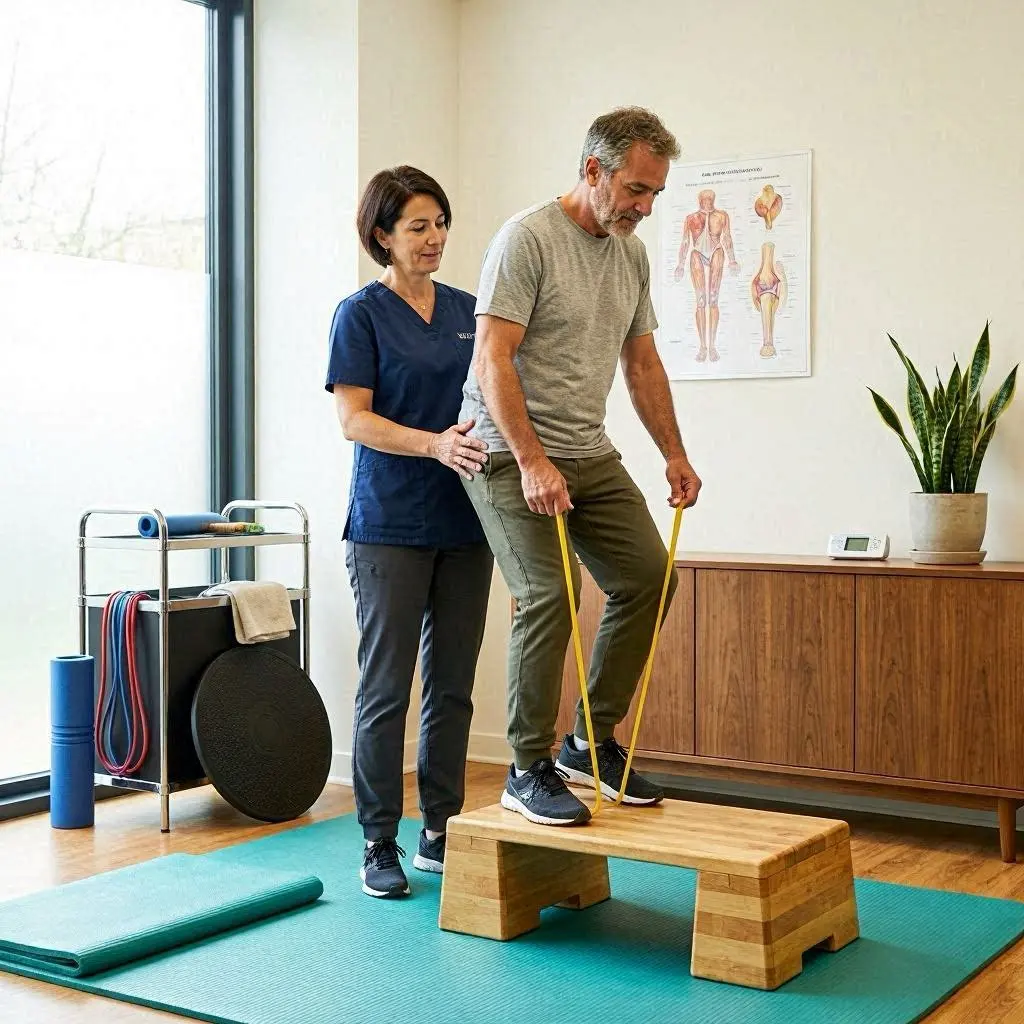
Osteopathy Benefits and Exercise
Exercise represents one of the most important components of many musculoskeletal rehabilitation programs.
Manual therapy can sometimes make movement more comfortable. Exercise then provides the repeated physical stimulus required to improve strength, endurance, coordination, and confidence.
For example, someone with back pain might perform:
- Walking
- Core exercises
- Hip strengthening
- Functional lifting
- Mobility exercises
Someone with knee pain might perform:
- Squats
- Step-ups
- Quadriceps strengthening
- Hip strengthening
- Balance exercises
Someone with shoulder pain might perform:
- Rotator-cuff exercises
- Resistance-band movements
- Shoulder-blade exercises
- Controlled reaching
- Progressive resistance training
The exact program should match the individual’s condition.
Osteopathy Benefits for Chronic Pain
Chronic pain can involve more than tissue damage.
When pain continues for a long period, sleep, stress, activity levels, fear of movement, previous injuries, and nervous-system sensitivity can influence symptoms.
Research on complementary approaches suggests that osteopathic or spinal manipulation may provide some benefit for certain chronic pain conditions, but results vary and the evidence does not support treating chronic pain as a problem that manual therapy can always “fix.”
A broader approach may therefore include:
- Exercise
- Education
- Physical activity
- Manual therapy
- Sleep management
- Stress management
- Medical care
- Psychological support when appropriate
This approach recognizes that chronic pain often requires several strategies rather than one treatment.
Osteopathy Benefits for Relaxation and Comfort
Some people report feeling relaxed after hands-on treatment.
Massage and gentle manual techniques can create a calming experience for some individuals.
However, relaxation should not be confused with treatment of an underlying medical condition.
If someone enjoys hands-on therapy because it helps them relax, that can form part of their personal wellbeing routine.
Nevertheless, persistent pain or unexplained symptoms require appropriate assessment.
Osteopathy Benefits and Reduced Reliance on Passive Care
One potential advantage of a good osteopathic approach is that it can encourage patients to become more involved in their recovery.
Rather than depending entirely on repeated treatment, patients can learn:
- How to manage symptoms
- Which movements help
- Which activities require temporary modification
- How to strengthen the affected area
- How to gradually increase activity
- When to seek additional care
This approach can improve independence.
The goal should not be to create long-term dependence on treatment.
Instead, the practitioner can help the patient develop the knowledge and physical capacity required to manage everyday activities.
Osteopathy Benefits vs Physiotherapy
Osteopathy and physiotherapy are different professions, although considerable overlap exists in musculoskeletal care.
Physiotherapy often emphasizes:
- Exercise
- Strengthening
- Functional rehabilitation
- Mobility
- Movement education
- Return-to-sport programs
Osteopathy often emphasizes:
- Hands-on assessment
- Manual treatment
- Joint mobility
- Soft-tissue treatment
- Movement advice
However, individual practitioners can use different approaches.
Therefore, the most important factor is not simply the professional title.
Consider whether the practitioner understands your condition, performs an appropriate assessment, explains the treatment clearly, and provides a plan that matches your goals.
Osteopathy Benefits vs Massage Therapy
Massage therapy primarily targets soft tissues and can provide relaxation and temporary relief from muscular discomfort.
Osteopathy may include massage techniques but generally involves a broader assessment of musculoskeletal movement.
For someone seeking relaxation, massage may be appropriate.
For someone with persistent pain or a recurring movement problem, a more comprehensive assessment may be useful.
The appropriate choice depends on the individual’s needs.
Osteopathy Benefits vs Chiropractic Care
There can also be overlap between osteopathic and chiropractic manual care.
Both approaches may use techniques involving joints, muscles, and movement.
However, training, professional regulation, and treatment philosophy can vary by country and practitioner.
Some chiropractors focus heavily on spinal manipulation, while osteopaths may use a broader combination of manual techniques.
Patients should evaluate the individual practitioner and treatment plan rather than assuming that every practitioner within a profession uses exactly the same methods.
Are Osteopathy Benefits Supported by Research?
Research provides evidence that some manual approaches can help certain musculoskeletal conditions.
NCCIH reports that spinal manipulation may produce small improvements in pain and function for acute and chronic low back pain. It also notes possible benefits for some people with neck pain.
Earlier research reviewing osteopathic manipulation and other complementary approaches found that osteopathic manipulation may help some people with back pain, although the evidence was weaker and methodological limitations existed.
This distinction is important.
Research on a specific manual technique does not automatically prove that every osteopathic treatment will work for every condition.
The results depend on:
- The condition being treated
- The treatment technique
- The patient population
- The quality of the research
- The comparison treatment
- The length of follow-up
- The outcome being measured
Therefore, Osteopathy Benefits should be described realistically.
What Can Affect Osteopathy Benefits?
Several factors can influence the results of treatment.
The Underlying Condition
A simple movement-related problem may respond differently from a complex chronic condition.
Treatment Approach
Different manual techniques can produce different results.
Physical Activity
People who gradually rebuild physical capacity may achieve different long-term outcomes from those who rely exclusively on passive treatment.
Sleep
Poor sleep can make pain more difficult to manage.
Stress
Stress can influence muscle tension and pain sensitivity.
Expectations
Understanding what treatment can realistically achieve can help people make informed decisions.
Consistency
Following an exercise or self-management plan can influence recovery.
Medical Factors
Underlying health conditions and medications may affect treatment options and safety.
How to Maximize the Benefits of Osteopathy
You can take several practical steps to make treatment more useful.
Choose an Appropriate Practitioner
Look for a properly qualified and regulated professional.
Explain Your Goals
Tell the practitioner what you want to achieve.
For example, you may want to return to running rather than simply reduce pain.
Provide Your Medical History
Tell the practitioner about previous injuries, medical conditions, medications, and recent procedures.
Stay Active
Unless a healthcare professional advises otherwise, maintain appropriate physical activity.
Follow Your Exercise Plan
If exercises form part of treatment, perform them consistently.
Monitor Progress
Track changes in pain, mobility, sleep, strength, and daily activities.
Communicate About Side Effects
Tell your practitioner if treatment produces significant or worsening symptoms.
How Many Sessions Are Needed to Experience Osteopathy Benefits?
There is no universal number of appointments.
Some people may notice changes after one or several sessions.
Others may need a longer rehabilitation period.
Treatment requirements depend on:
- Diagnosis
- Symptom duration
- Severity
- Age
- Physical activity
- Previous injuries
- General health
- Treatment response
- Rehabilitation goals
The practitioner should regularly reassess progress.
If there is no meaningful improvement, continuing exactly the same treatment indefinitely may not make sense.
Instead, the practitioner may need to change the treatment approach or recommend assessment by another healthcare professional.
Are There Any Risks of Osteopathy?
Osteopathy can be appropriate for many people, but no hands-on treatment is completely risk-free.
Some people may experience temporary:
- Muscle soreness
- Joint discomfort
- Stiffness
- Headache
- Fatigue
- Increased symptoms
These effects can occur after some forms of manual treatment.
Spinal manipulation, particularly involving the neck, also has rare but potentially serious risks. NCCIH notes an association between neck spinal manipulation and cervical artery dissection, although the causal relationship remains debated.
Therefore, practitioners should screen patients carefully and explain relevant risks.
People should also disclose medical conditions and medications before treatment.
Who Should Be Careful With Osteopathic Treatment?
People with certain medical conditions may require additional precautions.
Discuss treatment with an appropriate healthcare professional if you have:
- Significant osteoporosis
- Recent major trauma
- Serious joint or bone disease
- Certain neurological conditions
- Increased bleeding risk
- Blood-thinning medication
- Serious infection
- Unexplained severe pain
- Progressive weakness
- Significant numbness
Pregnancy also requires appropriate consideration.
If symptoms could indicate a serious medical condition, medical assessment should come before routine manual treatment.
When Should You Seek Medical Help Instead?
Osteopathy should not delay urgent medical care.
Seek appropriate medical assessment if you experience:
- Severe unexplained pain
- Rapidly worsening symptoms
- Significant weakness
- Major loss of sensation
- New bladder or bowel problems
- Numbness around the groin or saddle area
- Major trauma
- Obvious deformity
- Fever with severe pain
- Unexplained weight loss
- Severe neurological symptoms
- Loss of consciousness
- Chest pain
- Significant breathing difficulty
These symptoms may indicate problems that require medical investigation.
Manual therapy should never replace emergency treatment when serious symptoms occur.
Frequently Asked Questions About Osteopathy Benefits
What are the main Osteopathy Benefits?
Potential benefits include reduced musculoskeletal pain, improved mobility, reduced stiffness, better physical function, and support during rehabilitation. Results vary between individuals.
Does osteopathy help back pain?
Osteopathic and related manual techniques may help some people with back pain. Evidence for spinal manipulation suggests small improvements in pain and function for some people with acute and chronic low back pain.
Can osteopathy help neck pain?
Some manual techniques may help certain types of neck pain. However, serious or unusual symptoms require appropriate medical assessment.
Can osteopathy reduce muscle tension?
Hands-on treatment may temporarily reduce the sensation of muscle tension for some people. Exercise, activity modification, sleep, and stress management can also influence recurring tension.
Can osteopathy improve flexibility?
Treatment may temporarily improve comfortable movement in some circumstances. Long-term mobility improvements usually require regular movement and appropriate exercise.
Can osteopathy help sports injuries?
Osteopathy may form part of rehabilitation for some musculoskeletal sports injuries. Significant injuries still require appropriate diagnosis and rehabilitation.
Is osteopathy better than physiotherapy?
Neither treatment is universally better. The appropriate choice depends on the person’s condition, goals, practitioner, and treatment plan.
Is osteopathy the same as massage?
No. Massage primarily focuses on soft tissues, while osteopathy may include broader musculoskeletal assessment, joint techniques, movement advice, and exercise.
How quickly can I experience Osteopathy Benefits?
Some people notice changes after an appointment, while others require several sessions and active rehabilitation. There is no guaranteed timeline.
Do Osteopathy Benefits last permanently?
Not necessarily. Manual treatment may provide temporary improvements, while long-term results often depend on exercise, physical activity, self-management, and addressing factors that contribute to recurring symptoms.
Can osteopathy treat arthritis?
Osteopathy may help some people manage musculoskeletal symptoms associated with arthritis, but it should not replace appropriate arthritis management. Exercise and strengthening remain important parts of managing osteoarthritis.
Can osteopathy help chronic pain?
It may provide some benefit for certain chronic musculoskeletal pain conditions. However, chronic pain often requires a broader approach involving physical activity, exercise, education, and appropriate medical or psychological support.
Is osteopathy safe?
Osteopathy can be appropriate for many people when performed by a properly qualified practitioner. However, some techniques carry risks, and certain medical conditions require additional precautions.
Can I exercise after osteopathic treatment?
In many cases, appropriate exercise forms an important part of recovery. Your practitioner should recommend the intensity and type of exercise that fit your condition.
How many osteopathy sessions do I need?
There is no fixed number. Treatment depends on the condition, symptoms, goals, response, and rehabilitation needs.
Final Thoughts on Osteopathy Benefits
Osteopathy Benefits can include improvements in pain, mobility, stiffness, physical function, and confidence with movement for some people with musculoskeletal problems.
The strongest reason to consider osteopathy is not the promise of a universal cure. Instead, it can provide an individualized approach to managing certain muscle and joint problems.
Hands-on techniques may help some people feel more comfortable and move more easily. Research on related manual approaches supports modest benefits for some types of back and neck pain, although evidence quality varies and results are not guaranteed.
For long-term recovery, active rehabilitation remains important.
Exercise, strengthening, walking, mobility work, education, sleep, healthy activity levels, and appropriate medical care can all contribute to better outcomes.
A good Osteopathy Therapy plan should therefore help you become more capable and independent rather than simply encourage repeated passive treatment.
If you are considering osteopathy, choose a properly qualified practitioner, explain your medical history, and discuss your goals before treatment. Ask how progress will be measured and what you can do between appointments.
Most importantly, do not use osteopathy to delay medical evaluation when symptoms are severe, unexplained, worsening, or associated with neurological or other warning signs.
Ultimately, the most meaningful Osteopathy Benefits are those that translate into everyday life: moving more comfortably, returning to activities, improving physical capacity, and gaining greater confidence in managing your musculoskeletal health.