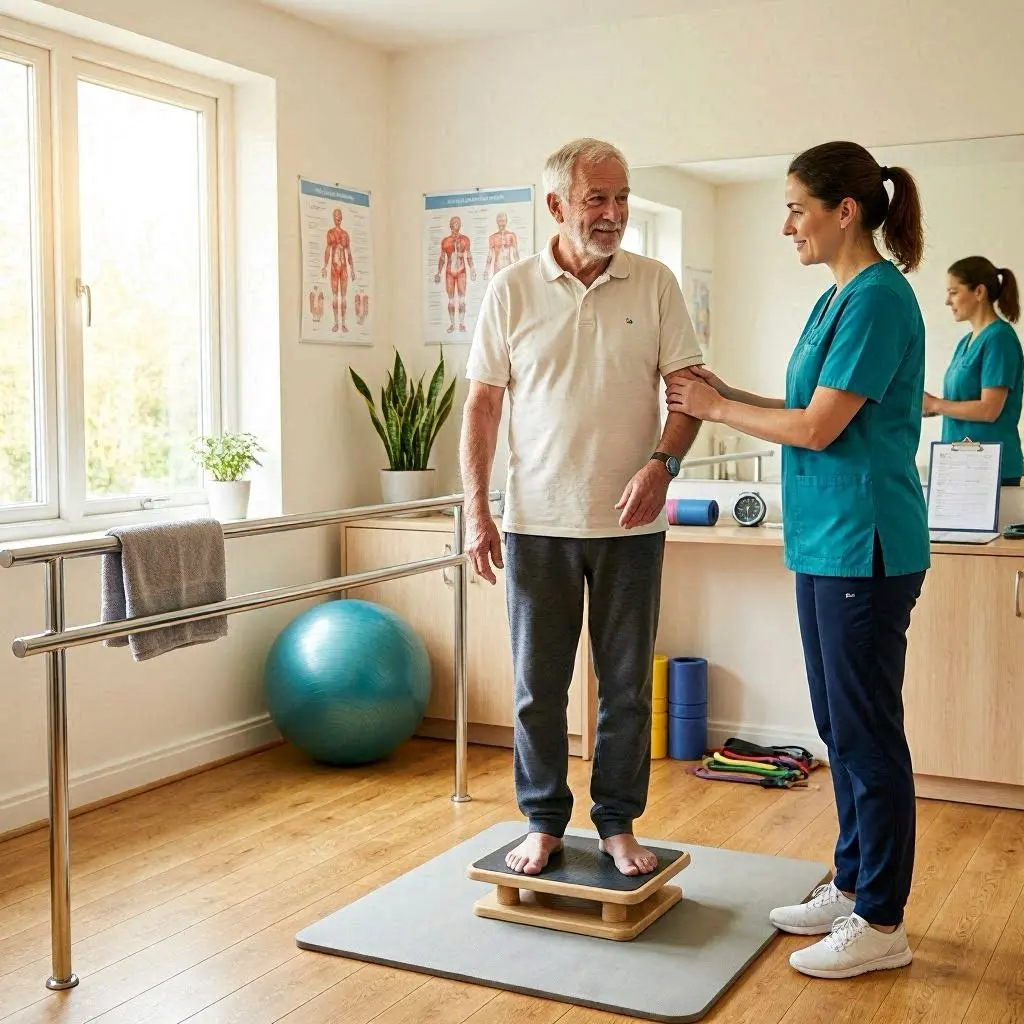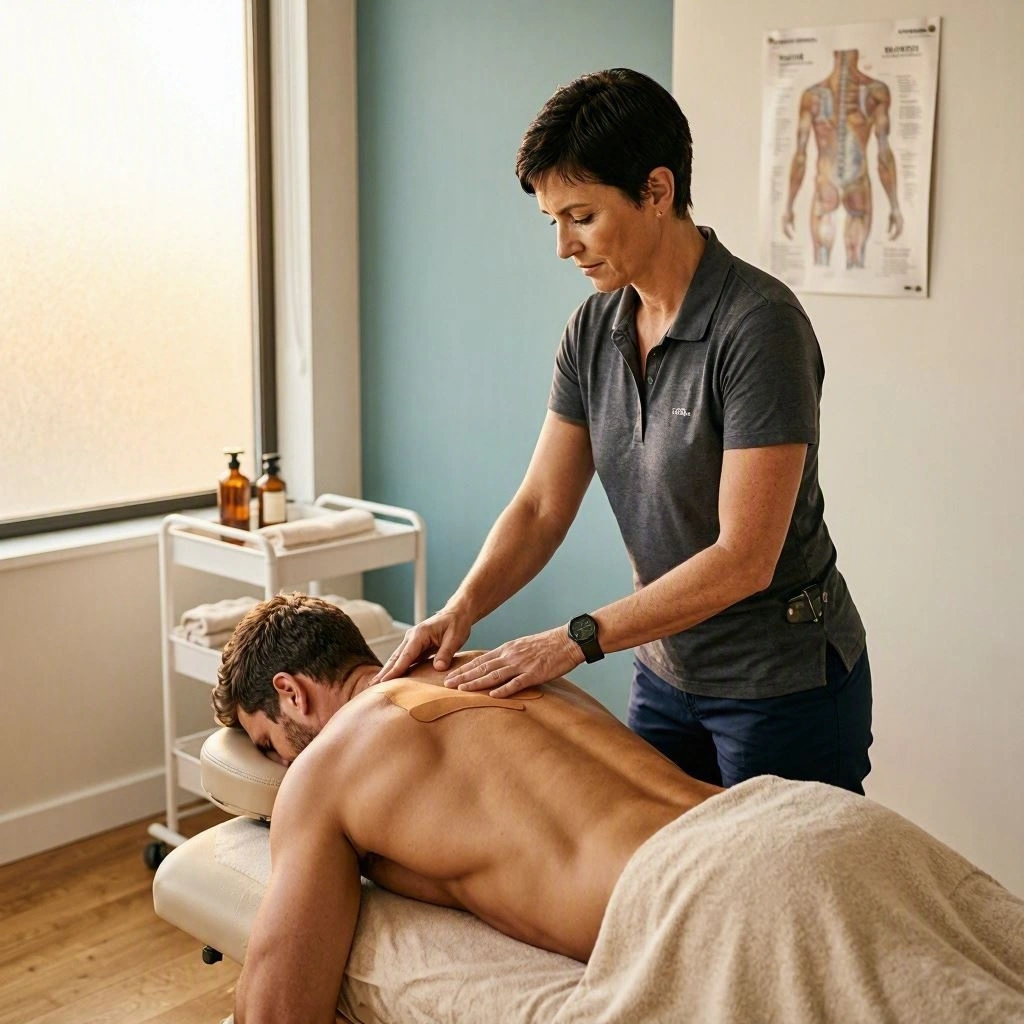
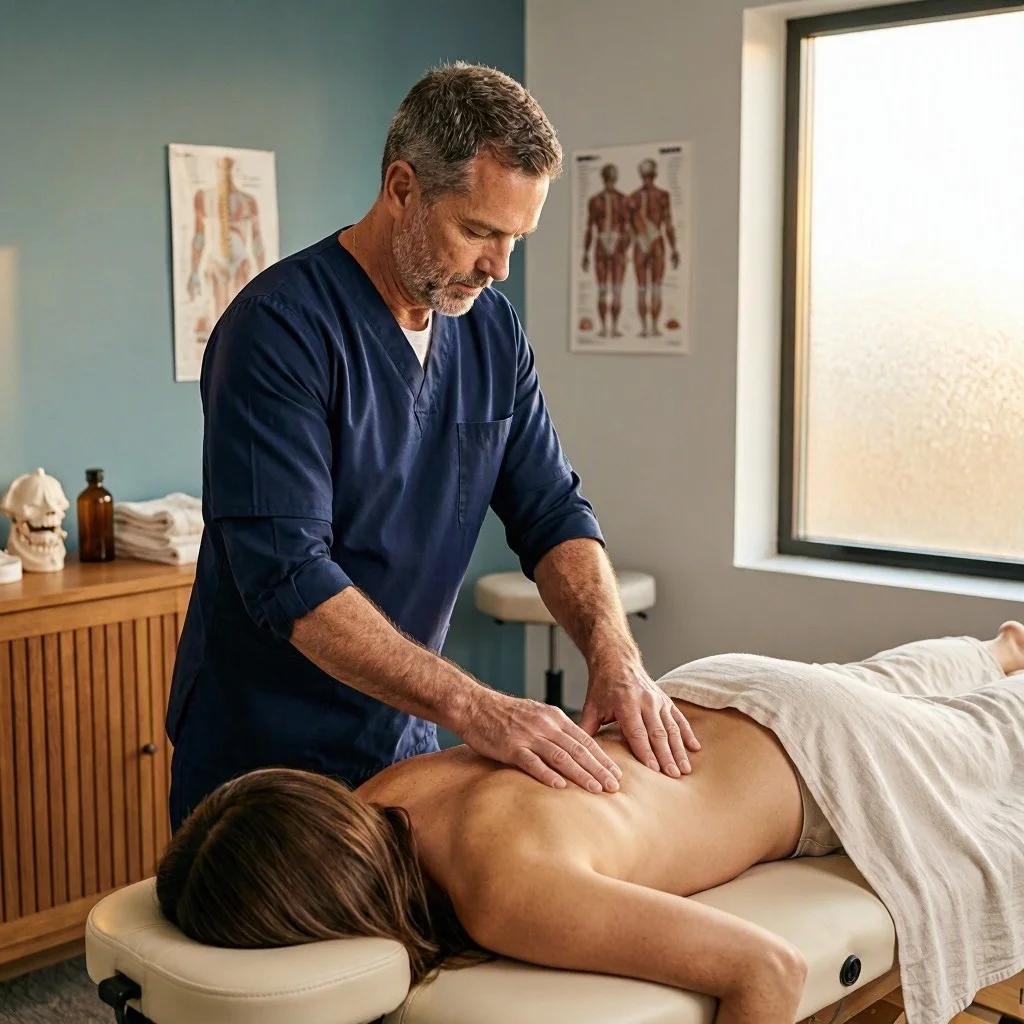
Chiropractor for Muscle Spasms: Causes, Treatment, and How to Find Relief
Muscle spasms can appear suddenly and make everyday movements uncomfortable. A tight back, a stiff neck, or a painful contraction around the shoulders can interfere with working, exercising, sleeping, and completing ordinary tasks. Some spasms settle within a short time, while others recur or occur alongside persistent musculoskeletal pain. Searching for a chiropractor for muscle spasms may be a reasonable starting point when symptoms involve the back, neck, or other areas affected by musculoskeletal discomfort. Chiropractic care may include a physical assessment, manual therapy, joint mobilisation, movement advice, and exercises designed to support comfortable movement.
However, muscle spasms do not have a single cause, and chiropractic treatment is not appropriate for every situation. A spasm may be associated with muscle fatigue, an injury, nerve irritation, a medication, or an underlying medical condition. Identifying the likely cause is therefore an important first step.
This guide explains why muscle spasms occur, how a chiropractor may assess them, which treatment options may be considered, and what you can do to support recovery safely.
What Are Muscle Spasms?
A muscle spasm is an involuntary contraction or tightening of a muscle. It may feel like a sudden cramp, a painful knot, or persistent tension that makes movement difficult.
The term is often used interchangeably with muscle cramp, although these experiences are not always identical. A cramp typically involves a sudden, involuntary, and sometimes painful contraction. Muscle tightness associated with back or neck pain may instead reflect protective muscle activity, discomfort, or reduced movement.
Muscle spasms can affect many parts of the body, including:
- The lower back and muscles surrounding the spine
- The neck and upper shoulders
- The muscles between the shoulder blades
- The hips and buttocks
- The thighs and calves
- The feet and hands
Some episodes happen after strenuous exercise or an unfamiliar movement. Others appear during rest or without an obvious trigger.
The duration and severity also vary. A brief cramp may disappear within seconds or minutes, whereas recurring muscle tightness may continue alongside an underlying condition.
Understanding the difference between an occasional cramp and a recurring or unexplained spasm can help determine whether self-care, chiropractic assessment, or medical evaluation is appropriate.
Common Causes of Muscle Spasms
Muscle spasms are symptoms, not a diagnosis. Their causes can range from temporary muscular fatigue to conditions that require medical treatment.
1. Muscle strain and overuse
A muscle strain occurs when muscle fibres are overloaded or damaged. It can happen during lifting, exercise, repetitive activity, or a sudden movement.
Symptoms may include tenderness, stiffness, pain during movement, and difficulty using the affected muscle normally. The surrounding muscles may also tighten in response to discomfort.
A mild strain may improve with appropriate activity modification and gradual movement. More significant injuries can require professional assessment and a structured rehabilitation plan.
2. Prolonged sitting and repetitive activities
Long periods at a desk, extended driving, or repetitive work can contribute to discomfort in the neck, shoulders, and back.
Remaining in one position for too long may increase stiffness or make existing symptoms more noticeable. Nevertheless, posture alone does not explain every muscle spasm, and there is no single ideal sitting position that prevents all musculoskeletal pain.
Regular movement breaks, comfortable workstation adjustments, and gradually building physical capacity may help reduce the impact of prolonged inactivity.
3. Exercise-related cramps
Muscle cramps can occur during or after exercise, particularly when activity is intense, unfamiliar, or prolonged.
Muscle fatigue, training load, environmental heat, and individual factors may contribute. Dehydration and electrolyte disturbances can also be relevant in some situations, but not all cramps are caused by a lack of water, magnesium, or potassium.
Increasing exercise intensity gradually, allowing sufficient recovery, and maintaining appropriate hydration are practical steps for many active people.
4. Back and neck pain
Muscle spasms may occur alongside some types of back or neck pain. The surrounding muscles can become tense or sensitive, making bending, turning, or maintaining certain positions uncomfortable.
A chiropractor may assess whether the symptoms are consistent with a musculoskeletal condition that could be managed conservatively.
The aim should be to improve comfort and function while considering other possible causes. Persistent pain, progressive symptoms, or signs of nerve involvement may require further medical evaluation.
5. Nerve irritation
Nerves carry signals between the brain, spinal cord, and the rest of the body. Irritation or compression of a nerve can sometimes cause pain, tingling, numbness, or weakness.
Muscle spasms may occur alongside nerve-related symptoms, but a spasm alone does not prove that a nerve is compressed.
Symptoms that travel down an arm or leg, new weakness, or changes in sensation should be assessed appropriately. Progressive neurological symptoms require prompt medical attention.
6. Medical conditions and medications
Certain medical conditions can contribute to muscle cramps, spasms, or twitching. These may include neurological conditions, thyroid disorders, and disturbances in the body’s electrolyte balance. Some medications can also cause muscle symptoms.
Recurring spasms without an obvious explanation should not automatically be attributed to a joint problem or muscle tightness.
A medical professional can review symptoms, medications, and health history and decide whether further investigation is needed. Do not stop prescribed medication without discussing it with the prescribing clinician.
Can a Chiropractor Help With Muscle Spasms?
A chiropractor may help some people whose muscle spasms occur alongside certain types of musculoskeletal pain, especially back or neck discomfort. The potential benefit depends on the underlying problem and the treatment approach.
Chiropractic care may involve a combination of physical assessment, joint mobilisation, selected spinal manipulation, soft tissue techniques, exercise advice, and education.
Research suggests that spinal manipulation can provide modest improvements in pain and function for some people with acute or chronic low-back pain. However, this evidence does not establish that spinal manipulation directly treats every muscle spasm or addresses every underlying cause.
Improving comfortable movement
Pain and muscle tightness can make a person reluctant to bend, turn, walk, or perform everyday tasks. An appropriate treatment plan may help improve movement tolerance and confidence.
Depending on the assessment, a chiropractor might use gentle mobilisation or selected manual techniques alongside advice about staying active.
The goal is not simply to make a muscle feel temporarily looser. It is to help the person return to useful activities and manage the factors contributing to their symptoms.
Addressing contributing movement habits
Some people notice that their symptoms are more likely to appear after prolonged sitting, repetitive lifting, or a sudden increase in exercise.
A chiropractor may discuss how these activities relate to the person’s symptoms and suggest practical adjustments. These could include taking movement breaks, modifying a task temporarily, or gradually improving strength and endurance.
Such advice should be individualised. It should not rely on the assumption that a particular spinal alignment or posture explains all muscle spasms.
Supporting a wider recovery plan
Manual therapy is only one possible component of care. Depending on the problem, rehabilitation may also involve progressive exercise, activity modification, education, and coordination with a physiotherapist or physician.
A responsible practitioner should explain the purpose of treatment, discuss potential risks and alternatives, and reassess progress rather than automatically recommending an extended course of appointments.

What Happens During a Chiropractic Assessment?
Before recommending treatment, a chiropractor should evaluate the symptoms and determine whether chiropractic care is suitable.
Medical and symptom history
The assessment may include questions about:
- When the spasms began
- Which muscles or body areas are affected
- How frequently the episodes occur
- Whether the symptoms followed exercise, lifting, or an injury
- Which movements increase or reduce discomfort
- Whether pain travels into an arm or leg
- Whether numbness, tingling, or weakness is present
- Existing medical conditions, previous surgery, and medications
This information helps the practitioner understand the symptoms and identify reasons for referral.
Physical examination
Depending on the presentation, the examination may include movement, muscle tenderness, joint mobility, strength, sensation, and relevant neurological checks.
The practitioner should consider whether the symptoms could indicate a fracture, infection, inflammatory condition, or another problem that requires medical investigation.
Imaging is not automatically necessary for muscle spasms. X-rays, MRI scans, blood tests, or other investigations should be considered according to the clinical findings and suspected diagnosis.
Discussing treatment options
If conservative care is appropriate, the chiropractor should explain the proposed treatment and its intended goals.
You should be able to ask questions about the expected benefits, possible side effects, alternatives, and the number of visits being considered.
You should also feel comfortable declining any technique. Treatment should never continue unchanged if symptoms worsen significantly or new warning signs develop.
Chiropractic Treatment Options for Muscle Spasms
There is no single technique that is suitable for every patient. The appropriate approach depends on the cause of the symptoms, the body area involved, the person’s medical history, and their preferences.
1. Joint mobilisation
Joint mobilisation involves controlled, usually slower movements applied to a joint within a selected range of motion. Unlike high-velocity manipulation, it does not involve a rapid thrust.
A practitioner may consider mobilisation when a person has musculoskeletal pain or restricted movement and the technique is appropriate for their condition.
Mobilisation does not directly treat every possible cause of muscle spasm. Its potential role is generally to help manage selected symptoms and support comfortable movement.
2. Spinal manipulation
Spinal manipulation uses a controlled force applied to a joint. It may produce a clicking sound, but the sound does not prove that a joint has been permanently realigned or that a muscle spasm has been cured.
For some people with low-back pain, spinal manipulation may offer modest improvements in pain and function. The strength of the evidence varies, and it should not be interpreted as proof that manipulation is effective for every type of muscle spasm.
Manipulation is not suitable for everyone. A practitioner should screen for relevant medical conditions, discuss the potential risks, and consider alternative approaches where appropriate.
3. Soft tissue techniques
Some chiropractors use manual techniques directed at muscles and surrounding soft tissues.
Depending on the condition, these techniques may help manage discomfort or improve tolerance for movement. However, forceful pressure may be unsuitable for an acute muscle injury, significant swelling, or an area where a more serious condition has not been excluded.
Treatment should be adjusted to the individual’s response. More pressure does not automatically produce better results.
4. Therapeutic exercise
Exercise can help improve strength, mobility, coordination, and confidence in movement.
Depending on the assessment, a rehabilitation programme may include gentle range-of-motion exercises, gradual strengthening, walking, or movements selected for the affected body area.
A person with a mild episode of back stiffness may need a different programme from someone with a significant muscle strain or nerve-related symptoms.
Exercises should be introduced at a suitable level and progressed according to symptoms, function, and professional guidance.
5. Education and activity modification
A chiropractor may provide advice about pacing activities, changing positions, managing exercise intensity, and returning to everyday tasks.
For many uncomplicated musculoskeletal problems, remaining appropriately active is preferable to prolonged bed rest. However, activity recommendations must be adjusted when a serious injury or another medical condition is suspected.
The aim is to maintain useful movement without repeatedly aggravating the symptoms.
Chiropractor for Back Muscle Spasms
Back muscle spasms can affect the lower, middle, or upper back. People may describe a sudden tightening, a painful knot, or stiffness that makes bending and turning difficult.
Possible contributing factors include muscle strain, unfamiliar activity, prolonged static positions, and certain types of nonspecific back pain.
A chiropractor may assess whether the symptoms are consistent with a musculoskeletal condition suitable for conservative treatment. Depending on the findings, care could include mobilisation, selected manual techniques, exercise recommendations, and advice about activity.
Evidence for spinal manipulation mainly concerns outcomes such as pain and function in people with low-back pain. It does not prove that manipulation directly stops every muscle from spasming.
Managing back spasms at home
For mild discomfort without warning signs, some people find gentle walking, comfortable movement, or a wrapped heat pack helpful.
Avoid forcing painful stretches or repeatedly testing the movement that triggered the spasm. If the symptoms began after a significant injury, are severe, or continue to worsen, seek an appropriate assessment.
Seek emergency medical care for back pain accompanied by new loss of bladder or bowel control, numbness around the groin or saddle area, or progressive leg weakness. These symptoms may indicate serious nerve compression.
Chiropractor for Neck and Shoulder Muscle Spasms
Neck and shoulder spasms may develop after repetitive activity, prolonged desk work, an awkward sleeping position, or a muscle strain.
Common symptoms include tenderness, stiffness when turning the head, and discomfort while working or driving.
An assessment may help determine whether the symptoms are consistent with a musculoskeletal problem. Depending on the findings, conservative care could include gentle mobilisation, selected soft tissue techniques, movement exercises, and advice about daily activities.
Why neck treatment requires particular care (Chiropractor for Muscle Spasms)
Neck pain is not always caused by muscle tension. Severe or unusual pain, significant trauma, fever with neck stiffness, a sudden severe headache, or neurological symptoms require prompt medical assessment.
Cervical spinal manipulation also has specific safety considerations. Serious complications, including cervical artery dissection associated with neck manipulation, have been reported. The frequency and causal relationship are difficult to establish precisely, but the potential risk should be discussed before treatment.
Patients should never feel pressured to undergo forceful neck manipulation. Gentle mobilisation, exercise-based care, or medical evaluation may be more appropriate, depending on the circumstances.
How to Manage Muscle Spasms Between Appointments
Self-care may help with uncomplicated muscular discomfort, but the right approach depends on the cause. Home strategies should not replace assessment when symptoms are severe, persistent, or unusual.
Stay gently active when appropriate
If movement is safe and tolerable, gentle activity may help prevent unnecessary stiffness. Short walks, comfortable movement, and changing position periodically may be useful.
Do not push through severe pain or use exercise as a substitute for medical assessment when warning signs are present.
Consider heat or cold
A wrapped heat pack may feel soothing for muscular tightness. Some people prefer a cold pack after a recent minor injury.
Never apply extreme temperatures directly to the skin. Use extra caution if you have reduced sensation or impaired circulation, and seek professional advice if you are unsure which approach is suitable.
Review exercise intensity
If a spasm began after a sudden increase in training, temporarily reducing the activity that provokes symptoms may be reasonable.
Return to exercise gradually as symptoms improve. Repeated cramps during exercise, especially when accompanied by significant swelling, marked weakness, or systemic symptoms, require medical assessment.
Maintain appropriate hydration
Regular fluid intake supports general health, particularly during exercise and hot weather. However, hydration alone does not prevent all cramps, and electrolyte supplements are not necessary for everyone.
People who have been advised to restrict fluids because of a medical condition should follow their clinician’s instructions.
Prioritise rest and recovery
Sleep and recovery time can influence how well a person manages discomfort and maintains a consistent activity routine.
A comfortable sleeping position and regular sleep schedule may be helpful, although they will not address every cause of muscle spasm.
When Should You Seek Medical Attention?
Most occasional muscle spasms are not emergencies, but certain symptoms may indicate a condition that should not be managed with chiropractic care alone.
Seek emergency care if you experience:
- New or progressive weakness in an arm or leg
- Loss of bladder or bowel control alongside back symptoms
- Numbness around the groin or saddle region
- Severe pain after a major accident or significant trauma
- Muscle pain or swelling with dark, cola-coloured urine after strenuous exercise
- Muscle symptoms accompanied by chest pain, severe shortness of breath, or fainting
Arrange prompt medical assessment if you have:
- Fever or feeling seriously unwell alongside painful muscle symptoms
- A hot, swollen, red, or rapidly worsening area
- Persistent numbness or tingling
- Recurrent spasms without an obvious explanation
- New weakness or loss of normal function
- Symptoms that worsen or fail to improve as expected
These signs do not automatically indicate a particular diagnosis, but they warrant appropriate evaluation. If a medical cause is suspected, identifying and treating that cause takes priority over manual therapy.
Recurring muscle twitching or spasms lasting more than two weeks, especially when associated with weakness or stiffness, should also be discussed with a healthcare professional.
Is Chiropractic Treatment Safe for Muscle Spasms?
Safety depends on the person’s health, the underlying cause of the symptoms, and the technique being used.
Temporary soreness, stiffness, headache, or increased discomfort can occur after spinal manipulation or mobilisation. Most reported minor side effects settle within a short period, but serious complications have also been reported.
Before treatment, tell your chiropractor about relevant health conditions, recent injuries, osteoporosis, previous spinal surgery, cancer history, bleeding disorders, medications, and any neurological symptoms.
A responsible practitioner should explain the treatment, discuss risks and alternatives, and obtain informed consent.
If a technique causes significant pain or you develop new symptoms, tell the practitioner immediately. Seek medical care for severe or progressive symptoms rather than assuming they are a normal treatment response.
Chiropractic Care Versus Physiotherapy for Muscle Spasms
Chiropractic care and physiotherapy can both involve assessment, exercise advice, and selected manual techniques. The exact approach varies by practitioner, training, and clinical setting.
Physiotherapy commonly places a strong emphasis on exercise-based rehabilitation, functional goals, and a gradual return to activity. Chiropractic care may place more emphasis on spinal and joint assessment and manual treatment, depending on the practitioner’s approach.
Neither profession can guarantee that every muscle spasm will resolve. The most appropriate provider is one who can assess the cause, recognise warning signs, explain treatment options, and recommend a plan suited to your needs.
For some people, coordinated care may be appropriate. For others, medical evaluation should come first.
At Ritz Clinic, you can learn more about chiropractic services and physiotherapy services. Contact the clinic to confirm service availability and whether an appointment is appropriate for your symptoms.
How Long Does It Take for Muscle Spasms to Improve?
There is no universal recovery timeline.
A brief exercise-related cramp may settle quickly, while soreness following a muscle strain can last several days or longer. Spasms associated with persistent neck or back pain may recur if contributing factors remain.
Recovery depends on the cause, severity, overall health, activity demands, and response to treatment.
A suitable treatment plan should include realistic goals and regular reassessment. If symptoms worsen, new symptoms develop, or progress stalls, the diagnosis and treatment approach may need to be reviewed.
The objective is not simply to reduce discomfort temporarily. It is to help the person return to comfortable movement, perform everyday activities, and manage contributing factors where possible.
How to Choose a Chiropractor for Muscle Spasms
Choosing a suitable practitioner involves more than looking for someone who promises fast relief.
Look for appropriate qualifications
Check that the practitioner is appropriately licensed or registered for the location where they practise. Ask about their experience assessing the type of symptoms you are experiencing.
Choose a practitioner who assesses before treating
An appropriate consultation should include questions about the symptoms, medical history, and warning signs. Treatment should not begin with the assumption that every spasm is caused by a spinal joint problem.
Ask about treatment options (Chiropractor for Muscle Spasms)
A practitioner should be able to explain why a particular technique is being recommended, what benefits may reasonably be expected, and what alternatives are available.
You should not be pressured into a technique you do not want.
Look for progress reviews
Treatment should be reviewed according to your response and functional goals. If your symptoms are not improving, a responsible practitioner should reconsider the approach or refer you for further assessment.
Be cautious of guaranteed results
No ethical practitioner can guarantee that every muscle spasm will disappear after a fixed number of sessions. Recovery depends on the cause and individual circumstances.
Frequently Asked Questions (Chiropractor for Muscle Spasms)
1. Can a chiropractor stop muscle spasms?
A chiropractor may help some people whose spasms occur alongside certain musculoskeletal problems, particularly selected types of back or neck pain. Chiropractic care is not a proven solution for every kind of muscle spasm.
2. What causes recurring muscle spasms in the back?
Possible causes include muscle strain, changes in exercise intensity, prolonged static positions, back pain, certain medications, and medical conditions. Recurring spasms without a clear explanation should be assessed.
3. Should I see a chiropractor for a neck spasm?
A chiropractic assessment may be an option for some uncomplicated musculoskeletal neck symptoms. Severe or unusual pain, significant trauma, fever, a sudden severe headache, or neurological symptoms requires medical assessment. Discuss the risks and alternatives before considering neck manipulation.
4. Is spinal manipulation the same as massage?
No. Spinal manipulation applies a controlled force to a joint, while massage and soft tissue techniques apply pressure or movement to soft tissues. The techniques have different purposes and risks.
5. Can dehydration cause muscle spasms?
Fluid loss and electrolyte disturbances can contribute to cramps in some circumstances, but not all spasms are caused by dehydration. Persistent or recurring symptoms may require assessment for other causes.
6. Should I stretch a muscle during a spasm?
Gentle stretching may help some uncomplicated cramps when it can be performed comfortably. Avoid forcing painful movements, especially after an injury or when weakness, numbness, or severe pain is present.
7. Can chiropractic care help with nerve-related spasms?
Nerve-related symptoms require careful assessment. A chiropractor may identify reasons for referral, but new or progressive weakness, significant sensory changes, or other neurological warning signs should be evaluated by a medical professional.
8. How many chiropractic sessions will I need?
There is no fixed number. It depends on the cause, severity, response to treatment, and individual goals. A practitioner should reassess progress rather than recommending an indefinite course without a clear rationale.
9. Is soreness normal after chiropractic treatment?
Temporary soreness or stiffness can occur after manual treatment. Severe, persistent, or worsening pain, new weakness, numbness, or other unusual symptoms should not be dismissed as a normal response.
10. What is the best treatment for muscle spasms?
The most appropriate treatment depends on the cause. Options may include activity modification, gentle movement, rehabilitation exercises, medical treatment, or management of an underlying condition. A clinical assessment can help determine the right approach.
11. Can stress contribute to muscle tightness?
Stress and fatigue can be associated with muscle tension or twitching in some people. However, recurring or unexplained spasms should not automatically be attributed to stress, especially when weakness, sensory changes, or other symptoms are present.
12. When should I stop home treatment and seek help?
Seek medical advice if symptoms are persistent, worsening, unexplained, or interfering substantially with daily life. Emergency symptoms such as new bladder or bowel problems, progressive weakness, or severe pain after trauma require urgent assessment.
Conclusion (Chiropractor for Muscle Spasms)
A chiropractor for muscle spasms may be worth considering when muscle tightening occurs alongside certain types of neck or back pain and assessment suggests that conservative musculoskeletal care is appropriate.
Treatment may include selected manual techniques, gentle mobilisation, exercise advice, and guidance about movement. Evidence supports modest benefits from spinal manipulation for some forms of low-back pain, but this should not be interpreted as proof that chiropractic treatment resolves every muscle spasm.
The most important first step is understanding what may be causing the symptoms. Persistent, unexplained, or worsening spasms may require medical assessment, and emergency warning signs should never be ignored.
With an appropriate assessment, realistic treatment goals, and a plan tailored to the individual, people experiencing musculoskeletal discomfort can work toward improved movement, better daily function, and a safer return to their usual activities.
National Center for Complementary and Integrative Health — Low-Back Pain and Complementary Health Approaches