
Chiropractor for Rib Pain: Causes, Treatment Options, and When to Seek Help
Rib pain can make everyday activities such as breathing deeply, twisting your body, reaching overhead, exercising, or sleeping uncomfortable. The discomfort may occur along the front, side, or back of the rib cage, and it can range from a mild ache to sharp pain during movement. For some people, symptoms develop after exercise or repetitive work. For others, rib pain begins following an injury or appears without an obvious cause. Searching for a chiropractor for rib pain may be a reasonable starting point when symptoms are related to a musculoskeletal problem. A chiropractor may assess movement around the thoracic spine, ribs, and surrounding muscles and discuss appropriate conservative treatment. However, rib pain can also arise from conditions affecting the heart, lungs, digestive system, or other internal organs. Identifying the likely source of pain is therefore essential before considering manual therapy.
This article explains common causes of rib pain, how chiropractic care may fit into a treatment plan, what to expect during an assessment, and which warning signs require medical attention.
What Is Rib Pain?
The rib cage protects important organs and supports breathing. It consists of 12 pairs of ribs, the thoracic spine, cartilage connecting many ribs to the breastbone, and several muscles that help the chest expand and contract.
Rib pain may occur in different locations:
- Front rib pain: Discomfort around the breastbone or the cartilage connecting the ribs to it.
- Side rib pain: Pain along the lateral chest wall, sometimes associated with movement or breathing.
- Back rib pain: Discomfort near the spine or shoulder blades, which may involve the thoracic joints or surrounding muscles.
- Pain beneath the ribs: Symptoms in this area may originate from the abdominal organs rather than the ribs themselves.
The location of pain can provide useful information, but it does not establish a diagnosis. For example, pain that worsens when pressing on the chest wall may be musculoskeletal, yet tenderness alone cannot reliably rule out serious conditions.
A proper assessment should consider how the symptoms started, what makes them worse, associated symptoms, medical history, and whether further medical evaluation is needed.
Common Causes of Rib Pain
Several conditions can cause discomfort around the rib cage. Some are related to muscles, joints, and connective tissue, while others require medical treatment.
1. Intercostal Muscle Strain
Intercostal muscles sit between the ribs and help control chest-wall movement during breathing. These muscles can become strained following sudden twisting, heavy lifting, vigorous exercise, coughing, or repetitive reaching.
Symptoms may include local tenderness, discomfort with certain movements, or pain when coughing and taking a deep breath.
A mild strain may improve with appropriate activity modification and gradual return to normal movement. However, severe pain, breathing difficulties, or symptoms following significant trauma should not be assumed to represent a simple muscle strain.
2. Costochondritis
Costochondritis involves inflammation or irritation of the cartilage where the ribs meet the breastbone. It can cause sharp or aching pain at the front of the chest, sometimes worsening with movement, deep breathing, or pressure on the affected area.
Although costochondritis is a musculoskeletal condition, new or unexplained chest pain should receive medical assessment to exclude more serious causes.
The NHS guide to costochondritis explains its common symptoms and the importance of getting chest pain checked.
3. Thoracic Joint Irritation
The ribs connect to the thoracic spine through joints that contribute to movement of the chest wall. Irritation in this region may be associated with discomfort when rotating the trunk, reaching, or changing position.
A clinician may consider the thoracic joints as one possible source after evaluating the history and symptoms. However, a perceived restriction in movement does not automatically mean that a rib is displaced or out of alignment.
4. Bruised or Broken Ribs
Falls, direct impacts, sports injuries, and severe coughing can cause bruised or fractured ribs. Symptoms may include tenderness, bruising, swelling, and pain when breathing deeply or coughing.
A chiropractor should not attempt to manipulate an injured rib before an appropriate medical assessment. A suspected fracture, significant trauma, or severe pain needs careful evaluation.
The NHS guidance on broken or bruised ribs explains typical symptoms, self-care measures, and warning signs that require urgent attention.
5. Poorly Tolerated Repetitive Activity
Repeated lifting, overhead work, rowing, throwing, or other demanding activities may overload the muscles around the chest and upper back.
The problem may develop gradually rather than following one identifiable injury. A change in training volume, work duties, or recovery time can sometimes contribute.
In these cases, treatment may involve temporarily adjusting aggravating activities, gradually rebuilding strength, and improving tolerance for the movements required by daily life.
6. Thoracic Spine and Upper Back Problems
Problems involving the thoracic spine may sometimes cause pain that is felt around the ribs. Depending on the underlying condition, symptoms may also involve stiffness or discomfort when rotating the upper body.
However, pain spreading around the chest can have other causes, including nerve irritation and conditions unrelated to the spine. Persistent, severe, or unexplained symptoms should be assessed rather than treated solely on the assumption that the thoracic spine is responsible.
7. Other Medical Causes
Not all rib pain originates in the muscles or joints. Potential causes include lung conditions, heart problems, shingles, gastrointestinal disorders, and other medical conditions.
Pain associated with shortness of breath, chest pressure, sweating, fainting, coughing up blood, or sudden severe symptoms requires urgent medical attention.
The priority is to identify the cause safely before deciding whether chiropractic care is appropriate.
Can a Chiropractor Help With Rib Pain?
A chiropractor may help some people whose rib-area discomfort is caused by an appropriate musculoskeletal condition. The exact approach depends on the assessment, the person’s medical history, and the severity and duration of symptoms.
Chiropractic care may involve:
- A detailed history and movement assessment.
- Advice about activities that aggravate symptoms.
- Gentle manual techniques when appropriate.
- Exercises to support mobility and strength.
- Guidance on gradually returning to normal activities.
- Referral to another healthcare professional when symptoms require further investigation.
It is important to recognise that direct research on chiropractic treatment specifically for rib pain is limited. Evidence supporting spinal manipulation for some other musculoskeletal problems, particularly low-back pain, cannot automatically be applied to rib pain or chest-wall conditions.
The National Center for Complementary and Integrative Health reviews evidence and safety considerations for spinal manipulation. Treatment decisions should be based on the specific condition rather than assuming that manipulation is appropriate for every type of pain.
A responsible chiropractor should explain the expected benefits, limitations, alternatives, and potential risks before treatment begins.
How Does a Chiropractor Assess Rib Pain?
A thorough assessment helps determine whether the symptoms appear suitable for conservative musculoskeletal care or require medical referral.
1. Reviewing Your Symptoms
The chiropractor may ask:
- Where exactly do you feel the pain?
- When did it begin?
- Did it start after a fall, impact, workout, or coughing episode?
- Does it change with movement, breathing, or position?
- Is the pain constant, intermittent, sharp, or aching?
- Do you have shortness of breath, fever, dizziness, or other symptoms?
- Have you experienced similar pain before?
These questions help establish the context of the problem. They are not sufficient on their own to exclude heart, lung, or other internal causes.
2. Reviewing Medical History
Previous injuries, osteoporosis, cancer history, respiratory or cardiovascular conditions, recent surgery, and medications may affect the assessment and safety of treatment.
Blood-thinning medication and conditions that increase fracture risk are particularly important to disclose. They may influence whether manual treatment is appropriate and whether additional investigation is needed.
3. Assessing Movement
When appropriate, the chiropractor may observe comfortable movements of the neck, shoulders, thoracic spine, and trunk. The practitioner may also assess whether certain movements reproduce symptoms.
The aim is to understand functional limitations without provoking unnecessary pain.
4. Considering Whether Referral Is Needed
If the history or examination suggests a possible fracture, significant chest injury, infection, nerve problem, or non-musculoskeletal condition, the appropriate next step may be medical assessment rather than chiropractic treatment.
Depending on the symptoms, a medical professional may decide whether imaging, laboratory testing, or other investigations are necessary.
5. Discussing a Treatment Plan
If conservative care appears appropriate, the chiropractor should explain the proposed approach and how progress will be reviewed. Treatment should be adjusted according to your response rather than following a fixed schedule regardless of improvement.

Chiropractic Treatment Options for Rib Pain
There is no single treatment suitable for every person with rib pain. The approach depends on the likely cause, the severity of symptoms, and the individual’s health status.
1. Gentle Joint Mobilisation
Joint mobilisation uses controlled movements within a comfortable range rather than a rapid thrust. A clinician may consider gentle mobilisation around the thoracic spine when a musculoskeletal assessment supports its use.
This approach is not suitable for every condition. It should be avoided over a suspected fracture or where another medical problem makes manual treatment unsafe.
2. Spinal Manipulation
Spinal manipulation involves applying a controlled force to a joint, sometimes producing an audible sound. The sound does not indicate that a rib has been repositioned, and it is not evidence that treatment has corrected the underlying cause of pain.
Manipulation may be considered for selected musculoskeletal conditions, but its role in rib pain is less well established than its role in some other conditions.
Before any high-velocity technique is used, the practitioner should screen for contraindications, explain the possible risks, and obtain informed consent. A person should never feel pressured to accept a technique they do not want.
3. Soft-Tissue Techniques
Some practitioners use gentle soft-tissue techniques around the upper back, shoulders, or chest-wall muscles when appropriate.
These methods may help some people feel more comfortable, but they should not be applied aggressively over injured ribs, unexplained chest pain, bruising, or areas where tissue damage is suspected.
4. Movement and Exercise Advice
A treatment plan may include comfortable movements of the shoulders and upper back, followed by gradual strengthening when appropriate.
For example, someone recovering from a mild muscular strain may initially need to reduce painful lifting and twisting, then gradually resume normal activities as symptoms allow.
Exercise should be tailored to the diagnosis. A person with a rib fracture, significant chest injury, or unexplained breathing-related pain needs different advice from someone with uncomplicated muscular discomfort.
5. Education and Activity Modification
Understanding which activities aggravate symptoms can help reduce repeated irritation. A chiropractor may discuss lifting technique, workstation habits, exercise progression, and strategies for returning to usual activities.
The goal is not to avoid all movement indefinitely. It is to maintain safe activity while allowing an injury to recover and avoiding unnecessary aggravation.
6. Referral and Coordinated Care
Sometimes chiropractic treatment alone is not the most appropriate option. A person may need assessment by a physician, physiotherapist, or another specialist depending on the suspected cause.
For example, rehabilitation following a significant injury may require a structured exercise programme, while unexplained chest pain may require urgent medical evaluation.
Effective care means choosing the right treatment for the problem, not insisting on one type of treatment for every patient.
Rib Pain When Breathing, Coughing, or Sneezing
Pain that worsens with deep breathing, coughing, or sneezing can occur with chest-wall muscle strains, bruised ribs, fractures, and costochondritis. However, it may also occur with certain lung or other medical conditions.
This distinction matters because pain during breathing is not proof that a rib joint needs manipulation.
If symptoms began after an impact or fall, or if breathing deeply is difficult because of the pain, seek appropriate medical advice. New or worsening shortness of breath, coughing up blood, or severe chest pain requires urgent assessment.
For a confirmed minor chest-wall injury, a medical professional may recommend appropriate pain relief and activity modifications. People are generally advised not to restrict breathing unnecessarily, but the right approach depends on the injury and its severity.
Avoid aggressive stretching, forceful twisting, or direct pressure on the affected area until a significant injury has been excluded.
Rib Pain After Exercise or Weightlifting
Exercise-related rib pain may develop after activities such as bench pressing, rowing, overhead lifting, rotational sports, or intense core training.
Possible causes include muscular strain, excessive training load, poor recovery, or an injury to the chest wall. A sudden sharp pain during exercise should not be dismissed as normal post-workout soreness.
Consider these steps when symptoms appear after exercise:
- Stop the movement that triggered the pain.
- Avoid heavy lifting or twisting that clearly worsens symptoms.
- Seek medical assessment if the pain is severe, persistent, associated with breathing difficulty, or followed an impact.
- Resume exercise gradually once it is safe to do so.
- Review training volume and technique if the symptoms appear related to repetitive loading.
A chiropractor may help assess selected musculoskeletal complaints, but suspected rib fractures and other significant injuries need appropriate medical evaluation first.
Exercises That May Support Recovery
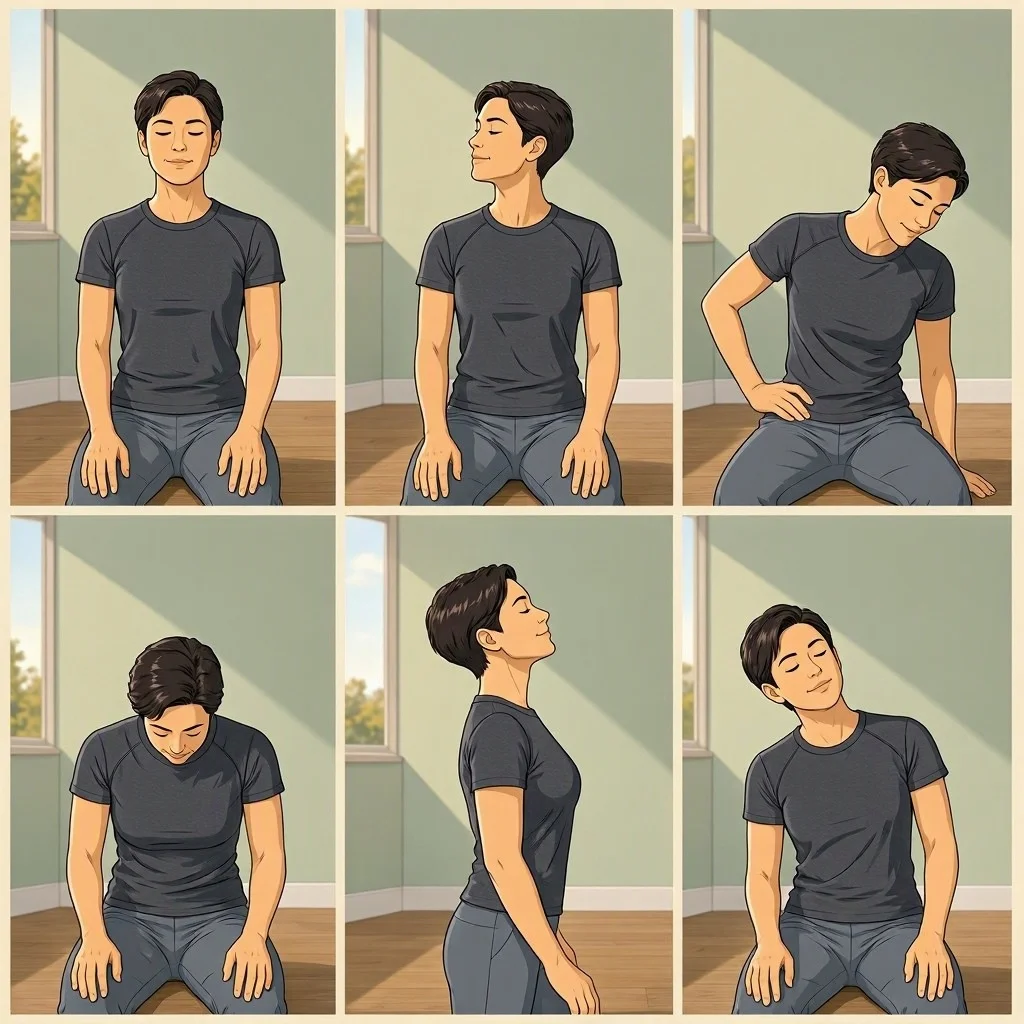
Exercise selection depends on the underlying cause. The following examples are intended only for people with mild, uncomplicated muscular discomfort who have no warning signs and can move comfortably. They are not a treatment plan for a suspected fracture or unexplained chest pain.(Chiropractor for Rib Pain)
1. Gentle Shoulder Rolls
Shoulder rolls move the shoulder girdle through a comfortable range.
How to perform them:
- Sit or stand with your arms relaxed.
- Slowly raise your shoulders.
- Roll them backward and down.
- Repeat five to ten times without forcing the movement.
Stop if the exercise causes sharp rib pain or breathing difficulty.
2. Comfortable Thoracic Rotation
Gentle trunk rotation may help maintain comfortable upper-back movement when rotation is not contraindicated.
How to perform it:
- Sit upright with your feet supported.
- Cross your arms comfortably over your chest.
- Slowly turn your upper body a small distance to one side.
- Return to the centre and repeat in the opposite direction.
- Complete a few comfortable repetitions.
Do not push into pain or perform this exercise after significant chest trauma without medical guidance.
3. Relaxed Breathing
For some people with mild muscular tension, relaxed breathing can help reduce unnecessary upper-body bracing.
How to practise:
- Sit in a supported, comfortable position.
- Breathe gently without forcing a deep inhalation.
- Allow your shoulders to remain relaxed.
- Continue for one or two minutes if comfortable.
If you cannot breathe normally, feel short of breath, or experience new chest pain, do not use breathing exercises as a substitute for medical assessment.
4. Gradual Return to Strengthening
When symptoms are improving and serious injury has been excluded, a healthcare professional may recommend progressive exercises for the shoulders, upper back, and trunk.
Start with a manageable level and increase activity gradually. Avoid exercises that produce sharp pain or a sustained worsening of symptoms.
A physiotherapist can help design an individual programme when pain affects exercise, work, or daily activities.
Chiropractic Care vs. Physiotherapy for Rib Pain
Chiropractic care and physiotherapy may overlap in their use of education, exercise, and manual techniques, but the treatment plan should reflect the patient’s needs and the clinician’s assessment.
| Area | Chiropractic care | Physiotherapy |
|---|---|---|
| Assessment | May assess spinal and musculoskeletal movement | May assess movement, strength, function, and activity limitations |
| Manual treatment | May include mobilisation or manipulation when appropriate | May include mobilisation or other manual techniques when appropriate |
| Exercise | May recommend exercises and activity changes | Often includes progressive rehabilitation and exercise |
| Main consideration | Whether the condition is appropriate for chiropractic treatment | Whether rehabilitation can improve movement, strength, and function |
| Limitations | Evidence specific to rib pain is limited; manipulation is not suitable for everyone | Exercise and manual treatment must also be tailored to the diagnosis and safety needs |
Neither service should replace medical evaluation when symptoms suggest a heart, lung, abdominal, or serious traumatic condition.
For ongoing musculoskeletal symptoms, Ritz Clinic Physiotherapy is a relevant starting point for learning about movement-based care.

Is Chiropractic Treatment for Rib Pain Safe?
Safety depends on the cause of pain, the techniques used, and the person’s medical history.
Spinal manipulation can cause temporary soreness, stiffness, or increased discomfort. Serious complications have been reported rarely, and the exact frequency of some harms is uncertain. The NCCIH overview of spinal manipulation discusses these risks and the importance of screening for relevant health conditions.
Manual treatment requires particular caution when a person has:
- A suspected or confirmed rib fracture.
- Recent significant chest trauma.
- Osteoporosis or increased fracture risk.
- A bleeding disorder or medication that affects blood clotting.
- Severe or unexplained chest pain.
- Fever or signs of infection.
- A history of cancer with new unexplained pain.
- New neurological symptoms or significant breathing difficulties.
These factors may require medical assessment, modification of treatment, or avoidance of certain techniques. Tell your practitioner about relevant diagnoses and medications, and ask about non-manipulative alternatives if you prefer them.
A practitioner should explain the expected benefits and risks, answer questions, and respect your decision about treatment.
When Should You Seek Emergency Medical Care?
Do not seek chiropractic treatment first if you have warning signs of a potentially serious condition.
Call your local emergency service if rib or chest pain is accompanied by:
- Sudden or severe chest pain or pressure.
- Pain spreading to the arm, back, neck, or jaw.
- Shortness of breath, particularly if sudden or worsening.
- Fainting, severe dizziness, or cold sweating.
- Coughing up blood.
- A serious accident or significant chest injury.
Seek prompt medical assessment for fever, unexplained persistent pain, new abdominal or shoulder pain following chest trauma, or pain that prevents you from breathing deeply. People taking blood-thinning medication or living with osteoporosis may need particular caution after a chest injury.
The NHS guidance on rib injuries provides additional information about urgent symptoms.
Even when none of these warning signs is present, new or unexplained chest pain should be medically assessed before it is assumed to be musculoskeletal.
How Long Does Rib Pain Take to Improve?
Recovery time varies considerably because rib pain can result from different conditions.
A mild muscle strain may improve over days to weeks, depending on its severity and the demands placed on the area. Bruised or broken ribs commonly take several weeks to heal; the NHS notes that many improve over approximately two to six weeks, although recovery can take longer.
Other causes may follow a different course and require specific treatment.
Recovery can depend on:
- The underlying diagnosis.
- Whether an injury has occurred.
- The severity of symptoms.
- General health and bone health.
- The physical demands of work or sport.
- Whether aggravating activities can be modified safely.
- The presence of other medical conditions.
A chiropractor should not promise a fixed recovery time or guarantee that manipulation will resolve rib pain. Progress should be reviewed, and persistent or worsening symptoms should prompt reassessment.
How to Choose a Chiropractor for Rib Pain
If a medical assessment indicates that your symptoms are suitable for conservative musculoskeletal care, consider the following when choosing a practitioner.
1. Check qualifications and registration. Choose a properly licensed or registered practitioner in your jurisdiction.
2. Look for careful assessment. The practitioner should ask about the onset of pain, breathing symptoms, trauma, and medical history before recommending treatment.
3. Ask about evidence and alternatives. A good practitioner should explain what is known, what remains uncertain, and whether exercise, physiotherapy, or medical assessment may be more suitable.
4. Discuss risks before manual treatment. You should understand the proposed technique, its potential side effects, and available alternatives.
5. Expect a personalised plan. Treatment should reflect your symptoms and progress, rather than relying on a standard series of manipulations.
6. Avoid guaranteed claims. No practitioner should promise to cure every cause of rib pain or claim that all rib problems result from misalignment.
A careful, evidence-informed approach prioritises safety, informed consent, and appropriate referral.(Chiropractor for Rib Pain)
Frequently Asked Questions
1. Can a chiropractor help with rib pain?
A chiropractor may help selected cases of musculoskeletal rib-area discomfort after an appropriate assessment. However, evidence specifically supporting chiropractic treatment for rib pain is limited, and other causes must be considered first.
2. Can a chiropractor adjust a rib?
Some chiropractors use manual techniques around the thoracic spine and rib joints. However, a treatment should not be described as putting a rib back into place without a clear medical basis. Manipulation is not appropriate for every rib condition, especially a suspected fracture.
3. Should I see a chiropractor for rib pain after an accident?
Following significant trauma, seek medical evaluation before considering chiropractic treatment. Rib fractures and injuries to the lungs or nearby organs may need to be excluded.
4. Why does my rib pain get worse when I breathe deeply?
Chest-wall muscle strain, costochondritis, bruised ribs, and fractures can cause pain with deep breathing. Some lung and other medical conditions can cause similar symptoms. New, unexplained, or severe pain with breathing requires appropriate medical assessment.
5. Can chiropractic treatment help pain between the ribs and shoulder blades?
Some musculoskeletal problems in the upper back may cause discomfort around the ribs and shoulder blades. A clinician can assess whether conservative care is appropriate, but persistent or unexplained pain should not automatically be attributed to spinal stiffness.
6. Is rib manipulation painful?
Responses vary, and no technique should be forced. Manual treatment may cause temporary discomfort or soreness. You can decline manipulation and discuss gentler alternatives with your practitioner.
7. How many chiropractic sessions are needed for rib pain?
There is no standard number of sessions for all causes of rib pain. The appropriate plan depends on the diagnosis, severity, response to care, and whether further assessment is needed. Treatment should be reviewed if symptoms are not improving.
8. Can exercise make rib pain worse?
Yes. Heavy lifting, twisting, and certain upper-body movements may aggravate an injury. Temporarily modifying painful activities may help, but prolonged inactivity is not appropriate for every condition. Follow advice tailored to the cause of your symptoms.
9. Can rib pain come from poor posture?
Prolonged positioning may contribute to muscular discomfort in some people, but posture is only one possible factor. Rib pain can also result from injuries, inflammation, or medical conditions unrelated to posture.
10. Should I get a massage for rib pain?
Massage may be appropriate for selected muscular complaints, but avoid direct or aggressive pressure over injured or unexplained painful areas. Seek assessment first if the pain is new, severe, follows trauma, or occurs with breathing difficulties.
11. Is rib pain always a musculoskeletal problem?
No. Rib and chest pain can be associated with heart, lung, digestive, and other medical conditions. Warning signs require urgent assessment, and new unexplained chest pain should not be self-diagnosed.
12. When should I see a physiotherapist?
Physiotherapy may be helpful when a musculoskeletal diagnosis has been established and symptoms affect movement, strength, exercise, or daily activities. A physiotherapist can develop a graded rehabilitation plan appropriate to the injury and recovery stage.
Conclusion
Searching for a chiropractor for rib pain may be useful when the discomfort is related to a suitable musculoskeletal condition. Chiropractic assessment may help identify movement limitations and guide conservative treatment, which can include appropriate manual techniques, activity advice, and exercise.
However, rib pain has many possible causes, and evidence specifically supporting chiropractic treatment for rib conditions remains limited. Suspected fractures, significant trauma, breathing difficulties, and unexplained chest pain require appropriate medical assessment before manual treatment is considered.
The safest approach is to identify the likely cause, understand the available treatment options, and choose care that matches your symptoms and medical needs. When conservative treatment is appropriate, a combination of education, gradual movement, and individualised rehabilitation may support a return to everyday activities. (Chiropractor for Rib Pain)
Medical disclaimer: This article is for educational purposes only and does not replace professional medical advice, diagnosis, or treatment. If you experience severe chest pain, shortness of breath, fainting, coughing up blood, or symptoms following a serious injury, seek emergency medical care.