Osteopathy Practitioner: Complete Guide to Osteopathic Care, Treatment, and Recovery
Choosing the right Osteopathy Practitioner can be an important step for people dealing with back pain, neck discomfort, joint stiffness, muscle tension, sports injuries, or other musculoskeletal problems. An osteopathy practitioner evaluates how the muscles, joints, bones, connective tissues, and movement patterns work together and may use hands-on treatment, exercise advice, movement education, and self-management strategies as part of care.
Many people associate osteopathy only with massage or spinal manipulation. However, modern osteopathic care can involve much more than hands-on techniques. A practitioner may begin with a detailed health history, assess movement and physical function, discuss lifestyle factors, and then develop an individualized treatment plan.
At the same time, osteopathy is not appropriate for every medical problem. A responsible practitioner should recognize when symptoms require medical assessment or referral to another healthcare professional. Therefore, understanding what an Osteopathy Practitioner does, what qualifications to look for, and what to expect from treatment can help you make informed decisions about your care.
This guide explains the role of an Osteopathy Practitioner, common treatment approaches, conditions that may be addressed, what happens during an appointment, safety considerations, and ways to choose an appropriate practitioner.
What Is an Osteopathy Practitioner?
An Osteopathy Practitioner is a trained healthcare professional who evaluates and manages problems primarily involving the musculoskeletal system. Depending on the practitioner and healthcare system, treatment may include hands-on techniques, mobility work, stretching, massage, joint mobilization, exercise advice, and education about movement and daily activities.
The General Osteopathic Council describes osteopathy as a patient-centered approach that focuses on the relationship between the musculoskeletal system and other body systems. Osteopaths may use touch, physical manipulation, stretching, and massage, while also providing advice about posture, lifestyle, and exercise.
However, treatment should not follow a single routine for every patient.
For example, someone with mild muscular tension may require a different approach from someone recovering from a sports injury. Similarly, a person with persistent lower back pain may benefit from a combination of manual therapy and exercise rather than repeated passive treatment alone.
A professional practitioner therefore considers the individual rather than treating a symptom in isolation.
What Does an Osteopathy Practitioner Do?
The role of an Osteopathy Practitioner usually begins with assessment.
During an initial appointment, the practitioner may ask about:
- Your main symptoms
- When the symptoms began
- Previous injuries
- Medical history
- Current medications
- Previous treatments
- Physical activity
- Work requirements
- Exercise habits
- Sleep and daily activities
- Factors that improve or worsen symptoms
The practitioner may then perform a physical examination.
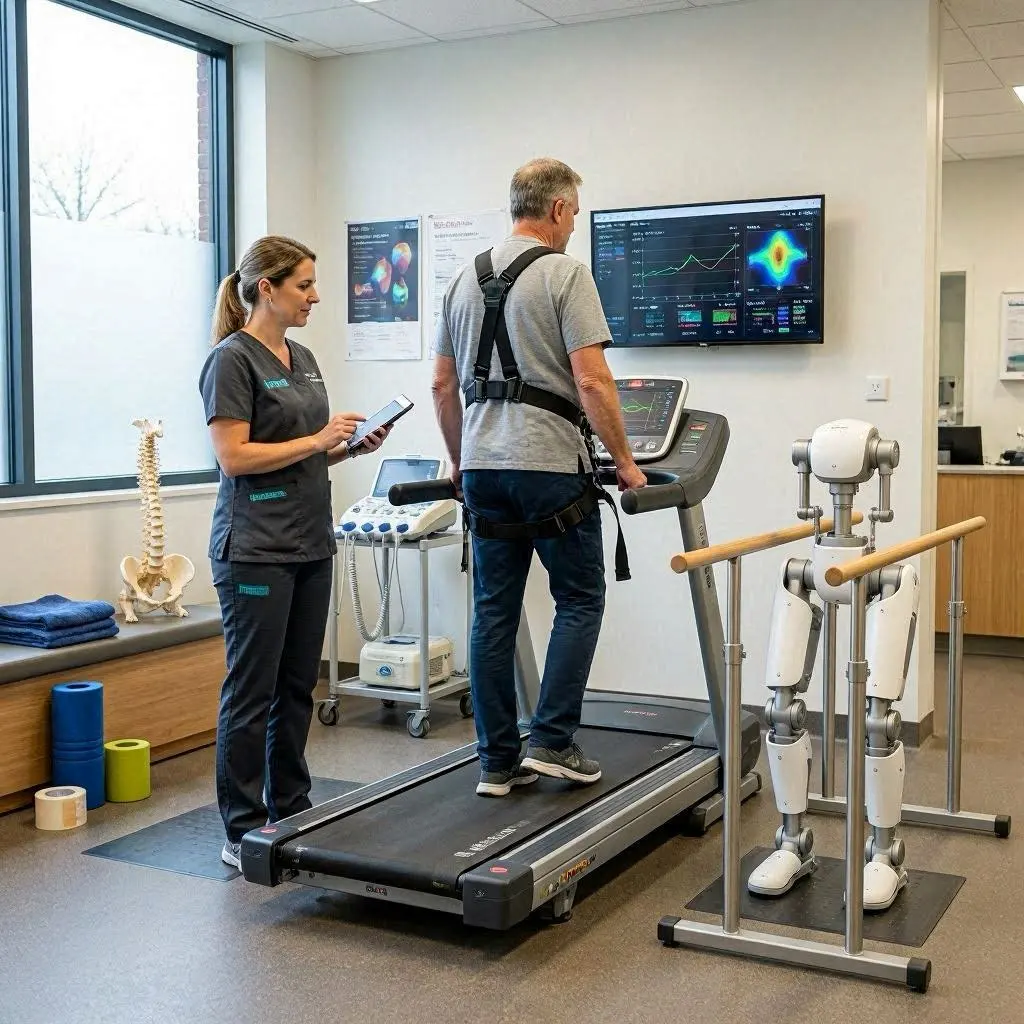
This examination can involve observing your posture and movement, checking joint mobility, assessing muscle function, and examining the area associated with your symptoms.
The practitioner should then explain their findings and discuss appropriate treatment options.
Professional standards from the General Osteopathic Council state that osteopaths should take a patient history, select an appropriate clinical assessment, develop an appropriate working diagnosis or rationale for care, and explain it clearly to the patient.
This process matters because pain does not always originate from the area where you feel it.
For example, shoulder discomfort can sometimes relate to the neck or upper back, while hip and lower-limb symptoms can involve several interacting factors. A complete assessment can help identify which factors deserve attention.
Conditions an Osteopathy Practitioner May Treat
Osteopathic care commonly focuses on musculoskeletal problems.
These can include:
- Back pain
- Neck pain
- Shoulder pain
- Joint stiffness
- Muscle tension
- Sports injuries
- Some forms of repetitive strain
- Sciatica
- Hip discomfort
- Knee problems
- Movement limitations
- Work-related musculoskeletal pain
The exact conditions managed vary according to the practitioner’s training, clinical experience, and local healthcare regulations.
Research on osteopathy continues to develop. A recent systematic and umbrella review found evidence of short- and medium-term improvements for some musculoskeletal pain conditions, particularly neck and low back pain, while evidence for other conditions remained less certain. The review also emphasized variation between studies and the need for cautious interpretation.
Therefore, an Osteopathy Practitioner should discuss realistic treatment goals rather than promise universal results.
Osteopathy Practitioner for Back Pain
Back pain is one of the most common reasons people seek musculoskeletal care.
It can develop after lifting, prolonged inactivity, repetitive work, sports activity, or without an obvious trigger. In many cases, symptoms improve with time and appropriate activity. However, persistent pain can interfere with work, exercise, sleep, and everyday activities.
An Osteopathy Practitioner may assess:
- Spinal movement
- Hip mobility
- Muscle tension
- Physical activity
- Movement patterns
- Functional limitations
- Previous injuries
Treatment may include manual therapy, mobility work, and exercise recommendations.
Importantly, manual therapy should not necessarily stand alone.
Current NICE guidance recommends considering manual therapy, including manipulation, mobilization, or soft tissue techniques, for low back pain with or without sciatica only as part of a treatment package that includes exercise.
This approach supports a broader goal: helping patients improve their ability to move and function rather than relying exclusively on passive treatment.
Osteopathy Practitioner for Neck Pain
Neck pain can affect people who work at computers, drive frequently, perform repetitive tasks, or experience physical strain.
An Osteopathy Practitioner may evaluate:
- Neck range of motion
- Upper-back mobility
- Shoulder movement
- Muscle tension
- Work-related activities
- Previous injuries
- Daily movement habits
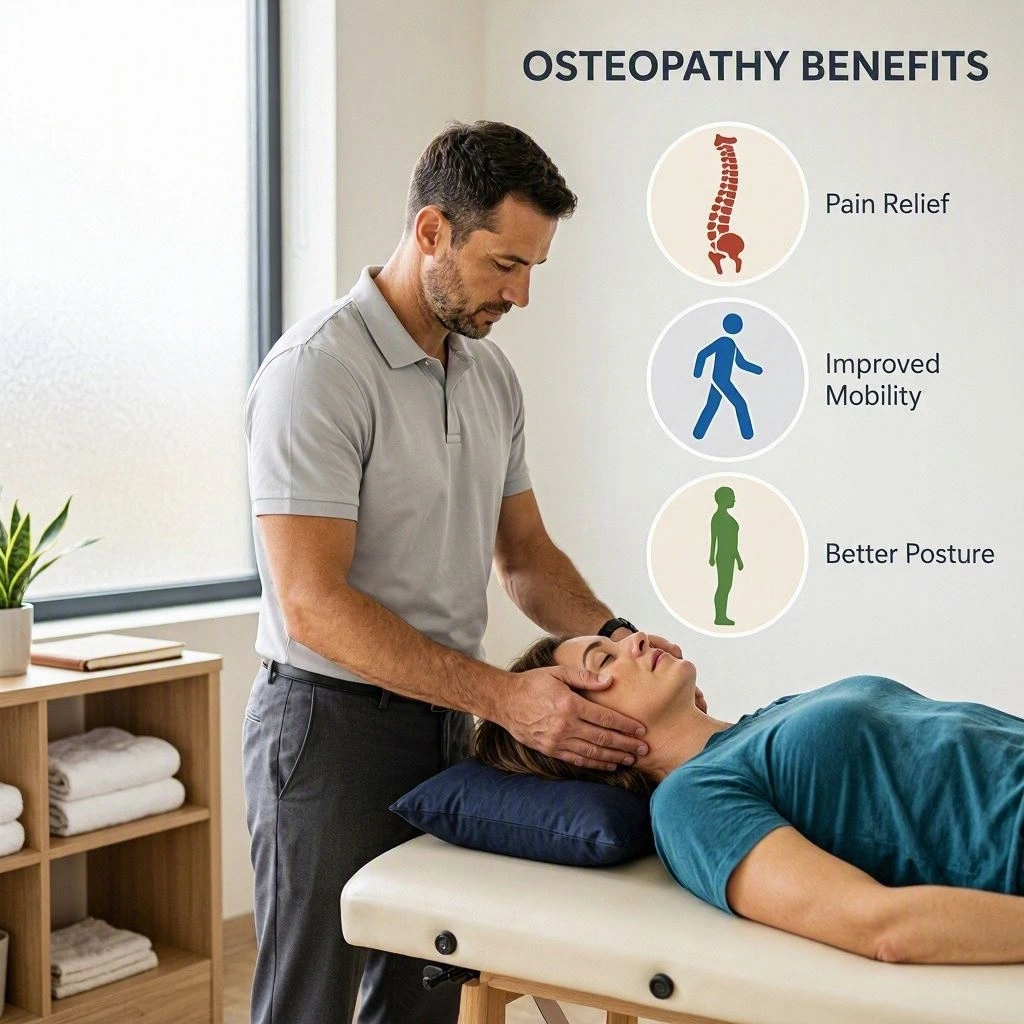
Treatment may involve gentle soft tissue techniques, joint mobilization, stretching, and exercise.
However, neck treatment requires appropriate screening.
Patients should tell the practitioner about recent trauma, unusual headaches, neurological symptoms, cardiovascular problems, or other significant health concerns. Professional guidance emphasizes the importance of patient assessment and safe clinical decision-making before treatment.
If symptoms suggest a potentially serious condition, medical evaluation should take priority over routine manual therapy.
Osteopathy Practitioner for Shoulder Pain
Shoulder pain can result from overuse, injury, tendon problems, joint irritation, or changes in movement.
A practitioner may examine:
- Shoulder range of motion
- Shoulder blade movement
- Neck mobility
- Upper-back movement
- Muscle function
- Functional activities
Treatment may include hands-on techniques and exercises.
For instance, a person who has difficulty reaching overhead may benefit from a combination of mobility work and progressive strengthening.
The practitioner should also monitor progress. If symptoms fail to improve or the presentation changes, reassessment may be necessary.
Osteopathy Practitioner for Joint Stiffness
Joint stiffness can occur after injury, periods of inactivity, repetitive activity, or as part of certain musculoskeletal conditions.
An Osteopathy Practitioner may evaluate the joint’s movement and the surrounding muscles and tissues.
Treatment may involve:
- Gentle joint mobilization
- Soft tissue techniques
- Stretching
- Mobility exercises
- Strengthening
- Functional movement
The goal should not simply be to make a joint “move more.”
Instead, the practitioner should consider whether improved movement actually helps the patient perform useful activities.
For example, increasing hip mobility may matter because it helps someone walk, climb stairs, exercise, or return to work more comfortably.
Osteopathy Practitioner for Sports Injuries
Athletes often seek osteopathic care when pain or stiffness affects training.
Common concerns include:
- Muscle strains
- Joint stiffness
- Overuse symptoms
- Movement limitations
- Training-related pain
- Recovery after minor injuries
A good assessment should consider both the injury and the activity that caused or aggravated it.
For example, a runner with recurring knee pain may need an evaluation of training volume, strength, mobility, recovery, and running-related demands rather than treatment of the knee alone.
Similarly, an athlete recovering from a muscle strain may need a progressive return-to-sport plan.
An Osteopathy Practitioner can contribute to this process when the condition falls within their scope of practice. Significant injuries, suspected fractures, major ligament injuries, or substantial loss of function may require additional medical or sports-medicine assessment.
Osteopathy Practitioner for Sciatica
Sciatica involves symptoms associated with irritation or compression of nerves that contribute to the sciatic nerve pathway.
Symptoms may include:
- Lower back pain
- Buttock pain
- Leg pain
- Tingling
- Numbness
- Weakness
Treatment depends on the cause and severity of symptoms.
An Osteopathy Practitioner may assess spinal movement, hip mobility, strength, activity tolerance, and functional limitations.
However, neurological symptoms require careful assessment.
Progressive weakness, significant numbness, or changes involving bladder or bowel control require urgent medical attention rather than routine osteopathic treatment.
For appropriate cases, an osteopathy practitioner may incorporate movement advice and exercise into a broader management plan.
What Happens During Your First Appointment?
Your first appointment generally starts with a conversation.
The practitioner may ask questions about your symptoms and medical history.
For example:
When did the problem start?
This helps establish whether you are dealing with a recent injury, recurring problem, or persistent condition.
What makes it worse?
Certain movements or activities can provide useful clinical information.
What makes it better?
Changes with movement, rest, or different positions can help the practitioner understand your symptoms.
Have you had an injury?
Previous injuries can influence current movement and function.
Are you taking medication?
Some medications and medical conditions can affect treatment decisions.
Physical Examination
After the history, the practitioner may assess movement and physical function.
You may be asked to:
- Walk
- Bend
- Rotate
- Squat
- Raise your arms
- Move a joint
- Perform a simple functional movement
The practitioner may also use hands-on assessment.
The objective is not simply to find a “tight” area. Instead, the practitioner should connect examination findings with your symptoms and functional goals.
Treatment Plan
After the assessment, the practitioner should explain the recommended approach.
A treatment plan might include:
- Manual therapy
- Exercise
- Mobility work
- Activity modification
- Self-management advice
- Follow-up assessment
- Referral when appropriate
The plan should also evolve according to your response.
Common Techniques Used by an Osteopathy Practitioner
Different practitioners use different techniques.
Soft Tissue Techniques
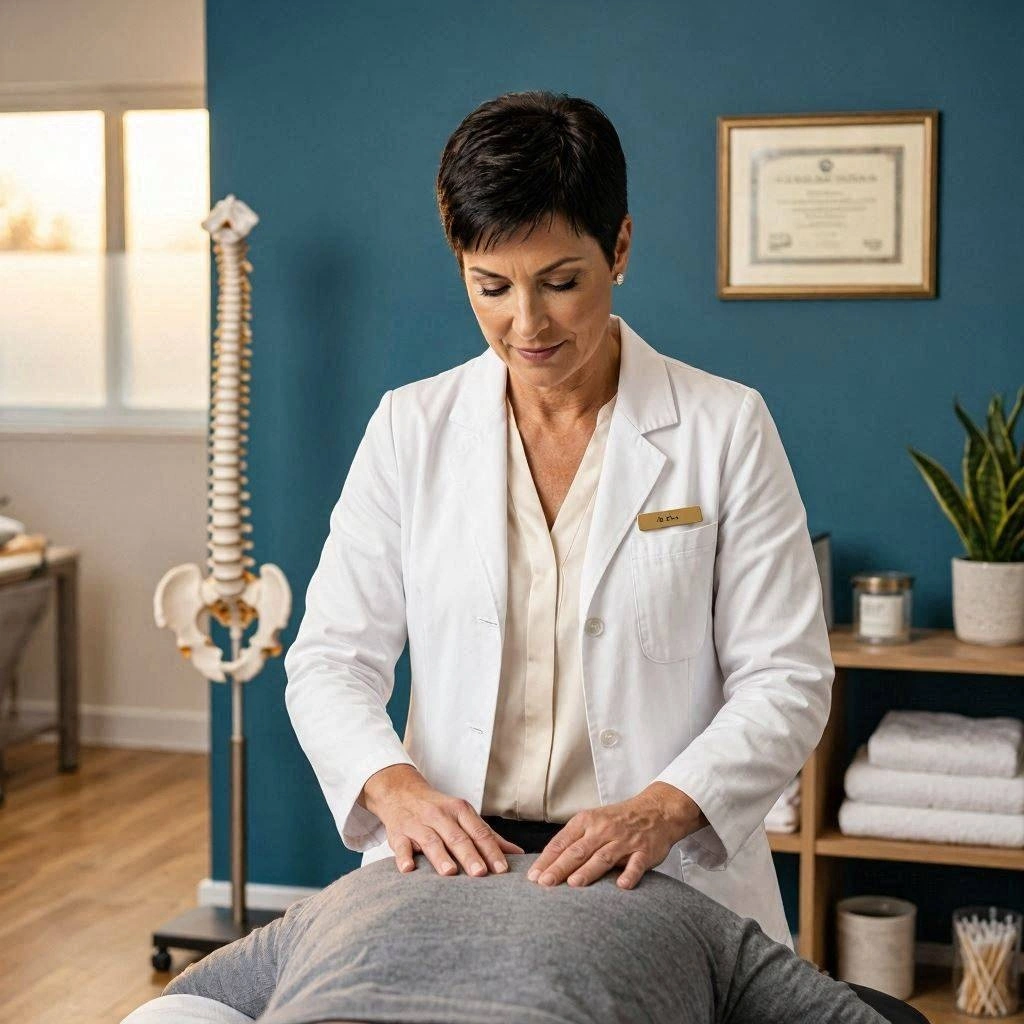
Soft tissue techniques involve applying controlled pressure or movement to muscles and surrounding tissues.
They may help reduce short-term discomfort or make movement easier.
Joint Mobilization
Joint mobilization involves controlled movement of a joint.
The practitioner may use repeated movements within an appropriate range to address stiffness or discomfort.
Massage
Massage can form part of osteopathic care.
It may help some patients manage muscle tension or temporary discomfort.
However, massage alone does not necessarily address the factors that contributed to recurring symptoms. For that reason, practitioners may combine it with exercise and movement education.
Stretching
Stretching can help certain patients improve flexibility or movement tolerance.
However, stretching is not automatically appropriate for every condition.
A practitioner should select exercises based on assessment rather than prescribing the same routine to everyone.
Manipulation
Some Osteopathy Practitioners use manipulation.
Manipulation involves a controlled movement applied to a joint. Because certain techniques carry specific considerations, the practitioner should assess whether they are appropriate before using them.
Patients should also receive enough information to make an informed decision.
Exercise Therapy
Exercise is particularly important because it gives patients an active role in recovery.
Depending on the problem, an osteopathy practitioner may recommend:
- Strength exercises
- Mobility exercises
- Balance exercises
- Core training
- Walking
- Progressive activity
- Functional exercises
Why Exercise Matters in Osteopathic Care
Hands-on treatment can sometimes help symptoms in the short term. However, long-term improvement often requires active participation.
Exercise can help improve:
- Strength
- Mobility
- Balance
- Physical capacity
- Confidence
- Movement control
- Activity tolerance
For example, someone with recurring back pain may benefit from gradually increasing walking and strengthening exercises instead of repeatedly relying on passive treatment.
The NHS recommends remaining active for back pain and notes that activities such as walking, swimming, yoga, and Pilates may help some people.
Therefore, exercise can complement osteopathic treatment and support longer-term independence.
Osteopathy Practitioner and Chronic Pain
Persistent pain can become complicated.
Pain may interact with:
- Sleep
- Stress
- Physical activity
- Work
- Fear of movement
- Previous injuries
- General health
Consequently, chronic pain management often requires more than one type of intervention.
An Osteopathy Practitioner may contribute through:
- Movement education
- Exercise
- Manual treatment
- Activity advice
- Self-management strategies
However, patients with complex persistent pain may benefit from coordinated care involving physicians, physiotherapists, psychologists, pain specialists, or other professionals.
The goal should be to improve function and quality of life rather than promise complete elimination of every symptom.
Osteopathy Practitioner for Office Workers
Long hours at a desk can contribute to physical discomfort.
Office workers commonly report:
- Neck stiffness
- Shoulder tension
- Upper-back discomfort
- Lower-back pain
- Wrist or forearm symptoms
An Osteopathy Practitioner may assess work-related movement patterns and provide advice about activity.
Useful strategies can include:
- Taking regular movement breaks
- Changing sitting positions
- Alternating between sitting and standing
- Adjusting monitor height
- Moving the keyboard and mouse into a comfortable position
- Performing simple mobility exercises
- Increasing general physical activity
Importantly, there is rarely one perfect posture that works for everyone.
Instead, regularly changing positions and avoiding long periods of uninterrupted sitting may be more practical.
Osteopathy Practitioner for Older Adults
Older adults can experience changes in:
- Joint mobility
- Muscle strength
- Balance
- Physical activity
- Recovery after injury
An Osteopathy Practitioner may help address appropriate musculoskeletal problems while considering the patient’s overall health.
However, older adults may also have osteoporosis, cardiovascular conditions, neurological disorders, or other health issues that affect treatment choices.
The practitioner should therefore take a careful medical history and modify treatment appropriately.
The objective should focus on safe movement and maintaining functional independence.
How to Choose an Osteopathy Practitioner
Choosing a practitioner requires more than searching for the nearest clinic.
Check Qualifications
Professional requirements vary between countries.
In the UK, the title “osteopath” is protected by law, and practitioners must be registered with the General Osteopathic Council.
The GOsC also establishes education and training standards. Recognized UK osteopathic programs include degree-level education and substantial supervised clinical training.
If you live elsewhere, check the relevant professional regulator or registration system in your country.
Consider Clinical Experience
Ask whether the practitioner regularly treats conditions similar to yours.
For example, you may prefer someone with experience in:
- Sports injuries
- Back pain
- Neck pain
- Workplace injuries
- Older adults
- Chronic musculoskeletal pain
Look for a Thorough Assessment
A practitioner should not immediately begin aggressive treatment without understanding your medical history.
A proper assessment provides the foundation for safe care.
Ask About Exercise
Ask whether the practitioner includes active rehabilitation when appropriate.
A treatment plan that combines suitable hands-on care with movement and exercise may provide a more comprehensive approach for many musculoskeletal problems.
Consider Communication
A good practitioner should explain:
- What they found
- What they think may be contributing
- What treatment they recommend
- Why they recommend it
- What you can do at home
- What results you should monitor
You should also feel comfortable asking questions.
Questions to Ask an Osteopathy Practitioner
Before treatment, consider asking:
What do you think is causing my symptoms?
The practitioner should explain their reasoning clearly without using unnecessarily complicated language.
What treatment do you recommend?
Ask what techniques they plan to use.
Why do you recommend this treatment?
Understanding the purpose can help you make an informed decision.
Will I need exercises?
Ask how you can contribute to recovery between appointments.
How will we measure progress?
Progress might involve pain reduction, improved movement, better sleep, increased walking, or a return to sport.
What happens if I do not improve?
The practitioner should be willing to reassess the situation or recommend another healthcare professional when necessary.
How Many Appointments Will You Need?
There is no universal number of osteopathy appointments.
The required duration of care depends on:
- The type of problem
- Symptom duration
- Severity
- General health
- Activity level
- Response to treatment
- Rehabilitation goals
Some people may need only a small number of appointments. Others with persistent or recurring problems may require longer-term management.
However, treatment should include reassessment.
If symptoms do not improve, the practitioner should reconsider the diagnosis, treatment strategy, or need for referral.
A fixed schedule of repeated appointments without meaningful reassessment may not be appropriate.
Is an Osteopathy Practitioner Safe?
Osteopathic treatment can be appropriate for many people when delivered by a properly trained professional. Nevertheless, manual treatment carries potential risks.
Minor effects may include:
- Temporary soreness
- Mild discomfort
- Headache
- Fatigue
Professional osteopathic guidance emphasizes risk assessment, informed consent, appropriate clinical evaluation, and safe treatment.
Patients should tell the practitioner about relevant medical conditions and medications.
Important information may include:
- Blood-thinning medication
- Osteoporosis
- Recent fractures
- Recent surgery
- Major trauma
- Neurological conditions
- Cardiovascular conditions
- Pregnancy
- Previous adverse reactions to manual therapy
This information allows the practitioner to adapt treatment or recommend medical evaluation when necessary.
When Should You See a Doctor Instead?
An Osteopathy Practitioner can manage many musculoskeletal complaints, but some symptoms require medical attention.
Seek appropriate medical care if you experience:
- Severe or rapidly worsening pain
- Major trauma
- Significant weakness
- Progressive numbness
- Loss of bladder control
- Loss of bowel control
- Numbness around the genital or anal area
- Fever with severe pain
- Unexplained weight loss
- Chest pain
- Severe neurological symptoms
For example, serious neurological symptoms associated with back pain require urgent assessment. An osteopathy appointment should not delay emergency or medical care.
Osteopathy Practitioner vs Physiotherapist
Osteopathy and physiotherapy share several areas.
Both may use:
- Exercise
- Manual therapy
- Movement assessment
- Rehabilitation
- Education
- Self-management
However, training and professional scope vary according to the country.
Physiotherapy often places a strong emphasis on rehabilitation, physical activity, exercise prescription, and functional recovery.
Osteopathy may place more emphasis on hands-on assessment and treatment while also incorporating exercise and lifestyle advice.
The appropriate choice depends on your condition and healthcare needs.
In some situations, patients may benefit from working with different healthcare professionals as part of a coordinated plan.
Osteopathy Practitioner vs Chiropractor
Osteopathy and chiropractic care can overlap in the management of musculoskeletal problems.
Both may address:
- Back pain
- Neck pain
- Joint problems
- Muscle tension
- Movement restrictions
However, practitioners may differ in their training, professional regulations, clinical philosophy, and treatment methods.
Rather than choosing solely based on the profession’s label, consider the practitioner’s qualifications, assessment process, communication, treatment plan, and approach to safety.
Osteopathy Practitioner vs Massage Therapist
Massage therapy primarily focuses on soft tissues.
An Osteopathy Practitioner may also use massage, but osteopathic assessment can involve a broader examination of movement, joints, physical function, and musculoskeletal factors.
Therefore, the two services can have different goals.
Someone seeking relaxation or short-term muscle comfort may have different needs from someone recovering from an injury or managing recurring musculoskeletal pain.
What Makes a Good Osteopathy Practitioner?
A high-quality Osteopathy Practitioner should prioritize patient safety and individualized care.
Important qualities include:
- Appropriate qualifications
- Professional registration where required
- Thorough assessment
- Clear communication
- Informed consent
- Appropriate treatment selection
- Exercise guidance
- Evidence-informed practice
- Progress monitoring
- Referral when necessary
- Respect for patient preferences
Professional standards require osteopaths to provide safe, competent, and appropriate care, maintain suitable practice environments, and respond appropriately to patient risks.
These qualities matter because good healthcare involves more than performing a technique.
The Importance of Evidence-Informed Osteopathic Care
Patients often encounter strong claims about manual therapy online.
Some claims may suggest that osteopathy can correct almost any health problem. However, evidence does not support treating osteopathy as a universal solution.
NHS guidance notes that there is limited or no scientific evidence for osteopathy as an effective treatment for several conditions unrelated to the musculoskeletal system, including asthma, digestive disorders, depression, and some other conditions.
Therefore, a responsible practitioner should focus treatment within an appropriate clinical scope.
Evidence also differs between musculoskeletal conditions.
For example, current guidance supports considering manual therapy for low back pain when combined with exercise.
This illustrates an important principle: manual therapy can be useful, but it should fit into a broader treatment strategy when appropriate.
How to Get the Most From Your Osteopathy Appointment
Patients can actively contribute to treatment.
Explain Your Symptoms Clearly
Tell your practitioner when symptoms began, what makes them worse, and how they affect daily activities.
Mention Previous Treatment
Information about previous physiotherapy, medication, injections, surgery, or other treatment can help the practitioner understand your situation.
Follow Your Exercise Plan
If exercises are recommended, perform them consistently and report any problems.
Stay Active When Appropriate
Gradual activity can help maintain strength and physical confidence.
Monitor Function
Instead of measuring recovery only through pain intensity, consider whether you can perform activities more easily.
For example:
- Can you walk farther?
- Can you sit more comfortably?
- Can you exercise again?
- Can you work more easily?
- Can you sleep better?
- Can you climb stairs?
- Can you perform household activities?
Functional improvements can provide valuable information about recovery.
Can an Osteopathy Practitioner Help With Posture?
Posture is a common reason people seek musculoskeletal care.
An Osteopathy Practitioner may assess how you sit, stand, walk, and move.
However, posture should not be treated as a simple explanation for every pain problem.
Human movement is variable, and people naturally use different positions.
Instead of trying to maintain one rigid posture all day, a practitioner may help you:
- Change positions regularly
- Improve movement tolerance
- Strengthen relevant muscles
- Adjust workstation habits
- Reduce prolonged static positions
- Build general physical capacity
This approach can be more practical than focusing entirely on posture correction.
Osteopathy Practitioner and Prevention
People sometimes seek osteopathic care even when they have minimal symptoms because they want to prevent future problems.
An Osteopathy Practitioner may provide advice about:
- Exercise
- Movement
- Work habits
- Recovery
- Strength
- Mobility
- Injury management
However, prevention should not rely exclusively on routine manual treatment.
Regular physical activity, appropriate strength training, good recovery habits, and sensible management of workload can also contribute to musculoskeletal health.
What Should You Expect After Treatment?
Your response to treatment can vary.
Some people experience temporary soreness. Others may notice changes in movement or symptoms shortly after treatment.
However, improvement does not always happen immediately.
If symptoms become substantially worse or new symptoms develop, contact your practitioner or an appropriate healthcare professional.
Your response should also guide future treatment.
A practitioner should be willing to modify techniques if a particular intervention does not suit you.
Frequently Asked Questions About Osteopathy Practitioner
What is an Osteopathy Practitioner?
An Osteopathy Practitioner is a trained professional who assesses and manages musculoskeletal problems using approaches that may include hands-on treatment, exercise, movement education, and self-management advice.
What does an Osteopathy Practitioner treat?
Osteopathic practitioners commonly work with musculoskeletal problems such as back pain, neck pain, joint stiffness, muscle tension, sports injuries, and certain movement limitations.
Can an Osteopathy Practitioner help with back pain?
An Osteopathy Practitioner may help some people manage back pain. Manual therapy can be considered for low back pain when it forms part of a treatment plan that includes exercise.
Does an Osteopathy Practitioner use massage?
Massage and soft tissue techniques may form part of osteopathic treatment, depending on the practitioner’s training and the patient’s condition.
Does osteopathy involve exercise?
Yes. Many practitioners incorporate exercise and movement advice into care. Active rehabilitation can help patients improve strength, mobility, and physical capacity.
How long does an appointment with an Osteopathy Practitioner take?
Appointment length varies by practitioner and clinic. Initial appointments often take longer because the practitioner needs to collect a medical history and perform an assessment.
Do I need a referral to see an Osteopathy Practitioner?
Requirements depend on the country and healthcare system. In many private settings, patients can book directly. However, local rules and insurance requirements can differ.
How many osteopathy sessions do I need?
There is no standard number. The appropriate number depends on the condition, symptoms, response to treatment, and recovery goals.
Is osteopathic treatment safe?
Osteopathic treatment can be appropriate for many patients, but manual therapy can cause temporary side effects and is not suitable for every condition. Proper assessment and informed consent are important.
Can an Osteopathy Practitioner treat sciatica?
An Osteopathy Practitioner may help manage some musculoskeletal presentations associated with sciatica. However, significant or progressive neurological symptoms require appropriate medical assessment.
Can an Osteopathy Practitioner help sports injuries?
They may help with appropriate musculoskeletal sports injuries and recovery. More serious injuries may require assessment by a doctor or sports-medicine professional.
Is osteopathy the same as physiotherapy?
No. The professions overlap in some areas, including exercise and manual therapy, but training and clinical approaches can differ.
Is osteopathy the same as chiropractic care?
No. Both professions may use manual treatment for musculoskeletal problems, but their training, regulation, and approaches can differ.
How do I find a qualified Osteopathy Practitioner?
Check the relevant professional regulator in your country. For example, UK patients can use the General Osteopathic Council register to verify whether an osteopath is registered.
Can osteopathy cure every health condition?
No. Evidence and suitability vary between conditions. Osteopathic care is primarily relevant to musculoskeletal problems, and evidence for unrelated conditions is limited or absent in several areas.
Final Thoughts
Finding an experienced Osteopathy Practitioner can be useful for people dealing with certain musculoskeletal problems, including back pain, neck pain, joint stiffness, muscle tension, sports injuries, and movement limitations.
However, effective osteopathic care involves more than hands-on treatment.
A responsible practitioner should begin with an appropriate assessment, understand your medical history, explain the reasoning behind treatment, and develop a plan around your individual goals. When appropriate, the plan may combine manual therapy with exercise, mobility work, education, and self-management.
This broader approach is particularly important for persistent musculoskeletal problems. Manual therapy may provide symptom relief for some people, but active rehabilitation can help improve physical capacity and support longer-term independence.
When choosing an Osteopathy Practitioner, therefore, consider professional qualifications, registration, clinical experience, communication, assessment quality, and willingness to refer when necessary.
It is also important to maintain realistic expectations. Osteopathy is not a universal treatment for every health condition. Evidence varies depending on the condition and treatment approach, and some symptoms require medical evaluation rather than routine osteopathic care.
Ultimately, the goal should be practical and patient-centered: helping you move more comfortably, improve function, manage symptoms, and return to meaningful daily activities whenever appropriate.