Certified Chiropractor: Professional Chiropractic Care for Better Mobility, Pain Relief, and Long-Term Wellness
Musculoskeletal pain can affect every part of daily life, making routine activities such as walking, sitting, working, exercising, or sleeping more difficult. Whether the discomfort is caused by poor posture, repetitive movements, sports injuries, or age-related changes, receiving care from a certified chiropractor can help restore movement, reduce pain, and improve overall physical function.
A certified chiropractor is a licensed healthcare professional who has completed the required education, clinical training, and licensing examinations to diagnose and manage conditions affecting the spine, joints, muscles, and nervous system. Through comprehensive assessments, evidence-based treatment techniques, and personalized rehabilitation plans, chiropractors help patients recover safely while supporting long-term musculoskeletal health.
Rather than focusing only on temporary symptom relief, chiropractic care addresses movement dysfunction and mechanical problems that contribute to pain. Consequently, many patients experience improved mobility, healthier posture, reduced muscle tension, and a better quality of life.
What Is a Certified Chiropractor?
A certified chiropractor is a healthcare provider who has successfully completed professional chiropractic education, clinical training, and licensing requirements established by the appropriate regulatory authorities.
These professionals are trained to evaluate conditions affecting the musculoskeletal and nervous systems while providing conservative, non-surgical treatment options. Their primary goal is to improve joint function, restore healthy movement, reduce pain, and educate patients on maintaining long-term spinal health.
Every patient begins with a detailed consultation and physical examination before treatment is recommended.
The initial evaluation often includes:
-
Medical history review
-
Discussion of current symptoms
-
Posture assessment
-
Spinal alignment evaluation
-
Joint mobility testing
-
Muscle strength assessment
-
Flexibility testing
-
Neurological examination
-
Functional movement analysis
When appropriate, the chiropractor may review imaging studies such as X-rays or MRI scans to better understand the patient’s condition.
Conditions Treated by a Certified Chiropractor
Certified chiropractors commonly help manage many musculoskeletal conditions.
Lower Back Pain
Mechanical lower back pain is one of the most frequent reasons patients seek chiropractic care. Personalized treatment helps improve spinal movement while reducing pain and stiffness.
Neck Pain
Poor posture, prolonged computer use, and muscle tension often contribute to neck discomfort. Chiropractic treatment focuses on restoring healthy cervical spine movement.
Headaches
Some headaches are associated with restricted movement in the neck or muscle tightness. Conservative chiropractic care may help reduce the frequency of these headaches for appropriate patients.
Joint Pain
Pain affecting the shoulders, hips, knees, wrists, or ankles may improve through treatment that restores joint mobility and improves surrounding muscle function.
Sports Injuries
Athletes often benefit from chiropractic care because it supports recovery, enhances mobility, and helps reduce injury risk.
Muscle Tension
Restricted joints frequently contribute to tight muscles. Restoring normal movement often decreases muscular discomfort.
Benefits of Choosing a Certified Chiropractor
Personalized Treatment Plans
Every patient has unique symptoms, activity levels, and recovery goals. Therefore, treatment plans are customized to meet individual needs.
Drug-Free Pain Management
Chiropractic care offers conservative treatment options that focus on improving function without relying solely on medication.
Improved Joint Mobility
Healthy joints move freely and efficiently. Chiropractic treatment restores motion in restricted joints while supporting normal body mechanics.
Better Posture (Certified Chiropractor)
Correcting movement dysfunction often improves posture, reducing unnecessary stress on muscles and ligaments.
Injury Prevention
Movement assessments help identify weaknesses and imbalances before they contribute to future injuries.
Enhanced Overall Wellness
Improved mobility allows individuals to remain active, participate in exercise, and enjoy greater independence.
Common Chiropractic Techniques
Certified chiropractors use a variety of evidence-informed treatment methods.
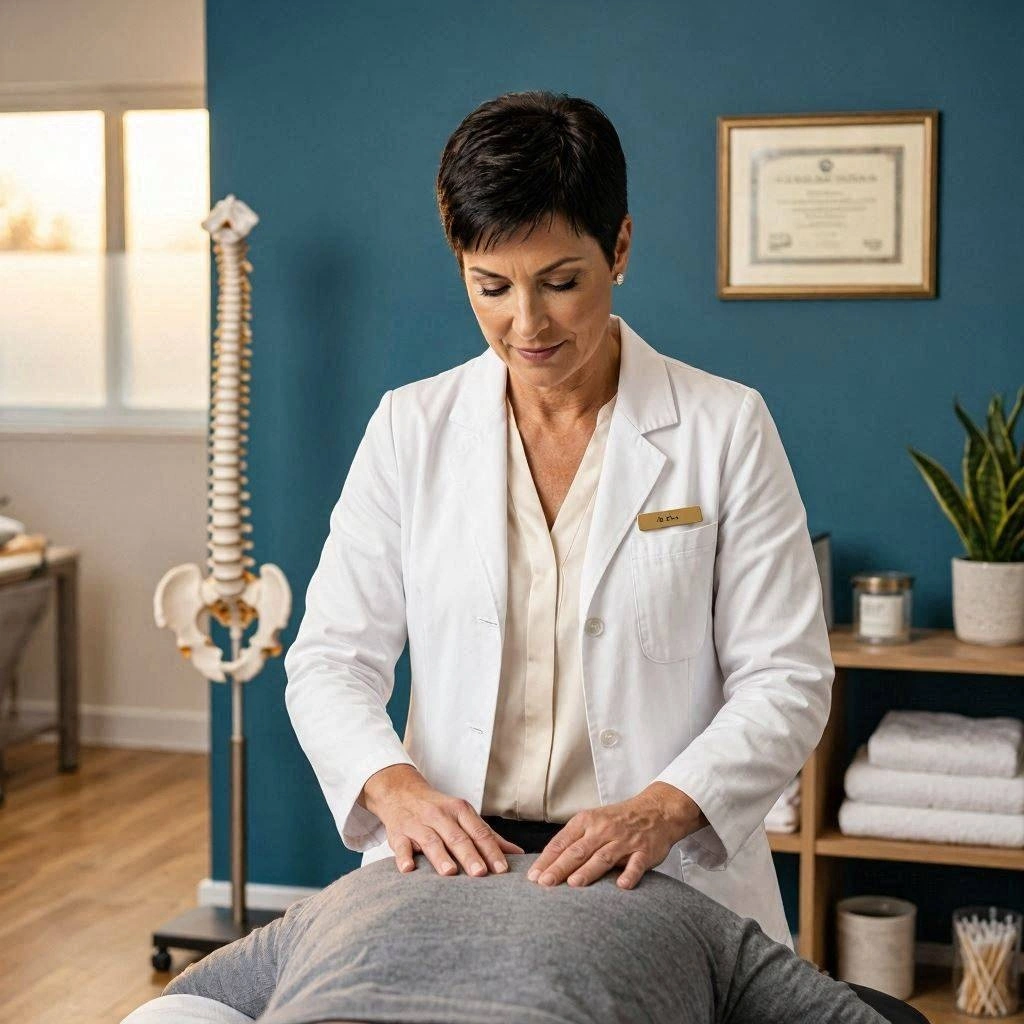
Chiropractic Adjustments
Spinal adjustments restore movement to joints that are not functioning normally.
Joint Mobilization
Gentle mobilization techniques improve flexibility while reducing stiffness.
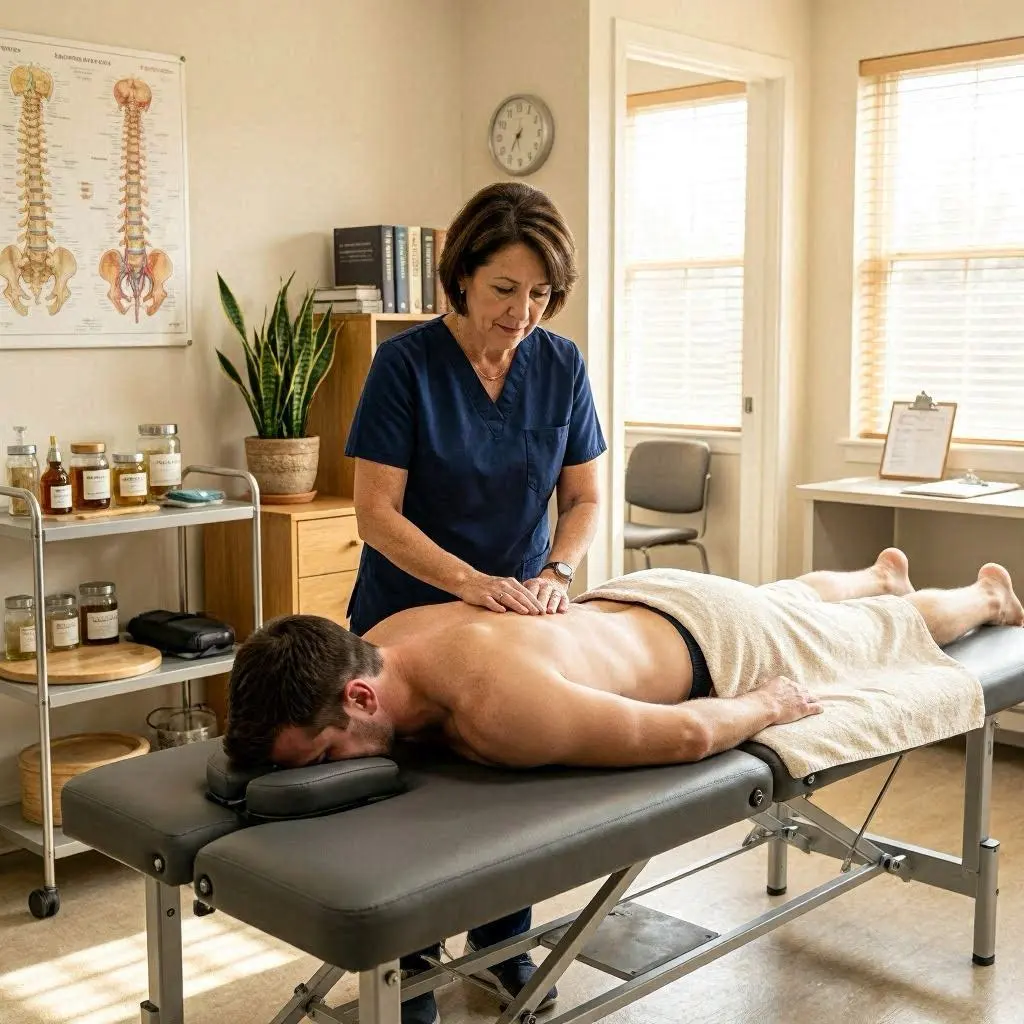
Soft Tissue Therapy (Certified Chiropractor)
Manual treatment helps relax muscles, improve circulation, and decrease muscle tension.
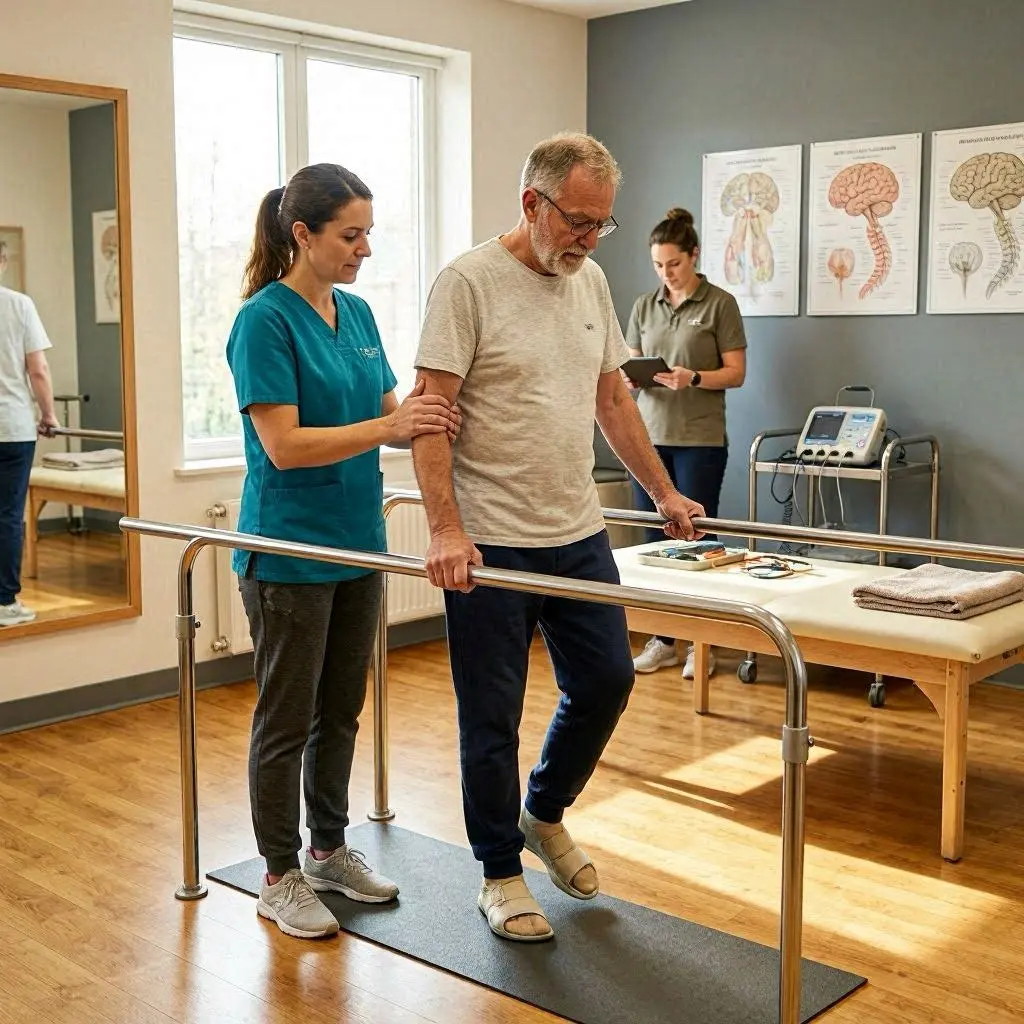
Therapeutic Exercises
Customized exercise programs strengthen muscles, improve balance, and support long-term recovery.
Stretching Programs
Stretching increases flexibility while improving movement throughout the body.
Lifestyle Education
Patients receive guidance regarding posture, workplace ergonomics, lifting techniques, sleep positions, and exercise habits.
What Happens During a Chiropractic Appointment?
A typical appointment begins with a review of your progress and any changes in symptoms. Depending on your condition, treatment may include manual therapy, chiropractic adjustments, therapeutic exercises, or stretching.
Your chiropractor may also recommend home exercises designed to reinforce improvements between visits. Furthermore, treatment plans are adjusted as recovery progresses to match your changing needs.
Supporting Recovery at Home (Certified Chiropractor)
Professional care is most effective when combined with healthy daily habits.
Helpful recommendations include:
-
Complete prescribed home exercises.
-
Stretch regularly.
-
Stay physically active.
-
Practice good posture.
-
Strengthen your core muscles.
-
Drink enough water.
-
Sleep on a supportive mattress.
-
Lift objects safely.
-
Take movement breaks during prolonged sitting.
-
Follow your chiropractor’s recommendations.
Consistency often leads to better long-term outcomes.
Who Can Benefit from Chiropractic Care?
Many people benefit from chiropractic treatment, including:
-
Office workers
-
Athletes
-
Older adults
-
Manual laborers
-
Individuals recovering from injuries
-
People with chronic back or neck pain
-
Individuals with posture-related discomfort
-
Patients seeking preventive musculoskeletal care
Because each patient is different, treatment recommendations should always be based on an individual assessment.
When Should You See a Certified Chiropractor?
Professional evaluation may be appropriate if you experience:
-
Persistent back pain
-
Neck stiffness
-
Frequent headaches
-
Joint discomfort
-
Muscle tightness
-
Reduced flexibility
-
Sports injuries
-
Poor posture
-
Difficulty performing daily activities
Early evaluation often allows conservative treatment before symptoms worsen.
When Is Emergency Medical Care Necessary?
Some symptoms require immediate medical attention rather than chiropractic treatment.
Seek emergency medical care if you experience:
-
Loss of bowel or bladder control
-
Sudden weakness in the arms or legs
-
Numbness around the groin or saddle area
-
Severe pain after major trauma
-
Chest pain
-
Difficulty breathing
-
Loss of consciousness
-
High fever with severe spinal pain
-
Progressive neurological symptoms
These warning signs require urgent medical evaluation.
Choosing the Right Certified Chiropractor (Certified Chiropractor)
Selecting the right chiropractor is an important part of achieving successful outcomes.
Consider choosing a professional who:
-
Holds current licensure or certification required by their jurisdiction.
-
Performs comprehensive assessments.
-
Explains treatment options clearly.
-
Develops personalized care plans.
-
Uses evidence-informed treatment techniques.
-
Encourages patient education and active participation in recovery.
A collaborative approach helps patients understand their condition and remain engaged throughout treatment.
Maintaining Long-Term Musculoskeletal Health (Certified Chiropractor)
Long-term wellness depends on healthy habits as well as professional care.
Helpful strategies include:
-
Exercising consistently.
-
Maintaining healthy posture.
-
Strengthening core muscles.
-
Stretching daily.
-
Staying physically active.
-
Managing body weight.
-
Using ergonomic workstations.
-
Getting adequate sleep.
-
Managing stress.
-
Scheduling follow-up evaluations when appropriate.
These habits support healthy movement throughout life.
Conclusion (Certified Chiropractor)
A certified chiropractor provides professional, patient-centered care for individuals experiencing back pain, neck pain, joint dysfunction, muscle tension, and other musculoskeletal conditions. Through comprehensive assessments, chiropractic adjustments, rehabilitation exercises, manual therapy, posture correction, and lifestyle education, chiropractic care supports both recovery and long-term physical wellness.
Whether your goal is to recover from an injury, improve mobility, reduce chronic pain, or maintain a healthy spine, working with a certified chiropractor can help you move more comfortably and confidently. Combined with healthy daily habits and consistent exercise, chiropractic care offers a safe, conservative approach to improving quality of life and supporting lifelong musculoskeletal health.