Best Massage Therapy: A Complete Guide to Choosing the Right Massage Treatment
Finding the best massage therapy depends on your individual goals, physical condition, lifestyle, and treatment preferences. Massage therapy is available in many different forms, and each technique can provide a different experience. Some people seek massage primarily for relaxation and stress management, while others want to address muscle tension, support exercise recovery, or improve their general physical comfort.
Because there is no single massage technique that is best for everyone, choosing the right treatment begins with understanding what you want to achieve. A person who spends long hours working at a computer may benefit from a different approach than an athlete recovering from demanding training. Similarly, someone looking for relaxation may prefer a gentle massage rather than a more focused technique.
Professional massage therapy should be personalized whenever possible. A qualified massage therapist can discuss your goals, ask about relevant health information, identify areas of tension, and adjust pressure and techniques according to your comfort level.
The best massage therapy is therefore not necessarily the strongest or most expensive treatment. It is the treatment that is appropriate for your needs, performed by a qualified professional, and incorporated into a realistic approach to physical health and wellness.
What Is Massage Therapy?
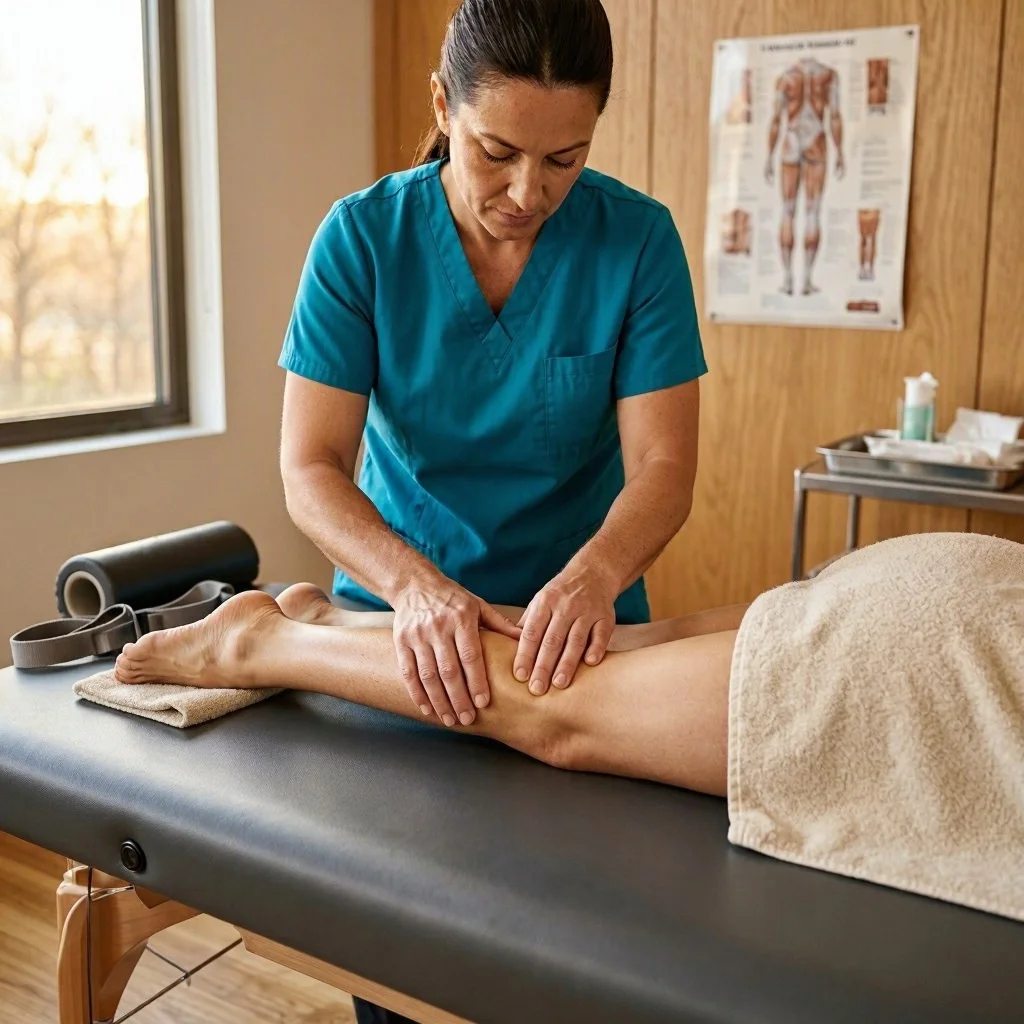
Massage therapy involves the use of hands or other appropriate techniques to manipulate soft tissues of the body.
Depending on the treatment style, massage may involve:
Kneading
Gliding movements
Compression
Friction
Pressure
Stretching
Targeted soft-tissue techniques
Massage therapy can be used for relaxation, general wellness, muscular comfort, and recovery.
Different therapists may use different combinations of techniques. Treatment can also vary according to the client’s goals.
For example, a relaxation-focused session may use slower and lighter techniques, while a sports massage session may focus on areas affected by physical training.
How to Choose the Best Massage Therapy
The best massage treatment for you depends largely on your goals.
Start by asking yourself what you want from the session.
Are you looking for:
Relaxation?
Stress relief?
Muscle tension management?
Exercise recovery?
General wellness?
Support for comfortable movement?
Once you identify your goal, you can choose a treatment style that matches it.
You should also consider the therapist’s qualifications, experience, communication style, and ability to personalize treatment.
Best Massage Therapy for Relaxation
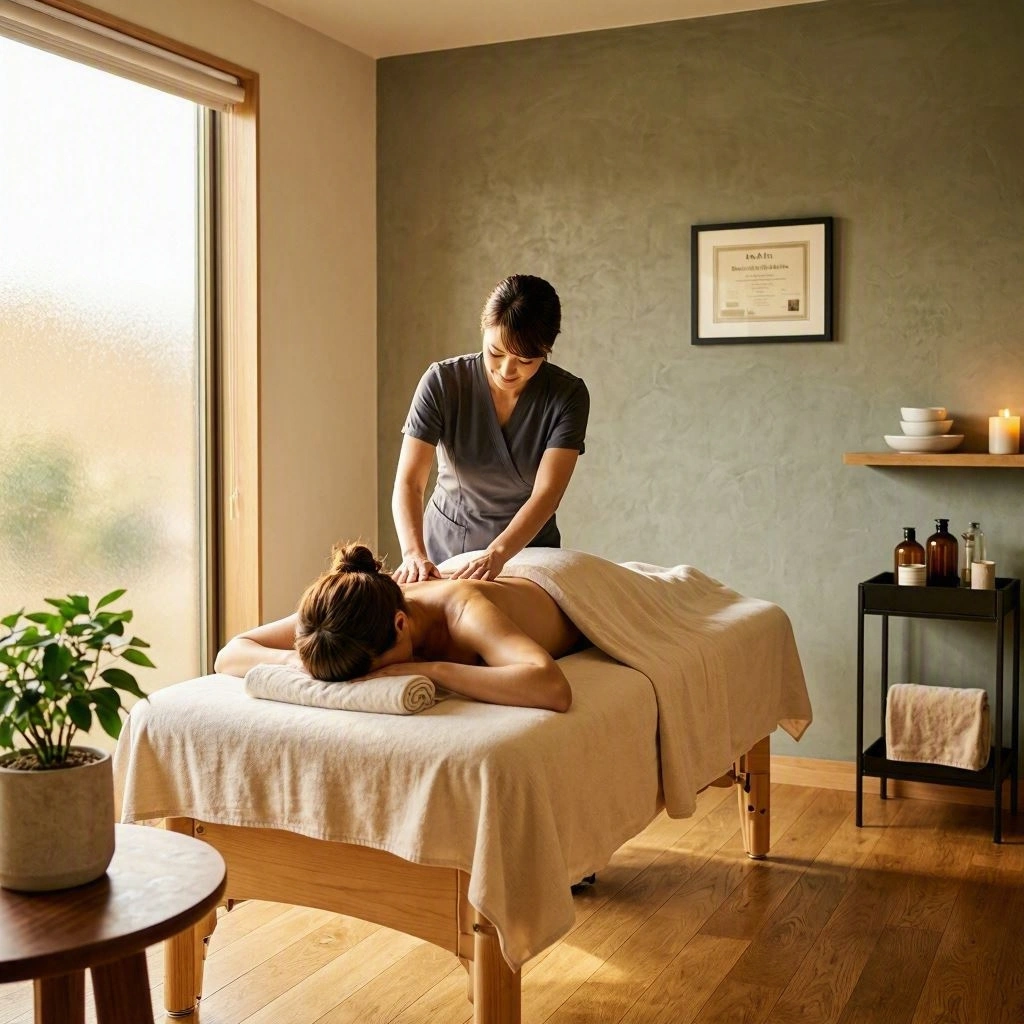
If your primary goal is relaxation, a gentle massage may be the most appropriate option.
Relaxation-focused massage commonly uses flowing techniques and moderate pressure.
It may be useful for people who:
Experience everyday stress
Want time to relax
Feel generally tense
Prefer gentle treatment
Want a wellness-focused experience
The environment can also influence relaxation.
A professional massage clinic should provide a comfortable, quiet, and private setting.
Swedish Massage
Swedish massage is one of the most commonly recognized massage styles.
It generally involves flowing techniques that can be adapted according to pressure preferences.
People may choose Swedish massage for:
Relaxation
General wellness
Muscle comfort
Stress management
The therapist can adjust the intensity according to the client’s needs.
Swedish massage is often a good starting point for someone who is new to massage therapy and wants a relatively gentle experience.
Best Massage Therapy for Muscle Tension
If your primary concern is muscular tightness, a more targeted therapeutic approach may be appropriate.
Muscle tension can develop from:
Prolonged sitting
Computer work
Repetitive movements
Exercise
Physical labor
Stress
Limited movement
Massage may help some people feel less tense and more comfortable.
However, recurring muscle tension may have several contributing factors.
If the same area repeatedly becomes tight, it may be useful to consider strengthening, mobility, physical activity, workstation ergonomics, sleep, and stress management alongside massage.
Deep Tissue Massage
Deep tissue massage uses slower, more focused techniques that may target deeper layers of muscle and connective tissue.
Despite the name, deep tissue massage should not necessarily be extremely painful.
Excessive pressure can result in unnecessary soreness.
A qualified therapist should communicate with you throughout treatment and adjust pressure according to your tolerance.
Deep tissue massage may be appropriate for certain people, but it is not automatically the best massage therapy for everyone.
Best Massage Therapy for Athletes
Athletes often have specific recovery requirements.
Sports massage can be incorporated into a broader training and recovery program.
A sports-focused massage treatment may consider:
Training volume
Exercise intensity
Competition schedule
Recovery days
Areas of muscular tension
Previous injuries
Treatment should be adjusted depending on whether the athlete is preparing for an event, recovering from training, or taking a rest period.
Massage should complement other recovery strategies rather than replace them.
Sports Massage
Sports massage is designed with physically active individuals in mind.
It may be used by:
Runners
Cyclists
Swimmers
Weightlifters
Football players
Basketball players
Recreational athletes
The exact techniques used can vary.
For an athlete, the best massage therapy is one that fits into the overall training plan.
Best Massage Therapy for Neck and Shoulder Tension
Neck and shoulder tension is extremely common among people who spend long hours at desks.
Computer users may experience:
Tight shoulders
Neck stiffness
Upper-back tension
Shoulder blade discomfort
Muscle fatigue
Massage may help some individuals feel more comfortable.
However, massage should not be the only strategy.
A comprehensive approach may also include:
Ergonomic adjustments
Neck exercises
Upper-back strengthening
Regular movement
Mobility exercises
Persistent neck symptoms or neurological symptoms should receive appropriate professional evaluation.
Best Massage Therapy for Office Workers
Office workers often spend many hours sitting in one position.
This can contribute to muscular fatigue and discomfort.
A massage session may focus on:
Neck
Shoulders
Upper back
Lower back
Arms
However, preventing recurring office discomfort requires more than massage.
Try combining treatment with:
Regular standing breaks
Walking
Workstation adjustments
Shoulder exercises
Neck mobility
General physical activity
Best Massage Therapy for Back Tension
Back tension may occur after:
Prolonged sitting
Physical work
Exercise
Repetitive lifting
Long periods of standing
Massage can provide temporary comfort for some people.
A therapist can focus on appropriate soft tissues while adjusting pressure according to your needs.
If back pain is severe, unexplained, or associated with neurological symptoms, seek appropriate medical assessment.
Best Massage Therapy for Stress
Stress can affect both the mind and body.
When people are stressed, they may unconsciously tighten muscles around their:
Neck
Shoulders
Jaw
Upper back
A relaxation-focused massage can provide an opportunity to slow down and relax.
However, massage should be considered one part of stress management.
Other strategies may include:
Exercise
Walking
Breathing exercises
Sleep
Relaxation techniques
Time away from work
Best Massage Therapy for Recovery
Massage may be incorporated into an exercise recovery routine.
After physical activity, some people experience muscle soreness or tension.
A recovery-focused approach may include:
Massage
Gentle mobility
Walking
Sleep
Hydration
Appropriate nutrition
Gradual training progression
Massage should not be used to ignore significant injury symptoms.
If pain is severe or persists, professional assessment may be necessary.
Best Massage Therapy for Runners
Running places repeated demands on the lower body.
Runners may experience muscular tension around:
Calves
Hamstrings
Quadriceps
Glutes
Hips
Massage may be incorporated into a runner’s recovery routine.
However, recurring pain should not simply be treated with massage.
Training load, running technique, strength, footwear, recovery, and other factors may also need to be considered.
Best Massage Therapy for Weightlifters
Weightlifters place substantial demands on muscles and joints.
Massage may be used as part of a recovery routine for areas that frequently become tense.
Common areas include:
Shoulders
Upper back
Chest
Arms
Glutes
Legs
The timing of treatment should be considered around demanding training sessions.
An intense massage immediately before heavy lifting may not be comfortable for every person.
Best Massage Therapy for Seniors
Older adults may benefit from appropriately adapted massage therapy.
Treatment should consider:
Mobility
Skin sensitivity
General health
Physical tolerance
Previous injuries
Medications
Pressure and positioning can be adjusted accordingly.
If someone has significant medical conditions, appropriate healthcare guidance may be necessary before treatment.
Best Massage Therapy for Beginners
If you have never received a massage before, you may not know which treatment to choose.
A gentle, general massage can be a reasonable starting point.
Before the session, tell your therapist:
That you are new to massage
What you hope to achieve
Whether you have areas of sensitivity
Your preferred pressure
A good therapist will explain what to expect and adjust treatment accordingly.
How Often Should You Get Massage Therapy?
There is no universal frequency that applies to everyone.
Your schedule may depend on:
Treatment goals
Symptoms
Lifestyle
Exercise routine
Budget
Response to treatment
Some people receive massage occasionally.
Others schedule regular sessions as part of a wellness routine.
The most important consideration is whether the treatment provides meaningful benefits.
How Long Should a Massage Session Be?
Massage sessions can vary in duration.
Common appointment lengths include:
30 minutes
45 minutes
60 minutes
75 minutes
90 minutes
A longer massage is not necessarily better.
The ideal session length depends on your goals and the areas being treated.
For a focused treatment, a shorter session may be sufficient.
What Happens During a Massage Session?
A professional massage session may involve several steps.
Consultation
Your therapist asks about your goals and concerns.
Assessment
The therapist considers the relevant areas and treatment needs.
Treatment
Appropriate massage techniques are performed.
Communication
You can provide feedback about pressure and comfort.
Aftercare
Your therapist may provide general recommendations.
This process helps create a more personalized experience.
Communication With Your Massage Therapist
Communication is one of the most important aspects of massage therapy.
Tell your therapist if:
The pressure is too strong
You feel uncomfortable
A position causes pain
You want an area avoided
You need a break
You should never feel obligated to tolerate excessive discomfort.
A professional therapist should respect your preferences and modify treatment when appropriate.
Does the Best Massage Therapy Have to Hurt?
No.
There is a common misconception that painful massage is more effective.
However, more pressure does not automatically produce better results.
Excessive pressure can cause unnecessary soreness and make the treatment unpleasant.
The appropriate intensity depends on:
Individual tolerance
Treatment goals
Massage technique
Current symptoms
Treatment area
Effective communication helps the therapist find an appropriate level.
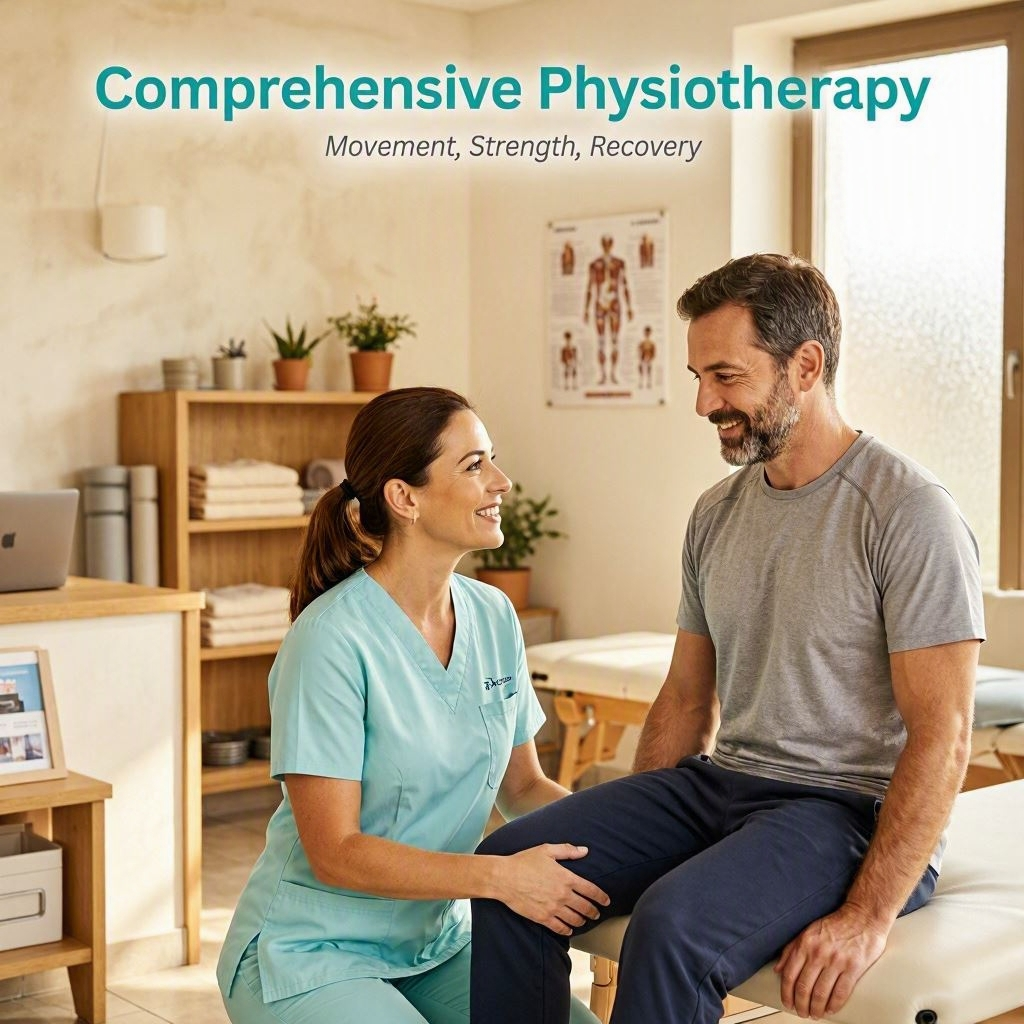
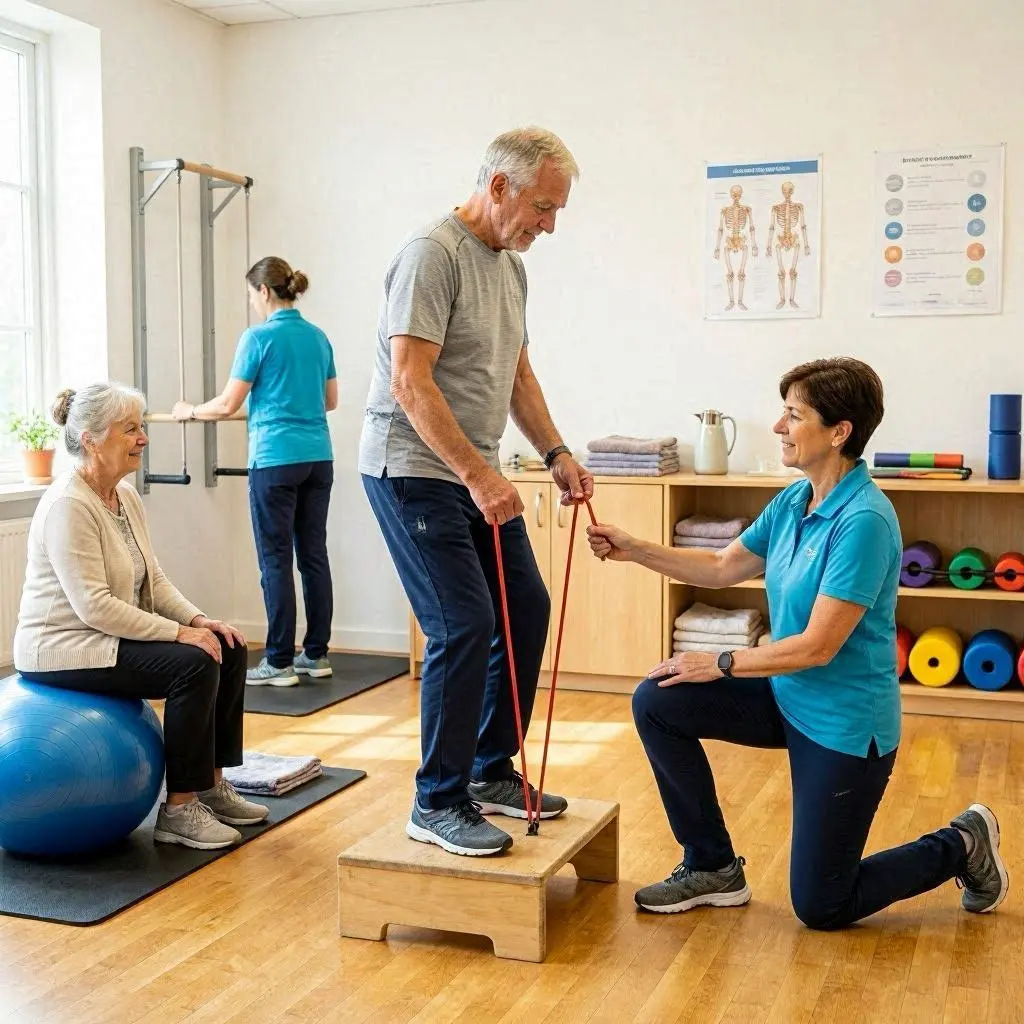
Massage Therapy and Physiotherapy
Massage therapy and physiotherapy can work together.
It may focus primarily on soft-tissue treatment and relaxation, while physiotherapy may address:
Strength
Mobility
Movement
Functional limitations
Exercise
Rehabilitation
For someone recovering from an injury, combining appropriate massage with active rehabilitation may provide a more comprehensive approach.
Massage Therapy and Chiropractic Care
Some people combine massage therapy with chiropractic care.
Massage may address muscular tension, while chiropractic treatment may focus on musculoskeletal assessment and manual treatment.
The appropriate approach depends on the individual’s condition and goals.
If symptoms are persistent or unusual, appropriate medical assessment should not be delayed.
Massage Therapy and Exercise
Massage should not replace exercise.
Regular physical activity helps maintain:
Strength
Mobility
Endurance
Coordination
General fitness
Massage can complement exercise by supporting relaxation and physical comfort.
For people with recurring muscular tension, combining massage with an appropriate exercise program may be more beneficial than relying on massage alone.
Massage Therapy for Workplace Wellness
Massage may be incorporated into workplace wellness programs.
Short workplace massage sessions can provide employees with an opportunity to relax during demanding workdays.
However, workplace wellness should also address:
Ergonomics
Movement breaks
Physical activity
Workload
Recovery
Massage is most useful when it forms part of a broader approach.
Massage Therapy for Chronic Muscle Tension
People with recurring muscle tension may seek regular massage.
A long-term approach may combine:
Massage + Exercise + Mobility + Ergonomics + Recovery
This combination can address both physical comfort and the factors that may contribute to recurring tension.
If massage provides only temporary relief and symptoms continually return, consider whether another underlying factor needs attention.
Massage Therapy for General Wellness
Massage does not need to be reserved for people experiencing discomfort.
Some people use massage as part of a wellness routine.
Potential goals include:
Relaxation
Stress management
Recovery
General physical comfort
However, massage should complement rather than replace healthy lifestyle habits.
How to Choose the Best Massage Therapist
The therapist is just as important as the type of massage.
When choosing a therapist, consider:
Qualifications
Look for appropriate professional training.
Experience
Experience with your specific goals can be valuable.
Communication
Your therapist should listen to your concerns.
Professionalism
The clinic should maintain appropriate hygiene and privacy.
Individualized Treatment
The therapist should adapt treatment rather than use exactly the same routine for everyone.
What Makes a Massage Clinic Good?
A good massage therapy clinic should provide:
Professional therapists
Clean treatment rooms
Comfortable surroundings
Clear communication
Individualized treatment
Appropriate assessment
Respect for client preferences
You should feel comfortable asking questions before and during treatment.
Massage Therapy Safety
Massage therapy is not appropriate for every situation.
Treatment may need to be avoided or modified in cases involving:
Certain acute injuries
Significant swelling
Fever
Some skin infections
Recent surgery
Unexplained severe pain
Certain blood-clotting conditions
The exact precautions depend on the individual.
When you are uncertain whether massage is appropriate, consult an appropriate healthcare professional.
When Should You Avoid Massage?
Do not use massage as a substitute for urgent medical assessment.
Seek medical care when you experience symptoms such as:
Sudden weakness
Significant numbness
Difficulty walking
Loss of coordination
Severe unexplained pain
Serious symptoms following trauma
These symptoms may require evaluation before massage is considered.
What Should You Do After Massage?
After treatment, return to normal activities as appropriate.
You may feel:
Relaxed
Comfortable
Sleepy
Less tense
Some people experience temporary soreness after more intensive treatment.
If you experience severe or persistent symptoms, seek professional advice.
Normal hydration is sufficient; there is no need to drink excessive amounts of water after massage.
Common Massage Therapy Mistakes
Choosing the Most Intense Massage
More pressure does not automatically mean better treatment.
Choosing Only Based on Price
The cheapest option may not provide the best professional care.
Expecting Massage to Cure Every Problem
Persistent pain may require exercise, physiotherapy, or medical evaluation.
Ignoring Communication
Your therapist needs to know what feels comfortable.
Relying Only on Massage
Long-term physical health also depends on activity, strength, mobility, sleep, and recovery.
Frequently Asked Questions
What is the best massage therapy?
There is no single massage treatment that is best for everyone. The most appropriate option depends on your goals, symptoms, physical activity, and preferences.
What is the best massage for relaxation?
A gentle Swedish or relaxation-focused massage is commonly chosen for relaxation and stress management.
What is the best massage for muscle tension?
A targeted therapeutic or deep-tissue approach may be appropriate for some people, depending on their symptoms and tolerance.
What is the best massage for athletes?
Sports massage may be incorporated into an athlete’s recovery plan, but the treatment should be adapted to training and competition schedules.
Can massage help neck pain?
Massage may help some people with muscular neck and shoulder tension. Persistent or neurological symptoms should receive appropriate professional assessment.
How often should I get massage therapy?
There is no universal schedule. Frequency should depend on your goals, symptoms, lifestyle, and response to treatment.
Should massage hurt?
No. Massage does not need to be painful to be effective. Excessive pressure can cause unnecessary discomfort.
Can massage replace physiotherapy?
No. Massage and physiotherapy have different roles. Massage may complement rehabilitation but should not automatically replace physiotherapy when strength, mobility, or functional problems are present.
Can massage help stress?
Massage may help some people relax and feel less physically tense. Long-term stress management should also involve healthy lifestyle strategies.
Final Thoughts
Finding the best massage therapy is less about identifying one universally superior technique and more about finding the treatment that matches your individual goals.
Someone looking for relaxation may prefer Swedish or relaxation massage. Someone experiencing muscular tension may benefit from a more targeted therapeutic approach. Athletes may incorporate sports massage into their recovery routine, while office workers may seek massage for neck, shoulder, and upper-back tension.
The quality of the therapist is also extremely important. A qualified professional should listen to your concerns, understand your goals, communicate clearly, and adjust pressure and techniques according to your individual needs.
Massage does not need to be painful to be effective. Excessive pressure is not automatically better, and a good treatment should respect your comfort level.
Massage can also be more useful when combined with other healthy habits. Regular physical activity, strength training, mobility exercises, adequate sleep, stress management, and ergonomic improvements can all contribute to long-term physical health.
If you experience recurring discomfort, massage may provide temporary relief while other contributing factors remain unaddressed. In these situations, it may be useful to consider physiotherapy, exercise, or medical assessment depending on your symptoms.
Safety should always be considered. Massage may not be appropriate for certain acute injuries, unexplained severe pain, significant swelling, recent surgery, or other medical conditions. Serious symptoms such as sudden weakness, significant numbness, difficulty walking, loss of coordination, or severe symptoms following trauma require appropriate medical attention.
Ultimately, the best massage therapy is personalized, professionally delivered, and appropriate for your current needs. Whether your goal is relaxation, muscle comfort, exercise recovery, stress management, or general wellness, choosing the right technique and qualified therapist can help make massage a valuable part of a broader approach to physical health and well-being.