Massage Therapy for Calf Tightness: Benefits, Techniques, and Relief
Calf tightness is a common problem among runners, athletes, office workers, and people who spend long hours standing. It may feel like a pulling sensation behind the lower leg, stiffness when walking, discomfort when climbing stairs, or difficulty moving the ankle comfortably. Some people notice tightness immediately after exercise, while others experience it after sitting for several hours or waking up in the morning. Massage Therapy for Calf Tightness may help some people feel more comfortable by reducing the sensation of muscular tension, supporting relaxation, and making movement easier. However, tightness can have several causes, including exercise-related fatigue, muscle cramps, limited ankle mobility, inadequate recovery, and muscle injury. In some cases, the sensation may not come from a tight muscle at all.
The most useful approach combines an understanding of the underlying cause with appropriate massage, stretching, strengthening, activity adjustments, and professional assessment when needed.
This guide explains how massage therapy may help tight calves, which techniques are commonly used, how to massage your calves safely at home, which exercises can improve calf function, and when calf tightness requires medical attention.
What Is Calf Tightness?
The calf is the muscular area at the back of the lower leg, between the knee and the heel. Its two main superficial muscles are the gastrocnemius and soleus. Together, they contribute to movements such as walking, running, jumping, climbing stairs, and standing on your toes.
These muscles connect to the heel through the Achilles tendon. Whenever you push off the ground during walking or running, the calf muscles help generate force and control movement.
Calf tightness describes a sensation of stiffness, tension, restricted movement, or difficulty relaxing the muscles. It does not always mean that the muscles are physically shortened or damaged.
For example, your calves may feel tight after an intense workout because they are fatigued. Alternatively, you might experience a pulling sensation because the muscles are irritated after an unfamiliar activity. Sometimes, the nervous system increases the sensation of stiffness in response to pain or physical stress.
Understanding this distinction matters because stretching or massaging every tight calf in the same way may not address the actual problem.
Common Causes of Calf Tightness (Massage Therapy for Calf Tightness)
Before choosing massage therapy, it helps to understand what might be contributing to your symptoms.
1. Exercise and Training Overload
Running, jumping, hill climbing, and resistance training place considerable demands on the calf muscles.
A sudden increase in workout intensity, running distance, or training frequency may leave the muscles feeling stiff or sore. This is particularly common when returning to exercise after a break.
Massage may provide temporary comfort after ordinary exercise-related muscle tension. However, if the tightness follows a sudden painful movement and is accompanied by swelling or weakness, a calf strain should be considered instead.
2. Prolonged Standing
People who work in retail, healthcare, hospitality, construction, or other physically demanding jobs may spend much of the day on their feet.
Maintaining the same position for extended periods can make the calves feel tired or uncomfortable. Repetitive loading may also become more noticeable when footwear is uncomfortable or breaks are limited.
In these circumstances, massage may support relaxation, but changing positions, taking movement breaks, and improving physical conditioning may be equally important.
3. Long Periods of Sitting
Sitting for several hours reduces the amount of movement performed by the ankle and lower leg.
Some people notice stiffness when standing after a long meeting, driving, or working at a computer. Gentle ankle movements and short walking breaks may help restore comfortable movement.
If calf tightness regularly returns despite movement breaks, it may be useful to assess ankle mobility, exercise habits, and other possible causes.
4. Muscle Cramps
A calf cramp is an involuntary, often painful muscle contraction. The muscle may feel hard or knotted during the episode.
Cramps can occur during exercise, at night, or after prolonged physical activity. They may be associated with muscle fatigue, certain medications, dehydration in some circumstances, or underlying medical conditions.
Gentle stretching and massage may help relieve an uncomplicated cramp. However, recurrent cramps deserve assessment, especially if they are severe, affect sleep regularly, or occur alongside weakness, numbness, or other symptoms.
5. Limited Ankle Mobility (Massage Therapy for Calf Tightness)
Your ankle needs sufficient movement to support walking, squatting, running, and climbing stairs.
Limited ankle dorsiflexion—the movement of bringing the foot toward the shin—may affect how you perform these activities. Calf muscle stiffness can be one contributing factor, although joint restrictions, previous injuries, and other conditions can also limit ankle movement.
A therapist may assess ankle movement before deciding whether massage, stretching, strengthening, or a different intervention is appropriate.
6. Inadequate Recovery
Muscles need time to adapt to repeated physical demands.
Insufficient rest between demanding sessions, abrupt changes in training, poor sleep, and inadequate overall recovery may contribute to persistent feelings of fatigue or stiffness.
Massage may help you feel more relaxed, but it cannot replace sufficient recovery time or correct a training schedule that repeatedly exceeds your current capacity.
7. Calf Muscle Strain
A calf strain occurs when muscle fibres are injured, often during acceleration, jumping, sprinting, or another sudden movement.
Symptoms can include sharp pain, tenderness, swelling, bruising, and difficulty pushing off the foot. Walking may become uncomfortable, and standing on the toes may be difficult.
A recent suspected calf strain should not be treated like ordinary tightness. Avoid deep massage and forceful stretching during the acute stage, and seek appropriate assessment. Early management of a muscle injury differs from the treatment of uncomplicated muscular tension.
How Can Massage Therapy for Calf Tightness Help?
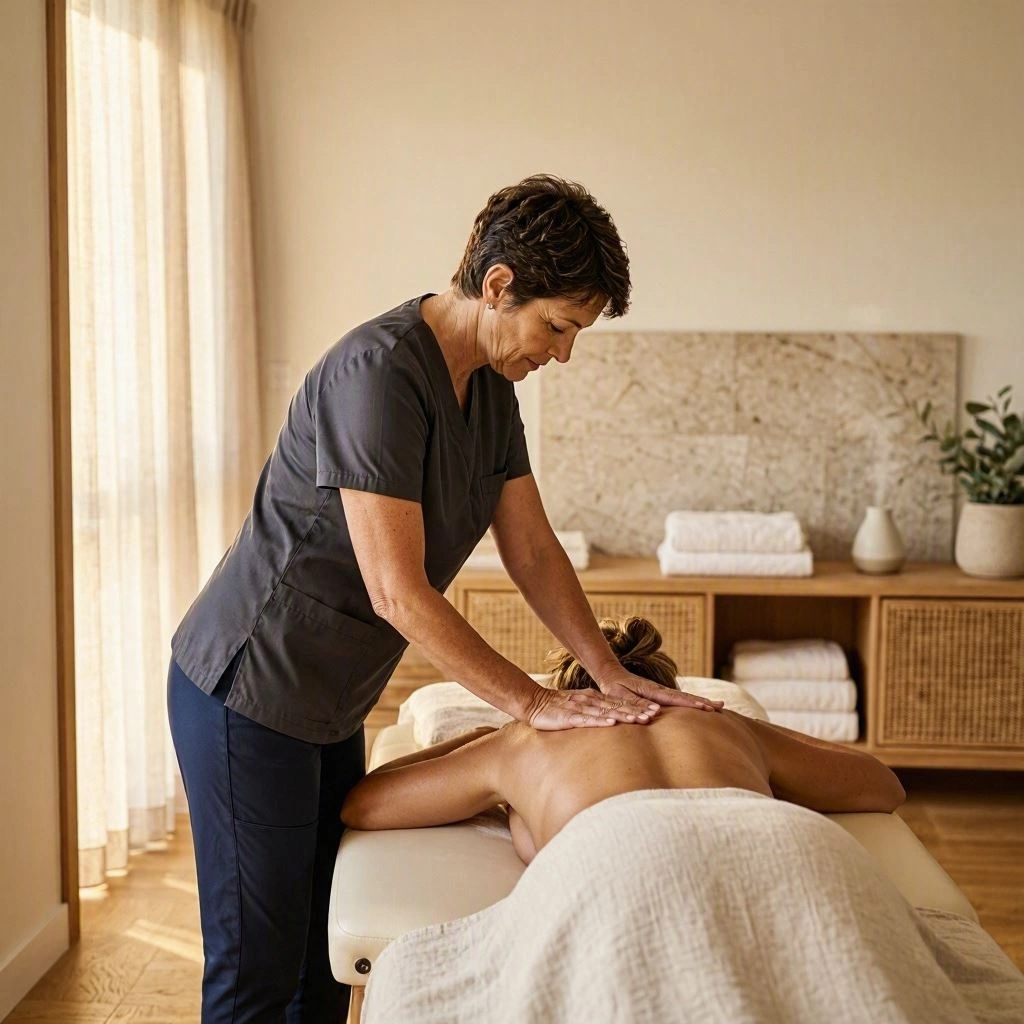
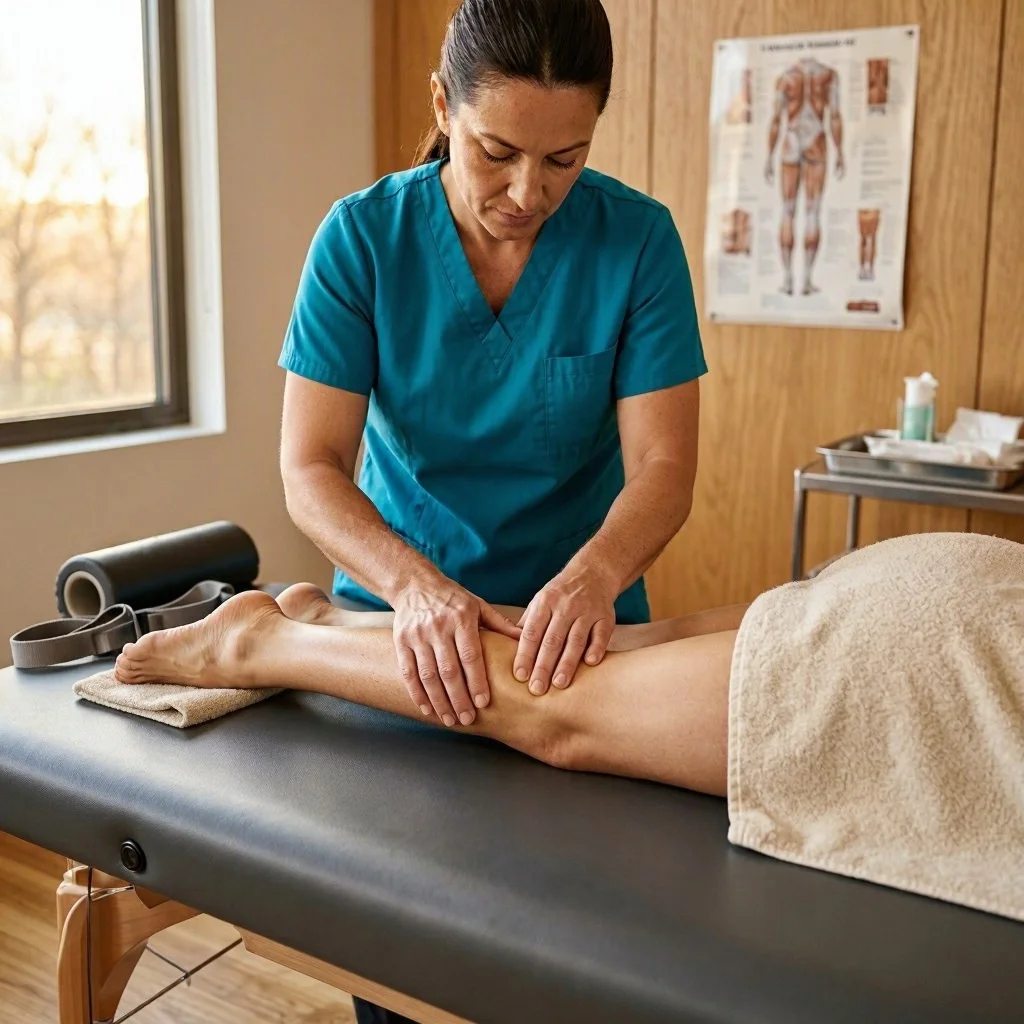
Massage therapy involves applying controlled pressure and movement to muscles and other soft tissues. The technique, pressure, and treatment area should depend on the person’s symptoms and health history.
Massage Therapy for Calf Tightness May Reduce the Feeling of Tension
Gentle massage may help some people experience a temporary reduction in muscular discomfort or the sensation of tightness.
This may make walking, stretching, or other movements feel easier. However, a change in how the muscle feels does not necessarily mean the underlying cause has been corrected.
The benefit should be judged by meaningful improvements, such as more comfortable movement or better tolerance of daily activities.
Massage May Improve Short-Term Comfort After Exercise (Massage Therapy for Calf Tightness)
After a demanding workout, the calves may feel tired, sore, or stiff.
Some people find sports massage or gentle therapeutic massage helpful for managing post-exercise soreness. The response varies, and massage should not be expected to eliminate soreness completely or guarantee faster muscle repair.
Adequate sleep, appropriate nutrition, sensible training progression, and recovery time remain important.
Massage May Support Comfortable Movement
When muscle discomfort makes movement unpleasant, a suitable massage session may help the person move more comfortably afterward.
For example, a person who experiences mild calf tension after a long workday may find that gentle massage makes walking or ankle movement feel easier.
If restricted movement persists, the cause may involve strength, joint mobility, tendon problems, or another issue that massage alone cannot resolve.
Massage Can Complement Stretching and Strengthening
Massage is sometimes used before exercise when it helps a person tolerate movement more comfortably.
A therapist may combine gentle soft tissue treatment with calf stretching or a suitable strengthening exercise.
However, the purpose of rehabilitation is not simply to make the muscle feel relaxed. It is also to improve its ability to manage the physical demands of walking, work, and exercise.
Best Massage Techniques for Calf Tightness (Massage Therapy for Calf Tightness)
Different techniques may be appropriate depending on whether your calves feel generally tense, tired after exercise, or sensitive in a particular area.
Massage should not be intensely painful. Stronger pressure is not automatically more effective.
1. Gentle Effleurage Massage
Effleurage uses smooth, gliding strokes over the muscles.
A therapist may begin with light strokes along the calf to help you become comfortable with the treatment. Pressure can be adjusted gradually according to your preference and the condition of the tissues.
This technique may be appropriate when the goal is general relaxation or mild muscular discomfort.
It should not be used as a substitute for medical assessment if the calf is suddenly swollen, unusually warm, or painful for no clear reason.
2. Kneading Massage
Kneading involves gently lifting, compressing, or moving soft tissues with the hands.
A trained massage therapist may use this technique on the calf muscles when the tissue is suitable for treatment.
The pressure should remain within a comfortable range. Excessive squeezing may increase tenderness, particularly after intense exercise or when an injury is present.
3. Targeted Soft Tissue Massage (Massage Therapy for Calf Tightness)
Targeted massage focuses on a specific area that feels tense or tender.
The therapist may assess the gastrocnemius and soleus muscles and select an appropriate technique based on the location of the discomfort.
Not every tender spot requires deep pressure. Localized pain may sometimes reflect an injury, tendon problem, or another condition that needs a different approach.
4. Sports Massage for Active Individuals
Sports massage is often used by runners, cyclists, gym users, and athletes who experience recurring muscular tension.
A session may focus on areas exposed to repeated loading during training.
For example, a runner might receive calf massage alongside advice about training volume, recovery, footwear, and strengthening.
Massage should be adjusted to the timing of training and the person’s current condition. A recently injured muscle may require a different approach from a healthy muscle experiencing ordinary post-exercise tension.
5. Myofascial Techniques
Myofascial techniques apply controlled pressure and movement to muscles and surrounding connective tissues.
Some people report feeling less restricted after treatment. However, these techniques should not be described as breaking apart adhesions or permanently releasing fascia without evidence.
A qualified practitioner should explain the intended benefit and evaluate whether the treatment produces meaningful improvements.
How to Massage Calf Tightness at Home
Self-massage can be a practical option for mild, familiar muscular tension when there are no warning signs of injury or a more serious condition.
Do not massage a calf that is suddenly painful, swollen, warm, or discoloured, particularly if the symptoms affect only one leg and have no clear explanation.
Method 1: Gentle Hand Massage
This is a simple option for mild tension after ordinary activity.
- Sit comfortably with your lower leg supported.
- Relax your ankle and calf.
- Place your hands around the muscle belly at the back of the lower leg.
- Apply gentle pressure and move slowly along the muscle.
- Avoid forcefully pressing directly into painful spots.
- Continue briefly if the sensation remains comfortable.
- Stop if pain, tingling, numbness, or other unusual symptoms develop.
Keep the pressure light enough that you can relax rather than brace against the massage.
Method 2: Tennis Ball Massage Against a Wall
A tennis ball can provide more targeted pressure, but it is important to control the amount of force.
- Stand near a wall or another stable support.
- Place a tennis ball between the wall and the fleshy part of your calf.
- Lean gently into the ball.
- Move your leg slightly to change the position of the pressure.
- Avoid rolling over the back of the knee or pressing hard into the Achilles tendon.
- Stop if the pressure causes sharp pain or unusual sensations.
Do not use your full body weight to force pressure into the calf. If you have a history of blood clots, circulation problems, reduced sensation, or a recent injury, seek professional advice before attempting self-massage.
Method 3: Foam Rolling (Massage Therapy for Calf Tightness)
A foam roller may be useful for people who are familiar with self-massage and have no contraindications.
- Sit on the floor with your legs extended.
- Place the foam roller under the calf.
- Support some of your body weight with your hands.
- Move slowly over the muscular area.
- Reduce the pressure if you feel significant discomfort.
- Avoid rolling directly over the Achilles tendon, the back of the knee, or any swollen or injured area.
There is no need to roll as hard as possible. The objective is comfortable pressure, not pain tolerance.
How Long Should You Massage Your Calves?
There is no single massage duration that works for everyone.
For mild tension, start with a brief session and evaluate how you feel afterward. If the massage makes movement more comfortable without causing increased soreness, it may be reasonable to use it occasionally as part of your routine.
If symptoms repeatedly return, become more severe, or do not improve, investigate the underlying cause rather than increasing the pressure or frequency indefinitely.
Best Stretches for Calf Tightness
Stretching can help improve ankle range of motion when restricted flexibility is contributing to symptoms. It should produce a gentle pulling sensation rather than sharp pain.
Avoid forceful stretching if you suspect a recent muscle tear, Achilles tendon injury, or another acute injury.
1. Standing Calf Stretch With a Straight Knee
This stretch emphasizes the gastrocnemius muscle.
- Stand facing a wall and place your hands against it.
- Step one leg behind you.
- Keep the rear knee straight and the heel on the floor.
- Bend the front knee and move your hips gently forward.
- Stop when you feel a mild stretch in the back calf.
- Hold for approximately 20–30 seconds if comfortable.
- Relax and repeat a few times.
Keep your back foot pointing generally forward. Do not force the heel down if doing so causes pain.
2. Bent-Knee Calf Stretch (Massage Therapy for Calf Tightness)
This variation places more emphasis on the soleus muscle.
- Stand facing a wall.
- Place the affected leg behind you.
- Keep both heels supported on the floor.
- Bend both knees slightly.
- Move forward until you feel a comfortable stretch in the lower calf.
- Hold briefly and return to the starting position.
The stretch should feel controlled. If the discomfort is concentrated in the Achilles tendon or heel, seek advice before continuing.
3. Seated Calf Stretch With a Towel
This option may be more comfortable for people who find standing stretches difficult.
- Sit with one leg extended in front of you.
- Loop a towel around the ball of your foot.
- Gently pull the towel toward you.
- Keep your knee relatively straight.
- Stop when you feel mild tension in the calf.
- Hold briefly and relax.
Avoid bouncing or pulling forcefully. A stretch should not create sharp pain, tingling, or numbness.
4. Gentle Ankle Mobility
If the calves feel stiff after prolonged sitting, gentle ankle movements may help you resume normal movement.
- Sit in a chair with your feet supported.
- Slowly point your toes away from you.
- Bring your toes back toward your shin.
- Repeat the movement in a comfortable range.
- Perform a small number of repetitions throughout the day.
This exercise can be particularly convenient during work breaks or after a long drive.
5. When Stretching Is Not Enough
If you stretch repeatedly but the tightness returns quickly, the issue may not be a simple flexibility problem.
Some people benefit more from progressive strengthening, changes in training load, improved recovery, or assessment of the ankle, foot, knee, or lower back.
A feeling of tightness does not always mean a muscle needs more stretching. Persistent symptoms should be assessed in context.
Strengthening Exercises to Prevent Recurring Calf Tightness
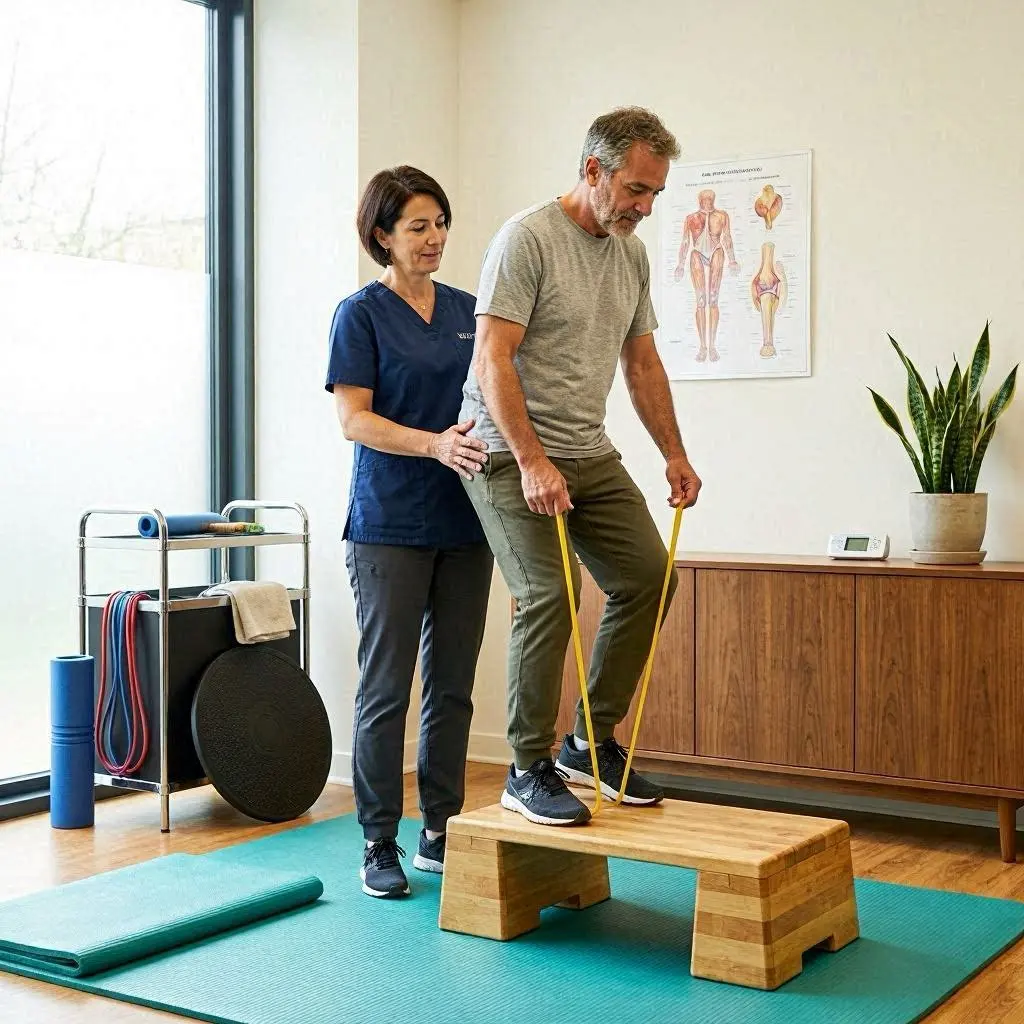
Stretching and massage may help with short-term comfort, but strengthening is important for improving the calf’s ability to tolerate physical demands.
Begin with exercises that match your current ability. Increase resistance or repetitions gradually rather than making large changes in a single session.
1. Double-Leg Calf Raises
Calf raises help develop strength in the muscles responsible for raising the heel.
- Stand with your feet approximately hip-width apart.
- Hold a stable surface for balance.
- Slowly rise onto your toes.
- Pause briefly at the top.
- Lower your heels under control.
- Repeat for a comfortable number of repetitions.
Start with a small set and focus on smooth movement. If the exercise causes pain, modify it or seek guidance.
2. Bent-Knee Calf Raises
Bent-knee calf raises place greater emphasis on the soleus muscle.
- Sit in a chair with your feet flat on the floor.
- Keep your knees bent.
- Raise your heels while keeping the balls of your feet on the floor.
- Pause briefly.
- Lower slowly.
Once this becomes comfortable, a physiotherapist or qualified trainer may recommend adding appropriate resistance.
3. Gradual Single-Leg Calf Raises
Single-leg calf raises are more demanding and should be introduced only when double-leg raises are comfortable.
- Stand near a wall or stable support.
- Place your weight on one leg.
- Slowly lift the heel.
- Lower under control.
- Repeat only as many times as you can maintain good technique.
Do not use this exercise to test an acutely painful calf. After an injury, progression should be based on an appropriate rehabilitation plan.
4. Gradual Return to Walking or Running
If tightness develops during exercise, temporarily reducing the intensity or duration may help.
Once symptoms settle, increase activity gradually. Avoid suddenly returning to your previous training volume after a break.
For runners, this may mean shorter, easier sessions before introducing hills, sprints, or speed work.
Massage Therapy for Calf Tightness After Exercise (Massage Therapy for Calf Tightness)
Post-exercise tightness can occur after running, cycling, weight training, or unfamiliar physical activity.
Massage may help some people feel more comfortable, but the appropriate response depends on whether the sensation reflects ordinary muscle fatigue or an injury.
After a Normal Workout
If the calves feel generally tired without sharp pain, swelling, or weakness, gentle massage may be a reasonable comfort measure.
You can also consider light movement, adequate rest, and a gradual return to your usual activity.
After a Sudden Pull or Sharp Pain
A sudden pulling sensation during sprinting, jumping, or another explosive movement may indicate a calf strain.
Do not assume that the muscle simply needs to be loosened. Avoid deep massage, aggressive stretching, and activities that increase pain until the injury has been assessed appropriately.
A significant strain may require structured rehabilitation before you can safely resume running or jumping.
Managing Training Load
If your calves repeatedly become tight after workouts, review how quickly you increase training demands.
Consider whether you have recently changed:
- Running distance or speed
- Hill training
- Strength-training loads
- Exercise frequency
- Footwear
- Training surfaces
- Recovery time between sessions
Changing one or two variables at a time may help you identify what your body tolerates.
Massage Therapy vs. Physiotherapy for Calf Tightness
Massage therapy and physiotherapy can serve different purposes.
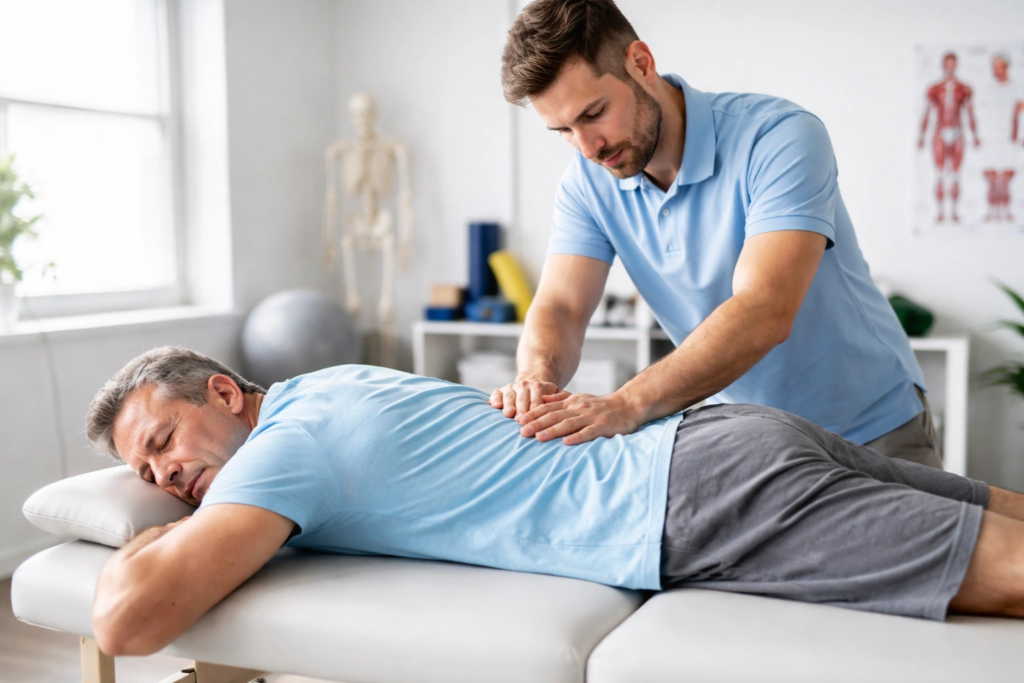
Massage therapy focuses primarily on hands-on treatment of soft tissues and may help with muscular comfort, relaxation, and the temporary sensation of stiffness.
Physiotherapy can provide a broader assessment of movement, strength, joint mobility, walking mechanics, and injury-related limitations. A physiotherapist may develop an exercise program, guide a gradual return to sport, and determine whether further medical evaluation is necessary.
For uncomplicated muscle tension, massage may be sufficient as a comfort measure. For recurring tightness, an injury, persistent pain, or difficulty walking, physiotherapy may offer a more comprehensive approach.
The two approaches can complement one another when appropriate. However, treatment should be based on the cause of the symptoms rather than assuming that every tight calf needs massage.
You can learn more about massage therapy at Ritz Clinic or explore its physiotherapy services.
What to Expect During a Professional Massage Session
A professional session should be tailored to your symptoms, activity level, and treatment goals.
Initial Consultation (Massage Therapy for Calf Tightness)
Your therapist may ask when the tightness began, whether it affects one or both legs, and which activities make it better or worse.
They may also ask about recent exercise, previous calf injuries, medications, and relevant health conditions.
Be clear about any sudden pain, swelling, changes in sensation, or recent injury. These details may change whether massage is appropriate.
Assessment and Treatment Selection
Depending on their qualifications and scope of practice, the practitioner may consider calf tenderness, movement, and the surrounding soft tissues.
If your symptoms suggest a medical problem that massage cannot safely address, you should be referred for appropriate evaluation.
Personalized Massage
Treatment may include gentle gliding strokes, kneading, or other soft tissue techniques when suitable.
You should be able to communicate about pressure throughout the session. The therapist should modify or stop a technique that causes sharp pain or unusual symptoms.
Aftercare and Progress Review
The practitioner may discuss stretching, strengthening, activity changes, or referral for physiotherapy.
Progress should be measured by improvements in comfort and function, not simply by whether the calf feels temporarily softer immediately after treatment.
When Should You Avoid Massage for Calf Tightness?
Massage is not suitable for every type of calf discomfort.
Avoid massage and seek prompt medical assessment if you have:
- Sudden pain in one calf without a clear explanation
- New swelling in one leg
- Warmth, redness, or darkening of the skin
- Unexplained tenderness or visibly swollen veins
- Significant pain after an injury
- Difficulty bearing weight
- New numbness or marked weakness
One-sided calf pain and swelling can be signs of deep vein thrombosis (DVT), a blood clot in a deep vein. Do not massage the area or attempt to stretch it away. Seek urgent medical assessment.
If you have calf pain or swelling together with sudden shortness of breath, chest pain, or coughing up blood, seek emergency medical help because a blood clot may have travelled to the lungs.
Massage should also be avoided over an acutely injured muscle until appropriate guidance has been obtained. People with circulation disorders, a history of blood clots, reduced sensation, or other relevant health conditions should ask a healthcare professional whether massage is safe for them.
How to Prevent Calf Tightness From Returning (Massage Therapy for Calf Tightness)
Prevention depends on the underlying cause, but several practical habits can help.
Warm Up Before Intense Exercise
Begin with light activity and gradually increase intensity before sprinting, jumping, or performing demanding calf exercises.
A warm-up helps prepare you for movement, but it cannot guarantee that an injury will not occur.
Increase Training Gradually (Massage Therapy for Calf Tightness)
Avoid large sudden increases in running distance, speed, resistance, or training frequency.
Build your capacity progressively and allow enough recovery between demanding sessions.
Strengthen Your Calves Regularly
Appropriate calf-strengthening exercises help develop the capacity needed for walking, running, and jumping.
Use a progression that matches your current strength and symptoms.
Take Movement Breaks
If you sit for long periods, get up periodically and move your ankles or take a short walk.
If your job involves prolonged standing, change positions when possible and wear comfortable footwear.
Prioritize Recovery
Adequate sleep, appropriate nutrition, and recovery between workouts support general physical function.
Hydration is important for overall health, especially during exercise or hot weather. However, drinking extra water alone will not resolve every cause of recurrent calf tightness.
Address Persistent Symptoms
If tightness repeatedly returns despite reasonable adjustments, consider an assessment. Recurring symptoms may reflect a training issue, muscle injury, tendon problem, medication effect, or another condition that needs a different approach.
Frequently Asked Questions About Massage Therapy for Calf Tightness
Does massage therapy help calf tightness?
Massage may temporarily reduce the sensation of muscular tension and improve comfort for some people. It is most useful when the symptoms are appropriate for massage and when treatment is combined with relevant activity adjustments, exercise, or rehabilitation.
What is the best massage for tight calves?
There is no single best technique for everyone. Gentle gliding strokes, kneading, or selected soft tissue techniques may be suitable for uncomplicated muscular tension. The appropriate technique depends on the cause of the tightness, the person’s health, and their response to treatment.
How often should I massage tight calves?
There is no universal schedule. Start with brief, comfortable treatment and assess how you feel afterward. If symptoms persist or repeatedly return, seek advice rather than increasing pressure or frequency without identifying the cause.
Is deep tissue massage good for calf tightness?
Deep tissue massage may be appropriate for some people, but it is not automatically more effective than gentle massage. Avoid deep pressure if you suspect a recent muscle strain or have unexplained pain, swelling, or other warning signs.
Can I massage my calves after running?
If your calves feel mildly tired after running and there are no signs of injury, gentle massage may help with comfort. Sharp pain, sudden weakness, swelling, or difficulty walking should not be treated as ordinary post-run tightness.
Does stretching permanently fix tight calves?
Stretching can improve range of motion, but it may not address every reason your calves feel tight. Strength, training load, recovery, joint mobility, and other factors may also need attention.
Why do my calves feel tight even when I stretch?
The sensation may be related to exercise fatigue, pain sensitivity, strength, movement habits, or another condition rather than a simple lack of flexibility. If stretching does not help or makes symptoms worse, reassess the approach with a qualified professional.
Can tight calves cause heel or Achilles discomfort?
Calf and Achilles function are closely related, so symptoms can overlap. However, heel or tendon pain may indicate a separate condition that needs assessment. Avoid assuming that all discomfort in this area is caused by tight calf muscles.
Should I massage a pulled calf muscle?
Do not apply deep massage to a suspected acute calf strain. Sudden pain, bruising, swelling, or difficulty pushing off the foot warrants appropriate assessment. Treatment and rehabilitation should be based on the severity of the injury.
When should I see a doctor for calf tightness?
Seek medical assessment for persistent or worsening tightness, severe pain, difficulty walking, or symptoms that do not respond to sensible self-care. Sudden one-sided calf pain with swelling, warmth, or skin colour changes requires urgent evaluation. Chest pain or sudden breathing difficulty requires emergency care.
Conclusion: Is Massage Therapy for Calf Tightness Worth Considering?
Massage therapy may be a useful option for managing uncomplicated calf tightness, especially when the goal is to improve comfort, reduce the sensation of muscular tension, or support recovery after physical activity.
However, massage should not replace a careful assessment when symptoms are persistent, severe, or associated with injury. Stretching, progressive strengthening, appropriate training adjustments, movement breaks, and adequate recovery can all play a role in improving calf function.
At Ritz Clinic, massage therapy can be considered as part of an individualized approach to muscular tension and physical comfort. If recurring tightness affects your walking, exercise, or daily activities, a professional assessment can help determine whether massage, physiotherapy, or another form of care is appropriate.
For further information, visit Ritz Clinic’s massage therapy service or explore its physiotherapy service.
Medical disclaimer: This article is for educational purposes only and does not replace an individual medical assessment, diagnosis, or treatment plan.