Therapeutic Massage Treatment: A Complete Guide to Benefits, Techniques, and What to Expect
Meta Title: Therapeutic Massage Treatment: Benefits, Techniques & Guide
Meta Description:
Focus Keyphrase: Therapeutic Massage Treatment
URL Slug: therapeutic-massage-treatment
Tags:
, Muscle Tension, Massage for Pain Relief, Sports Massage, Deep Tissue Massage, Swedish Massage, Massage for Recovery, Massage for Mobility, Massage for Flexibility, Massage Therapist, Physical Wellness
Therapeutic Massage Treatment
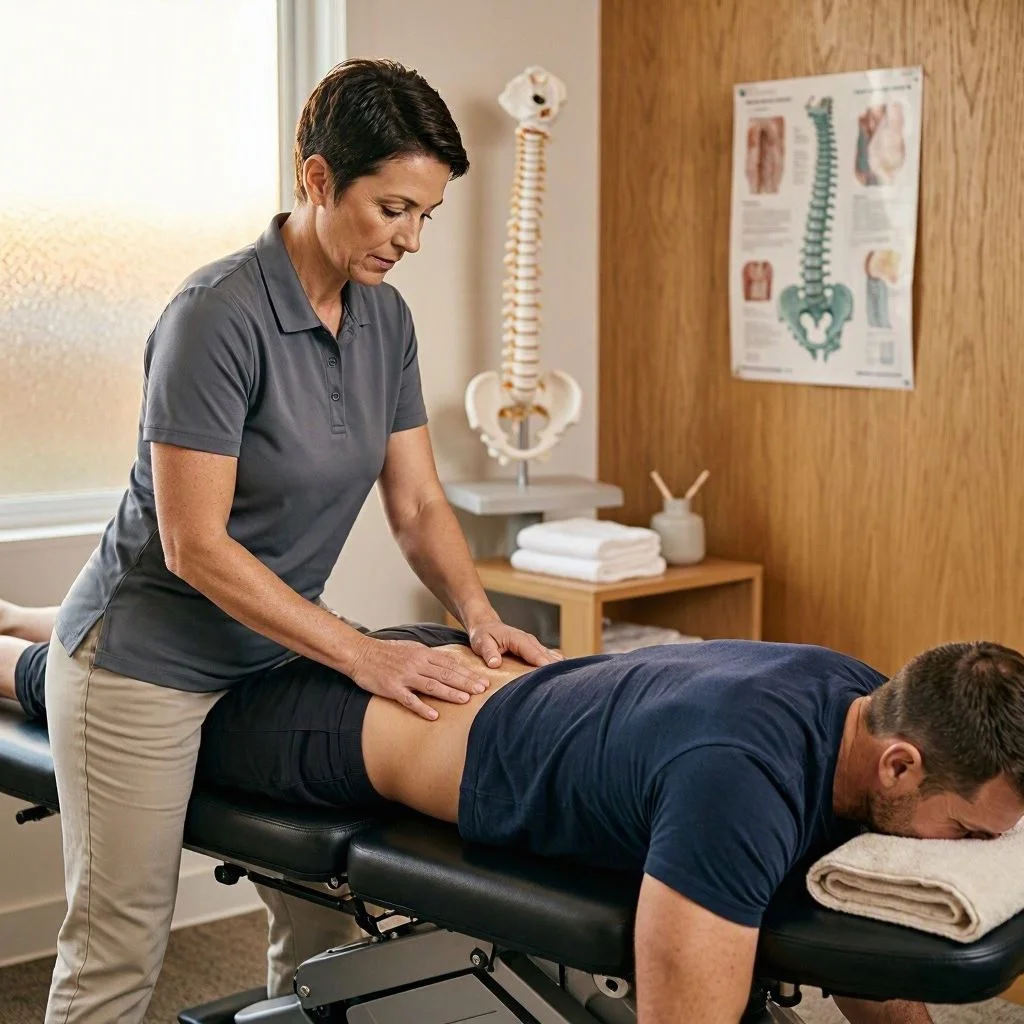
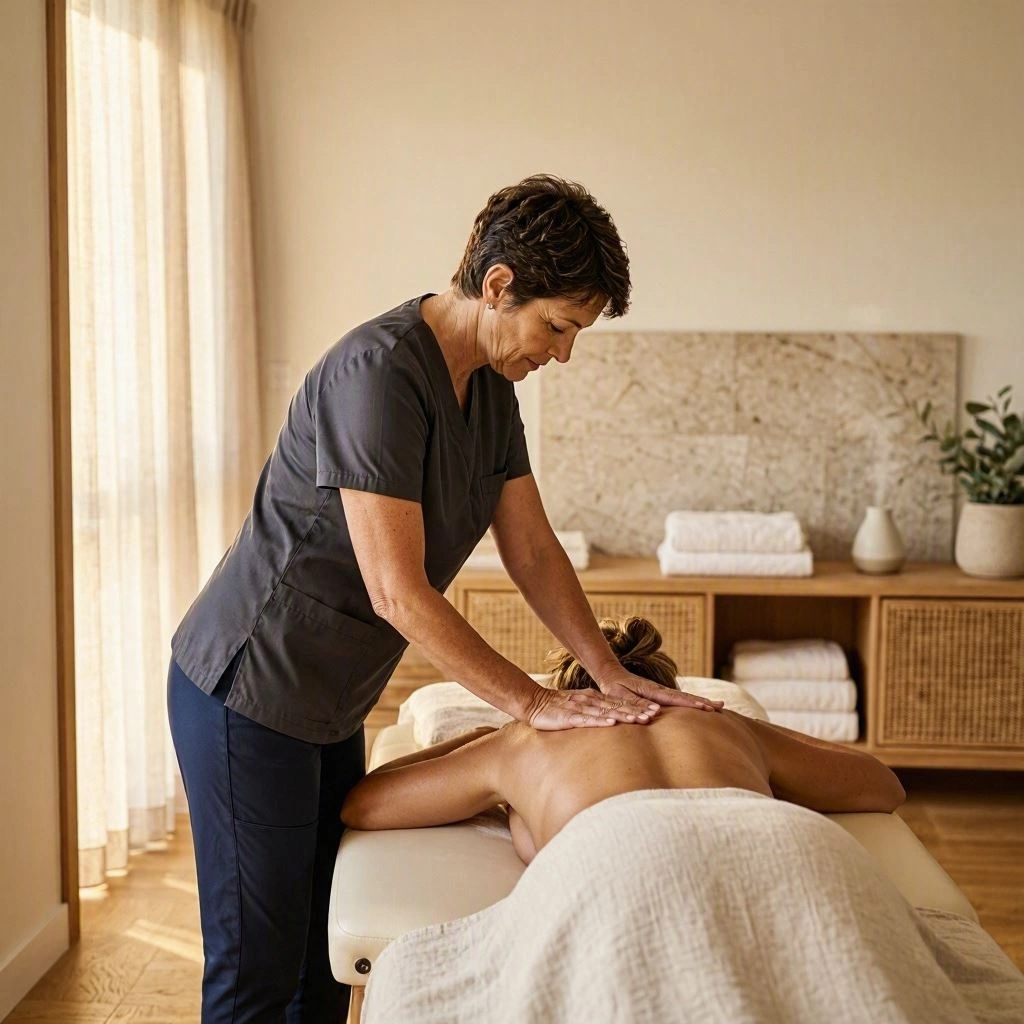
Therapeutic Massage Treatment is a hands-on approach that focuses on the body’s soft tissues, including muscles and other surrounding tissues. Unlike massage performed solely for relaxation, therapeutic massage is often tailored to specific areas of muscular tension, physical discomfort, movement limitations, or recovery goals.
People may seek therapeutic massage for many different reasons. Some individuals experience muscle tightness after exercise, while others develop tension from prolonged sitting, repetitive work, physical activity, or everyday stress. Athletes may use massage as part of their recovery routine, while office workers may seek treatment for tension around the neck, shoulders, and back.
A therapeutic massage session can be adapted according to a person’s goals, comfort level, activity, and physical condition. Different techniques may be used during a session, including gliding strokes, kneading, compression, friction, and targeted soft-tissue work.
It is important to understand that therapeutic massage is not a universal solution for every type of pain or injury. Massage may help improve comfort and reduce the sensation of muscular tension for some people, but persistent or unexplained symptoms may require assessment from a physiotherapist or healthcare professional.
The most effective approach is often individualized. Rather than applying the same treatment to every client, a qualified massage therapist can consider the person’s concerns and adjust the session accordingly.
What Is Therapeutic Massage?
Therapeutic massage is a form of massage designed around specific physical goals rather than relaxation alone.
A therapist may focus on areas affected by:
Muscle tightness
Physical activity
Repetitive movements
Prolonged sitting
Exercise recovery
General muscular discomfort
Limited comfortable movement
Treatment can range from gentle to more focused depending on the person’s needs.
Therapeutic massage does not necessarily mean deep or painful massage. The intensity should be appropriate for the individual and the area being treated.
Communication between the client and therapist is an important part of the process.
How Does Therapeutic Massage Work?
Massage involves mechanical stimulation of soft tissues through pressure and movement.
During treatment, the therapist may use different techniques to work with muscles and surrounding tissues.
These techniques can influence how the treated area feels and may help some people experience temporary reductions in muscular tension.
Massage may also provide an opportunity to relax, which can be valuable for individuals who experience stress-related muscle tension.
The effects of massage can vary considerably between individuals.
Some people may notice an immediate feeling of relaxation or improved comfort, while others may experience more gradual changes.
Benefits of Therapeutic Massage Treatment (Therapeutic Massage Treatment)
Therapeutic massage may provide several potential benefits depending on the individual and treatment goal.
Muscle Relaxation
Massage can help some people feel less muscular tension.
This may be particularly useful for individuals who experience tightness after physical activity or prolonged static positions.
Physical Comfort
Some people report temporary improvements in physical comfort after massage.
The response depends on the underlying cause of discomfort.
Relaxation
Massage can create a calming environment and provide an opportunity to relax.
Support for Recovery
Athletes and physically active people may incorporate massage into broader recovery routines.
Comfortable Movement
When muscular tension contributes to a sensation of stiffness, massage may help some people move more comfortably.
These benefits should be considered complementary rather than guaranteed medical outcomes.
Therapeutic Massage for Muscle Tension
Muscle tension is one of the most common reasons people seek massage therapy.
Tension may develop from:
Sitting for long periods
Computer work
Physical labor
Repetitive movements
Exercise
Stress
Poor recovery
Limited movement
Common areas include the neck, shoulders, upper back, lower back, hips, and legs.
A therapist can focus on specific areas instead of providing a general full-body treatment.
This targeted approach may be appropriate when the client has a particular area of concern.
Therapeutic Massage for Neck and Shoulder Tension
Neck and shoulder tension is particularly common among people who work at computers or spend significant time using mobile devices.
Long periods of sitting can contribute to muscular fatigue around the:
Neck
Upper trapezius
Shoulders
Upper back
Therapeutic massage may help some individuals feel less tension in these areas.
However, massage should not be considered the only solution.
Regular movement, ergonomic adjustments, strengthening exercises, and appropriate mobility work may also be useful.
If neck symptoms are accompanied by significant weakness, numbness, dizziness, or other concerning symptoms, professional medical assessment may be necessary.
Therapeutic Massage for Back Tension
Back tension can occur after prolonged sitting, physical work, exercise, or repetitive activities.
A therapeutic massage session may focus on muscles around the lower or upper back.
The therapist may also work on surrounding areas such as the hips and shoulders when appropriate.
Massage can provide temporary comfort for some people.
However, back symptoms can have many different causes, so persistent or severe pain should not automatically be treated with massage.
Therapeutic Massage for Athletes (Therapeutic Massage Treatment)
Athletes place repeated demands on their muscles and joints.
Therapeutic massage can be incorporated into an athlete’s broader recovery program.
Depending on the sport, treatment may focus on areas such as:
Calves
Hamstrings
Quadriceps
Glutes
Hips
Shoulders
Upper back
A sports massage or therapeutic massage session should take the athlete’s training schedule into consideration.
Treatment intensity and timing may need to change depending on whether the athlete is preparing for competition, recovering from training, or taking a rest day.
Therapeutic Massage for Runners
Running creates repetitive demands on the lower body.
Runners may experience muscular tension around the calves, hamstrings, quadriceps, hips, and glutes.
Therapeutic massage may be used as part of a recovery routine.
However, recurring running pain should not simply be treated with massage.
Training volume, strength, running technique, footwear, recovery, and other factors may need to be evaluated.
Therapeutic Massage for Office Workers
Office workers commonly spend extended periods sitting.
This can contribute to tension around the neck, shoulders, upper back, lower back, and hips.
Therapeutic massage may help some people manage the sensation of muscular tension.
However, long-term comfort also depends on daily habits.
Office workers can support physical health by:
Taking regular movement breaks
Standing periodically
Walking during breaks
Adjusting workstation height
Performing mobility exercises
Strengthening relevant muscles
Massage works best when combined with these strategies.
Therapeutic Massage and Mobility
Mobility refers to the ability to move joints through functional ranges of motion with adequate control.
Muscular tension can sometimes contribute to a feeling of restricted movement.
Massage may help some people feel more comfortable moving after treatment.
For example, a person with tight hip muscles may feel less restricted after a targeted session.
However, mobility also depends on joint structure, strength, flexibility, coordination, and motor control.
For long-term mobility improvement, active exercises are generally important.
Therapeutic Massage and Flexibility (Therapeutic Massage Treatment)
Flexibility describes the ability of muscles and surrounding tissues to lengthen.
Massage may temporarily influence how a muscle feels and may make movement feel more comfortable.
However, massage alone is not a complete flexibility program.
A comprehensive approach may combine:
Stretching
Mobility exercises
Strength training
Regular physical activity
Massage
Appropriate recovery
Consistency is more important than relying on occasional intensive treatment.
Deep Tissue Therapeutic Massage
Deep tissue massage uses slower and more focused techniques.
It may be used for certain types of muscular tension.
Despite its name, deep tissue massage should not automatically be painful.
Excessive pressure can cause unnecessary soreness.
A qualified therapist should adjust treatment according to the client’s tolerance and goals.
Deep tissue massage is only one form of therapeutic massage and is not necessarily the best option for every person.
Swedish Therapeutic Massage
Swedish massage commonly involves flowing techniques and can be performed using light to moderate pressure.
Although it is often associated with relaxation, Swedish massage can also be adapted to address general muscular tension.
It may be a suitable choice for people who prefer a gentler treatment.
The therapist can modify the session according to the client’s preferences.
Trigger Point Techniques
Some therapeutic massage approaches focus on specific areas of muscular sensitivity or tension.
The therapist may apply controlled pressure to selected areas.
The objective should be appropriate treatment rather than creating unnecessary pain.
Not every tender area requires aggressive pressure.
Treatment should be individualized.
Therapeutic Massage and Stress
Stress can affect both mental and physical well-being.
Some people unconsciously tense muscles around the:
Neck
Shoulders
Jaw
Upper back
Massage can provide an opportunity to relax and may help some individuals feel less physically tense.
However, massage is only one part of stress management.
Regular exercise, adequate sleep, relaxation techniques, and healthy daily routines are also important.
Therapeutic Massage for Recovery
Recovery is essential for people who exercise regularly.
Massage may be included in a broader recovery strategy alongside:
Sleep
Hydration
Nutrition
Rest
Mobility
Appropriate training progression
Massage should not be used to mask significant pain so that a person can continue exercising through an injury.
If symptoms persist, assessment may be appropriate.
Therapeutic Massage Before Exercise
Some people receive massage before physical activity.
If massage is used before exercise, a gentle approach may be more suitable than an aggressive deep-tissue treatment.
A proper warm-up should still include active movement.
A typical warm-up may involve:
Light cardiovascular activity
Dynamic mobility
Sport-specific movements
Gradual increases in intensity
Massage should not replace this preparation.
Therapeutic Massage After Exercise (Therapeutic Massage Treatment)
Massage may also be used after exercise.
Some people find that it helps them relax and feel less muscular tension.
Post-exercise recovery should also include adequate rest, sleep, hydration, nutrition, and appropriate movement.
Massage can complement these strategies.
How Often Should You Get Therapeutic Massage?
There is no universal schedule.
Treatment frequency depends on:
Your goals
Activity level
Symptoms
Lifestyle
Recovery needs
Response to treatment
Some people may benefit from occasional sessions.
Others may schedule regular treatment during periods of increased physical activity.
The ideal frequency should be practical and appropriate for the individual.
How Long Does a Therapeutic Massage Session Last?
Sessions can vary in length.
Common appointment durations include:
30 minutes
45 minutes
60 minutes
75 minutes
90 minutes
A focused treatment may only require 30 or 45 minutes.
A full-body session may require more time.
Longer treatment does not necessarily mean better treatment.
The appropriate duration depends on the treatment goals.
What Happens During a Therapeutic Massage Session?
A professional session typically begins with a consultation.
The therapist may ask about:
Your main concerns
Physical activity
Areas of tension
Treatment preferences
Previous injuries
Relevant health information
The therapist then develops an appropriate treatment approach.
During the session, you should be able to communicate about pressure and comfort.
After treatment, the therapist may provide general recommendations related to movement or recovery.
Communication During Treatment
Communication is essential during therapeutic massage.
Tell your therapist if:
Pressure is too strong
You experience sharp pain
A position is uncomfortable
You want an area avoided
You need a break
There is no benefit in silently tolerating excessive discomfort.
The therapist should be able to adjust the treatment.
Does Therapeutic Massage Have to Hurt?
No.
Pain is not a requirement for effective massage.
There is a common belief that the more painful a massage is, the better the result will be.
This is not necessarily true.
Excessive pressure may cause unnecessary soreness and can make the treatment less comfortable.
The appropriate pressure depends on the individual and the treatment objective.
Therapeutic Massage and Physiotherapy (Therapeutic Massage Treatment)
Massage therapy and physiotherapy can complement each other.
Physiotherapy may focus on:
Strength
Mobility
Balance
Movement patterns
Functional rehabilitation
Exercise
Massage may focus more directly on soft-tissue treatment and relaxation.
For someone with a movement limitation or injury, physiotherapy may be particularly useful because it can provide a broader assessment.
Massage can then be incorporated when appropriate.
Therapeutic Massage for Older Adults
Older adults may use therapeutic massage for relaxation, physical comfort, and muscular tension.
Treatment should be adapted to the individual’s:
Mobility
Physical tolerance
Skin sensitivity
General health
Previous injuries
Massage should complement, rather than replace, strength, balance, and mobility exercises.
Therapeutic Massage for Sedentary Lifestyles (Therapeutic Massage Treatment)
A sedentary lifestyle can contribute to feelings of stiffness and muscular discomfort.
People who sit for long periods may experience tension around the hips, lower back, neck, and shoulders.
Massage may provide temporary relief.
However, increasing daily movement is essential.
Simple strategies include:
Walking more
Standing regularly
Taking movement breaks
Performing mobility exercises
Reducing uninterrupted sitting
Safety Considerations
Massage is not appropriate for every person or every condition.
Treatment may need to be avoided or modified in situations involving:
Certain acute injuries
Significant swelling
Fever
Some skin infections
Recent surgery
Unexplained severe pain
Certain blood-clotting conditions
The appropriate precautions depend on the individual.
A qualified therapist should obtain relevant information before treatment.
When Should You Seek Medical Assessment?
Massage should not replace medical evaluation when symptoms may indicate a more serious problem.
Seek appropriate professional assessment for symptoms such as:
Sudden weakness
Significant numbness
Loss of coordination
Difficulty walking
Severe unexplained pain
Major symptoms following trauma
These symptoms may require assessment before massage is considered.
How to Get More From Therapeutic Massage
To maximize the value of massage, consider combining treatment with healthy daily habits.
Stay Active (Therapeutic Massage Treatment)
Regular physical activity supports general movement and physical function.
Exercise
Strength and mobility exercises can address factors that massage alone cannot.
Take Breaks
If you work at a desk, change positions regularly.
Sleep Well
Adequate sleep supports recovery.
Communicate
Tell your therapist about your goals and preferences.
Follow Professional Recommendations
If a therapist recommends appropriate mobility or recovery activities, incorporate them into your routine when suitable.
Common Therapeutic Massage Mistakes
Choosing the Strongest Massage
More pressure does not automatically mean better treatment.
Expecting One Session to Solve a Long-Term Problem
Recurring tension often requires lifestyle and movement changes.
Ignoring Exercise (Therapeutic Massage Treatment)
Massage is passive; long-term physical improvements often require active participation.
Ignoring Ergonomics
Workstation setup can influence daily muscular tension.
Treating Serious Pain With Massage Alone
Some symptoms require professional assessment.
Not Communicating With the Therapist
Pressure should be adjusted according to comfort and treatment goals.
Frequently Asked Questions
What is therapeutic massage treatment?
Therapeutic massage treatment is a personalized massage approach that focuses on specific physical goals such as muscular relaxation, physical comfort, recovery, or comfortable movement.
What are the benefits of therapeutic massage?
Potential benefits include relaxation, reduced sensation of muscular tension, improved physical comfort, and support for recovery and movement.
Is therapeutic massage the same as a relaxation massage?
Not necessarily. Relaxation massage primarily emphasizes relaxation, while therapeutic massage is often adapted to specific physical concerns or goals.
Is deep tissue massage therapeutic?
It can be. Deep tissue techniques may be used as part of therapeutic massage when appropriate, but deeper pressure is not automatically better.
Can therapeutic massage help back tension?
Massage may help some people experience temporary relief from muscular back tension. Persistent or severe symptoms should receive appropriate assessment.
Can therapeutic massage improve flexibility?
Massage may temporarily influence how muscles feel and may make movement more comfortable. Long-term flexibility generally requires stretching and active exercise as well.
Can massage improve posture?
Massage may reduce muscular tension associated with prolonged postural habits, but posture improvement usually requires movement, strengthening, ergonomics, and active exercise.
How often should I get therapeutic massage?
There is no universal schedule. Frequency should depend on your goals, lifestyle, activity level, and response to treatment.
Should therapeutic massage hurt?
No. Massage does not need to be painful to be useful. Excessive pressure should be communicated to the therapist.
Can therapeutic massage replace physiotherapy?
No. Physiotherapy and massage therapy have different roles. Massage can complement physiotherapy, while physiotherapy can address strength, mobility, movement, and functional rehabilitation.
Final Thoughts
Therapeutic Massage Treatment can be a useful component of a broader approach to physical wellness, muscular comfort, relaxation, and recovery. Unlike a massage session focused exclusively on relaxation, therapeutic massage can be adapted around a person’s specific goals and areas of concern.
People may seek therapeutic massage for neck and shoulder tension, back tightness, exercise recovery, muscular stiffness, flexibility, or general physical comfort. Athletes may incorporate it into their recovery routines, while office workers may use it as one strategy for managing the physical effects of prolonged sitting.
However, massage should not be considered a universal treatment for every physical problem. Muscular tension is only one possible contributor to pain or restricted movement. Strength, mobility, joint structure, movement habits, training load, ergonomics, previous injuries, and general health can all influence physical function.
For this reason, therapeutic massage is often most useful when combined with active strategies. Strength training, mobility exercises, stretching, regular physical activity, ergonomic improvements, adequate sleep, and appropriate recovery can all contribute to better long-term physical function.
Communication should remain a central part of every massage session. Clients should feel comfortable discussing pressure, discomfort, positioning, and treatment preferences. A qualified therapist should adjust the session according to the individual’s needs rather than applying excessive pressure simply because a treatment is described as therapeutic.
Safety is also important. Massage may need to be avoided or modified in certain situations, including some acute injuries, significant swelling, recent surgery, fever, skin infections, or unexplained severe symptoms. Sudden weakness, significant numbness, difficulty walking, loss of coordination, or serious symptoms following trauma should receive appropriate medical assessment.
Ultimately, Therapeutic Massage Treatment works best when it is personalized and used as part of a comprehensive approach. Massage can support relaxation and muscular comfort, while exercise, rehabilitation, movement, and healthy daily habits provide the active foundation for long-term physical health.