Natural Massage Therapy: Benefits, Techniques, and Complete Treatment Guide
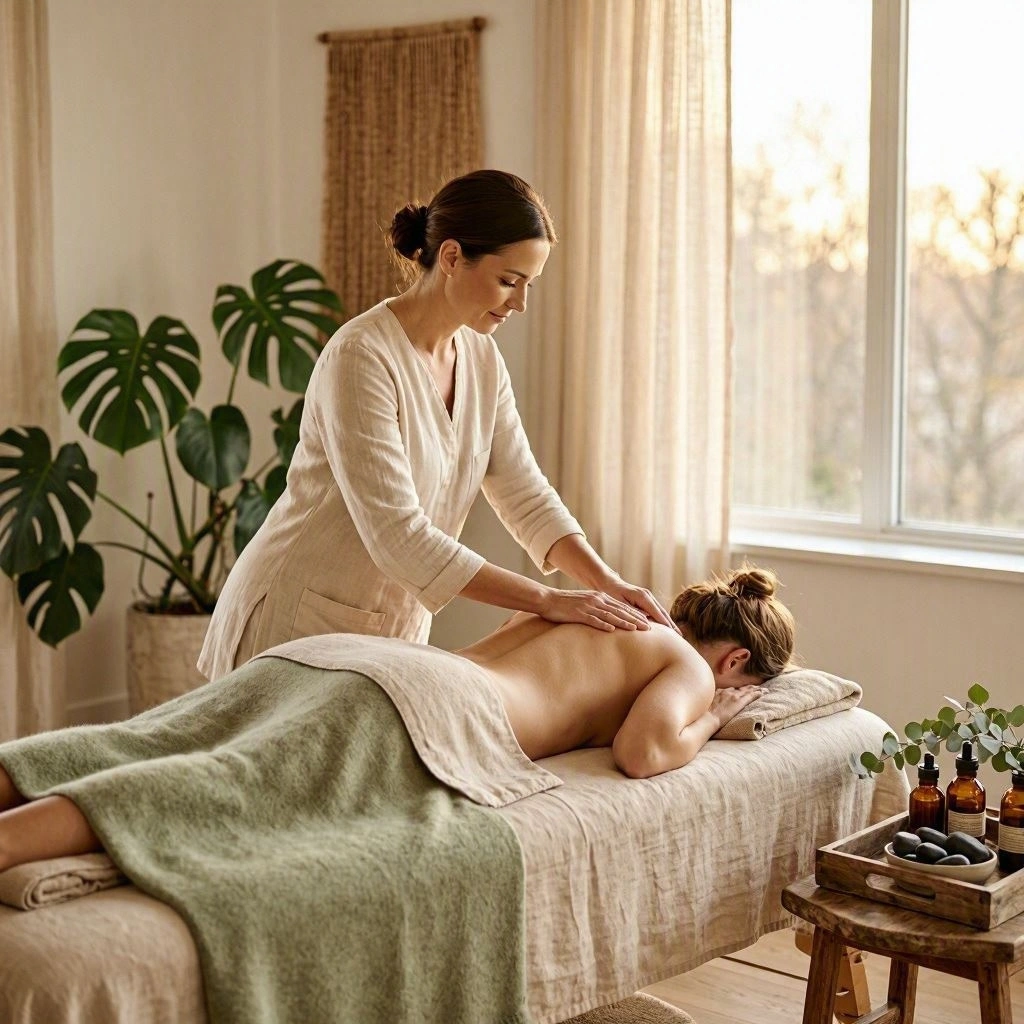
Natural massage therapy is a hands-on approach to wellness that focuses on supporting the body’s natural ability to relax, recover, and maintain comfortable movement. By using techniques such as gentle kneading, controlled pressure, stretching, and rhythmic movements, massage therapists can work with muscles and soft tissues to promote relaxation and reduce feelings of tension.
Many people choose natural massage therapy because they want a non-invasive way to support their physical comfort and overall well-being. It may be particularly useful for people dealing with everyday muscle tightness, stress, physical fatigue, or the effects of prolonged sitting and repetitive activities.
Natural massage therapy can also complement other wellness and healthcare approaches. While it should not replace appropriate medical treatment, it may provide an additional method for managing muscle tension, encouraging relaxation, and supporting healthy movement.
What Is Natural Massage Therapy?
Natural massage therapy is a form of massage that emphasizes hands-on techniques and a holistic approach to physical well-being. Rather than relying primarily on machines or invasive procedures, massage therapy uses manual pressure and movement to work with muscles, connective tissues, and other soft tissues.
The word “natural” often refers to the use of hands-on methods and an approach that considers the person’s overall physical and emotional condition. Depending on the treatment goals, a therapist may use light, moderate, or deeper pressure.
A natural massage session can be customized according to a person’s comfort level, lifestyle, physical activity, and specific concerns. For example, someone who spends many hours at a desk may benefit from techniques focused on the neck, shoulders, upper back, and arms.
Similarly, an active person may prefer massage techniques that focus on tired muscles after exercise.
How Does Natural Massage Therapy Work?
Natural massage therapy works primarily through manual manipulation of soft tissues. During a session, a therapist may use their hands, fingers, palms, forearms, or elbows to apply controlled pressure.
Different movements can create different effects. Gentle strokes may encourage relaxation, while kneading can work through areas of muscle tightness. More focused pressure may be used around areas that feel particularly tense.
Massage can also encourage people to become more aware of their bodies. When muscles relax, some people find that movement feels easier and daily activities become more comfortable.
The response to massage can vary considerably between individuals. Factors such as stress levels, physical activity, sleep, posture, and the source of muscle discomfort can influence how a person responds.
Benefits of Natural Massage Therapy
Natural massage therapy may offer several potential benefits when performed appropriately by a qualified professional.
1. Promotes Relaxation
One of the most common reasons people receive massage is relaxation. Slow, rhythmic movements can create a calming experience and give the body an opportunity to unwind.
People who experience everyday stress may find massage particularly helpful as part of a broader relaxation routine.
2. Helps Reduce Muscle Tension
Muscles can become tense because of prolonged sitting, repetitive movements, exercise, stress, or poor posture.
Natural massage therapy may help reduce the sensation of tightness by applying controlled pressure and movement to affected soft tissues.
The goal is not necessarily to eliminate every source of discomfort but to help the muscles feel more relaxed and comfortable.
3. Supports Comfortable Movement
Muscle tightness can sometimes make everyday movements feel restricted. Massage may help improve the feeling of mobility by reducing temporary muscle tension.
For example, a person with tight shoulders may notice that reaching, turning, or lifting the arms feels easier after an appropriate massage session.
4. May Support Recovery After Physical Activity
Exercise places demands on muscles and connective tissues. Recovery involves rest, nutrition, hydration, sleep, and appropriate movement.
Massage can be incorporated into a recovery routine to help people manage feelings of muscular fatigue and tension.
Athletes and recreational exercisers may use massage alongside stretching, mobility exercises, and other recovery strategies.
5. Supports Stress Management
Physical and emotional stress can influence each other. When people feel stressed, they may unconsciously tighten their shoulders, jaw, neck, or back muscles.
A relaxing massage session can provide an opportunity to release some of this physical tension while creating dedicated time for relaxation.
6. May Improve Body Awareness
Natural massage therapy encourages people to pay attention to areas of tension and discomfort.
Over time, improved body awareness may help individuals recognize how certain activities affect their muscles.
For example, someone may notice that neck tension becomes worse after several hours of computer work. This awareness can encourage healthier habits such as taking breaks, adjusting the workstation, or performing mobility exercises.
Common Natural Massage Therapy Techniques
A therapist may use several techniques during a natural massage session.
Swedish Massage
Swedish massage typically involves long, flowing strokes, kneading, and controlled pressure. It is commonly associated with relaxation and general muscle comfort.
The pressure can often be adjusted according to the client’s preferences.
Deep Tissue Massage
Deep tissue massage uses slower and more focused pressure on areas of muscle and connective tissue.
Although the technique may feel more intense than a relaxation massage, it should remain within a tolerable range. Excessive pressure is not necessarily better and can leave the body feeling unnecessarily sore.
Trigger Point Techniques
Trigger point work focuses on specific areas that feel particularly tight or sensitive.
The therapist may apply controlled pressure and then release it gradually. This technique is often incorporated into broader therapeutic massage sessions rather than being used throughout the entire body.
Sports Massage
Sports massage is designed around the needs of physically active individuals. Techniques may focus on muscles that receive significant demands during particular activities.
A session may be performed before or after exercise depending on the individual’s goals and the therapist’s approach.
Stretching and Mobility Techniques
Some massage sessions incorporate gentle assisted stretching or movement.
These techniques may complement hands-on soft-tissue work and help clients become more aware of comfortable ranges of motion.
Natural Massage Therapy for Stress
Stress can influence both the mind and body. During stressful periods, people may experience increased muscle tension, shallow breathing, difficulty relaxing, or general physical fatigue.
Natural massage therapy may create a structured opportunity to slow down and relax.
A calm environment, comfortable positioning, controlled breathing, and gentle massage movements can contribute to the overall experience.
However, massage should be considered one component of stress management rather than a complete solution. Regular physical activity, adequate sleep, healthy nutrition, social connection, and appropriate mental health support can also play important roles.
Natural Massage Therapy for Neck and Shoulder Tension
The neck and shoulders are common areas of muscular tension. Desk work, smartphone use, repetitive activities, and stress may contribute to tightness in these regions.
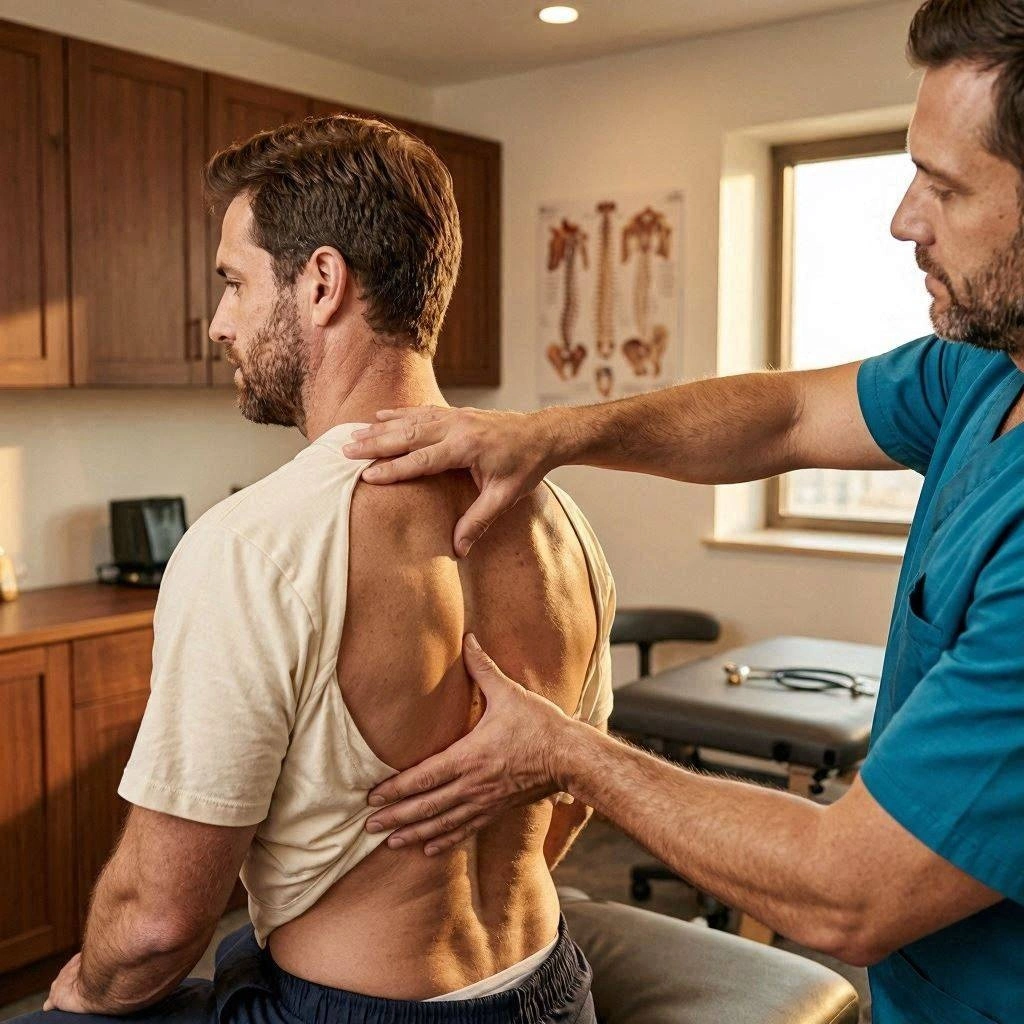
During a session, a therapist may focus on the upper back, shoulders, neck, and surrounding muscles.
Natural massage therapy may help these muscles feel less tense and may support comfortable movement.
However, neck symptoms can have many causes. Severe pain, numbness, weakness, dizziness, symptoms following significant trauma, or persistent unexplained symptoms should be evaluated by an appropriate healthcare professional.
Natural Massage Therapy for Back Tension
Back tension can develop from prolonged sitting, physical activity, lifting, repetitive movement, or general muscle fatigue.
Massage may help some people feel more comfortable by addressing muscular tightness around the back and surrounding areas.
A therapist should always work within the client’s comfort level. Strong pain during massage is not a requirement for an effective session.
If back discomfort is severe, persistent, or accompanied by concerning neurological symptoms, professional medical assessment is important.
Natural Massage Therapy and Posture
Massage does not permanently correct posture by itself. However, it may help address some of the muscle tension associated with prolonged postures.
For example, spending many hours sitting can contribute to tightness around the chest, shoulders, neck, and upper back.
Massage may provide temporary relief from this muscular tension. Long-term posture improvement usually requires a broader strategy that can include strengthening, mobility exercises, ergonomic adjustments, movement breaks, and physical therapy when appropriate.
What Happens During a Natural Massage Therapy Session?
A typical session begins with a brief discussion.
The therapist may ask about your goals, areas of tension, activity levels, previous injuries, and comfort preferences.
You can also explain whether you prefer light, moderate, or deeper pressure.
After this discussion, the therapist will help you get positioned comfortably and will work on the areas relevant to your goals.
Communication is important throughout the session. If the pressure feels uncomfortable, you should tell the therapist immediately.
After the massage, some people feel relaxed and refreshed, while others may experience temporary mild muscle soreness, particularly after deeper techniques.
How Often Should You Have Natural Massage Therapy?
There is no single schedule that works for everyone.
Some people may receive massage occasionally when they experience increased muscle tension. Others may choose regular sessions as part of a wellness or recovery routine.
The appropriate frequency can depend on your goals, physical activity, stress levels, and response to treatment.
A therapist can help develop a practical schedule based on your individual situation.
More frequent treatment is not automatically better. The body also needs time for recovery, particularly after intense massage techniques.
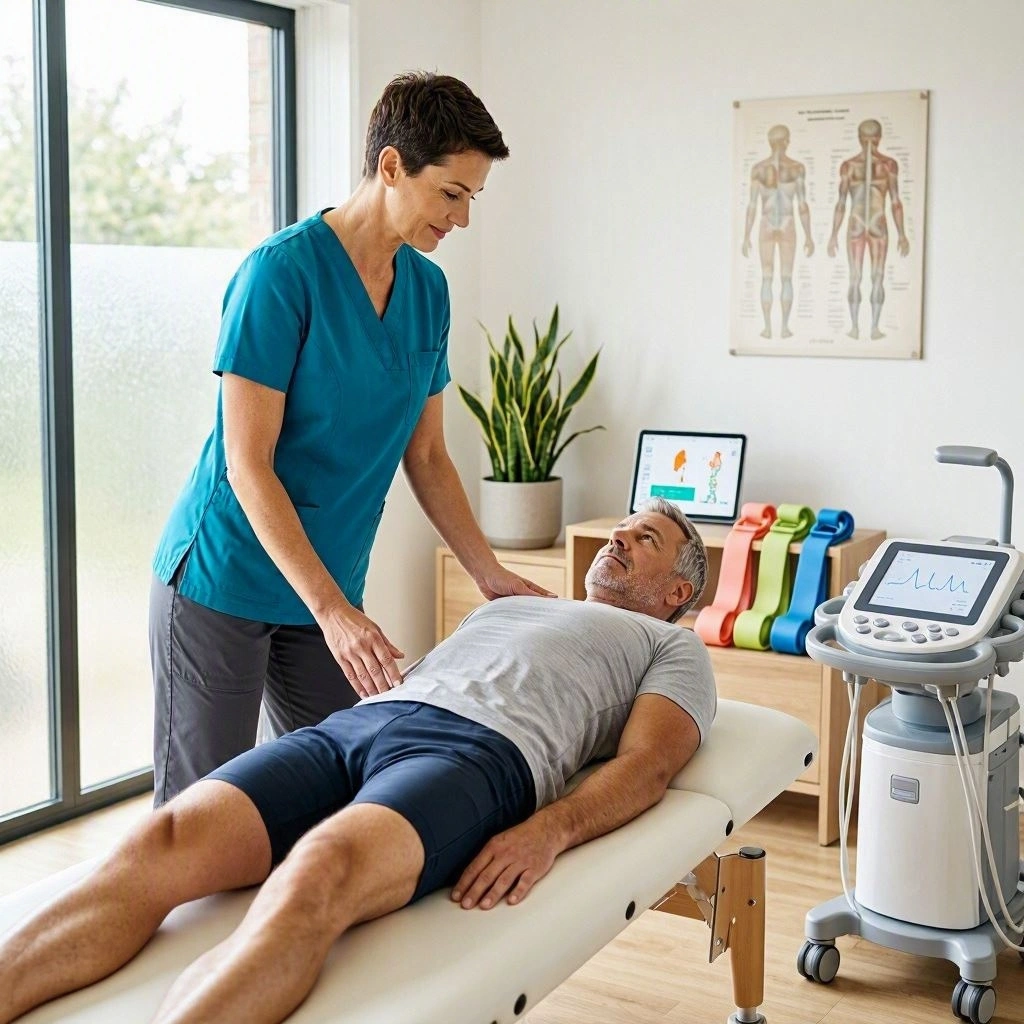
Natural Massage Therapy and Physical Therapy
Natural massage therapy and physical therapy have different roles, although they can complement each other.
Massage primarily focuses on soft-tissue techniques, relaxation, and muscular comfort.
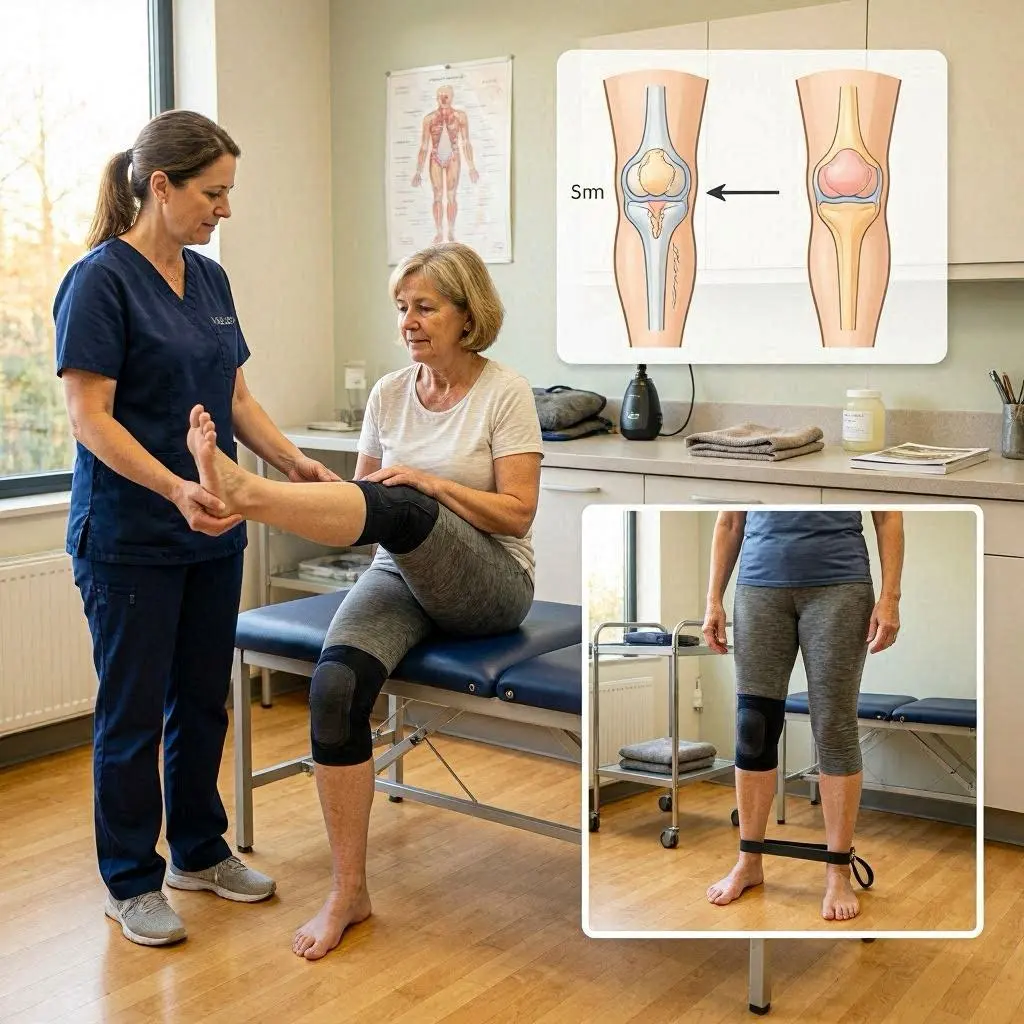
Physical therapy often involves assessment, therapeutic exercises, movement retraining, strengthening, balance training, and functional rehabilitation.
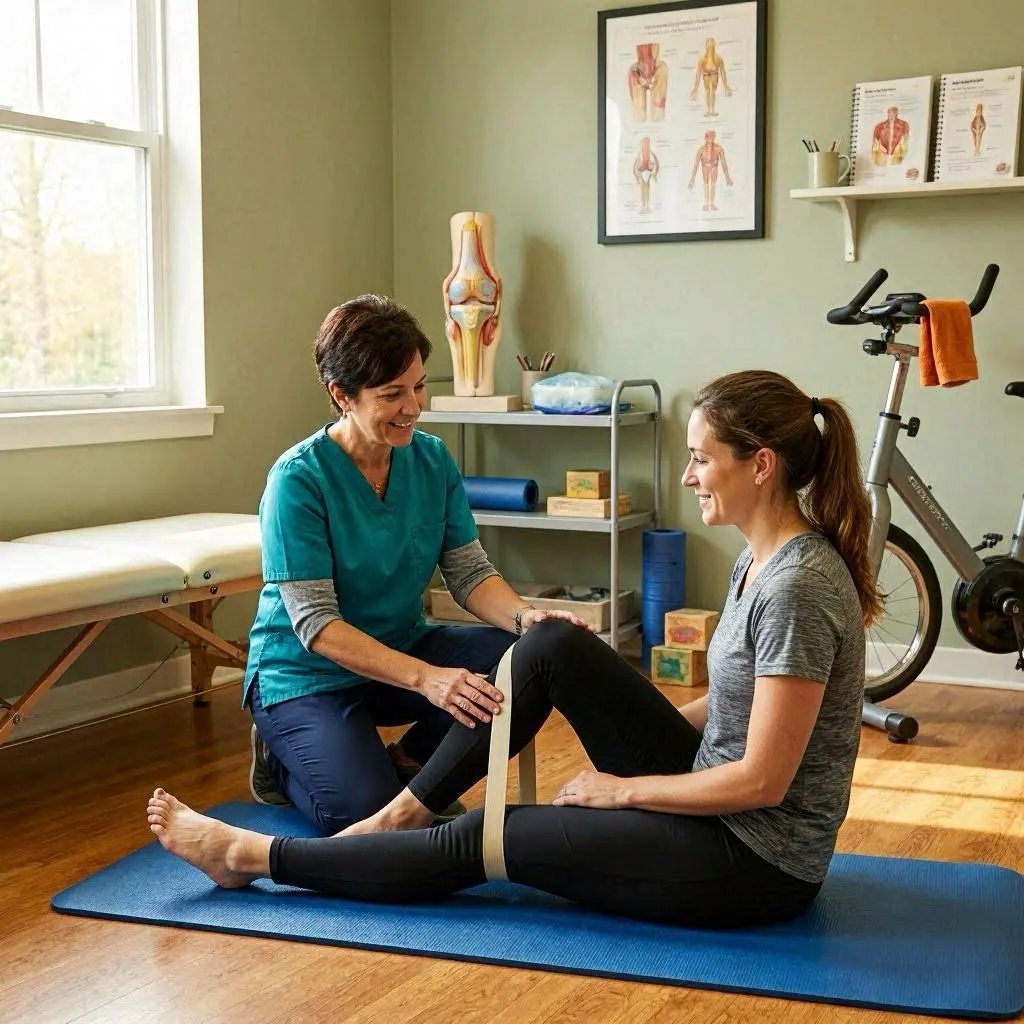
For people recovering from an injury or dealing with ongoing movement problems, combining appropriate hands-on treatment with an exercise-based program may provide a more comprehensive approach.
The right combination depends on the individual’s condition and goals.
Choosing a Natural Massage Therapist
Selecting an appropriate therapist is an important part of having a positive experience.
Look for a professional who has appropriate training and understands how to modify techniques based on individual needs.
A good therapist should:
-
Ask about your health and treatment goals.
-
Explain what the session will involve.
-
Respect your comfort level.
-
Adjust pressure when necessary.
-
Communicate clearly.
-
Maintain appropriate professional boundaries.
-
Avoid making unrealistic medical claims.
You should feel comfortable asking questions before and during the session.
Is Natural Massage Therapy Safe?
Massage is generally well tolerated by many healthy adults when performed appropriately. However, it is not suitable for every situation.
People with certain medical conditions, recent injuries, unexplained symptoms, or significant health concerns may need professional advice before receiving massage.
Massage should also be modified or avoided over areas with certain injuries, infections, open wounds, or significant inflammation.
If you are unsure whether massage is appropriate for you, consult a qualified healthcare professional.
When Should You Avoid Massage?
Massage may not be appropriate in certain circumstances.
You should seek medical advice before treatment if you have unexplained severe pain, a recent major injury, significant swelling, fever, an active infection, or other concerning symptoms.
You should also tell your therapist about relevant health conditions and medications that could affect treatment.
A professional massage therapist should recognize when a client needs medical assessment rather than attempting to treat symptoms outside their scope of practice.
Natural Massage Therapy for Daily Wellness
Massage does not have to be reserved for times when the body feels uncomfortable.
Some people incorporate massage into a broader wellness routine that includes exercise, stretching, good sleep, hydration, and healthy daily habits.
Regular movement remains important. Even if massage helps muscles feel relaxed, spending long periods without movement can continue to contribute to stiffness.
Simple habits such as walking, changing positions, stretching during work breaks, and maintaining an ergonomic workstation can complement massage.
Tips for Getting the Most From Your Massage
Several simple habits may improve the overall massage experience.
Communicate With Your Therapist
Tell your therapist what feels comfortable. Do not hesitate to request less pressure or explain that a particular area feels sensitive.
Stay Hydrated
Maintaining normal hydration is an important part of general health and physical recovery.
Avoid Overexertion Immediately After Intense Massage
If you receive a deep or intensive session, allowing your body time to relax may be helpful.
Pay Attention to Your Response
Notice how your body feels after treatment. This information can help you and your therapist determine which techniques and pressure levels work best for you.
Combine Massage With Healthy Movement
Massage works best as part of a broader approach to physical wellness. Regular exercise, mobility work, sleep, and good daily habits remain important.
Natural Massage Therapy for Different Lifestyles
Natural massage therapy can be adapted to different lifestyles.
Office workers may benefit from sessions focused on the neck, shoulders, wrists, and back.
Active individuals may prefer treatment that addresses muscles affected by exercise.
People experiencing high levels of everyday stress may prefer slower, relaxing techniques.
Older adults may benefit from appropriately modified massage techniques designed around comfort and mobility.
The treatment should always be adapted to the person’s needs rather than following exactly the same routine for everyone.
Frequently Asked Questions
What is natural massage therapy?
Natural massage therapy is a hands-on approach that uses techniques such as kneading, pressure, rhythmic strokes, and gentle movement to support relaxation, muscle comfort, and overall well-being.
Can natural massage therapy help muscle tension?
It may help reduce the feeling of muscle tension and promote relaxation. Results vary depending on the underlying cause and individual response.
Is natural massage therapy painful?
Massage should not require severe pain to be effective. Some techniques can create moderate pressure or temporary tenderness, but excessive discomfort should be communicated to the therapist.
How long does a natural massage session last?
Sessions vary, but many appointments range from approximately 30 to 90 minutes depending on the treatment plan and areas being addressed.
Can I receive natural massage therapy every week?
Some people choose weekly sessions, while others need treatment less frequently. The appropriate schedule depends on individual goals, physical activity, response to treatment, and overall health.
Can massage replace physical therapy?
No. Massage and physical therapy serve different purposes. Massage may complement physical therapy, but it should not replace professional rehabilitation when rehabilitation is needed.
Is natural massage therapy good for stress?
Massage may support relaxation and help reduce feelings of physical tension associated with everyday stress. It works best alongside other healthy stress-management strategies.
Should I tell my therapist about medical conditions?
Yes. Always tell your therapist about relevant health conditions, recent injuries, medications, or symptoms so treatment can be appropriately modified.
Final Thoughts
Natural massage therapy offers a hands-on approach to relaxation, muscle comfort, and physical wellness. Through techniques such as Swedish massage, deep tissue work, trigger point techniques, sports massage, and gentle stretching, treatment can be adapted to different needs and lifestyles.
For people dealing with everyday muscle tension, stress, physical fatigue, or discomfort associated with prolonged sitting, massage may provide a useful complementary approach.
However, massage is not a universal treatment for every condition. Persistent, severe, or unexplained symptoms should receive appropriate professional evaluation.
The most effective approach is often a balanced one that combines massage with regular movement, exercise, healthy sleep, stress management, good posture habits, and professional healthcare when necessary.
When performed by an appropriately trained therapist and tailored to individual needs, natural massage therapy can become a valuable part of a broader strategy for maintaining relaxation, comfortable movement, and overall well-being.