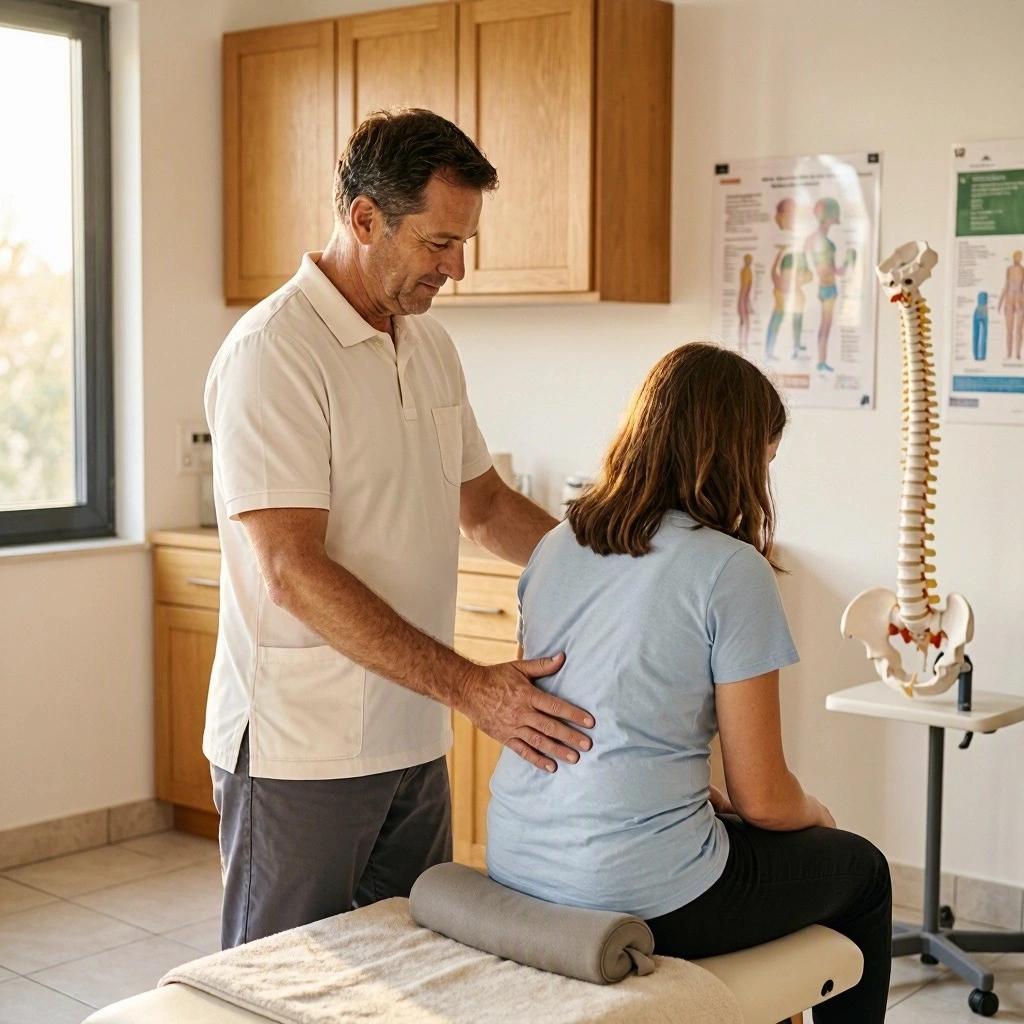
Chiropractor for Scoliosis-Related Discomfort: Causes, Treatment, and Pain Relief
Scoliosis-related discomfort can affect people of different ages and may interfere with sitting, standing, walking, sleeping, and participating in everyday activities. For individuals experiencing back pain associated with spinal curvature, a chiropractor for scoliosis-related discomfort may be one option to consider as part of a broader, individualized care plan. The most appropriate treatment depends on the type of scoliosis, the severity of symptoms, the person’s age, and whether the spinal curve is stable or progressing.
Scoliosis is a three-dimensional spinal condition involving a sideways curve and often some rotation of the vertebrae. Although many people with scoliosis experience few or no symptoms, others develop muscle fatigue, stiffness, back pain, or discomfort associated with degenerative changes and nerve compression.
Chiropractic care may involve an assessment of movement, selected manual therapy techniques, advice on activity modification, and recommendations for exercise. However, it is essential to distinguish between managing discomfort and treating the spinal curvature itself. Chiropractic treatment has not been shown to reliably correct scoliosis or prevent its progression.
This article explains the relationship between scoliosis and pain, common symptoms, diagnostic methods, chiropractic treatment considerations, exercise and rehabilitation options, and when specialist medical care may be necessary.
What Is Scoliosis?
Scoliosis is a structural condition in which the spine develops an abnormal sideways curve, usually accompanied by rotation. On an X-ray, the curve often resembles the letters C or S.
A spinal curve measuring at least 10 degrees using the Cobb angle on an appropriate radiograph is generally considered scoliosis. The Cobb angle helps clinicians describe the magnitude of the curve and monitor changes over time.
Scoliosis can affect different parts of the spine, including the thoracic spine in the upper and middle back and the lumbar spine in the lower back. Some people have a single major curve, while others have multiple curves.
The condition is not simply the result of poor posture. In many cases, particularly adolescent idiopathic scoliosis, the exact cause remains unknown.
According to the Scoliosis Research Society, scoliosis can develop during childhood or adolescence, be associated with certain neuromuscular or congenital conditions, or develop in adulthood as degenerative changes affect the spine.
Types of Scoliosis
Understanding the type of scoliosis is important because treatment priorities differ from one person to another.
Adolescent idiopathic scoliosis: This type usually develops during adolescence, and its precise cause is unknown. Some individuals have no pain, while others may experience muscular fatigue or discomfort.
Adult idiopathic scoliosis: A curve that developed during adolescence may remain present in adulthood. In some cases, it can progress over time, particularly when the curve is larger.
Degenerative scoliosis: This type develops in adulthood as age-related changes affect the spinal discs and joints. It may occur alongside spinal stenosis, stiffness, lower back pain, or symptoms involving the legs.
Congenital scoliosis: This results from differences in the formation of the vertebrae before birth.
Neuromuscular scoliosis: This is associated with certain neurological or muscular conditions that affect spinal support and control.
A healthcare professional can help determine the likely type of scoliosis and whether further specialist evaluation is necessary.
How Can Scoliosis Cause Discomfort?
Not everyone with scoliosis experiences pain. When discomfort does occur, several factors may contribute, and the curve itself is not always the only explanation.
Uneven Muscle Loading
A curved and rotated spine can change how muscles around the back and trunk work during daily activities.
Some muscles may experience greater demands while others contribute differently to spinal control. Over time, this may contribute to fatigue, stiffness, or discomfort during prolonged standing, repetitive activity, or exercise.
However, the relationship between spinal curvature and muscle pain varies. A visible curve does not automatically explain the location or intensity of someone’s symptoms.
Degenerative Changes in the Spine
In adults, scoliosis may coexist with disc degeneration, arthritis of the spinal joints, or changes in spinal alignment.
These changes can contribute to persistent back pain and reduced mobility. In some cases, they may also narrow the spaces through which spinal nerves travel.
When nerve compression occurs, symptoms may include pain that travels into the buttock or leg, tingling, numbness, or weakness.
The Scoliosis Research Society’s information for adults explains that adult scoliosis may involve back pain, stiffness, leg symptoms, and fatigue.
Reduced Movement Tolerance
Pain may make people less confident about bending, lifting, walking, or exercising. Avoiding these activities for extended periods can contribute to reduced strength and endurance.
A carefully planned rehabilitation program can help restore activity tolerance without requiring the person to eliminate all movement.
The goal is to find safe, manageable ways to remain active while considering the underlying spinal condition.
Nerve Irritation
Some people with scoliosis, particularly adults with degenerative changes, develop nerve irritation or compression.
Possible symptoms include sharp pain traveling down the leg, numbness, tingling, or weakness. These symptoms should not automatically be attributed to muscle tension or spinal curvature.
A neurological examination and, when indicated, additional imaging may be needed to identify the source of the problem.
Common Symptoms of Scoliosis-Related Discomfort
Symptoms vary according to the type of scoliosis, the location of the curve, the presence of degenerative changes, and the person’s overall health.
Back Pain and Stiffness
Lower back pain is a common complaint among adults with symptomatic scoliosis. Some people experience a dull ache after standing or walking, while others notice stiffness after sleeping or remaining in one position for too long.
Pain may fluctuate depending on activity levels and recovery time. Persistent or worsening symptoms deserve an appropriate assessment rather than repeated treatment without a clear explanation.
Muscle Fatigue (Chiropractor for Scoliosis-Related Discomfort)
The muscles of the back and trunk may become tired during prolonged standing, household activities, or physical work.
A person may feel the need to sit down or change position more frequently than usual. Building general strength and endurance may help improve activity tolerance, although the exercise plan should reflect the individual’s symptoms and medical findings.
Shoulder, Waist, or Rib Asymmetry
Visible signs of scoliosis can include uneven shoulders, a prominent shoulder blade, an uneven waistline, or a rib prominence when bending forward.
These features may be present without pain. Conversely, someone can experience back pain without having a significant spinal curve.
Visible asymmetry alone cannot determine the severity of scoliosis or establish the cause of discomfort.
Pain During Walking or Standing
Some people experience increased discomfort when walking long distances or standing for extended periods.
In adults with degenerative scoliosis, spinal stenosis may contribute to leg discomfort, numbness, or heaviness during walking. Symptoms that improve when sitting or leaning forward may warrant evaluation for spinal stenosis, although this pattern is not diagnostic by itself.
Pain That Travels Into the Legs
Pain radiating from the lower back into the buttock or leg may indicate nerve irritation.
Tingling, numbness, altered sensation, or weakness should be discussed with a healthcare professional. New or progressive neurological symptoms require prompt evaluation.
Difficulty With Everyday Activities
Persistent discomfort can make bending, lifting groceries, getting dressed, completing household tasks, or sleeping more difficult.
A useful treatment plan focuses on meaningful functional goals, such as walking comfortably, returning to work, or participating in recreational activities, rather than concentrating only on posture or appearance.
What Does a Chiropractor for Scoliosis-Related Discomfort Do?
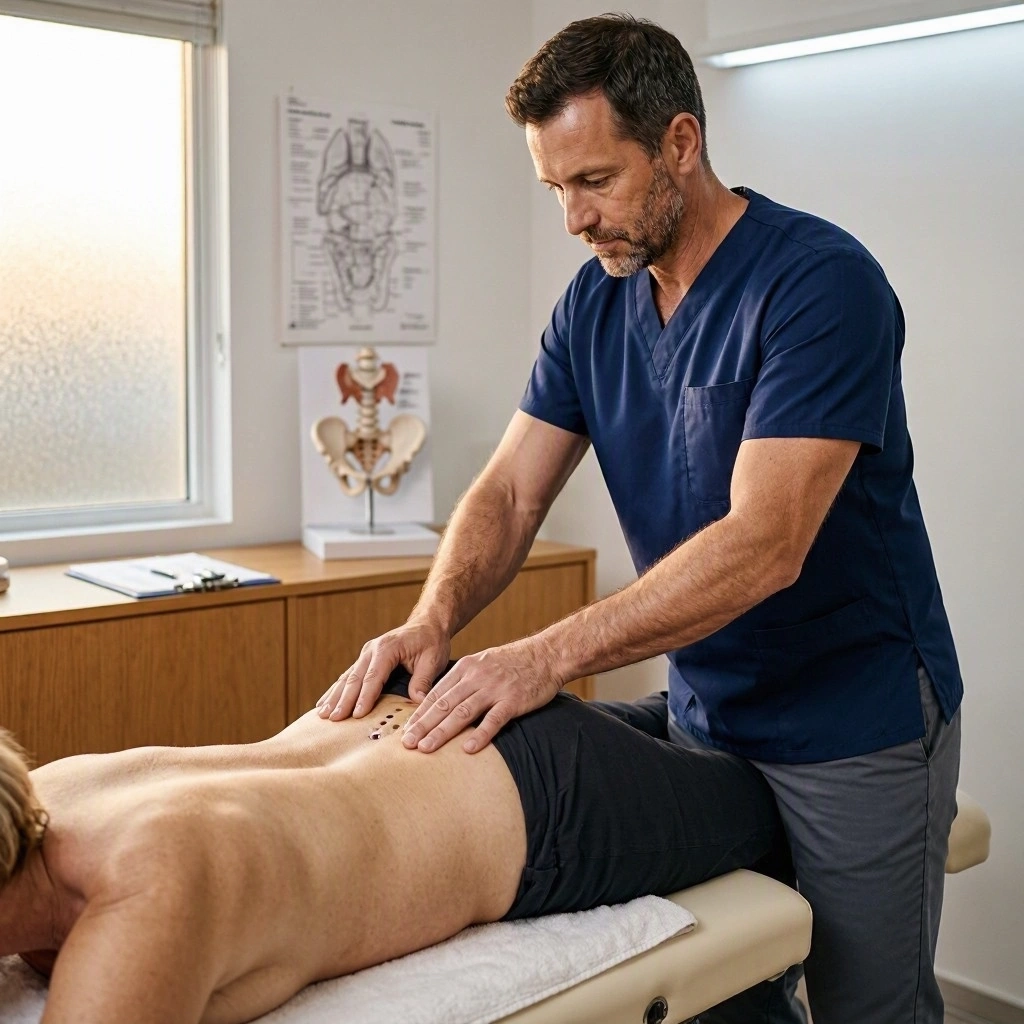
A chiropractor for scoliosis-related discomfort may assess musculoskeletal function and consider conservative approaches to managing pain. The scope of practice and permitted procedures vary by location, so patients should confirm the provider’s qualifications and professional registration.
Chiropractic treatment should begin with an assessment of the patient’s symptoms, medical history, and existing scoliosis diagnosis.
1. Reviewing Medical History (Chiropractor for Scoliosis-Related Discomfort)
The chiropractor may ask when the discomfort began, whether it is associated with particular activities, and whether symptoms travel into the legs.
Relevant questions include:
- Was scoliosis diagnosed during childhood, adolescence, or adulthood?
- Has the spinal curve been monitored by a healthcare professional?
- Have previous X-rays or MRI scans been performed?
- Is the pain new, persistent, or progressively worsening?
- Are there symptoms such as numbness, weakness, fever, or unexplained weight loss?
- Has the person undergone spinal surgery or received other treatment?
This information helps determine whether conservative care may be appropriate or whether medical referral is needed first.
2. Assessing Movement and Function (Chiropractor for Scoliosis-Related Discomfort)
An examination may include observation of posture, walking, spinal movement, hip mobility, muscle strength, and functional activities.
Depending on the symptoms, the clinician may also assess sensation, reflexes, and other neurological functions.
The purpose is to understand how the condition affects movement and whether other problems may contribute to pain. A posture assessment cannot independently establish the severity of scoliosis or determine whether a curve is progressing.
3. Considering Gentle Manual Therapy
Selected manual therapy techniques may be considered for some patients with uncomplicated musculoskeletal discomfort.
These techniques may aim to temporarily improve movement or reduce symptoms. The choice of technique should reflect the patient’s medical history, spinal anatomy, pain sensitivity, and preferences.
Forceful manipulation should not be assumed to be appropriate simply because someone has back pain. The clinician should consider osteoporosis, fractures, spinal instability, previous surgery, neurological findings, and other relevant contraindications.
Most importantly, manual therapy should not be described as a reliable way to straighten a scoliotic spine or reverse structural changes.
4. Providing Activity and Exercise Guidance
A chiropractor may recommend comfortable movement, gradual activity progression, and exercises appropriate to the patient’s abilities. When more extensive rehabilitation is required, collaboration with a physiotherapist or medical specialist may be helpful.
Exercise recommendations should support functional improvement and symptom management rather than promise correction of the spinal curve.
Can a Chiropractor Correct Scoliosis?
This is an important question for anyone considering chiropractic treatment.
Chiropractic care has not been shown to reliably correct structural scoliosis or prevent a spinal curve from progressing. Some people may experience improvements in associated back pain or movement, but those benefits should not be confused with a reduction in the Cobb angle.
The American Academy of Orthopaedic Surgeons notes that chiropractic treatment may help back pain associated with scoliosis but has not been shown to reduce or prevent curve progression.
The Scoliosis Research Society’s frequently asked questions also distinguishes symptom management from treatments intended to control the curve.
For patients whose curves may be progressing, monitoring by an appropriately qualified medical professional is important. Children and adolescents who are still growing may need observation, bracing, or specialist assessment depending on their curve and risk of progression.
Adults with significant pain, worsening spinal imbalance, or neurological symptoms may need further investigation.
Chiropractic care, when appropriate, should therefore be considered a possible component of symptom management rather than a replacement for scoliosis-specific medical care.
Treatment Options for Scoliosis-Related Discomfort (Chiropractor for Scoliosis-Related Discomfort)
Treatment depends on age, curve characteristics, symptom severity, functional limitations, and the presence of other spinal conditions.
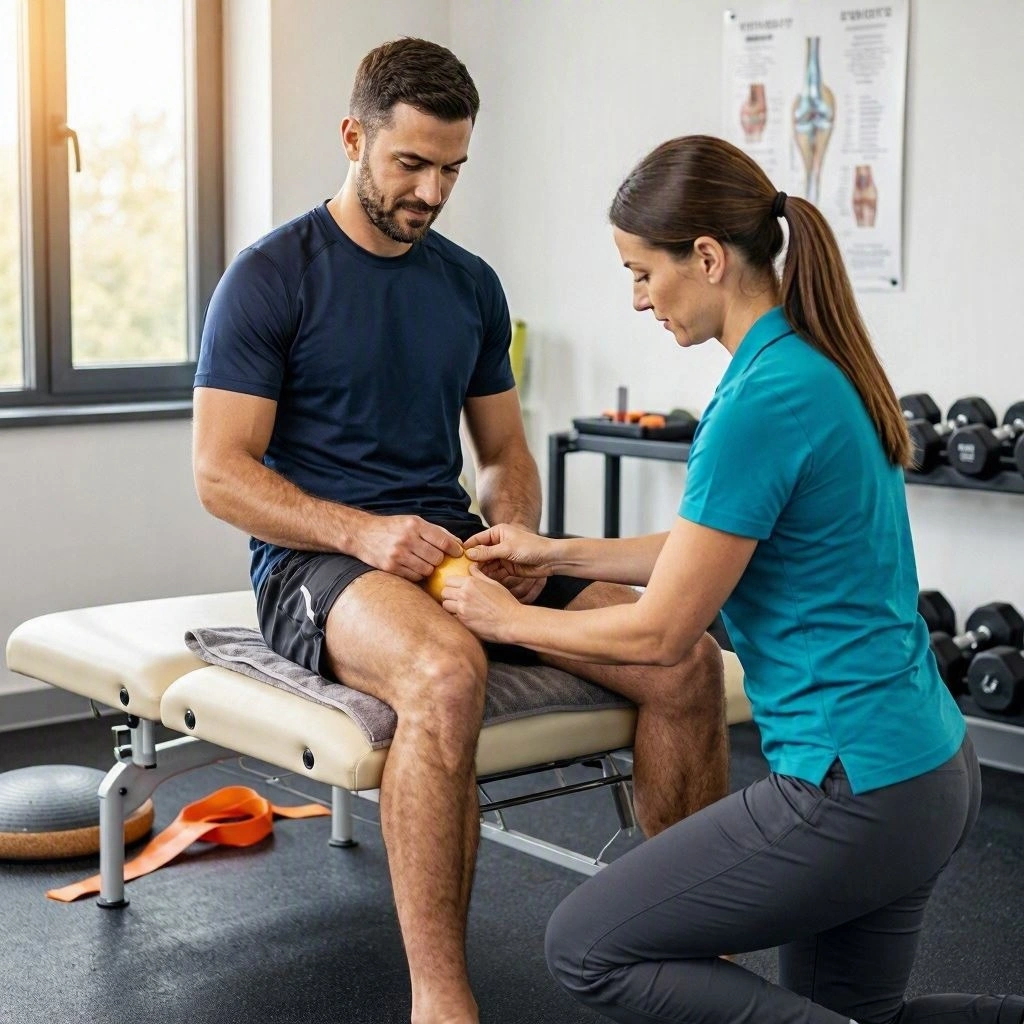
1. Individualized Exercise and Rehabilitation (Chiropractor for Scoliosis-Related Discomfort)
Exercise may help improve strength, flexibility, endurance, and confidence with movement.
For people with scoliosis-related discomfort, rehabilitation may focus on trunk control, hip strength, comfortable spinal mobility, and functional movement.
Some patients may benefit from scoliosis-specific exercise approaches, such as the Schroth method, delivered by a suitably trained professional. The potential benefits and goals should be discussed with the treating clinician. Exercise is not a guaranteed method of preventing curve progression.
Ritz Clinic’s physiotherapy services provide a relevant internal resource for readers exploring rehabilitation and movement-based care.
2. Manual Therapy as Part of a Broader Plan
Manual therapy may be considered for selected patients with musculoskeletal pain. However, it should not be the sole focus of long-term management.
The UK’s National Institute for Health and Care Excellence recommends considering manual therapy for low back pain or sciatica only as part of a treatment package that includes exercise.
See the NICE guideline on low back pain and sciatica.
For people with scoliosis, the treatment plan must also account for spinal curvature, potential degenerative changes, and any neurological symptoms.
3. Medication and Pain Management
A physician or pharmacist may recommend appropriate pain-relief options when discomfort affects sleep, daily activity, or rehabilitation.
Nonsteroidal anti-inflammatory drugs, such as ibuprofen, may help some people, but they are not suitable for everyone. Kidney disease, stomach ulcers, cardiovascular risks, pregnancy, allergies, and other medications may affect their safety.
Patients should seek individualized advice before starting or regularly using medication.
Persistent pain that does not respond to initial treatment may require a medical assessment or referral to a pain management service.
4. Spinal Injections (Chiropractor for Scoliosis-Related Discomfort)
For selected patients with persistent symptoms caused by nerve irritation or compression, a specialist may consider an injection.
Depending on the diagnosis, injections may help reduce symptoms temporarily or provide information about the source of pain. They do not correct scoliosis itself, and their benefits vary.
The decision should be based on a clinical assessment, the patient’s symptoms, and the potential benefits and risks of the procedure.
5. Bracing and Specialist Monitoring
Bracing is more commonly used for selected children and adolescents who are still growing and have curves at risk of progression.
Braces are not routinely used to correct scoliosis in adults, although a specialist may consider short-term support for selected situations.
The need for monitoring depends on factors such as age, curve magnitude, growth status, and whether previous imaging indicates progression.
6. Surgery for Selected Cases
Most people with scoliosis do not require surgery. However, spinal surgery may be considered when a curve is severe or progressing, pain is disabling despite appropriate nonsurgical treatment, or nerve compression and spinal imbalance significantly affect function.
The potential benefits and risks vary according to the type of surgery, the patient’s overall health, and the underlying condition.
Surgical decisions should be made with an experienced spinal specialist after a comprehensive assessment.
Exercises That May Help Manage Scoliosis-Related Discomfort
Exercise can be useful for maintaining general health and improving physical function. However, the most appropriate exercises depend on the person’s curve, pain pattern, strength, medical history, and any treatment restrictions.
The examples below are general starting points for discussion with a qualified healthcare professional. They are not a scoliosis correction program and may not be suitable for everyone.
1. Comfortable Walking (Chiropractor for Scoliosis-Related Discomfort)
Walking can help maintain general activity and endurance.
Begin with a manageable distance and pace. Increase duration gradually if symptoms remain stable.
If walking produces significant leg pain, increasing numbness, weakness, or substantial difficulty maintaining balance, stop and seek appropriate assessment.
2. Gentle Abdominal Activation
Lie on your back with your knees bent and feet resting comfortably on the floor, provided this position is suitable for you.
Gently engage your abdominal muscles while continuing to breathe normally. Avoid forcefully flattening or twisting your spine.
Hold briefly, then relax. Repeat a few times if comfortable.
A physiotherapist can modify this exercise to accommodate the patient’s spinal position and individual needs.
3. Supported Sit-to-Stand
Sit on a stable chair with your feet positioned comfortably on the floor.
Lean forward slightly from the hips and stand up using your legs. Use the armrests or another suitable support if needed.
Return to sitting slowly and with control.
This functional exercise may help maintain lower-limb strength and independence. Adjust the chair height or level of support according to comfort and ability.
4. Gentle Hip Mobility (Chiropractor for Scoliosis-Related Discomfort)
Hip mobility exercises may be useful when restricted hip movement contributes to difficulty walking, bending, or standing.
The specific movements should be selected according to the assessment. Avoid forcing the spine into an extreme twist or performing aggressive stretches that increase pain.
5. Individualized Trunk and Back Strengthening
Some patients benefit from progressive trunk strengthening and endurance exercises. Others may need a scoliosis-specific program that accounts for their curve pattern.
A physiotherapist can help select suitable exercises, monitor technique, and gradually increase the difficulty.
Stop an exercise if it causes significant or worsening pain, new radiating symptoms, numbness, or weakness.
Lifestyle Strategies for Managing Scoliosis-Related Pain
Daily habits may influence comfort and activity tolerance, although lifestyle changes do not replace scoliosis monitoring or medical treatment when indicated.
Change Positions Regularly
If prolonged sitting or standing aggravates symptoms, take regular movement breaks and change position when needed.
Use a comfortable workstation setup and adjust chair height, screen position, and back support according to your needs.
There is no single perfect posture that prevents all back pain. Comfort, movement variety, and the ability to change position are often more practical goals.
Maintain Appropriate Physical Activity
Many people with scoliosis can participate in ordinary exercise, recreation, and sports.
Unless a healthcare professional has advised specific restrictions, avoiding all physical activity is generally unnecessary. The activity level should be adapted to the person’s symptoms, physical abilities, and medical findings.
Increase exercise gradually rather than making sudden changes in intensity or duration.
Use Sensible Lifting Techniques (Chiropractor for Scoliosis-Related Discomfort)
When lifting an object, keep it close to your body and move in a controlled manner. Avoid sudden twisting while carrying heavy loads.
If a task repeatedly triggers symptoms, consider modifying the load, breaking the task into smaller steps, or seeking professional advice about safe movement strategies.
Prioritize Sleep and Recovery
Persistent pain can affect sleep, and inadequate sleep may make discomfort harder to manage.
Experiment with comfortable sleeping positions and supportive pillows. If pain repeatedly wakes you, becomes progressively worse at night, or occurs with other unexplained symptoms, arrange a medical assessment.
Support General Bone and Muscle Health
Adequate nutrition, regular physical activity, and attention to bone health are important components of general musculoskeletal care.
People with osteoporosis or an increased risk of fracture may require specific exercise modifications and medical advice before beginning a new strengthening program.
When Should You See a Scoliosis Specialist?
A chiropractor may help assess certain musculoskeletal symptoms, but some presentations require medical or specialist evaluation.
Consider arranging a medical appointment if:
- Your back pain is persistent, worsening, or significantly limiting daily activities.
- You notice a change in your posture or spinal shape.
- You have known scoliosis and suspect that the curve is progressing.
- Pain spreads into the leg or is accompanied by tingling or numbness.
- You experience increasing difficulty walking or standing.
- You have a history of osteoporosis, cancer, significant trauma, or spinal surgery.
Seek emergency medical care for new loss of bladder or bowel control, difficulty passing urine, numbness around the groin or saddle region, or rapidly progressing weakness in the legs. These symptoms can indicate serious nerve compression.
Prompt medical assessment is also important for severe pain after an accident, fever with significant back pain, or new unexplained pain accompanied by other concerning symptoms.
Do not proceed with spinal manipulation when a serious injury, fracture, infection, or another contraindication has not been appropriately evaluated.
How Long Does It Take to Feel Better?
There is no universal recovery timeline for scoliosis-related discomfort.
Some people with mild muscular discomfort may notice improvement over several weeks with appropriate activity modification and rehabilitation. Others, particularly adults with degenerative scoliosis or nerve compression, may experience persistent symptoms that require ongoing management.
Progress depends on the source of pain, the severity of symptoms, overall health, activity demands, and the response to treatment.
Instead of relying only on the number of treatment sessions, consider functional changes such as:
- Walking for longer without significant discomfort.
- Sitting or standing more comfortably.
- Completing daily activities with less difficulty.
- Improving strength and exercise tolerance.
- Experiencing fewer or less disruptive pain flare-ups.
If symptoms fail to improve or repeatedly return, the diagnosis and treatment plan should be reviewed. Persistent pain may indicate that another condition needs attention or that a different treatment approach is required.
How to Choose a Chiropractor for Scoliosis-Related Discomfort
If you are considering chiropractic care, choose a provider who understands the distinction between scoliosis management and general musculoskeletal pain treatment.
Look for a professional who:
- Reviews your medical history and any existing imaging reports.
- Screens for neurological symptoms and other possible causes of pain.
- Explains the potential benefits and limitations of manual therapy.
- Does not promise to permanently straighten the spine through manipulation.
- Encourages appropriate exercise and self-management.
- Recognizes when referral to a physician, physiotherapist, or spinal specialist is necessary.
- Monitors progress and changes the plan when treatment is not helping.
Ask questions before starting care. You should understand what a proposed technique is intended to achieve, what risks may apply, and how the clinician will evaluate whether it is helping.
A collaborative approach is particularly important for people with larger curves, previous spinal surgery, osteoporosis, or symptoms that may involve nerve compression.

Frequently Asked Questions (Chiropractor for Scoliosis-Related Discomfort)
1. Can a chiropractor help scoliosis-related discomfort?
A chiropractor may help some patients manage associated musculoskeletal pain through assessment, selected manual therapy, and movement advice. However, results vary, and chiropractic treatment has not been shown to reliably correct scoliosis or prevent its progression.
2. Can chiropractic adjustments straighten a curved spine?
There is no reliable evidence that chiropractic adjustments can permanently straighten structural scoliosis. Treatment should focus on appropriate symptom management and function, while curve monitoring and specialist care are provided when necessary.
3. Is chiropractic care safe for people with scoliosis?
Safety depends on the individual’s condition, medical history, curve characteristics, and the techniques proposed. Forceful manipulation may be inappropriate for some people, including those with certain fractures, osteoporosis, spinal instability, or neurological problems. A thorough assessment is essential.
4. Does scoliosis always cause back pain?
No. Many people with scoliosis have few or no symptoms. When pain occurs, it may be associated with muscular fatigue, degenerative changes, nerve compression, or another condition rather than the curve alone.
5. What is the difference between scoliosis and poor posture?
Scoliosis is a structural spinal condition involving curvature and rotation. Poor posture refers to the way someone positions or holds their body. Posture alone does not explain most cases of scoliosis, and changing posture cannot be assumed to correct a structural curve.
6. Can exercise help scoliosis-related discomfort?
Exercise may help improve strength, flexibility, endurance, and physical function. Some people may benefit from scoliosis-specific exercises under professional guidance. However, exercise should not be presented as a guaranteed way to reverse scoliosis or stop curve progression.
7. Should adults with scoliosis have regular X-rays?
Not everyone requires frequent imaging. The need for X-rays depends on factors such as symptoms, curve characteristics, suspected progression, and whether the findings would change management. A healthcare professional can recommend an appropriate monitoring schedule.
8. Is physiotherapy better than chiropractic care for scoliosis?
The most suitable approach depends on the patient’s goals and clinical findings. Physiotherapy can provide individualized exercise and rehabilitation, while selected manual therapy may be considered for pain management. Neither should be presented as a guaranteed way to correct structural scoliosis. Some patients may benefit from coordinated care.
9. Can scoliosis cause pain in the legs?
Yes, particularly when degenerative changes or spinal stenosis affect nearby nerves. Leg pain, numbness, tingling, or weakness requires assessment to identify the cause. Rapidly worsening weakness or new bladder or bowel symptoms requires emergency care.
10. When is surgery considered for scoliosis?
Surgery may be considered for selected patients with severe or progressing curves, disabling symptoms that have not responded to appropriate nonsurgical treatment, significant spinal imbalance, or nerve compression. The decision depends on age, curve characteristics, overall health, and specialist assessment.
11. Can adults prevent scoliosis from getting worse?
Not every curve progresses, and there is no universal exercise or chiropractic treatment that guarantees prevention. Appropriate monitoring, general physical activity, and management of associated symptoms can support overall health. A spinal specialist can advise whether the curve needs closer follow-up.
12. When should I stop chiropractic treatment?
Reassess the plan if treatment worsens your symptoms, does not provide meaningful functional improvement, or is accompanied by new neurological symptoms. Seek medical evaluation if the underlying diagnosis is uncertain. Emergency symptoms such as saddle numbness or new bladder or bowel dysfunction require urgent medical attention.
Conclusion (Chiropractor for Scoliosis-Related Discomfort)
Finding a chiropractor for scoliosis-related discomfort may be one part of managing back pain and movement limitations, but treatment should begin with an accurate understanding of the underlying condition.
Scoliosis can affect people differently. Some individuals experience no pain, while others develop muscle fatigue, stiffness, degenerative changes, or nerve-related symptoms. The most appropriate approach depends on the type and severity of scoliosis, medical history, and functional goals.
Chiropractic care may be considered for selected musculoskeletal symptoms, but current evidence does not support presenting spinal manipulation as a reliable way to correct scoliosis or prevent curve progression. Exercise-based rehabilitation, appropriate medical assessment, pain management, and specialist monitoring may all have a role.
The goal of care is to help patients move more comfortably, maintain daily activities, and manage symptoms safely. Anyone experiencing progressive pain, new neurological symptoms, or changes in spinal alignment should seek an appropriate medical evaluation rather than relying solely on manual treatment.
Scoliosis Research Society — Scoliosis: Conditions and Diagnosis
https://www.srs.org/Patients/Conditions/Scoliosis
Medical disclaimer: This article is intended for general educational purposes and does not replace individualized diagnosis or medical advice. Treatment decisions should be made with a qualified healthcare professional who can assess the patient’s symptoms, medical history, and specific spinal condition.