Chiropractor for Sacral Dysfunction: Causes, Symptoms, Diagnosis, and Treatment
Sacral dysfunction can contribute to lower back pain, discomfort around the pelvis, and difficulty performing everyday activities such as walking, sitting, bending, or standing for long periods. For people experiencing these symptoms, consulting a chiropractor for sacral dysfunction may be one option within a broader, individualized care plan. The first step, however, is identifying the source of the pain and determining which treatments are appropriate.
The sacrum is a triangular bone at the base of the spine that connects with the pelvis through the sacroiliac joints. These joints help transfer forces between the upper body and the legs. When pain develops in this region, it may be associated with the sacroiliac joints, surrounding ligaments, muscles, lumbar spine, hips, or other medical conditions.
Chiropractic care may include a physical assessment, selected manual techniques, advice on movement, and recommendations for therapeutic exercise. However, treatment should be based on a proper clinical assessment rather than an assumption that the sacrum is out of alignment. Current evidence for chiropractic treatment specifically targeting sacroiliac joint complex pain remains limited, so patients should understand both the potential benefits and the limitations of this approach.
This guide explains sacral dysfunction, common symptoms, possible causes, diagnostic methods, treatment options, recovery strategies, and situations in which medical evaluation is important.
What Is Sacral Dysfunction?
Sacral dysfunction is a general term used to describe pain or impaired function involving the sacrum, sacroiliac joints, or nearby soft tissues. It is not a single diagnosis, and the term can be used differently by different healthcare professionals.
The sacrum is located below the lumbar spine and above the coccyx, or tailbone. It consists of five fused vertebrae and forms an important part of the pelvic ring. On either side, the sacrum connects with the ilium, which is part of the pelvis. These connections are known as the sacroiliac joints.
Although the sacroiliac joints move only a small amount, they play an important role in transferring loads between the trunk and lower limbs. Their surrounding ligaments help provide stability during walking, lifting, and other activities.
When someone experiences pain in this area, the underlying issue may involve joint irritation, ligament strain, altered load tolerance, muscle weakness, inflammation, or another condition affecting the lower back or pelvis.
According to the American Academy of Family Physicians, diagnosing sacroiliac joint dysfunction can be challenging because several other conditions produce similar symptoms. A thorough history and physical examination are therefore essential.
Reference: American Family Physician — Sacroiliac Joint Dysfunction: Diagnosis and Treatment.
Sacral Dysfunction vs. Sacroiliac Joint Dysfunction
Although these terms are sometimes used interchangeably, they are not necessarily identical.
Sacral dysfunction may refer broadly to problems around the sacrum, including muscular or mechanical complaints. Sacroiliac joint dysfunction more specifically refers to pain or impaired function associated with one or both sacroiliac joints.
The distinction matters because pain in the sacral region does not automatically mean that the sacroiliac joint is responsible. Lumbar disc problems, hip conditions, nerve irritation, inflammatory disorders, and fractures can also cause pain in the same general area.
An appropriate assessment helps determine whether the symptoms are consistent with sacroiliac joint pain or whether further investigation is needed.
What Does a Chiropractor for Sacral Dysfunction Do?
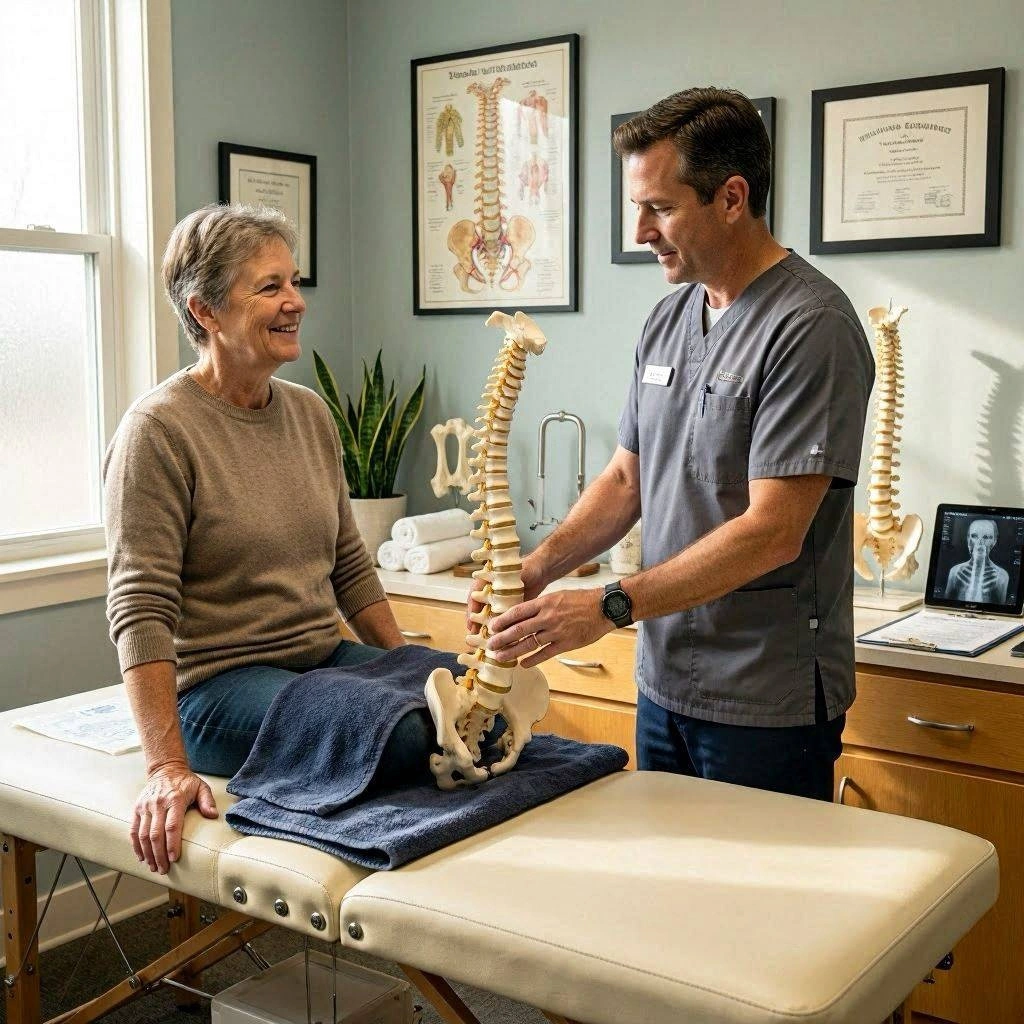
A chiropractor for sacral dysfunction evaluates the relationship between the patient’s symptoms, spinal and pelvic movement, muscle function, and daily activities. Depending on the findings, chiropractic care may form part of a conservative treatment plan designed to improve comfort and function.
The approach should be individualized. Not every patient needs spinal manipulation, and treatment should not be based solely on visual observations of pelvic asymmetry or claims that a bone is displaced.
A comprehensive approach may involve the following components.
1. Patient History and Symptom Assessment
The chiropractor typically asks when the pain began, where it is located, what activities make it worse, and whether it travels into the buttock, groin, or leg.
Relevant questions may include:
- Did the symptoms begin after a fall, lifting injury, sports activity, or prolonged sitting?
- Is the pain worse when standing up from a chair?
- Does climbing stairs or walking increase discomfort?
- Is the pain present on one side or both sides?
- Are there symptoms such as tingling, numbness, weakness, fever, or unexplained weight loss?
- Have previous treatments improved or worsened the symptoms?
This information helps establish whether the symptoms are consistent with a mechanical problem and whether referral for medical evaluation is appropriate.
2. Movement and Functional Assessment
The clinician may assess walking, standing, bending, hip movement, and the ability to transfer weight between the legs.
The examination may also consider lumbar spine mobility, hip strength, pelvic control, and the muscles that support the trunk and pelvis.
These assessments help identify activities or movements that reproduce symptoms. They also provide a baseline for measuring progress.
Importantly, a single movement test cannot reliably identify every source of sacral pain. Findings should be interpreted together with the patient’s history and other examination results.
3. Selected Manual Therapy
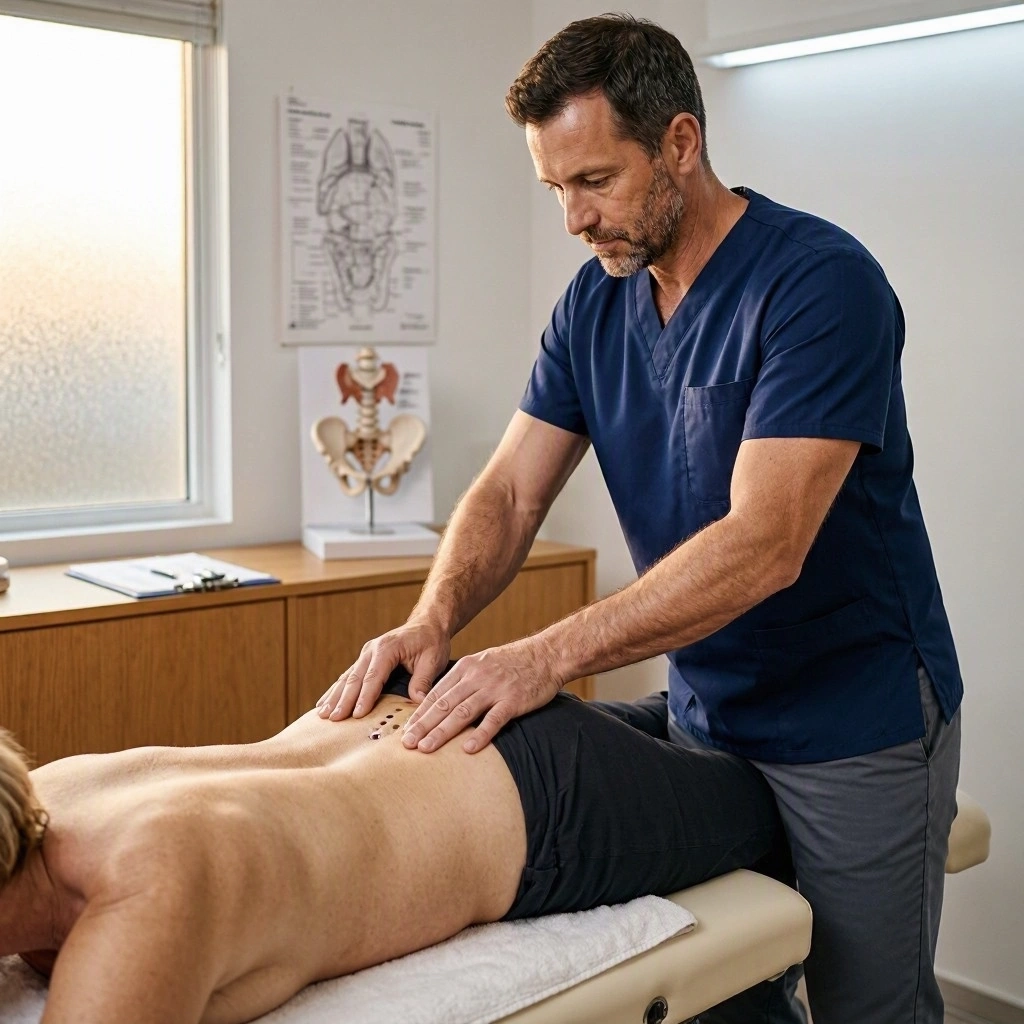
If the assessment supports its use, a chiropractor may consider gentle mobilization or other manual techniques to address movement-related discomfort.
Manual treatment should be selected according to the patient’s condition, medical history, pain sensitivity, and preferences. It should not be used when an injury or underlying disease makes it inappropriate.
Some research supports manual therapy as one component of conservative care for selected patients with sacroiliac joint pain. Nevertheless, evidence varies by technique and outcome, and improvements in symptoms do not necessarily demonstrate that a joint was structurally misaligned.
A 2025 multispecialty consensus guideline concluded that evidence is insufficient to establish the effectiveness of chiropractic treatment specifically for sacroiliac joint complex pain. Therefore, chiropractic care should be presented as a possible option rather than a guaranteed solution.
Reference: Consensus Practice Guidelines on Sacroiliac Joint Complex Pain.
4. Exercise and Self-Management Advice
A chiropractor may recommend exercises or refer the patient to a physiotherapist when rehabilitation is needed. Depending on the assessment, the plan may address abdominal control, gluteal strength, hip mobility, and tolerance for everyday activities.
Self-management advice may include changing sitting habits, adjusting lifting techniques, taking movement breaks, and gradually returning to normal activities.
For many patients, these strategies are important because improvements in comfort need to translate into better function outside the clinic.
Common Symptoms of Sacral Dysfunction
Symptoms vary according to the underlying cause. Some people experience localized discomfort around the back of the pelvis, while others notice pain that spreads into the buttock or upper leg.
Lower Back and Pelvic Pain
Pain may be felt near the dimples at the back of the pelvis, just below the lumbar spine. It may affect one side more than the other, although bilateral symptoms are also possible.
The discomfort may feel dull, aching, sharp, or deep. Some people notice symptoms only during certain movements, while others experience persistent discomfort.
Pain location alone cannot confirm sacroiliac joint dysfunction. Other structures in the lumbar and pelvic regions can produce similar symptoms.
Pain When Sitting or Standing
Remaining in one position for a long time may aggravate symptoms. Some people find it uncomfortable to sit in a car, stand at work, or move from sitting to standing.
Changing position, adjusting the chair, or taking regular movement breaks may help reduce aggravation. However, persistent pain should be assessed rather than managed indefinitely through posture changes alone.
Discomfort When Walking or Climbing Stairs
Walking, climbing stairs, running uphill, or putting more weight on one leg can increase symptoms in some patients.
These activities require coordinated movement of the hips, pelvis, and trunk. When an area is painful or its load tolerance is reduced, ordinary movement can become uncomfortable.
A clinician can assess whether the symptoms are related to the sacroiliac region, hip, lumbar spine, or another structure.
Buttock or Upper Leg Pain
Pain associated with the sacroiliac region may spread into the buttock or upper thigh. Some patients also report discomfort near the groin.
Pain that extends below the knee, particularly when accompanied by tingling, numbness, or weakness, may indicate nerve involvement or another diagnosis. These symptoms deserve careful assessment rather than an automatic diagnosis of sacral dysfunction.
Reduced Mobility and Confidence
Persistent discomfort may make a person reluctant to bend, lift, exercise, or participate in sports. Over time, avoiding movement can reduce strength and physical confidence.
A suitable rehabilitation plan should help patients return to necessary activities gradually while respecting their symptoms and any medical restrictions.
What Causes Sacral Dysfunction?
There is no single cause of sacral-region pain. Symptoms can develop after a specific incident or gradually in response to repeated loading, changes in physical activity, or an underlying medical condition.
1. Repetitive Loading and Physical Activity
Activities involving repeated bending, twisting, lifting, or single-leg loading may aggravate the sacroiliac region in susceptible individuals.
Examples include lifting heavy objects with poor load management, sudden increases in running distance, repetitive sports movements, and physically demanding work.
These activities do not necessarily damage the joint. Instead, they may exceed the current tolerance of muscles, ligaments, joints, or other tissues.
Gradually increasing activity and improving strength can help some people manage load-related symptoms.
2. Falls and Direct Trauma
A fall onto the buttocks, a collision, or a significant impact can cause pain around the sacrum and pelvis.
Although some injuries are relatively minor, trauma can also result in fractures or other serious conditions, especially in people with osteoporosis or reduced bone strength.
New severe pain following a fall or accident should receive prompt medical assessment. Chiropractic manipulation should not be performed until a potentially serious injury has been excluded.
3. Pregnancy and Postpartum Changes
Pregnancy changes the distribution of body weight and places additional demands on the pelvis. Hormonal changes also affect connective tissues, although the relationship between these changes and individual symptoms is complex.
Some pregnant or postpartum patients experience pain around the sacroiliac joints, hips, or lower back.
Treatment should account for pregnancy stage, delivery history, pain severity, and any relevant medical concerns. A clinician may recommend individualized exercise, activity modification, or a pelvic support belt when appropriate.
Persistent or severe postpartum pain should not automatically be attributed to normal pregnancy-related changes.
4. Muscle Weakness or Reduced Conditioning
The muscles around the abdomen, hips, and pelvis contribute to movement control and load transfer.
Reduced strength, poor exercise tolerance, or changes in movement habits may make certain activities more difficult. However, muscle weakness is not always the cause of sacral pain, and it should not be assumed without an assessment.
When relevant, rehabilitation can progressively improve strength, coordination, and endurance.
5. Joint Degeneration and Inflammatory Conditions
Degenerative changes can affect the sacroiliac joints, while inflammatory disorders may cause sacroiliitis or other forms of spinal and pelvic pain.
Inflammatory conditions can present with symptoms such as prolonged morning stiffness, pain that improves with movement, or alternating buttock discomfort. These patterns require appropriate medical evaluation.
Manipulation alone is not an adequate treatment for an inflammatory disease or an infection. The underlying condition needs to be identified and managed by the appropriate healthcare professional.
6. Lumbar Spine or Hip Problems
A lumbar disc condition, nerve irritation, hip joint disorder, or other musculoskeletal problem can mimic sacroiliac joint pain.
This is one reason an accurate diagnosis matters. Treating the sacral area without recognizing another source of pain may delay appropriate care.
How Is Sacral Dysfunction Diagnosed?
Diagnosis generally begins with a detailed history and physical examination. Imaging or additional testing may be needed when symptoms, examination findings, or medical history suggest another condition.
Clinical History
The clinician reviews the location and pattern of pain, its onset, aggravating activities, previous injuries, medical conditions, and any associated symptoms.
A history of significant trauma, fever, cancer, unexplained weight loss, night pain, or changes in bladder or bowel function may require further investigation.
Physical Examination
The examination may include assessment of the lumbar spine, hips, pelvic movement, walking pattern, muscle strength, sensation, reflexes, and the ability to perform everyday tasks.
For suspected sacroiliac joint pain, clinicians may use a group of pain-provocation tests. These tests apply controlled forces or movements to see whether they reproduce the patient’s familiar symptoms.
The American Academy of Family Physicians describes a cluster of tests that includes distraction, compression, thigh thrust, sacral thrust, and Gaenslen’s test. Several positive tests can support the diagnosis, but no single test should be treated as definitive.
The clinician must also consider alternative explanations, including lumbar radiculopathy, hip pathology, fracture, infection, and inflammatory disease.
Are X-Rays or MRI Scans Necessary?
Imaging is not automatically required for every patient with suspected sacroiliac joint dysfunction.
X-rays, CT scans, or MRI may be considered when the clinician needs to investigate trauma, fracture, inflammatory disease, infection, or another structural condition. Imaging findings do not always establish that the sacroiliac joint is the source of pain.
In selected patients with persistent symptoms, an image-guided diagnostic injection may help determine whether the joint is responsible. Such procedures are generally considered within medical assessment and are not necessary for everyone.
The most appropriate testing depends on the individual presentation.
Treatment Options for Sacral Dysfunction (Chiropractor for Sacral Dysfunction)
Treatment should focus on the likely cause of pain, symptom severity, and the patient’s functional goals. Many patients begin with conservative care before considering more invasive interventions.
1. Activity Modification
During a painful flare, temporarily reducing activities that clearly aggravate symptoms may help. Examples include heavy lifting, repetitive twisting, high-impact exercise, or prolonged sitting without breaks.
Complete bed rest is generally not the goal. As symptoms allow, patients are encouraged to maintain comfortable movement and gradually return to ordinary activities.
The right level of activity depends on the severity of symptoms and whether an injury or medical condition requires specific restrictions.
2. Chiropractic Manual Therapy
A chiropractor may consider selected manual techniques after assessing the patient and excluding conditions that make manipulation unsafe.
The goal is to help manage symptoms or improve movement where appropriate. Patients should be informed that short-term symptom improvement does not prove that the sacrum was out of position or that a structural correction has occurred.
Chiropractic treatment should be reassessed regularly. If symptoms worsen, neurological signs develop, or meaningful progress does not occur, the plan should be reviewed and further medical evaluation considered.
3. Physiotherapy and Therapeutic Exercise (Chiropractor for Sacral Dysfunction)
Exercise-based rehabilitation can help improve strength, coordination, mobility, and tolerance for daily activities.
A physiotherapist may develop a program based on the patient’s examination findings. Depending on the presentation, this may include hip strengthening, trunk control, gentle mobility exercises, and progressive functional training.
Ritz Clinic’s physiotherapy services provide a relevant starting point for readers who want to learn about physiotherapy as part of a musculoskeletal care plan.
Exercise should be introduced at a manageable level. Persistent sharp pain, increasing radiating symptoms, or new numbness or weakness should prompt reassessment.
4. Pain Management
A healthcare professional may discuss medication options when pain limits sleep, movement, or rehabilitation.
Nonsteroidal anti-inflammatory drugs may be appropriate for some patients, but they are not suitable for everyone. Factors such as kidney disease, stomach ulcers, cardiovascular risk, pregnancy, allergies, and other medications can affect their safety.
Patients should consult a physician or pharmacist about suitable options rather than assuming that an over-the-counter medication is risk-free. (Chiropractor for Sacral Dysfunction)
5. Pelvic Support Belts
A pelvic belt may be considered for selected patients, including some people experiencing pregnancy-related pelvic girdle pain.
Its usefulness varies, and it should not be regarded as a universal solution. A clinician can help determine whether a belt is appropriate, how to fit it, and whether it improves function during specific activities.
6. Specialist Treatment for Persistent Pain
If symptoms remain significant despite appropriate conservative treatment, a physician may consider further investigations or specialist referral.
Depending on the diagnosis, options may include image-guided injections, radiofrequency procedures, or, in carefully selected cases, surgical consultation.
These interventions are not first-line choices for most uncomplicated presentations. Their potential benefits, risks, and suitability depend on the specific source of pain and the patient’s response to previous treatment.
Exercises That May Support Sacral and Pelvic Function
Exercise selection should be individualized. The following examples illustrate movements that a clinician may consider for some people with uncomplicated mechanical pain. They are not a diagnostic test or a substitute for a personalized rehabilitation plan.
Stop an exercise if it causes significant pain, increasing symptoms down the leg, numbness, weakness, or other concerning changes.
1. Gentle Abdominal Bracing
Lie on your back with your knees bent and feet resting on the floor.
Gently tighten the abdominal muscles as though preparing for a small movement. Continue breathing normally rather than holding your breath.
Hold briefly, then relax. Repeat a few times if comfortable.
The purpose is to practice controlled trunk activation without creating excessive tension.
2. Gluteal Muscle Contractions
Lie on your back or sit in a comfortable position.
Gently squeeze the buttock muscles without forcing the pelvis into an exaggerated position. Hold for several seconds, then relax.
Repeat within a comfortable range. This exercise may help introduce gluteal activation before more demanding strengthening tasks.
3. Comfortable Walking
Short walks may help maintain general activity when walking does not significantly aggravate symptoms.
Begin with a distance that feels manageable. Increase duration gradually as tolerance improves.
If walking produces escalating pain, significant limping, or radiating neurological symptoms, reduce the activity and seek professional guidance.
4. Gentle Hip Mobility
A clinician may recommend gentle hip movements when restricted mobility contributes to functional difficulty.
The specific movement should match the assessment findings. Aggressive stretching or forcing the pelvis into a painful position is not necessary and may worsen symptoms.
5. Progressive Strengthening
As symptoms improve, rehabilitation may progress to exercises such as supported sit-to-stand movements, bridges, side-lying hip strengthening, or resistance-band exercises.
Not every exercise suits every patient. A professional can adjust the range of movement, resistance, repetitions, and frequency according to strength, pain, and functional goals.
A gradual strengthening program is often more useful than repeatedly performing forceful stretches or attempting to manipulate the pelvis independently.
Lifestyle Changes That May Help (Chiropractor for Sacral Dysfunction)
Daily habits can influence how much stress is placed on the lower back and pelvis. They do not guarantee that symptoms will resolve, but practical adjustments may improve comfort and help patients remain active.
Improve Sitting Habits
If sitting aggravates symptoms, try changing position regularly and taking brief movement breaks. Adjusting chair height and using suitable back support may also improve comfort. (Chiropractor for Sacral Dysfunction)
There is no single perfect sitting posture for everyone. The priority is finding a comfortable position and avoiding prolonged periods without movement when these consistently trigger symptoms.
Use Appropriate Lifting Techniques
When lifting, keep the load close to the body and use a controlled movement. Avoid sudden twisting while carrying heavy objects.
For heavy or awkward loads, use assistance or divide the load when possible. Gradually rebuilding lifting tolerance may be helpful after a painful episode.
Increase Exercise Gradually (Chiropractor for Sacral Dysfunction)
Sudden increases in running, gym training, or sports participation can exceed the body’s current capacity.
Build activity progressively and allow recovery between demanding sessions. If a particular movement repeatedly causes symptoms, seek advice about modifying the exercise rather than continuing to push through significant pain.
Prioritize Sleep and Recovery
Pain can interfere with sleep, while poor sleep can make pain more difficult to manage.
Experiment with comfortable sleeping positions and supportive pillows if needed. If pain regularly wakes you at night, becomes progressively worse, or occurs alongside unexplained symptoms, arrange a medical assessment.
How Long Does Recovery Take?
Recovery time depends on the underlying cause, symptom severity, general health, activity demands, and response to treatment.
Some uncomplicated mechanical pain improves over days or weeks. Other cases may persist for several months, particularly when the diagnosis is uncertain, the condition is inflammatory, or several pain sources are involved.
There is no reliable timeline that applies to every patient.
Progress can be monitored through practical measures, including:
- Being able to sit for longer without substantial discomfort.
- Walking or climbing stairs more comfortably.
- Returning to work and daily activities.
- Improving strength and movement confidence.
- Experiencing fewer or less intense symptom flare-ups.
A clinician should review the plan if symptoms are not improving, repeatedly return, or interfere significantly with daily life. Repeated treatment sessions without reassessment may not address the actual cause of pain.
When Should You Seek Medical Attention? (Chiropractor for Sacral Dysfunction)
Although many cases of lower back and pelvic pain are musculoskeletal, some symptoms require urgent assessment.
Seek emergency medical care if you develop:
- New loss of bladder or bowel control.
- Difficulty passing urine or new urinary retention.
- Numbness around the groin, genitals, or inner thighs.
- Rapidly progressing leg weakness or major neurological changes.
These can be signs of serious nerve compression or another emergency.
Prompt medical assessment is also important for severe pain after a fall or accident, fever with significant back or pelvic pain, unexplained weight loss, a history of cancer with new persistent pain, or symptoms that are rapidly worsening.
Persistent pain accompanied by prolonged morning stiffness, alternating buttock pain, or other features of inflammatory disease should also be discussed with a medical professional.
Do not begin spinal manipulation before a serious injury, infection, fracture, or other contraindication has been appropriately evaluated.
Is Chiropractic Care the Right Choice for Sacral Dysfunction?
Chiropractic care may be an option for some people with uncomplicated musculoskeletal pain around the sacrum or pelvis. However, its suitability depends on the diagnosis, the patient’s health history, and the goals of treatment.
Before choosing a provider, consider the following questions:
- Will the clinician assess other possible causes of my symptoms?
- Will the treatment plan be explained clearly, including its limitations?
- Are exercise and self-management included when appropriate?
- Will progress be measured and treatment adjusted if necessary?
- Will I be referred for medical assessment if symptoms suggest another condition?
A responsible approach avoids guaranteeing a cure or claiming that every case of sacral pain is caused by a misaligned bone. It also recognizes that manual therapy is only one possible part of care.
For patients who need a broader rehabilitation approach, a coordinated plan involving medical assessment, physiotherapy, and other appropriate services may be more suitable than relying on a single treatment technique. (Chiropractor for Sacral Dysfunction)

Frequently Asked Questions About Chiropractors for Sacral Dysfunction
1. What is the best treatment for sacral dysfunction?
The best treatment depends on the cause of the symptoms. Conservative management may include activity modification, therapeutic exercise, physiotherapy, and selected manual therapy. Inflammatory conditions, fractures, nerve problems, and other diagnoses require condition-specific care.
2. Can a chiropractor help with sacral pain?
A chiropractor may help some patients manage musculoskeletal pain through assessment, selected manual techniques, and movement advice. However, evidence specifically supporting chiropractic treatment for sacroiliac joint complex pain remains insufficient. Outcomes vary, and chiropractic care is not appropriate for every cause of sacral pain.
3. How do I know if my sacroiliac joint is causing my pain?
Pain near the back of the pelvis may be consistent with sacroiliac joint pain, but location alone cannot confirm the diagnosis. A clinician may combine the symptom history with several physical examination tests and assess other possible sources of pain.
4. Can sacral dysfunction cause buttock pain?
Yes. Pain associated with the sacroiliac region can spread into the buttock and sometimes the upper thigh. However, hip disorders, lumbar spine conditions, and nerve irritation can cause similar symptoms, so assessment is important.
5. Is sacral dysfunction the same as a slipped or misaligned sacrum?
No. Sacral dysfunction is a broad term and does not automatically mean that the sacrum has slipped out of position. The sacroiliac joints have limited movement, and pain does not by itself demonstrate a structural misalignment.
6. Should I rest if my sacral area hurts?
Briefly modifying activities that trigger pain may be helpful, especially during an acute flare. Unless a clinician advises otherwise because of a specific injury or condition, prolonged bed rest is generally not the goal. Comfortable movement and a gradual return to activity are often encouraged.
7. Are exercises useful for sacroiliac joint dysfunction?
Exercise may help improve strength, mobility, movement control, and activity tolerance. The most appropriate program depends on the patient’s symptoms and examination findings. Exercises should be progressed gradually and modified if they increase pain.
8. Do I need an MRI for sacral dysfunction?
Not everyone needs an MRI. Imaging may be recommended when the history or examination suggests a fracture, inflammatory condition, infection, neurological problem, or another diagnosis requiring further investigation. A clinician can determine whether imaging is appropriate.
9. Can pregnancy contribute to sacral or sacroiliac pain?
Yes. Pregnancy and the postpartum period can increase the demands placed on the pelvis and surrounding tissues. However, severe, persistent, or unusual pain should be evaluated to exclude other causes and to identify suitable treatment options.
10. When should I stop chiropractic treatment?
Treatment should be reconsidered if symptoms worsen, new neurological signs appear, progress remains limited, or the clinician identifies a possible underlying condition requiring different care. New bladder or bowel dysfunction, saddle numbness, or rapidly progressing weakness requires emergency assessment rather than another routine treatment session.
11. Can sacral dysfunction return after treatment?
Symptoms can recur, particularly when the underlying cause remains unresolved or physical demands exceed current capacity. Gradual strengthening, appropriate activity management, and a clear plan for responding to flare-ups may help reduce the impact of recurrent symptoms.
12. Is surgery necessary for sacroiliac joint dysfunction?
Surgery is not required for most uncomplicated cases. Specialist procedures, including sacroiliac joint fusion, are reserved for selected patients with persistent, well-evaluated symptoms who have not improved with appropriate nonsurgical care. Decisions require a thorough medical assessment and discussion of potential benefits and risks.
Conclusion (Chiropractor for Sacral Dysfunction)
Choosing a chiropractor for sacral dysfunction begins with understanding the source of the pain. Symptoms around the sacrum and pelvis may be associated with the sacroiliac joints, surrounding muscles and ligaments, the lumbar spine, the hips, or other medical conditions.
A thorough assessment helps determine which treatments are appropriate and whether additional investigation is necessary. For selected patients, chiropractic care may form part of a conservative plan, but it should not be presented as a guaranteed cure or a method of correcting a presumed misalignment in every case.
Activity modification, individualized exercise, physiotherapy, and appropriate medical care may all have a role depending on the diagnosis. Patients should seek reassessment when symptoms persist or worsen and obtain urgent medical attention for serious neurological symptoms or other warning signs.
The goal is not simply to reduce pain during a treatment session. It is to help patients move more comfortably, return to daily activities, and manage their symptoms safely over time.
American Academy of Family Physicians. Sacroiliac Joint Dysfunction: Diagnosis and Treatment.
https://www.aafp.org/afp/2022/0300/p239
Medical disclaimer: This article is intended for general educational purposes and does not replace a personalized diagnosis or medical advice. Treatment decisions should be made with a qualified healthcare professional after an appropriate assessment.