What Causes Muscle Pain After Returning to Exercise? Causes, Relief, and Recovery
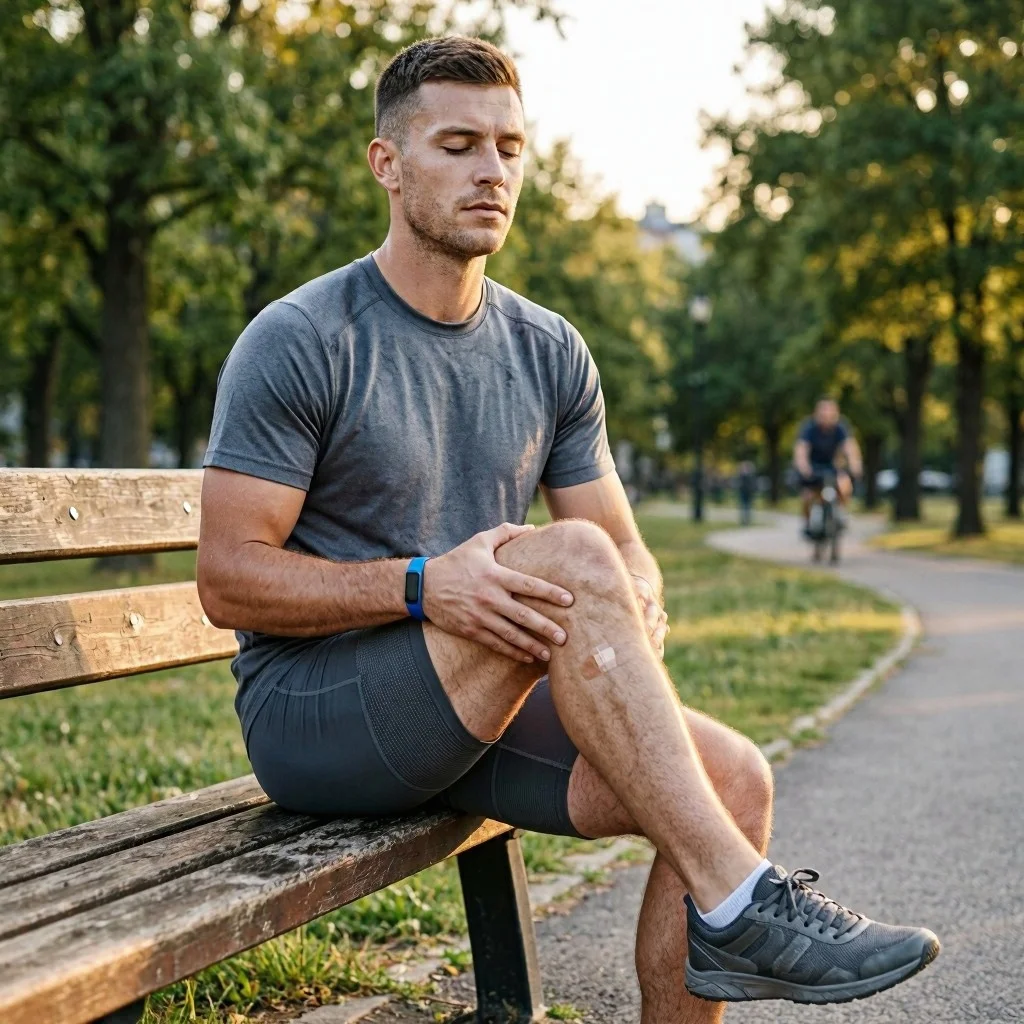
Returning to exercise after several weeks or months of inactivity can be challenging. You may feel motivated to rebuild your fitness, improve your strength, or lose weight. However, after your first few workouts, you might notice muscle pain, stiffness, or tenderness that makes everyday activities uncomfortable.
For example, climbing stairs may become difficult after a leg workout. Your shoulders might feel sore after lifting weights, or your back and arms may ache when you wake up the following morning.
In many cases, this discomfort is caused by delayed onset muscle soreness (DOMS), a common response to unfamiliar or more intense physical activity. However, not every type of muscle pain after returning to exercise is harmless. Excessive training, muscle strains, and other conditions can also cause discomfort.
Understanding what causes muscle pain after returning to exercise can help you recover properly, avoid unnecessary injuries, and build a sustainable fitness routine.
This guide explains the most common causes, how long muscle soreness usually lasts, practical recovery strategies, and when professional assessment may be necessary.
Why Do Muscles Hurt After Returning to Exercise?
When you stop exercising for a while, your muscles gradually become less accustomed to physical demands. Your strength, endurance, and ability to tolerate certain movements may decrease depending on how long you have been inactive.
When you return to exercise, your muscles experience loads they may not have handled recently.
This is particularly noticeable when you:
- Start lifting weights again.
- Return to running after a long break.
- Perform exercises involving deep squats or lunges.
- Increase workout intensity too quickly.
- Try unfamiliar movements.
- Exercise for longer than your current fitness level allows.
These activities can create microscopic changes and damage within muscle tissue. Your body responds through repair and adaptation processes, which can produce temporary soreness and stiffness.
One common response is delayed onset muscle soreness, also known as DOMS.
8 Common Causes of Muscle Pain After Returning to Exercise
Muscle discomfort after restarting physical activity can have several explanations. Identifying the pattern of your symptoms can help you understand whether you are experiencing normal soreness or a possible injury.
1. Delayed Onset Muscle Soreness (DOMS)
DOMS is one of the most common reasons people experience muscle pain after returning to exercise.
It typically develops after unfamiliar physical activity or a workout that places more stress on your muscles than they are accustomed to handling.
Unlike pain that occurs during exercise, DOMS usually appears several hours after training.
You may notice:
- Muscle tenderness when touching the affected area.
- Stiffness when moving.
- Discomfort when walking or climbing stairs.
- Reduced strength temporarily.
- Pain when stretching or contracting the affected muscles.
Symptoms commonly begin around 12 to 24 hours after exercise and may become most noticeable between 24 and 72 hours.
Most uncomplicated cases gradually improve over several days.
DOMS is associated with the muscle’s response to unfamiliar loading and the repair process that follows. It is not simply caused by lactic acid building up in your muscles.
For example, if you return to the gym after three months and perform several sets of squats, your quadriceps and gluteal muscles may become sore the following day.
This reaction is particularly common when exercises involve eccentric contractions, in which muscles produce force while lengthening.
2. Returning to Exercise Too Quickly
One of the biggest mistakes people make is trying to resume their previous workout routine immediately.
Your fitness level may have changed during your break. Even if you previously lifted heavy weights or ran several kilometres, your body may not be ready for the same workload.
Returning too quickly can increase muscle soreness and the risk of injury.
Common examples include:
- Running the same distance you completed before your break.
- Lifting your previous maximum weights.
- Completing too many sets during the first workout.
- Training several muscle groups intensely in one session.
- Exercising every day without sufficient recovery.
A gradual return allows your muscles and other tissues to adapt to physical demands.
Start with shorter sessions, lighter resistance, and fewer repetitions. Increase your workload gradually rather than trying to make up for missed workouts.
3. Muscle Strain or Minor Muscle Injury
Not all muscle pain after exercise is DOMS.
A muscle strain occurs when muscle fibres become overstretched or damaged. It may develop during sudden movements, excessive loading, or exercise performed with poor control.
Unlike typical delayed soreness, a strain often produces pain during the activity itself or shortly afterward.
Possible symptoms include:
- Sudden or localised pain.
- Tenderness in one specific area.
- Swelling or bruising.
- Muscle weakness.
- Pain during certain movements.
- Difficulty using the affected muscle normally.
For example, if you suddenly increase the weight during a deadlift and feel a sharp pain in your lower back or hamstring, a muscle injury may be responsible.
Stop the activity that causes the pain. Avoid aggressive stretching or heavy exercise involving the affected muscle until it has been assessed or symptoms have sufficiently improved.
4. Eccentric Exercise and Unfamiliar Movements
Some exercises place greater demands on muscles while they lengthen under tension.
This type of movement is called an eccentric contraction.
Examples include:
- Lowering a dumbbell during a biceps curl.
- Walking or running downhill.
- Lowering your body during a squat.
- Descending stairs.
- Slowly lowering yourself during a push-up.
Eccentric exercise can produce more noticeable delayed muscle soreness, particularly when the movement is new or the workload increases suddenly.
This explains why your thighs may hurt after a workout that includes squats and lunges, even if the exercises initially felt manageable.
The solution is not to avoid eccentric exercise completely. Instead, introduce unfamiliar movements gradually and allow enough time for recovery.
5. Inadequate Recovery Between Workouts
Muscles need time to adapt after demanding exercise.
If you repeatedly train the same muscle groups without sufficient recovery, soreness may become more persistent and your performance may decline.
You might notice:
- Muscle fatigue that does not improve.
- Reduced strength during workouts.
- Difficulty completing your usual repetitions.
- Persistent stiffness.
- Lower motivation to exercise.
- Increasing discomfort during repeated sessions.
Recovery is not limited to resting between sets. It also involves adequate sleep, nutrition, hydration, and appropriate training frequency.
If your muscles remain significantly sore, consider reducing the intensity or taking an additional recovery day.
6. Poor Exercise Technique
Exercise technique affects how forces are distributed across your muscles and joints.
When you return to exercise, you may have forgotten some movement patterns or lost the coordination you previously developed.
For example, performing squats with poor control may place unnecessary stress on certain muscles or joints.
Similarly, lifting weights with excessive momentum may increase the risk of injury.
Common technique-related problems include:
- Using weights that are too heavy.
- Moving too quickly.
- Allowing joints to move outside a comfortable range.
- Using momentum instead of controlled muscle movement.
- Ignoring posture and body positioning.
Start with manageable resistance and focus on controlled movement. If you are unsure about your technique, a qualified trainer or physiotherapist can help assess your movement patterns.
7. Dehydration and Inadequate Nutrition
Exercise increases your body’s need for fluids and energy.
If you do not drink enough fluids or eat a balanced diet, you may find it harder to maintain exercise performance and recover comfortably.
Dehydration can contribute to fatigue, dizziness, and muscle cramps, especially during exercise in hot environments.
Nutrition also matters because your body needs sufficient energy and protein to support muscle repair and adaptation.
Useful habits include:
- Drinking fluids regularly throughout the day.
- Eating balanced meals.
- Including protein sources in your diet.
- Consuming carbohydrates to support training energy.
- Avoiding intense workouts when you are unwell or significantly dehydrated.
Hydration and nutrition support recovery, but they do not guarantee that DOMS will disappear immediately.
8. Overtraining or Excessive Exercise Intensity
Overtraining is often used to describe a situation in which exercise demands consistently exceed the body’s ability to recover.
A short period of excessive training may also cause significant fatigue and persistent muscle discomfort.
Warning signs can include:
- Persistent muscle soreness.
- Declining exercise performance.
- Unusual fatigue.
- Poor sleep.
- Reduced motivation.
- Repeated minor injuries.
If these symptoms develop after restarting exercise, reduce your training load and allow your body to recover.
Persistent or worsening symptoms deserve professional assessment rather than simply pushing through another workout.
Which Muscles Are Most Likely to Hurt After Returning to Exercise?
The muscles that become sore often depend on the type of activity you perform.
| Affected muscle group | Common reason for soreness |
|---|---|
| Quadriceps | Squats, lunges, running, and stair climbing |
| Hamstrings | Deadlifts, sprinting, and unfamiliar leg exercises |
| Calves | Running, jumping, and walking uphill |
| Glutes | Squats, lunges, and hip exercises |
| Chest muscles | Push-ups, bench presses, and chest workouts |
| Shoulders | Overhead presses and upper-body training |
| Back muscles | Rows, deadlifts, and unfamiliar pulling movements |
| Abdominal muscles | Planks, crunches, and core exercises |
The location of soreness can provide clues about which muscles were challenged during your workout. However, pain in a particular area does not automatically confirm that the discomfort is normal DOMS.

How Long Does Muscle Pain Last After Returning to Exercise?
The duration depends on the type of exercise, intensity, recovery, and whether an injury occurred.
Typical DOMS often follows this pattern:
| Time after exercise | What you may experience |
|---|---|
| First 12 hours | Little or no discomfort, although some people notice early soreness |
| 12–24 hours | Muscle stiffness and tenderness may begin |
| 24–72 hours | Soreness may become most noticeable |
| Days 3–5 | Discomfort usually begins to improve |
| After several days | Most uncomplicated cases continue to settle |
Some people experience soreness for longer, particularly after unfamiliar or demanding workouts.
However, pain that becomes increasingly severe, lasts longer than expected, or interferes with normal movement should be assessed.
A muscle injury may require a different recovery period from ordinary DOMS.
How Can You Relieve Muscle Pain After Returning to Exercise?
If your symptoms are consistent with mild muscle soreness and there are no warning signs, several practical strategies may help you feel more comfortable.
1. Keep Moving Gently
Complete inactivity is not usually necessary for uncomplicated DOMS.
Gentle activities such as walking, easy cycling, or comfortable mobility exercises may help you stay active without placing excessive demands on sore muscles.
For example, if your thighs feel sore after squats, a short, comfortable walk may be more suitable than another intense leg workout.
Stop if movement increases pain significantly.
2. Apply Heat or Cold When Appropriate
Heat and cold may provide temporary relief from muscle discomfort.
A warm shower or heating pad may help some people feel less stiff.
A cold pack wrapped in a towel may be useful when an area feels particularly tender after exercise or when mild swelling is present.
Avoid placing very hot or cold objects directly against your skin. Limit application time and stop if you experience discomfort or skin irritation.
Neither method is a guaranteed way to speed up muscle repair.
3. Try Gentle Stretching
Gentle stretching may help maintain comfortable movement.
However, stretching should not cause sharp pain or force a sore muscle beyond its comfortable range.
For example, after a leg workout, you may try a mild calf or hamstring stretch if it feels comfortable.
Avoid aggressive stretching when you suspect a muscle strain.
4. Get Enough Sleep
Sleep is an important part of physical recovery.
Your body uses rest periods to support tissue repair and adaptation to exercise.
Try to maintain a consistent sleep schedule and allow enough time for recovery between demanding workouts.
If you are sleeping poorly and feeling unusually fatigued, consider reducing exercise intensity temporarily.
5. Eat Enough Protein and Balanced Meals
Protein provides amino acids that help your body maintain and repair muscle tissue.
Useful protein sources include:
- Eggs
- Fish
- Chicken
- Milk and yoghurt
- Beans and lentils
- Tofu
- Nuts and seeds
Carbohydrates also provide energy for physical activity.
Rather than relying on a single supplement or food, aim for balanced meals that support your overall activity level.
6. Stay Hydrated
Drink fluids regularly, particularly when exercising in warm conditions or sweating heavily.
Your fluid requirements depend on activity duration, intensity, temperature, and individual needs.
Water is usually sufficient for shorter, moderate workouts. Longer or particularly demanding sessions may require a more individualised hydration strategy.
7. Avoid Training Through Severe Pain
Mild soreness does not always prevent you from exercising, but severe pain is a reason to stop and reassess your training.
If a muscle is very painful, swollen, weak, or difficult to use, avoid repeating the exercise that caused the symptoms.
Returning too quickly may aggravate an injury and delay recovery.
What Exercises Can Help You Return to Fitness Safely?
When muscle soreness has settled and you can move comfortably, a gradual exercise routine can help rebuild strength and endurance.
The following activities may be suitable starting points for many otherwise healthy adults.
1. Walking
Walking is a simple way to reintroduce physical activity.
Start with a short session on a flat surface and maintain a comfortable pace.
You should be able to speak while walking without feeling excessively breathless.
Gradually increase your walking duration as your body adapts.
2. Bodyweight Squats
Bodyweight squats can help rebuild lower-body strength.
How to perform:
- Stand with your feet approximately shoulder-width apart.
- Keep your chest comfortable and your back controlled.
- Slowly bend your hips and knees.
- Lower yourself only as far as feels comfortable.
- Return to standing without rushing.
Start with a small number of repetitions.
If your knees or muscles become painful, stop and review your technique.
3. Glute Bridges
Glute bridges activate the gluteal muscles and support hip movement.
How to perform:
- Lie on your back with your knees bent.
- Place your feet flat on the floor.
- Gently tighten your abdominal muscles.
- Lift your hips until your body forms a comfortable line from your shoulders toward your knees.
- Slowly lower your hips.
Perform a few controlled repetitions if the exercise feels comfortable.
4. Wall Push-Ups
Wall push-ups are a lower-intensity option for rebuilding upper-body strength.
How to perform:
- Stand facing a wall.
- Place your hands against it at approximately shoulder height.
- Step back slightly.
- Slowly bend your elbows and move your chest toward the wall.
- Push gently back to the starting position.
This exercise can help prepare your upper-body muscles before returning to more demanding push-up variations.
5. Gentle Core Exercises
Core exercises can support movement control and general strength.
A simple starting option is a comfortable abdominal brace.
How to perform:
- Lie on your back with your knees bent.
- Breathe normally.
- Gently tighten your abdominal muscles.
- Hold the contraction briefly.
- Relax and repeat.
Avoid holding your breath or forcing the movement.
These exercises are general examples, not a personalised rehabilitation programme. Choose movements that match your current fitness and health status.
How Should You Return to Exercise After a Long Break?
A gradual return is usually more sustainable than immediately restarting your previous training routine.
The following approach can help you organise your first few weeks.
Week 1: Rebuild the Habit
Focus on comfortable movement rather than intense performance.
You may begin with:
- Short walks.
- Gentle mobility exercises.
- Light bodyweight movements.
- Low-intensity cycling.
The goal is to understand how your body responds to activity.
Week 2: Introduce Light Strength Training
If you are recovering comfortably, add simple strength exercises.
Use light resistance and controlled movements. Avoid training every muscle group to exhaustion.
Week 3: Increase Exercise Duration Gradually
You may begin increasing the duration of walking, cycling, or strength sessions.
Only increase the workload when your current routine feels manageable.
Week 4: Build a Consistent Routine
Gradually work toward a balanced programme that includes aerobic activity and strength training.
The appropriate progression varies between individuals. Your previous fitness level, age, health conditions, and recovery all matter.
The important principle is consistency rather than trying to achieve your previous performance immediately.
When Is Muscle Pain After Exercise a Warning Sign?
Most ordinary muscle soreness improves without medical treatment. However, some symptoms may indicate an injury or a more serious condition.
You should arrange a medical assessment if you experience:
- Sharp or sudden pain during exercise.
- Significant swelling or bruising.
- Pain that makes you limp.
- Difficulty moving or using the affected muscle.
- Weakness that does not improve.
- Pain that continues to worsen.
- Symptoms that do not improve after several days.
Warning Signs of Rhabdomyolysis
In rare cases, intense physical exertion can cause a serious condition called exertional rhabdomyolysis.
This condition occurs when damaged muscle tissue releases substances into the bloodstream that can harm the kidneys and cause other complications.
Warning signs include:
- Muscle pain that is much more severe than expected.
- Significant muscle weakness.
- Unusual muscle swelling.
- Dark, tea-coloured, or cola-coloured urine.
- Feeling extremely tired or unable to perform normal activities.
These symptoms may appear hours or even days after exercise.
Seek immediate medical attention if you notice these warning signs. Do not assume that severe pain is simply normal post-workout soreness.
Can Physiotherapy Help With Muscle Pain After Returning to Exercise?
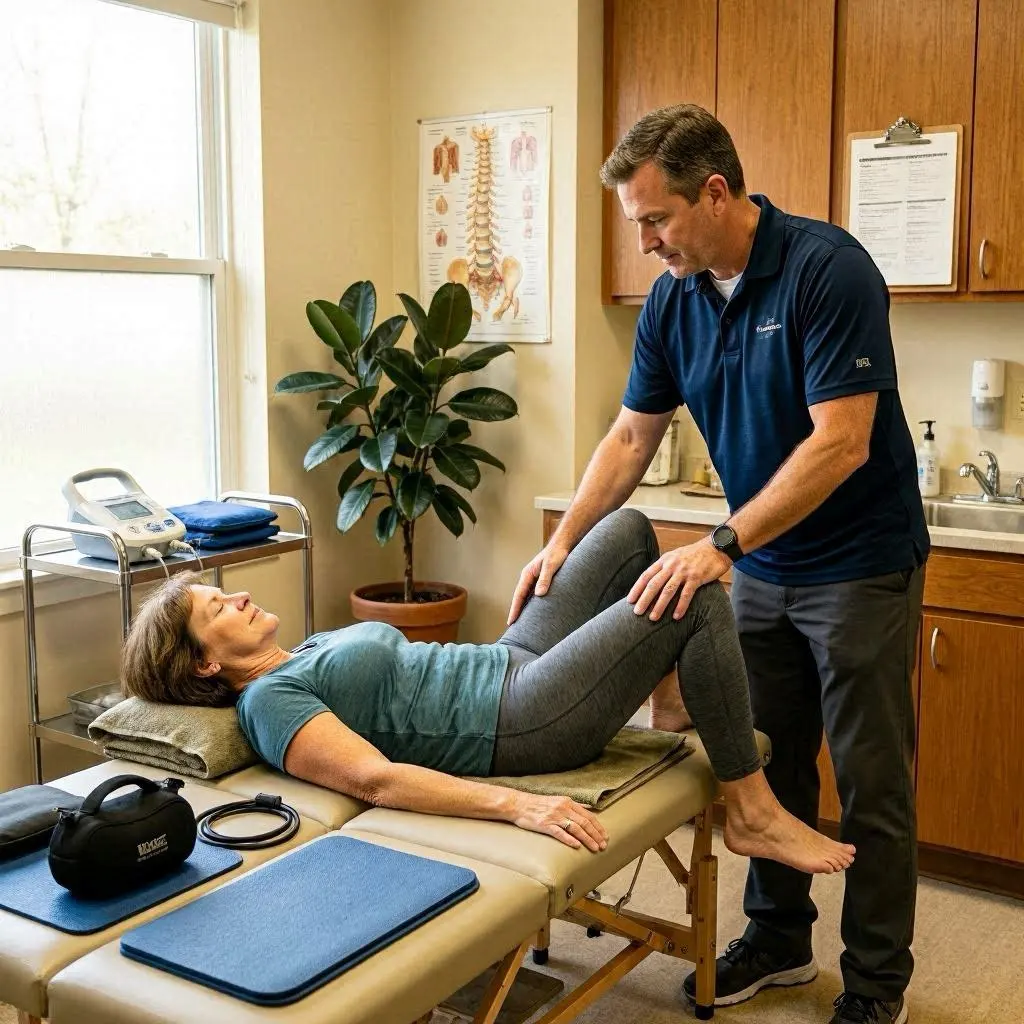
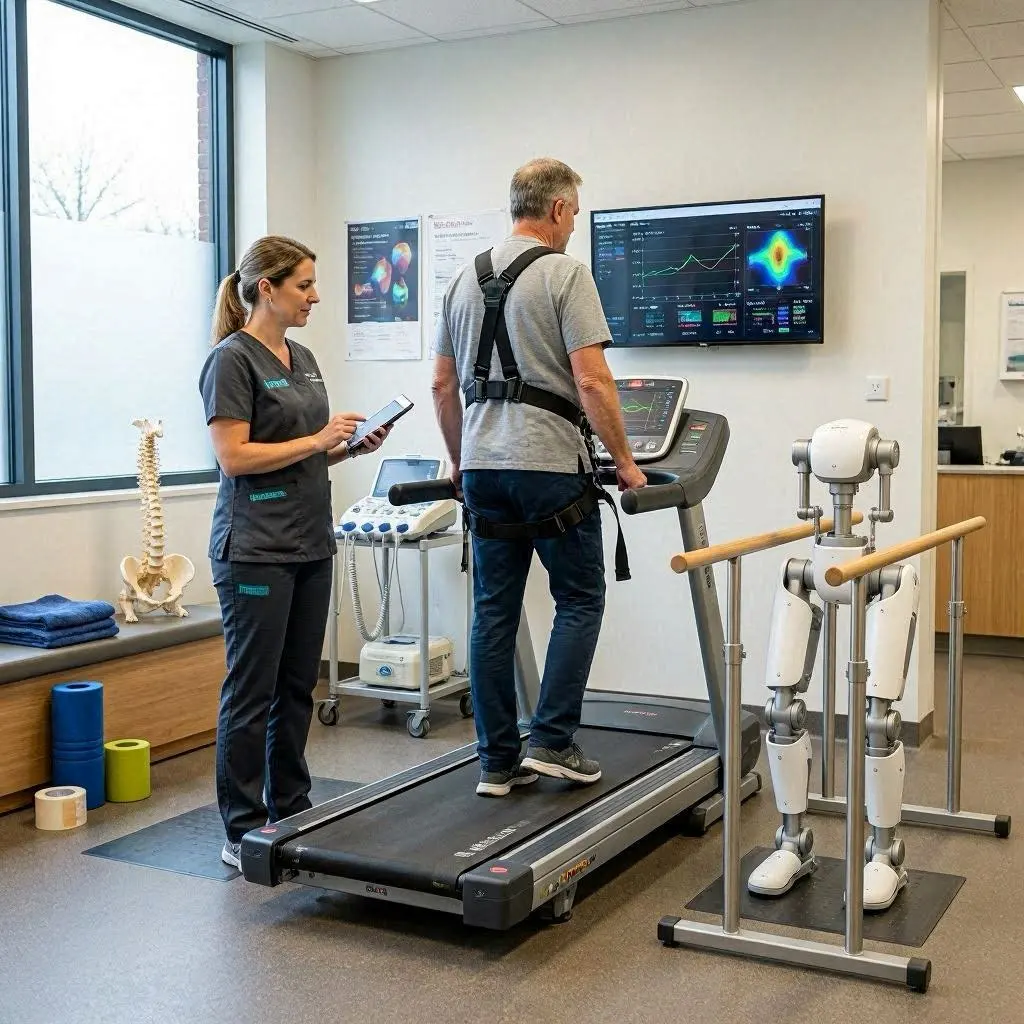
Physiotherapy can be useful when muscle discomfort is related to movement limitations, muscle weakness, exercise-related injuries, or difficulty returning to physical activity.
A physiotherapist can assess your movement, strength, flexibility, exercise technique, and recovery needs.
Depending on the findings, a treatment programme may include:
Movement assessment: Identifying movements that cause discomfort and checking how different muscle groups work together.
Strengthening exercises: Rebuilding muscle strength gradually and improving movement control.
Mobility training: Helping restore comfortable movement when stiffness or restricted mobility is present.
Exercise modification: Adjusting workout intensity, resistance, repetitions, and frequency to match your current capacity.
Injury rehabilitation: Supporting recovery from muscle strains and other suitable musculoskeletal injuries.
Return-to-exercise planning: Helping you progress safely toward your previous activity level.
If muscle pain continues to interfere with your daily activities or your return to training, you can learn more about the services available through Ritz Clinic Physiotherapy.
Physiotherapy is not necessary for every case of ordinary DOMS. However, professional assessment can be helpful when pain is persistent, recurrent, or associated with an injury.
How Can You Prevent Muscle Pain When Returning to Exercise?
You cannot always prevent muscle soreness, particularly when trying new exercises. However, you can reduce unnecessary stress and lower the risk of injury.
Start With Lower Intensity
Do not immediately return to your previous weights, running distance, or workout duration.
Begin with a manageable workload and increase it gradually.
Warm Up Before Training
A warm-up prepares your body for physical activity.
Try five to ten minutes of easy movement, such as walking or cycling, followed by movements related to your workout.
Avoid Training the Same Muscles Intensely Every Day
Allow sufficient recovery between demanding sessions involving the same muscle groups.
Your recovery needs will depend on exercise intensity and individual fitness.
Focus on Proper Technique
Controlled movements can help distribute physical demands more appropriately.
If you are unsure how to perform an exercise, seek guidance before increasing resistance.
Stay Consistent
Regular, manageable exercise is generally more sustainable than occasional high-intensity workouts.
Choose activities that fit your schedule and fitness level.
Listen to Your Body
Some soreness can be expected, but sharp pain, significant swelling, and unusual weakness should never be ignored.
Adjust your training when necessary and seek professional advice if symptoms persist.
Frequently Asked Questions
1. Why do my muscles hurt after returning to exercise?
Muscles may hurt because they are adapting to unfamiliar physical demands. Delayed onset muscle soreness is common after restarting exercise, particularly when you perform new movements or increase intensity too quickly.
2. Is it normal to feel sore two days after a workout?
Yes. DOMS often becomes most noticeable between 24 and 72 hours after exercise. The discomfort should generally begin to improve over the following days.
3. Should I exercise when my muscles are sore?
Light activity may be appropriate when soreness is mild and movement remains comfortable. However, avoid intense training of significantly sore muscles, especially if pain affects your movement or strength.
4. How long should I rest after returning to the gym?
There is no fixed recovery period for everyone. Allow enough time for soreness to improve before repeating demanding exercises for the same muscle groups. Your training schedule should reflect your fitness level and recovery.
5. Can muscle pain after exercise mean I injured myself?
Yes. Sharp pain, bruising, significant swelling, or sudden weakness may indicate a muscle strain or another injury rather than ordinary DOMS.
6. Does stretching help muscle soreness?
Gentle stretching may improve comfortable movement, but it does not necessarily eliminate DOMS. Avoid aggressive stretching or movements that increase pain.
7. Why do my legs hurt so much after squats?
Squats challenge several muscle groups, including the quadriceps, glutes, and hamstrings. If you have not performed them recently, the unfamiliar workload may trigger delayed muscle soreness.
8. Can dehydration cause muscle pain after exercise?
Dehydration can contribute to fatigue and muscle cramps. However, ordinary delayed muscle soreness is mainly associated with unfamiliar muscular loading and the body’s response to that activity.
9. Is muscle soreness a sign of a good workout?
Not necessarily. Muscle soreness does not reliably measure workout quality or progress. You can improve strength and fitness without feeling sore after every session.
10. When should I see a physiotherapist for muscle pain?
Consider a physiotherapy assessment if discomfort persists, repeatedly returns, limits your movement, or prevents you from resuming exercise. Sudden severe pain, major swelling, or symptoms suggesting a serious medical condition require medical assessment first.
Conclusion
Muscle pain after returning to exercise is common, especially when your body has not experienced regular physical activity for several weeks or months.
In many cases, delayed onset muscle soreness explains the stiffness and tenderness that appear one to three days after a workout. However, excessive training, muscle strains, inadequate recovery, and poor exercise technique can also contribute to discomfort.
The best way to return to exercise is to start gradually, choose manageable movements, allow sufficient recovery, and increase training demands over time.
Remember that muscle soreness is not a requirement for progress. Consistency, appropriate exercise intensity, good technique, and adequate recovery are much more important for building long-term fitness.
If your pain is severe, continues to worsen, or comes with unusual swelling, weakness, or dark urine, seek medical attention rather than assuming it is normal post-workout soreness.
American College of Sports Medicine – Delayed Onset Muscle Soreness
Key Takeaways
| Topic | Important information |
|---|---|
| Most common cause | Delayed onset muscle soreness (DOMS) |
| When soreness begins | Usually 12–24 hours after unfamiliar exercise |
| Peak discomfort | Often between 24 and 72 hours |
| Common triggers | New exercises, excessive intensity, and eccentric movements |
| Recovery strategies | Gentle movement, sleep, balanced nutrition, and hydration |
| Prevention | Gradual progression, warm-ups, and proper exercise technique |
| Physiotherapy | Can support movement assessment and rehabilitation |
| Warning signs | Severe pain, unusual weakness, major swelling, and dark urine |