
How Can I Relieve Hamstring Tightness After Exercise? 7 Effective Tips and Exercises
Hamstring tightness after exercise is a common problem that can make walking, bending forward, climbing stairs, and sitting uncomfortable. You may feel pulling or stiffness along the back of your thigh, particularly after running, weightlifting, cycling, or performing exercises that involve repeated knee and hip movements.
In some cases, this sensation is simply temporary muscle stiffness caused by an unfamiliar workout. In others, it may indicate delayed-onset muscle soreness (DOMS), muscle fatigue, or an actual hamstring strain.
The hamstrings are responsible for bending your knees and helping extend your hips. Because they work during many everyday movements and athletic activities, they can become overloaded when exercise intensity increases too quickly.
Fortunately, several strategies can help relieve mild post-exercise tightness and improve muscle function. Gentle movement, appropriate stretching, progressive strengthening, and adequate recovery can all play a role.
This guide explains why your hamstrings feel tight after exercise, how to relieve discomfort, which exercises may help, and when you should seek professional advice.
What Causes Hamstring Tightness After Exercise?
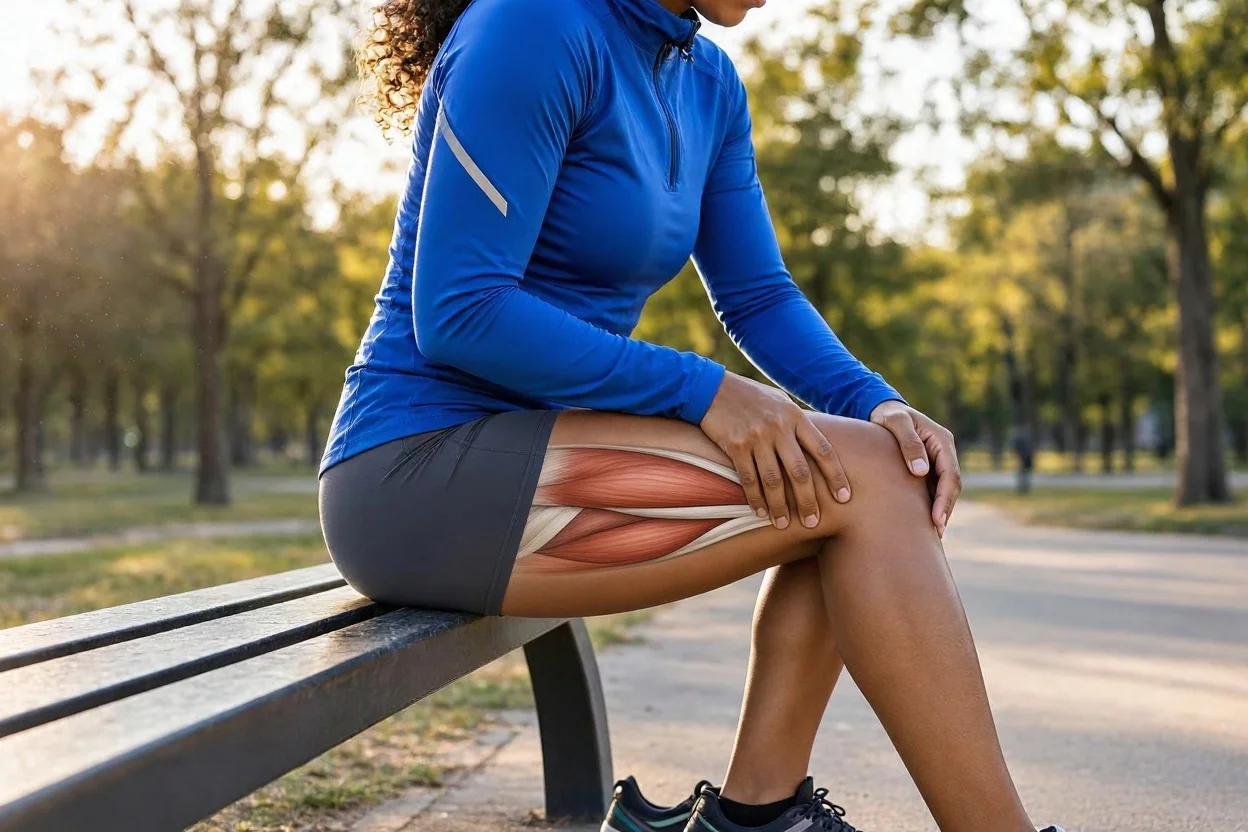
The hamstrings are a group of three muscles located along the back of your thigh:
- Biceps femoris.
- Semitendinosus.
- Semimembranosus.
These muscles help bend your knee, extend your hip, and control leg movement during walking, running, jumping, and lifting.
When you exercise, your hamstrings repeatedly contract and lengthen. If the workload exceeds what your muscles are currently prepared to handle, you may experience stiffness, soreness, or discomfort.
However, tightness does not always mean that a muscle has physically shortened. Sometimes, it reflects muscle fatigue, sensitivity, or the nervous system’s response to increased physical demand.
Understanding the underlying cause is important because ordinary muscle stiffness and an actual muscle injury require different approaches.
7 Common Reasons Your Hamstrings Feel Tight After Exercise
1. Delayed-Onset Muscle Soreness (DOMS)
Delayed-onset muscle soreness is one of the most common reasons for hamstring discomfort after a workout.
DOMS typically develops after unfamiliar or particularly demanding exercise. It may become noticeable several hours after training and often reaches its peak within 24 to 72 hours.
Activities that can trigger DOMS include:
- Running downhill.
- Deadlifts and Romanian deadlifts.
- Squats and lunges.
- Sprinting.
- Jumping exercises.
- Exercises involving slow, controlled muscle lowering.
During these activities, the hamstrings may experience substantial eccentric loading. This means the muscle produces force while lengthening.
Common DOMS symptoms include:
- A dull ache along the back of the thigh.
- Temporary muscle stiffness.
- Tenderness when pressing the muscle.
- Discomfort when stretching or contracting the hamstrings.
- Reduced strength or exercise performance.
DOMS usually improves gradually over several days.
If you experience severe pain, significant bruising, or difficulty walking, do not assume that the problem is ordinary post-workout soreness.
2. Hamstring Muscle Fatigue
Muscle fatigue develops when your hamstrings become tired from repeated or prolonged activity.
It is particularly common after high-volume workouts, long-distance running, or strength training sessions involving multiple lower-body exercises.
You may notice:
- Heavy or tired muscles.
- Reduced flexibility during movement.
- Temporary weakness.
- Difficulty maintaining your usual exercise performance.
- A pulling sensation near the back of your thighs.
Fatigue can also affect your movement technique. When your muscles become tired, you may compensate by changing your posture or relying more heavily on other muscle groups.
Reducing exercise intensity and allowing sufficient recovery can help prevent repeated overload.
3. Insufficient Warm-Up
Starting an intense workout without preparing your muscles can make exercise feel more demanding.
A proper warm-up gradually increases your heart rate and prepares your muscles and joints for the movements ahead.
For example, immediately performing heavy deadlifts or sprinting at full speed may place considerable demands on your hamstrings before you have prepared for that workload.
A useful warm-up may include:
- Five minutes of light walking or cycling.
- Controlled leg swings.
- Gentle hip movements.
- Bodyweight squats.
- Gradual increases in running speed.
Dynamic movements are generally more appropriate before exercise than prolonged static stretches.
4. Increasing Exercise Intensity Too Quickly
One of the most common reasons for recurring hamstring tightness is increasing training intensity faster than your body can adapt.
For example, you might suddenly increase your running distance, add more weight to your deadlifts, or begin performing several demanding leg exercises in one session.
Your muscles need time to adapt to additional training demands.
A sudden increase in exercise volume may contribute to fatigue, soreness, and muscle strain.
Try to increase training intensity progressively and allow adequate recovery between demanding sessions.
5. Hamstring Strain
A hamstring strain occurs when muscle fibres become overstretched or damaged.
Unlike ordinary muscle tightness, a strain may cause sudden pain during exercise. It can happen when sprinting, jumping, kicking, or performing heavy exercises with poor control.
Common symptoms include:
- Sudden pain in the back of the thigh.
- Tenderness in a specific area.
- Swelling or bruising.
- Weakness when bending the knee.
- Pain when walking or stretching.
- Difficulty continuing the activity.
More significant injuries may involve a popping or snapping sensation.
A mild strain may improve with appropriate care, but moderate or severe injuries can require several weeks or longer to recover.
If you suspect a strain, avoid aggressive stretching and heavy strengthening until the injury has been assessed and symptoms have settled.
6. Prolonged Sitting and Reduced Movement
Spending long periods sitting at a desk, driving, or working from home can contribute to stiffness around the hips and thighs.
After remaining in one position for an extended period, your first few movements may feel uncomfortable.
However, the sensation of tightness does not necessarily mean that your hamstrings are permanently shortened.
Regular movement breaks, comfortable walking, and appropriate mobility exercises may help improve how your legs feel.
If the tightness continues despite changing your sitting habits, consider whether another factor, such as muscle weakness or nerve irritation, may be involved.
7. Poor Movement Mechanics or Muscle Imbalances
Your hamstrings work together with your gluteal muscles, quadriceps, hip flexors, and core muscles.
If certain muscle groups are weak or your movement technique is inefficient, the hamstrings may experience additional stress during exercise.
Potential contributing factors include:
- Poor deadlift technique.
- Limited hip mobility.
- Inadequate gluteal strength.
- Sudden changes in running mechanics.
- Repeated exercise with excessive fatigue.
- Insufficient recovery between training sessions.
A physiotherapist can assess your movement patterns and identify areas that may benefit from mobility work or strengthening.
How Can I Relieve Hamstring Tightness After Exercise?
The best approach depends on whether you are experiencing ordinary muscle soreness or a more significant injury.
For mild post-exercise tightness without sharp pain, swelling, or bruising, the following strategies may help.
1. Try Gentle Movement
Complete inactivity is not always necessary when your muscles feel stiff after exercise.
Gentle movement can help you maintain mobility and gradually return to normal activities.
Consider:
- Walking at a comfortable pace.
- Gentle cycling with low resistance.
- Light ankle and knee movements.
- Comfortable hip mobility exercises.
Avoid intense workouts that reproduce significant pain.
If movement makes your symptoms worse, reduce the activity and seek advice.
2. Use Gentle Hamstring Stretching
Stretching may help improve flexibility and provide temporary relief from muscle tightness.
However, stretching should feel comfortable. Pulling your leg aggressively or forcing your body into a deep stretch can aggravate an injured muscle.
For mild stiffness without signs of injury, try holding a gentle stretch for approximately 15–30 seconds.
Avoid bouncing or pushing into sharp pain.
If you recently felt a sudden pulling sensation during exercise, experienced bruising, or developed significant pain, avoid stretching until the injury has been assessed.
3. Apply a Cold Pack After a Recent Injury
If your tightness is accompanied by pain and swelling after a suspected muscle strain, a cold pack may help reduce discomfort.
Apply a wrapped cold pack for approximately 15–20 minutes at a time.
Avoid placing ice directly against your skin.
For a recent hamstring injury, the NHS recommends protection, relative rest, ice, compression, and elevation during the initial recovery period.
4. Allow Enough Recovery Time
Your muscles need time to recover after demanding exercise.
If your hamstrings remain sore, avoid immediately repeating heavy lower-body workouts.
You can temporarily modify your routine by:
- Reducing resistance.
- Lowering the number of repetitions.
- Avoiding sprinting.
- Choosing comfortable low-impact activities.
- Allowing additional recovery between demanding sessions.
Returning to intense exercise before your muscles have recovered may increase the risk of further injury.
5. Review Your Exercise Technique
Incorrect movement technique can increase the workload placed on your hamstrings.
For example, performing Romanian deadlifts with excessive resistance or poor hip movement may place unnecessary stress on the back of your thighs.
Consider reducing your training load and reviewing your technique with a qualified trainer or physiotherapist.
6. Maintain Adequate Hydration and Nutrition
Your body needs sufficient fluids and nutrients to support normal muscle function and recovery.
Helpful habits include:
- Drinking fluids regularly throughout the day.
- Eating enough protein to support muscle repair.
- Including carbohydrates to replenish energy stores.
- Eating a balanced diet with vegetables and fruits.
- Avoiding repeated intense training without sufficient recovery.
Hydration and nutrition support recovery, but they do not replace appropriate treatment for a muscle injury.
7. Gradually Return to Strength Training
Once your discomfort improves, progressive strengthening can help restore hamstring capacity.
Start with exercises that you can perform comfortably and increase the difficulty gradually.
Avoid immediately returning to your previous training weights or sprinting intensity.
6 Hamstring Stretches and Exercises to Relieve Tightness
The following exercises may help people with mild post-exercise stiffness or during the later stages of recovery from a minor muscle injury.
They are not appropriate for every condition. If you have sudden pain, bruising, swelling, significant weakness, or difficulty walking, seek an assessment before starting an exercise program.
1. Lying Hamstring Stretch
This exercise gently stretches the muscles along the back of your thigh.
How to perform it:
- Lie on your back with both knees bent.
- Lift one leg toward the ceiling.
- Support the back of your thigh with your hands.
- Slowly straighten your knee until you feel a comfortable stretch.
- Keep your other leg relaxed on the floor.
- Return to the starting position and switch sides.
Hold for 15–20 seconds if comfortable.
Avoid pulling your leg toward your chest forcefully.
2. Seated Hamstring Stretch
This stretch can be performed on a stable chair.
How to perform it:
- Sit near the edge of a chair.
- Extend one leg forward with your heel resting on the floor.
- Keep your back relatively straight.
- Slowly lean forward from your hips.
- Stop when you feel a gentle stretch behind your thigh.
Hold for approximately 15–20 seconds.
Do not round your back excessively or force your knee into a locked position.
3. Standing Hamstring Stretch
This exercise provides another way to gently stretch the back of your thigh.
How to perform it:
- Stand near a stable surface for support.
- Place one heel slightly in front of your body.
- Keep the front knee comfortably straight.
- Bend your other knee slightly.
- Move your hips backward while maintaining a comfortable posture.
- Stop when you feel a mild stretch.
Hold for 15–20 seconds and switch legs.
4. Glute Bridges
Glute bridges strengthen the gluteal muscles and involve the hamstrings as part of the movement.
How to perform them:
- Lie on your back with your knees bent.
- Place your feet flat on the floor.
- Tighten your abdominal and gluteal muscles.
- Lift your hips gently.
- Pause briefly.
- Lower your hips slowly.
Start with 8–10 repetitions if comfortable.
If the exercise causes hamstring cramping or pain, stop and ask a physiotherapist about suitable alternatives.
5. Heel Digs
Heel digs introduce gentle hamstring activation without requiring a large movement.
How to perform them:
- Lie on your back with your knees bent.
- Keep both heels on the floor.
- Gently press one heel downward and slightly backward.
- Feel your hamstring muscles activate.
- Hold for approximately 3–5 seconds.
- Relax and repeat.
Start with 5–8 repetitions per leg.
Use only light effort and avoid this exercise if it reproduces pain.
6. Gentle Walking
Walking can help maintain general mobility when symptoms are mild.
Start with a short walk on a flat surface at a comfortable pace.
Avoid hills, sprinting, and long distances until your hamstrings tolerate normal activity without worsening symptoms.
If you develop sharp pain or begin limping, stop.
Should I Stretch My Hamstrings Every Day?
Gentle stretching can be part of a regular mobility routine, but more stretching is not always better.
If your hamstrings feel tight after every workout, repeatedly stretching them may provide only temporary relief.
The sensation of tightness does not always mean that the muscle lacks flexibility. It may also reflect fatigue, sensitivity, or insufficient strength.
A balanced approach should include:
- Appropriate warm-ups.
- Gradual increases in training intensity.
- Progressive hamstring strengthening.
- Comfortable mobility exercises.
- Adequate recovery between workouts.
If stretching does not improve the problem, consider getting your movement and muscle strength assessed.
How Long Does Hamstring Tightness Last After Exercise?
Recovery time depends on the cause and severity of your symptoms.
| Possible cause | General recovery pattern |
|---|---|
| Mild post-exercise stiffness | Often improves within a short period |
| DOMS | Usually improves over several days |
| Mild hamstring strain | May improve over days to weeks |
| Moderate muscle strain | May require several weeks |
| Severe hamstring injury | Can take weeks or months |
These are general patterns rather than guaranteed recovery times.
If your symptoms are worsening, returning repeatedly, or interfering with walking, seek professional advice.
When Should You See a Doctor or Physiotherapist?
Mild muscle tightness after exercise often improves with appropriate recovery. However, certain symptoms may indicate a more significant injury.
Arrange a medical assessment if:
- You experience sudden pain during exercise.
- Your hamstring becomes noticeably swollen or bruised.
- You have difficulty walking normally.
- You cannot comfortably bend your knee.
- Your leg feels significantly weaker.
- Symptoms do not improve with appropriate self-care.
- The tightness repeatedly returns during exercise.
Seek urgent assessment if you experience severe pain, extensive bruising, or difficulty bearing weight.
Also, one-sided thigh or leg swelling accompanied by warmth, redness, or tenderness requires prompt medical assessment because a blood clot may be possible. If these symptoms occur with sudden shortness of breath or chest pain, seek emergency care.

How Can Physiotherapy Help With Hamstring Tightness?
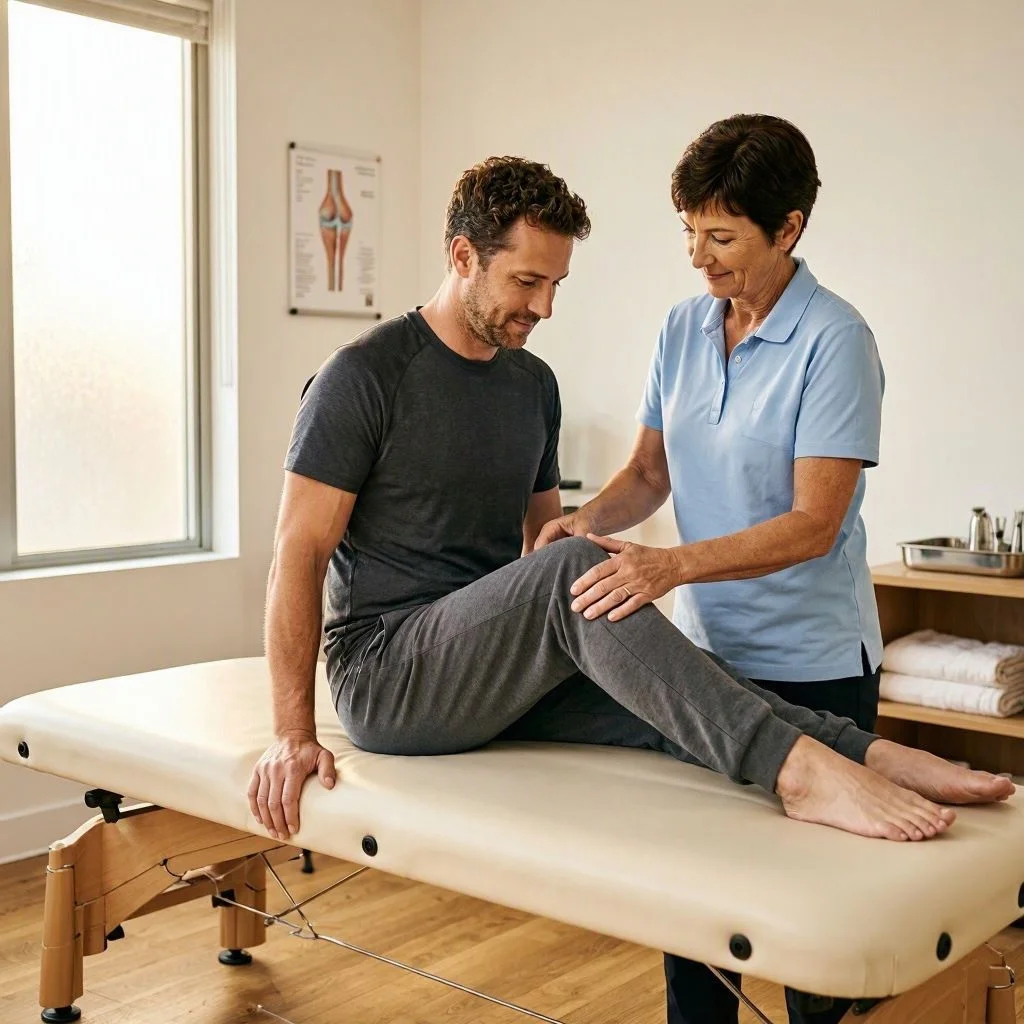
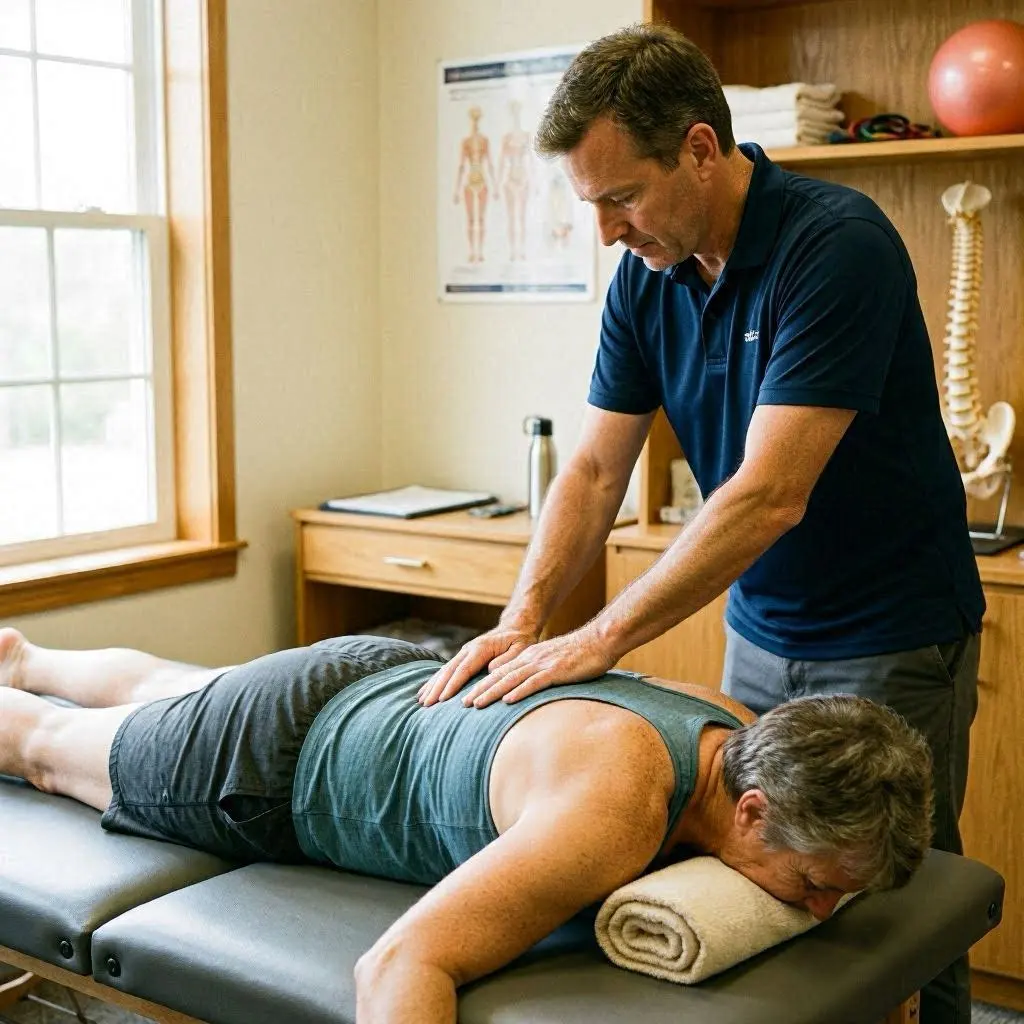
Physiotherapy can help identify why your hamstrings repeatedly become tight after exercise.
Rather than focusing only on stretching, a physiotherapist can assess the muscles, joints, and movement patterns involved in your symptoms.
A treatment plan may include:
Muscle strength assessment: Evaluating hamstring strength and comparing both legs to identify possible weaknesses.
Flexibility and mobility assessment: Checking hip and knee movement to identify restrictions that may affect exercise technique.
Progressive strengthening: Introducing suitable exercises to improve hamstring strength and endurance.
Movement retraining: Reviewing running, squatting, lifting, and other movements that place demands on the hamstrings.
Recovery planning: Helping you adjust exercise intensity and return to demanding activities gradually.
Injury rehabilitation: Developing an individualized program if a hamstring strain or another muscle injury is diagnosed.
For ongoing muscle tightness or recurring exercise-related discomfort, you can learn more about the available services through Ritz Clinic Physiotherapy.
How Can You Prevent Hamstring Tightness After Exercise?
Preventing recurring hamstring discomfort involves more than stretching.
Warm Up Before Training
Start with five to ten minutes of light activity, followed by controlled dynamic movements.
Prepare your muscles for the specific demands of your workout.
Strengthen Your Hamstrings
Include exercises such as glute bridges, controlled deadlifts, and other progressive strengthening movements when appropriate.
Strong hamstrings can better tolerate the demands of running, lifting, and jumping.
Increase Training Volume Gradually
Avoid sudden increases in running distance, resistance, or workout frequency.
Give your muscles time to adapt to new training demands.
Improve Exercise Technique
Use controlled movements and appropriate resistance.
If you are unsure whether your technique is correct, ask a qualified professional to review your form.
Prioritize Recovery
Allow enough time between demanding lower-body workouts.
Adequate sleep, balanced nutrition, and appropriate training adjustments support recovery.
Avoid Ignoring Pain
Ordinary muscle soreness and an injury do not feel exactly the same.
Stop an activity if you experience sudden sharp pain, a popping sensation, or rapidly increasing discomfort.
Frequently Asked Questions
1. Why do my hamstrings feel tight after every workout?
Repeated tightness may be related to muscle fatigue, increased training volume, insufficient recovery, or movement patterns that overload your hamstrings. It may also indicate an underlying muscle or tendon problem.
2. Is hamstring tightness after exercise normal?
Mild temporary stiffness can occur after demanding or unfamiliar exercise. However, sharp pain, significant bruising, swelling, or difficulty walking may indicate an injury rather than ordinary muscle soreness.
3. Should I stretch tight hamstrings immediately after exercise?
Gentle stretching may be appropriate after ordinary exercise-related stiffness. However, avoid aggressive stretching if you suspect a muscle strain or experience sharp pain.
4. Can dehydration cause hamstring tightness?
Dehydration may contribute to muscle cramps and exercise-related discomfort, particularly during prolonged activity or heavy sweating. However, it is not the only explanation for hamstring tightness.
5. Why do my hamstrings feel tight even when I stretch regularly?
The sensation of tightness does not always indicate limited flexibility. Muscle fatigue, sensitivity, weakness, and nerve-related factors may also contribute. If stretching provides only temporary relief, a strength and movement assessment may be helpful.
6. How long should I hold a hamstring stretch?
For gentle post-exercise stretching, holding a comfortable position for approximately 15–30 seconds may be appropriate. Avoid bouncing, holding your breath, or stretching into pain.
7. Can weak glutes cause hamstring tightness?
Reduced gluteal strength or poor coordination may change how your body distributes loads during movement. This can increase the demands placed on your hamstrings in certain activities. However, weakness does not automatically explain every case of tightness.
8. Can I exercise with tight hamstrings?
If you have mild stiffness without pain or other warning signs, you may be able to perform comfortable, modified activities. Avoid sprinting, heavy lifting, or exercises that increase symptoms until your muscles have recovered.
9. Is hamstring tightness a sign of a pulled muscle?
Not necessarily. Ordinary stiffness and DOMS can cause a tight sensation without a significant tear. A strain is more likely when symptoms begin suddenly during exercise and include localized pain, tenderness, weakness, swelling, or bruising.
10. Can physiotherapy help with recurring hamstring tightness?
Yes. A physiotherapist can assess muscle strength, flexibility, movement technique, and training demands. They can then develop a rehabilitation program that addresses the contributing factors rather than relying on stretching alone.
Conclusion
Hamstring tightness after exercise can result from several factors, including muscle fatigue, DOMS, insufficient recovery, sudden increases in training intensity, and muscle strains.
For mild post-workout stiffness, gentle movement, appropriate stretching, hydration, and adequate recovery may help. However, persistent or recurring tightness may require a closer look at your muscle strength, flexibility, and movement technique.
Remember that stretching is not always the complete solution. Progressive strengthening and appropriate training adjustments are also important for maintaining healthy hamstring function.
If you experience sharp pain, swelling, bruising, or difficulty walking, seek professional assessment before returning to exercise. An individualized rehabilitation plan can help you recover safely and reduce the likelihood of repeated hamstring problems.
MedlinePlus – Hamstring Strain Aftercare
Key Takeaways
| Key point | What to remember |
|---|---|
| Common causes | DOMS, muscle fatigue, insufficient recovery, and muscle strain |
| Main muscle group | Biceps femoris, semitendinosus, and semimembranosus |
| Initial relief | Gentle movement and appropriate activity modification |
| Stretching | Use comfortable stretches and avoid forcing painful movements |
| Strengthening | Progressive hamstring and gluteal exercises |
| Recovery | Depends on whether symptoms involve stiffness, DOMS, or an actual injury |
| When to seek help | Sharp pain, bruising, swelling, weakness, or difficulty walking |
| Prevention | Warm-ups, gradual training increases, proper technique, and recovery |