
Why Does My Heel Hurt When I Take My First Steps in the Morning?
Waking up with heel pain can make even a short walk to the bathroom uncomfortable. You may notice a sharp or stabbing sensation underneath your heel when you take your first steps in the morning. Interestingly, the pain may improve after walking for a few minutes, only to return after sitting for a long time or standing again.
One of the most common causes of this pattern is plantar fasciitis, a condition involving irritation and changes in the plantar fascia, the thick band of tissue that supports the arch of your foot. However, morning heel pain can also result from Achilles tendon problems, nerve irritation, heel fat pad problems, or other foot conditions.
Understanding why your heel hurts, where the pain is located, and what makes it worse can help you find an appropriate way to manage it.
In this article, we explain the common causes of morning heel pain, practical treatment options, helpful exercises, and when you should seek professional advice.
1. Why Does My Heel Hurt When I First Get Out of Bed?
Morning heel pain often occurs because the tissues in your foot become less mobile while you sleep.
During the night, your feet usually remain in a relaxed position. The plantar fascia and surrounding structures are not exposed to the same movements and loading that occur when you stand and walk.
When you get out of bed, your body weight suddenly places pressure on these tissues. If the plantar fascia or another structure is already irritated, the first few steps may trigger noticeable pain.
This discomfort often improves as you move around because the tissues gradually adapt to movement and loading.
However, improvement after walking does not necessarily mean the underlying problem has disappeared. If the pain repeatedly returns, it is worth identifying the cause.
2. What Are the Most Common Causes of Morning Heel Pain?
Several conditions can cause heel discomfort, but some are more likely when pain is particularly noticeable during the first steps after waking up.
Plantar Fasciitis
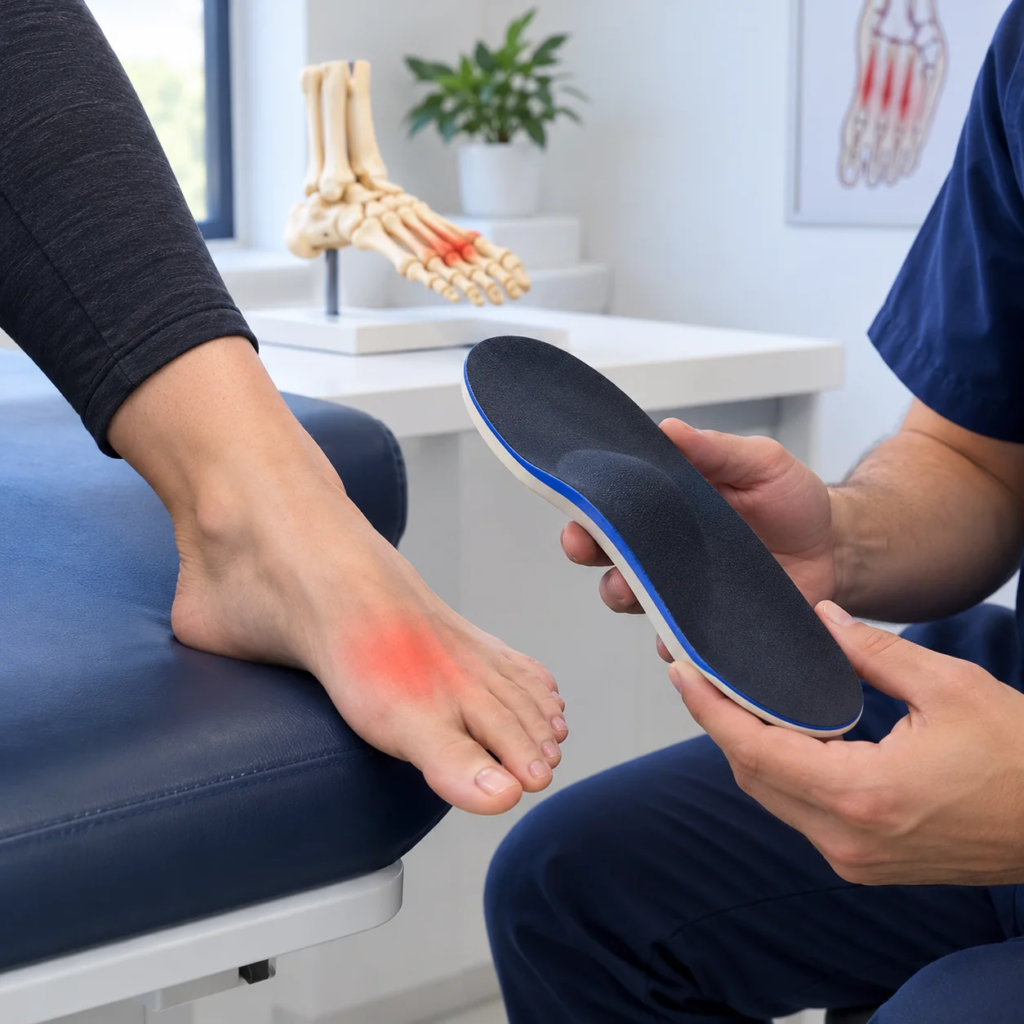
Plantar fasciitis is one of the most common causes of pain underneath the heel.
The plantar fascia is a thick band of connective tissue that runs along the bottom of your foot, connecting your heel bone to the front of your foot. It helps support the arch and plays an important role in walking.
When this tissue becomes irritated or experiences repeated excessive loading, it can cause pain around the bottom of the heel.
Common symptoms include:
Sharp pain underneath the heel when taking the first morning steps.
Discomfort after sitting for a long time.
Pain that improves temporarily after moving around.
Tenderness near the inside of the heel.
Increased discomfort after prolonged standing or walking.
Plantar fasciitis may develop gradually. You might initially notice pain only in the morning, but symptoms can become more frequent if the foot continues to experience more loading than it can comfortably tolerate.
Achilles Tendinopathy
The Achilles tendon connects your calf muscles to your heel bone. It helps you push off the ground when walking, running, and jumping.
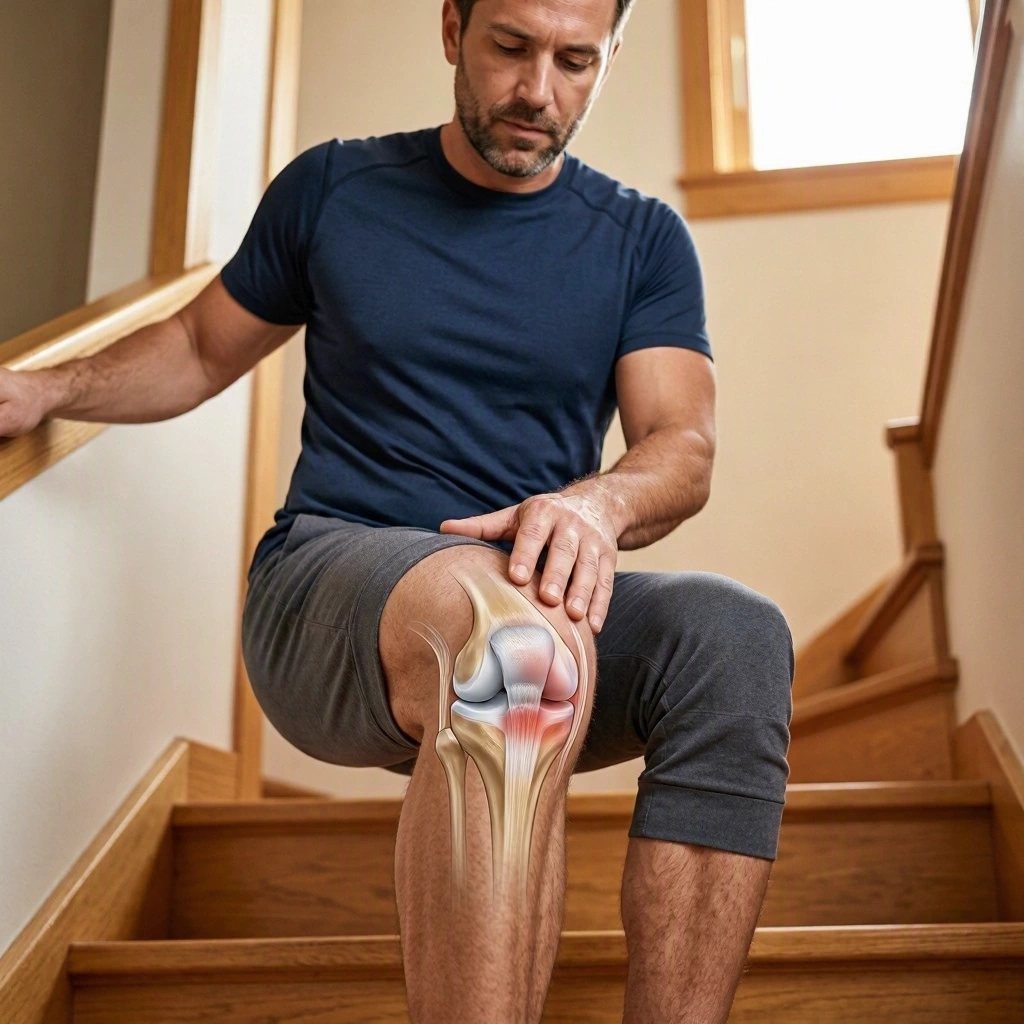
Achilles tendinopathy occurs when the tendon becomes painful and does not tolerate its usual loading as well as before.
Unlike plantar fasciitis, the pain is usually felt at the back of the heel or slightly above it.
Possible symptoms include:
Stiffness around the Achilles tendon after waking up.
Pain during the first few steps.
Tenderness at the back of the heel.
Discomfort when climbing stairs.
Pain during running or jumping.
The tendon may feel stiff after periods of rest and become more comfortable once you begin moving. However, persistent symptoms need appropriate assessment and load management.
Heel Fat Pad Syndrome
A natural layer of fatty tissue sits underneath your heel bone. This heel fat pad helps absorb impact when your foot contacts the ground.
If the fat pad becomes irritated, thinned, or unable to absorb pressure comfortably, you may experience pain directly underneath your heel.
People with heel fat pad problems may notice:
A deep, bruised sensation under the heel.
Pain when standing on hard surfaces.
Discomfort when walking barefoot.
Tenderness in the middle of the heel.
Symptoms that increase with prolonged standing.
This condition can sometimes be confused with plantar fasciitis. However, the location and nature of the pain may be different.
Heel Spurs
A heel spur is a small bony growth that can develop around the heel bone, often near the attachment of the plantar fascia.
Heel spurs may appear on X-rays, but they are not necessarily the cause of pain. Many people have heel spurs without experiencing any symptoms.
When someone has morning heel pain, plantar fascia irritation may be more relevant than the presence of a heel spur itself.
It is therefore important not to assume that a heel spur automatically explains your discomfort.
Nerve Irritation or Nerve Compression
Certain nerves around the foot and ankle can become irritated or compressed, leading to heel pain.
One example is tarsal tunnel syndrome, which involves compression of the tibial nerve as it passes through a narrow space near the inside of the ankle.
Unlike typical plantar fasciitis, nerve-related heel pain may involve:
Burning or tingling sensations.
Numbness around the heel or sole.
Shooting or electric-like pain.
Discomfort that spreads into the arch or toes.
If your heel pain comes with numbness, tingling, or unusual sensations, a healthcare professional should assess the possibility of nerve involvement.
Calcaneal Stress Fracture
The calcaneus is the medical name for your heel bone. Repeated impact, particularly after a sudden increase in running or other high-impact exercise, can sometimes cause a stress fracture.
Symptoms may include:
Deep pain within the heel.
Pain that increases with weight-bearing.
Tenderness when pressing the heel.
Swelling around the affected area.
Pain that gradually becomes more persistent.
Unlike typical plantar fasciitis, a stress fracture may not improve after a few minutes of walking. If you suspect a fracture, avoid continuing high-impact activities and seek medical assessment.

3. What Makes Morning Heel Pain More Likely?
Several factors can increase the stress placed on your plantar fascia, Achilles tendon, and other structures around your heel.
Common contributing factors include:
Sudden increases in physical activity: Starting a running program, increasing walking distance, or exercising more frequently can overload tissues that are not prepared for the change.
Standing for long periods: Jobs that involve standing or walking on hard surfaces for several hours may increase stress on the feet.
Unsupportive footwear: Shoes with insufficient cushioning or support may make symptoms worse, especially when walking on hard floors.
Tight calf muscles: Reduced flexibility in the calf muscles can increase the demands placed on the Achilles tendon and plantar fascia.
Foot structure: People with particularly high arches or flat feet may experience different patterns of pressure across the foot.
Body weight: Higher body weight can increase the mechanical load placed on the feet during standing and walking.
Previous foot injuries: An earlier injury may change how you distribute pressure when walking.
These factors do not mean that one particular cause is responsible for everyone’s heel pain. Several may contribute at the same time.
4. How Can You Relieve Heel Pain in the Morning?
A few changes to your morning routine and daily activities may help reduce discomfort.
Stretch Before Getting Out of Bed
Instead of immediately standing up, spend a minute gently moving your feet and ankles.
You can try:
Sit on the edge of your bed.
Slowly move your toes towards your body.
Hold the comfortable stretch briefly.
Relax your foot.
Repeat several times without forcing the movement.
This gentle movement may help prepare your foot for weight-bearing.
Wear Supportive Shoes at Home
Walking barefoot on hard floors may increase discomfort for some people with plantar heel pain.
Try wearing comfortable indoor shoes or supportive slippers with cushioning. Avoid footwear that provides little support if it makes your symptoms worse.
Reduce Activities That Aggravate Your Heel
If running, jumping, or long walks increase your pain, temporarily reduce their intensity or duration.
You do not necessarily need to stop all physical activity. Low-impact options, such as swimming or cycling, may help you remain active while reducing pressure on your heel.
Apply a Cold Pack
A cold pack may provide temporary relief after a long day of walking or standing.
Wrap an ice pack in a towel and place it against the painful area for up to 20 minutes. Never apply ice directly to your skin.
Consider Appropriate Insoles
Heel pads or supportive insoles may help some people feel more comfortable when walking.
The best option depends on your foot structure, footwear, and the cause of your symptoms. A podiatrist or physiotherapist can help determine whether an insole is appropriate.
5. Which Exercises May Help With Morning Heel Pain?
Exercise is often an important part of managing plantar heel pain. The aim is to improve the flexibility, strength, and load tolerance of the tissues around your foot and ankle.
Here are some commonly used exercises.
Plantar Fascia Stretch
Sit on a chair.
Place the affected foot across your opposite knee.
Gently pull your toes towards your shin.
You should feel a stretch along the bottom of your foot.
Hold for approximately 10–20 seconds, then relax.
Repeat gently, provided the movement does not cause sharp pain.
This exercise may be particularly useful before taking your first steps in the morning.
Calf Stretch Against a Wall
Stand facing a wall and place both hands against it.
Move one foot behind the other.
Keep your back knee straight and your heel on the floor.
Slowly lean towards the wall.
Stop when you feel a gentle stretch in your calf.
Hold the position comfortably and repeat on the other side.
Avoid bouncing or forcing the stretch.
Towel Stretch
Sit with your leg extended in front of you.
Place a towel around the ball of your foot.
Gently pull the towel towards you.
Keep your knee comfortably straight.
Hold the stretch briefly and relax.
This exercise may help improve calf and ankle flexibility.
Towel Scrunches
Sit on a chair with your foot resting on a small towel.
Keep your heel on the floor.
Use your toes to gently pull the towel towards you.
Relax your toes and repeat.
This exercise activates small muscles in your foot.
Important: Exercises should be appropriate for your symptoms. Stop if you experience increasing pain, sharp discomfort, or unusual sensations. If your heel pain is severe or you suspect a stress fracture, get assessed before starting exercises.
6. Can Physiotherapy Help With Morning Heel Pain?
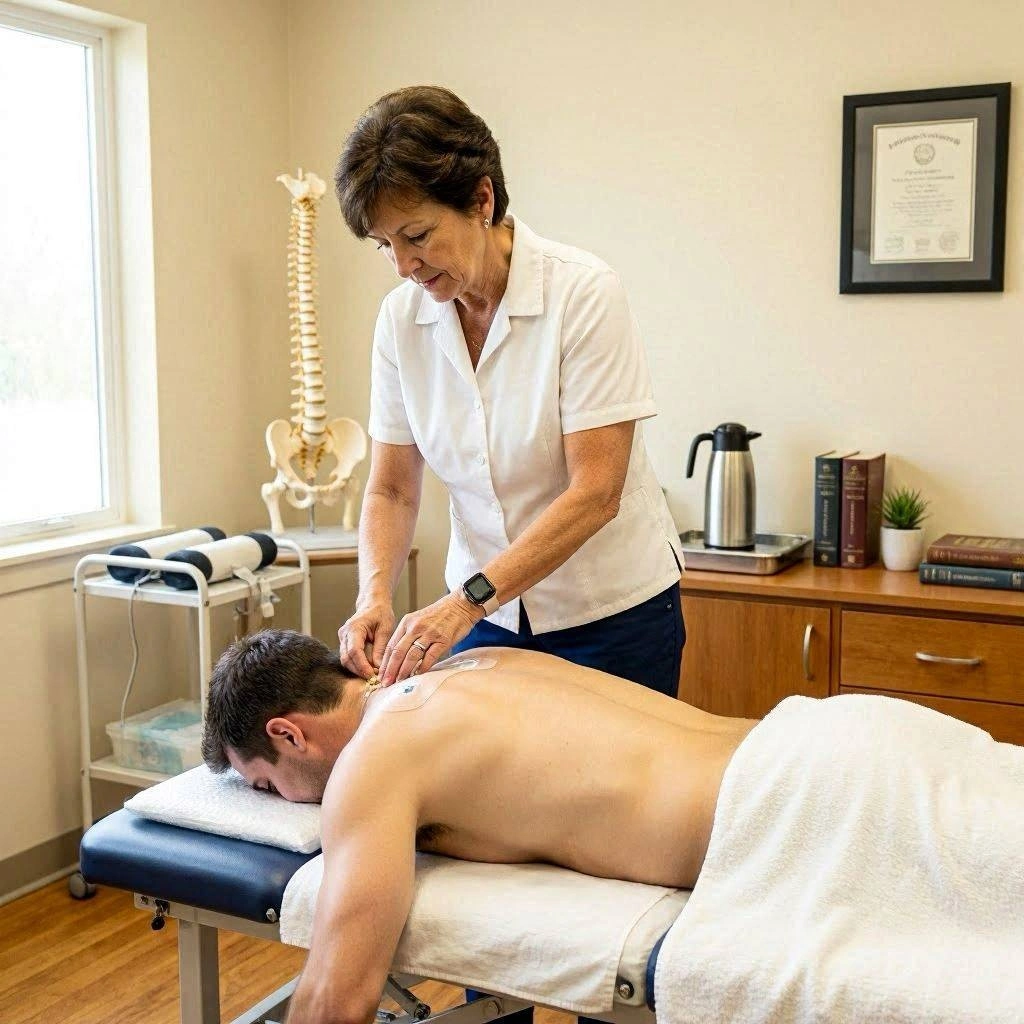
Yes. Physiotherapy can play an important role in managing plantar fasciitis and other causes of heel pain.
A physiotherapist can assess your foot and ankle, identify movements that reproduce your symptoms, and develop a rehabilitation plan based on your needs.
An assessment may include:
Examining the location of your heel pain.
Checking ankle and foot mobility.
Assessing calf muscle flexibility.
Evaluating foot and ankle strength.
Observing your walking pattern.
Reviewing your footwear and daily activities.
Depending on the findings, treatment may include:
Individualized exercises: Strengthening the foot and calf muscles while gradually improving the ability of the plantar fascia to tolerate everyday activity.
Stretching: Selected exercises to address calf or plantar fascia tightness.
Activity modification: Adjusting walking, running, and standing habits to reduce excessive loading.
Footwear recommendations: Guidance on suitable shoes, heel pads, or supportive insoles.
Movement education: Helping you understand how to manage symptoms without unnecessarily avoiding all physical activity.
If your heel pain is making it difficult to walk comfortably in the morning, you can learn more about Physiotherapy Services at Ritz Clinic.
The goal is to address the factors contributing to your symptoms and help you return to your normal activities with greater comfort.

7. When Should You See a Healthcare Professional?
Although many cases of plantar heel pain can improve with appropriate self-care, some symptoms require professional assessment.
Arrange an appointment if:
Your heel pain is severe or affects normal activities.
The pain keeps returning.
Your symptoms are getting worse.
You have not noticed improvement after approximately two weeks of self-care.
You experience tingling or loss of sensation in your foot.
You have diabetes and develop new heel pain.
Seek urgent medical attention if you experience sudden severe heel pain after an injury, cannot put weight on your foot, notice significant swelling or bruising, or hear a popping sound during an injury.
These symptoms may indicate a fracture or Achilles tendon rupture rather than ordinary plantar fasciitis.
Frequently Asked Questions
Why does my heel hurt in the morning but feel better later?
This pattern is commonly associated with plantar fasciitis. The first steps after sleeping or resting can place sudden tension on the plantar fascia. Discomfort may decrease as you move around, although it can return after prolonged standing or walking.
Is morning heel pain always plantar fasciitis?
No. Achilles tendinopathy, heel fat pad problems, nerve irritation, and stress fractures can also cause heel pain. The location and nature of your symptoms help guide an assessment.
Should I walk through heel pain?
You should avoid forcing yourself to continue activities that significantly increase your pain. Short, comfortable walks may be appropriate for some people, but persistent or severe pain should be assessed.
Are barefoot walks bad for plantar fasciitis?
Walking barefoot on hard surfaces may increase discomfort in some people with plantar fasciitis. Supportive footwear indoors may help reduce pressure on the heel.
How long does plantar fasciitis take to improve?
Recovery varies. Some people improve within several weeks, while persistent cases may take several months. Consistent exercise, appropriate footwear, and activity modification can support recovery.
Can tight calf muscles cause morning heel pain?
Tight calf muscles may increase the demands placed on the plantar fascia and Achilles tendon. Improving calf flexibility may help when limited ankle movement contributes to symptoms.
Can physiotherapy help with plantar fasciitis?
Yes. Physiotherapy may include stretching, strengthening, movement assessment, and advice about managing activity. A personalized plan can help improve foot function and tolerance to walking.
Conclusion
Heel pain during your first steps in the morning is commonly associated with plantar fasciitis, particularly when the discomfort is located underneath the heel and improves after a few minutes of walking.
However, Achilles tendinopathy, heel fat pad problems, nerve irritation, and stress fractures can also cause similar symptoms.
Gentle stretching, supportive footwear, appropriate activity modification, and targeted strengthening exercises may help reduce discomfort. If your symptoms persist, worsen, or interfere with daily activities, a professional assessment can help identify the underlying cause and guide treatment.
AAOS – Plantar Fasciitis and Bone Spurs
Article Summary Table
| Topic | Summary |
|---|---|
| Main Cause | Plantar fasciitis is a common cause of morning heel pain |
| Other Causes | Achilles tendinopathy, heel fat pad syndrome, nerve irritation, and stress fractures |
| Common Symptoms | Sharp heel pain, stiffness, tenderness, and discomfort after resting |
| Why It Happens | Irritated or overloaded tissues become painful when weight is placed on the foot |
| Risk Factors | Increased activity, prolonged standing, unsupportive shoes, and tight calf muscles |
| Pain Relief | Supportive footwear, gentle stretching, activity modification, and cold packs |
| Helpful Exercises | Plantar fascia stretch, calf stretch, towel stretch, and towel scrunches |
| Physiotherapy | Assessment, strengthening, stretching, and personalized rehabilitation |
| When to Seek Help | Severe, persistent, worsening, or recurring heel pain |
| Urgent Warning Signs | Inability to bear weight, sudden severe pain, significant swelling, or injury-related popping |