Posture Optimization: A Complete Guide to Better Alignment, Pain Relief, and Long-Term Spinal Health
Good posture is one of the most important foundations of a healthy musculoskeletal system. Whether you are sitting at a desk, walking, exercising, or lifting heavy objects, the way you position your body affects your spine, muscles, joints, and overall movement. Unfortunately, modern lifestyles often encourage poor posture through prolonged sitting, excessive screen time, repetitive movements, and limited physical activity. Over time, these habits can contribute to neck pain, back pain, shoulder tension, headaches, reduced mobility, and muscle fatigue. (Posture optimization)
Posture optimization is the process of improving body alignment to reduce unnecessary stress on the spine and surrounding muscles. Rather than simply standing straighter, posture optimization focuses on creating healthy movement patterns, strengthening supportive muscles, improving flexibility, and developing daily habits that promote long-term spinal health. Combined with chiropractic care, rehabilitation exercises, and ergonomic improvements, posture optimization can significantly improve comfort and quality of life.
What Is Posture Optimization?
Posture optimization is a comprehensive approach to improving the alignment of the body during everyday activities. It involves evaluating how the head, neck, shoulders, spine, hips, knees, and feet work together while standing, sitting, walking, and performing physical tasks.
Instead of forcing the body into an unnatural position, posture optimization encourages efficient movement that minimizes unnecessary strain on muscles and joints.
The goal is not perfect posture every second of the day but maintaining healthy body mechanics that support long-term function.
Why Good Posture Matters
Proper posture allows the body to distribute weight evenly across muscles and joints. As a result, movement becomes more efficient while reducing excessive stress on the spine.
Benefits of posture optimization include:
-
Reduced back pain
-
Less neck stiffness
-
Improved spinal alignment
-
Better breathing
-
Increased flexibility
-
Enhanced balance
-
Improved muscle efficiency
-
Reduced fatigue
-
Better athletic performance
-
Lower risk of repetitive strain injuries
Good posture also contributes to confidence and overall physical well-being.
Common Causes of Poor Posture
Many daily habits gradually contribute to postural changes.
Prolonged Sitting
Office work, studying, and long hours at a computer often encourage slouching.
Smartphone Use
Constantly looking down at a phone places significant stress on the cervical spine.
Weak Core Muscles (Posture Optimization)
Insufficient strength in the abdominal and back muscles reduces spinal support.
Muscle Imbalances
Tight chest muscles combined with weak upper back muscles frequently produce rounded shoulders.
Lack of Exercise
Limited physical activity contributes to stiffness, weakness, and reduced mobility.
Improper Lifting
Poor lifting mechanics increase stress on the spine and supporting muscles.
Signs of Poor Posture
Poor posture often develops gradually.
Common signs include:
-
Forward head position
-
Rounded shoulders
-
Uneven shoulders
-
Increased lower back arch
-
Slouching while sitting
-
Frequent neck pain
-
Upper back stiffness
-
Muscle fatigue
-
Headaches
-
Reduced flexibility
Recognizing these signs early allows corrective strategies to begin before symptoms become chronic.
How Posture Is Evaluated
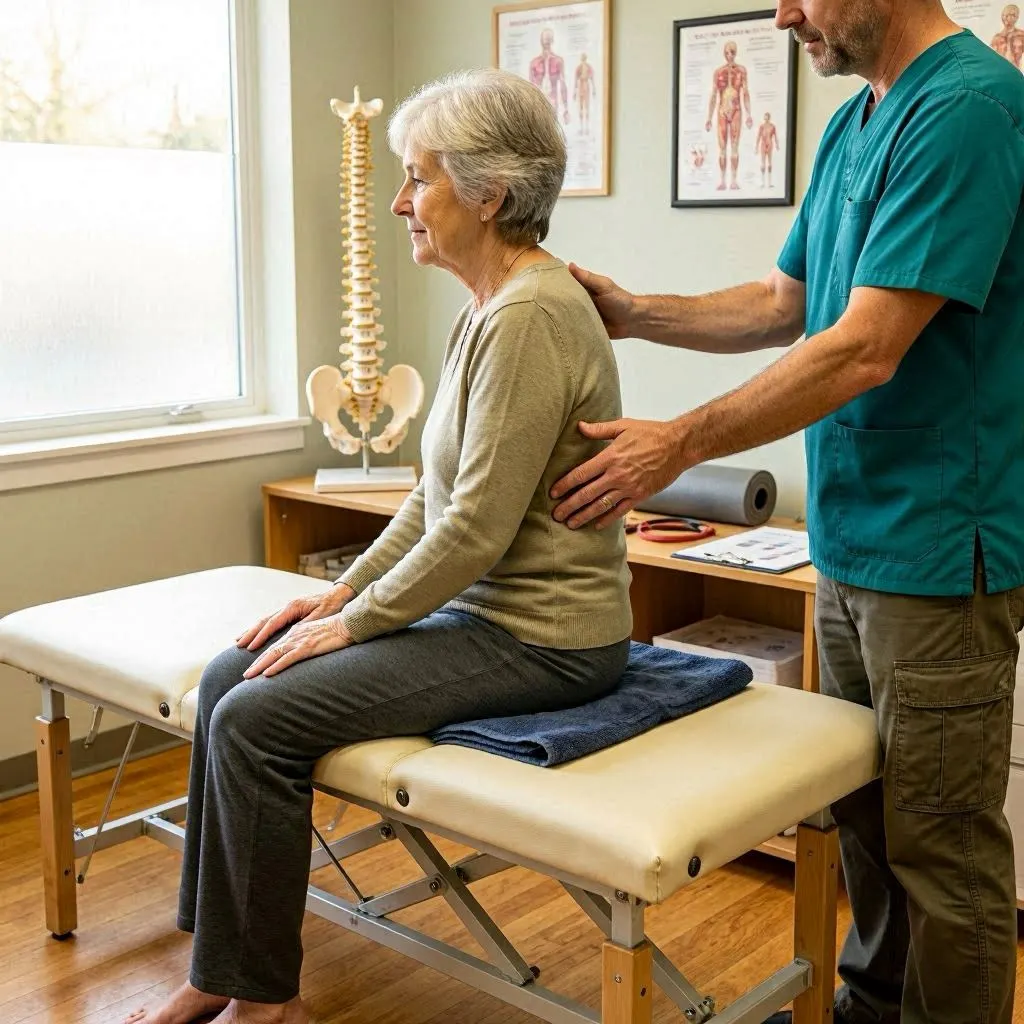
A chiropractor or healthcare professional performs a detailed assessment before recommending treatment.
The evaluation may include:
-
Medical history review
-
Standing posture analysis
-
Sitting posture assessment
-
Walking evaluation
-
Joint mobility testing
-
Muscle strength assessment
-
Flexibility testing
-
Functional movement analysis
-
Spinal examination
This information helps identify movement limitations and muscular imbalances contributing to poor posture.
Chiropractic Care and Posture Optimization
Chiropractic care is commonly included in posture optimization programs.
Following a comprehensive evaluation, treatment may include:
Chiropractic Adjustments
Gentle spinal adjustments improve joint mobility while supporting healthier movement.
Joint Mobilization (Posture Optimization)
Controlled movements restore flexibility to restricted joints.
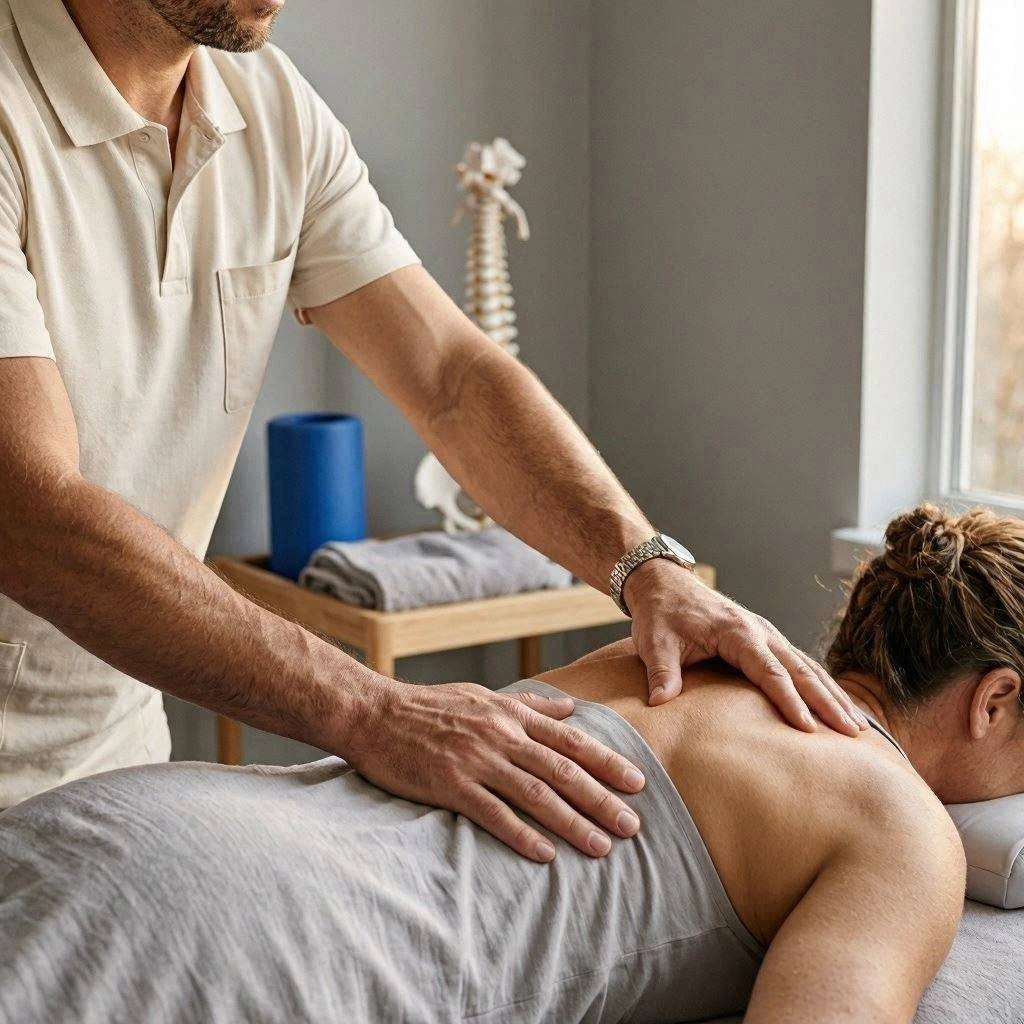
Soft Tissue Therapy
Manual therapy helps reduce muscle tightness while improving circulation.
Postural Education
Patients learn techniques for maintaining healthy posture during work, exercise, and daily activities.
Treatment plans are individualized according to each patient’s needs.
Exercises That Improve Posture
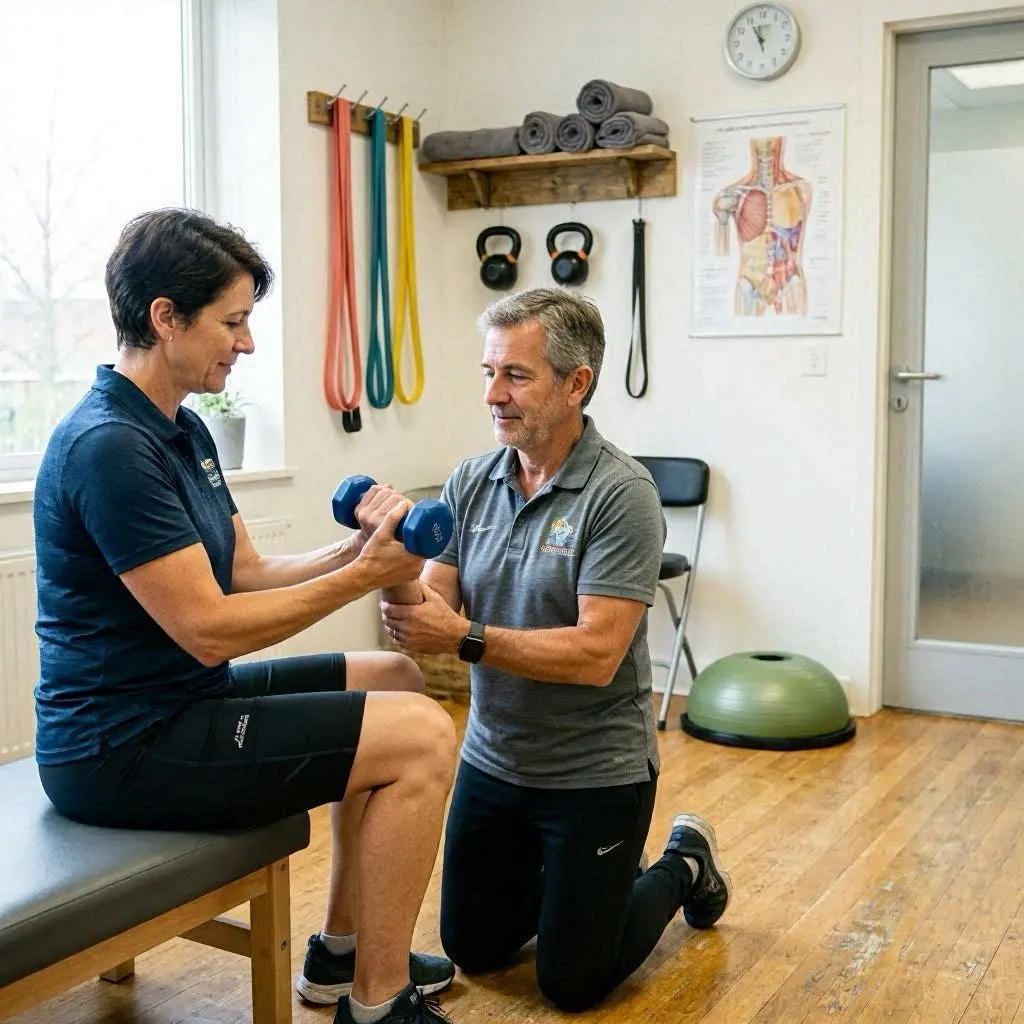
Exercise is one of the most effective tools for posture optimization.
Core Strengthening
Strong abdominal and back muscles provide better spinal support.
Upper Back Strengthening
Exercises targeting the middle back help counteract rounded shoulders.
Stretching
Stretching tight chest, hip, and neck muscles improves flexibility.
Balance Training (Posture Optimization)
Improved balance supports efficient body mechanics.
Mobility Exercises
Gentle mobility work restores movement throughout the spine.
Exercise programs should be customized according to age, fitness level, and physical condition.
Ergonomic Improvements
Many posture problems begin in the workplace.
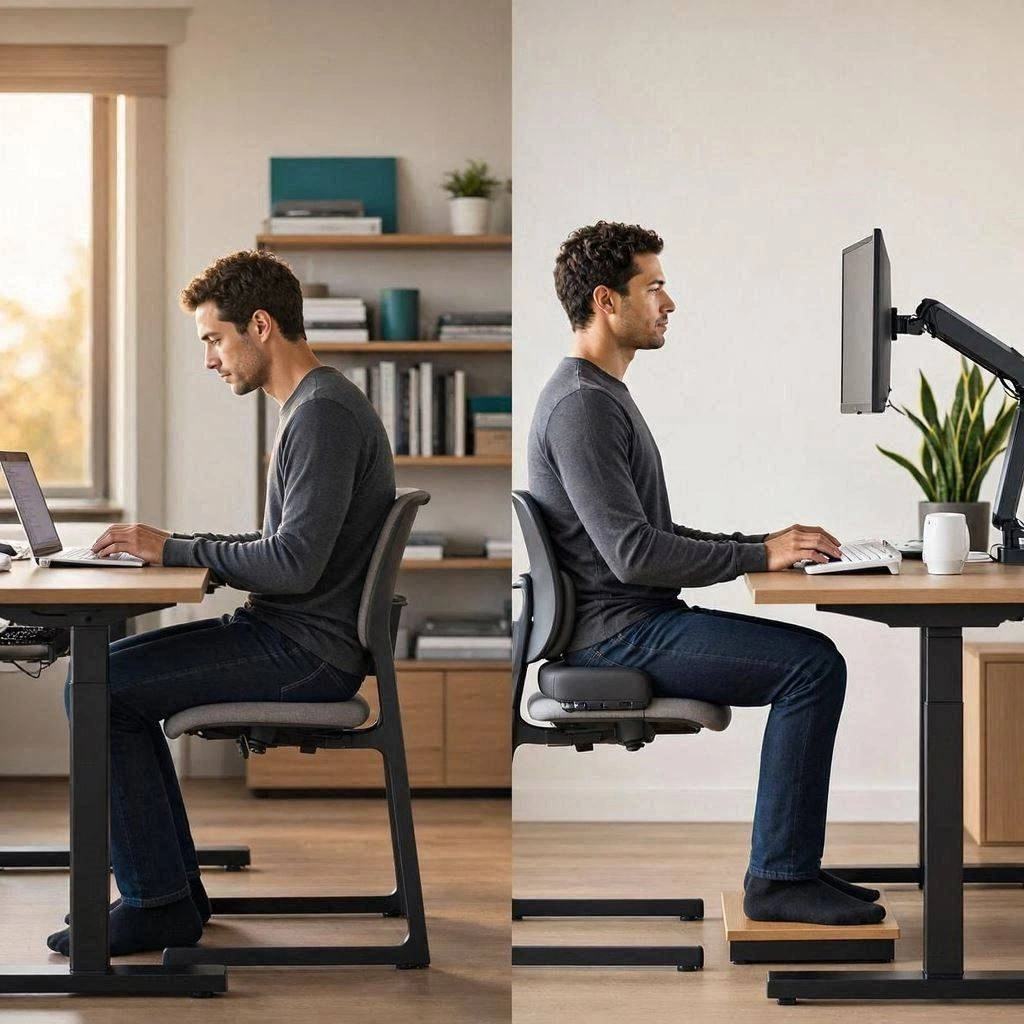
Helpful ergonomic recommendations include:
-
Keep monitors at eye level.
-
Use a supportive chair.
-
Keep feet flat on the floor.
-
Position elbows at approximately 90 degrees.
-
Relax the shoulders.
-
Take standing breaks every 30 to 60 minutes.
These changes reduce unnecessary stress on the neck and back.
Healthy Lifestyle Habits
Daily habits strongly influence posture.
Helpful recommendations include:
-
Exercise regularly.
-
Stretch every day.
-
Stay physically active.
-
Maintain a healthy body weight.
-
Drink enough water.
-
Sleep on a supportive mattress.
-
Wear supportive footwear.
-
Lift heavy objects correctly.
-
Avoid prolonged sitting.
-
Practice posture awareness throughout the day.
Consistency helps reinforce healthy movement patterns.
The Relationship Between Posture and Pain (Posture Optimization)
Poor posture does not always cause pain immediately, but prolonged mechanical stress can contribute to discomfort over time.
Poor posture may increase the likelihood of:
-
Neck pain
-
Upper back pain
-
Lower back pain
-
Shoulder pain
-
Tension headaches
-
Muscle fatigue
-
Joint stiffness
Improving posture often reduces mechanical stress and supports long-term pain management.
Preventing Future Posture Problems (Posture Optimization)
Preventive care is an essential part of posture optimization.
Helpful prevention strategies include:
-
Strengthen your core.
-
Maintain flexibility.
-
Improve workstation ergonomics.
-
Warm up before exercise.
-
Stretch after physical activity.
-
Alternate sitting and standing throughout the day.
-
Avoid carrying heavy bags on one shoulder.
-
Maintain healthy body mechanics during lifting.
These habits reduce cumulative stress on the spine.
When Should You Seek Professional Care?
Professional evaluation may be beneficial if you experience:
-
Persistent neck pain
-
Frequent back pain
-
Poor posture that does not improve
-
Limited flexibility
-
Recurrent headaches
-
Shoulder tightness
-
Muscle weakness
-
Pain interfering with daily activities
Early intervention often produces better long-term results.
Warning Signs That Require Immediate Medical Attention
Some symptoms require urgent medical evaluation rather than conservative posture treatment.
Seek emergency medical care if you experience:
-
Loss of bowel or bladder control
-
Progressive weakness in the arms or legs
-
Numbness around the groin or saddle area
-
Severe pain following major trauma
-
Chest pain
-
Difficulty breathing
-
High fever with severe spinal pain
-
Sudden loss of consciousness
These symptoms may indicate serious medical conditions requiring immediate attention.
Building a Long-Term Posture Optimization Plan
Successful posture improvement requires consistency rather than quick fixes.
A long-term plan may include:
-
Regular strengthening exercises
-
Daily stretching
-
Chiropractic care when appropriate
-
Ergonomic adjustments
-
Healthy nutrition
-
Quality sleep
-
Stress management
-
Routine physical activity
-
Ongoing posture awareness
-
Periodic professional assessments
Maintaining these habits supports lifelong spinal health.
Conclusion (Posture Optimization)
Posture optimization is more than standing up straight—it is a comprehensive approach to improving alignment, movement, and overall musculoskeletal health. Through chiropractic care, therapeutic exercise, stretching, ergonomic improvements, and healthy daily habits, individuals can reduce pain, improve mobility, and enhance their quality of life.
Whether you spend long hours at a desk, participate in sports, or simply want to move more comfortably, investing in posture optimization can provide lasting benefits. By combining professional guidance with consistent self-care, you can build stronger movement patterns, protect your spine, and enjoy a healthier, more active lifestyle for years to come.