Improve Mobility with Physiotherapy: A Path to Better Movement and Independence
Mobility is essential for maintaining an active, healthy, and independent lifestyle. However, injuries, surgery, aging, and chronic health conditions can significantly limit movement and make everyday activities more challenging. As a result, many people experience difficulty walking, climbing stairs, or performing routine tasks. Fortunately, physiotherapy offers a safe and effective way to restore movement, improve flexibility, and increase physical function. Moreover, personalized treatment plans help individuals achieve long-term improvements in mobility and overall well-being. (Improve Mobility with Physiotherapy)
What Does It Mean to Improve Mobility with Physiotherapy?
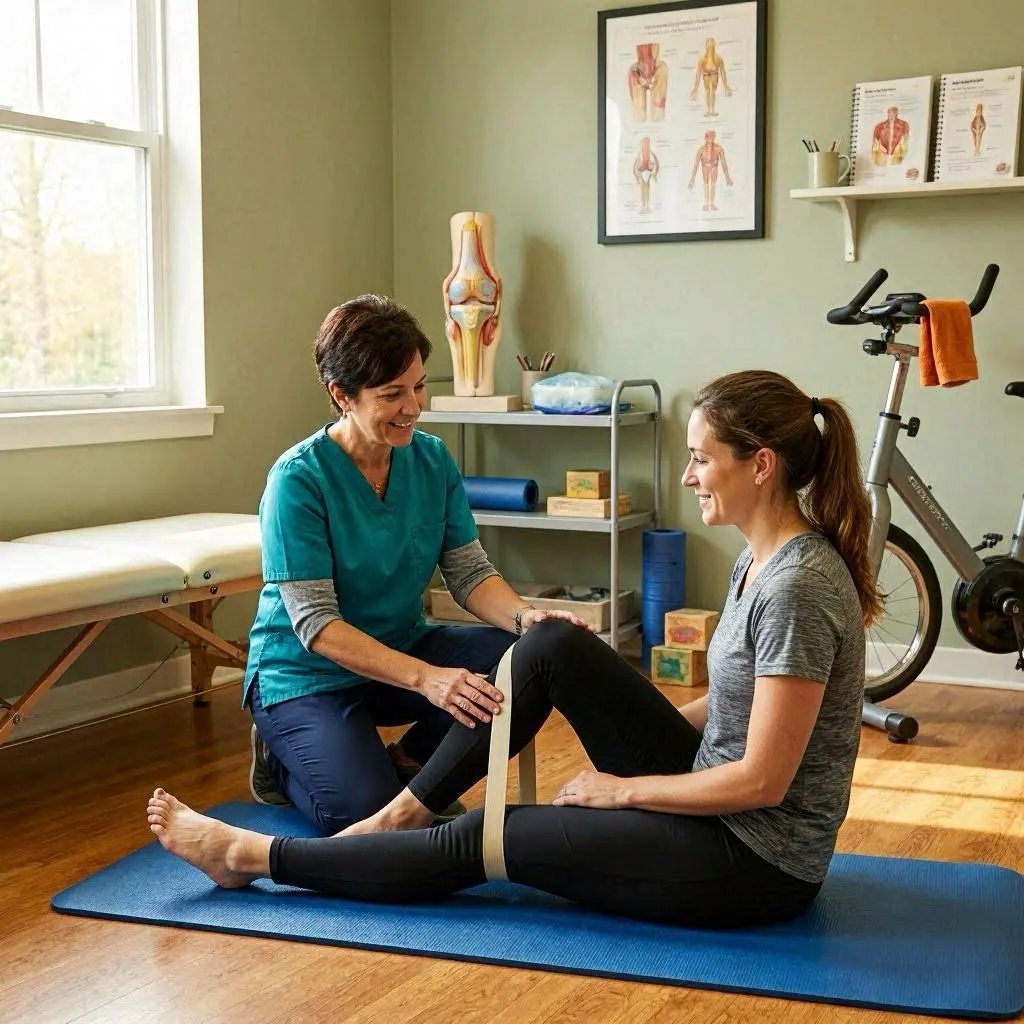
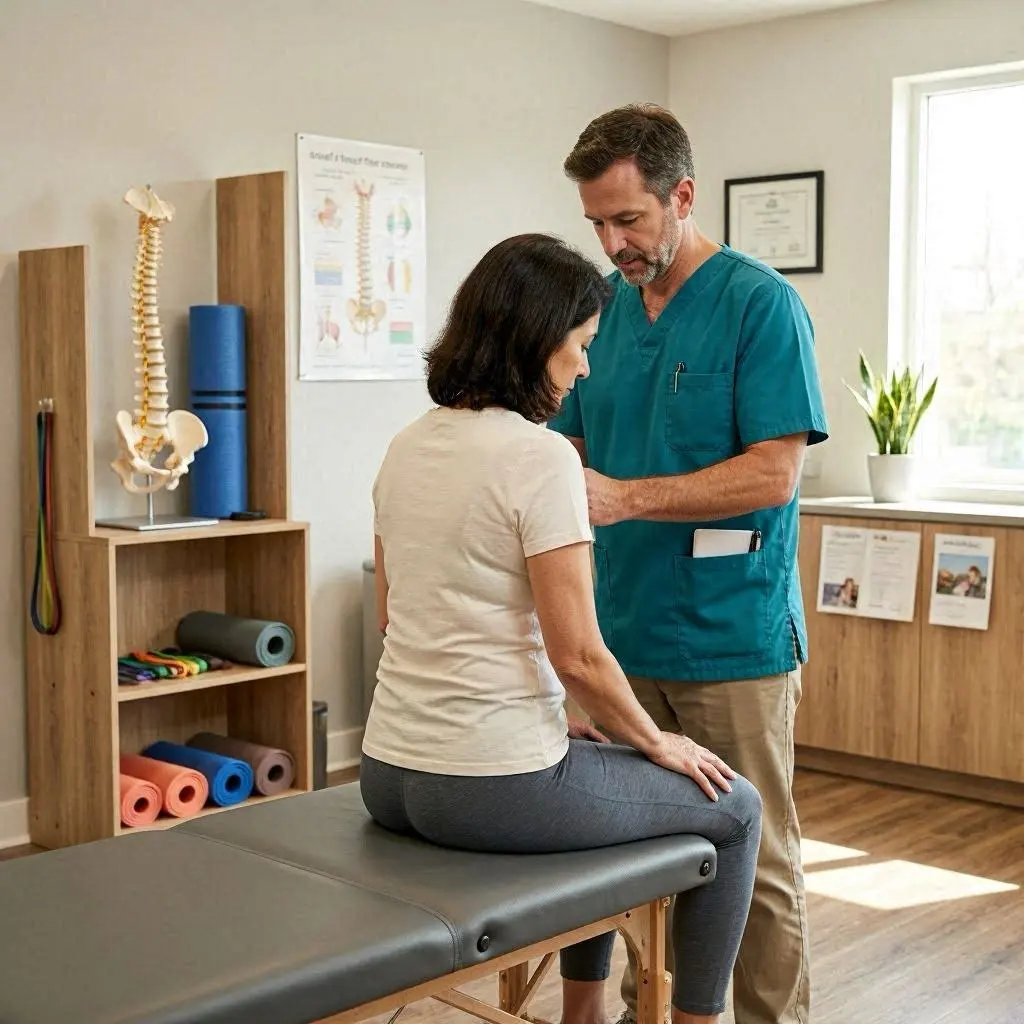
Improve mobility with physiotherapy refers to the use of specialized rehabilitation techniques, exercises, and hands-on treatments to enhance movement and physical function. First, a physiotherapist evaluates muscle strength, joint mobility, balance, posture, and movement patterns. Then, a customized treatment plan is created to address the patient’s specific needs.
Treatment may include:
- Mobility exercises
- Stretching programs
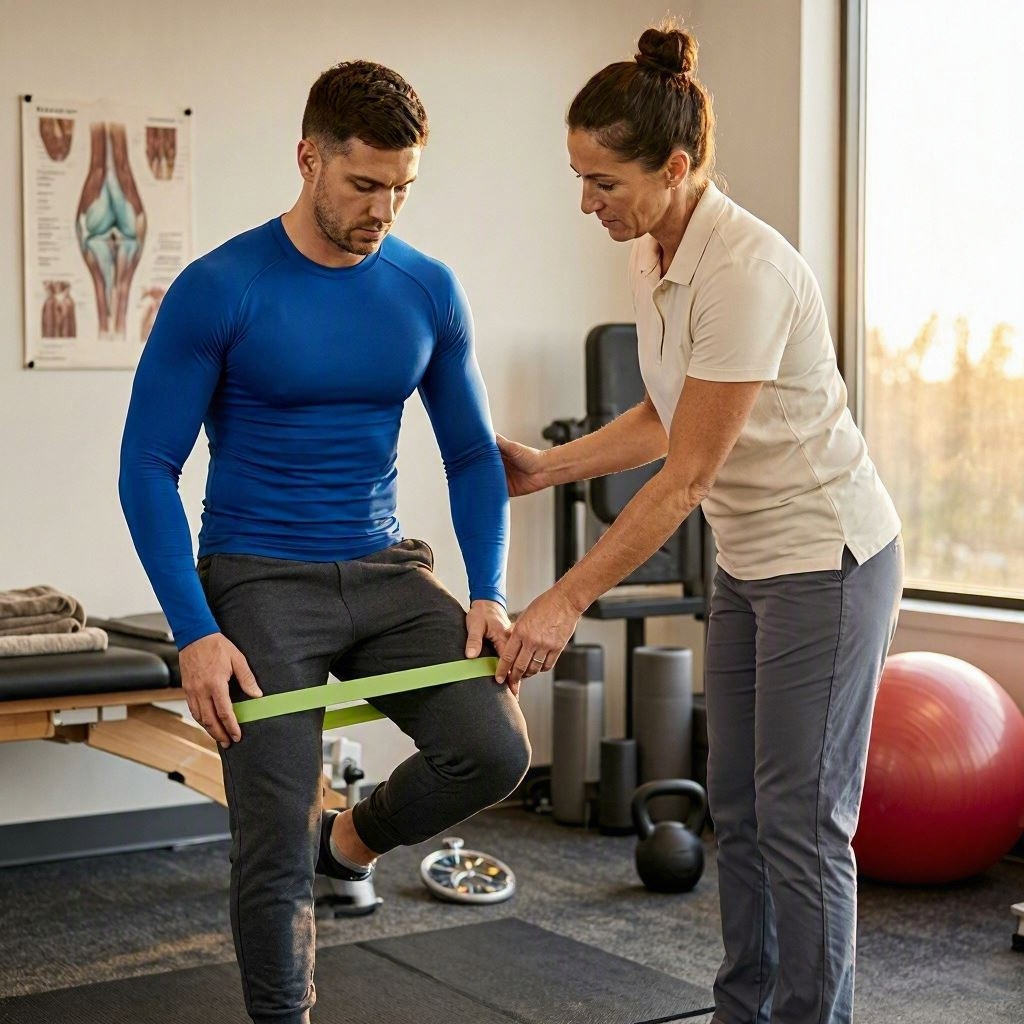
- Strengthening exercises
- Balance training
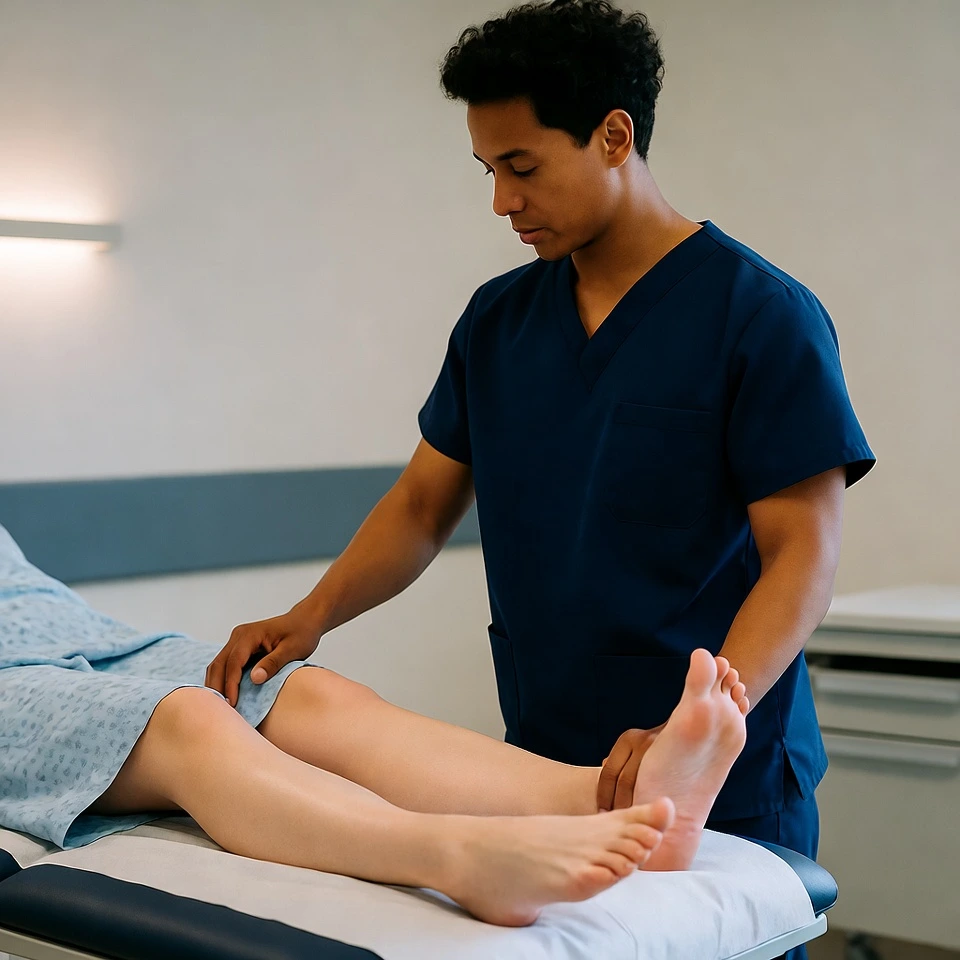
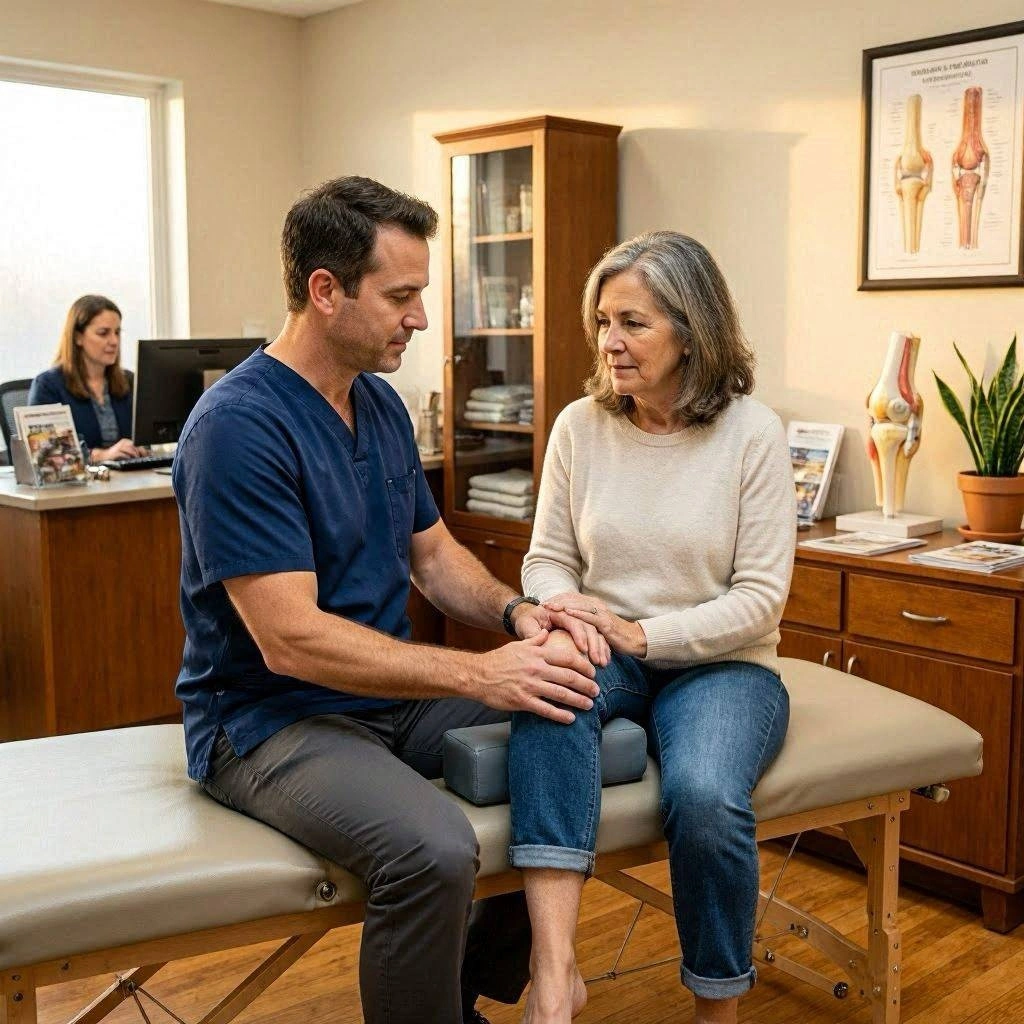
- Manual therapy
- Functional movement rehabilitation
- Posture correction
- Gait training
Ultimately, the goal is to restore movement, reduce discomfort, and improve daily function.
Common Causes of Reduced Mobility
Injury and Physical Trauma (Improve Mobility with Physiotherapy)
Sports injuries, fractures, muscle strains, and ligament damage can significantly limit movement. Consequently, rehabilitation is often necessary to restore normal function and prevent long-term complications.
Post-Surgical Recovery and Rehabilitation
After surgery, patients frequently experience weakness and stiffness. Therefore, physiotherapy plays a critical role in promoting recovery and improving mobility.
Arthritis and Joint Conditions
Arthritis can cause pain, swelling, and stiffness. As a result, daily activities may become increasingly difficult without proper treatment and exercise.
Neurological Conditions and Mobility Challenges
Conditions such as stroke, Parkinson’s disease, and multiple sclerosis often affect movement and balance. Nevertheless, physiotherapy can help patients improve function and maintain independence.
Aging and Muscle Weakness
As people age, they naturally lose muscle strength and flexibility. However, regular physiotherapy exercises can help slow this process and support healthy movement.
Benefits of Mobility Rehabilitation Through Physiotherapy
Improved Joint Flexibility and Range of Motion (Improve Mobility with Physiotherapy)
Regular mobility exercises help restore movement and reduce stiffness. In addition, they can improve overall comfort during daily activities.
Increased Muscle Strength and Stability
Strong muscles provide better support for the body. Furthermore, improved strength helps reduce the risk of falls and injuries.
Better Balance and Coordination
Balance training enhances stability and confidence. Consequently, individuals can move more safely and independently.
Reduced Pain and Physical Limitations
Many physiotherapy techniques help decrease discomfort. As a result, patients often experience greater freedom of movement.
Enhanced Independence and Quality of Life
Perhaps most importantly, improved mobility allows people to participate more fully in work, recreation, and everyday life.
Physiotherapy Techniques That Improve Mobility
Mobility Exercises for Better Movement (Improve Mobility with Physiotherapy)
Targeted exercises improve joint flexibility and movement patterns. Additionally, they help prevent stiffness from returning.
Strength Training for Functional Mobility
Strengthening exercises support muscles and joints. Therefore, individuals can perform daily tasks more efficiently.
Manual Therapy for Joint and Muscle Function
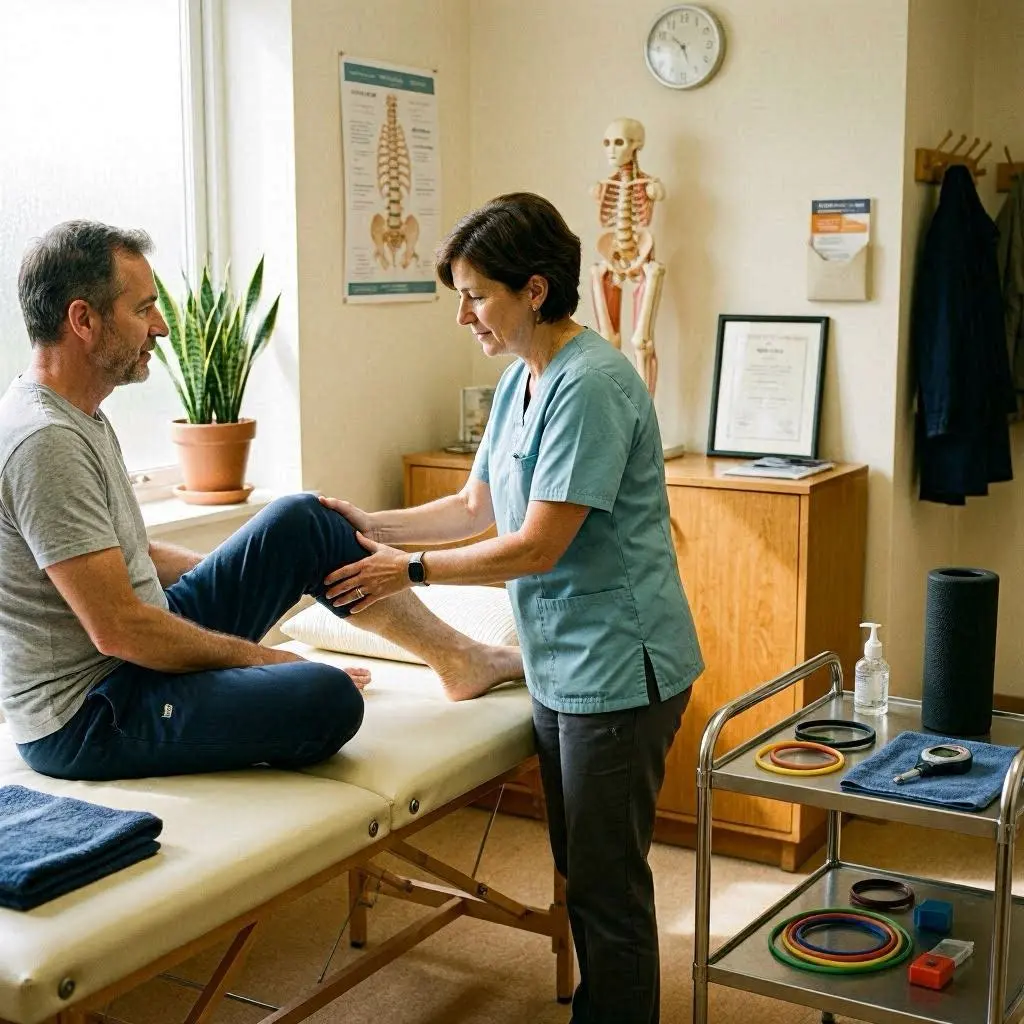
Manual therapy techniques improve mobility and reduce muscle tension. Moreover, they can complement exercise-based rehabilitation.
Balance and Stability Rehabilitation
Balance exercises improve coordination and body awareness. Consequently, patients feel more confident when walking and moving.
Functional Movement Training for Daily Activities
Functional rehabilitation focuses on real-life movements. For example, patients may practice walking, standing, reaching, and stair climbing.
Conclusion (Improve Mobility with Physiotherapy)
Overall, learning how to improve mobility with physiotherapy can be life-changing for individuals experiencing movement limitations. Through personalized rehabilitation programs, strengthening exercises, mobility training, and functional movement therapy, physiotherapy helps restore independence and improve overall well-being. Whether mobility challenges are caused by injury, surgery, aging, or a chronic condition, physiotherapy provides effective solutions that support long-term health. Ultimately, it helps individuals move more comfortably, stay active, and enjoy a better quality of life.