Knee Pain Physio: How Physiotherapy Helps Relieve Knee Pain Naturally
Knee pain is one of the most common physical problems affecting people of all ages. It can occur due to injuries, arthritis, aging, sports activities, obesity, or poor posture. Knee pain can make simple daily activities like walking, climbing stairs, or standing for long periods uncomfortable and difficult. Fortunately, physiotherapy is one of the most effective and natural treatments for knee pain.
Physiotherapy for knee problems focuses on reducing pain, improving movement, strengthening muscles, and restoring knee function without relying heavily on medications or surgery. Physical therapy provides long-term relief by treating the root cause of the problem rather than only managing symptoms.
Understanding Physiotherapy for Knee Problems
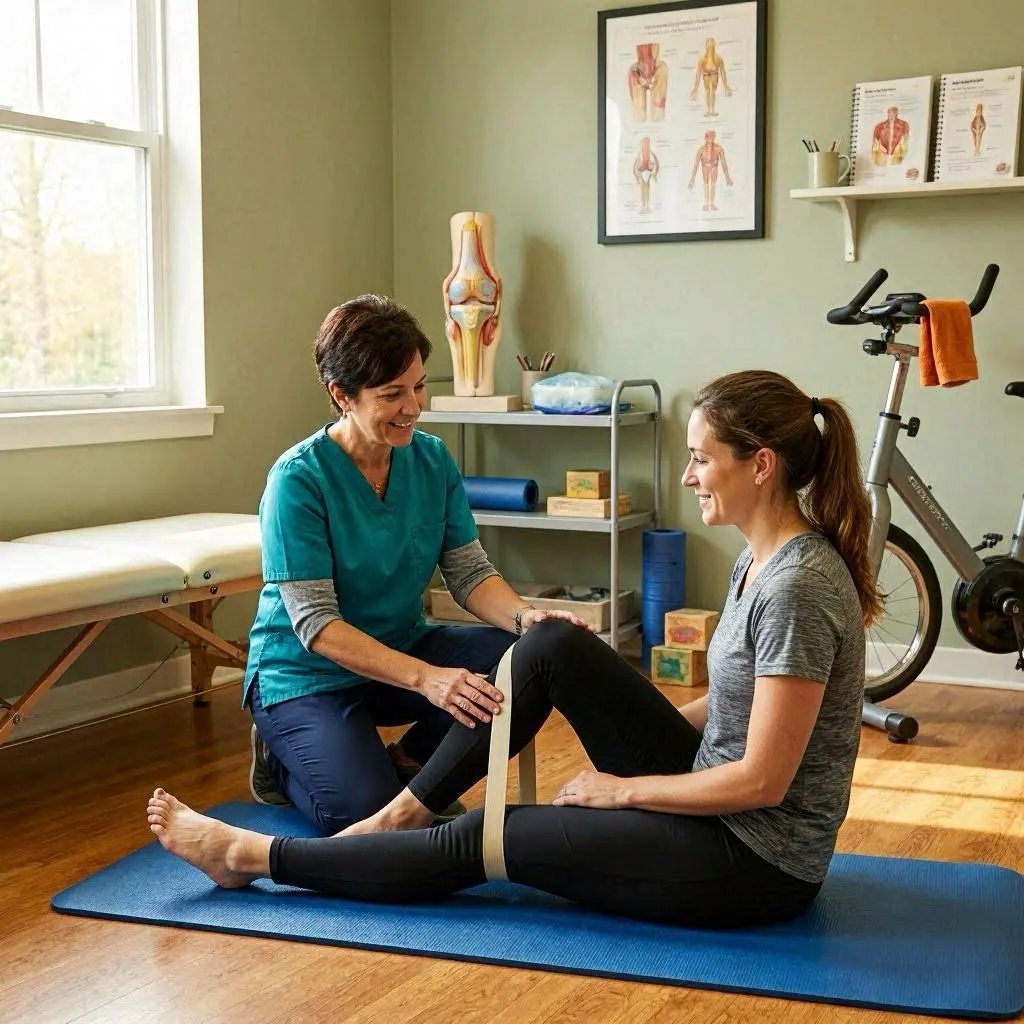
Knee rehabilitation therapy is a specialized treatment program designed to help patients recover from knee-related conditions and injuries. A physiotherapist carefully evaluates the knee joint, muscles, posture, and movement patterns before creating a customized treatment plan.
The treatment may include:
-
Strengthening exercises
-
Stretching techniques
-
Manual therapy
-
Joint mobilization
-
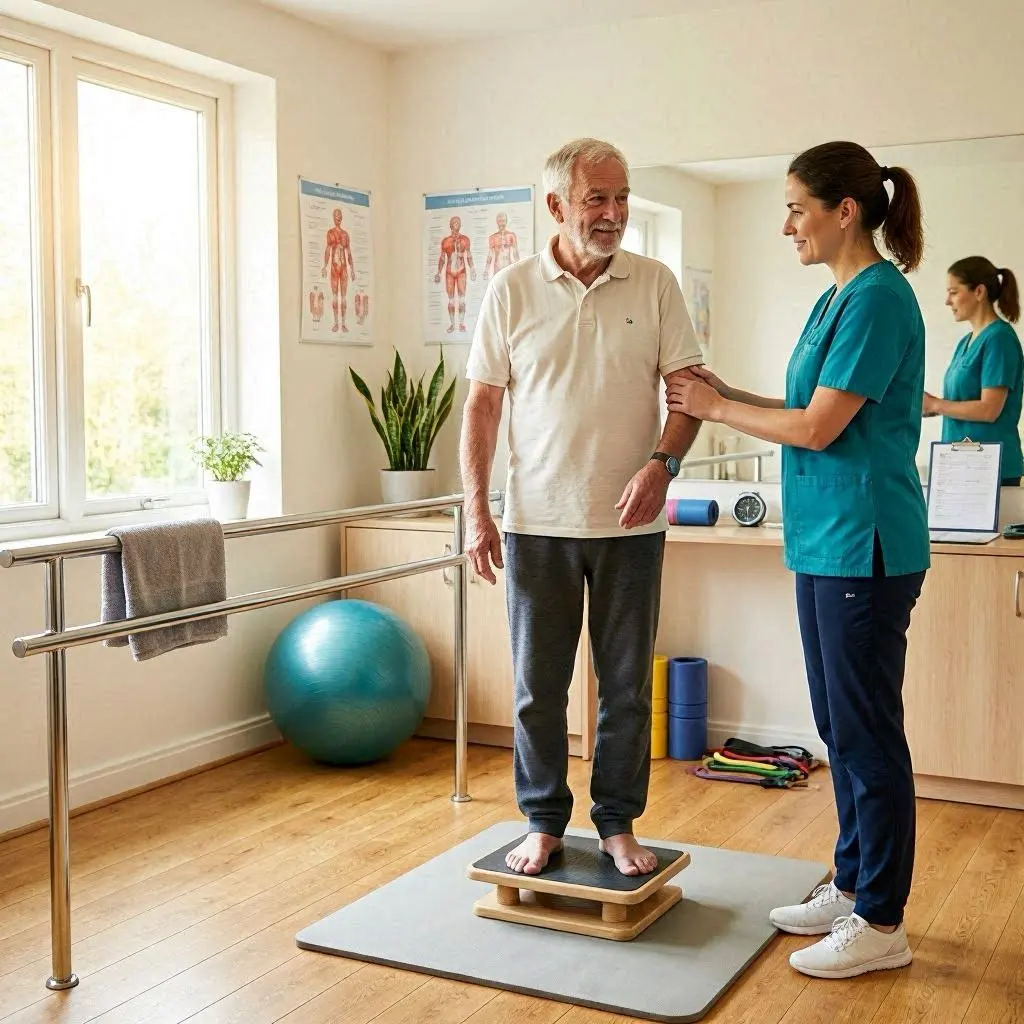
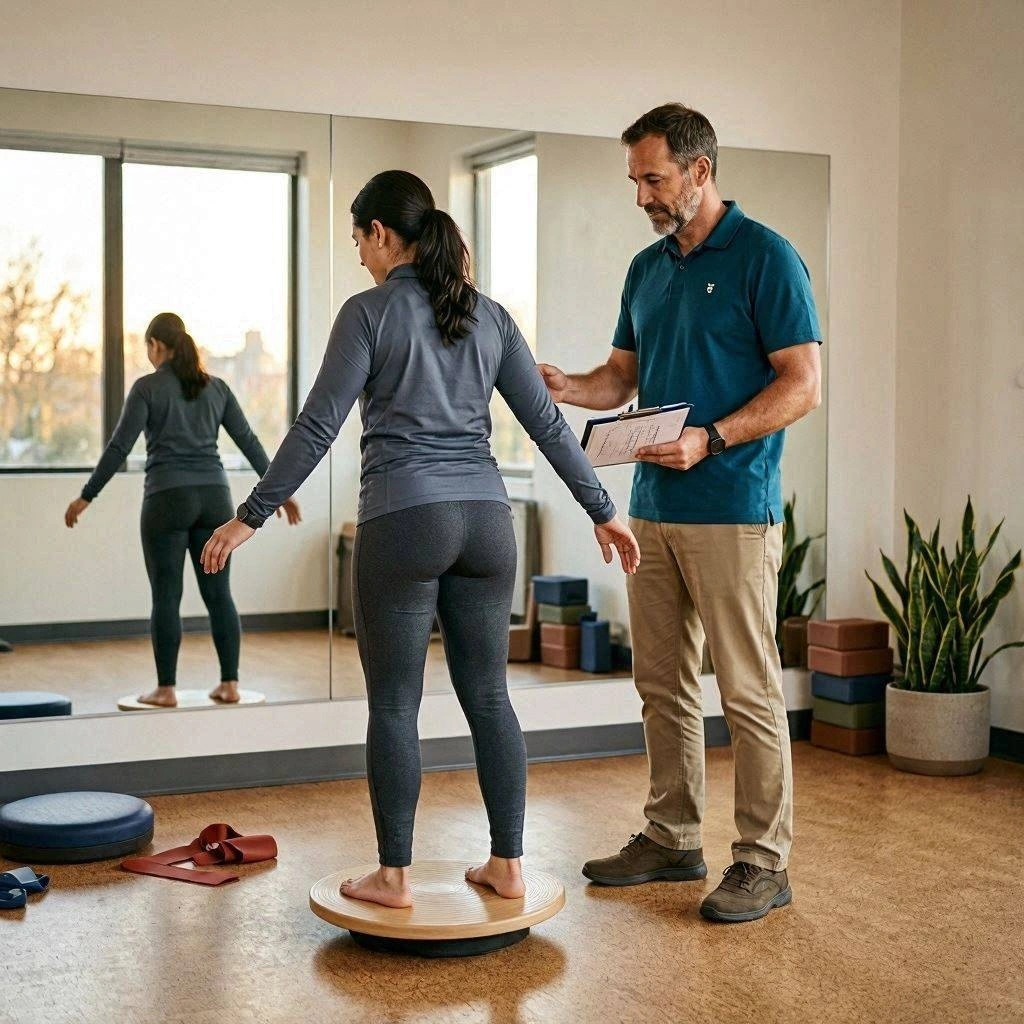
Balance and stability training
-
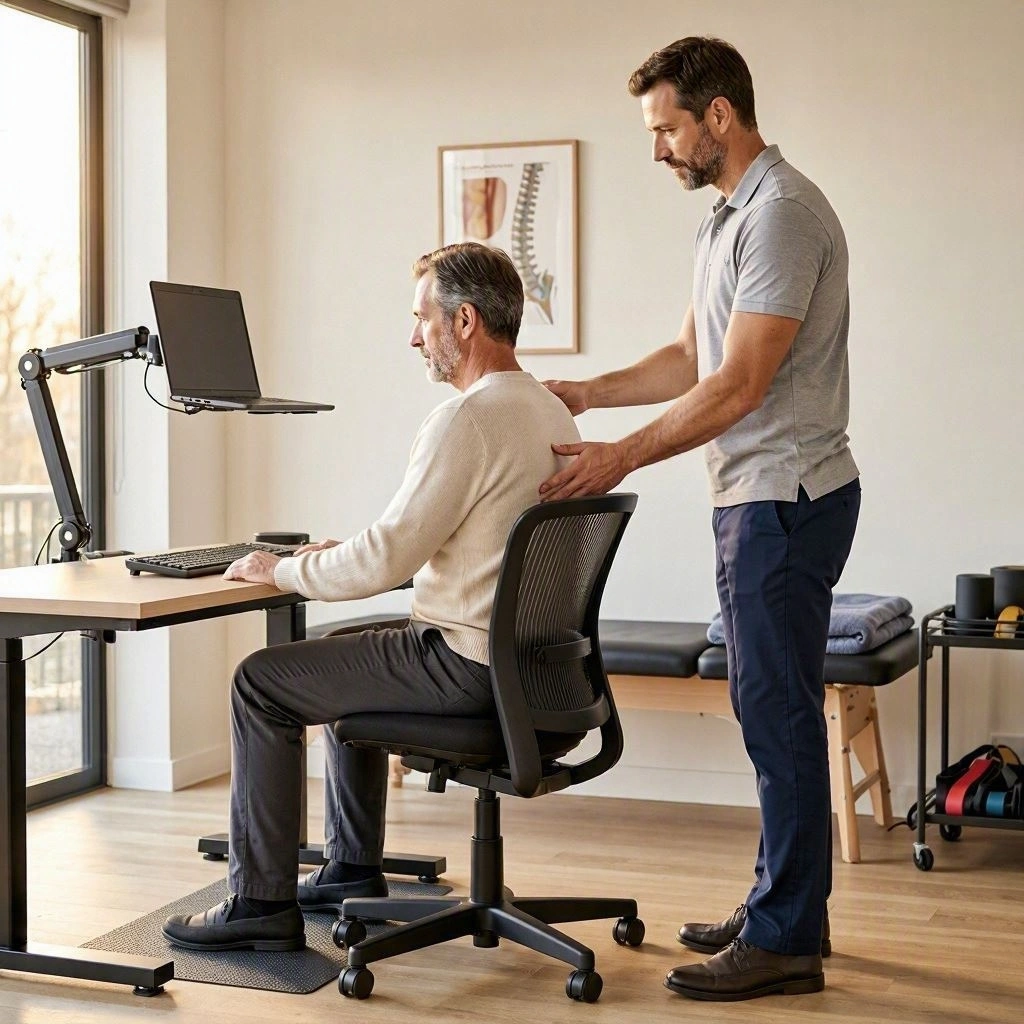
Posture correction
-
Ice and heat therapy
The goal of physical therapy for knee conditions is to reduce discomfort, improve flexibility, and help patients return to normal activities safely.
Common Causes of Knee Joint Pain (Knee Pain)
Knee discomfort can happen for many reasons. Understanding the cause is important for effective treatment.
1. Arthritis and Joint Wear
Osteoarthritis is one of the leading causes of knee discomfort, especially in older adults. It occurs when the cartilage in the knee joint wears down over time, causing pain, stiffness, and swelling.
2. Sports-Related Injuries
Athletes and active individuals often experience ligament tears, meniscus injuries, or tendon strains. Rehabilitation exercises help support recovery and prevent further damage.
3. Weak Muscles Around the Knee
Weak muscles can increase pressure on the knee joint and lead to discomfort. Strengthening exercises improve support and stability around the knee area.
4. Excess Body Weight
Obesity places additional stress on the knee joints, increasing the risk of chronic pain and joint damage over time.
5. Poor Posture and Incorrect Movement
Incorrect walking patterns, poor posture, or improper exercise techniques can also contribute to ongoing knee issues.
Benefits of Physical Therapy for Knee Pain
Natural Pain Management
One of the biggest benefits of physiotherapy is natural pain relief. Physiotherapists use safe and effective techniques to reduce inflammation and improve joint function without depending heavily on painkillers.
Improved Mobility and Flexibility
Knee stiffness can limit movement and affect daily activities. Guided therapy exercises improve flexibility, allowing the knee joint to move more comfortably and efficiently.
Better Knee Strength and Stability
Strong muscles help support the knee and reduce pressure on the joint. Therapy sessions focus on strengthening the quadriceps, hamstrings, and surrounding muscles for better stability.
Faster Recovery After Injury
Whether recovering from surgery, injury, or chronic discomfort, physiotherapy improves circulation and healing. This supports faster recovery and reduces downtime.
Reduced Risk of Future Injuries
Treatment programs not only address current discomfort but also help prevent future injuries. Patients learn proper movement techniques, stretching routines, and strengthening exercises that protect the knee long-term.
Effective Exercises for Knee Rehabilitation
Physiotherapists often recommend exercises based on the patient’s condition and fitness level. Some common rehabilitation exercises include:
Straight Leg Raises (Knee Pain)
This exercise strengthens the thigh muscles without placing too much pressure on the knee joint.
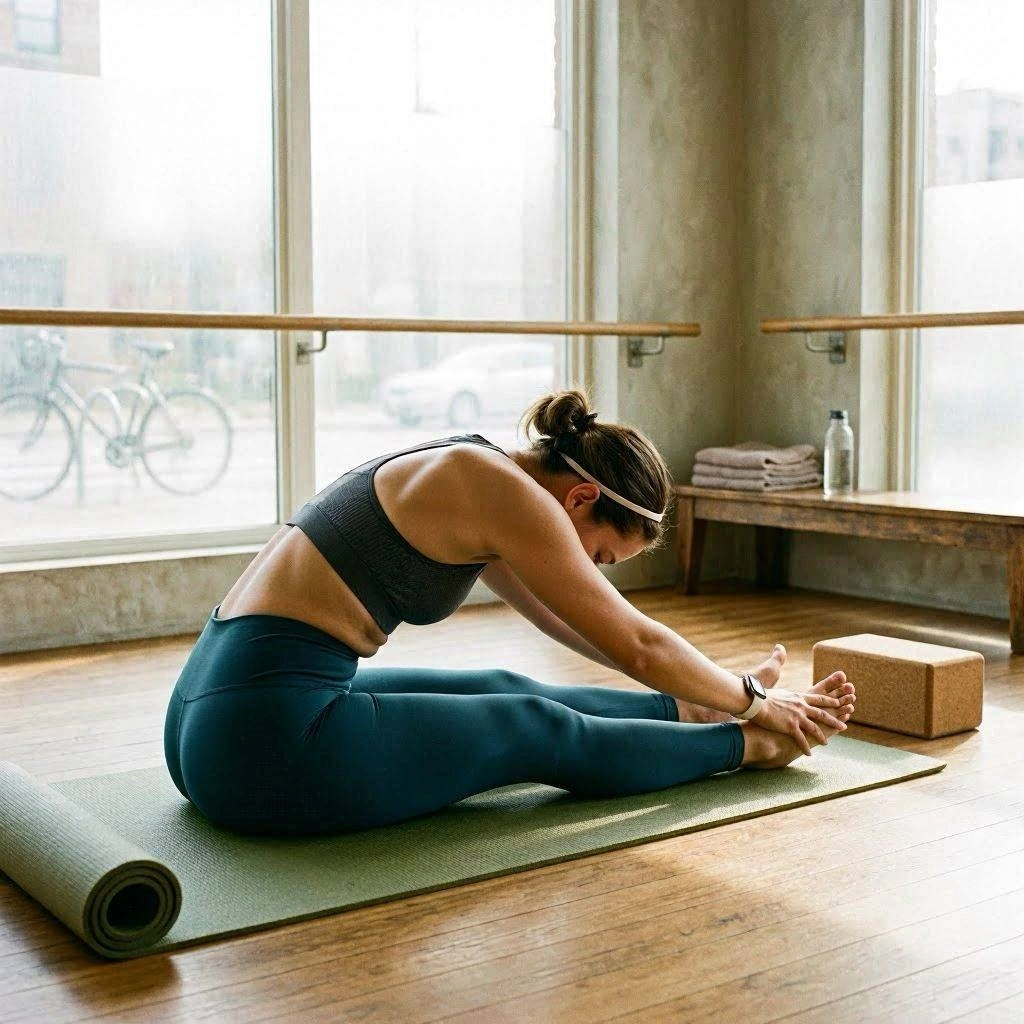
Hamstring Stretching (Knee Pain)
Hamstring stretches improve flexibility and reduce tightness behind the knee.
Wall Squats (Knee Pain)
Wall squats help strengthen the muscles around the knee and improve balance and stability.
Step-Up Exercises (Knee Pain)
Step-ups improve coordination, movement control, and lower body strength.
It is important to perform these exercises under professional guidance to avoid worsening the condition.
Signs You Should Visit a Physiotherapist
You should consider professional treatment if you experience:
-
Persistent knee discomfort
-
Swelling or stiffness
-
Difficulty walking or climbing stairs
-
Pain during physical activity
-
Limited movement in the knee joint
-
Recovery after surgery or injury
Early intervention can prevent minor conditions from becoming more serious.
Can Physical Therapy Reduce the Need for Surgery?
In many cases, yes. Physiotherapy can significantly improve joint function and reduce discomfort, lowering the chances of surgery. Conditions like mild arthritis, tendon injuries, and muscle imbalances often respond well to consistent treatment.
Even when surgery is necessary, rehabilitation before and after surgery improves recovery and long-term outcomes.
Conclusion (Knee Pain)
Knee rehabilitation through physiotherapy is a safe, effective, and natural solution for managing joint discomfort and improving mobility. From reducing pain and strengthening muscles to preventing future injuries, physical therapy offers long-term benefits for people of all ages.
Whether knee discomfort is caused by arthritis, sports injuries, aging, or muscle weakness, professional physiotherapy treatment can help restore movement, improve flexibility, and support an active lifestyle. Early treatment can make a major difference in recovery and overall knee health.