Injury Prevention Program: A Complete Guide to Staying Active, Preventing Injuries, and Improving Physical Performance
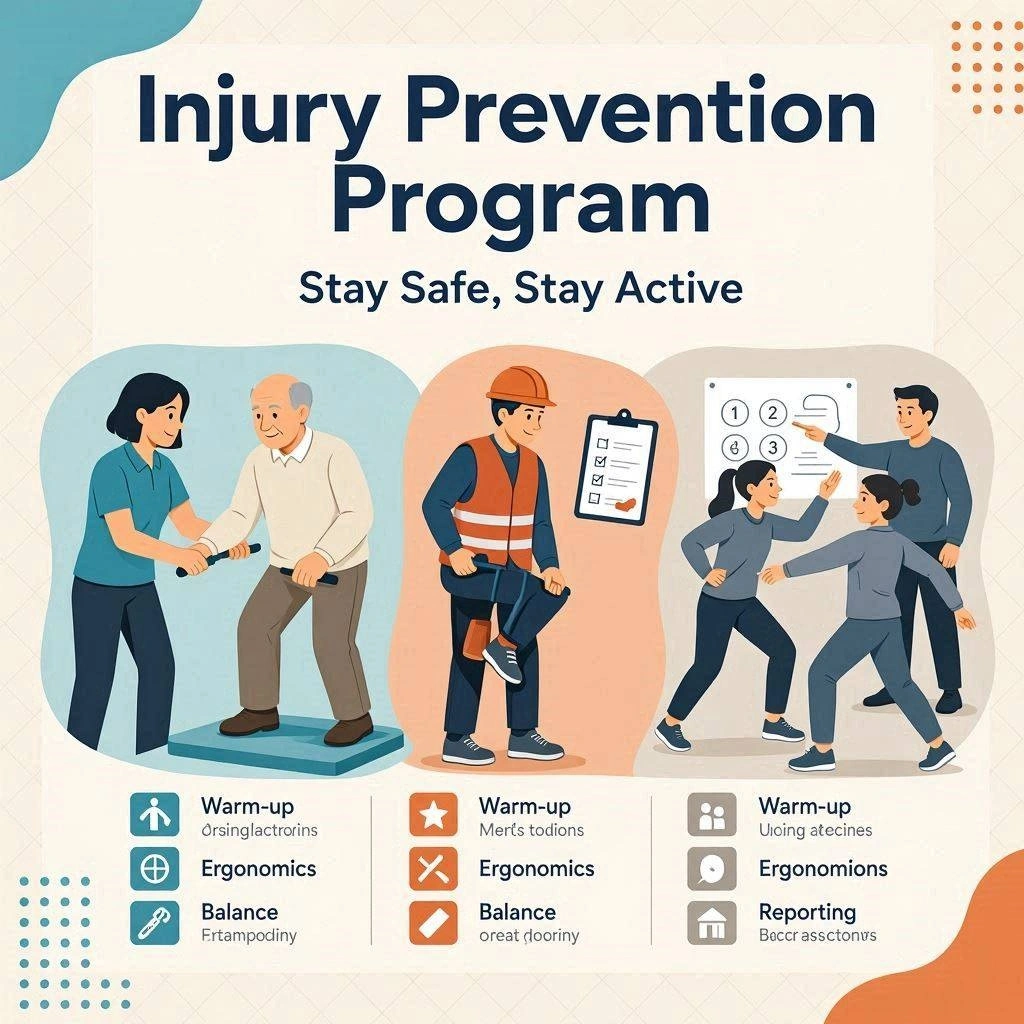
Staying active is one of the best ways to support long-term health, but physical activity also places stress on the muscles, joints, tendons, and ligaments. Whether you are an athlete, a fitness enthusiast, or someone who enjoys recreational activities, injuries can interrupt your routine and affect your quality of life. Fortunately, many musculoskeletal injuries can be prevented with the right preparation, proper movement techniques, and consistent conditioning. An injury prevention program is designed to reduce the likelihood of injuries while improving strength, mobility, balance, and overall physical performance.
Rather than focusing only on recovery after an injury occurs, an injury prevention program emphasizes proactive care. By combining chiropractic care, functional movement assessments, strength training, flexibility exercises, balance training, posture correction, and healthy lifestyle habits, individuals can improve body mechanics and reduce unnecessary stress on the musculoskeletal system.
What Is an Injury Prevention Program?
An injury prevention program is a structured plan that helps identify and correct factors that increase the risk of injury. It focuses on improving the way the body moves, strengthening key muscle groups, enhancing flexibility, and promoting healthy movement patterns.
These programs are beneficial for people of all ages, including:
-
Athletes
-
Runners
-
Office workers
-
Older adults
-
Students
-
Fitness enthusiasts
-
Manual laborers
-
Individuals returning after injury
The primary goal is to keep the body functioning efficiently while minimizing the risk of acute and overuse injuries.
Why Injury Prevention Matters
Recovering from an injury often requires weeks or months of rehabilitation. Preventive care helps reduce downtime and supports long-term physical health.
Benefits of an injury prevention program include:
-
Reduced injury risk
-
Improved posture
-
Better balance
-
Increased flexibility
-
Stronger muscles
-
Improved joint stability
-
Better athletic performance
-
Faster recovery after exercise
-
Greater confidence during movement
-
Improved quality of life
Preventive strategies are often easier and more effective than treating injuries after they occur.
Common Risk Factors for Injury
Several factors increase the likelihood of musculoskeletal injuries.
Poor Posture
Improper body alignment places unnecessary stress on muscles and joints.
Muscle Weakness
Weak supporting muscles reduce stability during movement.
Limited Flexibility
Tight muscles restrict normal joint motion.
Poor Balance
Reduced balance increases the likelihood of falls and awkward movements.
Overtraining (Injury Prevention Program)
Insufficient recovery may contribute to fatigue-related injuries.
Improper Technique
Incorrect lifting, running, or exercise techniques increase mechanical stress.
Previous Injuries
Old injuries may affect movement patterns and increase the chance of recurrence.
Comprehensive Movement Assessment
An injury prevention program typically begins with a detailed evaluation.
A chiropractor or rehabilitation professional may perform:
-
Medical history review
-
Posture assessment
-
Functional movement screening
-
Joint mobility evaluation
-
Muscle strength testing
-
Balance assessment
-
Flexibility testing
-
Walking or running analysis
-
Sport-specific movement evaluation
The findings help create an individualized prevention plan.
Chiropractic Care and Injury Prevention
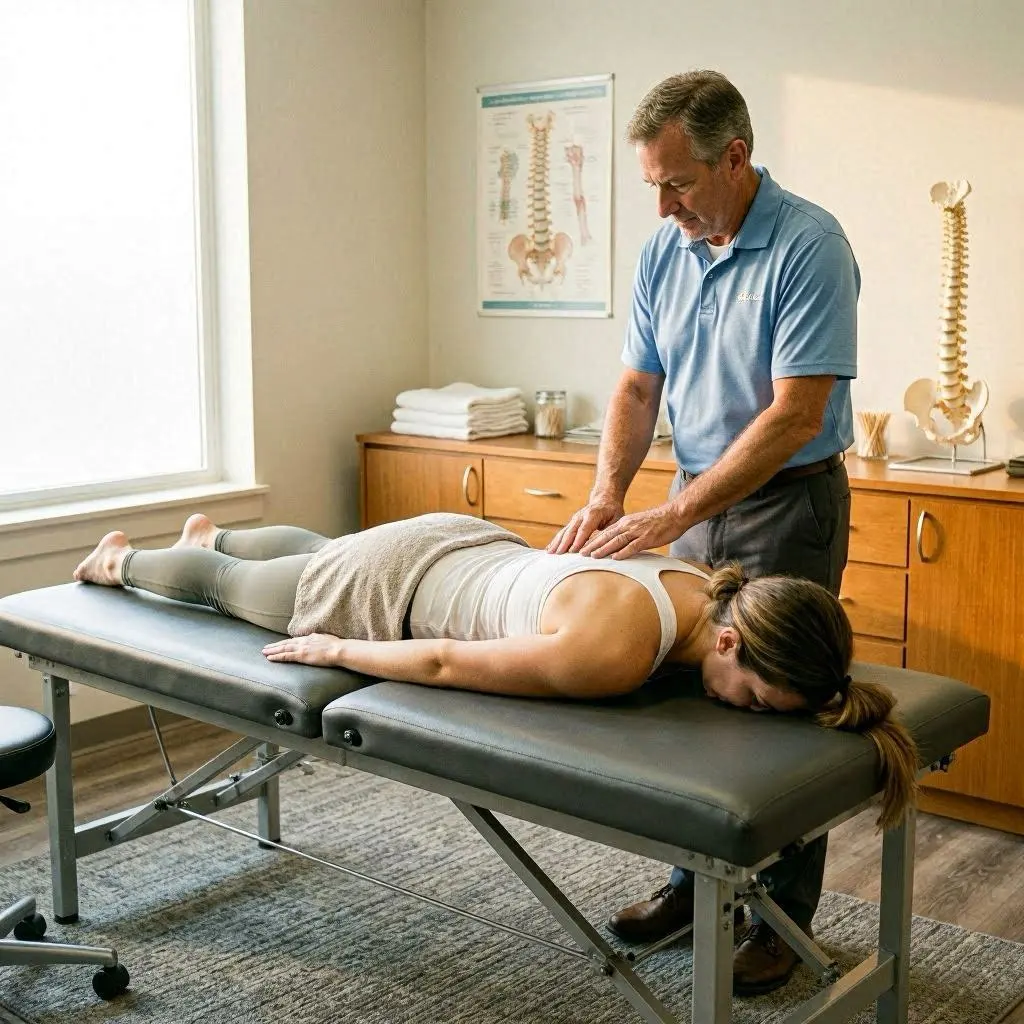
Chiropractic care supports healthy movement by improving joint function and spinal mobility.
Treatment may include:
Chiropractic Adjustments
Adjustments improve joint mobility while supporting efficient movement.
Joint Mobilization
Gentle mobilization restores flexibility in restricted joints.
Soft Tissue Therapy (Injury Prevention Program)
Manual therapy reduces muscle tension and improves tissue mobility.
Movement Education
Patients learn proper body mechanics during everyday activities and exercise.
These treatments complement strength and conditioning programs.
Strength Training
Strong muscles provide stability and reduce stress on joints.
A balanced strength program may include:
Core Strengthening
Core muscles stabilize the spine during movement.
Hip Strengthening
Strong hips improve lower-body alignment and reduce knee stress.
Upper Back Exercises (Injury Prevention Program)
These exercises improve posture and shoulder stability.
Functional Strength Training
Movements that mimic daily activities improve real-world performance.
Strength training should progress gradually to avoid excessive strain.
Flexibility and Mobility Training
Maintaining flexibility allows joints to move efficiently.
Effective mobility exercises may include:
-
Dynamic stretching before activity
-
Static stretching after exercise
-
Shoulder mobility drills
-
Hip mobility exercises
-
Thoracic spine mobility work
-
Ankle flexibility exercises
Improved flexibility supports better movement while reducing injury risk.
Balance and Coordination Training
Balance is essential for injury prevention.
Helpful exercises include:
-
Single-leg balance
-
Stability ball exercises
-
Balance board training
-
Functional reaching exercises
-
Controlled stepping drills
Improved balance helps prevent falls while enhancing athletic performance.
Warm-Up and Cool-Down
Preparing the body before activity is essential.
A proper warm-up should:
-
Increase circulation
-
Raise body temperature
-
Activate muscles
-
Improve mobility
-
Prepare joints for movement
After exercise, cooling down with light activity and stretching supports recovery and reduces muscle tightness.
Lifestyle Habits That Support Injury Prevention
Healthy daily habits reinforce physical training.
Helpful recommendations include:
-
Exercise consistently.
-
Sleep seven to nine hours each night.
-
Stay hydrated.
-
Eat a balanced diet.
-
Maintain a healthy body weight.
-
Manage stress effectively.
-
Avoid smoking.
-
Listen to your body’s warning signs.
-
Take recovery days.
-
Perform home exercises regularly.
Healthy habits contribute to stronger tissues and better recovery.
Preventing Sports Injuries (Injury Prevention Program)
Athletes can reduce injury risk by following sport-specific strategies.
Helpful recommendations include:
-
Wear appropriate protective equipment.
-
Replace worn athletic shoes.
-
Progress training gradually.
-
Strengthen supporting muscles.
-
Improve flexibility.
-
Practice proper technique.
-
Cross-train to avoid repetitive strain.
-
Allow adequate recovery between sessions.
Consistent preparation often improves performance while reducing injuries.
Preventing Workplace Injuries (Injury Prevention Program)
Many injuries occur during routine work activities.
Helpful ergonomic strategies include:
-
Adjust workstation height.
-
Lift with the legs instead of the back.
-
Avoid prolonged sitting.
-
Take movement breaks.
-
Maintain neutral wrist positions.
-
Keep frequently used items within easy reach.
Small ergonomic improvements can significantly reduce repetitive strain.
When Should You Seek Professional Guidance?
Professional assessment is recommended if you experience:
-
Recurrent injuries
-
Persistent muscle tightness
-
Joint instability
-
Poor balance
-
Reduced flexibility
-
Pain during exercise
-
Difficulty returning to sports
-
Frequent overuse injuries
Early intervention helps address small problems before they become serious.
Warning Signs That Require Immediate Medical Attention (Injury Prevention Program)
Certain symptoms require emergency medical evaluation.
Seek urgent care if you experience:
-
Severe pain after major trauma
-
Inability to bear weight
-
Visible joint deformity
-
Loss of bowel or bladder control
-
Progressive weakness
-
Numbness around the groin or saddle area
-
High fever with severe joint or back pain
-
Loss of consciousness
These symptoms may indicate serious medical conditions requiring immediate treatment.
Building a Long-Term Injury Prevention Plan
A successful prevention strategy should become part of your regular routine.
Long-term habits include:
-
Strength training
-
Flexibility exercises
-
Balance practice
-
Chiropractic care when appropriate
-
Proper nutrition
-
Adequate hydration
-
Quality sleep
-
Ergonomic improvements
-
Regular physical activity
-
Periodic movement assessments
Maintaining these habits helps support lifelong mobility and physical independence.
Conclusion (Injury Prevention Program)
An injury prevention program is one of the most effective ways to stay active, improve physical performance, and reduce the risk of musculoskeletal injuries. Through chiropractic care, strength training, flexibility exercises, balance training, posture correction, and healthy lifestyle habits, individuals can build stronger bodies and develop healthier movement patterns.Whether you are an athlete, a weekend runner, an office worker, or simply someone who wants to remain active, investing in injury prevention can improve your quality of life and reduce time lost to pain or rehabilitation. With professional guidance and consistent effort, you can protect your body, enhance performance, and enjoy long-term musculoskeletal health.