
Back Pain Treatment Thornhill: A Complete Guide to Managing Back Pain
Back pain is one of the most common physical problems affecting adults. It can interfere with work, exercise, sleep, household activities, and overall quality of life. For people looking for Back Pain Treatment Thornhill, finding an appropriate healthcare provider is an important first step toward understanding the source of their symptoms and developing a suitable recovery plan.
Back pain can have many different causes. Some cases are related to muscle strain, prolonged sitting, repetitive movements, or reduced physical activity. Other cases may be associated with injuries, joint problems, nerve irritation, degenerative changes, or underlying medical conditions. Because the cause and severity of back pain can vary significantly, treatment should be based on an appropriate assessment rather than a one-size-fits-all approach.
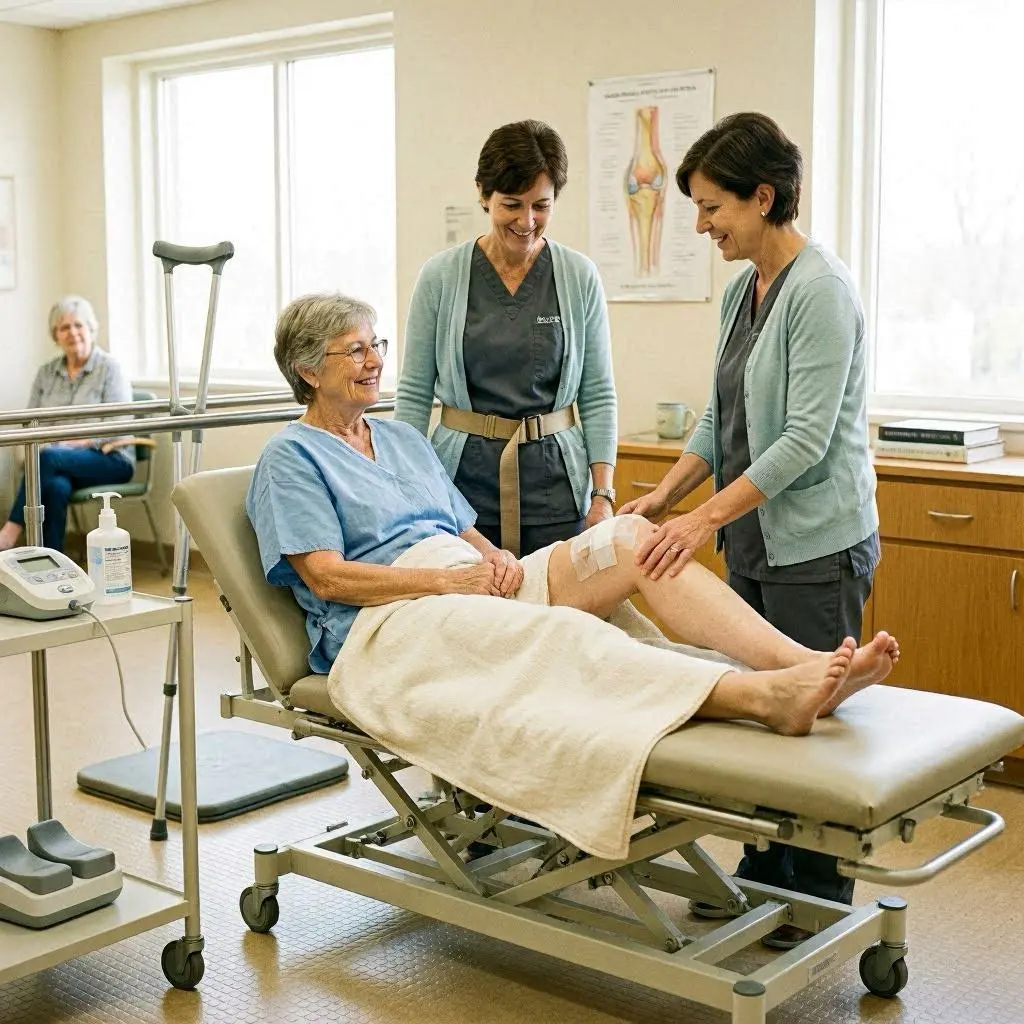
Physiotherapy, exercise-based rehabilitation, chiropractic care, and other conservative approaches may be used depending on the individual’s condition. Local Thornhill rehabilitation clinics commonly provide services addressing musculoskeletal problems, including back and neck pain, sports injuries, and chronic pain.
This guide explains common causes of back pain, treatment options, the role of physiotherapy and rehabilitation, and what to consider when looking for Back Pain Treatment Thornhill.
Understanding Back Pain (Back Pain Treatment Thornhill)
Back pain can occur anywhere along the spine, although discomfort in the lower back is particularly common. Symptoms may range from a mild ache to more significant pain that affects movement and daily activities.
Some people experience pain for a few days following an injury or physical activity. Others may develop persistent symptoms that continue for weeks or months.
Back pain can include:
-
Localized discomfort
-
Muscle tightness
-
Stiffness
-
Reduced mobility
-
Pain during bending or lifting
-
Discomfort while sitting
-
Pain when standing for extended periods
-
Difficulty walking
-
Symptoms extending into the buttocks or legs
The specific symptoms can provide useful information during an assessment. However, symptoms alone do not always identify the underlying cause.
Common Causes of Back Pain
There are numerous potential contributors to back pain. Understanding them can help explain why treatment often needs to be individualized.
Muscle Strain
Muscle strain can occur after lifting, bending, twisting, exercising, or performing unfamiliar physical activities. It may result in localized pain, stiffness, or reduced movement.
Most minor strains improve with appropriate activity modification and gradual return to normal movement. Rehabilitation can help restore strength and physical confidence.
Poor Movement Habits
Repeated movement patterns can sometimes contribute to discomfort. For example, repeatedly lifting objects with poor technique or performing activities without adequate conditioning may place additional demands on the back.
This does not mean that there is one perfect posture or movement technique for everyone. Instead, improving strength, movement variety, and physical capacity can be useful.
Prolonged Sitting
Many people spend long periods sitting at work, studying, driving, or using computers.
Sitting itself is not necessarily harmful, but remaining in one position for extended periods can contribute to stiffness or discomfort for some individuals.
Regular movement breaks and maintaining general physical activity can help reduce prolonged inactivity.
Sports Injuries
Sports and recreational activities can sometimes result in back injuries. Sudden increases in training volume, repetitive movements, inadequate recovery, or direct trauma may contribute to symptoms.
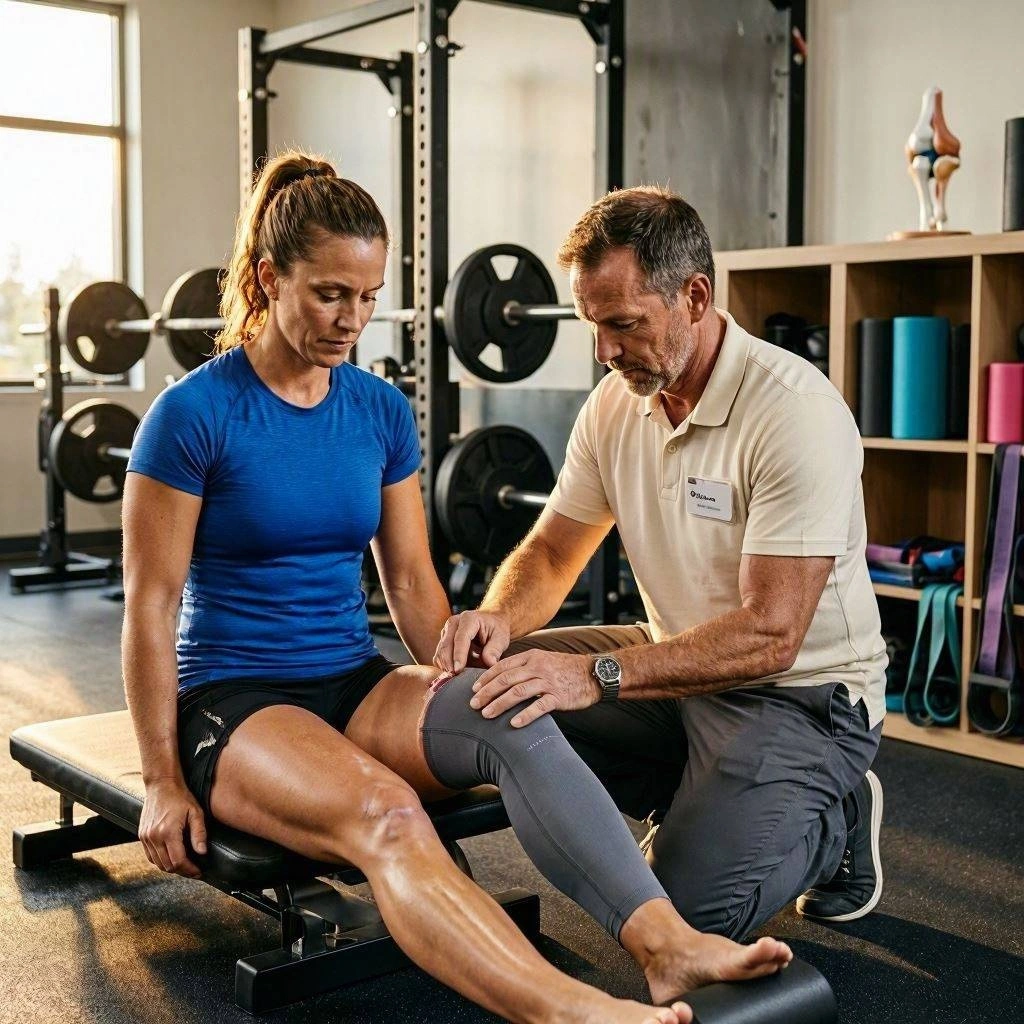
Sports rehabilitation may focus on restoring mobility, strength, coordination, and tolerance for sport-specific movements.
Disc-Related Problems
Intervertebral discs can contribute to back pain in some cases. Disc-related conditions may sometimes produce symptoms that extend into the buttocks or legs.
If neurological symptoms are present, professional assessment is particularly important.
Degenerative Changes
Changes in spinal structures can occur with aging. Importantly, imaging findings do not always directly correspond with pain levels. Some people have structural changes without significant symptoms, while others experience considerable discomfort.
Treatment should therefore consider the person’s symptoms, function, medical history, and physical assessment rather than relying only on imaging results.
Why Professional Assessment Matters
When searching for Back Pain Treatment Thornhill, it can be tempting to choose a treatment based solely on online recommendations. However, back pain is not one condition with one universal treatment.
An assessment can help identify:
-
The location and behavior of symptoms
-
Movement limitations
-
Strength deficits
-
Functional problems
-
Possible nerve involvement
-
Relevant injury history
-
Activities that aggravate symptoms
-
Factors affecting recovery
A qualified healthcare professional can then determine whether conservative rehabilitation is appropriate or whether further medical investigation is necessary.
Local physiotherapy providers in Thornhill commonly use assessment, therapeutic exercise, manual techniques, and rehabilitation strategies to address musculoskeletal conditions.
Physiotherapy for Back Pain
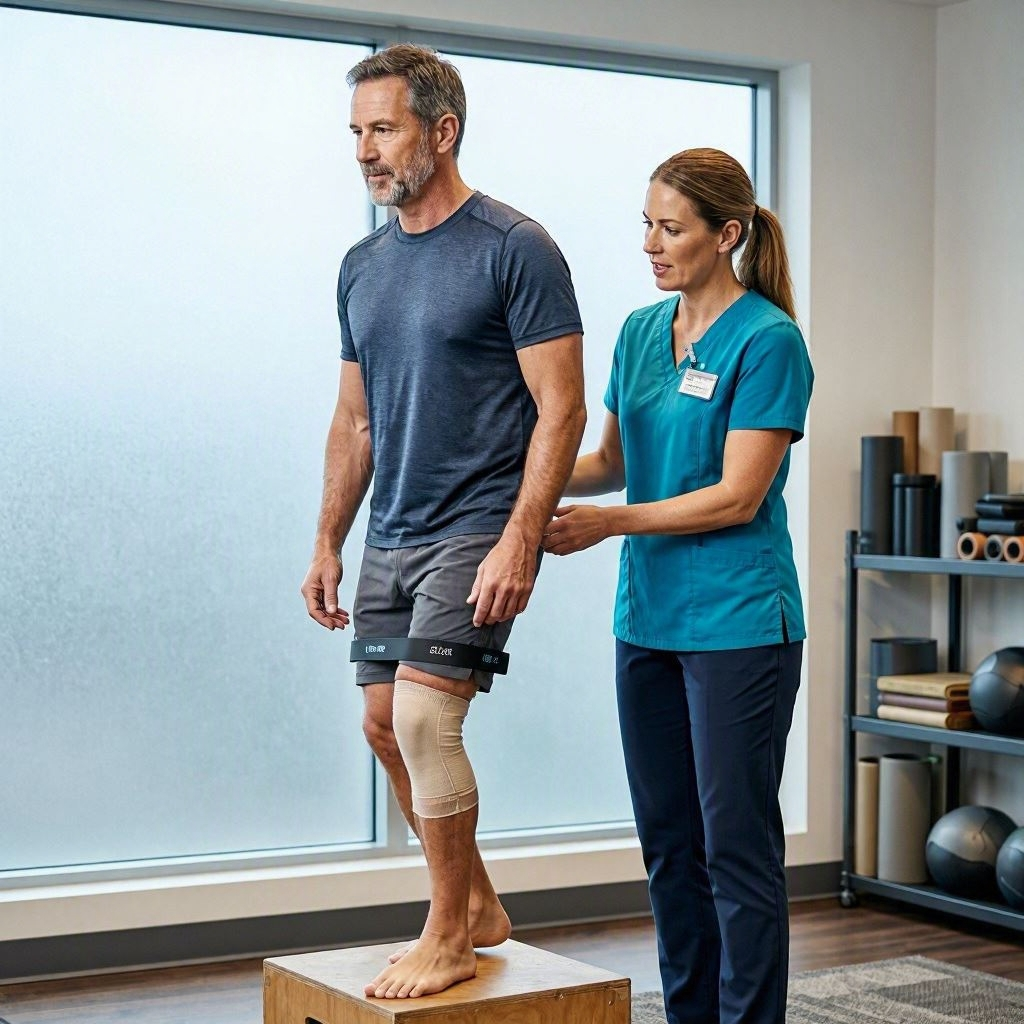
Physiotherapy is commonly used as part of conservative back pain management. The goal is usually to improve physical function, movement, strength, and confidence while addressing factors that may contribute to symptoms.
A physiotherapist may assess:
-
Spinal movement
-
Hip mobility
-
Core and trunk strength
-
Lower-limb strength
-
Balance
-
Functional movement
-
Walking
-
Lifting patterns
-
Activity tolerance
The treatment plan can then be adjusted according to the person’s needs.
Physiotherapy clinics in Thornhill may use therapeutic exercise, manual therapy, mobility work, and functional rehabilitation as part of treatment.
Exercise-Based Back Pain Treatment (Back Pain Treatment Thornhill)
Exercise is often an important part of rehabilitation.
Depending on the individual, exercises may focus on:
Core Strength
The muscles surrounding the trunk contribute to movement and stability. A progressive strengthening program can help improve physical capacity.
Hip Strength (Back Pain Treatment Thornhill)
Hip weakness or reduced hip control may affect certain functional movements. Strengthening the hips can therefore be incorporated into some rehabilitation programs.
Mobility
When movement is limited, appropriate mobility exercises may help restore comfortable range of motion.
Functional Strength
Rehabilitation should eventually connect exercise with everyday activities. This may involve squatting, lifting, walking, carrying, or other movements relevant to the individual’s lifestyle.
Exercise should be progressed gradually according to tolerance and clinical findings.
Manual Therapy for Back Pain
Manual therapy may be included in some physiotherapy or chiropractic treatment plans.
Depending on the practitioner and the patient’s condition, hands-on treatment may target muscles, joints, or soft tissues.
Manual therapy can sometimes help reduce symptoms or improve short-term movement. However, long-term rehabilitation often benefits from combining hands-on treatment with active strategies such as exercise and education.
This approach can help patients develop the physical capacity and self-management skills needed to continue progressing outside the clinic.
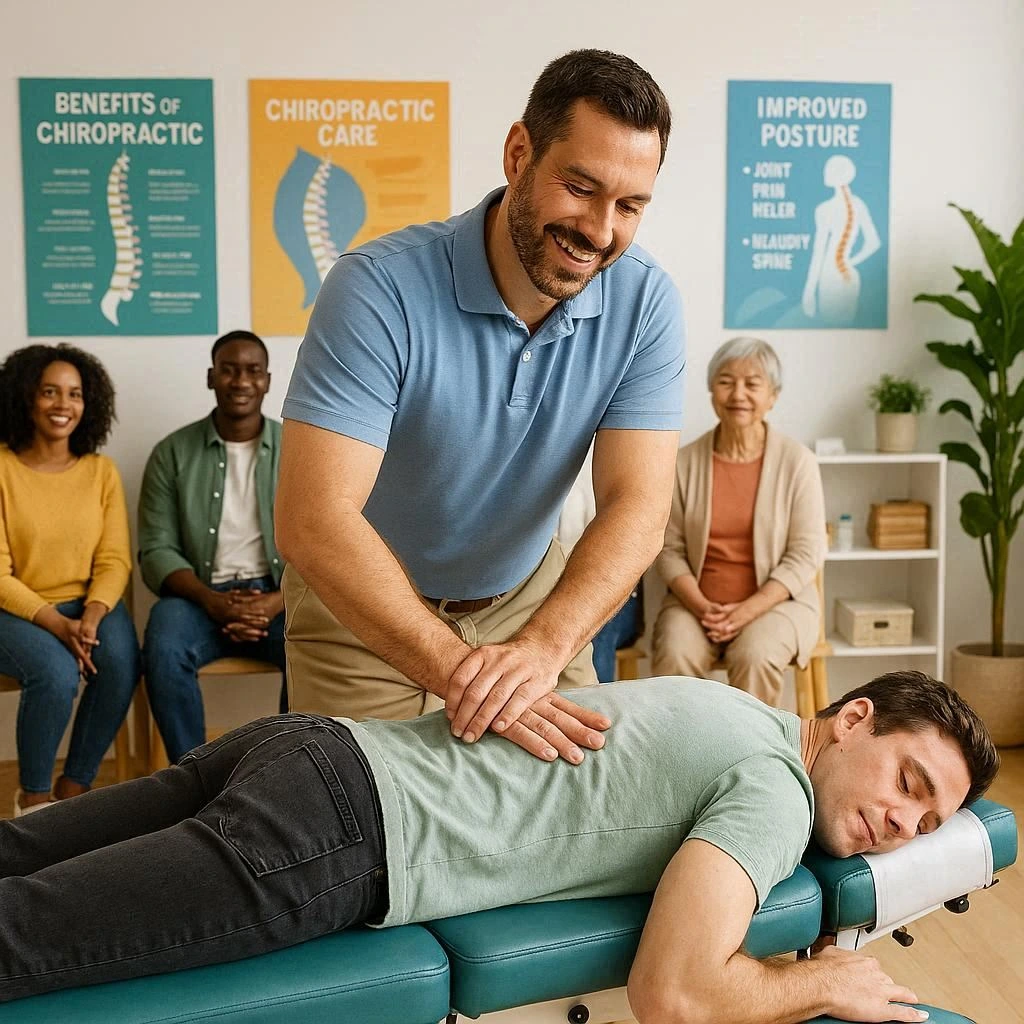
Chiropractic Care and Back Pain
Chiropractic care is another option people may consider when searching for Back Pain Treatment Thornhill.
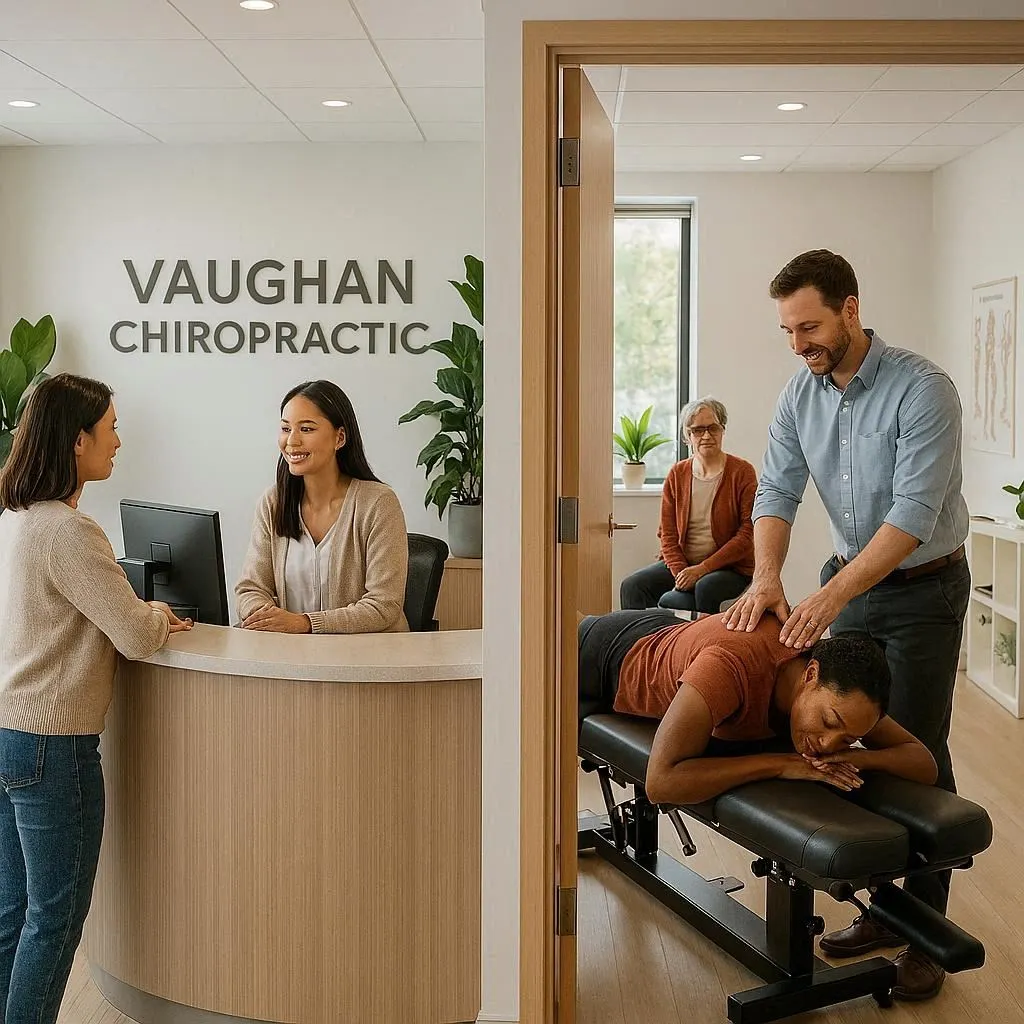
Chiropractors assess conditions involving the spine, joints, muscles, and related musculoskeletal structures. Local multidisciplinary clinics in Thornhill may combine chiropractic services with physiotherapy and registered massage therapy.
Treatment should be based on an appropriate assessment and individualized according to the patient’s condition.
Patients should also communicate any changes in symptoms, especially neurological symptoms, during treatment.
Massage Therapy and Back Pain
Massage therapy may be useful for some people experiencing muscular tension or soft-tissue discomfort.
It can help promote relaxation and may temporarily reduce feelings of muscle tightness or discomfort.
However, massage should not necessarily be viewed as a complete solution for every type of back pain. A comprehensive approach may also include strengthening, mobility exercises, activity modification, and education.
Thornhill rehabilitation centres may offer registered massage therapy alongside physiotherapy and chiropractic services.
Back Pain Treatment for Office Workers
Office workers may spend several hours each day sitting at a desk.
Rather than focusing on maintaining one rigid posture throughout the day, it can be useful to introduce movement variety.
Helpful strategies may include:
-
Changing positions regularly
-
Taking short movement breaks
-
Adjusting workstation height
-
Using a comfortable chair
-
Incorporating regular walking
-
Strengthening the trunk and hips
-
Avoiding long uninterrupted periods of sitting
If pain persists despite these changes, professional assessment may help determine what additional rehabilitation is appropriate.
Back Pain and Physical Activity (Back Pain Treatment Thornhill)
People with back pain sometimes stop exercising completely because they are worried that movement will make their symptoms worse.
In some cases, short-term activity modification may be appropriate. However, prolonged inactivity can contribute to reduced strength, physical conditioning, and confidence.
A gradual return to physical activity is often an important part of rehabilitation.
The appropriate level of activity depends on the person’s symptoms and diagnosis. A physiotherapist can help develop a progression that matches the individual’s current abilities.
Chronic Back Pain Treatment
Chronic or persistent back pain can be particularly challenging.
When symptoms continue for an extended period, treatment may need to address more than physical structures alone. Sleep, stress, activity levels, work demands, fear of movement, and previous experiences with pain can all influence how someone functions.
A rehabilitation program may focus on:
-
Gradual exercise
-
Strength development
-
Improved mobility
-
Activity pacing
-
Education
-
Functional goals
-
Building confidence with movement
The goal is not necessarily to eliminate every sensation of discomfort immediately. Instead, treatment may focus on improving function and helping the person return to meaningful activities.
Back Pain Treatment After an Injury (Back Pain Treatment Thornhill)
After an acute injury, the first stage may involve protecting the affected area and managing symptoms.
As symptoms improve, rehabilitation can progress toward:
-
Restoring comfortable movement
-
Rebuilding strength
-
Improving coordination
-
Increasing activity tolerance
-
Returning to normal activities
-
Returning to sport or demanding work
The speed of progression should depend on the individual’s condition.
Returning to heavy lifting or intense exercise too quickly may increase symptoms, while avoiding movement for too long may lead to deconditioning.
Choosing a Back Pain Treatment Clinic in Thornhill
When comparing clinics, consider several factors rather than choosing solely based on location.
Relevant Experience
Look for practitioners who regularly treat musculoskeletal and back-related conditions.
Individualized Assessment (Back Pain Treatment Thornhill)
A proper assessment should consider your symptoms, physical abilities, medical history, and goals.
Rehabilitation Approach
Ask whether the clinic includes active rehabilitation such as exercise and functional training.
Communication
Your provider should explain the treatment approach and give you opportunities to ask questions.
Convenience
Location, appointment times, parking, and accessibility can all affect your ability to attend consistently.
Thornhill has several physiotherapy and rehabilitation providers. For example, structured local searches currently identify clinics such as PhysioFlow: Physiotherapy & Sport Injury Clinic, HealthMax Physiotherapy – Thornhill, and MECH Physiotherapy. These examples are not endorsements; patients should compare services and qualifications based on their individual needs.
What to Expect at Your First Appointment
During an initial appointment, the practitioner will typically ask about your symptoms and medical history.
You may discuss:
-
When your back pain started
-
What activities aggravate it
-
What makes it feel better
-
Whether symptoms travel into the legs
-
Your work activities
-
Your exercise routine
-
Previous injuries
-
Your treatment goals
A physical assessment may then evaluate movement, strength, mobility, balance, and functional activities.
Based on the findings, your practitioner can explain the recommended treatment approach.
Questions to Ask Your Provider (Back Pain Treatment Thornhill)
Before beginning Back Pain Treatment Thornhill, you may want to ask:
-
What might be contributing to my symptoms?
-
What will the assessment involve?
-
What treatment options are appropriate for me?
-
Will I receive exercises to complete at home?
-
How will progress be measured?
-
How frequently should I attend?
-
What activities should I temporarily modify?
-
When should I seek further medical evaluation?
Clear answers can help you understand what to expect from rehabilitation.
When Back Pain Requires Medical Attention
Most back pain is not caused by a serious condition. However, some symptoms require prompt medical assessment.
Seek appropriate medical care if back pain is accompanied by:
-
Significant weakness
-
Severe or progressive numbness
-
Loss of bladder or bowel control
-
Numbness around the groin or saddle area
-
Major trauma
-
Suspected fracture
-
Fever or unexplained systemic illness
-
Unexplained weight loss
-
Severe or rapidly worsening symptoms
These symptoms should not simply be treated as routine muscular back pain.
If symptoms are severe, persistent, or unexplained, a healthcare professional should determine whether further investigation is necessary.
Preventing Future Back Pain
Although not every episode of back pain can be prevented, improving physical capacity may reduce the likelihood of some problems.
Helpful habits may include:
Regular Exercise
Strength and cardiovascular activity can support general physical health.
Gradual Training
Avoid sudden increases in exercise intensity or volume.
Movement Variety
Avoid remaining in one position for very long periods.
Proper Recovery
Sleep and recovery are important when the body is adapting to physical activity.
Strength Training (Back Pain Treatment Thornhill)
Progressive resistance exercise can improve physical capacity and help prepare the body for everyday demands.
Healthy Body Weight
Maintaining a healthy body weight may reduce mechanical demands on the body and support overall health.
The Importance of Long-Term Rehabilitation (Back Pain Treatment Thornhill)
Effective back pain management is not always about finding one treatment that immediately eliminates symptoms.
For many people, long-term improvement involves developing better physical capacity and learning how to manage symptoms appropriately.
A rehabilitation plan may evolve as the patient becomes stronger and more active.
For example, someone who initially struggles to walk for 10 minutes may eventually progress toward longer walks, resistance training, and recreational activities.
These functional improvements can be meaningful indicators of rehabilitation progress.
Frequently Asked Questions About Back Pain Treatment Thornhill
What is the best Back Pain Treatment Thornhill?
There is no single treatment that is best for everyone. The appropriate approach depends on the cause of the pain, symptoms, physical findings, health history, and individual goals.
Can physiotherapy help lower back pain?
Physiotherapy can help many people with musculoskeletal back pain. Treatment may include assessment, therapeutic exercise, mobility work, education, and functional rehabilitation.
How long does back pain treatment take?
Recovery varies depending on the condition and individual circumstances. Minor episodes may improve relatively quickly, while persistent or complex problems can require longer rehabilitation.
Should I exercise with back pain?
The appropriate level of exercise depends on your symptoms and diagnosis. Complete inactivity is not always necessary. A healthcare professional can help determine appropriate exercises and activity levels.
Can chiropractic care help back pain?
Chiropractic care may be appropriate for some musculoskeletal back pain conditions. An individualized assessment should determine whether it is suitable for your situation.
Can massage help back pain?
Massage may help some people with muscle tension and discomfort. It can be used as part of a broader rehabilitation approach when appropriate.
When should I see a professional about back pain?
Consider professional assessment when pain is persistent, interferes with daily activities, limits movement, follows an injury, or is accompanied by concerning symptoms.
Is back pain always caused by poor posture?
No. Back pain can have many contributing factors. Focusing on one posture as the sole cause can oversimplify a complex problem. Movement variety, strength, activity levels, injury history, and other factors may also be relevant.
Final Thoughts (Back Pain Treatment Thornhill)
Finding effective Back Pain Treatment Thornhill starts with understanding that back pain can have many different causes and presentations. A treatment that works well for one person may not be appropriate for another.
Professional assessment can help identify relevant physical limitations, understand how symptoms behave, and establish realistic rehabilitation goals. Depending on the situation, physiotherapy, exercise therapy, chiropractic care, massage therapy, and other conservative approaches may form part of a treatment plan.
The most useful rehabilitation programs generally focus on restoring function, gradually increasing physical capacity, and helping patients become more confident with movement.
If back pain is interfering with your work, exercise, sleep, or everyday activities, consider discussing your symptoms with an appropriately qualified healthcare professional. With the right assessment and a progressive rehabilitation strategy, many people can work toward improved mobility, strength, and quality of life.