Injury Rehabilitation Treatment: Complete Guide to Recovery, Treatment, and Return to Activity
Injury rehabilitation treatment is an important part of recovering from physical injuries and restoring normal movement and function. Injuries can affect muscles, tendons, ligaments, joints, bones, and other tissues, making everyday activities more difficult. Whether an injury occurs during sports, exercise, work, or daily activities, a structured rehabilitation program can help guide the body through the recovery process.
Recovery is not simply about waiting for symptoms to disappear. After an injury, a person may experience weakness, stiffness, reduced mobility, poor balance, decreased strength, or fear of movement. These problems can continue even after the initial injury begins to feel better.
Injury rehabilitation treatment addresses these challenges through individualized strategies. Depending on the injury, treatment may include therapeutic exercises, mobility training, progressive strengthening, balance exercises, functional training, manual therapy, education, and gradual return-to-activity programs.
The specific treatment approach depends on the type and severity of the injury. A minor muscle strain requires a different rehabilitation plan from a fracture, ligament injury, tendon problem, or postoperative condition.
The goal is to restore useful physical function while helping the individual safely return to the activities that matter most.
What Is Injury Rehabilitation Treatment?
Injury rehabilitation treatment is a structured process designed to help an individual recover physical function after an injury.
Rehabilitation can address several aspects of recovery, including:
-
Pain and physical discomfort
-
Reduced range of motion
-
Muscle weakness
-
Loss of balance
-
Poor coordination
-
Reduced endurance
-
Movement limitations
-
Difficulty performing daily activities
-
Difficulty returning to sports or work
A rehabilitation professional assesses the individual’s current abilities and develops an appropriate treatment plan.
Treatment usually changes over time. Early rehabilitation may focus on protecting the injured area and maintaining safe movement. Later stages may emphasize strength, stability, endurance, and functional activities.
The final stage may involve preparing the person to return to work, exercise, recreational activities, or competitive sports.
Why Is Injury Rehabilitation Treatment Important?
An injury can change how a person moves.
When movement becomes painful or difficult, people often compensate by using other muscles or avoiding certain movements altogether. While these adaptations can sometimes be useful temporarily, prolonged avoidance can contribute to weakness and stiffness.
For example, someone with an ankle injury may avoid putting weight on the affected leg. Over time, the muscles of that leg may become weaker.
Similarly, someone with a shoulder injury may stop lifting the affected arm. Reduced movement can contribute to stiffness and loss of strength.
Injury rehabilitation treatment provides a controlled way to restore movement and physical capacity.
Instead of immediately returning to demanding activities, the individual progresses through appropriate levels of exercise and functional training.
Common Injuries That Require Rehabilitation
Rehabilitation can be useful for many different physical injuries.
Muscle Strains
Muscle strains occur when muscle tissue or the associated tendon is overstretched or overloaded.
Common locations include the hamstrings, calves, thighs, shoulders, and lower back.
Rehabilitation may focus on restoring movement, gradually rebuilding strength, and returning to normal activity.
Ligament Sprains
Ligaments connect bones and contribute to joint stability.
Sprains can occur when a ligament is stretched or injured.
Ankle sprains are common, but other joints can also be affected.
Rehabilitation may include mobility exercises, strengthening, balance training, and functional activities.
Tendon Injuries
Tendon injuries may develop from sudden trauma or repeated loading.
Treatment often focuses on gradually exposing the tendon to appropriate levels of physical stress.
Progressive strengthening can help restore the capacity required for everyday activities or sports.
Joint Injuries
Injuries involving the knee, shoulder, hip, ankle, wrist, or elbow may affect mobility and stability.
Rehabilitation can help restore comfortable movement and improve the strength of surrounding muscles.
Fractures
Fractures require appropriate medical management.
After the injury has been medically treated and rehabilitation is considered safe, physical therapy may help restore mobility, strength, balance, and function.
The rehabilitation timeline varies significantly depending on the location and severity of the fracture.
Main Goals of Injury Rehabilitation Treatment
Although rehabilitation plans differ, most programs focus on several fundamental goals.
Restore Mobility
Injuries can cause stiffness and restricted movement.
Appropriate mobility exercises can gradually restore comfortable range of motion.
Improve Strength
Reduced activity can cause muscles to lose strength.
Progressive resistance exercises help rebuild muscle capacity.
Improve Stability
Some injuries affect joint stability.
Strengthening and balance exercises can help improve control around the affected area.
Restore Function
Rehabilitation should eventually focus on movements that are relevant to everyday life.
This may include walking, climbing stairs, lifting, reaching, squatting, or other functional activities.
Support a Safe Return to Activity
The ultimate goal for many people is returning to normal activities.
A gradual progression allows the body to adapt to increasing physical demands.
Stages of Injury Rehabilitation Treatment
Recovery does not always follow a perfectly predictable timeline, but rehabilitation can often be divided into several general stages.
Early Rehabilitation
The early stage focuses on protecting the injured area while maintaining appropriate movement.
The exact recommendations depend on the injury.
Some injuries require temporary restrictions, while others benefit from carefully controlled movement early in recovery.
The goal is to avoid unnecessary stress while preventing excessive inactivity.
Mobility and Gentle Exercise
Depending on the injury, gentle range-of-motion exercises may be introduced.
These movements can help maintain joint mobility without placing excessive demands on injured tissues.
The exercises should be appropriate for the specific injury.
Intermediate Rehabilitation
As symptoms improve, treatment usually becomes more active.
Exercises may include:
-
Strength training
-
Mobility exercises
-
Balance activities
-
Controlled resistance
-
Coordination exercises
-
Functional movements
The therapist gradually increases the challenge according to the individual’s response.
Advanced Rehabilitation
Advanced rehabilitation focuses on restoring higher levels of physical capacity.
Exercises may become more demanding.
A person preparing to return to sports may begin performing running drills, jumping exercises, agility movements, or sport-specific activities.
Someone returning to physical work may perform lifting, carrying, pushing, pulling, or other job-related movements.
Return-to-Activity Rehabilitation
The final stage involves gradually returning to normal activity.
The person should demonstrate appropriate strength, movement control, mobility, and functional ability for their specific goals.
A return to activity should not be based solely on whether pain has disappeared.
The body’s capacity to tolerate the demands of the activity is also important.
Physical Therapy as Injury Rehabilitation Treatment
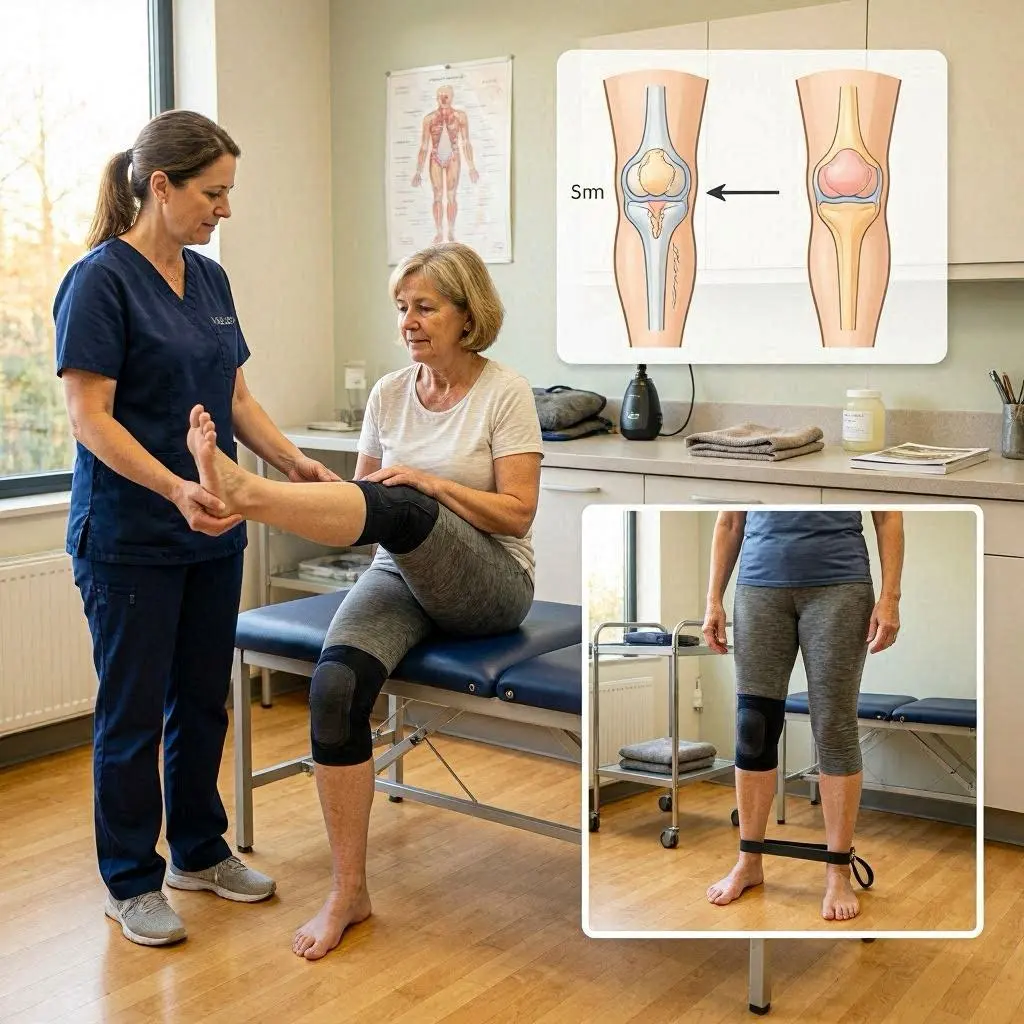
Physical therapy is a major component of rehabilitation for many injuries.
A physical therapist can assess movement patterns, strength, flexibility, balance, and functional limitations.
The therapist then develops a program based on the individual’s needs.
Physical therapy treatment may include:
-
Therapeutic exercise
-
Progressive strengthening
-
Mobility training
-
Balance exercises
-
Functional rehabilitation
-
Manual therapy
-
Movement education
-
Activity modification
-
Return-to-sport training
The exact combination depends on the injury and recovery stage.
Therapeutic Exercise for Injury Recovery
Exercise is often one of the most important parts of rehabilitation.
However, the correct exercise depends on the injury.
Range-of-Motion Exercises
These exercises help maintain or restore movement.
They may be especially useful when an injury has caused stiffness or when movement has been restricted.
Strengthening Exercises
Strengthening exercises restore the capacity of muscles and surrounding tissues.
Early exercises may involve low resistance.
As the individual improves, resistance can gradually increase.
Balance Exercises
Balance training can be particularly important after lower-limb injuries.
Exercises may begin with simple stable positions and progress toward more challenging movements.
Functional Exercises
Functional exercises replicate movements used in daily life, work, or sport.
Examples include:
-
Squatting
-
Stepping
-
Lifting
-
Reaching
-
Walking
-
Running
-
Jumping
-
Changing direction
The appropriate exercise depends on the individual’s goals.
Progressive Loading in Injury Rehabilitation
Progressive loading is an important rehabilitation principle.
Tissues and muscles need appropriate physical stress to regain capacity.
However, increasing physical demands too quickly can aggravate symptoms.
The goal is to gradually increase the amount of work the body can tolerate.
Progression can involve changes in:
-
Resistance
-
Repetitions
-
Sets
-
Duration
-
Speed
-
Movement complexity
-
Training frequency
A rehabilitation professional can help determine when and how to progress.
Manual Therapy in Injury Rehabilitation Treatment
Manual therapy may be included in some rehabilitation programs.
Depending on the therapist’s training and the individual’s condition, treatment may include soft-tissue techniques or joint mobilization.
Manual therapy can sometimes help with temporary discomfort or movement limitations.
However, hands-on treatment is generally most useful when combined with active rehabilitation.
Exercises allow the individual to develop strength and movement capacity independently.
Injury Rehabilitation Treatment for Sports Injuries
Sports injuries can occur during training, competition, or recreational activities.
Common sports injuries include:
-
Ankle sprains
-
Muscle strains
-
Tendon injuries
-
Knee injuries
-
Shoulder injuries
-
Overuse problems
Sports rehabilitation usually goes beyond simply reducing symptoms.
An athlete must regain the physical abilities required for their specific sport.
These abilities can include:
-
Strength
-
Power
-
Speed
-
Agility
-
Balance
-
Coordination
-
Endurance
-
Reaction ability
The final stages of rehabilitation should gradually reproduce the demands of the sport.
Injury Rehabilitation Treatment for Athletes
Athletes often want to return to training as soon as possible.
However, returning too quickly can increase the risk of setbacks.
A professional rehabilitation program gradually increases physical demands.
For example, a soccer player may progress from walking to jogging, running, acceleration, changes of direction, ball drills, and eventually full training.
A basketball player may need to regain jumping and landing ability.
A tennis player may require repeated rotational movements and rapid changes of direction.
The rehabilitation plan should therefore reflect the actual demands of the athlete’s sport.
Injury Rehabilitation for Workplace Injuries
Work-related injuries can affect a person’s ability to perform their job.
Rehabilitation may focus on restoring the physical abilities required for specific workplace tasks.
For example, a person whose job involves lifting may need progressive strength and lifting exercises.
Someone who spends most of the day standing may need lower-limb conditioning and endurance training.
Return-to-work rehabilitation should consider both the individual’s abilities and the demands of the job.
A gradual return may be appropriate for some injuries.
Injury Rehabilitation After Surgery
Some injuries require surgical treatment.
Rehabilitation after surgery must follow the instructions and restrictions associated with the procedure.
Early rehabilitation may focus on protecting the surgical area and maintaining appropriate movement.
Later stages may introduce strengthening and functional exercises.
The timeline can vary substantially between different surgeries.
A rehabilitation professional should work within the medical guidelines provided for the specific procedure.
Managing Pain During Rehabilitation
Pain can be part of the injury recovery process.
However, pain alone does not always provide a complete picture of tissue health.
Some rehabilitation exercises may produce mild or temporary discomfort.
At the same time, significant or rapidly increasing pain should not be ignored.
The appropriate response depends on the injury and individual circumstances.
A therapist can help modify exercises, adjust workload, or determine whether further assessment is necessary.
The objective is to gradually improve physical capacity without unnecessarily aggravating symptoms.
Rest and Recovery During Rehabilitation
Exercise is important, but recovery is equally important.
The body needs time to adapt to rehabilitation exercises.
Adequate sleep, nutrition, hydration, and rest can support general recovery.
Performing excessive exercise does not necessarily accelerate rehabilitation.
Instead, it may create unnecessary fatigue or aggravate symptoms.
A balanced rehabilitation program combines physical challenges with sufficient recovery.
Flexibility and Mobility After Injury
Injuries can result in reduced flexibility and mobility.
For example, immobilization can cause a joint to become stiff.
Appropriate mobility exercises can gradually restore movement.
Stretching may also be included when appropriate.
However, aggressive stretching is not suitable for every injury.
The timing and intensity should be based on the type of injury and stage of recovery.
Forcing a joint or muscle beyond a comfortable range can create unnecessary irritation.
Balance and Coordination Rehabilitation
Certain injuries can affect balance and coordination.
This is particularly common after some ankle and lower-limb injuries.
Balance exercises challenge the body’s ability to maintain stability.
As the individual improves, exercises can become progressively more difficult.
For example, a person may move from standing on two feet to one foot and eventually to dynamic balance activities.
The exercises should always match the individual’s current ability.
Injury Rehabilitation Treatment and Injury Prevention
Rehabilitation can also provide an opportunity to identify factors that may have contributed to an injury.
These factors may include:
-
Weakness
-
Limited mobility
-
Poor movement control
-
Sudden increases in training
-
Inadequate conditioning
-
Poor recovery habits
-
Repetitive physical demands
Addressing these factors may help reduce future injury risk.
However, no rehabilitation program can guarantee that an injury will never happen again.
Nutrition During Injury Rehabilitation
Nutrition supports general health and the body’s normal recovery processes.
A balanced diet provides energy and nutrients needed for everyday physiological functions.
Adequate protein, carbohydrates, healthy fats, vitamins, minerals, and fluids can all contribute to general well-being.
People recovering from significant injuries may benefit from speaking with a qualified healthcare or nutrition professional about their individual nutritional needs.
Avoiding unnecessary restrictive diets during recovery may also be important.
Sleep and Injury Recovery
Sleep plays an important role in physical recovery.
Poor sleep can affect energy, concentration, mood, and exercise performance.
Maintaining a consistent sleep schedule can support the rehabilitation process.
If injury-related discomfort regularly interferes with sleep, discuss the problem with an appropriate healthcare professional.
Improving sleep quality can make it easier to participate consistently in rehabilitation.
Mental and Emotional Challenges During Rehabilitation
Physical injury can affect emotional well-being.
An athlete may feel frustrated about missing training or competition.
A worker may worry about returning to their job.
Someone with a significant injury may become concerned about losing independence.
These reactions are understandable.
Setting realistic short-term goals can make rehabilitation feel more manageable.
Progress should be measured over time rather than expecting immediate results.
If an injury causes significant emotional distress, professional mental health support may also be appropriate.
How Long Does Injury Rehabilitation Treatment Take?
There is no universal rehabilitation timeline.
Recovery depends on many factors, including:
-
Type of injury
-
Severity of injury
-
Tissue involved
-
Age
-
General health
-
Previous injuries
-
Activity level
-
Treatment adherence
-
Sleep
-
Nutrition
-
Physical demands of work or sport
Some minor injuries may improve within a relatively short period.
More serious injuries, surgeries, fractures, or complex rehabilitation cases may require several months.
A professional can provide a more individualized estimate after assessing the injury.
Signs That Rehabilitation Is Progressing
Progress is not always measured by pain alone.
Other signs of improvement may include:
-
Greater range of motion
-
Increased strength
-
Improved balance
-
Better coordination
-
Greater exercise tolerance
-
Easier daily activities
-
Improved confidence
-
Ability to perform sport-specific movements
Tracking these changes can provide a clearer picture of recovery.
Common Injury Rehabilitation Mistakes
Several mistakes can make rehabilitation more difficult.
Returning Too Quickly
Feeling better does not necessarily mean that full physical capacity has returned.
Returning to demanding activity too soon may create setbacks.
Avoiding Movement Completely
Long periods of inactivity can contribute to weakness and stiffness.
When movement is safe, appropriate activity is often an important part of rehabilitation.
Increasing Exercise Too Fast
Rapidly increasing resistance, volume, or intensity can overload recovering tissues.
Progression should be gradual.
Ignoring Persistent Symptoms
Persistent or worsening symptoms should be discussed with an appropriate healthcare professional.
Focusing Only on Pain
Pain is only one aspect of recovery.
Strength, mobility, stability, balance, coordination, and function are also important.
Home Exercises During Injury Rehabilitation
Many rehabilitation programs include exercises that can be performed at home.
Home exercises may help maintain progress between professional appointments.
Depending on the injury, they might include:
-
Mobility exercises
-
Stretching
-
Strengthening
-
Balance training
-
Core exercises
-
Functional movements
Exercises should ideally be prescribed or demonstrated by a qualified professional when the injury requires clinical rehabilitation.
Correct technique matters.
Performing an exercise incorrectly can reduce its effectiveness or place unnecessary stress on other parts of the body.
Returning to Exercise After Injury
Returning to exercise should be gradual.
A person should generally avoid immediately returning to the same intensity, duration, and frequency used before the injury.
Instead, training demands can be increased progressively.
For example, a runner may begin with walking and short jogging intervals before returning to longer runs.
An athlete involved in a jumping sport may progress from controlled strength exercises to low-level jumping and eventually higher-intensity drills.
The appropriate progression depends on the injury.
When Should You Seek Injury Rehabilitation Treatment?
Professional rehabilitation assessment may be appropriate when an injury affects normal function.
Consider seeking professional guidance if you experience:
-
Persistent pain
-
Reduced mobility
-
Muscle weakness
-
Difficulty walking
-
Poor balance
-
Repeated injuries
-
Difficulty returning to exercise
-
Difficulty performing work activities
Early professional guidance can help establish an appropriate recovery strategy.
When Should You Seek Urgent Medical Care?
Some injuries require immediate medical attention rather than routine rehabilitation.
Seek urgent medical care after significant trauma or if you experience symptoms such as severe pain, obvious deformity, uncontrolled bleeding, loss of consciousness, sudden neurological changes, or an inability to use a limb normally following a major injury.
Rehabilitation should never delay emergency assessment.
Choosing an Injury Rehabilitation Treatment Program
A good rehabilitation program should be individualized.
The therapist should consider the person’s injury, physical abilities, goals, lifestyle, and activity demands.
An effective program may include:
-
A detailed assessment
-
Individualized goals
-
Progressive exercises
-
Mobility training
-
Strength development
-
Functional training
-
Education
-
Regular progress assessment
-
Gradual return to activity
The program should also change as the individual improves.
The Importance of Patient Education
Education is a valuable part of rehabilitation.
Understanding the recovery process can help individuals make better decisions about physical activity.
A therapist may explain:
-
Which movements are appropriate
-
How to perform exercises correctly
-
When to increase activity
-
How to modify activities
-
When to rest
-
Which symptoms require further assessment
Education can help people become more confident and independent throughout recovery.
Frequently Asked Questions
What is injury rehabilitation treatment?
Injury rehabilitation treatment is a structured process designed to restore movement, strength, balance, mobility, and function after an injury.
What treatments are used for injury rehabilitation?
Treatment may include therapeutic exercises, strengthening, mobility training, balance exercises, functional training, manual therapy, education, and gradual return-to-activity programs.
How long does injury rehabilitation take?
Recovery time varies depending on the injury, severity, affected tissue, general health, and physical demands of the individual. Some injuries recover relatively quickly, while others require months.
Can physical therapy help with injury recovery?
Yes. Physical therapy can help restore strength, mobility, balance, coordination, and functional movement through individualized rehabilitation programs.
Should I exercise while recovering from an injury?
Appropriate exercise is often an important part of rehabilitation, but the type and intensity should match the injury and recovery stage.
Can injury rehabilitation prevent reinjury?
Rehabilitation may address weakness, mobility limitations, balance problems, and movement-control issues that can contribute to future injuries. However, it cannot guarantee that reinjury will never occur.
Can I perform rehabilitation exercises at home?
Many rehabilitation programs include home exercises. These should ideally be prescribed or demonstrated by a qualified professional when an injury requires clinical care.
When should I start injury rehabilitation?
The appropriate starting point depends on the injury. Some rehabilitation activities can begin early, while other injuries require medical treatment or protection before certain exercises are introduced.
Can athletes return to sports after rehabilitation?
Many athletes can return to sport following appropriate rehabilitation. The return should be gradual and should consider strength, mobility, balance, fitness, and sport-specific demands.
Is pain normal during injury rehabilitation?
Some mild discomfort may occur during recovery, but severe, persistent, or worsening pain should be evaluated and discussed with an appropriate healthcare professional.
Final Thoughts
Injury rehabilitation treatment provides a structured pathway from injury toward restored movement and function. Instead of relying solely on rest, rehabilitation uses appropriately selected exercises and progressive activities to help the body regain physical capacity.
The treatment can include mobility exercises, strengthening, balance training, functional rehabilitation, manual therapy, education, and gradual return-to-activity strategies.
Every injury is different. A person recovering from an ankle sprain may need balance and lower-limb strengthening, while someone recovering from a shoulder injury may require mobility and upper-body strengthening. Athletes may require sport-specific rehabilitation, while workers may need exercises that replicate the demands of their jobs.
Progress should be gradual. Returning to demanding activity too quickly can create setbacks, while avoiding movement for too long can contribute to weakness and stiffness.
Recovery also depends on factors outside the rehabilitation clinic. Adequate sleep, balanced nutrition, appropriate physical activity, hydration, and consistent participation in the rehabilitation program can all support the recovery process.
Most importantly, rehabilitation should be based on the individual’s injury and current abilities. Persistent, severe, worsening, or unexplained symptoms should receive appropriate medical assessment rather than being treated solely through rehabilitation.
With an individualized treatment plan and a progressive approach to recovery, injury rehabilitation treatment can help people rebuild strength, restore mobility, improve physical function, and work toward a safe return to the activities they value.