
Rheumatoid Arthritis Physiotherapy: Improving Mobility, Strength, and Quality of Life
Rheumatoid arthritis (RA) is a chronic autoimmune condition that causes inflammation in the joints, leading to pain, stiffness, swelling, and reduced mobility. Unlike osteoarthritis, which is caused by wear and tear, rheumatoid arthritis occurs when the immune system mistakenly attacks healthy joint tissues. As a result, daily activities can become increasingly challenging. Fortunately, rheumatoid arthritis physiotherapy plays a vital role in managing symptoms, preserving joint function, and improving overall quality of life.
Through personalized rehabilitation programs, physiotherapy helps individuals remain active, reduce discomfort, and maintain independence. Moreover, it provides a safe and non-invasive approach that complements medical treatment.
What Is Rheumatoid Arthritis Physiotherapy?
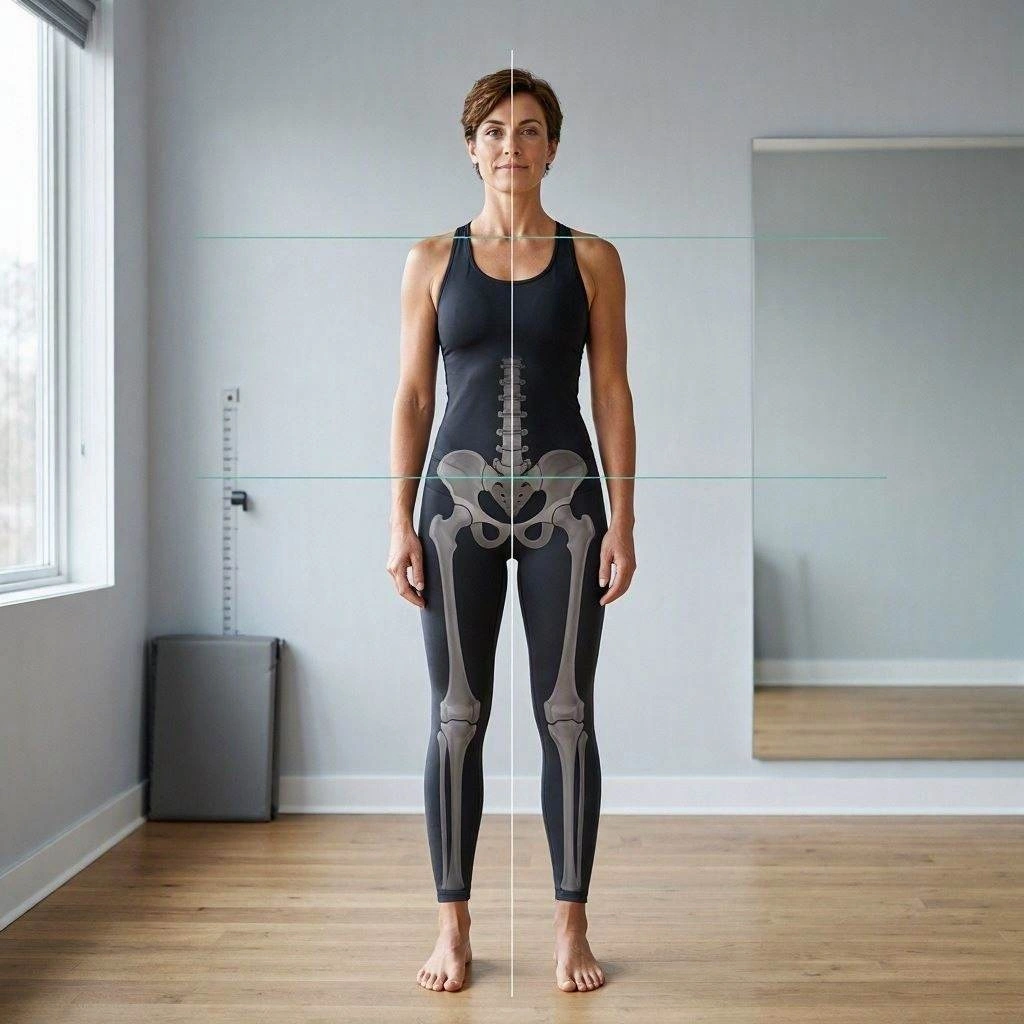
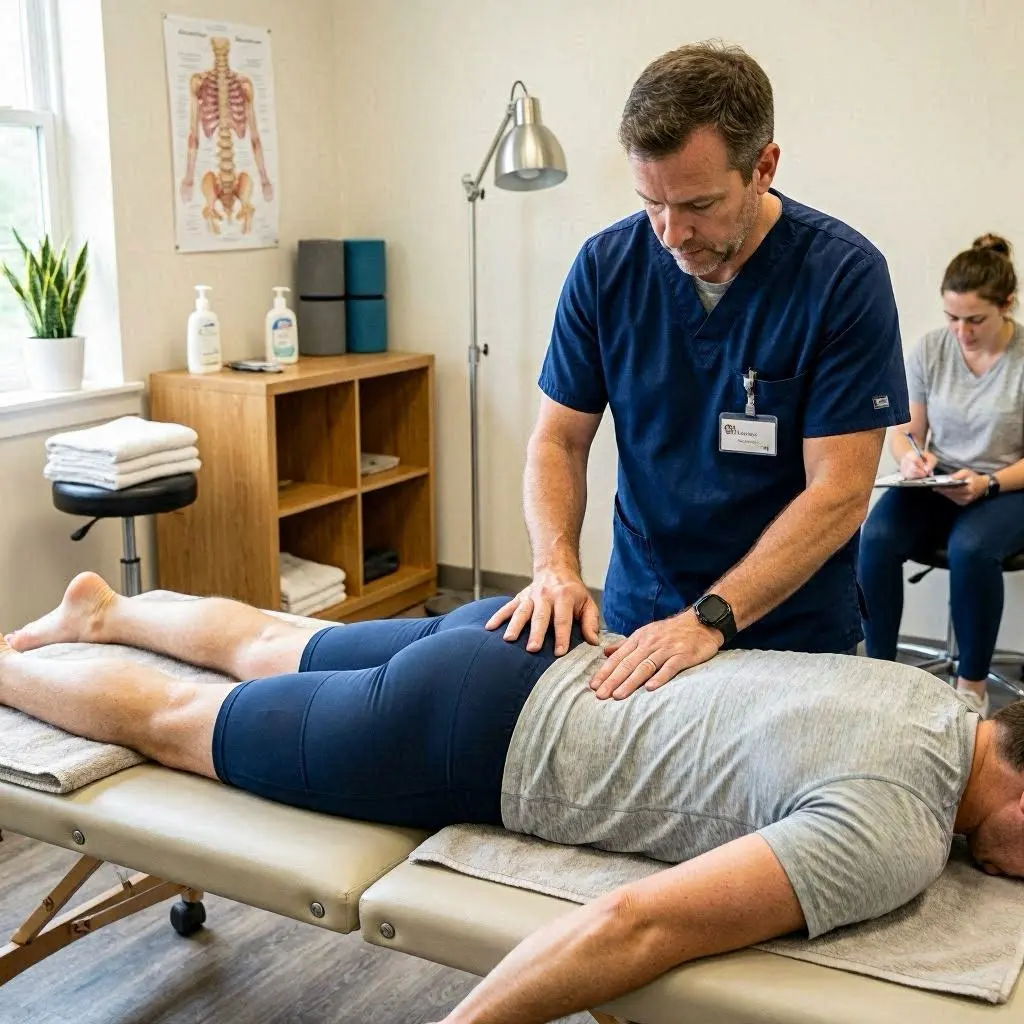
Rheumatoid arthritis physiotherapy is a specialized treatment approach designed to help individuals manage the physical effects of rheumatoid arthritis. First, a physiotherapist assesses joint mobility, muscle strength, posture, balance, and functional abilities. Then, a customized rehabilitation plan is developed to address specific symptoms and goals.
Treatment may include:
-
Therapeutic exercises
-
Stretching programs
-
Joint mobility exercises
-
Strengthening exercises
-
Balance training
-
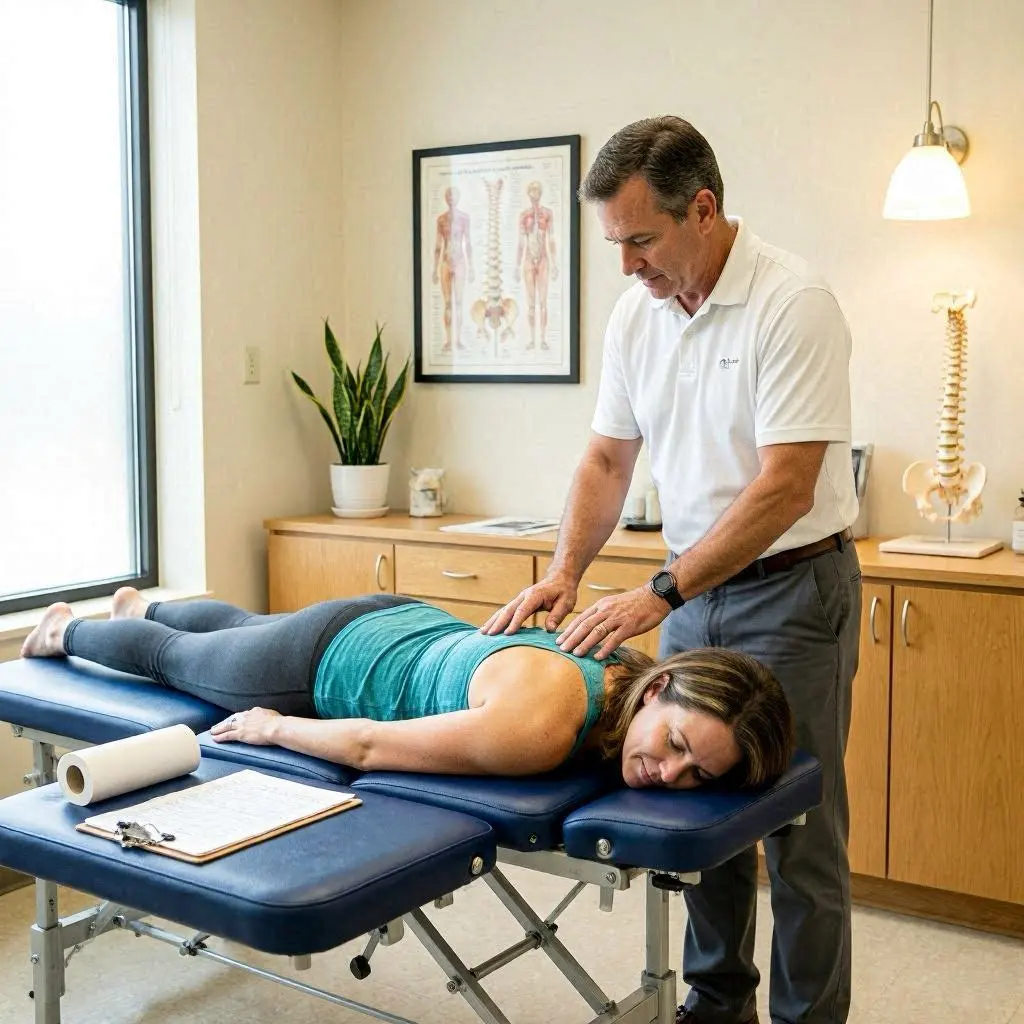
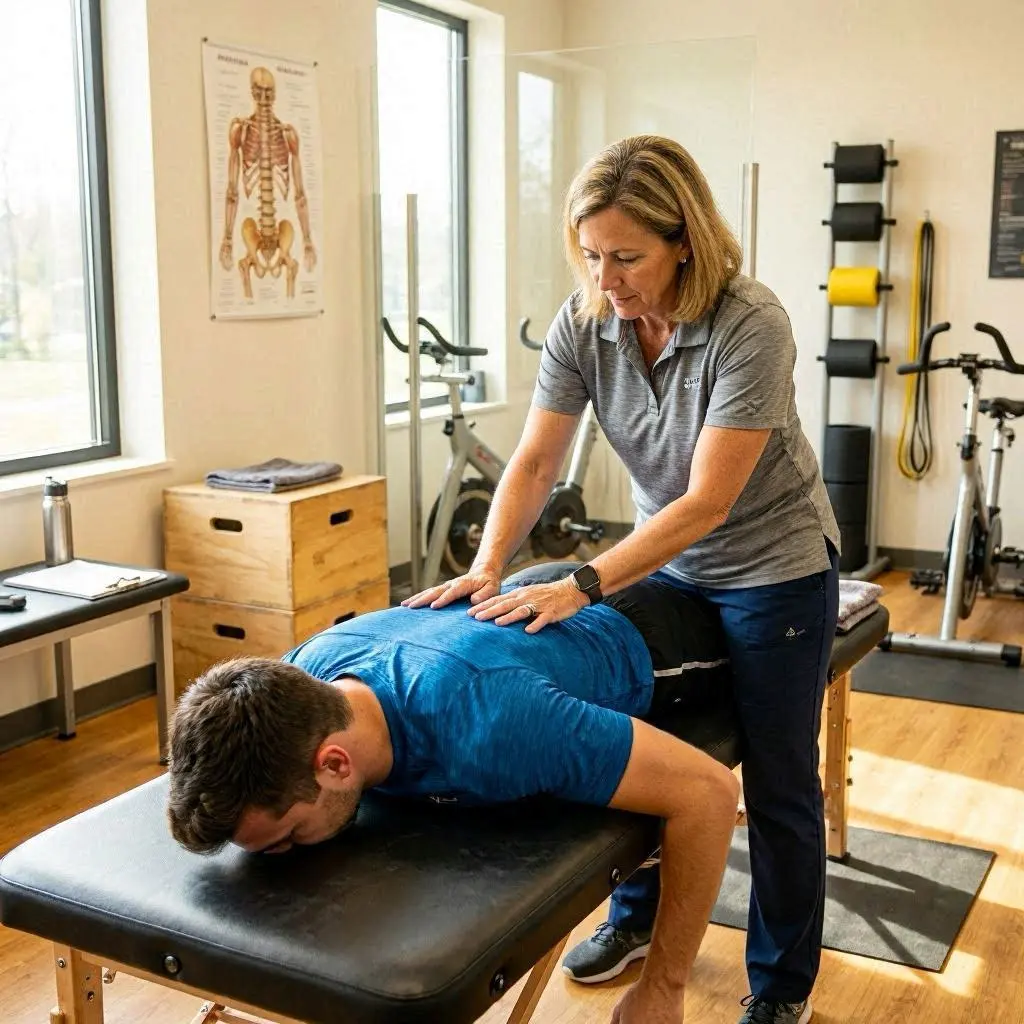
Manual therapy
-
Functional rehabilitation
-
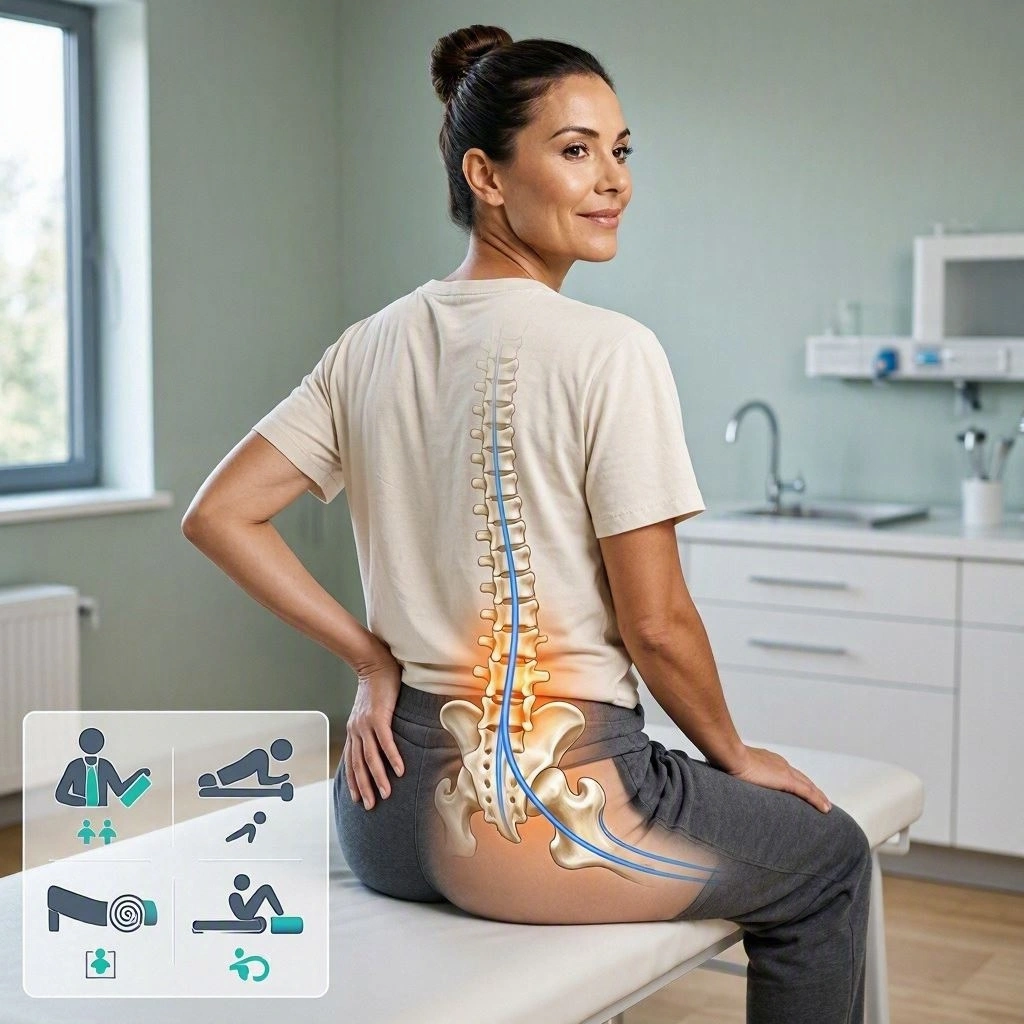
Pain management techniques
The goal is to reduce symptoms, improve movement, and protect joint health over time.
Understanding Rheumatoid Arthritis and Joint Inflammation
How Rheumatoid Arthritis Affects the Body (Rheumatoid Arthritis Physiotherapy)
Rheumatoid arthritis primarily targets the joints. However, it can also affect muscles, tendons, and other body systems.
Common Symptoms of Rheumatoid Arthritis
Individuals with RA may experience:
-
Joint pain
-
Morning stiffness
-
Swelling in multiple joints
-
Fatigue
-
Reduced flexibility
-
Difficulty performing daily tasks
Therefore, early intervention is essential for managing symptoms effectively.
Long-Term Effects of Untreated Rheumatoid Arthritis
Without proper treatment, rheumatoid arthritis may lead to joint damage, muscle weakness, and significant mobility limitations.
Benefits of Rheumatoid Arthritis Physiotherapy
Reduced Joint Pain and Stiffness
One of the key benefits of rheumatoid arthritis physiotherapy is reducing pain and improving comfort through targeted rehabilitation techniques.
Improved Joint Mobility and Flexibility
Regular exercises help maintain range of motion and reduce stiffness in affected joints.
Increased Muscle Strength and Joint Support
Strong muscles help stabilize joints and reduce stress during movement.
Better Balance and Physical Function
Balance and coordination exercises support safer movement and help prevent falls.
Enhanced Independence and Daily Living
Improved mobility enables individuals to perform everyday activities with greater ease and confidence.
Effective Rheumatoid Arthritis Physiotherapy Techniques
Exercise Therapy for Rheumatoid Arthritis Rehabilitation
Customized exercise programs improve strength, flexibility, and endurance while protecting the joints.
Joint Mobility Training for Better Movement
Mobility exercises help maintain healthy joint function and reduce movement restrictions.
Manual Therapy for Pain Relief
Hands-on treatment techniques can improve comfort and support joint mobility.
Functional Rehabilitation for Everyday Activities
Functional training focuses on tasks such as walking, reaching, standing, and climbing stairs.
Best Exercises Used in Rheumatoid Arthritis Physiotherapy
Gentle Range of Motion Exercises
These exercises help keep joints moving and reduce stiffness.
Strengthening Exercises for Joint Protection
Low-impact strengthening exercises improve muscle support around affected joints.
Stretching Exercises for Flexibility
Stretching helps maintain mobility and reduce muscle tightness.
Balance and Stability Training
Balance exercises improve coordination and support safer movement patterns.
All exercises should be tailored to the individual’s condition and performed under professional guidance.
Who Can Benefit from Rheumatoid Arthritis Physiotherapy?
Newly Diagnosed Rheumatoid Arthritis Patients
Early physiotherapy intervention can help preserve mobility and function.
Individuals Experiencing Chronic Joint Pain
Ongoing rehabilitation supports symptom management and long-term joint health.
Older Adults with Rheumatoid Arthritis
Physiotherapy helps maintain independence and improve quality of life.
Patients Seeking Non-Surgical Arthritis Management
Many people use physiotherapy as part of a comprehensive treatment strategy.
Lifestyle Tips to Support Rheumatoid Arthritis Management
Along with physiotherapy treatment, these healthy habits may help manage symptoms:
-
Stay physically active
-
Follow a regular exercise program
-
Maintain a healthy body weight
-
Practice joint protection techniques
-
Get adequate rest
-
Follow medical treatment recommendations
Consequently, combining these habits with physiotherapy often leads to better long-term outcomes.
Conclusion
Rheumatoid arthritis physiotherapy is an effective way to manage pain, improve mobility, and support long-term joint health. Through personalized rehabilitation programs, strengthening exercises, mobility training, and functional therapy, physiotherapy helps individuals maintain independence and enjoy a better quality of life.
Whether you are newly diagnosed with rheumatoid arthritis or have been managing symptoms for years, professional physiotherapy can help you stay active, reduce discomfort, and improve overall physical function.