Physiotherapy Mobility Training: Enhancing Movement and Physical Independence
Mobility is essential for maintaining independence, performing daily activities, and enjoying an active lifestyle. However, injury, surgery, aging, neurological conditions, and chronic pain can all affect the body’s ability to move efficiently. Physiotherapy mobility training helps individuals regain confidence, improve movement, and restore physical function through structured rehabilitation programs.
Furthermore, mobility-focused rehabilitation addresses the underlying causes of movement restrictions rather than simply managing symptoms. As a result, patients often experience lasting improvements in flexibility, balance, strength, and overall quality of life.
What Is a Mobility Rehabilitation Program?
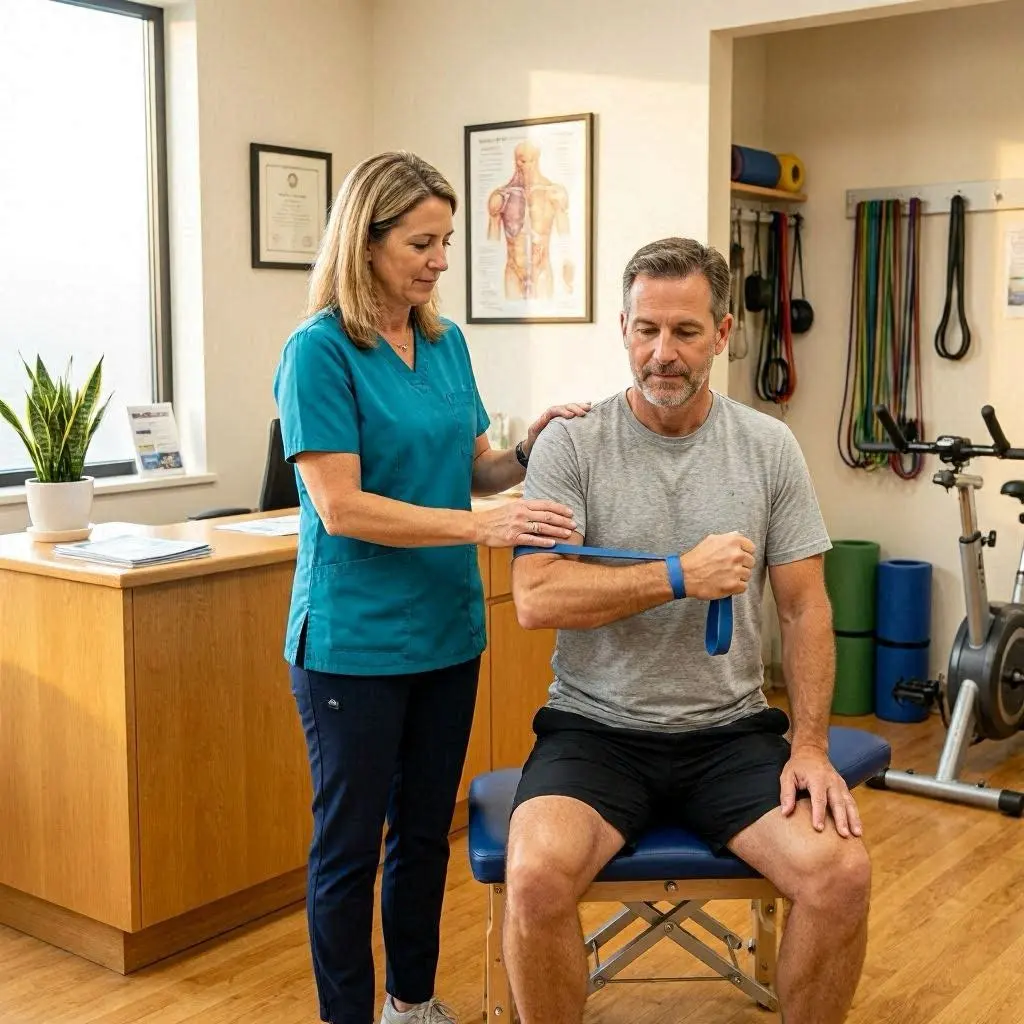
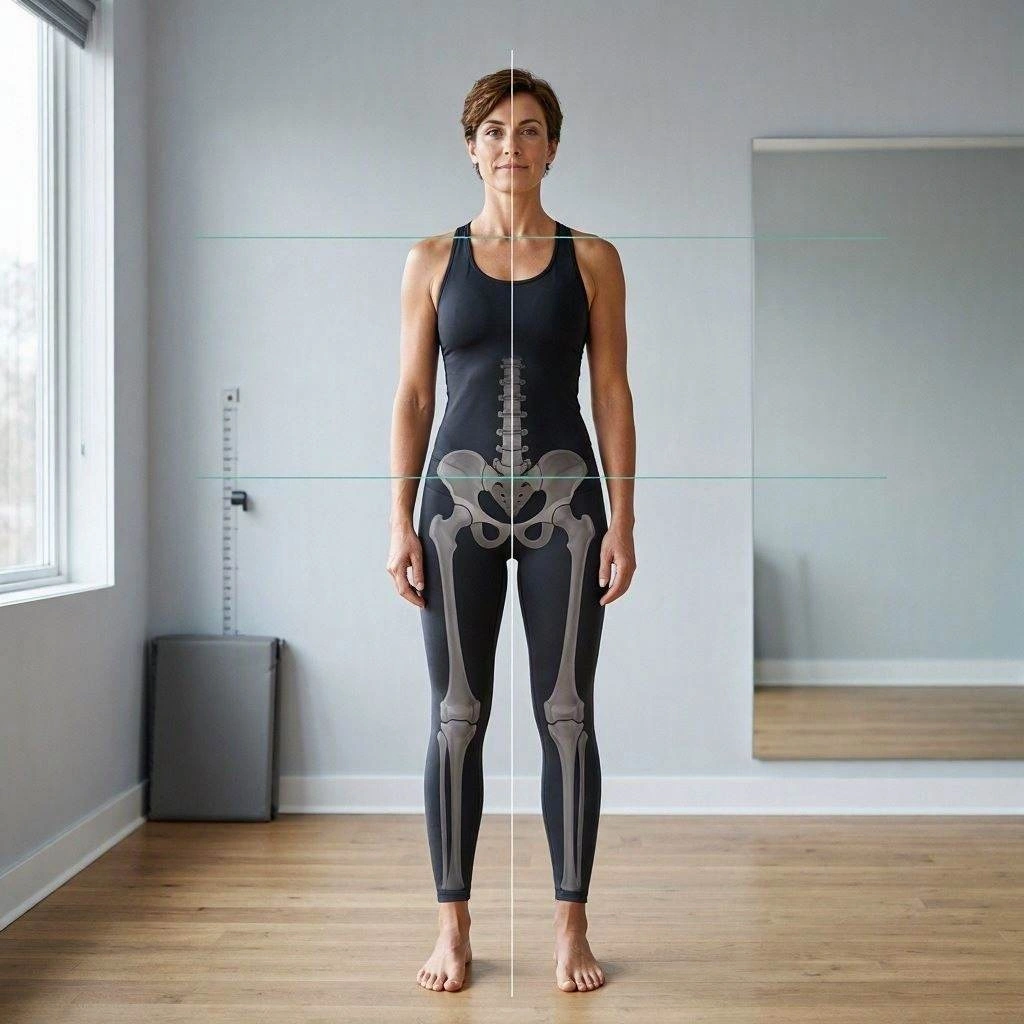
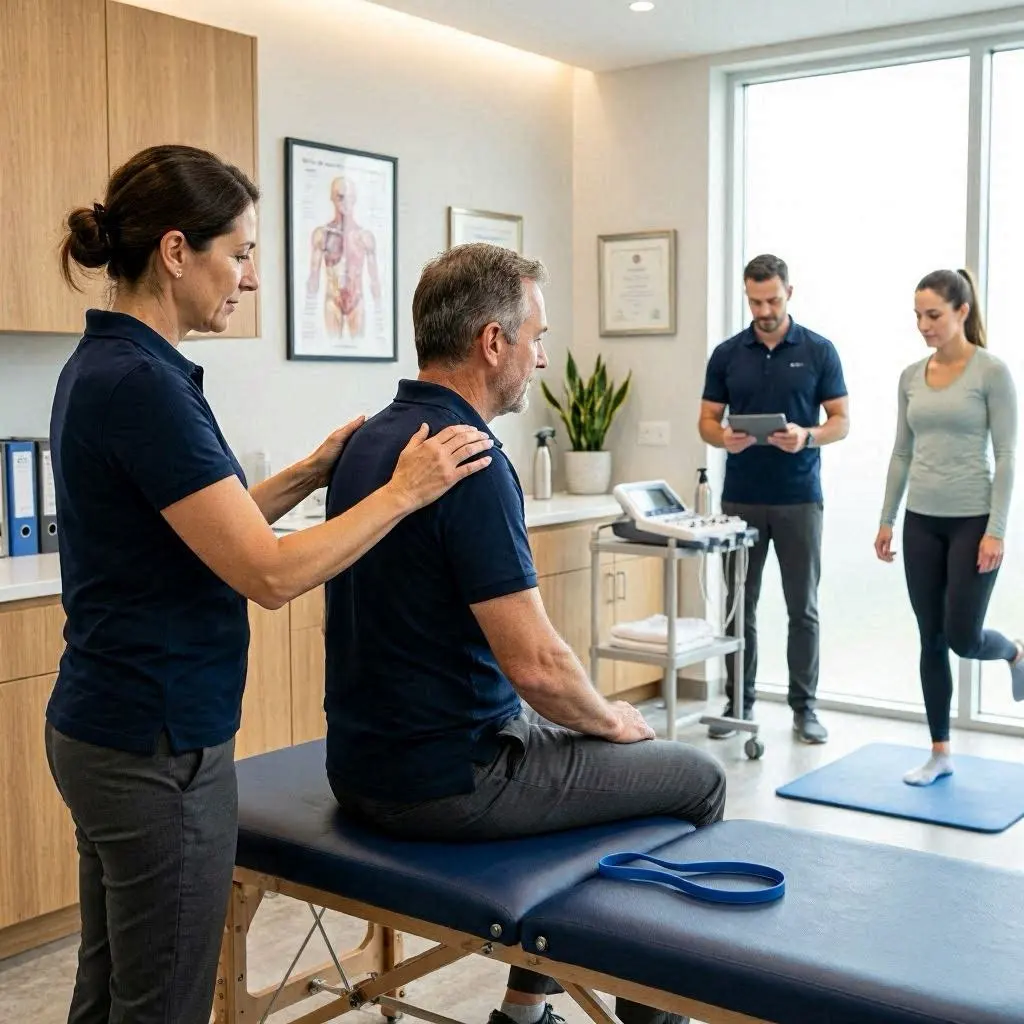
A mobility rehabilitation program is designed to improve movement patterns, flexibility, balance, and functional abilities. First, a physiotherapist evaluates posture, strength, coordination, walking patterns, and physical limitations. Then, a personalized treatment strategy is developed based on the individual’s needs and goals.
Treatment may include:
- Mobility exercises
- Balance training
- Gait retraining
- Stretching programs
- Strengthening exercises
- Functional movement therapy
- Postural correction
- Coordination activities
The primary objective is to improve safe movement and increase independence.
Benefits of Physiotherapy Mobility Training
Better Movement and Physical Function (Physiotherapy Mobility Training)
Targeted rehabilitation exercises help improve joint mobility, flexibility, and overall movement efficiency.
Greater Independence in Daily Activities
Improved mobility allows individuals to perform everyday tasks more comfortably and confidently.
Enhanced Strength and Stability
Strengthening exercises support muscles and joints, helping improve stability and physical performance.
Improved Balance and Fall Prevention
Balance-focused training reduces the risk of falls while increasing confidence during movement.
Conditions That Benefit from Mobility Rehabilitation
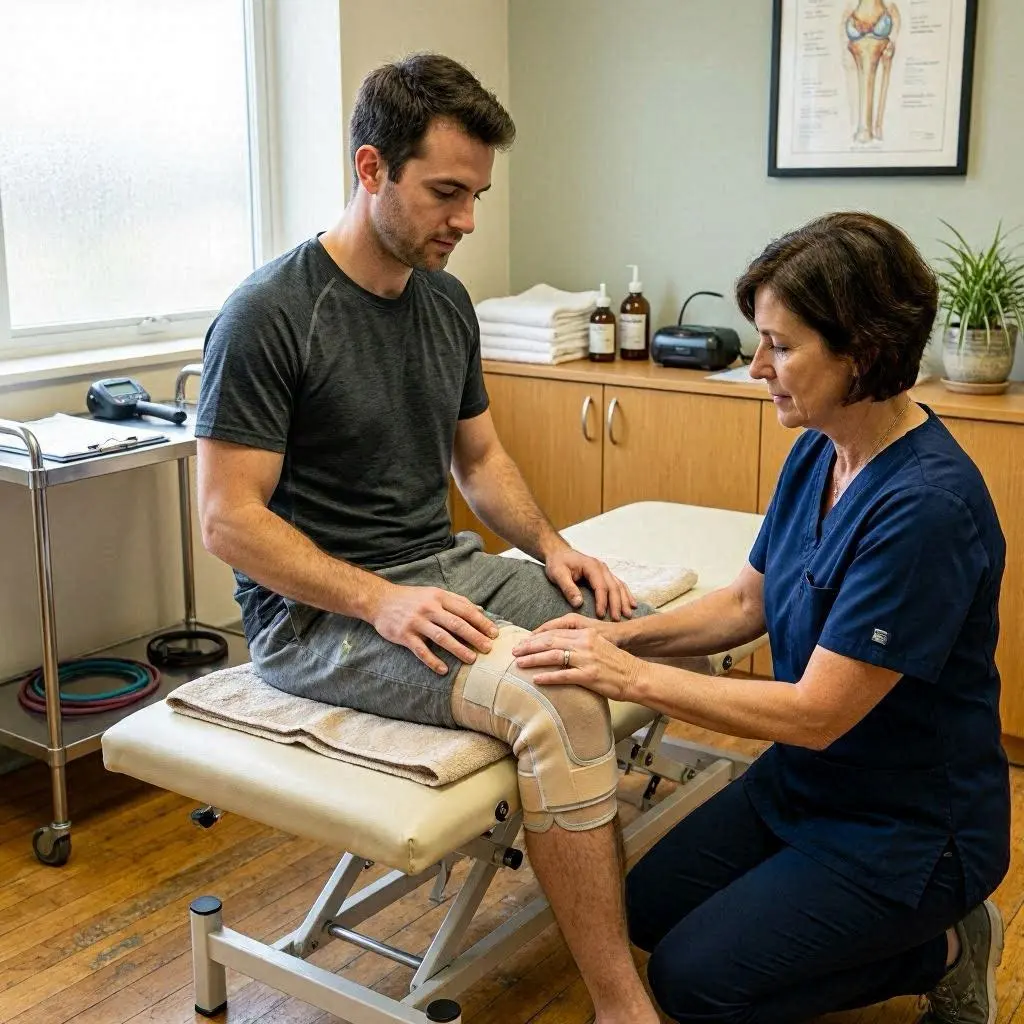
Recovery After Injury (Physiotherapy Mobility Training)
Rehabilitation programs help restore movement following sprains, fractures, muscle injuries, and other physical conditions.
Post-Surgical Movement Recovery
Following surgery, structured therapy supports healing and helps patients regain function more effectively.
Neurological Rehabilitation and Movement Training
People recovering from stroke, Parkinson’s disease, and other neurological conditions often benefit from mobility-focused care.
Arthritis and Joint Mobility Improvement
Exercise-based rehabilitation helps reduce stiffness and improve movement in affected joints.
Techniques Used in Mobility Improvement Programs
Gait Training for Better Walking (Physiotherapy Mobility Training)
Walking exercises improve coordination, posture, and movement efficiency.
Flexibility and Joint Mobility Exercises
Stretching routines help maintain range of motion and reduce stiffness.
Strength Training for Functional Movement
Building strength improves support for joints and enhances everyday movement.
Functional Rehabilitation for Everyday Tasks
Functional exercises focus on practical activities such as standing, sitting, reaching, and climbing stairs.
Why Choose Physiotherapy Mobility Training?
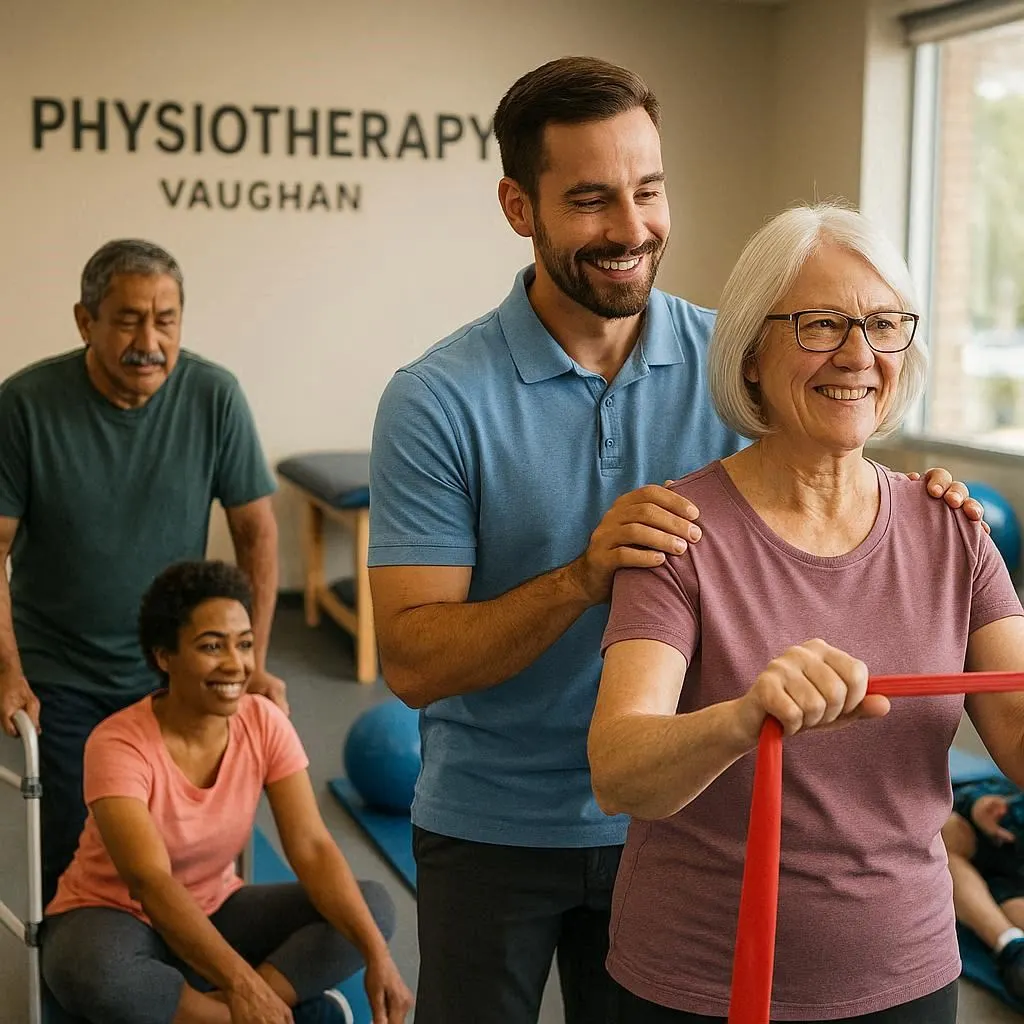
Personalized Rehabilitation Programs (Physiotherapy Mobility Training)
Each treatment plan is tailored to the patient’s unique physical condition and recovery goals.
Evidence-Based Therapy Techniques
Modern physiotherapy uses proven methods to improve movement and support long-term recovery.
Long-Term Physical Health Benefits
Consistent rehabilitation helps maintain mobility, independence, and overall wellness.
Better Quality of Life Through Improved Movement
Greater mobility enables individuals to remain active, confident, and engaged in daily activities.
Tips for Achieving Better Mobility Outcomes
To maximize results:
- Attend therapy sessions regularly
- Follow home exercise recommendations
- Stay physically active
- Practice balance exercises consistently
- Maintain proper posture
- Follow professional guidance
Regular participation plays an important role in successful rehabilitation.
Conclusion (Physiotherapy Mobility Training)
Physiotherapy mobility training is an effective solution for improving movement, balance, flexibility, and physical independence. Through personalized rehabilitation programs, strength development, gait retraining, and functional exercises, individuals can regain confidence and improve overall physical function.
Whether mobility limitations are caused by injury, surgery, aging, or chronic health conditions, a structured rehabilitation approach can help restore movement and support a healthier, more active lifestyle.