
Forward Head Posture: A Complete Guide to Causes, Symptoms, Treatment, and Long-Term Prevention
Modern lifestyles have dramatically changed the way people move and interact with their environment. Many individuals spend hours each day working on computers, using smartphones, reading tablets, or driving. Over time, these habits can contribute to one of the most common postural problems seen today: forward head posture. Although it may seem like a minor alignment issue at first, forward head posture can place significant stress on the neck, shoulders, and upper back, eventually leading to pain, muscle fatigue, headaches, and reduced mobility.
Forward head posture develops gradually, making it easy to overlook until symptoms begin affecting daily activities. Fortunately, early intervention through chiropractic care, rehabilitation exercises, posture correction, ergonomic improvements, and healthy movement habits can help restore proper alignment and reduce long-term strain on the spine.
What Is Forward Head Posture?
Forward head posture occurs when the head sits in front of the shoulders instead of being properly aligned over the spine. In an ideal posture, the ears are positioned roughly above the shoulders, allowing the head’s weight to be supported efficiently.
As the head moves forward, the muscles and joints of the cervical spine must work much harder to support its weight. Even a small forward shift significantly increases the mechanical load placed on the neck. Over time, this extra stress may contribute to muscle tightness, joint dysfunction, and chronic discomfort.
Common Causes of Forward Head Posture
Several daily habits contribute to poor head and neck alignment.
Prolonged Computer Use
Working at a computer for extended periods without proper ergonomics often encourages leaning toward the screen.
Smartphone Use
Frequently looking down at a mobile device is one of the leading causes of forward head posture.
Poor Sitting Habits
Slouching while sitting weakens postural muscles and places additional stress on the cervical spine.
Weak Muscles
Weak upper back, shoulder, and core muscles reduce the body’s ability to maintain healthy posture.
Muscle Tightness (Forward Head Posture)
Tight chest muscles and shortened neck muscles may pull the shoulders and head forward.
Lack of Physical Activity
A sedentary lifestyle often contributes to poor posture and reduced muscular endurance.
Symptoms of Forward Head Posture
Symptoms usually develop gradually and may worsen over time.
Common symptoms include:
Neck pain
Neck stiffness
Shoulder tightness
Upper back discomfort
Frequent headaches
Reduced neck mobility
Muscle fatigue
Rounded shoulders
Poor posture
Pain after computer work
Some people may also experience tingling or numbness if irritated nerves become involved.
How Forward Head Posture Affects the Body
Poor head alignment influences much more than the neck alone.
Possible effects include:
Increased Neck Stress
Forward positioning forces neck muscles to work harder throughout the day.
Shoulder Dysfunction
Rounded shoulders often accompany forward head posture, reducing shoulder mobility.
Headaches
Excessive tension in the neck and upper back may contribute to certain types of headaches.
Reduced Breathing Efficiency (Forward Head Posture)
Poor posture may limit chest expansion during breathing.
Spinal Imbalance
Misalignment in one region of the spine often affects movement throughout the body.
Diagnosing Forward Head Posture
A healthcare professional or chiropractor performs a comprehensive assessment before recommending treatment.
The evaluation may include:
Medical history review
Standing posture assessment
Sitting posture evaluation
Cervical spine examination
Joint mobility testing
Muscle strength assessment
Flexibility evaluation
Functional movement screening
Neurological examination if needed
In some situations, imaging studies may be recommended to evaluate underlying structural conditions.
Chiropractic Care for Forward Head Posture
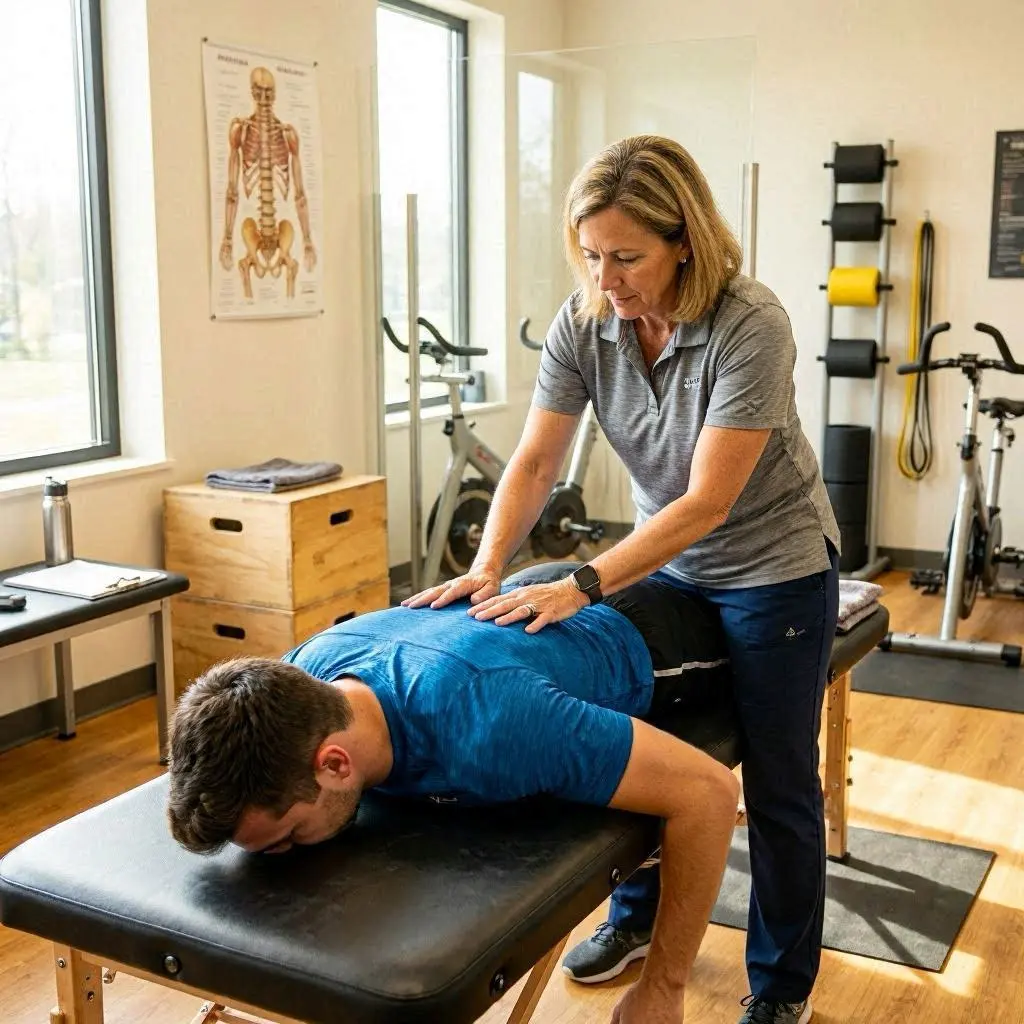
Chiropractic care is frequently included in conservative posture correction programs.
Treatment may include:
Chiropractic Adjustments
Gentle spinal adjustments help improve joint mobility and restore healthier movement patterns.
Joint Mobilization
Controlled mobilization techniques improve flexibility in restricted areas.
Soft Tissue Therapy (Forward Head Posture)
Manual therapy reduces muscle tension while improving circulation to tight tissues.
Posture Education
Patients receive practical guidance for maintaining healthy alignment during work, driving, and daily activities.
Treatment plans are individualized according to each patient’s needs.
Rehabilitation Exercises
Exercise is one of the most effective tools for correcting forward head posture.
Chin Tucks
This exercise strengthens the deep neck flexor muscles and encourages proper head alignment.
Scapular Retractions
Retracting the shoulder blades strengthens the upper back and improves posture.
Chest Stretching
Stretching the chest muscles reduces the forward pull on the shoulders.
Thoracic Mobility Exercises (Forward Head Posture)
Improving upper back mobility allows the neck to maintain a more natural position.
Core Strengthening
A stable core provides better support for the entire spine.
Exercises should be performed consistently and progressed gradually.
Ergonomic Improvements
Proper workstation setup helps reduce repetitive strain.
Helpful recommendations include:
Position your monitor at eye level.
Keep both feet flat on the floor.
Relax your shoulders.
Support your lower back while sitting.
Position the keyboard close to your body.
Avoid leaning toward the screen.
Simple adjustments often reduce daily stress on the cervical spine.
Healthy Daily Habits
Good posture depends on consistent habits.
Helpful recommendations include:
Stand and stretch every hour.
Limit prolonged smartphone use.
Exercise regularly.
Maintain healthy body weight.
Stay hydrated.
Sleep on a supportive pillow.
Perform posture exercises daily.
Practice proper lifting techniques.
Walk frequently throughout the day.
Stay aware of your posture.
These habits reinforce long-term improvements.
Preventing Forward Head Posture (Forward Head Posture)
Preventive care is easier than correcting chronic postural problems.
Helpful prevention strategies include:
Improve workstation ergonomics.
Strengthen postural muscles.
Stretch daily.
Reduce unnecessary screen time.
Alternate sitting and standing.
Maintain good posture while driving.
Exercise consistently.
Address minor symptoms early.
Building these habits helps reduce cumulative stress on the neck and shoulders.
When Should You Seek Professional Care?
Professional evaluation is recommended if you experience:
Persistent neck pain
Frequent headaches
Reduced neck movement
Shoulder tightness
Poor posture that does not improve
Tingling or numbness in the arms
Pain interfering with daily activities
Early treatment often produces better long-term outcomes.
Warning Signs That Require Immediate Medical Attention
Some symptoms require urgent medical evaluation rather than conservative treatment.
Seek emergency care if you experience:
Severe neck pain after major trauma
Sudden weakness in the arms or legs
Loss of bowel or bladder control
Numbness around the groin or saddle area
Difficulty breathing
High fever with severe neck pain
Loss of consciousness
Sudden vision changes accompanied by severe headache
These symptoms may indicate a serious medical condition that requires immediate medical attention.
Building a Long-Term Posture Improvement Plan
Long-term success depends on consistency.
A comprehensive posture improvement plan should include:
Daily posture exercises
Core strengthening
Upper back strengthening
Regular stretching
Chiropractic care when appropriate
Ergonomic improvements
Healthy nutrition
Quality sleep
Routine physical activity
Periodic posture assessments
Maintaining these habits supports lifelong spinal health and efficient movement.
Conclusion (Forward Head Posture)
Forward head posture is a common problem that can affect people of all ages, especially those who spend long hours using computers or mobile devices. Left unaddressed, it may contribute to neck pain, headaches, shoulder tension, reduced mobility, and long-term spinal stress. Fortunately, a combination of chiropractic care, rehabilitation exercises, posture correction, ergonomic improvements, and healthy daily habits can help restore proper alignment and improve overall function. Whether your goal is to reduce discomfort, improve posture at work, or prevent future musculoskeletal problems, taking a proactive approach to forward head posture can make a meaningful difference. With consistent effort and professional guidance, you can improve spinal alignment, move more comfortably, and support your long-term health.