Musculoskeletal Care: A Complete Guide to Better Movement, Pain Relief, and Long-Term Physical Health
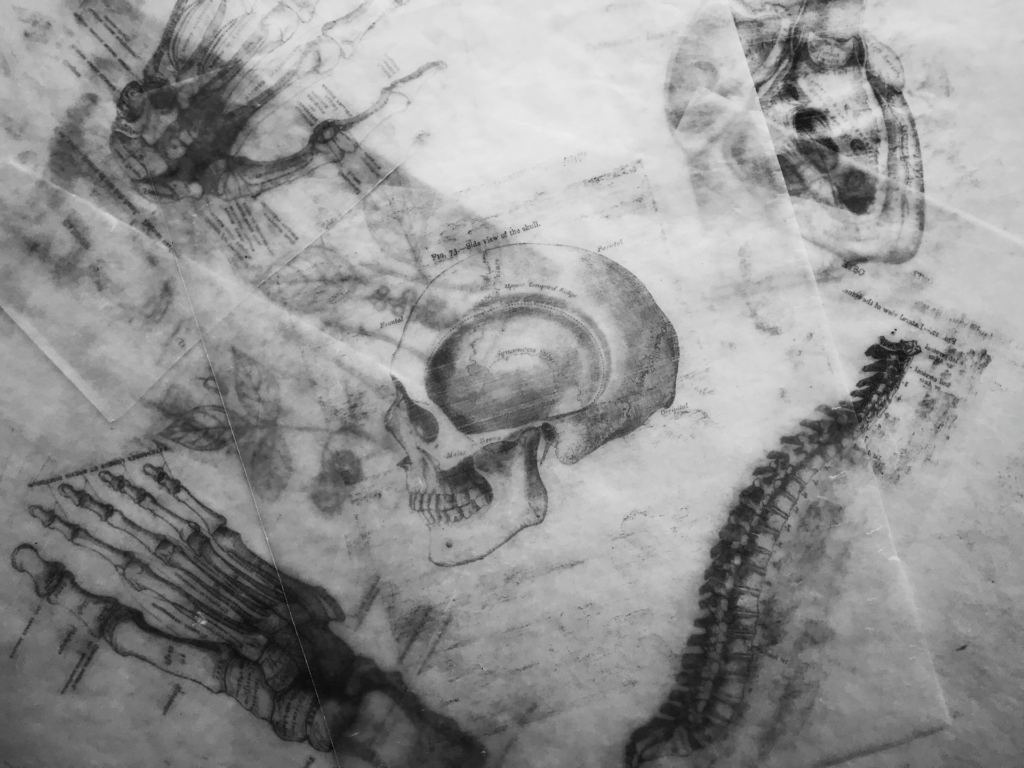
The musculoskeletal system is responsible for supporting the body’s structure and allowing every movement you make. It includes bones, muscles, joints, tendons, ligaments, cartilage, and connective tissues that work together to provide stability, flexibility, and strength. When any part of this complex system becomes injured or affected by disease, everyday activities such as walking, lifting, exercising, or even sitting comfortably can become challenging. Fortunately, musculoskeletal care focuses on preventing, diagnosing, treating, and managing conditions that affect movement and physical function. Through personalized treatment plans, education, rehabilitation, and healthy lifestyle changes, musculoskeletal care helps reduce pain, improve mobility, restore function, and support long-term wellness. Rather than simply relieving symptoms, comprehensive care addresses the underlying causes of discomfort while promoting healthier movement patterns.
What Is Musculoskeletal Care?
Musculoskeletal care is a broad healthcare approach that focuses on maintaining and restoring the health of muscles, bones, joints, ligaments, tendons, and related soft tissues. Treatment may involve chiropractors, physiotherapists, orthopedic specialists, rehabilitation professionals, and primary healthcare providers working together to improve patient outcomes.
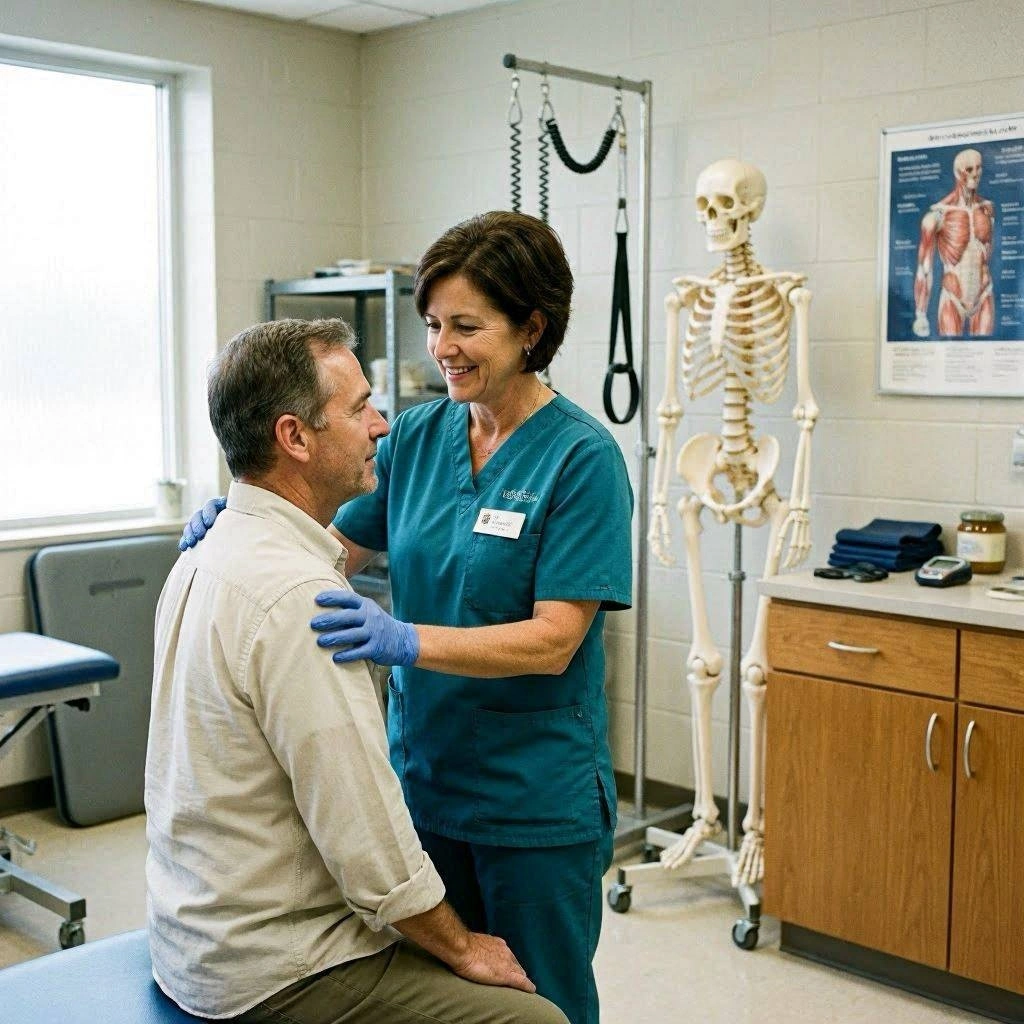
Every treatment program begins with a thorough assessment. During the first appointment, a healthcare professional reviews your medical history, discusses your symptoms, evaluates movement, and identifies possible contributing factors.
A comprehensive examination may include:
-
Medical history review
-
Posture assessment
-
Joint mobility testing
-
Muscle strength evaluation
-
Flexibility assessment
-
Balance and coordination testing
-
Functional movement analysis
-
Neurological examination when appropriate
-
Review of imaging studies if available
Based on these findings, an individualized treatment plan is created to meet your specific needs and recovery goals.
Why Musculoskeletal Health Matters
Healthy muscles and joints allow the body to move efficiently while protecting bones and connective tissues from unnecessary stress. However, injuries, aging, repetitive movements, poor posture, and inactivity can gradually affect musculoskeletal function.
When movement becomes restricted or painful, people often compensate by changing the way they walk, stand, or perform daily activities. Consequently, additional muscles and joints may become overloaded, increasing the risk of chronic pain and further injury.
Maintaining musculoskeletal health improves not only mobility but also independence, productivity, and overall quality of life.
Common Musculoskeletal Conditions
Many conditions can affect the musculoskeletal system.
Back Pain
Back pain is one of the leading causes of disability worldwide. It may result from muscle strain, poor posture, disc injuries, arthritis, or spinal dysfunction.
Neck Pain
Long hours at a computer, repetitive movements, and poor posture commonly contribute to neck pain and stiffness.
Joint Pain
The shoulders, knees, hips, wrists, ankles, and elbows may develop pain due to overuse, injury, arthritis, or inflammation.
Muscle Strains
Overstretching or overloading muscles can cause pain, swelling, and reduced strength.
Tendon Injuries
Conditions such as tendinitis often develop gradually due to repetitive movements or excessive physical activity.
Ligament Sprains
Ligament injuries commonly occur during sports, falls, or sudden twisting movements.
Arthritis
Osteoarthritis and other forms of arthritis may cause joint pain, stiffness, and reduced mobility over time.
Benefits of Comprehensive Musculoskeletal Care
Effective Pain Relief (Musculoskeletal Care)
One of the primary goals of musculoskeletal care is reducing pain while improving movement. Personalized treatment addresses both symptoms and contributing factors.
Improved Mobility
Restoring healthy joint movement and muscle flexibility allows patients to perform daily activities with greater ease.
Faster Recovery
Following an injury or surgery, rehabilitation programs help patients regain strength, balance, and functional independence.
Injury Prevention
Movement assessments identify muscle imbalances and poor movement patterns before they lead to more serious injuries.
Better Physical Performance
Whether you are an athlete or simply want to stay active, healthy muscles and joints improve overall physical performance.
Enhanced Quality of Life
Reducing pain and restoring mobility allows individuals to participate more comfortably in work, recreation, exercise, and family activities.
Treatment Options in Musculoskeletal Care
Chiropractic Care
Chiropractic treatment focuses on restoring healthy joint movement through spinal adjustments, joint mobilization, and conservative care.
Physical Rehabilitation
Rehabilitation programs strengthen weak muscles, improve flexibility, and restore normal movement following injury or surgery.
Therapeutic Exercise
Customized exercise plans improve endurance, coordination, balance, and functional strength while supporting long-term recovery.
Manual Therapy
Hands-on techniques reduce muscle tension, improve joint mobility, and encourage healthy movement.
Soft Tissue Therapy
Massage and soft tissue mobilization improve circulation, reduce stiffness, and support tissue healing.
Posture Correction (Musculoskeletal Care)
Education about healthy sitting, standing, lifting, and workplace ergonomics helps reduce unnecessary stress on the musculoskeletal system.
Healthy Habits That Support Musculoskeletal Health
Professional treatment produces the best results when combined with healthy daily routines.
Helpful habits include:
-
Exercise regularly.
-
Stretch every day.
-
Maintain good posture.
-
Stay physically active.
-
Lift heavy objects correctly.
-
Maintain a healthy body weight.
-
Wear supportive footwear.
-
Drink enough water.
-
Sleep on a supportive mattress.
-
Take regular movement breaks during prolonged sitting.
Small daily improvements can significantly reduce the risk of future musculoskeletal problems.
The Role of Exercise
Exercise is one of the most effective ways to maintain musculoskeletal health.
Recommended activities include:
Strength Training
Building muscle strength improves joint stability while reducing injury risk.
Flexibility Exercises (Musculoskeletal Care)
Stretching improves mobility and reduces muscle tightness.
Balance Training
Balance exercises reduce the likelihood of falls while improving coordination.
Aerobic Exercise
Walking, swimming, cycling, and other cardiovascular activities support overall physical health while improving endurance.
Functional Training (Musculoskeletal Care)
Exercises that mimic everyday movements prepare the body for lifting, bending, reaching, and carrying safely.
Who Can Benefit from Musculoskeletal Care?
Almost anyone experiencing pain or movement limitations may benefit from professional care.
Common patient groups include:
-
Office workers
-
Athletes
-
Older adults
-
Manual laborers
-
Individuals recovering from surgery
-
People with arthritis
-
Individuals with chronic pain
-
Patients recovering from sports injuries
Because every individual has different needs, treatment plans should always be personalized.
When Should You Seek Professional Care? (Musculoskeletal Care)
Professional evaluation is recommended if you experience:
-
Persistent joint pain
-
Ongoing muscle discomfort
-
Back or neck pain lasting more than a few days
-
Reduced mobility
-
Difficulty walking
-
Frequent sports injuries
-
Swelling around joints
-
Pain interfering with daily activities
Early intervention often improves recovery and helps prevent long-term complications.
When Is Emergency Medical Care Necessary?
Seek immediate medical attention if you experience:
-
Severe pain following major trauma
-
Sudden inability to move a limb
-
Loss of bowel or bladder control
-
Progressive muscle weakness
-
High fever with severe joint or spinal pain
-
Obvious bone deformity
-
Significant swelling after an injury
-
Chest pain or difficulty breathing accompanying musculoskeletal symptoms
These symptoms require urgent medical evaluation.
Long-Term Strategies for Musculoskeletal Wellness (Musculoskeletal Care)
Maintaining healthy muscles and joints requires ongoing care throughout life.
Helpful long-term strategies include:
-
Staying physically active.
-
Practicing proper body mechanics.
-
Maintaining flexibility.
-
Strengthening core muscles.
-
Managing body weight.
-
Following ergonomic principles.
-
Scheduling routine health evaluations.
-
Addressing minor injuries early.
-
Managing stress effectively.
-
Following personalized exercise recommendations.
These habits help preserve mobility and independence as you age.
Conclusion (Musculoskeletal Care)
Musculoskeletal care plays a vital role in helping people move comfortably, recover from injuries, and maintain lifelong physical health. Through comprehensive assessments, personalized rehabilitation, therapeutic exercise, chiropractic care, manual therapy, posture correction, and healthy lifestyle guidance, healthcare professionals can address the root causes of pain while improving movement and function.
Whether you are recovering from an injury, managing arthritis, preventing sports injuries, or simply aiming to stay active, investing in musculoskeletal care can significantly improve your quality of life. By combining professional treatment with consistent exercise, healthy posture, and positive daily habits, you can support stronger muscles, healthier joints, and long-term mobility for years to come.